How to Clean Your Dog’s Fur Calmly and Effectively
As devoted dog parents, we all want our furry companions to be clean, comfortable, and smelling fresh. However, bath time can often feel more like a wrestling match than a bonding experience. If the thought of cleaning your dog’s fur fills you with dread, you’re not alone. Many dogs find baths stressful, and many owners find the process challenging.
But what if we told you it doesn’t have to be that way? With the right approach, tools, and a sprinkle of patience, you can transform bath time into a calm, effective, and even enjoyable routine for both you and your beloved canine. This comprehensive guide will walk you through every step, ensuring your pup emerges sparkling clean and stress-free.
Why Calm Cleaning Matters for Your Dog
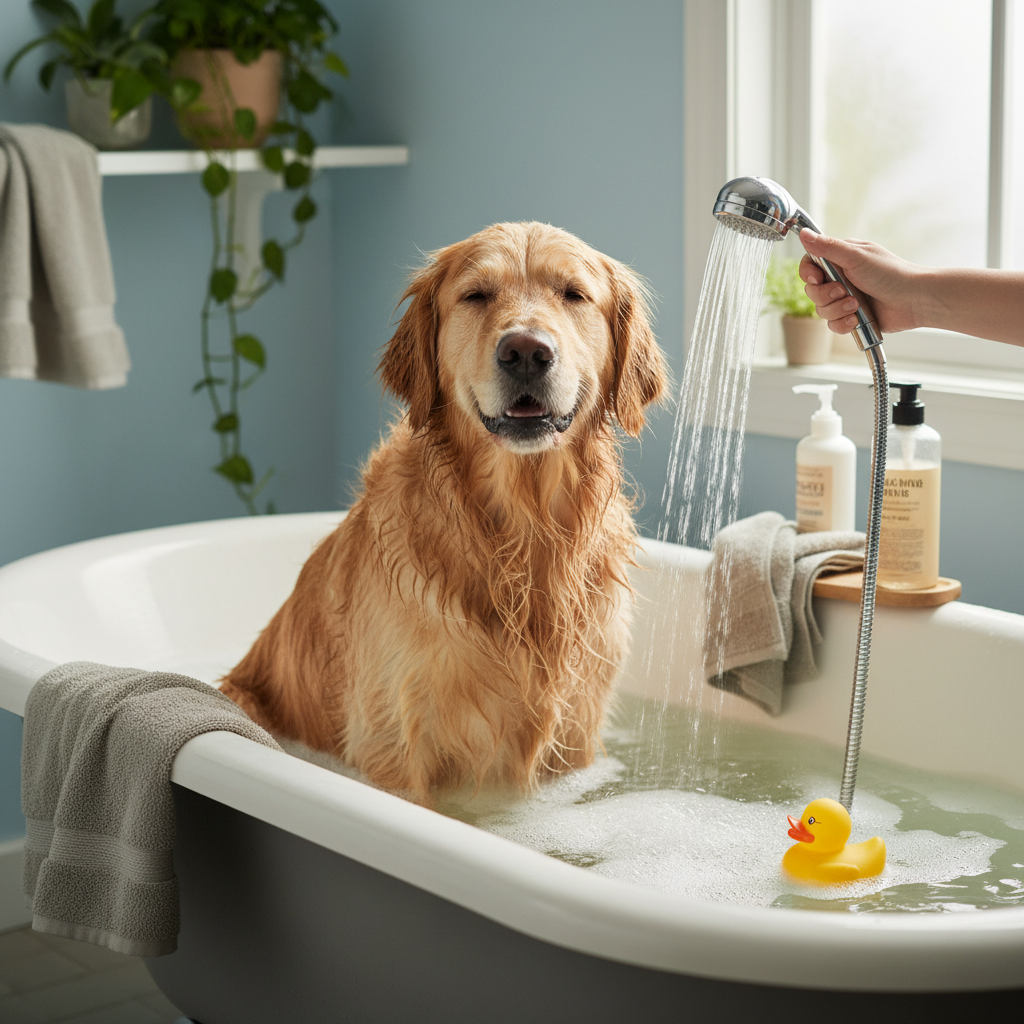
Beyond just getting your dog clean, a calm approach to grooming has significant benefits for their overall well-being. Stressful experiences can lead to anxiety, fear, and behavioral issues related to baths. By making the process positive, you reinforce trust, reduce fear, and ensure your dog associates cleanliness with comfort, not distress. This holistic approach contributes to a healthier coat, happier temperament, and a stronger bond between you and your furry family member.
Gathering Your Gear – The Essentials You’ll Need
Preparation is key to a smooth bath time. Having everything within reach before you start will minimize stress for both you and your dog.
Shampoo and Conditioner – Choosing Wisely
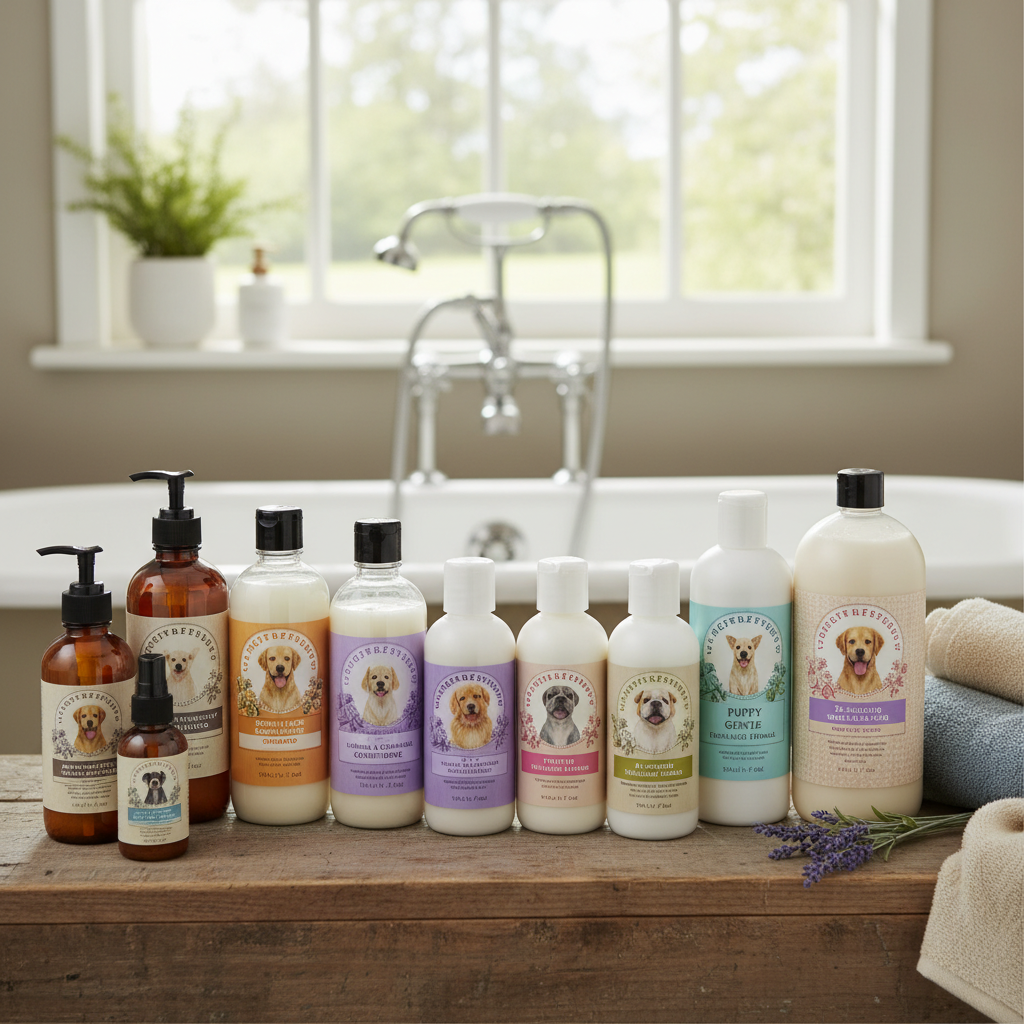
Always use dog-specific shampoo and conditioner. Human products can irritate your dog’s skin due to different pH levels. Look for formulas suited to your dog’s coat type (e.g., sensitive skin, deodorizing, de-shedding) and consult your vet if your dog has specific skin conditions.
- Hypoallergenic for sensitive skin.
- Oatmeal-based for soothing dry or itchy skin.
- Deodorizing for extra-smelly pups.
- Puppy shampoo for young dogs, extra mild.
Brushes and Combs – Detangling Tools
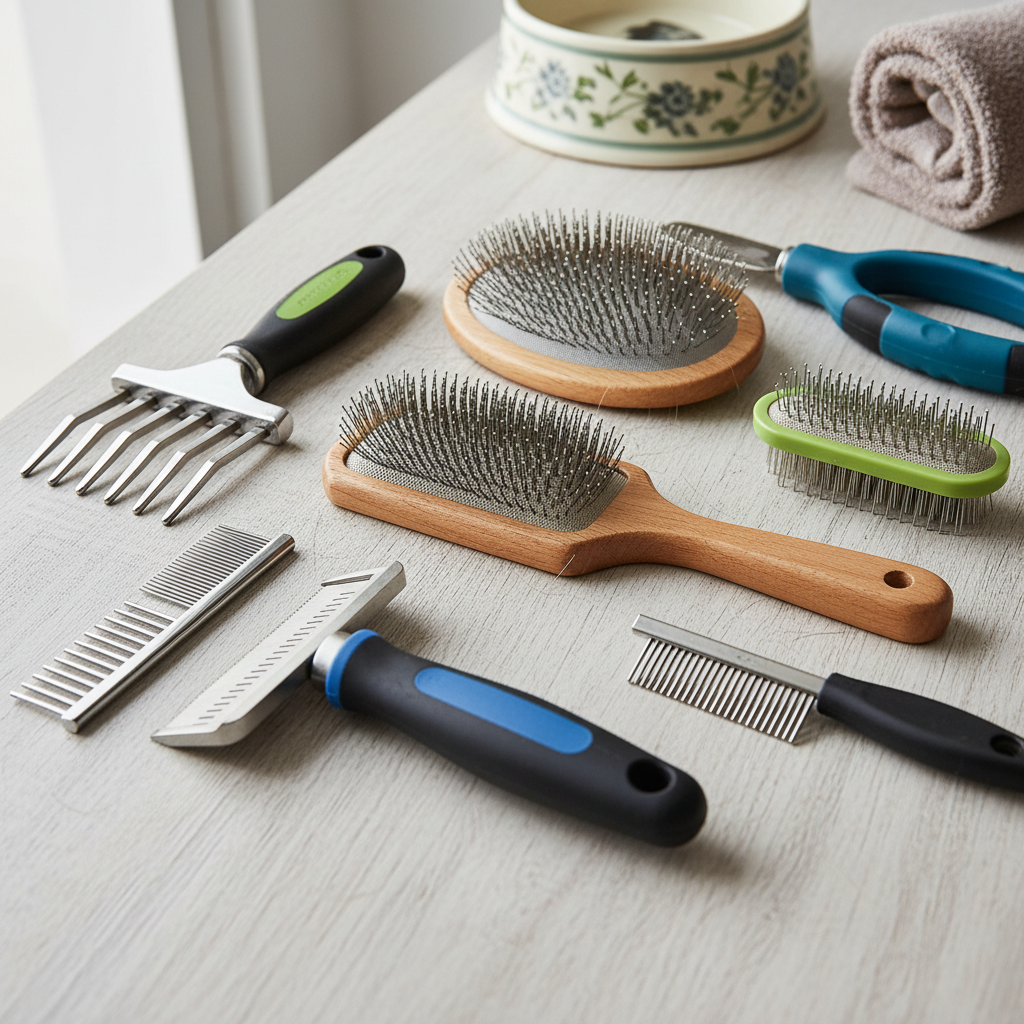
A good brush is crucial for pre-bath detangling and post-bath fluffing. Choose one appropriate for your dog’s fur type:
- Slicker brush for removing mats and loose fur.
- Pin brush for longer, silkier coats.
- Rubber curry brush for short-haired dogs, great for lathering.
- Wide-tooth comb for detangling.
Towels and Drying Tools – Absorbing and Fluffing
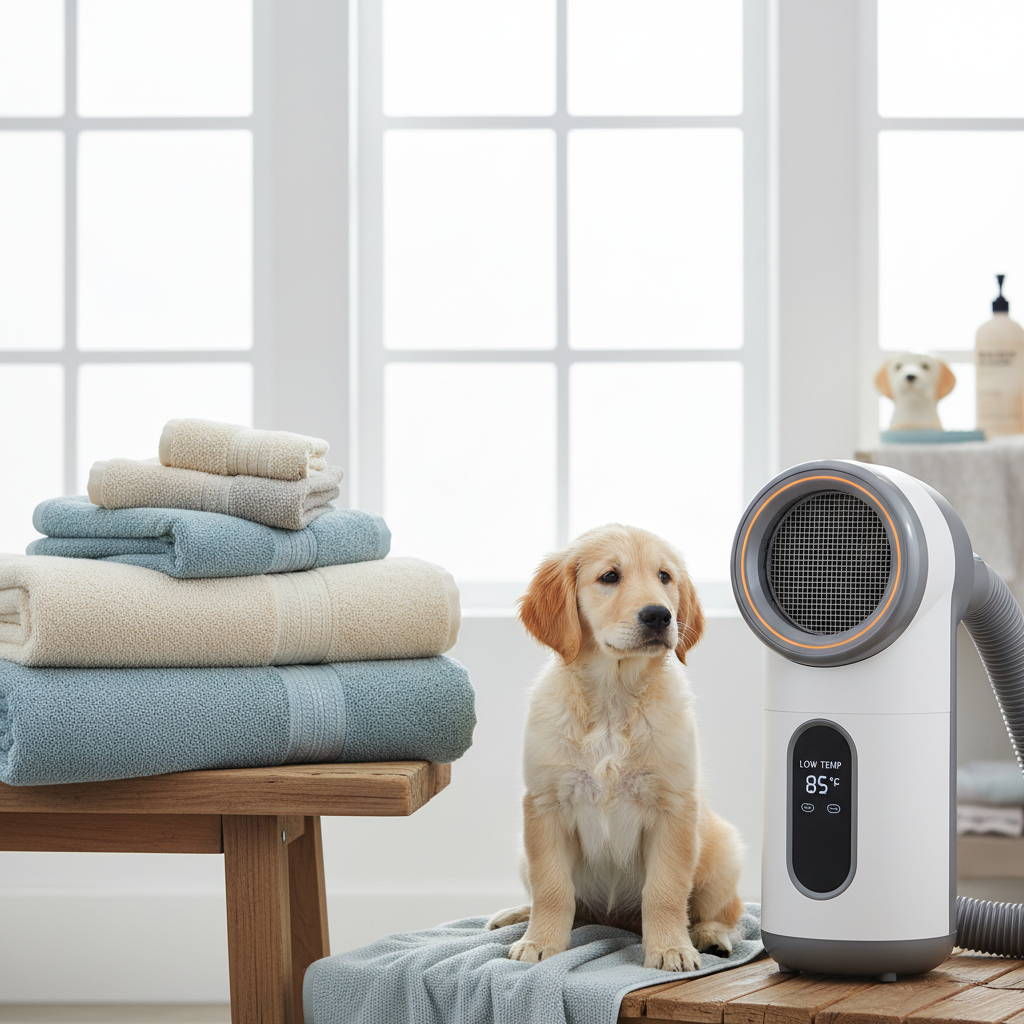
Have several large, absorbent towels ready. For faster drying, consider a specialized pet drying towel or a dog-specific low-heat blow dryer. Avoid human hairdryers on high heat, as they can burn your dog’s skin.
Treats and Toys – Positive Reinforcement
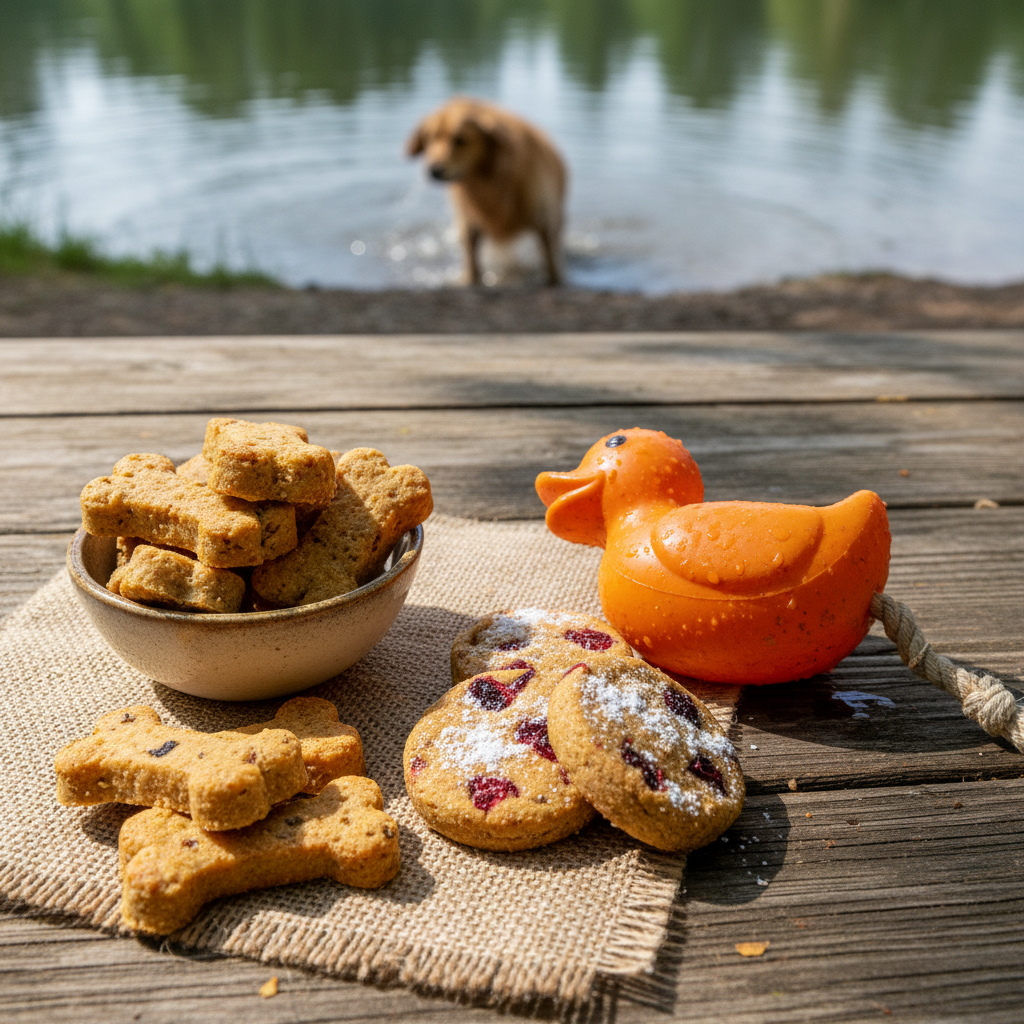
High-value treats and a favorite waterproof toy (like a lick mat with peanut butter) can be invaluable for distraction and positive reinforcement, especially for anxious dogs. These can make the experience much more pleasant.
Pre-Bath Prep – Setting the Stage for Success
A few minutes of preparation can make a world of difference.
Brush Before You Bathe – Preventing Mats
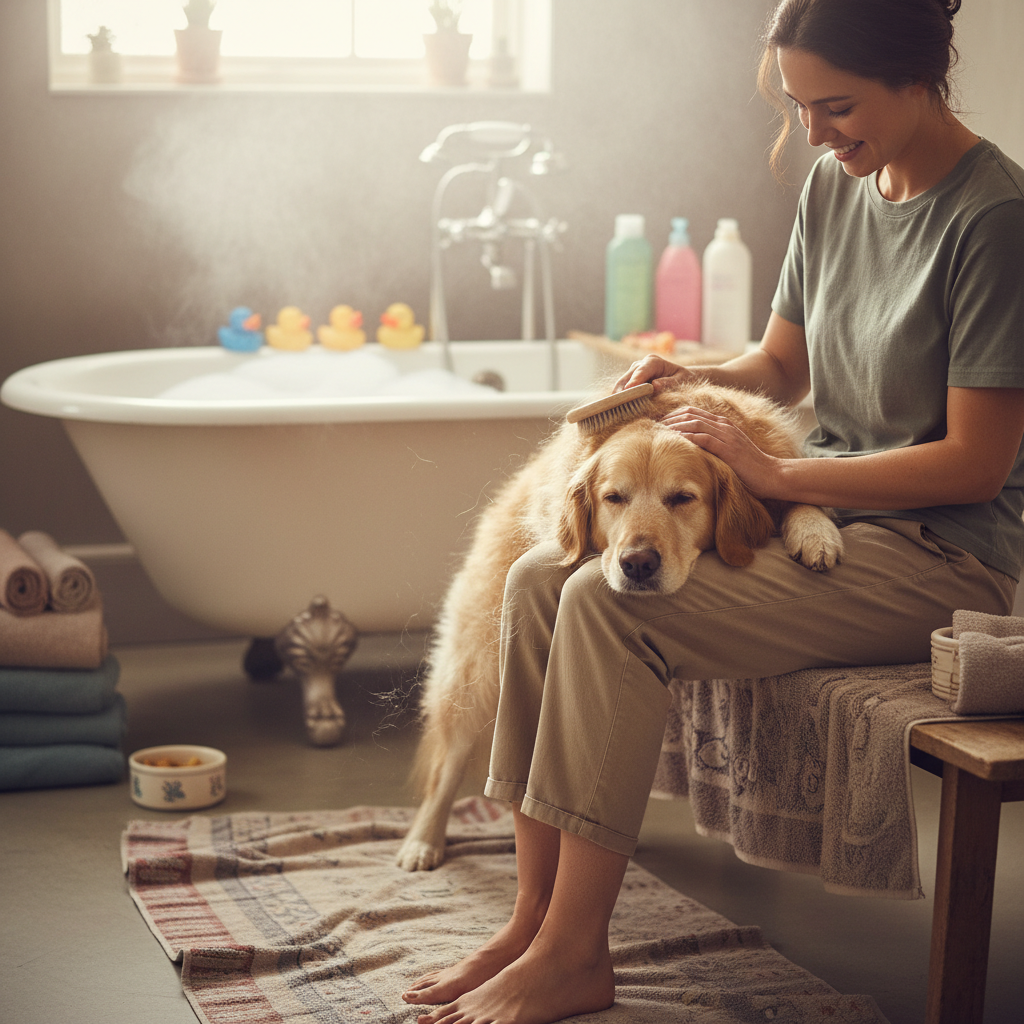
This is a non-negotiable step! Thoroughly brush your dog’s fur to remove any loose hair, dirt, and especially tangles or mats. Water can tighten mats, making them incredibly difficult and painful to remove after the bath. If you encounter severe mats, consider professional grooming before bathing.
Protect Their Ears and Eyes – Safety First
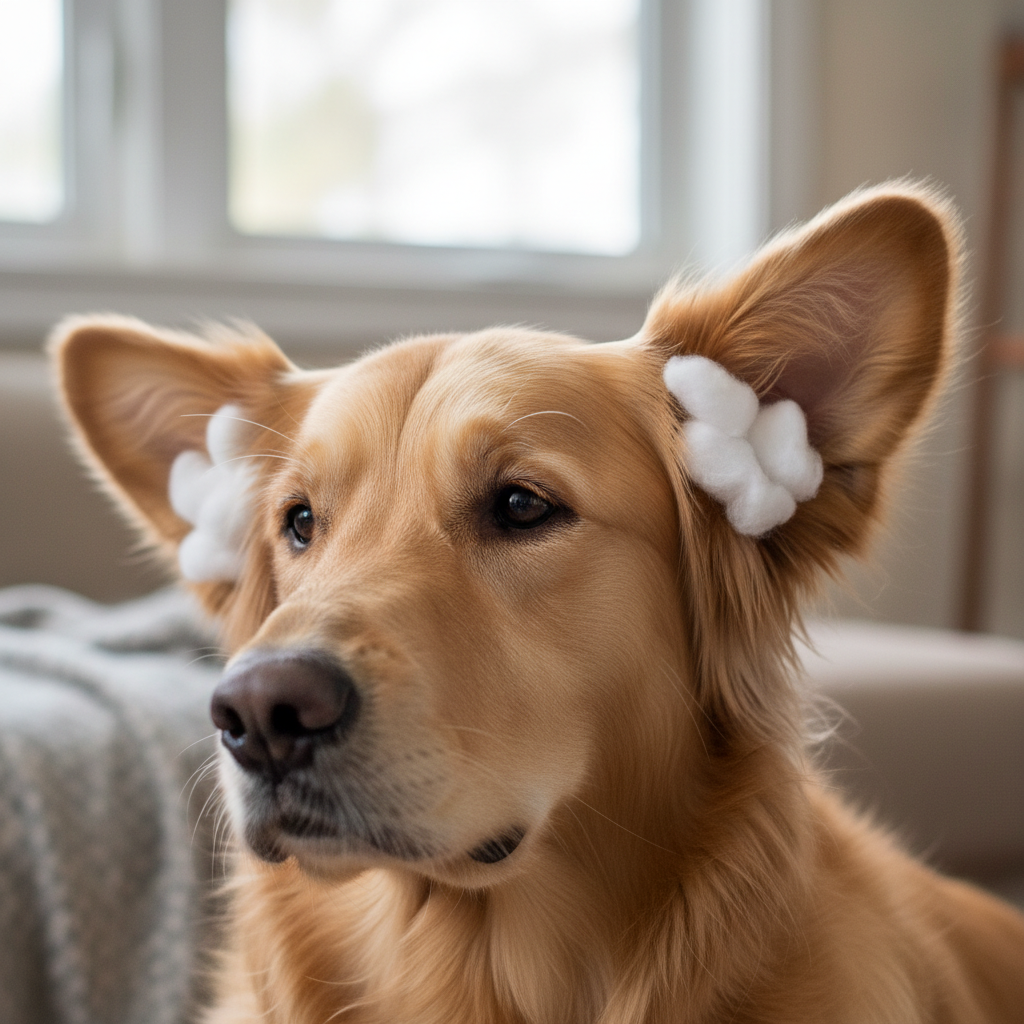
Place cotton balls gently in your dog’s ears to prevent water from entering the ear canal, which can lead to infections. A thin line of ophthalmic ointment or mineral oil around their eyes can help protect them from shampoo irritation. Be careful not to get water or shampoo directly into their eyes.
Warm Water and Gentle Flow – Comfort is Key
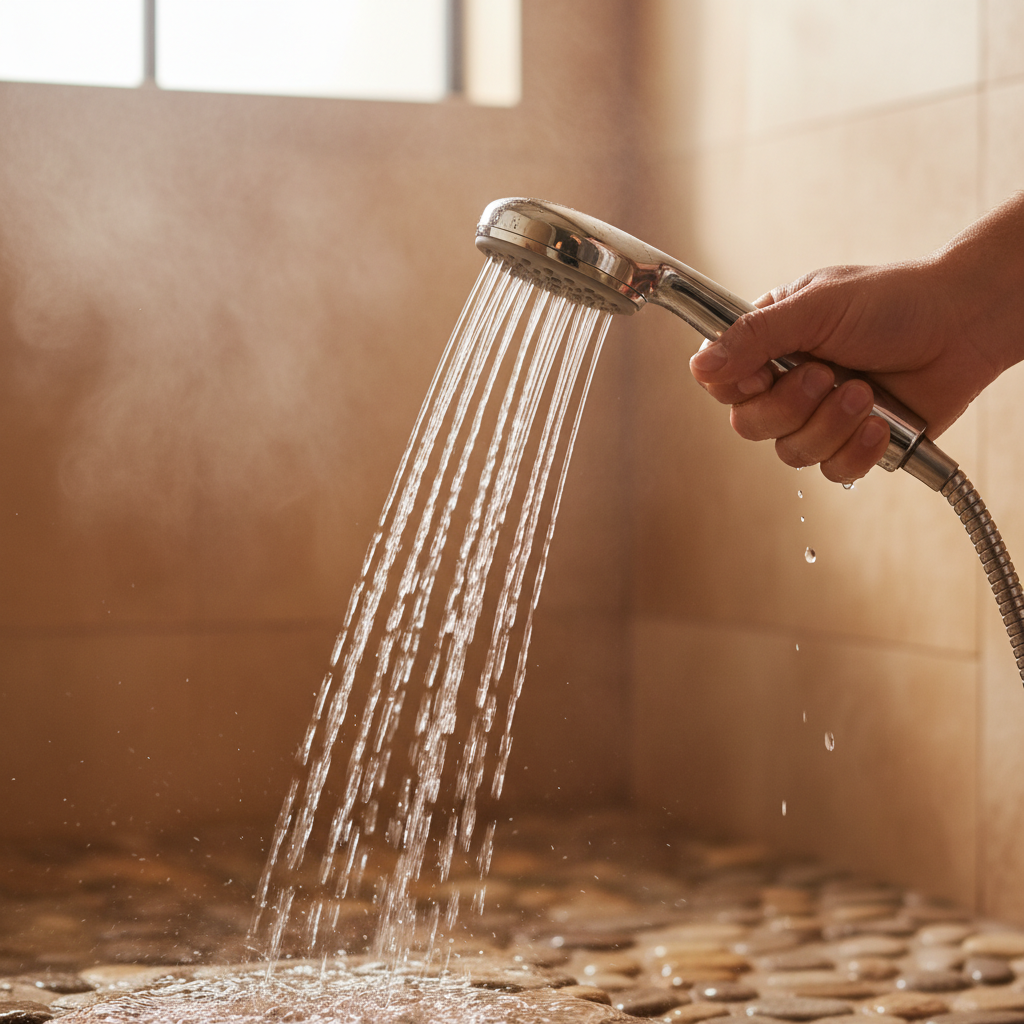
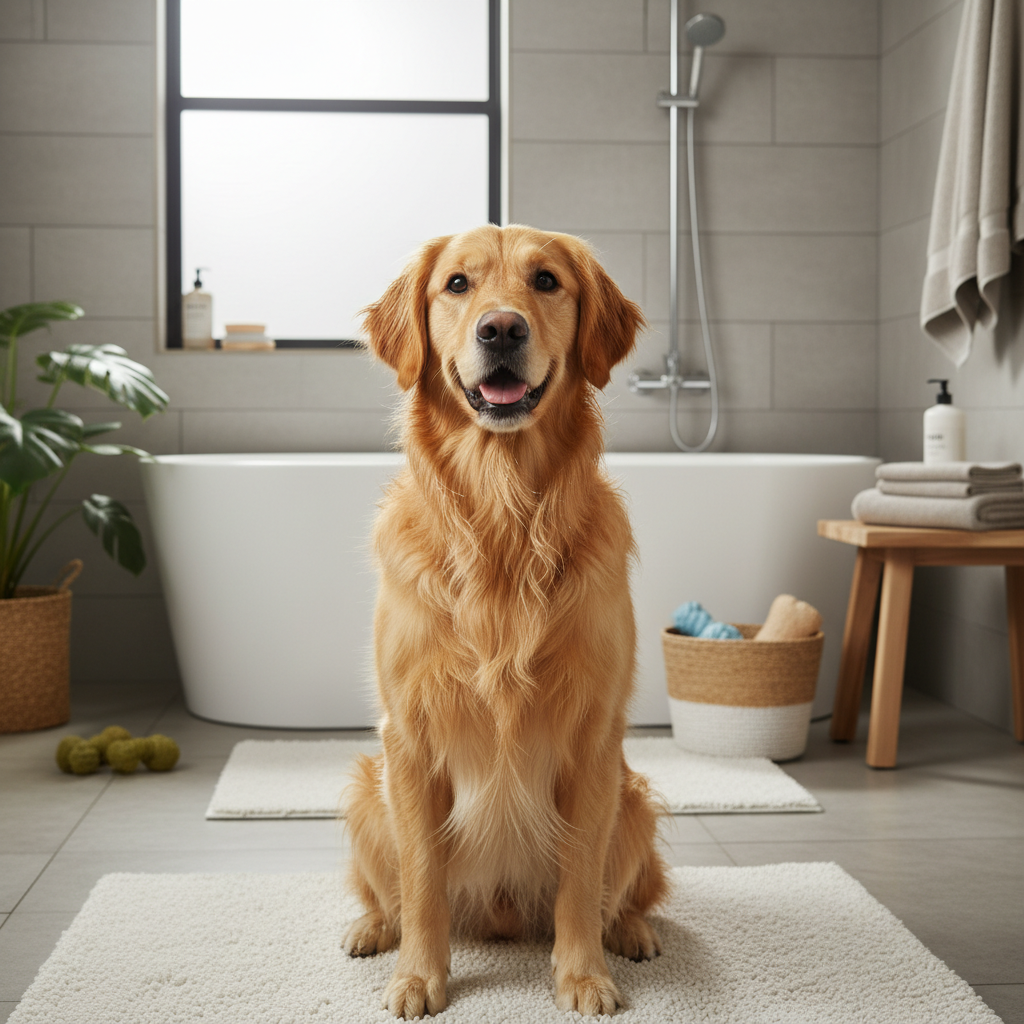
Ensure the water is lukewarm, not hot or cold. Use a handheld shower sprayer for better control, or if using a tub, fill it shallowly. A non-slip mat at the bottom of the tub or shower can help your dog feel more secure.
The Bathing Process – Step-by-Step for a Clean Pup
Now that you’re prepared, let’s get to the washing!
Wetting the Coat – Thoroughly and Gently
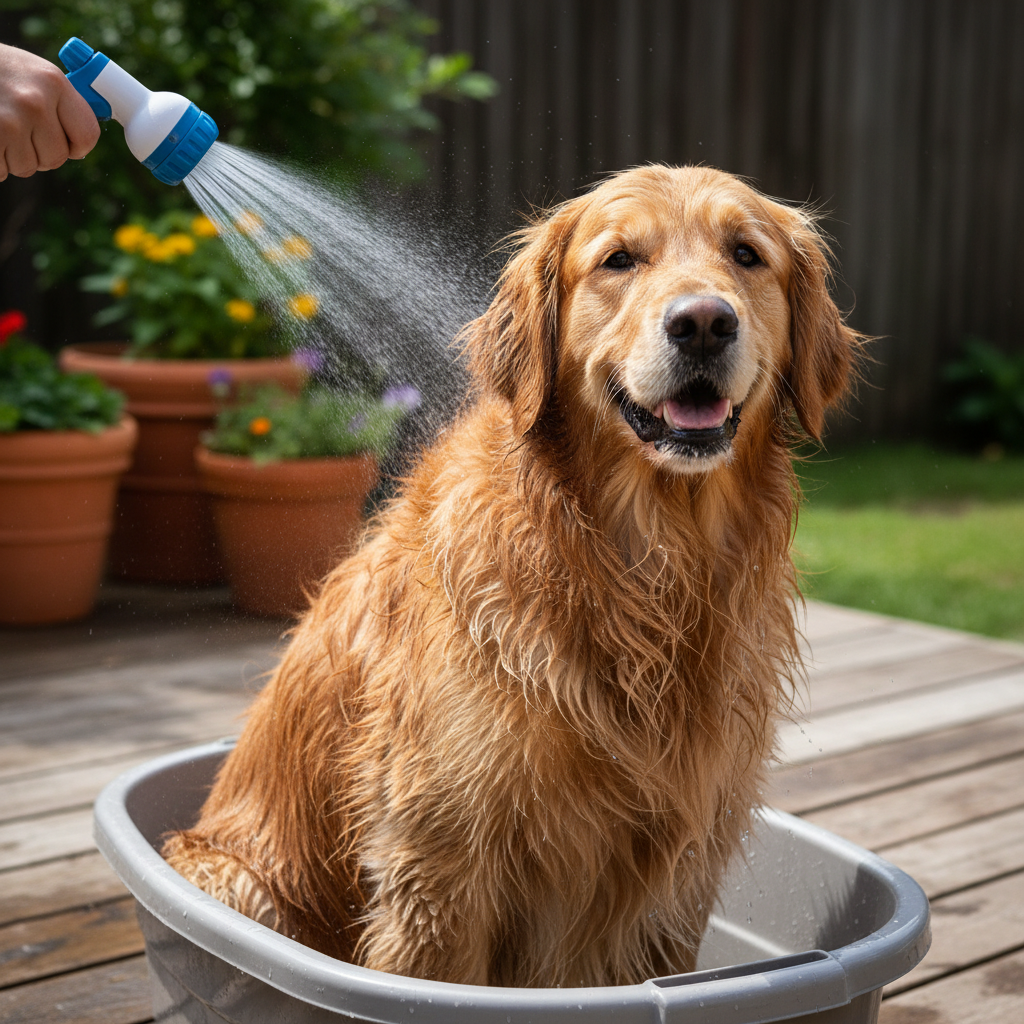
Start by thoroughly wetting your dog’s coat from neck to tail, being careful around the face. Use a gentle stream of water. Speak in a calm, soothing voice throughout the process.
Shampoo Application and Lathering – Working it In
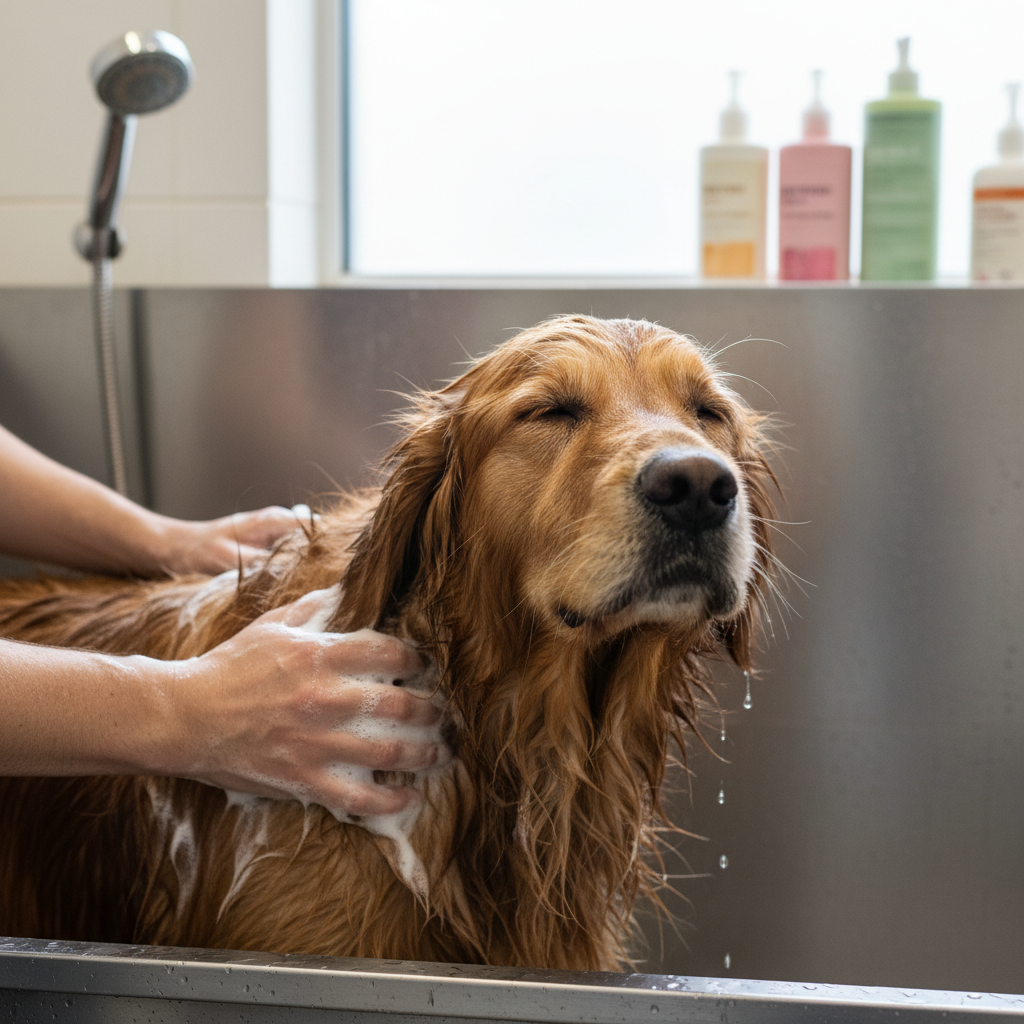
Apply a small amount of shampoo and gently massage it into their fur, working from neck to tail. Pay attention to areas that get extra dirty, like paws and under the tail. Avoid harsh scrubbing, which can irritate the skin. Use your rubber curry brush for short-haired dogs to help create a good lather and exfoliate.
Rinsing Thoroughly – No Residue Left Behind
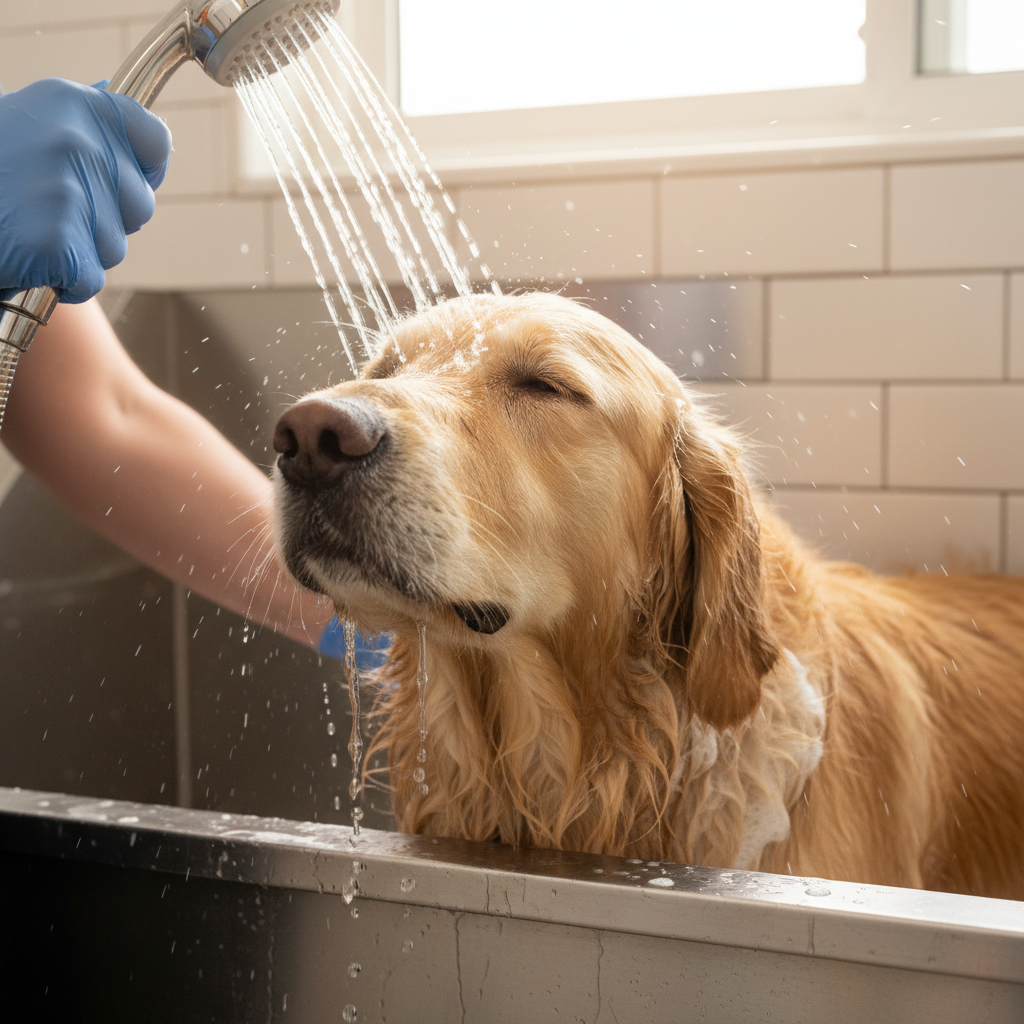
This is arguably the most important step! Rinse, rinse, and rinse again. Shampoo residue can cause skin irritation, dryness, and dull fur. Continue rinsing until the water runs clear and you can no longer feel any slickness on their coat. Start from the top (neck) and work your way down.
Conditioning for a Healthy Coat – Adding Shine and Softness
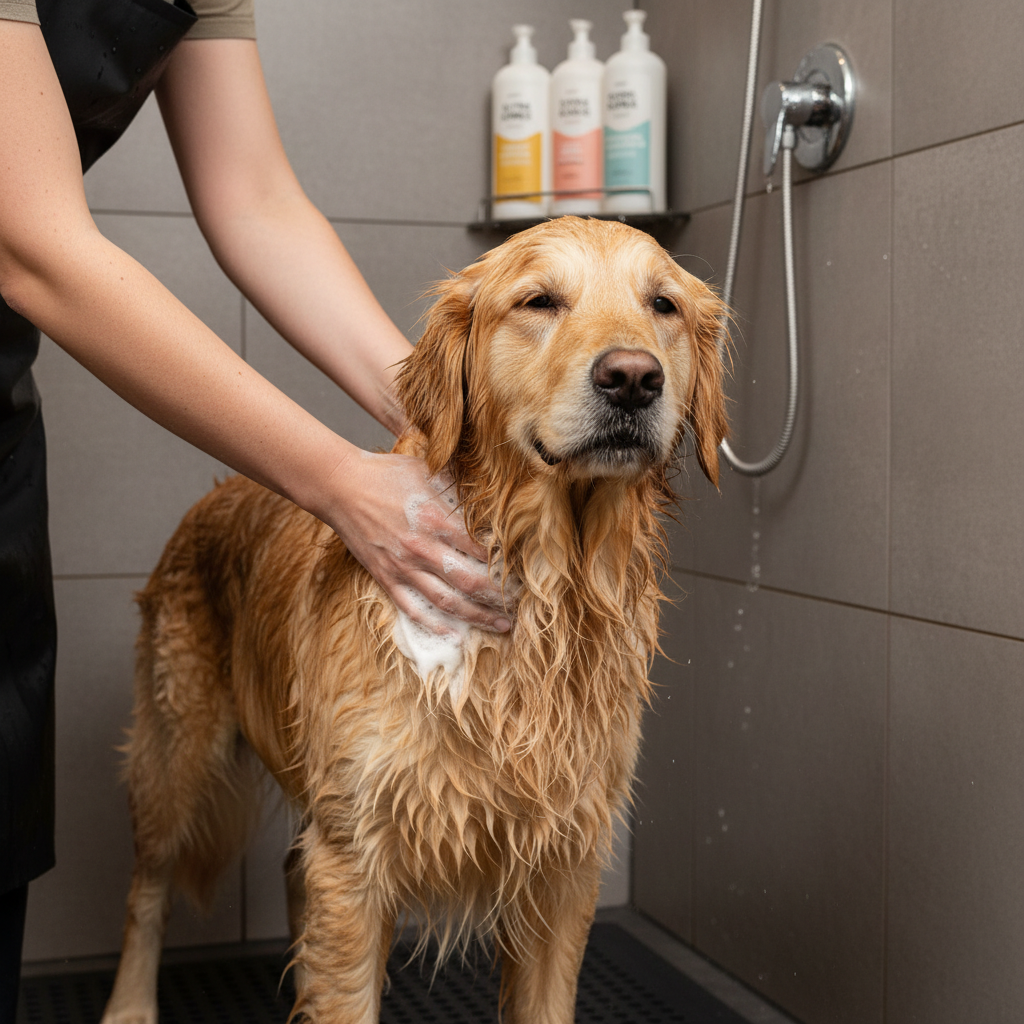
If using conditioner, apply it after rinsing the shampoo. Follow the product instructions for how long to leave it on, then rinse thoroughly. Conditioner helps to moisturize the skin, detangle fur, and leave the coat soft and shiny.
Drying Your Dog – The Final Touch for Freshness
Proper drying prevents skin issues and keeps your dog comfortable.
Towel Drying Techniques – Gentle Squeeze and Blot
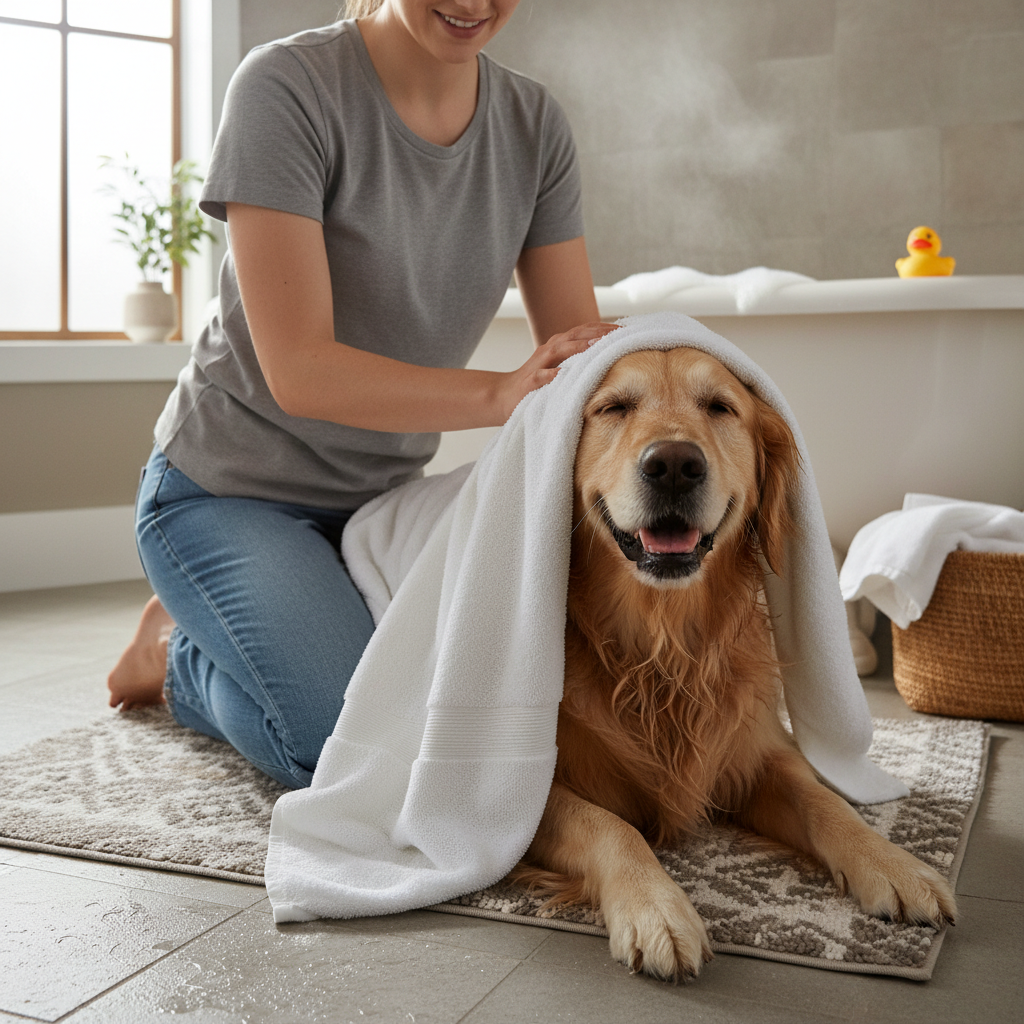
Immediately after rinsing, gently squeeze excess water from their fur. Then, use large, absorbent towels to blot and rub their coat. Avoid vigorous rubbing, which can tangle fur. For long-haired dogs, gently pat and squeeze.
Air Drying or Gentle Blow Dryer – Preventing Chills
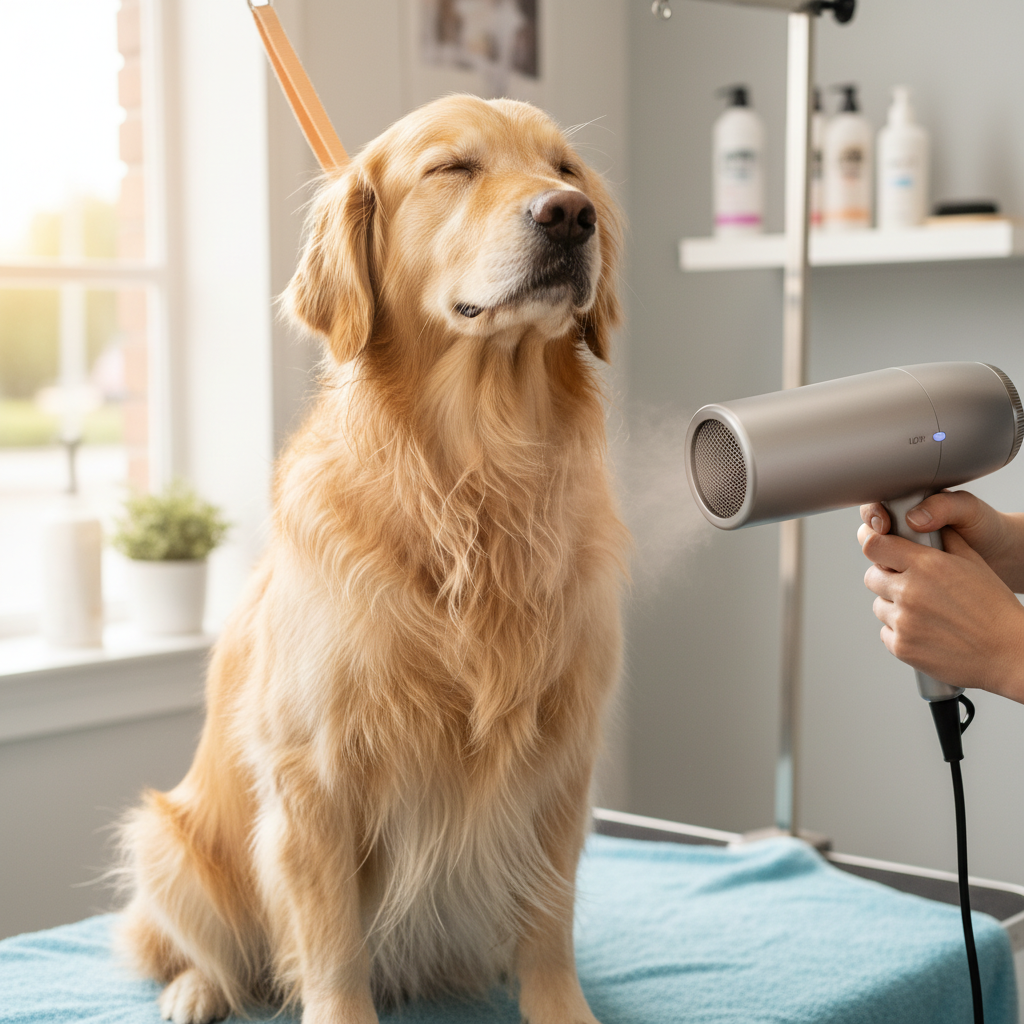
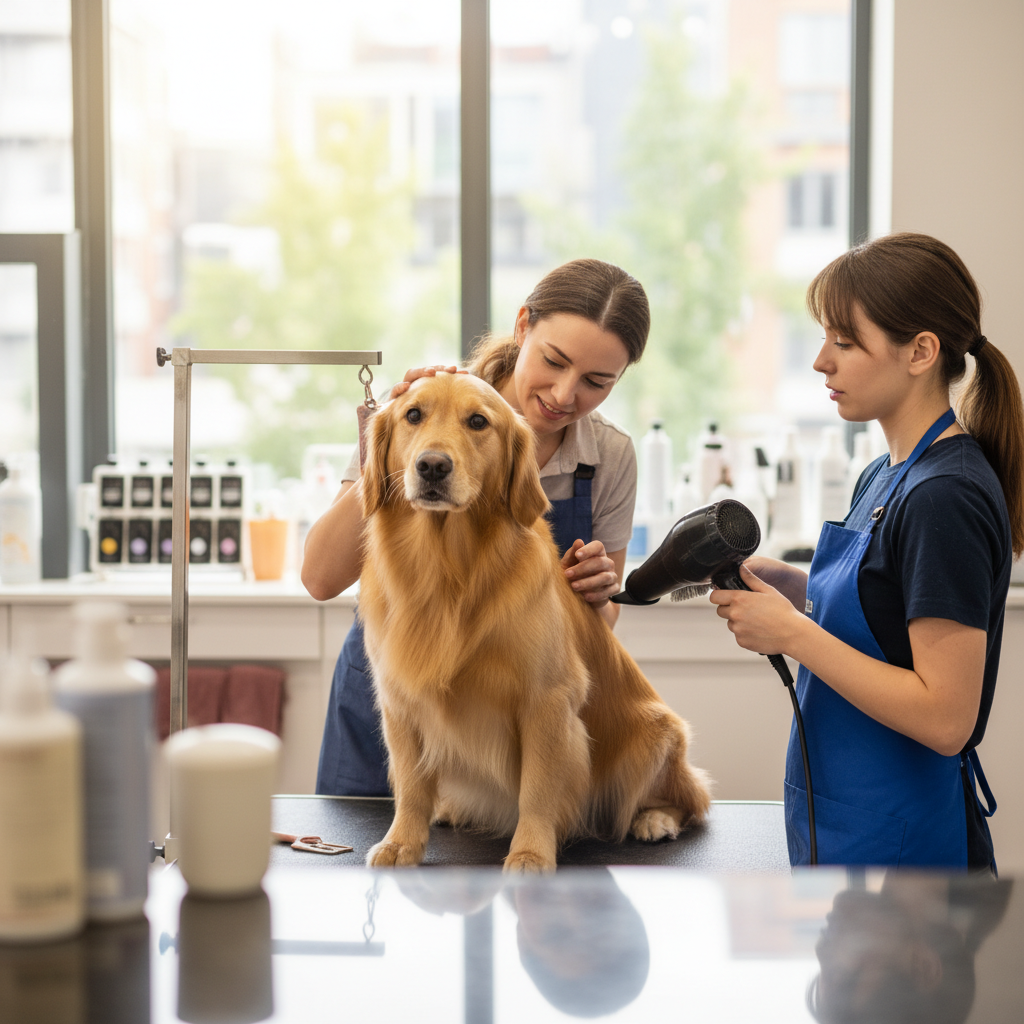
If your dog is comfortable, you can let them air dry in a warm, draft-free room. For faster drying, especially for long-haired breeds or in cooler weather, use a dog-specific blow dryer on a low-heat setting. Keep the dryer moving constantly to avoid overheating any single spot. Continue brushing while drying to prevent tangles and help the fur dry evenly.
Making it a Positive Experience – Tips for Anxious Dogs
For dogs who dread bath time, patience and positive reinforcement are crucial.
Start Young and Go Slow – Early Introduction
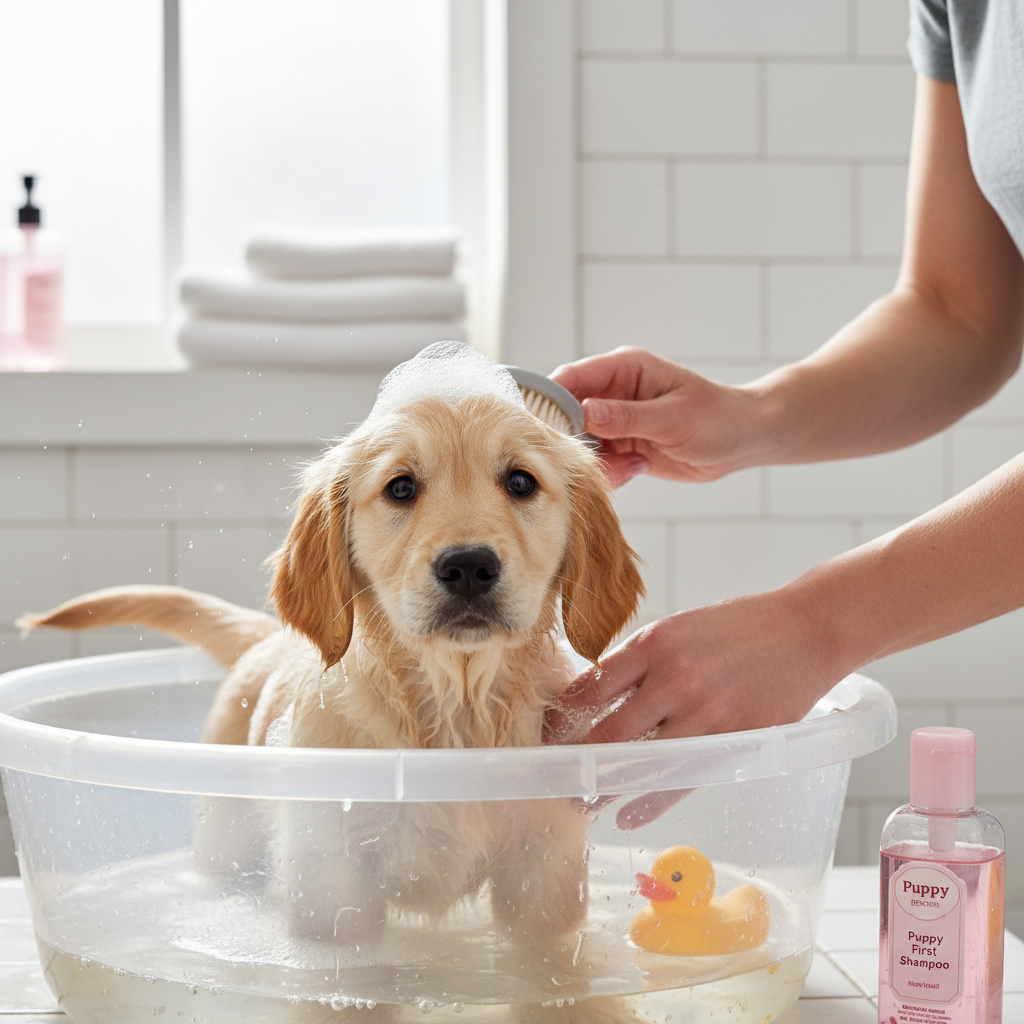
If you have a puppy, introduce baths gradually. Start with just getting their paws wet, then progress to a full body wash over several sessions, always with treats and praise.
Positive Reinforcement is Key – Rewards and Praise
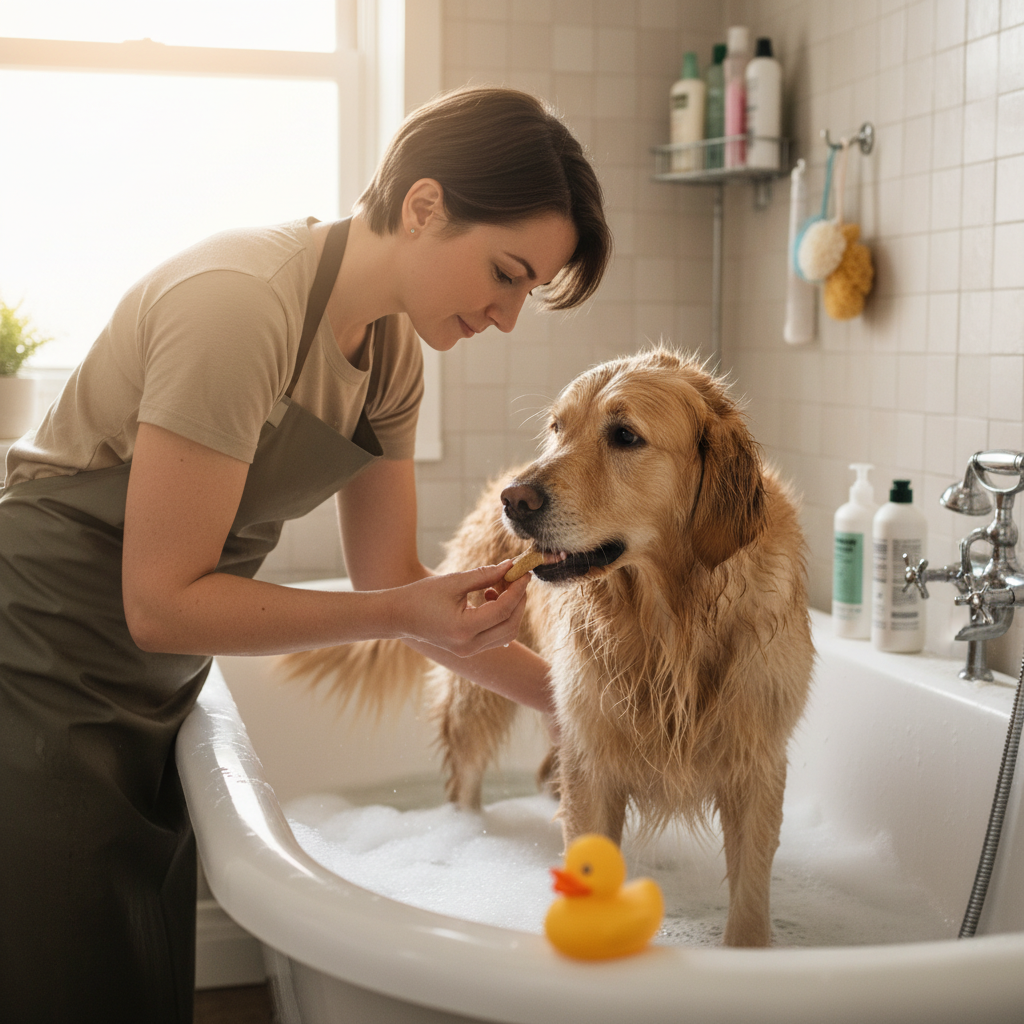
Lavish your dog with praise and treats throughout the entire process. Associate bath time with positive things. A lick mat stuck to the wall of the tub can be a fantastic distraction.
Create a Spa-Like Atmosphere – Calm and Quiet
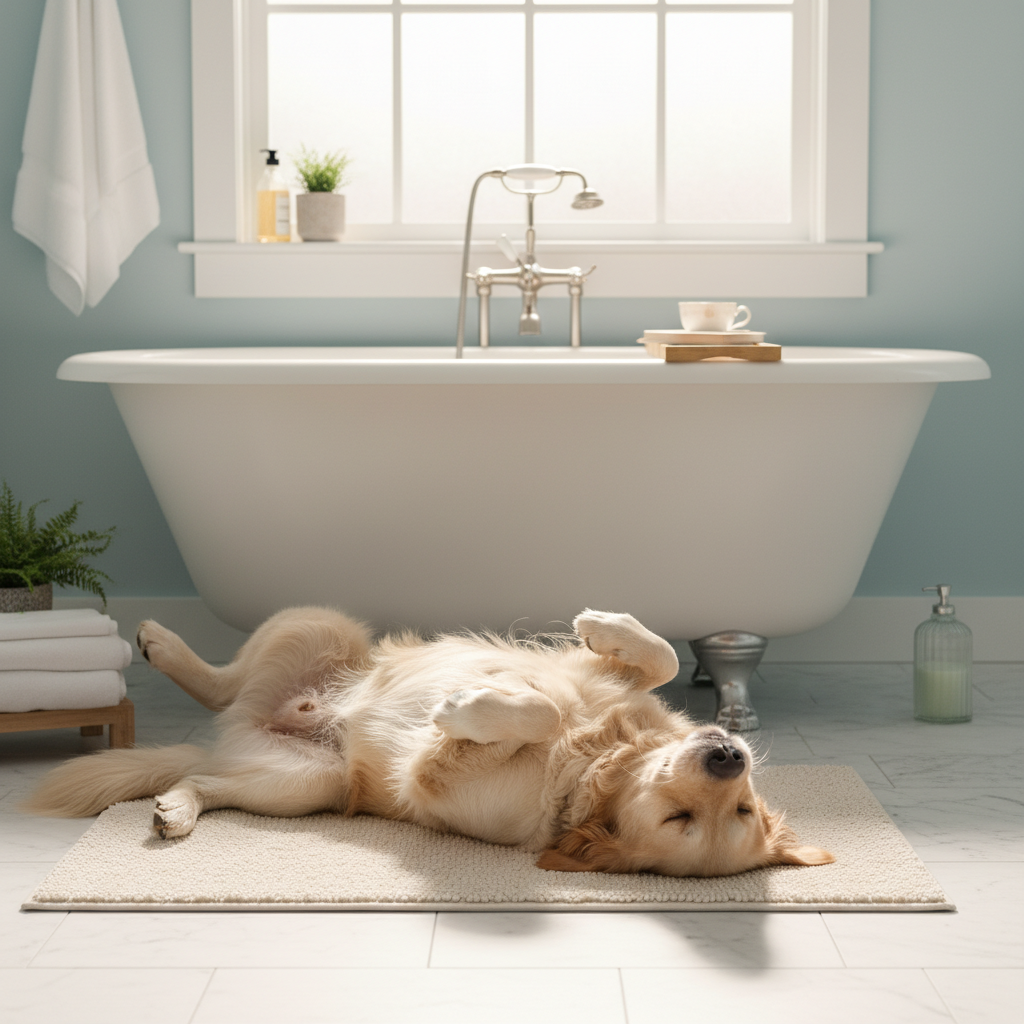
Keep the environment calm and quiet. Speak in a soft, reassuring voice. Avoid sudden movements or loud noises. Some dogs respond well to calming music.
Know When to Take a Break – Listen to Your Dog
If your dog becomes overly stressed, take a short break. Sometimes, a few minutes away from the tub can help them reset. Never force your dog to endure a terrifying experience, as this will only worsen their fear.
Post-Bath Care – Maintaining Freshness and Health
Once your dog is clean and dry, give them a final brush to ensure no tangles formed during drying. Reward them with a special treat or extra playtime. Regularly cleaning your dog’s fur isn’t just about aesthetics; it’s a vital part of their health routine, preventing skin issues, mats, and keeping them comfortable.
Conclusion
Cleaning your dog’s fur doesn’t have to be a stressful ordeal. By preparing properly, using the right tools, following a gentle step-by-step process, and always prioritizing your dog’s comfort and emotional well-being, you can transform bath time into a positive and effective routine. Remember, patience, kindness, and positive reinforcement are your best tools. With every calm bath, you’re not just cleaning their fur; you’re strengthening the beautiful bond you share, ensuring a happy, healthy, and wonderfully fresh-smelling companion for years to come. Happy bathing!