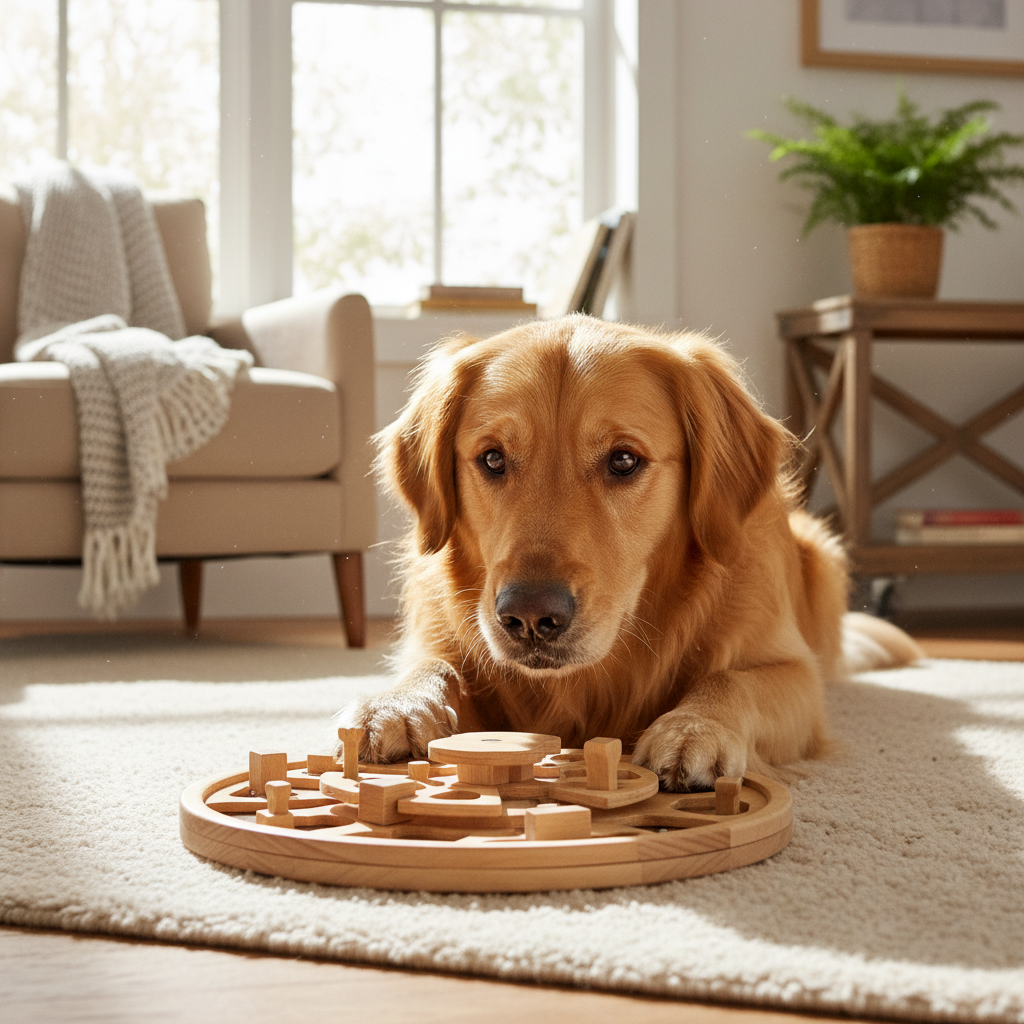
As devoted dog parents, we often prioritize our furry friends’ physical health – daily walks, playtime in the park, and nutritious meals are all staples of good dog care. But what about their minds? Just like humans, dogs thrive on mental stimulation. A well-exercised brain can lead to a happier, calmer, and more focused companion, transforming everyday challenges into opportunities for growth and connection. If you’ve ever wondered how to deepen your dog’s understanding, reduce common behavioral issues, or simply enrich their daily life, the answer often lies in engaging their cognitive abilities.
This guide will explore the profound impact of mental exercises on your dog’s focus and overall well-being. We’ll dive into six key cognitive benefits and provide practical, easy-to-implement activities you can start today. Get ready to unlock a whole new level of communication and joy with your best friend!
Why Mental Exercise Matters for Your Dog’s Brain
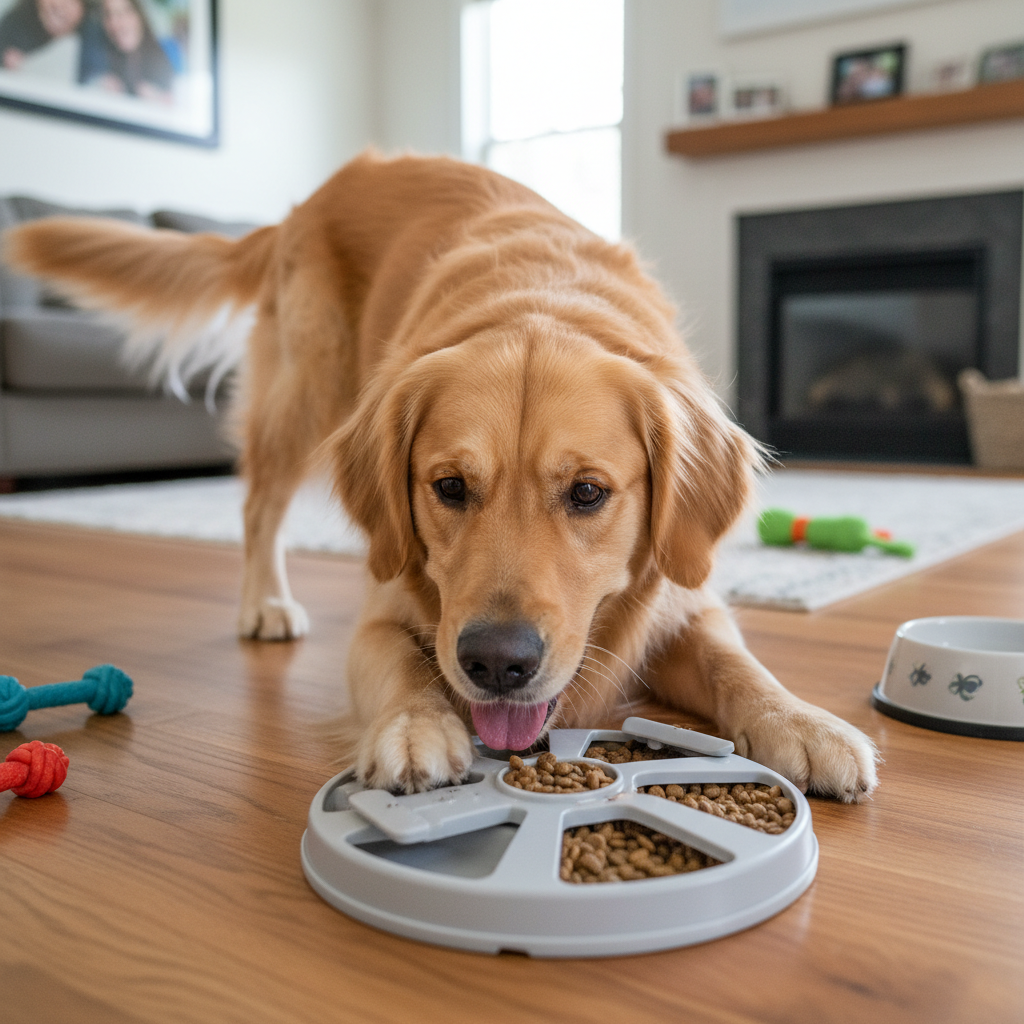
Think of your dog’s brain like a muscle – it needs regular workouts to stay sharp and healthy. While physical exercise burns off energy and keeps their bodies fit, mental exercise challenges their minds, helping them learn, adapt, and problem-solve. Without adequate mental stimulation, dogs can become bored, leading to common issues like excessive barking, destructive chewing, or general restlessness.
Engaging your dog’s mind is not just about preventing bad behaviors; it’s about enriching their lives. It taps into their natural instincts for sniffing, exploring, and figuring things out, providing a sense of purpose and accomplishment. A mentally stimulated dog is generally a more content and well-behaved dog, capable of better focus and a deeper understanding of the world around them.
The 6 Cognitive Benefits of Mental Exercises
1- Improves Problem-Solving Skills
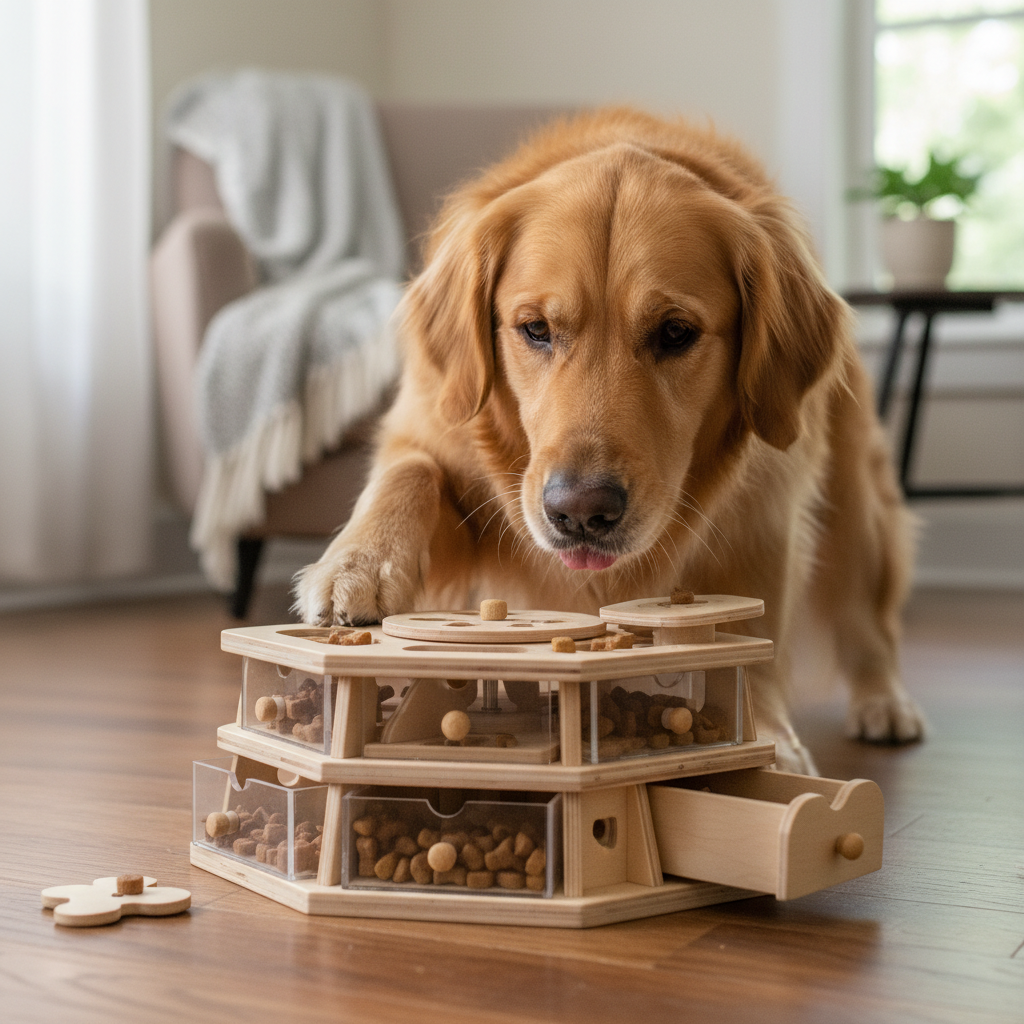
Mental exercises are essentially brain teasers for dogs. When faced with a puzzle toy or a scent game, your dog has to think critically to achieve a reward. This process strengthens their problem-solving abilities, making them more adaptable and confident in various situations. It teaches them to persist and try different approaches until they succeed.
2- Enhances Memory and Retention
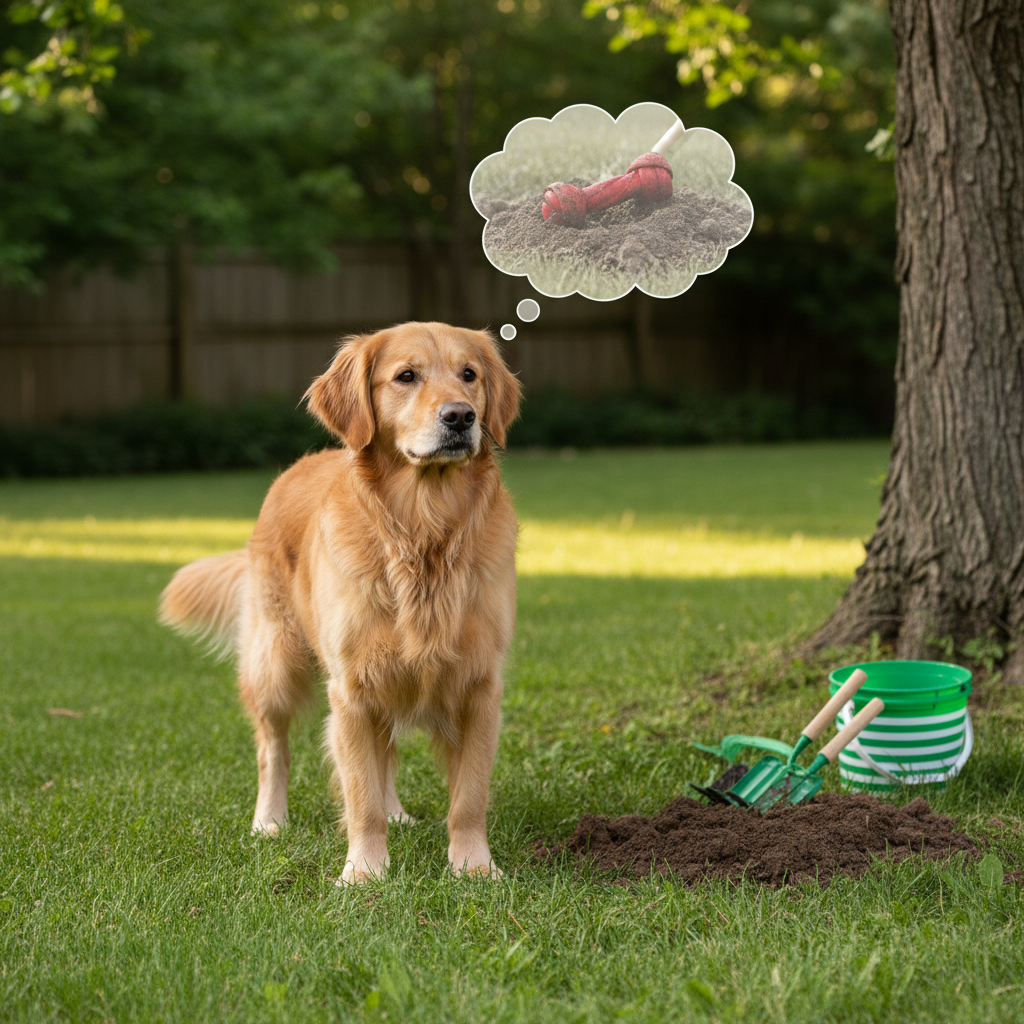
Games that require your dog to remember cues, locations, or sequences are fantastic for their memory. Activities like ‘find it’ where they have to remember where you hid a treat, or learning a new trick with multiple steps, actively engage their memory centers. Consistent mental workouts can help improve their ability to retain information and commands over time.
3- Boosts Attention Span and Focus

Many mental exercises, especially those involving training new commands or working with puzzle toys, demand sustained attention. By repeatedly asking your dog to focus on a task, even for short periods, you gradually build their attention span. This improved focus translates to better behavior during walks, vet visits, and general interactions.
4- Reduces Anxiety and Destructive Behaviors
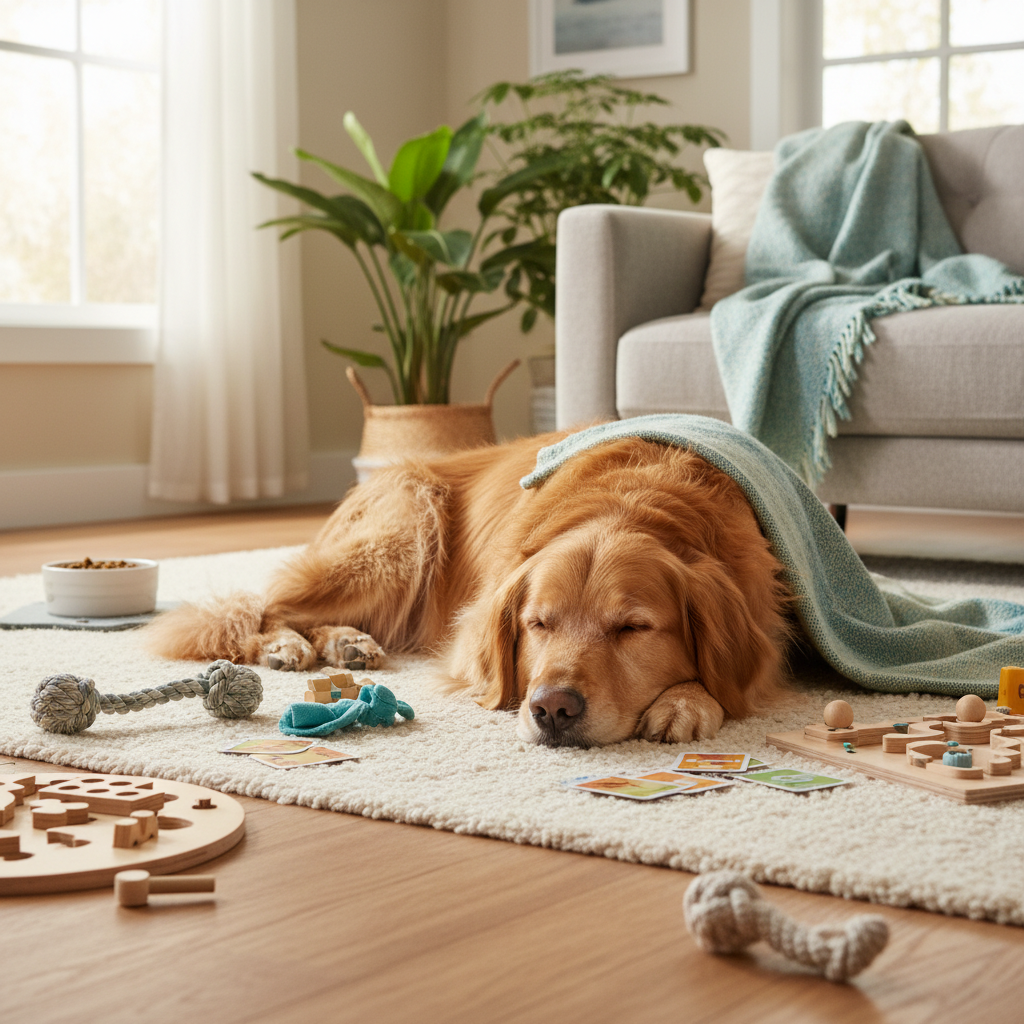
A tired dog is a good dog, but a mentally tired dog is often an even better dog! Mental exertion can be just as tiring as physical exercise, helping to calm an overactive mind. By channeling their energy into constructive problem-solving, you can significantly reduce anxiety, boredom-induced destructive chewing, excessive barking, and other unwanted behaviors.
5- Strengthens the Bond Between You and Your Dog
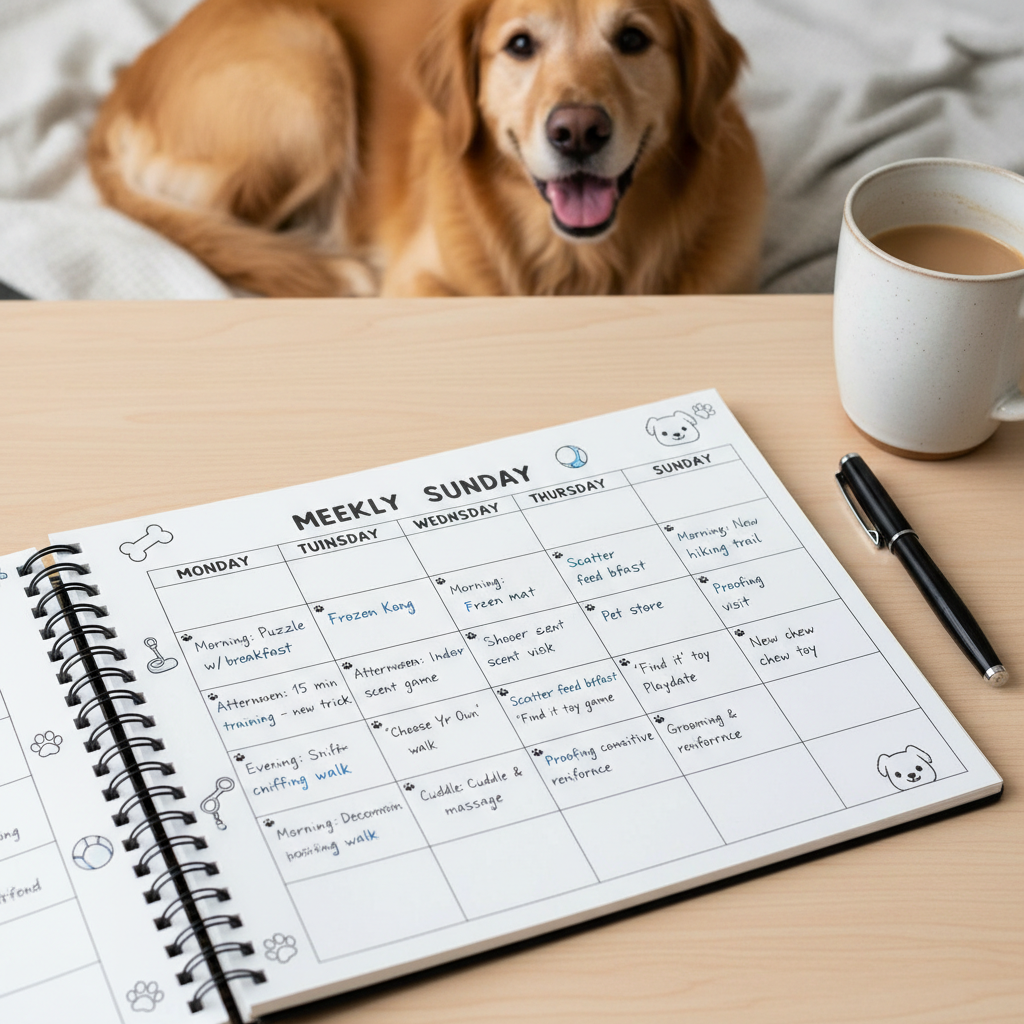
Engaging in mental exercises together is a fantastic way to deepen your connection. These activities foster teamwork, communication, and trust. When you guide your dog through a new challenge and celebrate their success, you’re building positive associations and reinforcing your role as a trusted leader and companion.
6- Supports Cognitive Health in Senior Dogs

Just like humans, older dogs can experience cognitive decline. Mental exercises are crucial for keeping their brains active and engaged, potentially slowing down the aging process in their minds. Gentle puzzle toys, scent work, and reviewing familiar commands can provide beneficial stimulation without putting strain on their older bodies.
Practical Mental Exercises to Try at Home
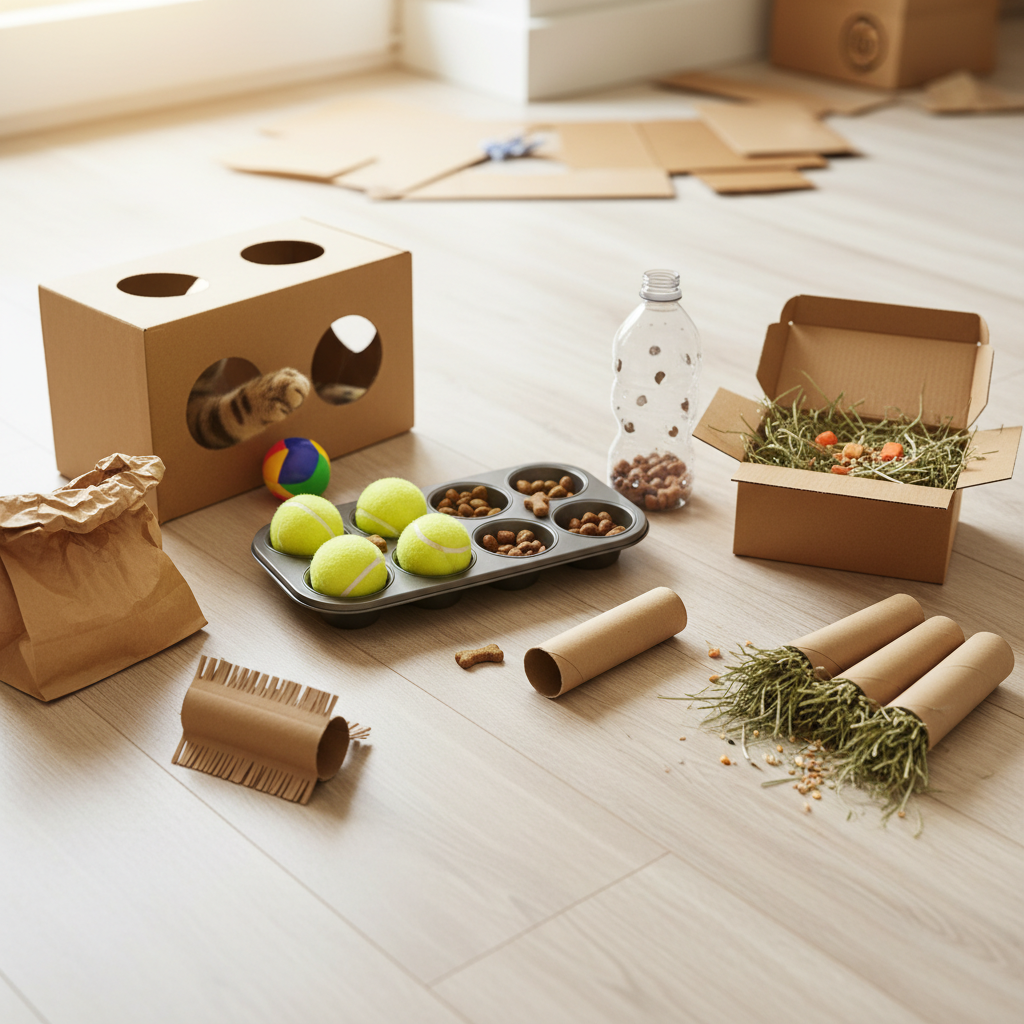
Ready to put these benefits into practice? Here are some simple yet effective mental exercises you can easily incorporate into your dog’s routine:
Scent Games
Dogs navigate much of their world through smell. Scent games are incredibly stimulating and satisfying.
- “Find It” Game– Hide treats around a room or in your yard and encourage your dog to sniff them out. Start easy, then gradually increase the difficulty.
- Snuffle Mats– These mats have fabric strips where you can hide kibble or treats, making mealtime a fun nose-work challenge.
Puzzle Toys
These toys require manipulation to dispense treats, challenging your dog to figure out how they work.
- Store-Bought Puzzles– Available in various difficulty levels. Start with simpler ones and progress as your dog gains confidence.
- DIY Puzzles– Use a muffin tin with tennis balls covering treats, or an empty plastic bottle with small holes for treats to fall out.
Obedience Training Reinforcement
Training isn’t just for puppies. Regularly practicing and learning new commands keeps your dog’s brain engaged.
- Learn a New Trick– “Roll over,” “play dead,” or “weave through legs” are fun and require focus.
- Command Combinations– Ask for a “sit,” then “stay,” then “come” – building sequences requires more thought.
Interactive Play
Even playtime can be a mental workout if structured correctly.
- Hide-and-Seek– Hide yourself and call your dog to find you. This builds recall and problem-solving.
- Structured Fetch– Instead of just throwing, ask your dog to “wait” before retrieving, or throw to different locations.
Creating a Mental Exercise Routine
Consistency is key! Start with short, positive sessions and gradually increase the duration and complexity as your dog enjoys the challenge. Aim for 10-15 minutes of dedicated mental exercise daily, in addition to their physical activity. Rotate different types of games to keep things fresh and exciting, preventing boredom.
Observe your dog’s body language – are they engaged and happy, or frustrated? Adjust the difficulty accordingly. The goal is to provide a stimulating, rewarding experience, not to create stress. Remember, every dog is an individual, so what works for one might need tweaking for another.
A Brighter, More Focused Future Together

Investing in your dog’s mental well-being is one of the most rewarding things you can do as a dog parent. By incorporating regular mental exercises into their routine, you’re not just improving their focus; you’re fostering a more confident, calmer, and happier companion. You’re building a stronger bond based on mutual understanding and shared accomplishment. Watching your dog light up as they solve a puzzle or master a new command is a joy that truly enriches both your lives. So go ahead, unleash their inner genius, and enjoy the incredible journey of discovery with your beloved dog!