3 DIY Dry Shampoo Recipes for Dogs to Freshen Up Without Bathing
Every dog parent knows the joy of a freshly bathed pup—and the sometimes messy, often stressful reality of getting them there. While regular baths are essential for your dog’s hygiene, they’re not always practical for quick touch-ups or for dogs who find bath time a bit overwhelming. That’s where DIY dry shampoo comes in! It’s a fantastic, natural solution to keep your canine companion smelling sweet and looking spiffy between full washes.
Dry shampoo can be a lifesaver for those times your dog has rolled in something questionable, needs a quick freshen-up before guests arrive, or if they’re simply not a fan of water. Plus, it can help extend the time between full baths, which is great for their skin and your schedule. Ready to whip up some natural magic? Let’s dive into three simple, safe, and effective recipes!
Why Dry Shampoo is a Lifesaver for Dog Parents
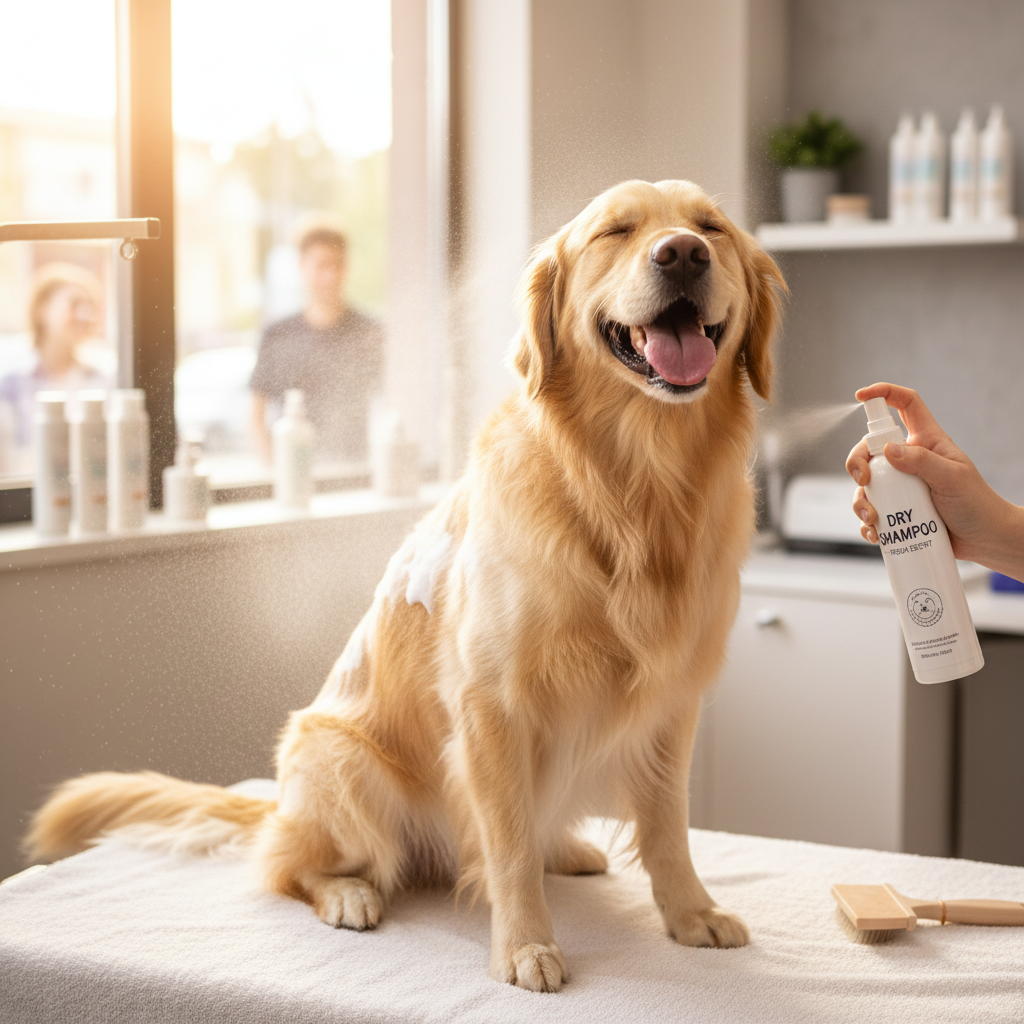
Life with dogs is wonderful, but it’s rarely spotless. Dry shampoo offers a convenient way to manage your dog’s cleanliness and odor without the full commitment of a wet bath. Here’s why it’s a must-have in your dog care arsenal:
- Quick Freshening It’s perfect for a speedy spruce-up when your dog isn’t quite dirty enough for a full bath but could use a little boost.
- Between-Bath Solution Helps extend the time between traditional baths, preventing skin dryness that can sometimes occur with over-bathing.
- Less Stress for Your Dog Many dogs dislike baths. Dry shampoo offers a stress-free alternative for maintaining their coat.
- Great for Senior or Sick Dogs For dogs with mobility issues, joint pain, or health conditions, a full bath can be difficult. Dry shampoo provides gentle cleaning.
- Water Conservation A small bonus for the environmentally conscious dog parent!
Essential Ingredients for DIY Dry Shampoo
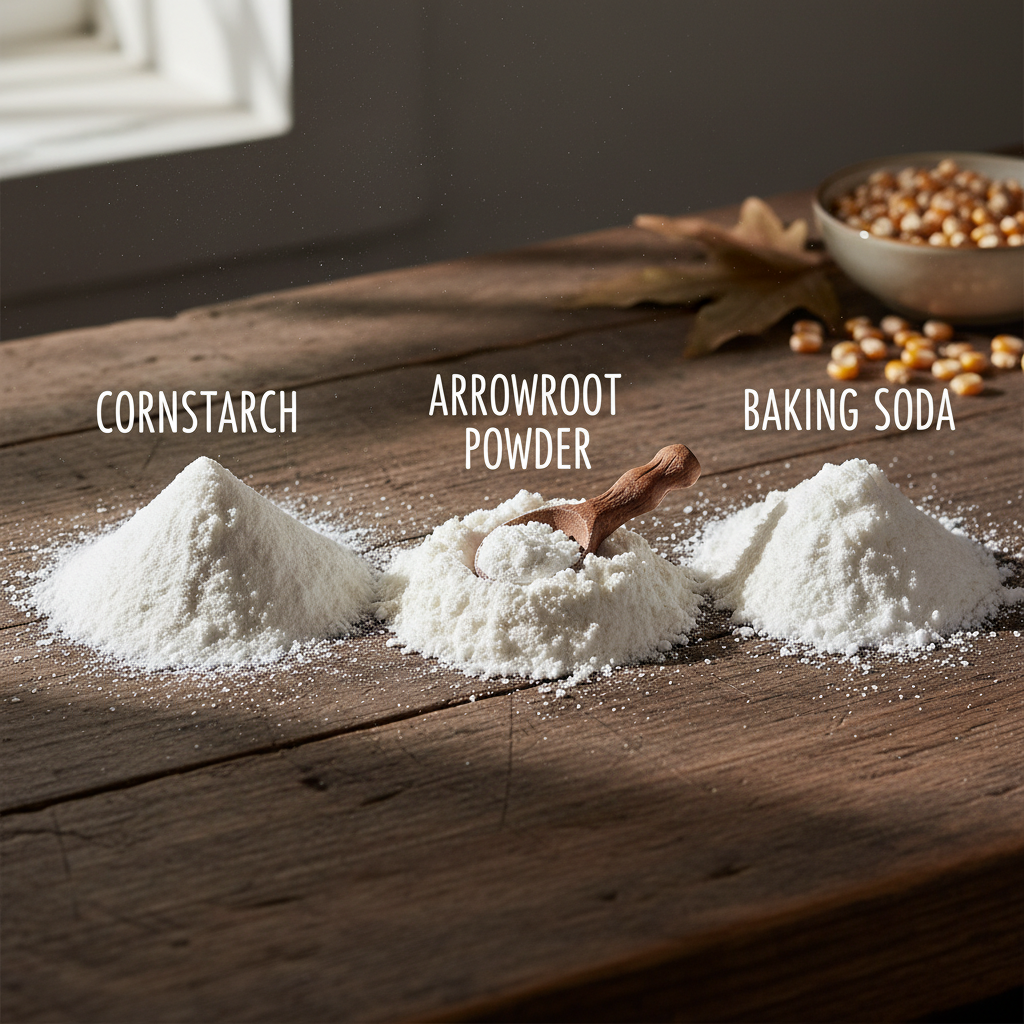
The beauty of DIY dry shampoo is its simplicity and reliance on natural, safe ingredients you might already have in your pantry. Here are the common components:
- Absorbent Bases These are the workhorses that soak up excess oil and grime.
- Cornstarch Gentle, readily available, and very effective.
- Arrowroot Powder A great alternative to cornstarch, also very fine and absorbent.
- Baking Soda (Use sparingly!) Excellent for odor absorption but can be drying or irritating if used too often or in large quantities.
- Scent Enhancers (Optional and Dog-Safe) For an extra fresh scent, you can add small amounts of these, but always ensure they are safe for dogs.
- Dried Herbs Finely ground lavender or chamomile flowers can add a calming, pleasant scent.
- Dog-Safe Essential Oils (Use with extreme caution and dilution) Only use therapeutic-grade oils specifically approved for canine use, heavily diluted. Consult your vet before using.
Always ensure any ingredients you use are non-toxic if ingested, as your dog will inevitably lick their coat.
Recipe 1- The Simple and Scent-Free Solution
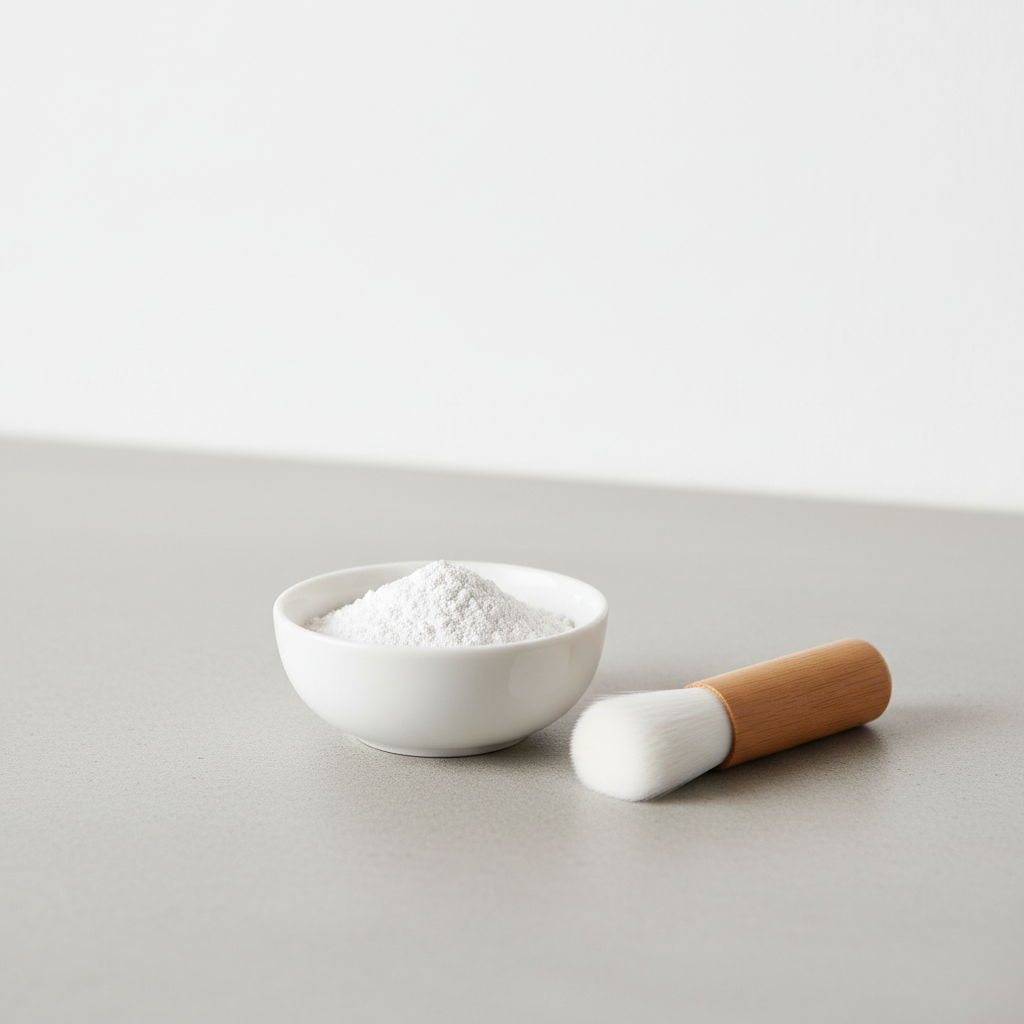
This is the most basic and safest recipe, ideal for dogs with sensitive skin or those prone to allergies. It’s all about pure absorption.
What You’ll Need
- 1 cup cornstarch or arrowroot powder
Instructions
- Place the cornstarch or arrowroot powder in an airtight container (a shaker bottle or an old spice jar with large holes works great).
- Store in a cool, dry place.
Best For
Puppies, dogs with sensitive skin, or owners who prefer a completely unscented option.
Recipe 2- The Odor-Busting Blend with Baking Soda
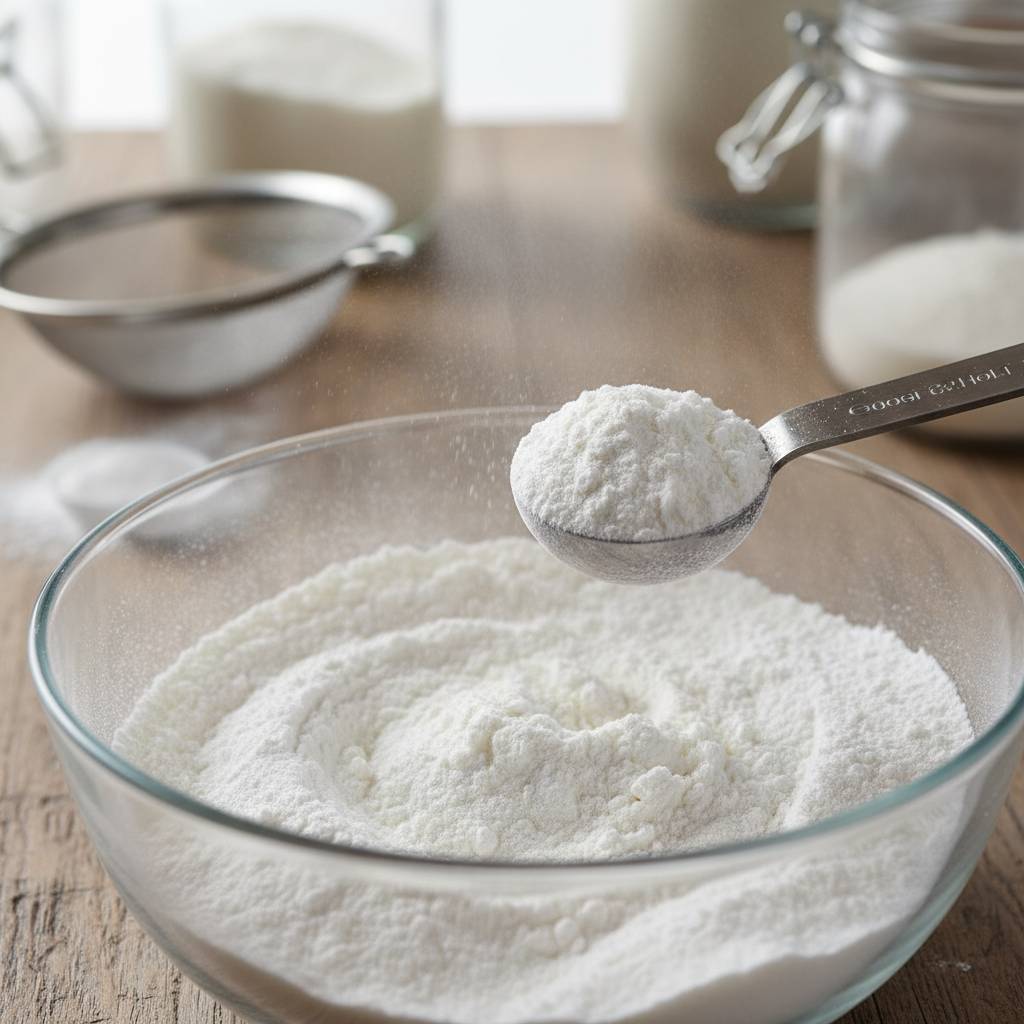
For those extra stinky moments, a touch of baking soda can work wonders at neutralizing odors. Remember to use it judiciously.
What You’ll Need
- 3/4 cup cornstarch or arrowroot powder
- 1/4 cup baking soda
Instructions
- Combine the cornstarch/arrowroot powder and baking soda thoroughly in an airtight container. Shake well to mix.
- Store in a cool, dry place.
Important Note
Baking soda can be drying if used too often or in large amounts. Always brush it out completely. If your dog has very dry or sensitive skin, stick to Recipe 1.
Recipe 3- The Calming and Fresh Herbal Mix
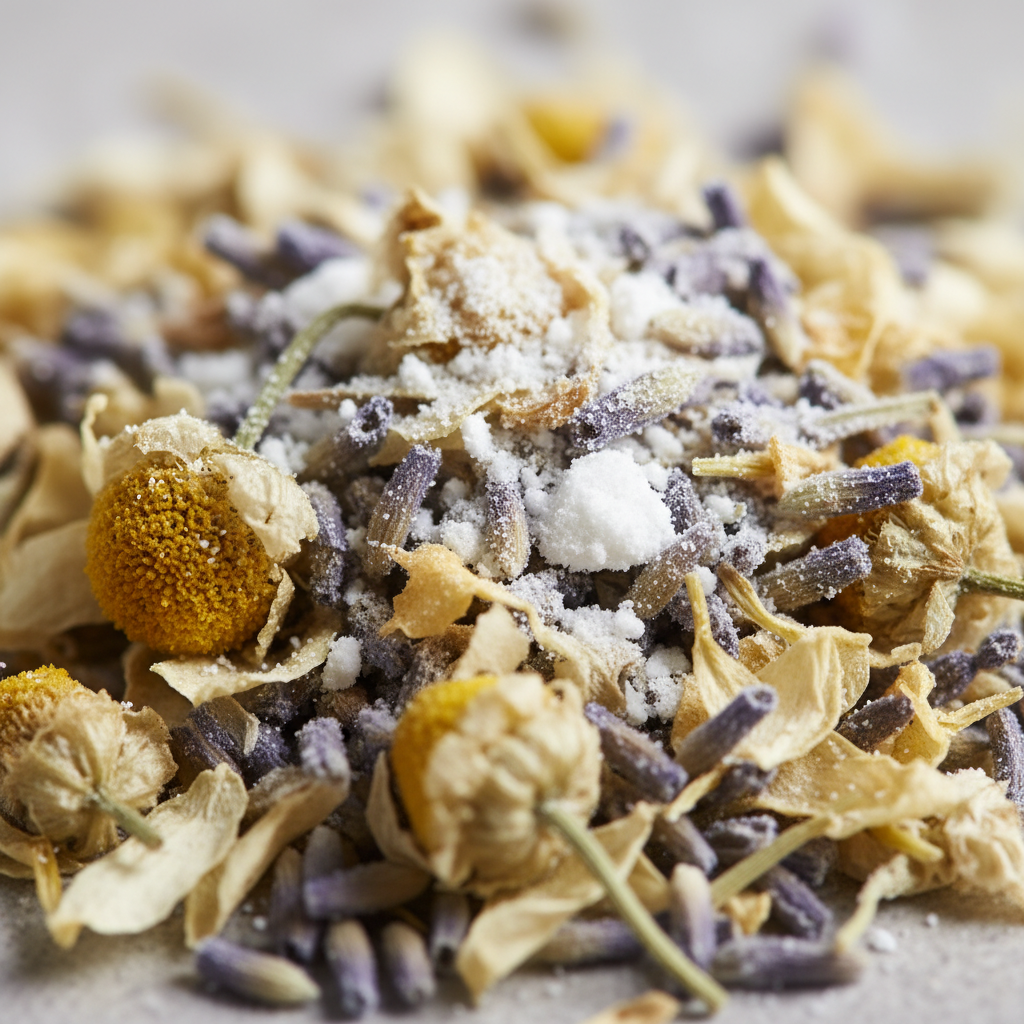
Add a touch of natural aromatherapy with dog-safe dried herbs. This recipe offers a gentle, calming fragrance.
What You’ll Need
- 1 cup cornstarch or arrowroot powder
- 1-2 tablespoons finely ground dried lavender flowers (ensure they are culinary or pet-safe grade)
- 1-2 tablespoons finely ground dried chamomile flowers (ensure pet-safe grade)
- Optional- 1-2 drops of vet-approved, highly diluted lavender essential oil (only if you’ve consulted your vet and know your dog tolerates it well)
Instructions
- In a bowl, combine the cornstarch/arrowroot powder with the finely ground dried herbs.
- If using essential oil, add it to the mixture and stir well to ensure it’s evenly distributed and absorbed by the powder.
- Transfer the mixture to an airtight container.
- Store in a cool, dry place.
Safety First
Always ensure any herbs or essential oils are safe for canine use and used in very small quantities. Avoid applying directly to the face.
How to Apply Dry Shampoo Like a Pro
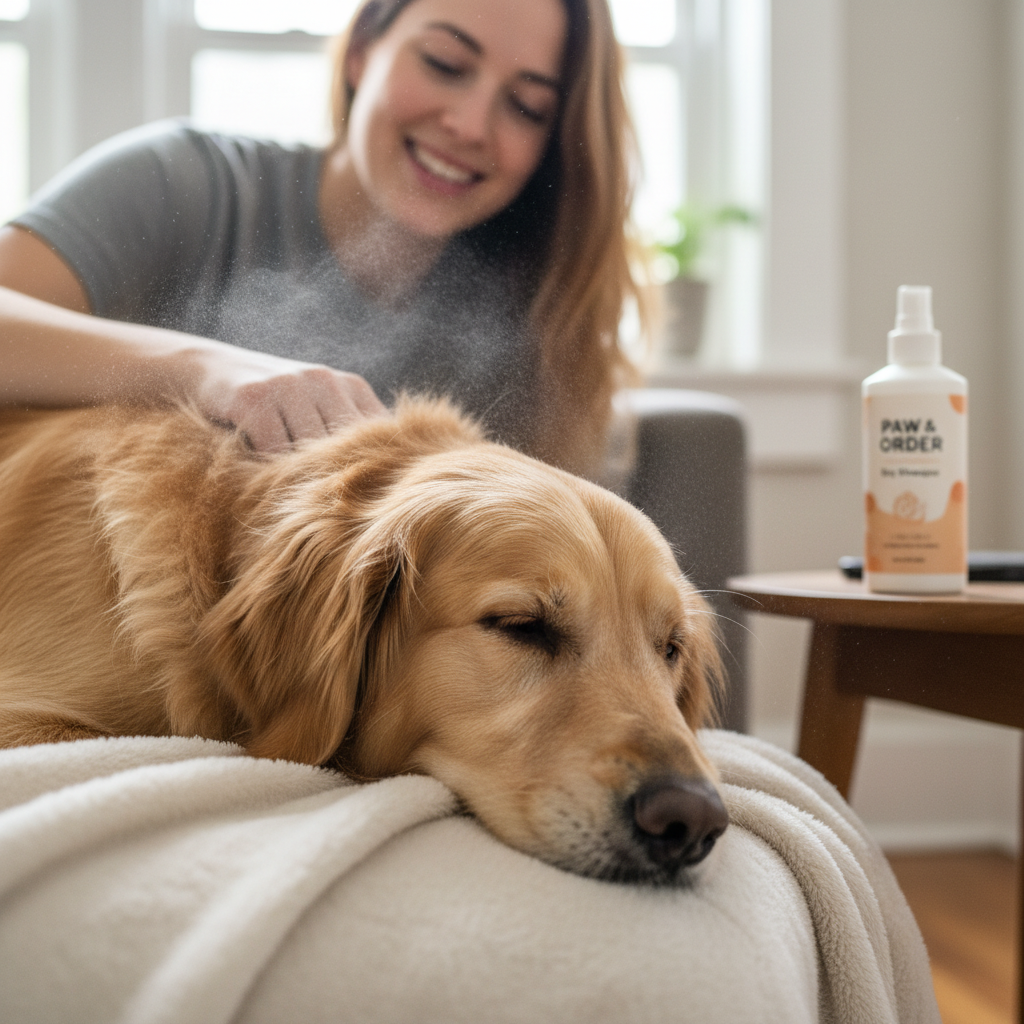
Applying dry shampoo is straightforward, but a good technique makes all the difference:
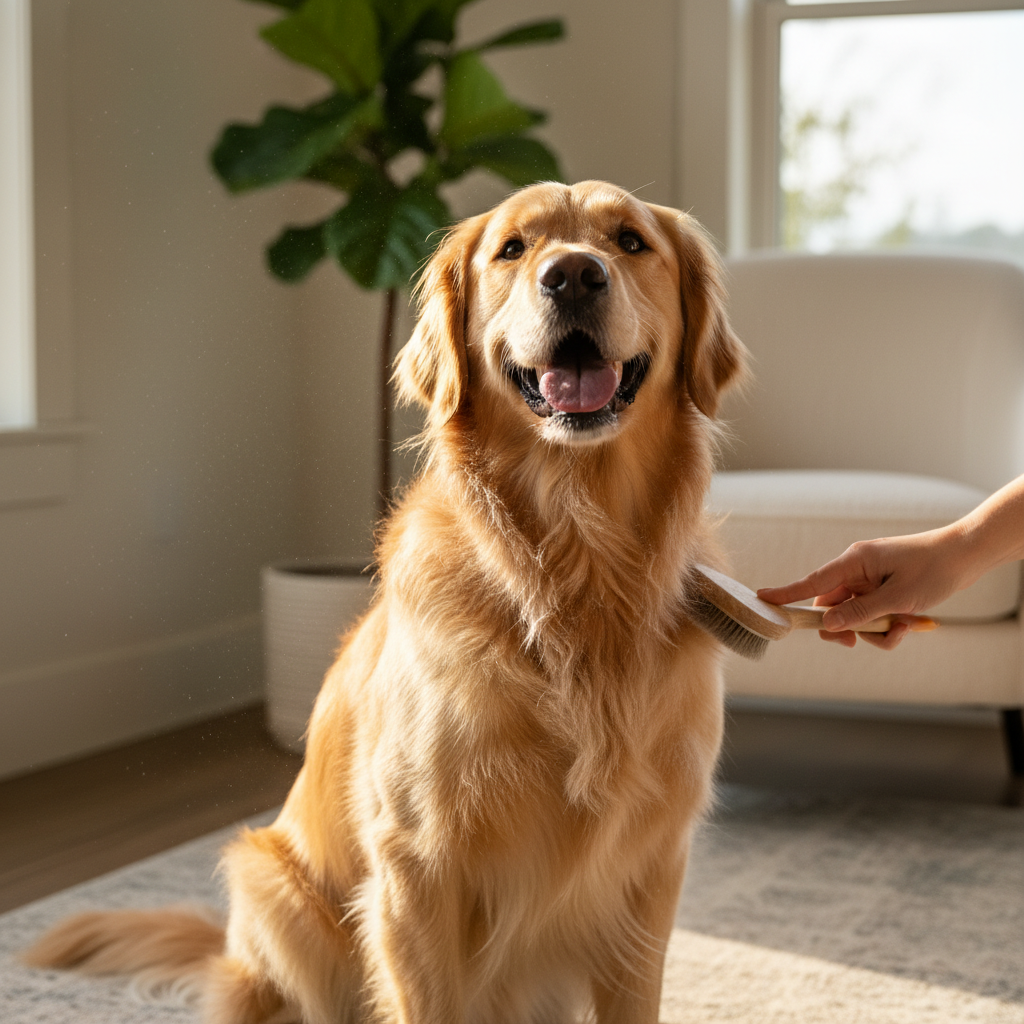
- Brush First Give your dog a good brush to remove any loose fur, dirt, and tangles. This helps the dry shampoo work more effectively.
- Sprinkle Lightly Sprinkle a small amount of the dry shampoo onto your dog’s coat, focusing on areas that tend to get greasy or smelly (back, chest, behind the ears). Avoid their face, especially eyes and nostrils.
- Massage In Gently massage the powder into their fur, working it down to the skin. Use your fingers to distribute it evenly.
- Let It Sit Allow the dry shampoo to sit for 5-10 minutes. This gives the absorbent ingredients time to soak up oils and odors.
- Brush Out Thoroughly This is the most crucial step! Use a clean brush to thoroughly brush out the powder. You want to remove as much of it as possible. Continue brushing until no visible powder remains.
- Reward Your Pup A small treat and some praise for being a good sport never hurt!
Important Safety Tips and Considerations
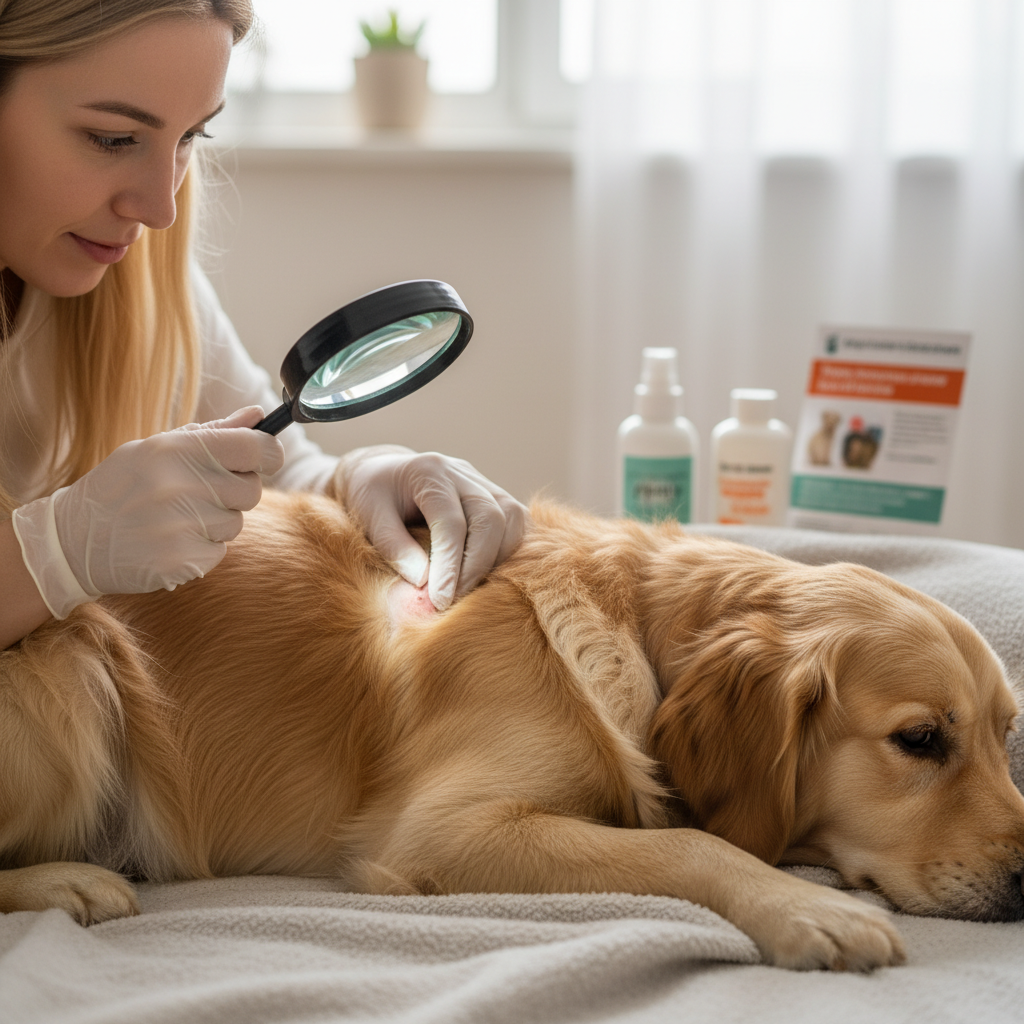
- Patch Test Before a full application, try a small amount on a discreet area of your dog’s skin to check for any irritation or allergic reactions.
- Avoid Eyes, Nose, and Mouth Be very careful not to get any powder in your dog’s eyes, nostrils, or mouth.
- Don’t Overdo It While helpful, dry shampoo isn’t a substitute for regular bathing. Use it as a supplementary cleaning method. Overuse can lead to product buildup.
- Not for All Skin Conditions If your dog has open wounds, skin infections, or severe allergies, consult your vet before using any dry shampoo.
- Ventilation Apply in a well-ventilated area to avoid inhaling fine powder.
Conclusion
Keeping our furry family members fresh and clean is a constant endeavor, and DIY dry shampoo offers a fantastic, natural, and stress-free way to maintain their hygiene between full baths. With these simple recipes, you can tackle minor odors and give your dog a quick refresh, all while knowing exactly what ingredients are going onto their precious coat.
Embrace these easy solutions and enjoy more cuddles with your sweet-smelling companion. Your dog—and your nose—will thank you!