Doberman Pinschers are magnificent dogs—intelligent, loyal, and athletic. With their sleek coats and noble presence, they capture hearts and turn heads. But beneath that impressive exterior lies a highly energetic and intelligent mind that thrives on purpose and structure. Training a Doberman isn’t just about teaching commands; it’s about building a profound bond, channeling their natural protective instincts, and ensuring they become a well-adjusted, cherished member of your family. Without proper guidance, their intelligence can lead to mischievous behaviors, but with the right approach, you’ll discover an incredibly devoted and well-behaved companion. This guide offers ten indispensable tips to help you achieve Doberman Pinscher training success.
Understanding Your Doberman’s Unique Nature

Before diving into specific training techniques, it’s crucial to understand what makes a Doberman tick. They were originally bred for protection, which means they possess strong guarding instincts, high energy levels, and a keen intelligence. They are also incredibly sensitive and form deep attachments to their families. This combination means they respond best to consistent, fair leadership and positive reinforcement, rather than harsh methods.
Tip 1 – Start Early and Socialize Thoroughly
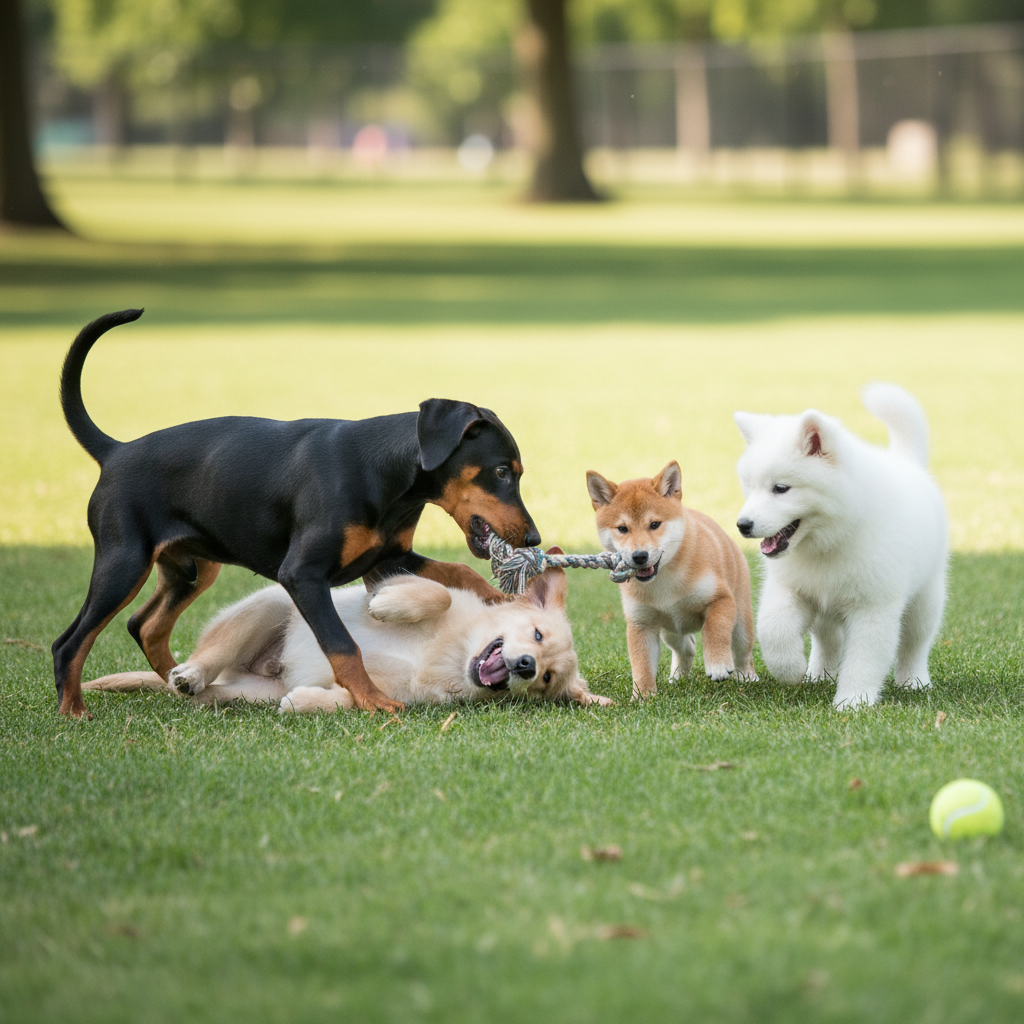
The moment your Doberman puppy comes home, training begins. Early socialization is paramount. Expose your puppy to a wide variety of sights, sounds, people, and other friendly dogs in a positive and controlled manner. This helps them develop into confident, well-adjusted adults, reducing the likelihood of fear-based aggression or anxiety later on. Puppy classes are an excellent resource for both socialization and basic obedience.
Tip 2 – Harness Their Intelligence with Consistency
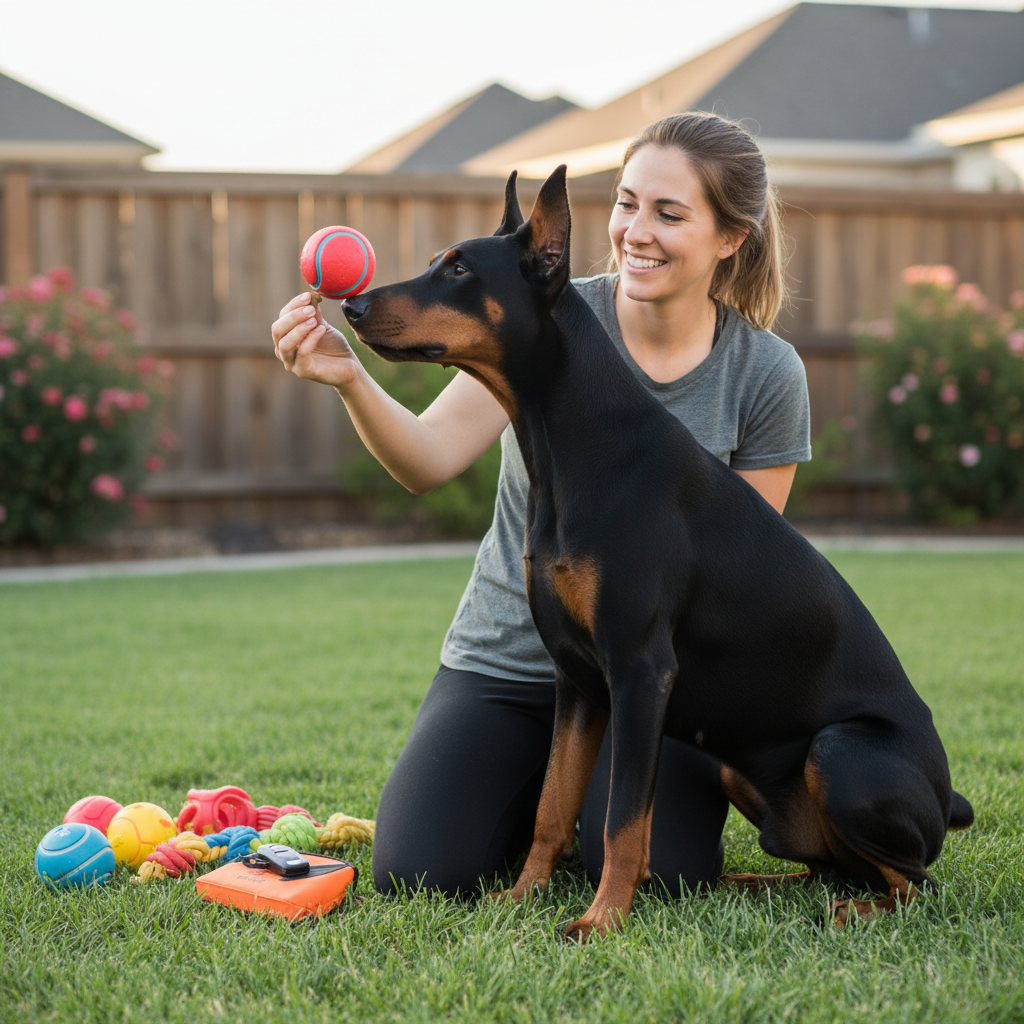
Dobermans are exceptionally smart and eager to learn. This intelligence is a double-edged sword—they’ll pick up good habits quickly, but bad habits can form just as fast. Consistency is your most powerful tool. Everyone in the household must use the same commands, rules, and expectations. Regular, short training sessions (5-10 minutes, several times a day) are more effective than infrequent, long ones.
Tip 3 – Positive Reinforcement is Key
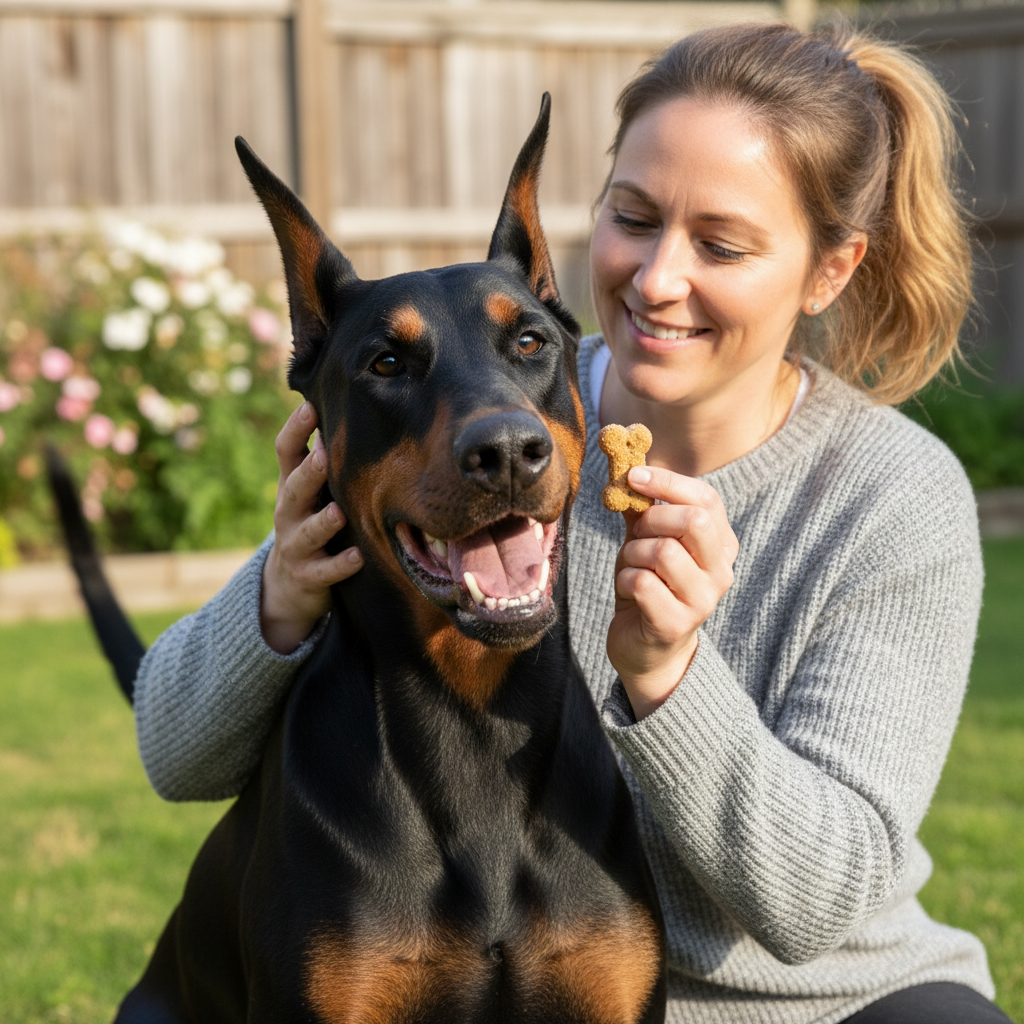
Dobermans respond incredibly well to positive reinforcement. This means rewarding desired behaviors with treats, praise, toys, or belly rubs. Avoid punishment-based methods, which can damage your bond and lead to fear or aggression in a sensitive Doberman. Focus on what you want your Doberman to do, and reward them generously when they do it. For example, if your Doberman sits when greeting guests, offer a treat and enthusiastic praise.
Tip 4 – Establish Yourself as the Pack Leader Firmly and Fairly
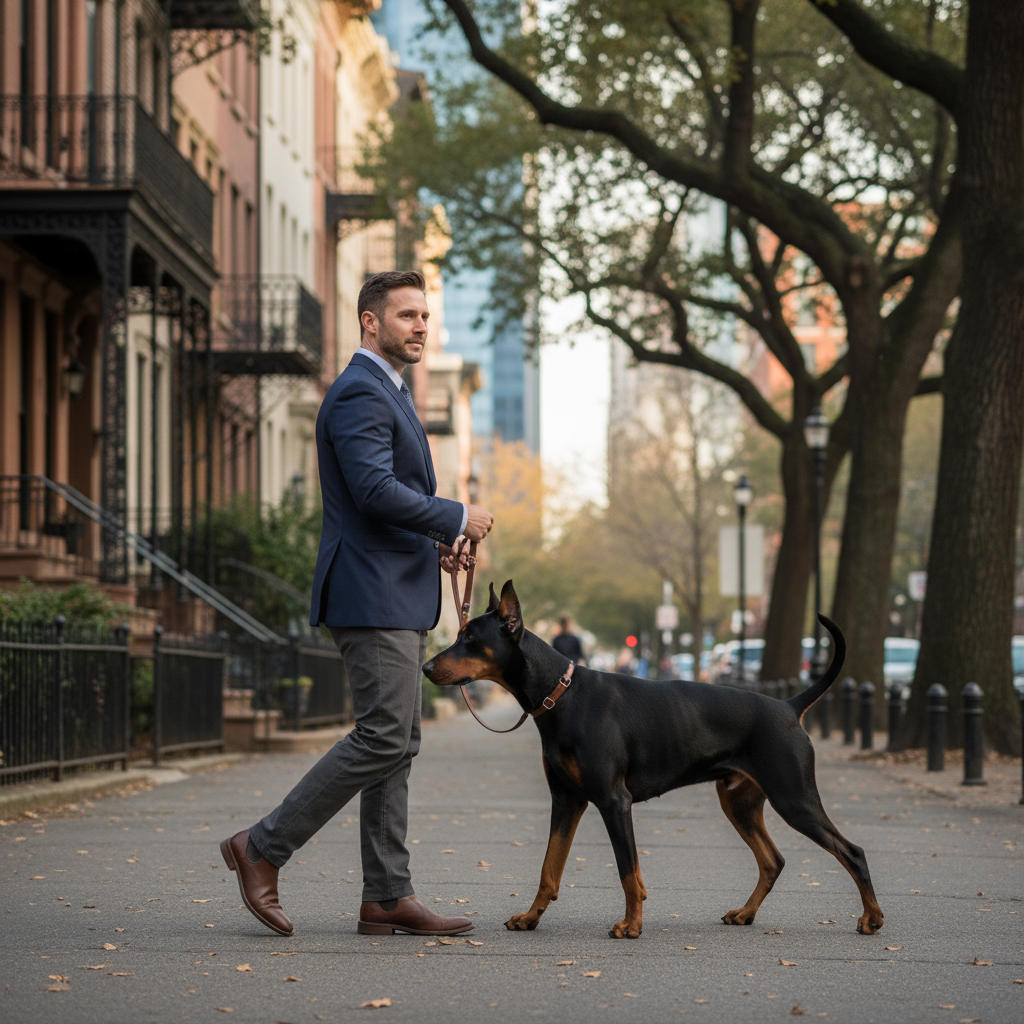
While positive reinforcement is crucial, Dobermans also thrive on clear leadership. They need to understand their place in the family hierarchy, which means you are the leader. This doesn’t mean being aggressive or dominant; it means being consistent, confident, and fair. Set clear boundaries, enforce rules calmly, and ensure your Doberman respects your commands. Simple exercises like making your Doberman ‘sit’ before receiving food or going through a doorway reinforce your leadership.
Tip 5 – Prioritize Leash Training and Recall

Given their strength and energy, excellent leash manners are non-negotiable for a Doberman. Start leash training early, making it a positive experience. Practice loose-leash walking in various environments. Equally important is a rock-solid recall (‘come’ command). A reliable recall can be a lifesaver, ensuring your Doberman returns to you instantly, even when distracted. Practice recall in a safe, enclosed area, gradually adding distractions.
Tip 6 – Provide Ample Mental and Physical Exercise
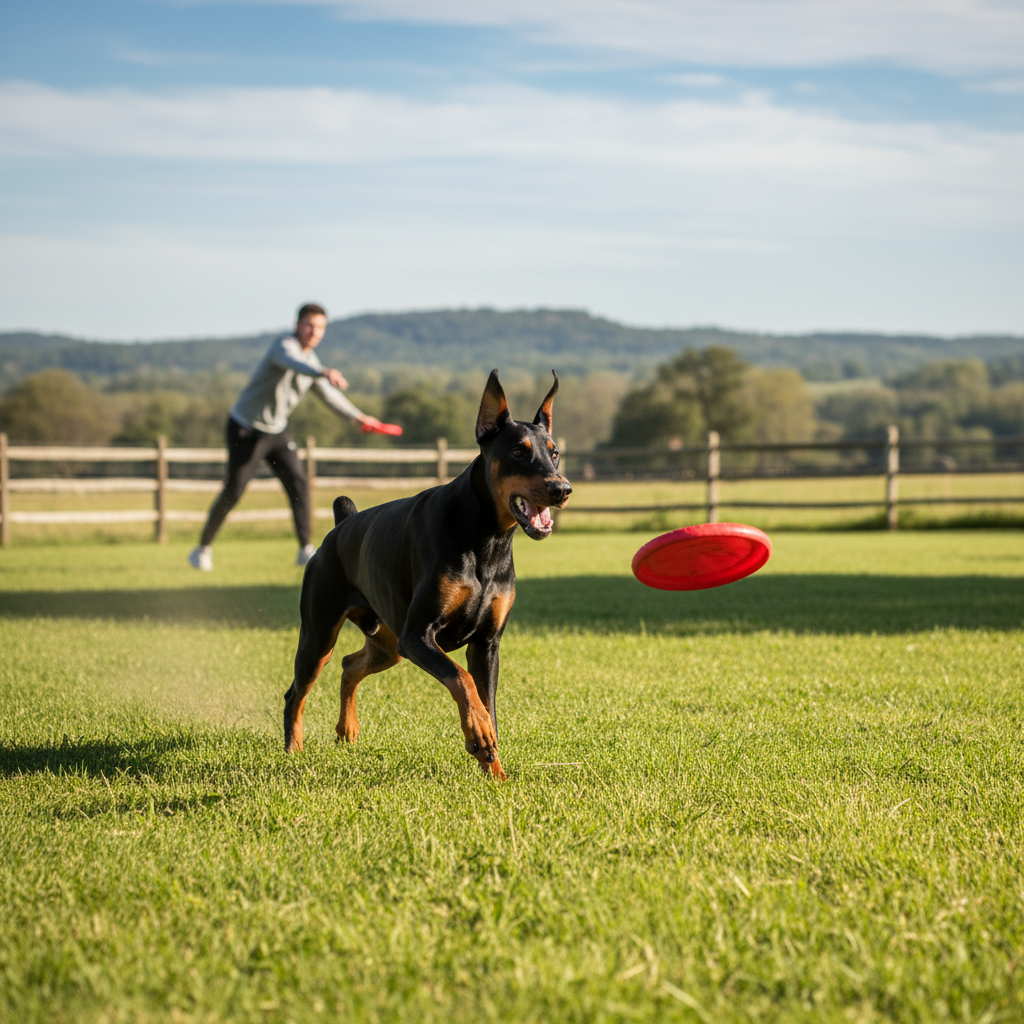
A bored Doberman is a destructive Doberman. These dogs need significant daily exercise—at least 60-90 minutes of vigorous activity. This could include fast walks, running, hiking, or playing fetch. Beyond physical exertion, they also require mental stimulation. Incorporate puzzle toys, scent work, obedience training, or agility exercises into their routine to keep their intelligent minds engaged and prevent boredom-related behaviors.
Tip 7 – Crate Training for Safety and Comfort

Crate training is an invaluable tool for Doberman owners. When introduced correctly, a crate becomes a safe, comfortable den for your dog, offering them a secure space when you’re away or during bedtime. It aids in house training, prevents destructive chewing, and provides a quiet retreat. Ensure the crate is appropriately sized and never used as punishment.
Tip 8 – Address Nipping and Biting Behavior Early
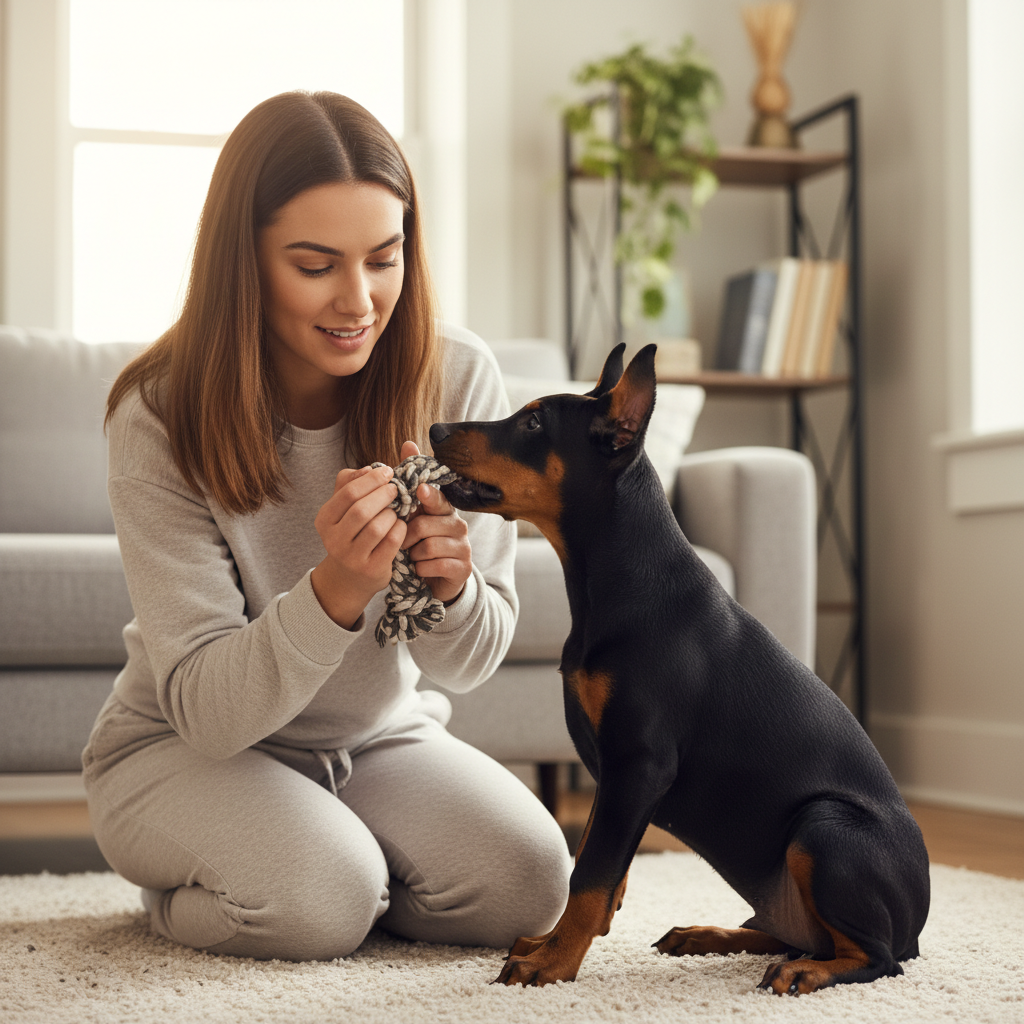
Puppy nipping is normal, but with a Doberman, it’s crucial to address it promptly. Teach bite inhibition by yelping loudly when your puppy nips too hard, then ignoring them for a short period. Redirect their biting to appropriate chew toys. As they mature, ensure they understand that human skin is never a toy. Consistent training helps them learn appropriate mouth manners.
Tip 9 – Consider Professional Guidance When Needed
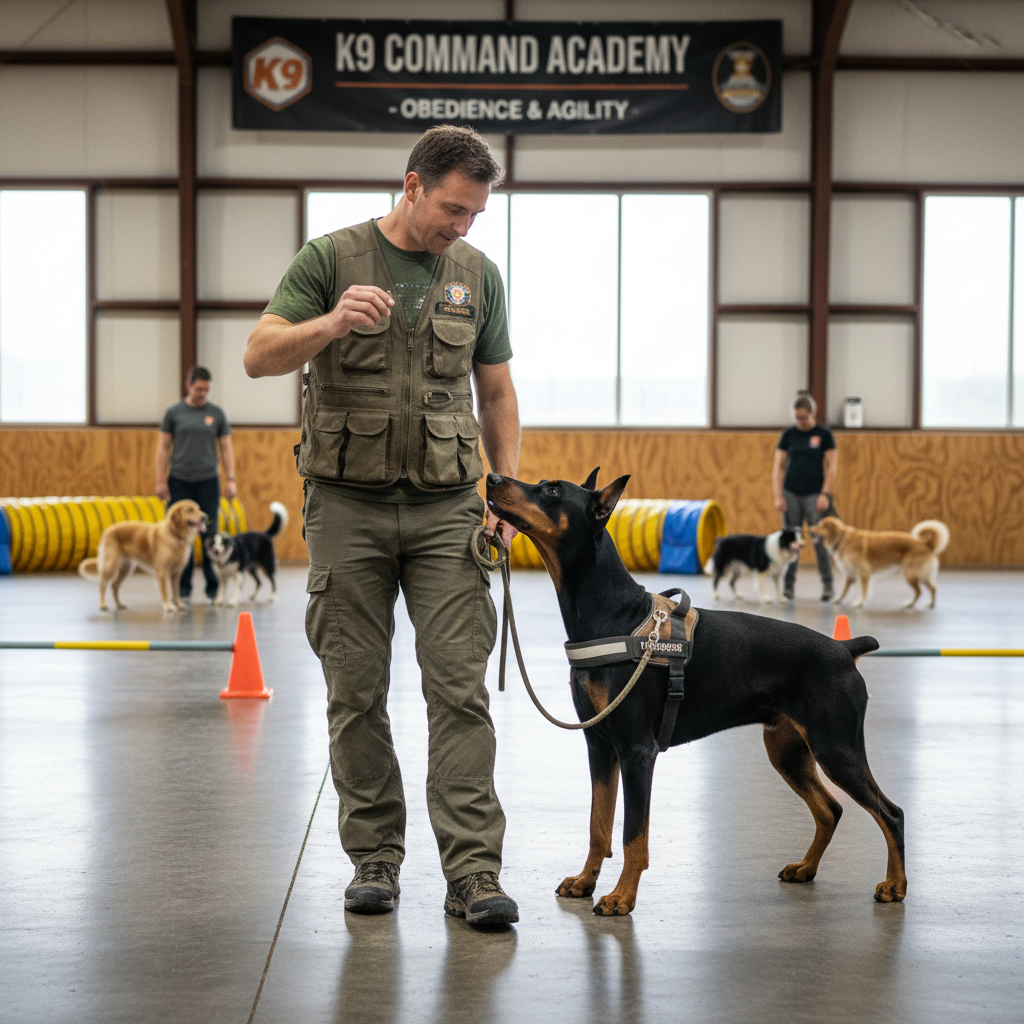
While many Doberman owners successfully train their dogs independently, there’s no shame in seeking professional help. If you encounter specific behavioral challenges, or simply want to advance your Doberman’s training, a certified professional dog trainer or behaviorist can provide tailored guidance and support. They can offer new perspectives and techniques that might be just what you need.
Tip 10 – Be Patient and Celebrate Small Victories
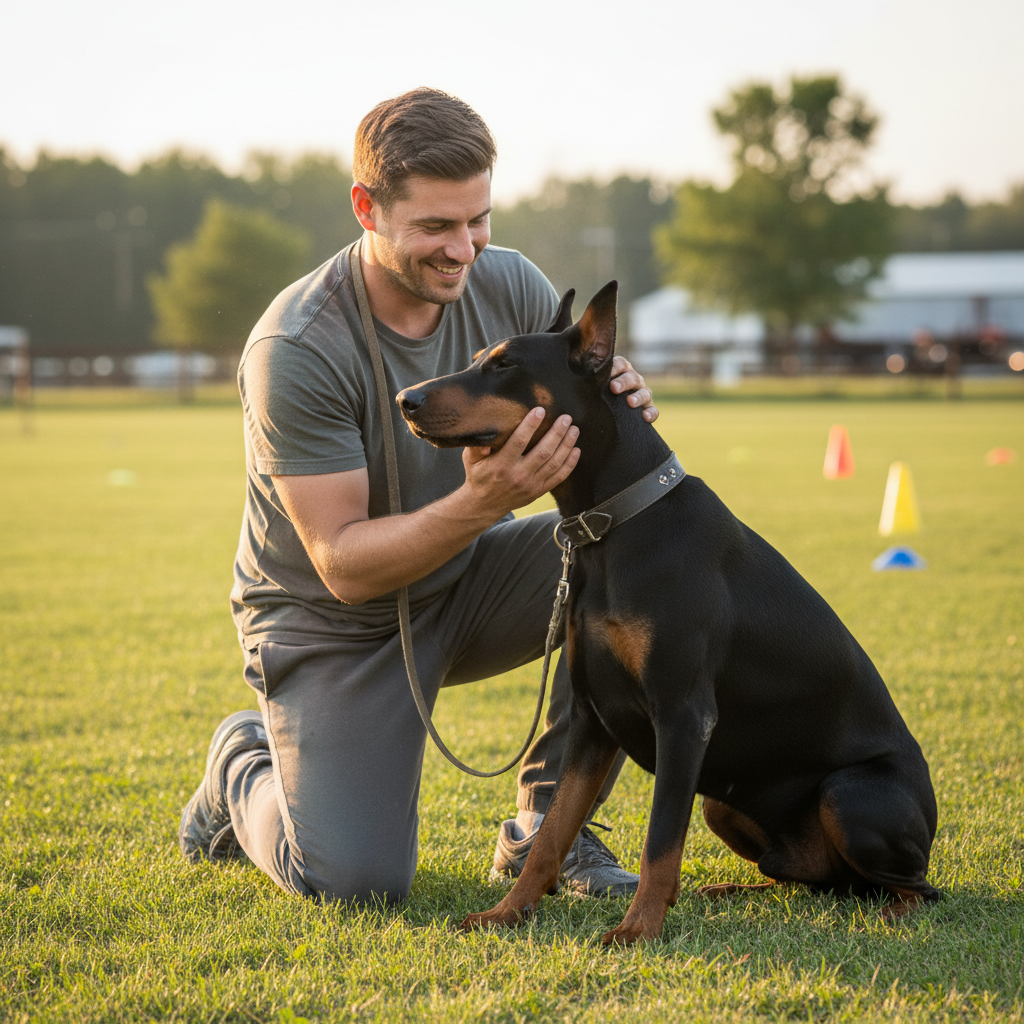
Training a Doberman Pinscher is a journey, not a destination. There will be good days and challenging days. Patience is paramount. Understand that every dog learns at their own pace. Celebrate every small victory—a perfectly executed ‘sit’, a moment of calm, or a successful walk without pulling. These moments build confidence in both you and your Doberman, strengthening your incredible bond.
Conclusion
Training your Doberman Pinscher is one of the most rewarding experiences you can undertake as a dog parent. By embracing their intelligence, respecting their sensitive nature, and committing to consistent, positive reinforcement, you’ll raise a Doberman that is not only well-behaved but also deeply devoted and a joy to live with. Remember, the goal isn’t just an obedient dog, but a happy, confident companion who trusts and respects you. With these tips, you’re well on your way to a lifetime of success and companionship with your magnificent Doberman.