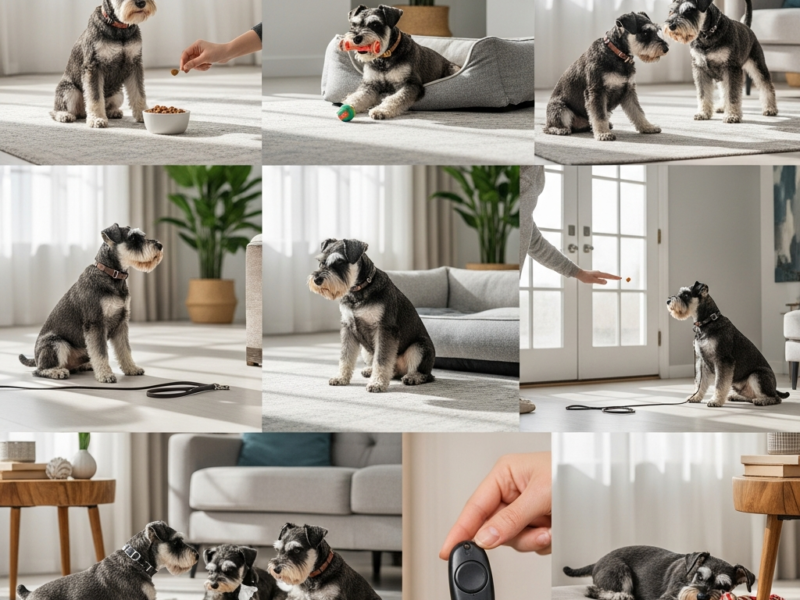
Bringing a dog into your home is a wonderful adventure, filled with joy, laughter, and sometimes, a little bit of playful chaos. While your furry friend might be the cutest thing on four legs, a well-behaved dog makes life easier and more enjoyable for everyone. That’s where obedience training comes in. It’s not just about teaching tricks; it’s about building communication, trust, and a strong bond with your canine companion.
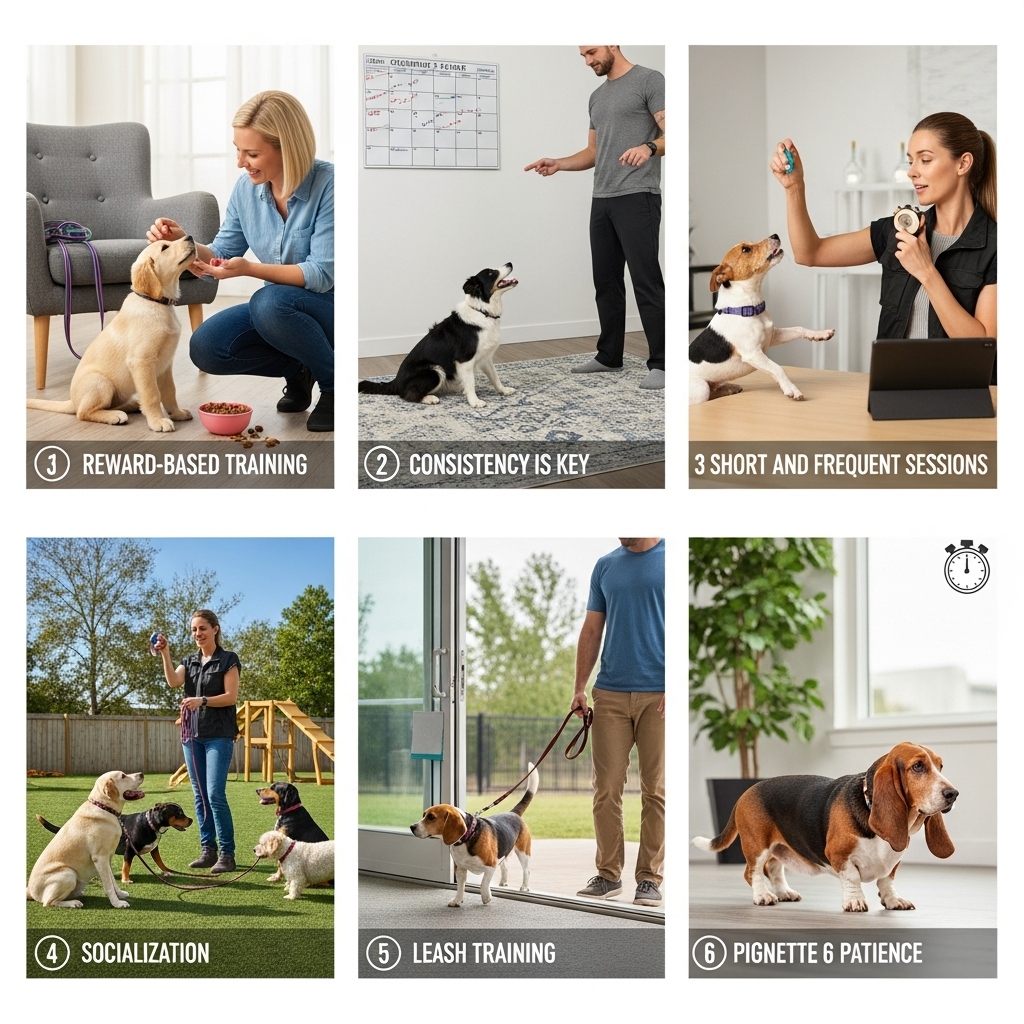
Obedience training helps your dog understand boundaries, keeps them safe, and allows them to navigate the world confidently by your side. It empowers them to be a happy, well-adjusted member of your family and community. If you’re wondering where to start or how to improve your dog’s manners, these six essential tips will guide you on your journey to a more harmonious life together.
The Foundation of Good Behavior
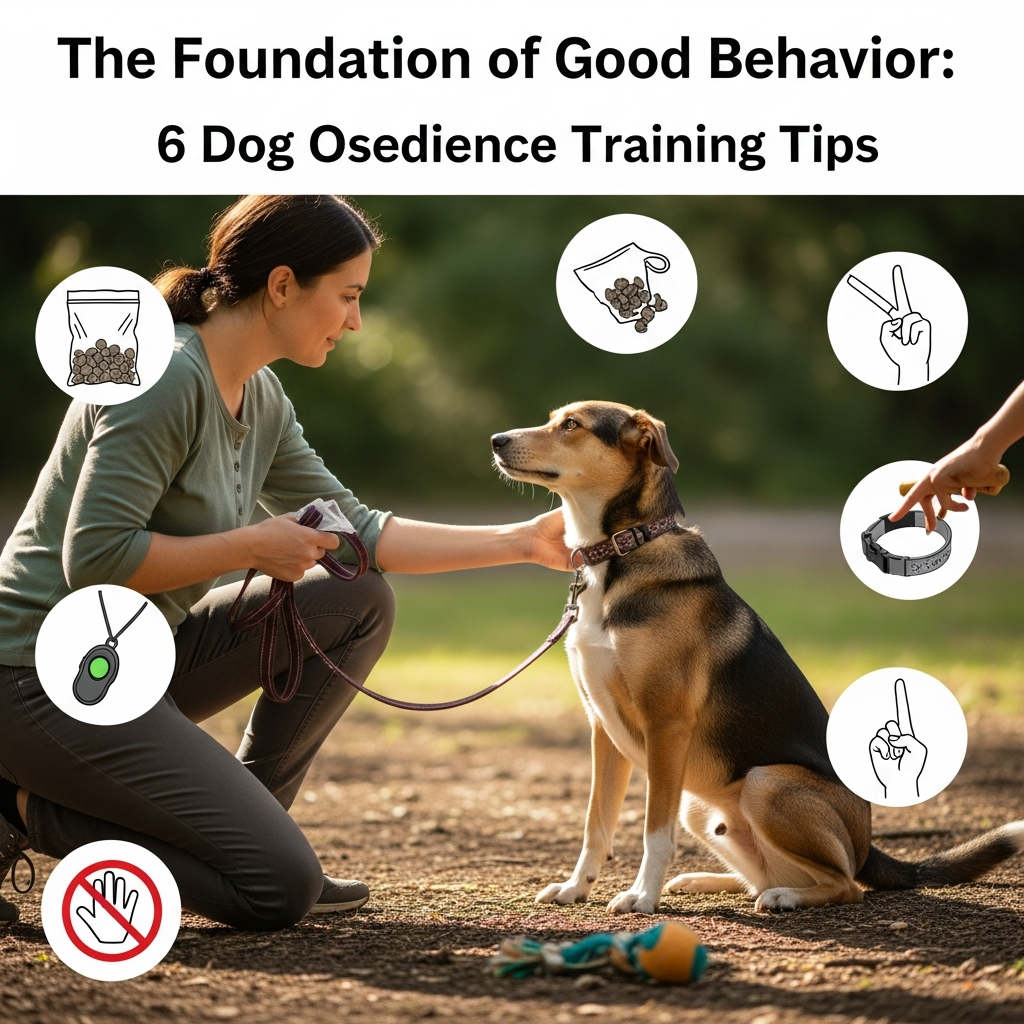
Obedience training is more than just telling your dog what to do. It’s about teaching them how to learn, how to respond to cues, and how to make good choices. A well-trained dog is often a happier dog because they understand what’s expected of them, which reduces anxiety and builds confidence. For you, the owner, it means less stress and more enjoyment of your time together. It truly builds a language you both can speak.
Tip 1: Start Early and Be Consistent
One of the most powerful tools in dog training is starting young and maintaining a consistent approach. The sooner you begin, the easier it often is for your dog to grasp new concepts.
The Power of Puppyhood
Puppies are like sponges, soaking up information about their world. This makes their early months an ideal time to introduce basic obedience. Socialization during this period is also crucial. Exposing your puppy to different sights, sounds, people, and other friendly dogs helps them grow into a well-adjusted adult. Begin with simple commands like “sit” and “stay” as soon as they come home.
Consistency is Key
For any training to stick, everyone in the household needs to be on the same page. Use the exact same command words for specific actions. For example, if one person says “come” and another says “here,” your dog will get confused. Make sure your rules are consistent too. If jumping on the couch is sometimes allowed and sometimes not, your dog won’t understand the boundary. Regular, short training sessions, even just 5-10 minutes a few times a day, are far more effective than one long, infrequent session.
Tip 2: Use Positive Reinforcement
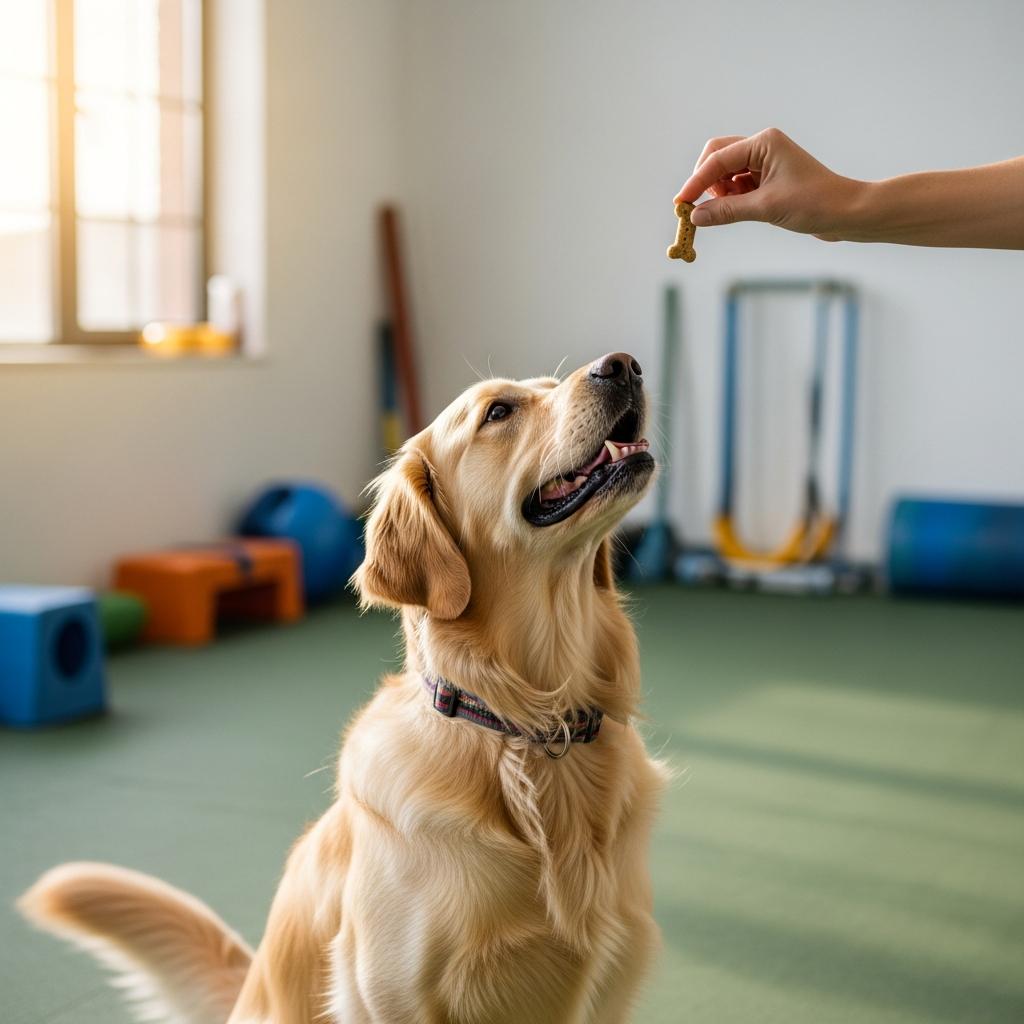
Positive reinforcement is arguably the most effective and humane way to train a dog. It focuses on rewarding desirable behaviors, making your dog want to repeat them.
What is Positive Reinforcement?
This method involves giving your dog something they value immediately after they perform a desired action. This could be a tasty treat, a favorite toy, enthusiastic praise, or even a quick game of fetch. The idea is to make your dog associate the good behavior with a positive outcome, strengthening the likelihood they’ll do it again. Unlike punishment, which can create fear and anxiety, positive reinforcement builds trust and makes learning enjoyable.
Making Rewards Effective
The key to successful positive reinforcement is using rewards that are highly motivating for your specific dog. Some dogs will do anything for a piece of chicken, while others prefer a squeaky toy. Experiment to find what your dog loves most. Timing is also critical; the reward needs to be given within 1-3 seconds of the desired behavior so your dog clearly connects the action to the treat. As your dog becomes more proficient, you can gradually phase out constant food rewards, replacing them with praise, petting, and occasional treats to maintain the behavior.
Tip 3: Keep Training Sessions Short and Fun
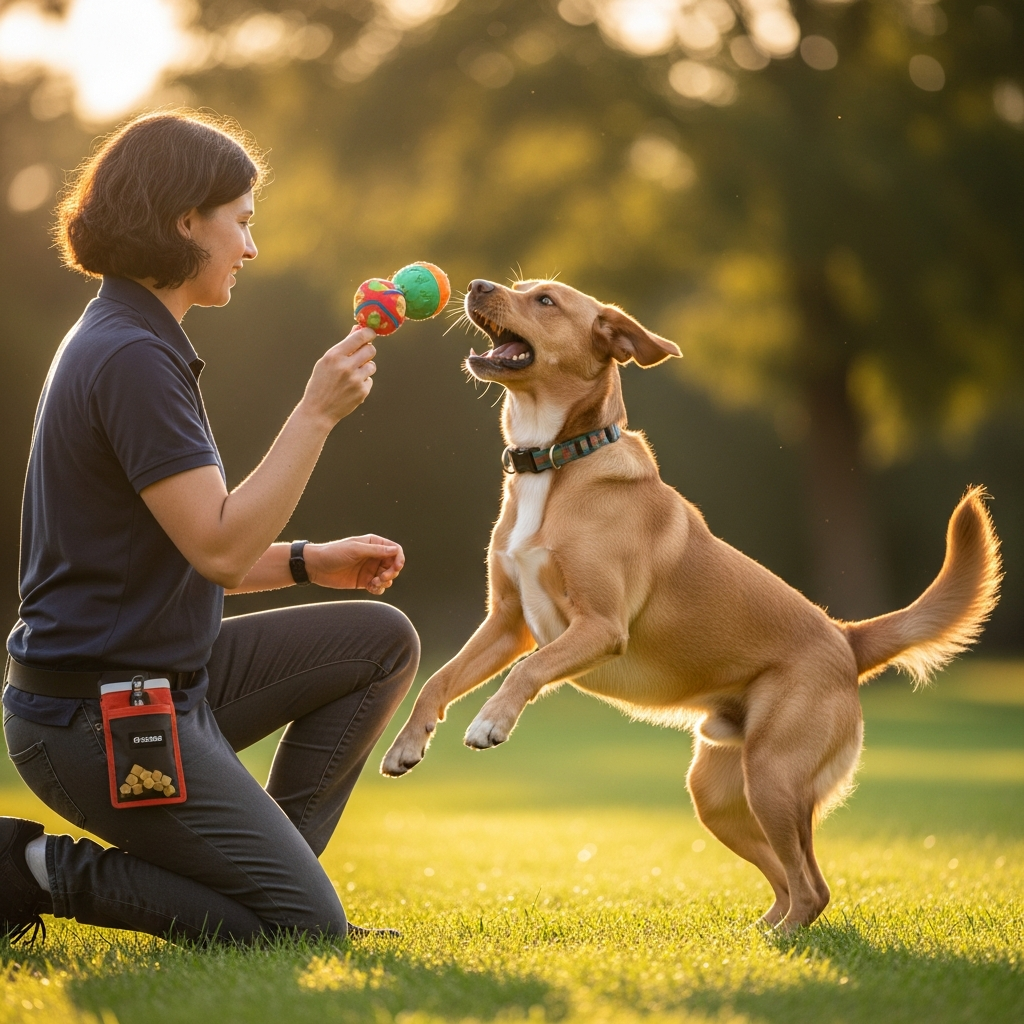
Dogs, especially puppies, have relatively short attention spans. Long, repetitive training sessions can lead to boredom, frustration, and a lack of motivation.
Why Short Sessions Work
Think of it like learning anything new; it’s easier to focus for brief periods. For dogs, 5 to 10-minute training sessions, two to three times a day, are often far more productive than one 30-minute session. Short bursts keep your dog engaged and eager to learn, preventing them from getting mentally tired or distracted. It also fits easily into your daily routine.
Making it Enjoyable
Training should feel like a game for your dog. Incorporate elements of play, use an enthusiastic and happy tone of voice, and celebrate their successes, no matter how small. Always try to end each session on a positive note, perhaps after your dog has successfully completed a command they know well. This leaves them feeling good about training and excited for the next session. Varying the location of your training can also add an element of novelty and fun, helping your dog generalize their skills.
Tip 4: Master Basic Commands First
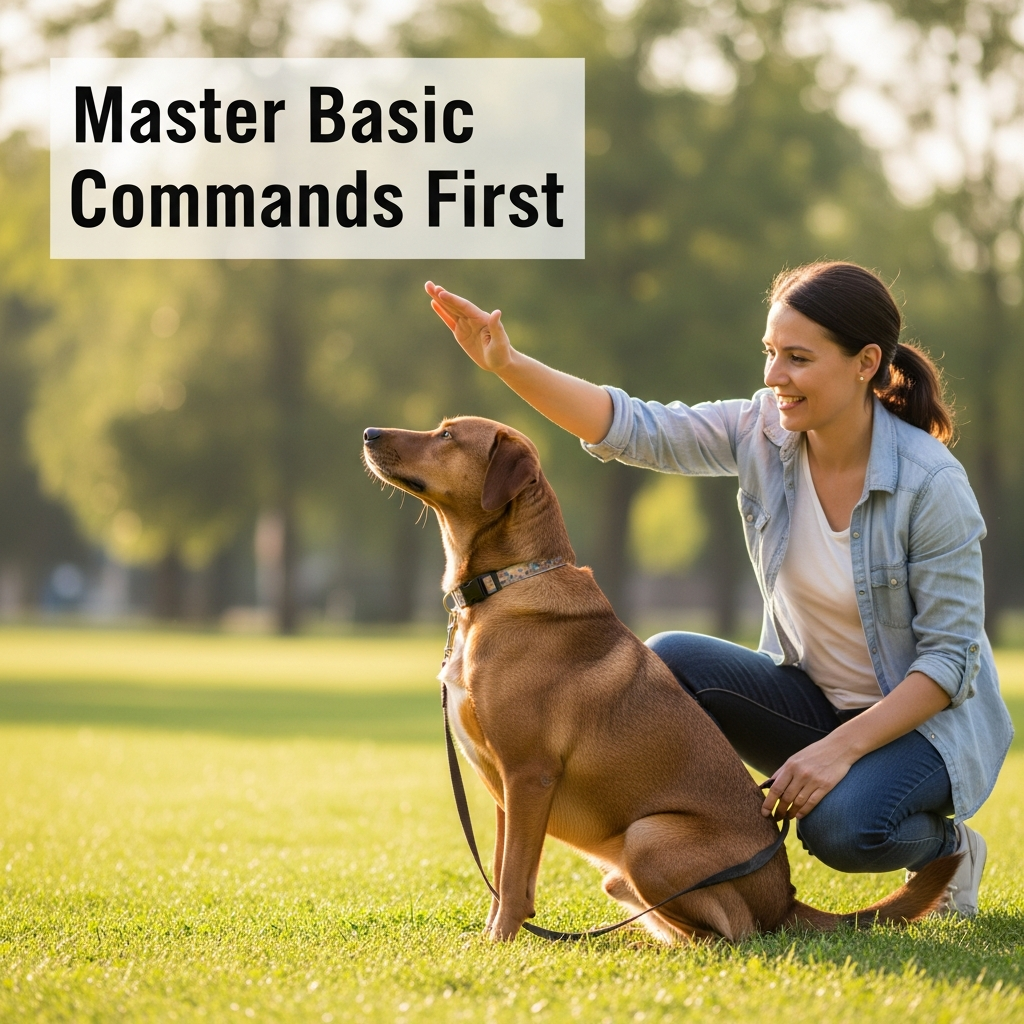
Before moving on to more complex behaviors, it’s crucial to solidify the foundational commands. These basic cues are essential for safety, good manners, and establishing clear communication.
Essential Commands for Every Dog
“Sit”: This is often the first command taught and is useful in countless situations, from greeting people politely to waiting for food.
“Stay“: A critical safety command, allowing you to keep your dog in one place for short periods, such as when opening the door or crossing the street.
“Come”: Perhaps the most important command for your dog’s safety. A reliable “come” (or “recall”) can prevent them from running into danger.
“Down”: A more relaxed version of “sit,” useful for settling your dog in public places or at home.
“Leave It“: Another vital safety command, teaching your dog to ignore tempting or dangerous items on the ground or elsewhere.
How to Teach Them (Brief Examples)
For “Sit,” you can use the lure method: hold a treat near your dog’s nose, slowly move it over their head towards their tail. As their nose follows the treat, their rear will naturally drop into a sit. As soon as they sit, say “Sit,” give the treat, and praise them.
For “Come,” start in a quiet area. Back away from your dog a few steps, say “Come!” in an excited voice, and immediately reward them with a treat and praise when they reach you. Make coming to you the most wonderful thing in the world. Gradually increase distance and add mild distractions as they get better.
Tip 5: Practice in Different Environments
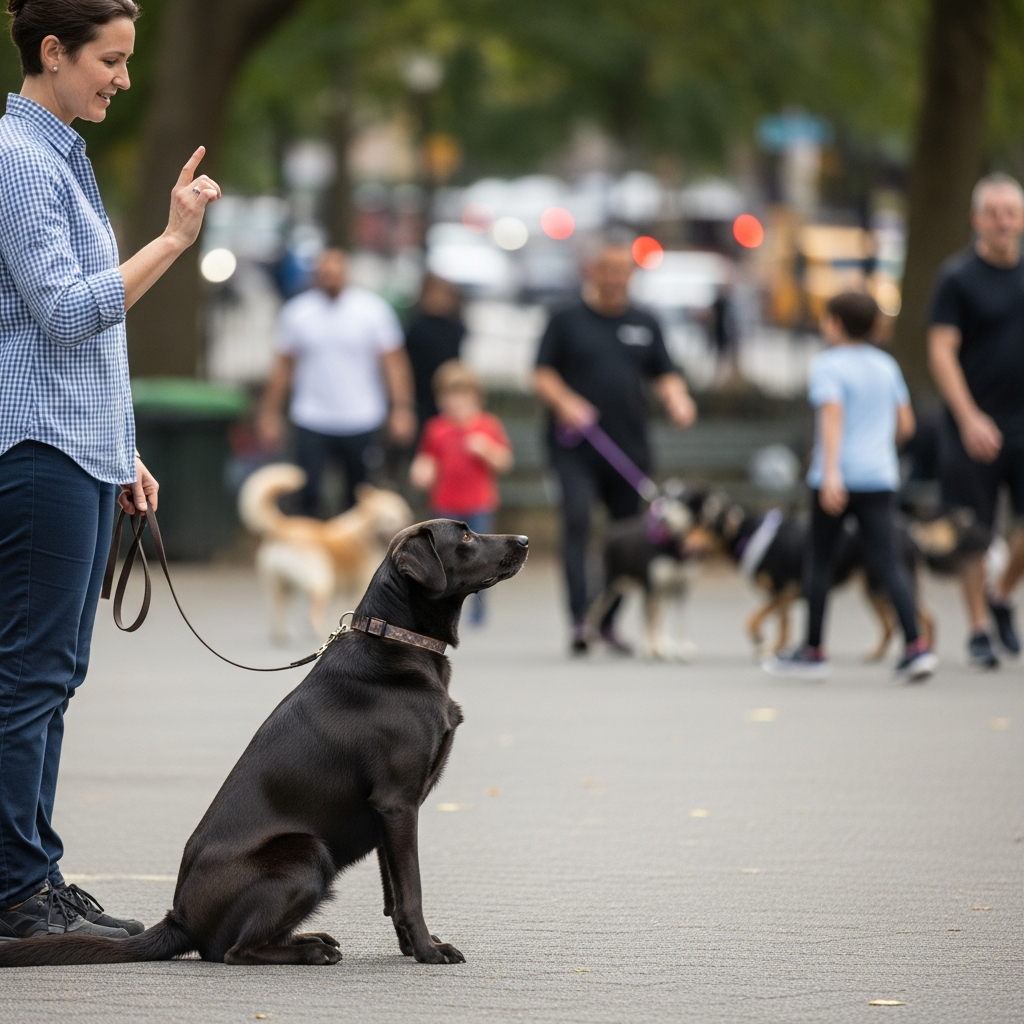
A dog might perform a “sit” perfectly in your living room but seem to forget it entirely at the bustling dog park. This is a common challenge in dog training, and it highlights the need for practicing in varied settings.
Generalizing Behaviors
Dogs don’t automatically generalize behaviors. They learn that “sit” means to put their bottom on the floor in *your kitchen* with *no distractions*. To truly solidify a command, they need to learn that “sit” means the same thing everywhere, regardless of the environment or distractions present. This step is crucial for real-world reliability.
Step-by-Step Distraction Training
Start your training in a quiet, familiar environment, like your home. Once your dog is consistently performing commands there, gradually introduce minor distractions.
1. Quiet Backyard: Move to your backyard or a quiet room in the house.
2. Slightly Busier Areas: Try a quiet park or a friend’s house with minimal noise or movement.
3. Increasing Distractions: As your dog improves, introduce more challenging environments like a busy park, a pet store, or a walking trail. Start with very brief sessions and high-value rewards in these new places.
4. Practice Short Distances: Begin commands close to your dog, then slowly increase the distance as they master it. The goal is for your dog to respond to your cues no matter where you are or what’s happening around them.
Tip 6: Be Patient and Understand Your Dog
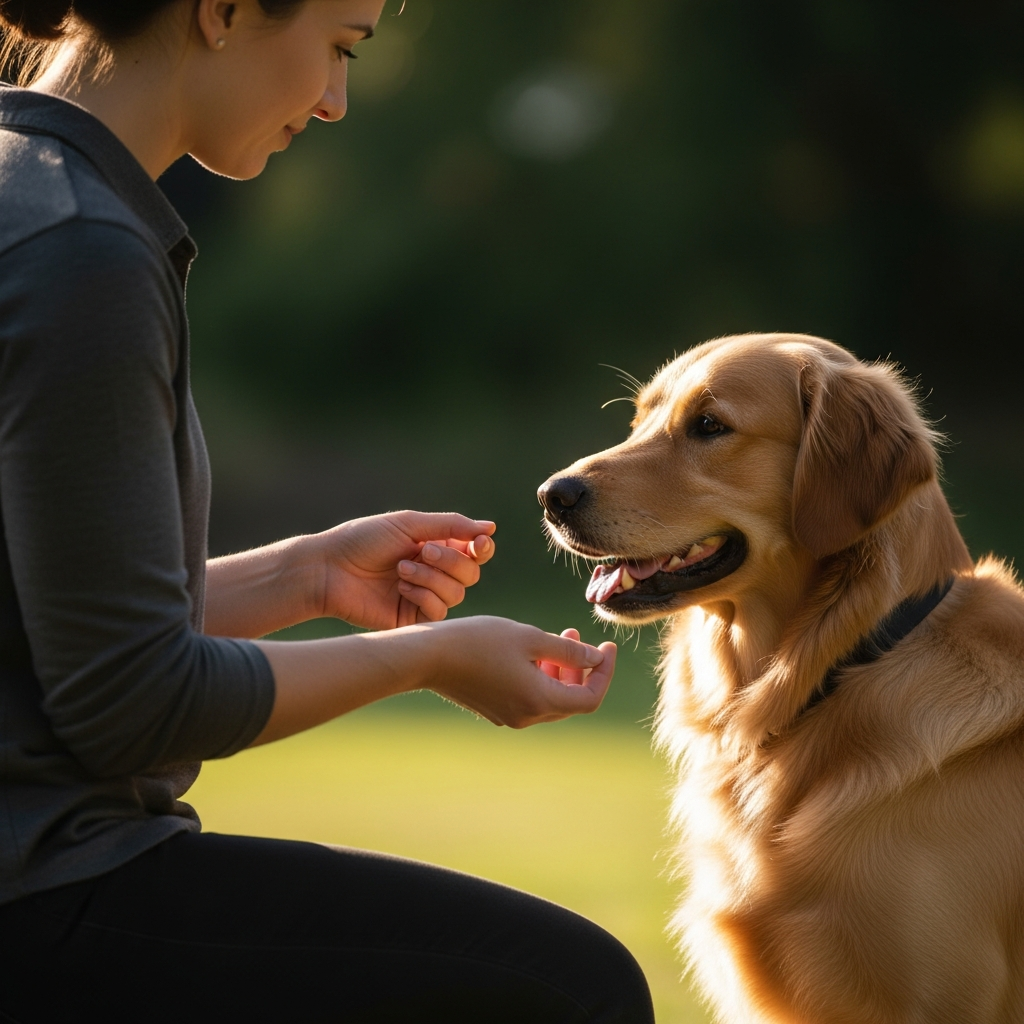
Training is a journey, not a race. There will be good days and challenging days. Patience, empathy, and understanding your dog’s unique personality are paramount.
Every Dog Learns Differently
Just like people, every dog has their own pace of learning, their own motivations, and their own personality quirks. Some breeds are known for being quick learners, while others might take more repetition. Your dog’s past experiences can also influence how they learn. Avoid comparing your dog’s progress to others and focus on their individual growth. Some days your dog might seem to “forget” everything they’ve learned; this is normal. Take a break, revisit an easier command, and try again later.
The Importance of Patience
Frustration on your part can be felt by your dog, making training less effective and enjoyable for both of you. If you’re feeling impatient, it’s best to end the session and try again later when you’re both in a better mood. Celebrate every small victory and don’t get discouraged by setbacks. Remember that consistent, kind effort always pays off in the long run. If you hit a wall or face persistent behavioral issues, don’t hesitate to seek guidance from a certified professional dog trainer. They can offer personalized advice and strategies to help you and your dog succeed.