If you are a dog parent, you know the feeling. You settle into bed, ready for a peaceful night’s sleep, and before you know it, your furry best friend is snuggled right up against you. Maybe they’re spooning you, resting their head on your chest, or even attempting to take up more than their fair share of the pillow. It is a common and often heartwarming sight, but it also makes you wonder: why does my dog insist on sleeping so close?
This isn’t just a quirky habit; it is a profound display of their nature and their bond with you. From deep-rooted instincts to their emotional connection, there are several wonderful reasons why your dog chooses to be your personal sleep shadow. Understanding these reasons can deepen your appreciation for your loyal companion and even help you create an even more comfortable environment for them. Let’s explore why your dog loves to be your snuggle buddy through the night.
The Deep Roots of Closeness: Understanding Canine Instincts
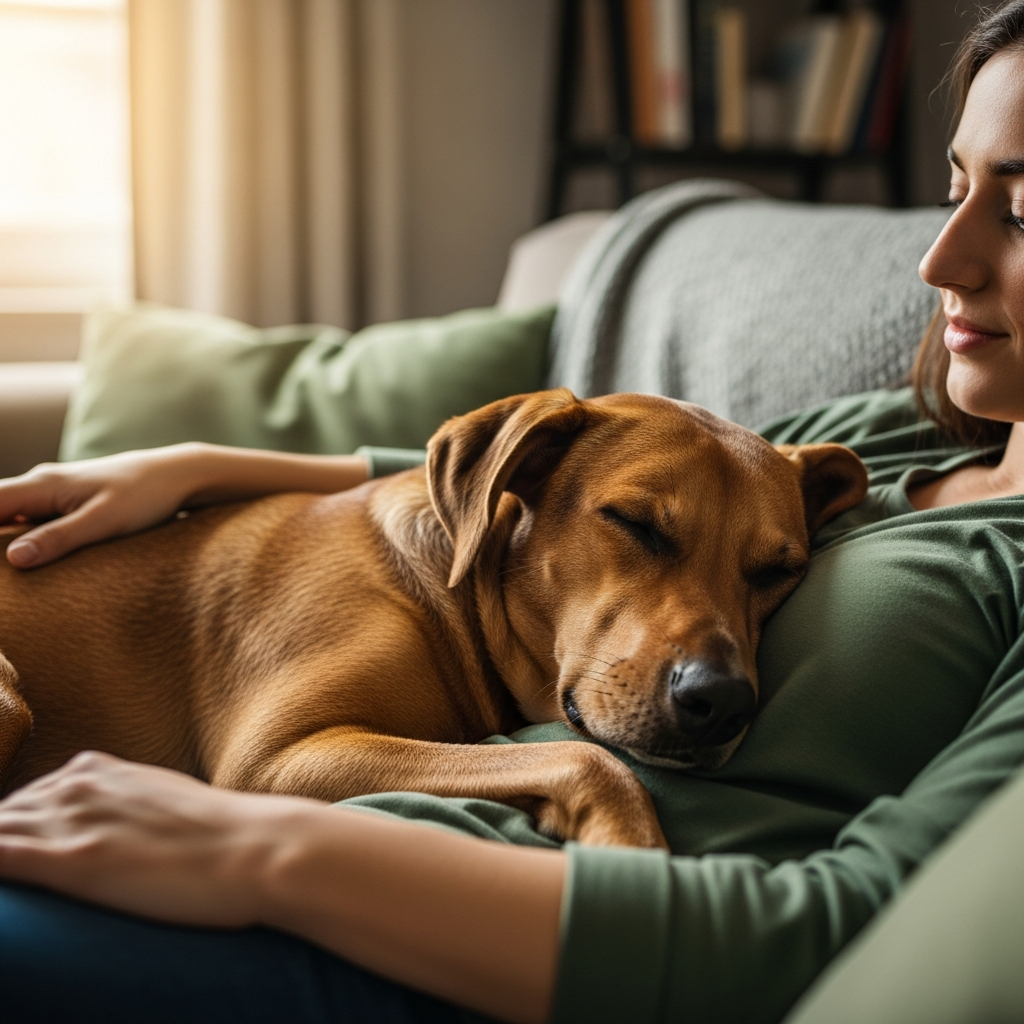
Dogs are inherently social animals, a trait inherited from their ancestors. This pack mentality plays a significant role in their desire for physical closeness, especially during vulnerable times like sleep.
1. They Crave Affection and Bond with You
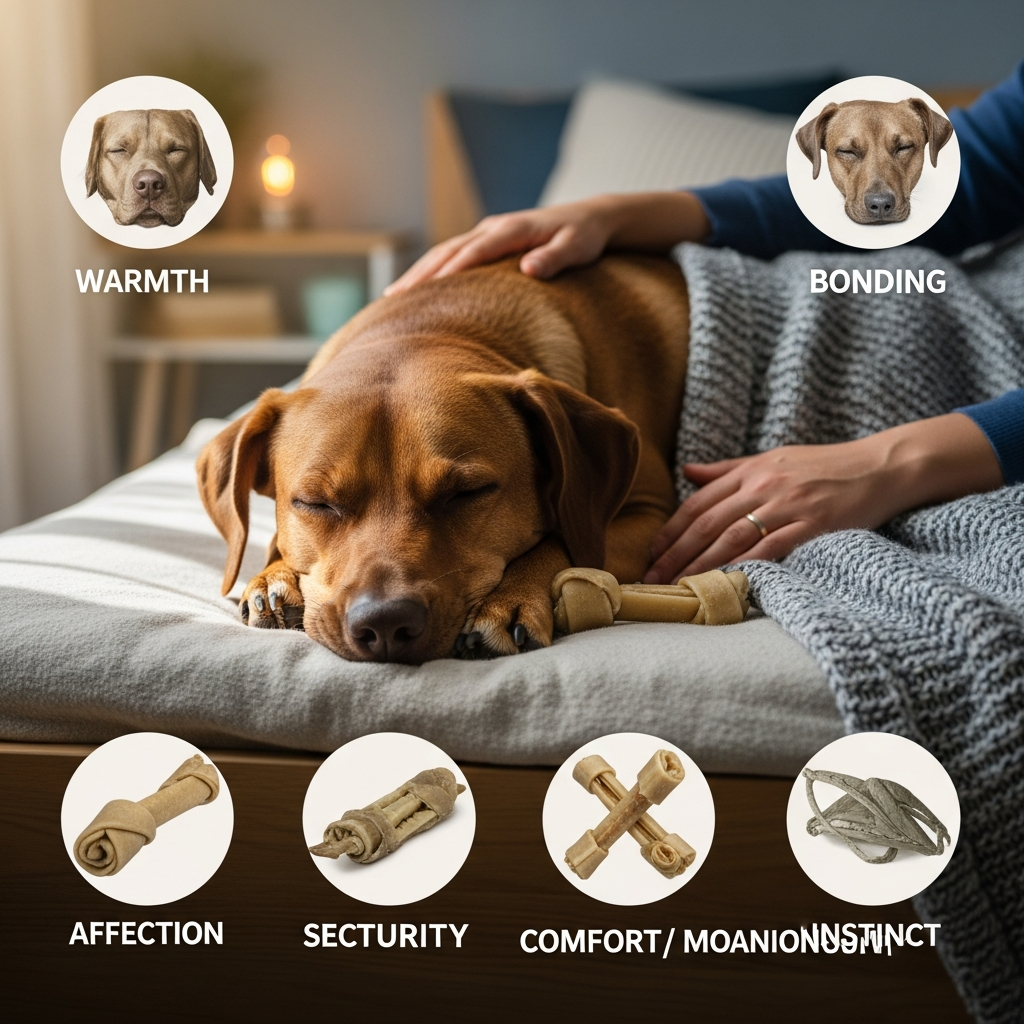
One of the most straightforward reasons your dog sleeps so close is pure love and affection. Dogs form incredibly strong bonds with their human families. When your dog snuggles up, they are showing you how much they adore you and how much they enjoy your company.
The Comfort of Connection
Your presence brings them immense comfort. Dogs see you as a central part of their world, and being physically close reinforces that connection. It is a way for them to feel your warmth, hear your breathing, and simply be near the person they love most. This closeness releases oxytocin, the “love hormone,” for both of you, strengthening your bond even further.
Reinforcing the Bond Daily
Think about it: during the day, you play, walk, and interact. At night, that closeness continues, creating an unbroken thread of companionship. It is a deep, quiet conversation without words, solidifying their place in your heart and yours in theirs.
2. They Feel Safe and Secure with You
The world can be a big, sometimes scary, place for a dog. When they sleep, they are at their most vulnerable. By cuddling up to you, they are seeking and finding the ultimate sense of security.
Your Presence as a Shield
You are their protector and provider. Your dog trusts you completely to keep them safe. Sleeping beside you is their way of tapping into that safety net. They know that with you nearby, they are less likely to encounter threats, real or imagined. This instinct goes back to their wild ancestors who slept in piles for mutual protection.
The Sound of Your Heartbeat
The steady rhythm of your heartbeat and the gentle rise and fall of your breathing are incredibly soothing to your dog. It is a familiar, comforting sound that reassures them everything is okay, allowing them to relax into a deeper, more peaceful sleep.
3. They Seek Warmth and Comfort
Before central heating, humans and animals alike relied on body heat to stay warm. Even with cozy homes, the desire for warmth is a powerful instinct that draws your dog closer to you.
Natural Canine Thermoregulation
Dogs, especially smaller breeds or those with thin coats, can get chilly. A human body is a natural radiator, providing a consistent source of heat. Snuggling up against you is an efficient and cozy way for them to maintain a comfortable body temperature throughout the night.
The Appeal of Your Bed
Let’s be honest, your bed is probably the comfiest spot in the house! With soft blankets, pillows, and your inviting presence, it is a canine dream come true. Your dog appreciates the plush comfort just as much as you do, especially when combined with your warmth.
4. It’s a Deep-Seated Pack Instinct
Dogs are descendants of wolves, and many of their behaviors can be traced back to these ancient pack dynamics. Sleeping in a pile with their pack is a natural and essential part of their heritage.
The Ancestral Call
In a wolf pack, members sleep huddled together for warmth, protection, and to reinforce social bonds. Your dog views you and your family as their modern-day pack. By sleeping close, they are fulfilling this innate desire to be part of the group, feeling connected and included.
Establishing Their Place
Sleeping near the “alpha” or pack leader (that’s you!) can also be a way for your dog to feel accepted and integrated into the family structure. It is a subtle acknowledgment of their place within the household.
5. They Want to Protect You
While you are their protector, many dogs also feel a strong instinct to watch over their beloved human family. Even in sleep, this guardian instinct can play a role in why they choose to be by your side.
Your Personal Bodyguard
Some dogs, particularly certain breeds known for their protective instincts, feel a responsibility to keep you safe. By sleeping close, they can be immediately aware of any unusual sounds or movements, ready to alert you if they sense danger. It is their way of standing guard, even while catching some Zs.
Mutual Vigilance
In a pack, members often take turns being vigilant. While your dog might not consciously be “on watch” all night, the proximity allows for a sense of mutual protection. They know you’re there for them, and they are there for you.
Understanding Your Dog’s Sleep Habits
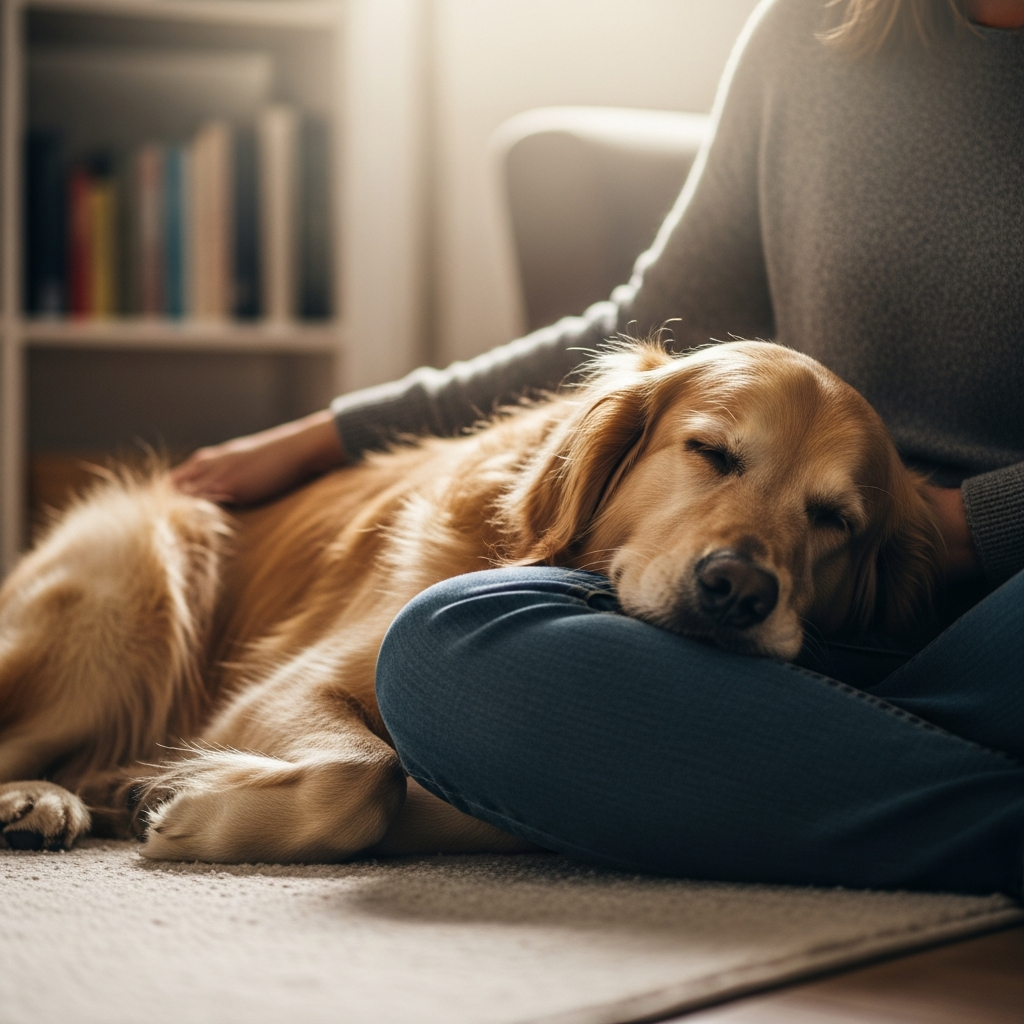
Dogs spend a significant portion of their day sleeping, but their sleep cycles are different from ours. Knowing a bit about how they sleep can help you understand their comfort needs.
How Dogs Sleep Differently
Dogs tend to have shorter sleep cycles than humans, cycling more frequently between light sleep and REM sleep. They are also easily roused, which explains why they might stir at the slightest sound. This quick-to-wake nature makes the security of sleeping next to you even more appealing.
The Importance of Deep Sleep
While they are easily roused, dogs also need their periods of deep, restorative sleep. Feeling safe and secure next to you helps them achieve this vital stage of rest, contributing to their overall health and well-being.
When to Encourage or Redirect Cuddles
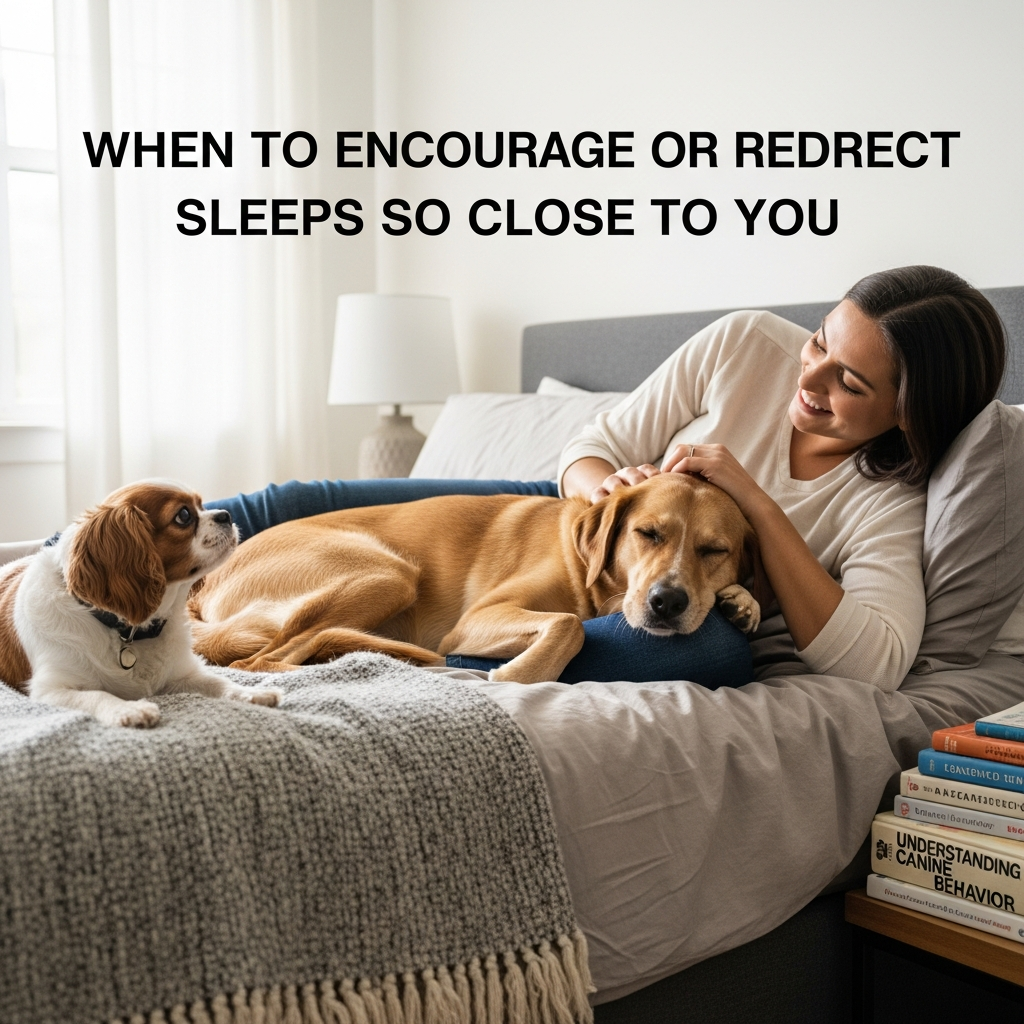
While sharing your bed with your dog can be a wonderful experience, it is important to find a balance that works for both of you.
Enjoying the Benefits of Co-Sleeping
For many dog parents, co-sleeping strengthens the bond, provides comfort, and reduces feelings of loneliness. It can also be reassuring for your dog, especially if they suffer from separation anxiety. If it works for you and your dog, there is no inherent reason to stop.
Setting Boundaries for a Healthy Sleep Routine
Sometimes, co-sleeping might disrupt your sleep, or your dog might need their own space due to health reasons or behavior issues. In these cases, it is okay to gently redirect them.
Tips for Gentle Redirection
1. Start Early: If you prefer your dog not to sleep on your bed, begin training when they are a puppy.
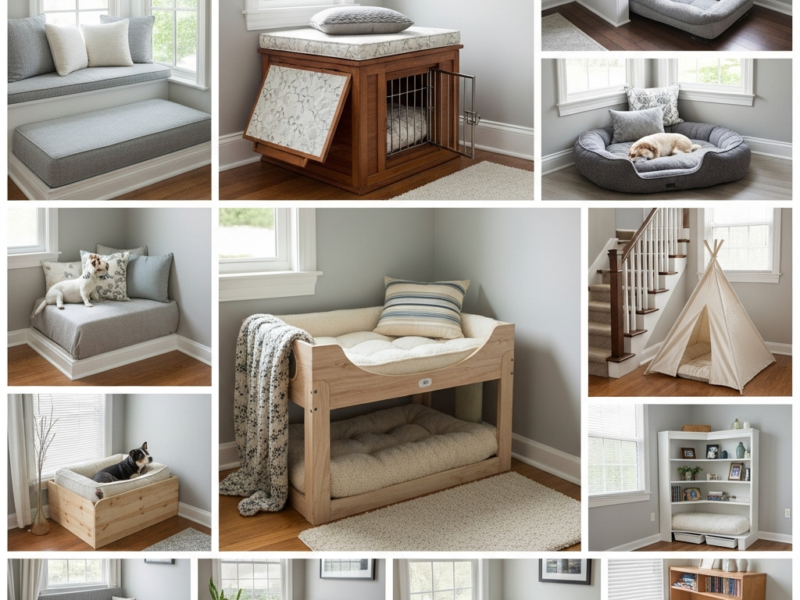
2. Provide an Appealing Alternative: Make their own bed incredibly comfortable and inviting. Use soft blankets, a favorite toy, and maybe an item with your scent on it.
3. Positive Reinforcement: Reward them with praise and treats when they settle in their own bed.
4. Consistency is Key: Be consistent with your rules. If they are sometimes allowed on the bed and sometimes not, it will confuse them.
Table: Creating a Bedtime Routine
| Step | Description |
| 1. Exercise | Ensure your dog gets enough physical and mental exercise during the day to be tired at night. |
| 2. Potty Break | A final potty break right before bed helps prevent accidents and encourages uninterrupted sleep. |
| 3. Wind-Down Time | Engage in calm activities before bed, like quiet cuddles on the couch (not on the bed if you’re redirecting) or gentle petting. |
| 4. Go to Their Bed | Lead your dog to their designated sleeping spot. Use a consistent verbal cue like “Go to your bed” or “Sleepy time.” |
| 5. Reward & Praise | Once they are in their bed, give them a small, high-value treat and quiet praise. Reinforce the positive behavior. |
| 6. Consistency | Stick to the routine every night. Dogs thrive on predictability and routines help them understand expectations. |
Creating a Cozy Sleep Space for Your Dog
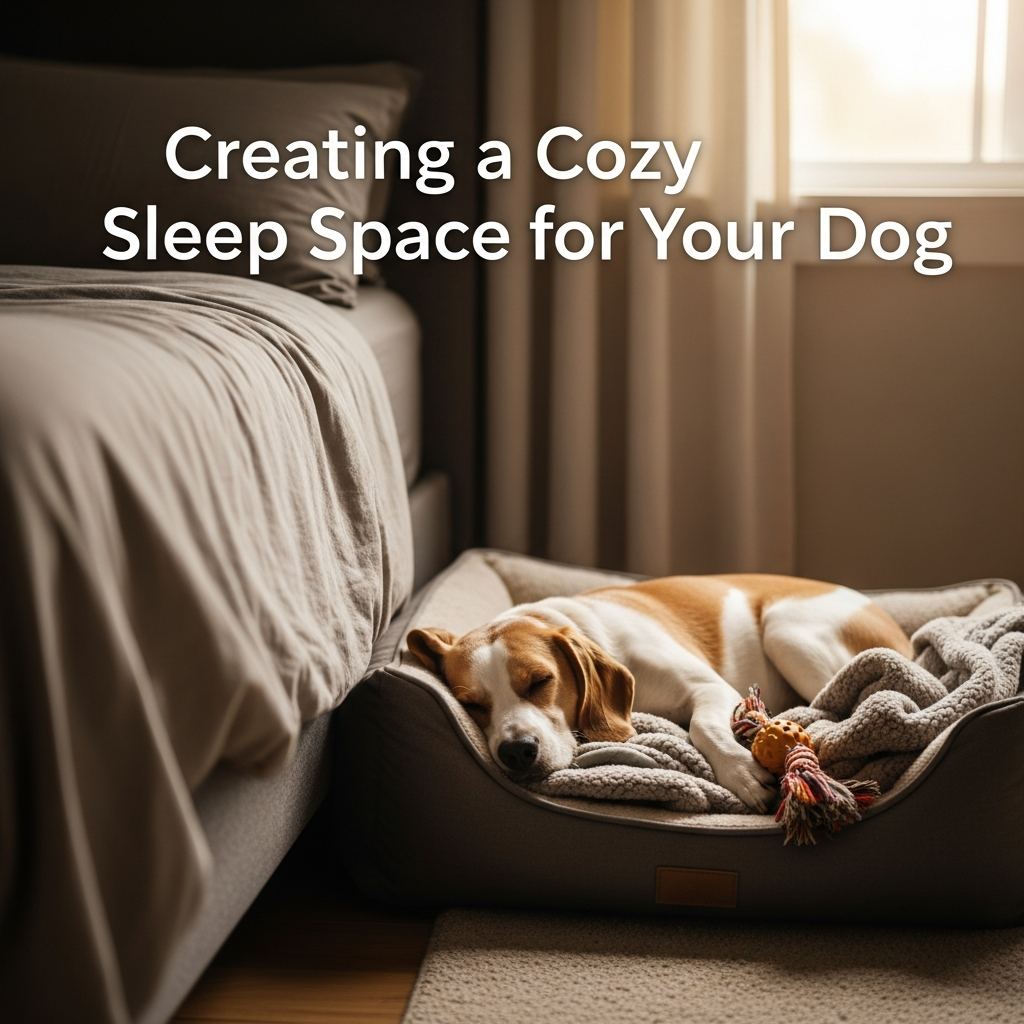
Whether they sleep with you or in their own spot, ensuring your dog has a comfortable, safe, and warm place to rest is paramount.
The Importance of a Good Dog Bed
A high-quality dog bed can make all the difference. Look for one that is:
* Appropriate size for your dog to stretch out.
* Supportive, especially for older dogs or those with joint issues.
* Made from durable, washable materials.
* Placed in a quiet, draft-free area of your home.
Making Their Space Inviting
Even if your dog loves sleeping with you, having their own special spot provides them with a sense of security and belonging. This could be a crate (if properly introduced and loved), a dog bed, or a designated blanket. Add a familiar blanket or a worn t-shirt with your scent to make it even more appealing.