Every dog parent dreams of a happy, healthy pup bounding with energy and a wagging tail. A big part of that happiness and vitality starts deep inside your dog’s belly: their digestive system. When your furry friend’s gut is in good shape, it shows in their energy levels, their shiny coat, and even their joyful demeanor.
However, many dogs can struggle with sensitive stomachs, occasional upset, or ongoing digestive issues. These can be stressful for both you and your beloved companion. The good news is that beyond their main meals, the right kind of treats can play a helpful role in supporting a balanced and healthy gut. These aren’t just yummy rewards; they can be powerful tools for digestive wellness.
In this article, we’ll dive into six fantastic types of dog treats specifically designed to promote healthy digestion. We’ll explore why they work, what to look for, and how they can make a positive difference in your dog’s life.
Why Healthy Digestion Matters for Your Dog
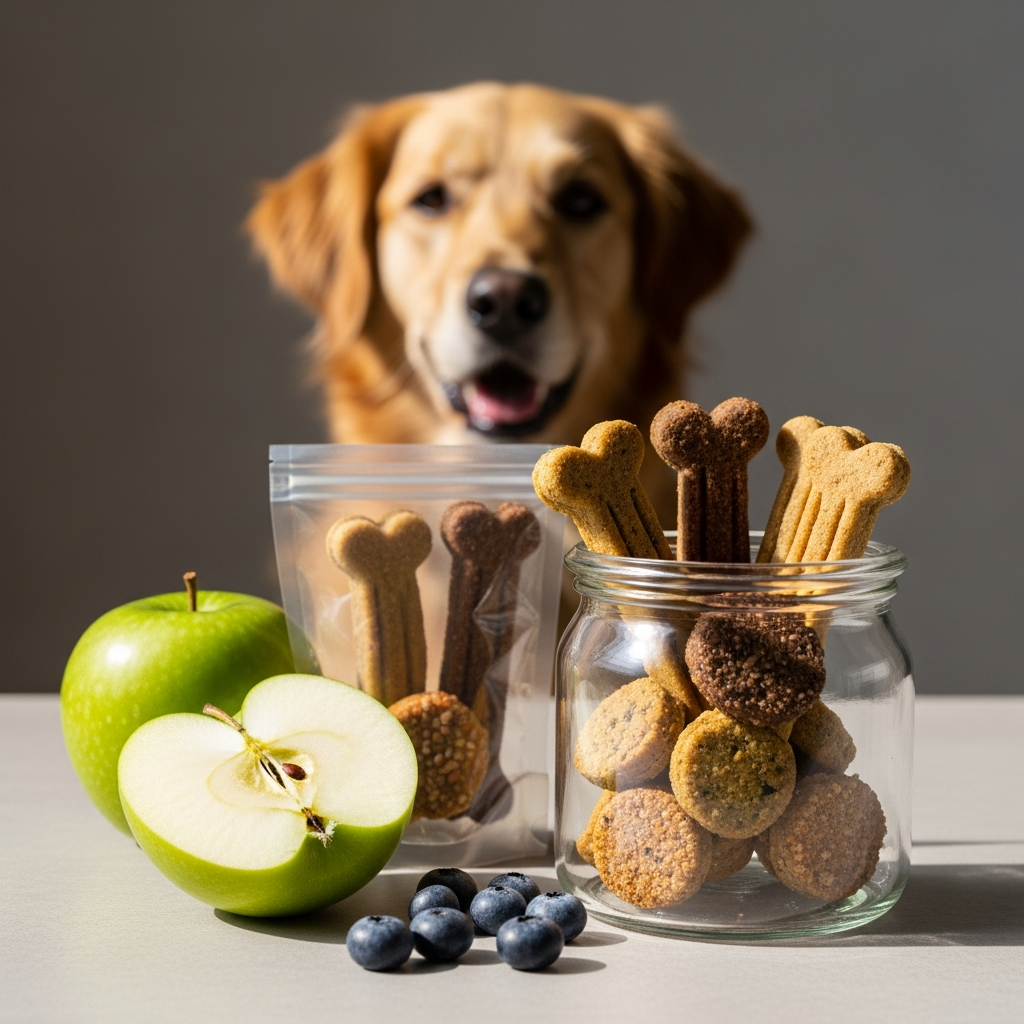
Think of your dog’s digestive system as the engine that powers their entire body. It’s responsible for breaking down food, absorbing vital nutrients, and getting rid of waste. When this system isn’t running smoothly, it can impact almost every aspect of your dog’s health.
Signs of a Healthy Gut
A happy gut often means a happy dog. Here are some signs that your dog’s digestive system is doing well:
Regular, well-formed bowel movements.
Good energy levels and a playful spirit.
A soft, shiny coat and healthy skin.
A healthy appetite without being overly gassy or bloated.
Alert eyes and clear ears.
Common Digestive Issues
Unfortunately, many dogs experience digestive problems from time to time, or even regularly. These can range from mild annoyances to more serious health concerns.
Diarrhea: Loose, watery stools, often caused by diet changes, stress, or infections.
Constipation: Straining to pass hard, dry stools.
Gas and Bloating: Excessive flatulence, a distended belly, discomfort.
Vomiting: Often a sign of stomach upset, eating something undesirable, or sensitivity.
Lack of Appetite: Sometimes linked to a feeling of discomfort in the gut.
These issues can stem from a variety of causes, including food sensitivities, allergies, stress, changes in diet, or even an imbalance of good and bad bacteria in the gut.
The Role of Good Treats
While a balanced main diet is crucial, specific treats can offer targeted support for digestion. They are not just about rewarding good behavior; they can deliver beneficial ingredients that soothe, balance, and strengthen your dog’s digestive system. Choosing the right treats means turning a simple reward into a wellness boost.
The Top 6 Dog Treats for Healthy Digestion
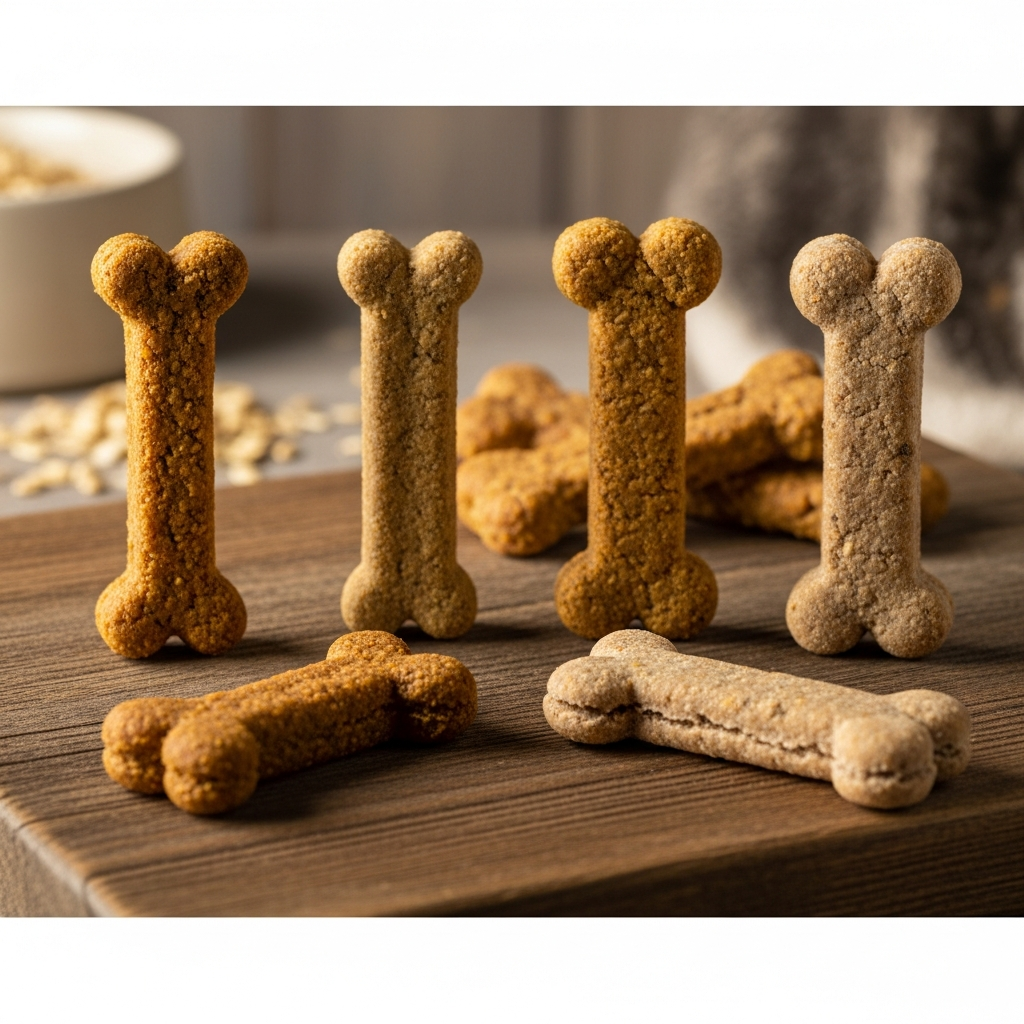
Let’s explore the best types of treats you can offer to help your dog maintain a happy and healthy tummy.
1. Probiotic Dog Treats
Probiotics are often called “good bacteria.” They are live microorganisms that, when given in adequate amounts, can offer health benefits, especially to the digestive system.
What They Are and How They Work
Your dog’s gut is home to trillions of bacteria, both good and bad. Probiotics help maintain a healthy balance, promoting the growth of beneficial bacteria and keeping harmful ones in check.
Benefits for Your Dog’s Digestion
Balance Gut Flora: Helps restore a healthy bacterial balance, especially after antibiotics or digestive upset.
Improve Nutrient Absorption: A balanced gut can more efficiently absorb vitamins and minerals from food.
Boost Immunity: A significant portion of your dog’s immune system resides in their gut, making gut health vital for overall immunity.
Reduce Digestive Upset: Can help firm up loose stools and ease general stomach sensitivity.
What to Look For in Probiotic Treats
When selecting probiotic treats, check the label for:
Specific Strains: Look for common beneficial strains like *Lactobacillus* and *Bifidobacterium*.
Guaranteed CFU Count: This tells you the number of live bacteria per treat. Higher numbers (in the billions) are generally better.
Reputable Brands Choose brands known for quality and proper storage to ensure the probiotics are still active.
When to Use Them
Probiotic treats are excellent for daily maintenance, during times of stress, after a course of antibiotics, or when your dog experiences mild, occasional digestive issues.
2. Prebiotic Fiber-Rich Treats (Pumpkin & Sweet Potato Based)
While probiotics *introduce* good bacteria, prebiotics are the *food* that helps these good bacteria thrive. Fiber plays a crucial role in overall digestive health.
What They Are and How They Work
Prebiotics are non-digestible fibers that pass through the upper digestive tract and stimulate the growth and activity of beneficial bacteria in the colon. Fiber also adds bulk to stool, helping with regularity.
Benefits for Your Dog’s Digestion
Regulate Bowel Movements: Helps prevent both constipation by adding bulk and diarrhea by absorbing excess water.
Firm Stools: Can improve stool consistency, making cleanup easier.
Support Good Bacteria: Feeds the beneficial bacteria already present in your dog’s gut, enhancing their function.
Natural Detoxification: Helps move waste through the digestive tract more efficiently.
Common Ingredients to Look For
Pumpkin: A classic for dog digestive health, high in soluble fiber.
Sweet Potato: Another excellent source of dietary fiber and vitamins.
Inulin:** A natural prebiotic fiber often derived from chicory root.
FOS (Fructooligosaccharides): Another common prebiotic fiber ingredient.
Homemade Options
You can easily bake your own treats using pure canned pumpkin (not pie filling!) or boiled and mashed sweet potato mixed with dog-safe ingredients like oat flour. This ensures no hidden additives.
Important Note
While beneficial, too much fiber can also cause digestive upset. Introduce fiber-rich treats gradually and in appropriate portions for your dog’s size.
3. Digestive Enzyme Treats
Digestive enzymes are specialized proteins that help break down food into smaller, absorbable particles. They are naturally produced in your dog’s body, but some dogs can benefit from a little extra help.
What They Are and How They Work
Enzymes act as catalysts for digestion. For example, proteases break down proteins, amylases break down carbohydrates, and lipases break down fats. When these are lacking, food might not be fully digested, leading to issues.
Benefits for Your Dog’s Digestion
Aid Food Breakdown: Ensures that proteins, fats, and carbohydrates are properly broken down.
Improve Nutrient Absorption: Better breakdown means more nutrients can be absorbed by the body.
Reduce Gas and Bloating: Undigested food can ferment in the gut, causing gas. Enzymes can help prevent this.
Support Pancreatic Function: Can be particularly helpful for older dogs or those with mild pancreatic insufficiency (always consult a vet first).
Key Enzymes to Look For
Proteases: For protein digestion.
Amylases: For carbohydrate digestion.
Lipases: For fat digestion.
Cellulase: For fiber digestion (dogs don’t produce this naturally).
When to Consider Them
Digestive enzyme treats can be beneficial for dogs with chronic gas, bloating, soft stools, or for senior dogs whose natural enzyme production may be slowing down. Always discuss with your veterinarian before starting enzyme supplementation.
4. Limited Ingredient Treats
For dogs with sensitive stomachs, allergies, or food sensitivities, simplicity is often the best approach. Limited ingredient treats are designed with minimal ingredients to reduce the chance of triggering an adverse reaction.
What They Are and How They Work
These treats contain a very small number of ingredients, typically a single protein source and one or two carbohydrate sources, with no common allergens or artificial additives.
Benefits for Your Dog’s Digestion
Reduce Allergic Reactions: By avoiding common allergens like beef, chicken, dairy, soy, or wheat.
Easier to Identify Triggers: If your dog has a reaction, it’s much easier to pinpoint the problematic ingredient.
Gentle on Sensitive Stomachs: Fewer ingredients mean less for a delicate digestive system to process.
What to Look For
Single Protein Source: Such as duck, lamb, salmon, or venison.
Limited Carbohydrate Source: Often sweet potato or pea.
No Artificial Additives: Avoid colors, flavors, or preservatives.
“Hypoallergenic” Claims: While no treat is 100% allergen-proof, these indicate a conscious effort to exclude common irritants.
Example Treat Combinations
Look for treats like “Duck & Sweet Potato,” “Salmon & Pea,” or “Lamb & Quinoa.” Always read the full ingredient list to ensure there are no hidden components.
5. Natural Single-Ingredient Chews (e.g., Dehydrated Sweet Potato)
Sometimes, the simplest treats are the most effective. Natural, single-ingredient chews offer a digestible and satisfying option without complex additives.
What They Are and How They Work
These treats are exactly what they sound like: made from just one ingredient, minimally processed, often just dehydrated or air-dried.
Benefits for Your Dog’s Digestion
Highly Digestible: With only one ingredient, there’s less for the digestive system to break down and fewer chances for sensitivities.
Natural Source of Nutrients: Provides natural vitamins, minerals, and often fiber.
No Hidden Nasties: Free from artificial colors, flavors, preservatives, or fillers.
Satisfying Chew: Can help promote dental health, which indirectly aids digestion by ensuring food is properly chewed.
Good Examples
Dehydrated Sweet Potato Chews:** Rich in fiber and vitamins, these are a popular and safe choice.
Dried Apple Slices (no core or seeds): A good source of fiber and vitamins, but offer in moderation.
Lean Meat Jerky (single ingredient, no spices): Look for plain, dehydrated chicken breast or beef. Ensure it’s human-grade and free of spices, salt, or flavorings.
Important Considerations
Always supervise your dog with chews to prevent choking. Ensure the treats are appropriate for your dog’s size and chewing style. Avoid heavily processed chews or rawhide, which can be difficult to digest and pose choking hazards.
6. Freeze-Dried Treats
Freeze-drying is a gentle preservation method that removes water from food while retaining most of its nutritional value and flavor. This makes for highly palatable and digestible treats.
What They Are and How They Work
Raw or cooked ingredients are frozen and then placed in a vacuum chamber, where ice turns directly into vapor, leaving behind the concentrated food. This process avoids high heat, which can degrade nutrients.
Benefits for Your Dog’s Digestion
Highly Palatable: The rich, concentrated flavor makes them very appealing to dogs, even picky eaters.
Easy to Digest: The minimal processing ensures the nutrients are in a form that is readily broken down and absorbed by the digestive system.
Often Single-Ingredient: Many freeze-dried treats are just pure protein, like chicken, salmon, or beef liver, which are naturally lean and digestible.
Nutrient-Rich: The gentle process preserves vitamins, minerals, and enzymes that might be lost in other processing methods.
Common Types of Freeze-Dried Treats
Freeze-dried Chicken: A lean protein, great for dogs needing easily digestible options.
Freeze-dried Salmon: Rich in Omega-3 fatty acids, which can also help reduce inflammation in the gut.
Freeze-dried Beef Liver: A nutrient powerhouse, highly palatable and digestible.
What to Look For
Always choose freeze-dried treats that are pure, single-ingredient, and free from fillers, artificial flavors, or preservatives. Check the sourcing of the ingredients to ensure quality.