Oh, that moment. You walk into the living room, and there it is – that tell-tale damp spot on your beloved couch, accompanied by that unmistakable odor. Every dog parent has been there, and it’s never a fun surprise. Whether it’s a puppy still learning the ropes, an older dog having an accident, or just an excited moment gone wrong, dog urine on the couch can feel like a major setback.
But don’t panic! Taking quick action is key to saving your furniture and your sanity. The good news is that most fresh dog urine stains and odors can be tackled effectively with common household items or specialized products if you know what to do. We’ve gathered six reliable, quick fixes to help you clean up the mess, remove the smell, and get back to enjoying your furry friend’s company without any lingering reminders.
Why Quick Action Matters
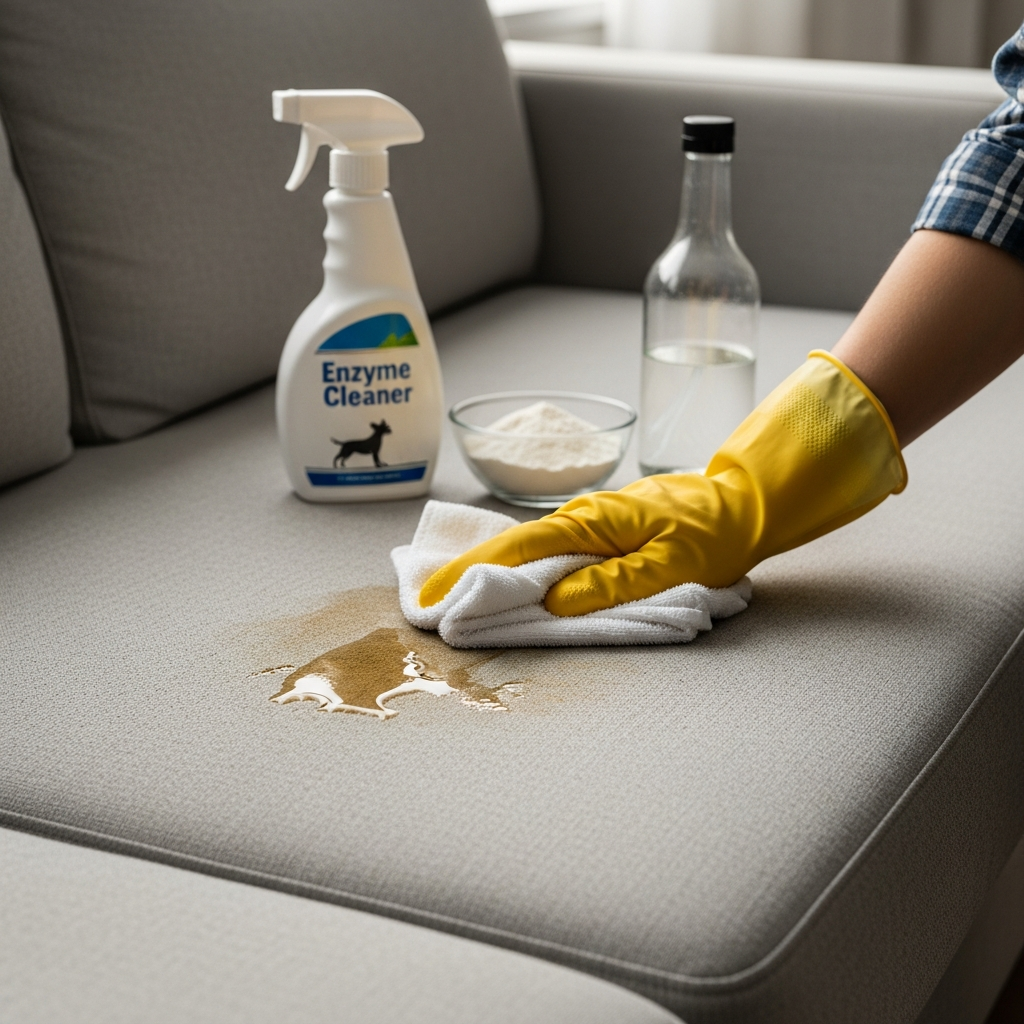
When a dog pees on the couch, the clock starts ticking. The faster you act, the better your chances of completely removing the stain and, more importantly, the odor. Urine allowed to sit can soak deeper into the fabric and cushion, making it much harder to clean.
A lingering urine smell can also be a big problem. Dogs have an incredible sense of smell, and if they can still detect their scent, they might be encouraged to mark that spot again. This creates a cycle you definitely want to avoid. So, let’s get straight to how you can jump into action!
The Essential First Steps
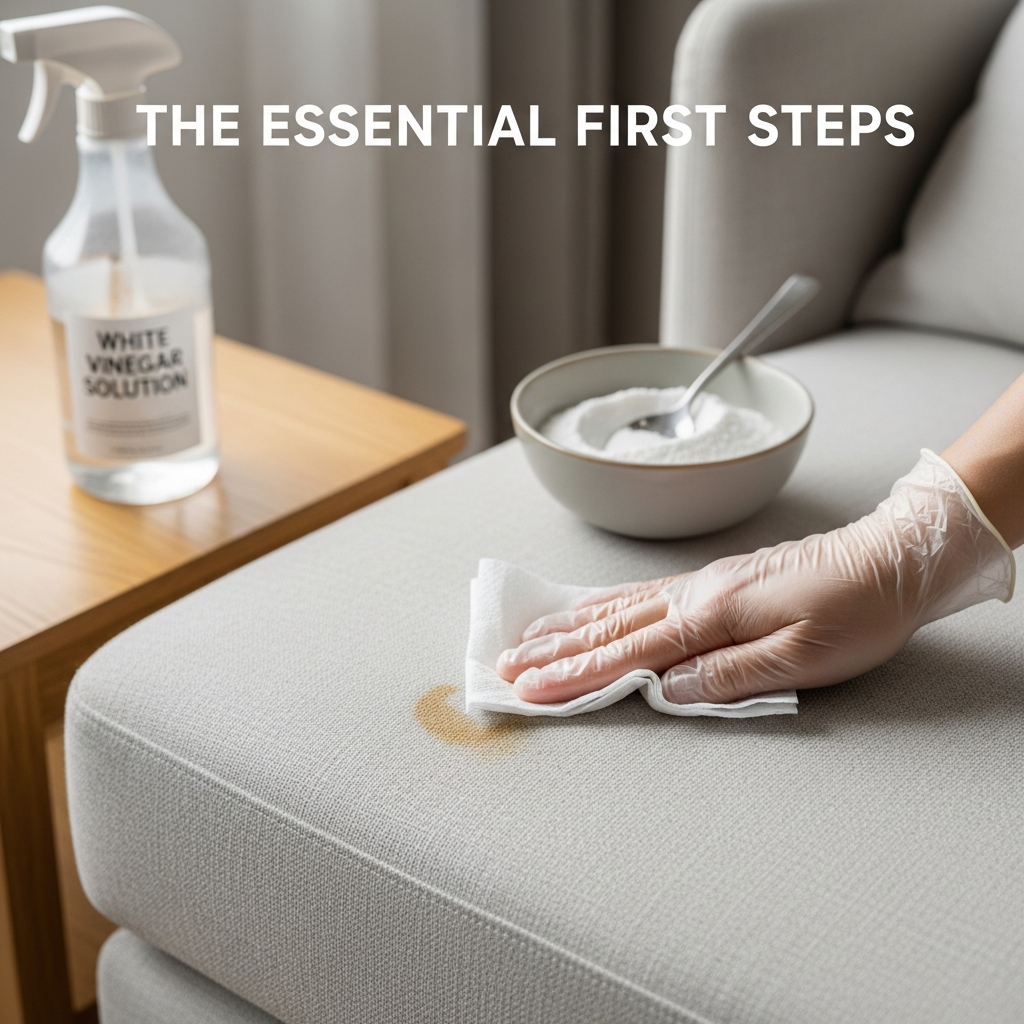
Before you grab any specific cleaner, there are a couple of crucial initial steps that apply to almost any clean-up method. Don’t skip these; they make a huge difference.
Blot, Don’t Rub
When you first discover the wet spot, resist the urge to rub it. Rubbing will only push the urine deeper into the fabric and spread the stain. Instead, grab a stack of clean paper towels or a thick, absorbent cloth. Press down firmly on the wet area, allowing the towels to soak up as much liquid as possible. Change out the saturated towels for fresh ones until no more moisture transfers. You want the area to be as dry as possible before you apply any cleaning solution.
Gather Your Supplies
Look at your couch tag! Most couches have a tag with cleaning codes (W, S, WS, X). This code tells you what kind of cleaner is safe.
* “W” means water-based cleaners are safe.
* “S” means solvent-based cleaners only (water can cause stains).
* “WS” means both water and solvent cleaners are okay.
* “X” means only vacuuming. This is rare for living room couches.
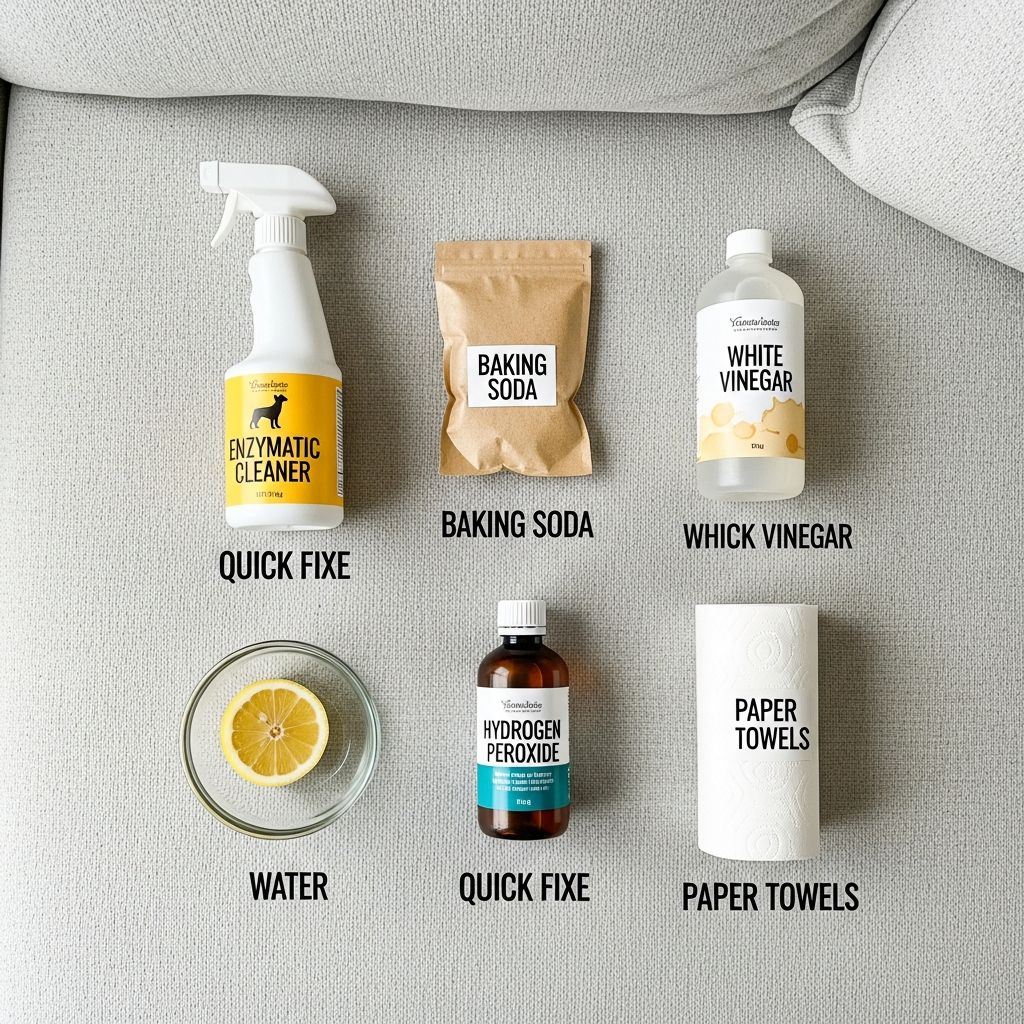
Always check this tag first if you can. If not, err on the side of caution with gentle, water-based solutions. Regardless of the cleaning method you choose, always have a few things handy: clean cloths, paper towels, a spray bottle, and a small brush (like an old toothbrush) for scrubbing if needed.
Your 6 Quick Fixes for Dog Urine on Couch
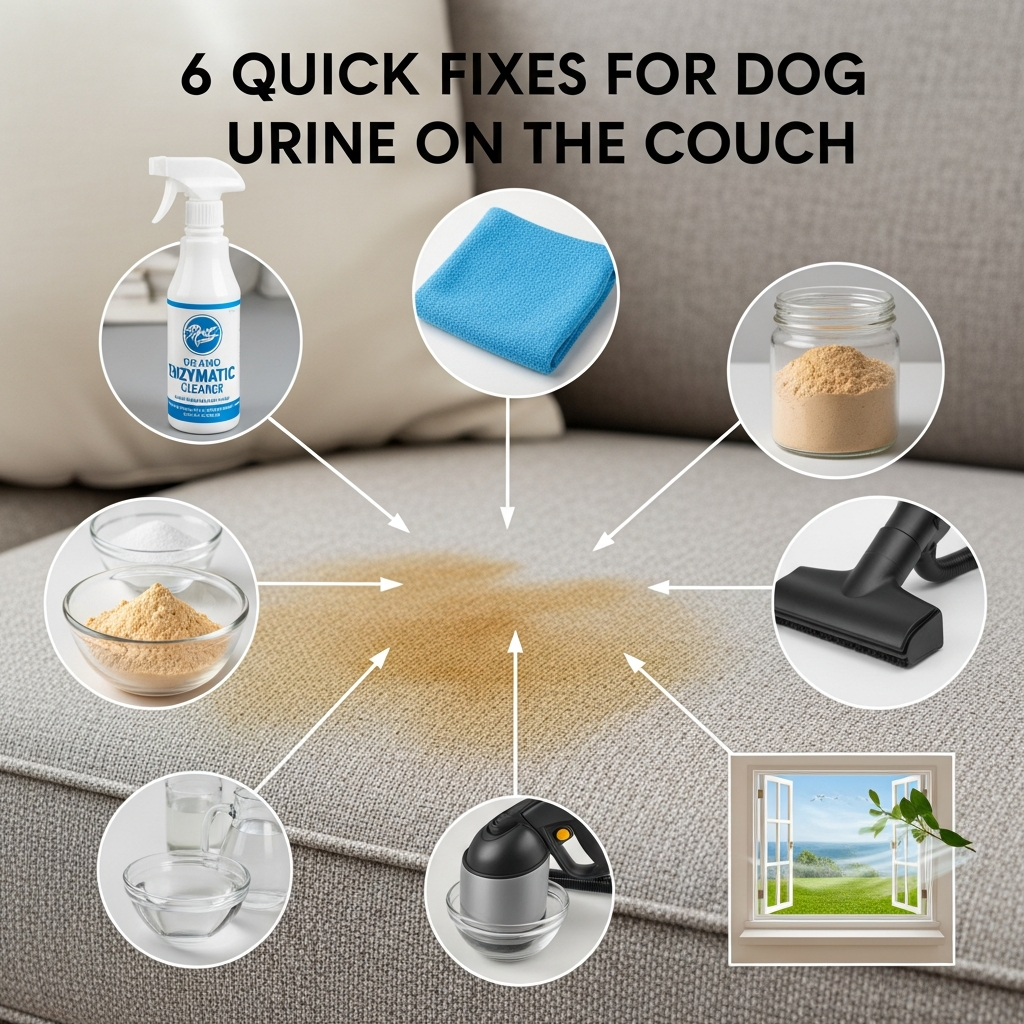
Here are six tried-and-true methods to tackle that dog urine mess on your sofa, from homemade concoctions to specialized solutions.
Fix 1: White Vinegar and Baking Soda
This classic combination is a go-to for many household messes, and dog urine is no exception. White vinegar is acidic and helps neutralize the alkaline salts in urine, breaking down the odor. Baking soda then acts as a powerful deodorizer.
What You’ll Need
* White vinegar
* Baking soda
* A spray bottle
* Clean cloths or paper towels
* A soft brush (optional)
Step-by-Step Guide
1. After blotting up as much urine as possible, generously spray the affected area with undiluted white vinegar using a spray bottle. Make sure it soaks into the spots where the urine penetrated.
2. Let the vinegar sit for about 10-15 minutes. This gives it time to work its magic on the odor.
3. While the vinegar is still damp, sprinkle a generous amount of baking soda over the entire area you sprayed. You should see a slight fizzing reaction – this is normal and means the neutralizing is happening.
4. Allow the baking soda to sit and dry completely, ideally for several hours or even overnight. As it dries, it will absorb the odor.
5. Once the baking soda is completely dry, vacuum it up thoroughly. If any residue remains, you can gently brush it off with a clean, dry cloth.
6. For stubborn smells, you might need to repeat the process.
Why It Works
White vinegar’s acetic acid neutralizes the ammonia in dog urine, which is responsible for much of the strong smell. Baking soda is a natural absorbent and deodorizer that pulls moisture and odors out of the fabric as it dries. Together, they form a powerful, non-toxic cleaning duo.
Fix 2: Enzymatic Cleaner (The Pro’s Choice)
If you’re serious about completely eliminating urine odors, an enzymatic cleaner is your best friend. These cleaners contain special enzymes that actually break down the uric acid crystals in urine, which are the main source of the persistent smell. Regular cleaners might mask the smell, but enzymatic cleaners destroy it.
What You’ll Need
* A high-quality enzymatic pet stain and odor remover (available at pet stores or online)
* Clean cloths or paper towels
* A soft brush (optional)
Step-by-Step Guide
1. First, blot up as much wet urine as possible, just as you would for any other cleaning method.
2. Read the instructions on your specific enzymatic cleaner bottle carefully, as application can vary slightly.
3. Generously saturate the stained area with the enzymatic cleaner. You need to use enough cleaner to reach wherever the urine penetrated – if the urine soaked deep into the cushion, the cleaner needs to get there too.
4. Allow the cleaner to air dry completely. This is critical for the enzymes to do their job. This can take several hours or even a full day, depending on how much you applied and the humidity. Do not rub or blot it up prematurely.
5. Once dry, you may want to blot the area with a damp cloth to remove any residue, then let it dry again.
Why It Works
Enzymatic cleaners contain beneficial bacteria that produce enzymes. These enzymes break down the odor-causing molecules in urine into harmless, odorless compounds like carbon dioxide and water. This means the smell isn’t just covered up; it’s completely eliminated at its source, which is especially important for preventing repeat markings.
Fix 3: Hydrogen Peroxide (For Lighter Fabrics and Tough Stains)
Hydrogen peroxide is a mild bleach that can be effective on urine stains and odors, especially on lighter colored fabrics. Always do a patch test first, as it can lighten or discolor some materials. Use 3% hydrogen peroxide, the common strength found in drugstores.
Safety First: Patch Test
Before using hydrogen peroxide, find an inconspicuous spot on your couch (like the back or under a cushion) and apply a small amount. Let it sit for 10-15 minutes, then blot it dry. Check for any discoloration or damage before proceeding.
What You’ll Need
* 3% hydrogen peroxide
* A spray bottle (optional, or just pour directly)
* Clean cloths
* A soft brush (optional)
Step-by-Step Guide
1. After blotting up excess urine, apply hydrogen peroxide directly to the stain. You can pour a small amount or use a spray bottle.
2. Let it sit for about 5-10 minutes. The peroxide will bubble slightly, indicating it’s working.
3. Blot the area thoroughly with a clean, damp cloth to remove the peroxide.
4. Allow the area to air dry completely.
5. If the stain or odor persists, you can gently scrub with a soft brush, then reapply and blot.
Why It Works
Hydrogen peroxide is an oxidizer. This means it chemically reacts with and breaks down the pigments in the urine, effectively bleaching the stain. It also helps to disinfect and deodorize by killing odor-causing bacteria.
Fix 4: Dish Soap and Water
For fresh, less severe urine spots, a simple solution of dish soap and water can work wonders. This is a gentle approach that’s often safe for many fabric types.
What You’ll Need
* Mild dish soap (like Dawn)
* Warm water
* Two clean cloths
* A small bowl or spray bottle
Step-by-Step Guide
1. Blot up as much urine as possible from the couch.
2. In a small bowl, mix a teaspoon of mild dish soap with about two cups of warm water. Stir gently to create some suds.
3. Dip a clean cloth into the soapy water, wring it out so it’s damp, not soaking wet.
4. Dab the soapy cloth onto the urine stain, working from the outside of the stain inwards to prevent spreading. Do not rub harshly.
5. Use a second clean cloth, dampened with plain water, to blot and rinse the area, removing soap residue.
6. Repeat the soap and rinse process until the stain is gone and the area feels clean.
7. Finish by blotting with a dry cloth or paper towels to remove as much moisture as possible, then let it air dry.
Why It Works
Dish soap is a surfactant, meaning it breaks down oils and dirt. Urine contains organic compounds that dish soap can effectively lift from fabric fibers, especially if the stain is fresh.
Fix 5: Club Soda (Surprising Stain Lifter)
Club soda is surprisingly effective for fresh spills, including pet urine. The carbonation can help lift the stain from the fibers, and the mild acidity can help neutralize some odors.
What You’ll Need
* A bottle of club soda
* Clean cloths or paper towels
Step-by-Step Guide
1. As always, blot up as much of the urine as possible with dry paper towels.
2. Pour or spray club soda directly onto the stained area, making sure it saturates the fabric.
3. Let the club soda sit for a few minutes, allowing the carbonation to work.
4. Blot the area vigorously with a clean, dry cloth or paper towels. You should see the urine transferring from the couch to the cloth.
5. Repeat the process of applying club soda and blotting until the stain is visibly lighter or gone.
6. Finish by thoroughly blotting with dry towels to remove as much moisture as possible, then allow to air dry.
Why It Works
The carbonation in club soda acts like a gentle scrubber, lifting particles from the fabric fibers. The slight acidity also helps to break down fresh urine components, making it easier to blot away.
Fix 6: Commercial Pet Stain & Odor Remover Wipes or Sprays (For On-the-Go)
Sometimes you need a super quick, convenient solution, especially if you’re traveling or caught off guard. Pre-moistened pet stain wipes or small spray bottles of commercial cleaner can be lifesavers.
How to Use
* Immediately blot up any excess urine.
* For wipes: Use the wipe to gently blot and clean the affected area, following the product’s directions.
* For sprays: Spray the solution directly onto the stain, then blot with a clean cloth.
* Always ensure the product is suitable for your couch fabric by checking the label and performing a patch test if unsure.
What You’ll Need
* Commercial pet stain and odor remover wipes or a small spray bottle of cleaner
* Clean cloths (for spray products)
Why It Works
These products are formulated for convenience and often contain a blend of cleaning agents and deodorizers that can quickly address fresh stains and odors, acting as a temporary fix until a more thorough cleaning can be done. They are excellent for minor, recent accidents.
Important Considerations for Couch Cleaning
Beyond the immediate fixes, keep these tips in mind to ensure a successful and lasting clean.
Test a Hidden Spot First
This cannot be stressed enough. Before applying any cleaner to a visible area of your couch, always test it on an inconspicuous spot (like the back, under a cushion, or inside a skirt panel). Wait a few minutes, then check for any discoloration, fading, or damage. This step can save you from accidentally ruining your furniture.
Understand Your Couch Fabric
Different fabrics react differently to cleaning agents. For example, water-based cleaners are usually safe for cotton, linen, and synthetics. However, silk, rayon, and some delicate velvets can be damaged by water or strong chemicals. Always check your couch’s care tag or consult a professional if you’re unsure.
The Importance of Odor Removal
Simply removing the visible stain isn’t enough. If the odor remains, your dog might be tempted to pee in the same spot again. This is why enzymatic cleaners are often recommended, as they specifically target and neutralize the uric acid crystals responsible for the lingering smell.
Preventing Future Accidents
Cleaning up is just one part of the solution. To prevent future incidents, it’s helpful to understand why your dog might be peeing on the couch.
Identify the Cause
* Puppy training: Puppies have small bladders and are still learning house training.
* Medical issues: A sudden change in house-training habits could signal a urinary tract infection (UTI), diabetes, kidney disease, or other health problems. A vet visit is crucial.
* Anxiety or stress: Changes in routine, new pets, moving, or separation anxiety can lead to accidents.
* Marking behavior: Intact males or even some females might spray to mark territory.
* Excitement or submission: Some dogs may pee a little when overly excited or when showing submission.
Retraining and Management
* Increase potty breaks: Take your dog out more frequently, especially after waking up, eating, and playing.
* Supervision: Keep a close eye on your dog indoors. If they start sniffing around or circling, immediately take them outside.
* Crate training: A crate can be a safe space and helps with house training, as dogs are less likely to soil their sleeping area.
* Limit couch access: When you can’t supervise, block access to the couch or cover it with a waterproof protector.
* Positive reinforcement: Reward your dog enthusiastically every time they go potty outside.
* Consult a vet or trainer: If accidents persist, your vet can rule out medical issues, and a professional dog trainer or behaviorist can offer tailored advice.
When to Call a Professional
Sometimes, despite your best efforts, a stain might be too deep, too old, or your couch fabric too delicate for DIY solutions. If you have an expensive or antique couch, or if the odor simply won’t go away, it might be time to call a professional upholstery cleaner. They have specialized equipment and chemicals that can safely and effectively tackle even the toughest pet stains and odors.