Our dogs are more than just pets; they’re family. They greet us with unbounded joy when we return, offer comfort when we’re sad, and are always there, tail wagging, ready for an adventure. This deep bond means they truly feel our absence, even if they can’t tell us in words. Their world revolves around us, and when we leave, a part of their world goes with us for a while.
Have you ever wondered what goes on in your dog’s mind when you’re away at work, running errands, or simply in another room? They might not have calendars or clocks, but they certainly notice when you’re gone. Dogs communicate their feelings in many ways, and understanding these signals can help you better connect with your furry friend and even ease any separation anxieties they might experience.
Understanding Your Dog’s Love Language
Dogs don’t speak English, but they have a rich vocabulary of barks, whines, body language, and behaviors. Every twitch of an ear, wag of a tail, or subtle nudge communicates something. When they miss us, these communications become even more apparent. Learning to ‘read’ these signs is key to understanding your dog’s emotional landscape and responding to their needs.
The 7 Signs They Miss You
1. The Grand Entrance Welcome (Over-the-Top Greetings)
This is perhaps the most obvious sign. When you walk through the door after being away, does your dog turn into a furry whirlwind of excitement? We’re talking zoomies, intense tail wags that could clear a coffee table, playful nips, and an unstoppable desire to lick every inch of your face. This isn’t just a friendly hello; it’s a declaration of ‘Oh my goodness, you’re back! I thought you’d never return!’
2. Becoming Your Shadow (Following You Everywhere)
Once you’re home, does your dog suddenly decide they need to be within a foot of you at all times? Whether you’re going to the kitchen, the bathroom, or just moving from the couch to a chair, they’re right there. This ‘shadowing’ behavior is a clear sign they want to make up for lost time and ensure you don’t disappear again. They’re soaking up every moment of your presence.
3. The Vocalizations (Whining, Crying, or Excessive Barking)
Some dogs are more vocal than others, but if your typically quiet dog starts whining or crying when you leave or even when you’re just out of sight in the house, it’s often a sign of distress or longing. Excessive barking directed at you or the door when you’re about to depart can also indicate they’re protesting your absence and expressing their displeasure at being left alone.
4. The Gift Giver (Bringing You Toys or Random Objects)
Does your dog greet you with a favorite toy in their mouth? Or perhaps a sock they ‘borrowed’ from the laundry basket? This is often their way of offering you a peace offering, a welcome home gift, or simply trying to engage you in play to reconnect. It’s a sweet gesture that shows they’ve been thinking about you and want to share something special.
5. Restlessness or Anxiety (When You’re Not There)
While you might not always see this, some dogs display signs of restlessness or anxiety when left alone. This can manifest as pacing, chewing on inappropriate items (like furniture or shoes), scratching at doors, or even having accidents inside the house. These behaviors are often not out of spite, but rather a coping mechanism for the stress and loneliness they feel.
6. The Gentle Nudge (Seeking Physical Contact)
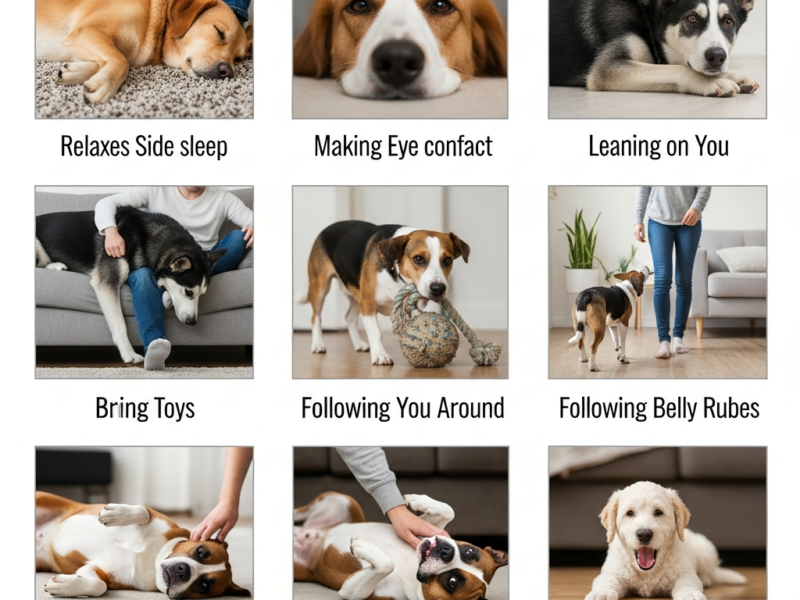
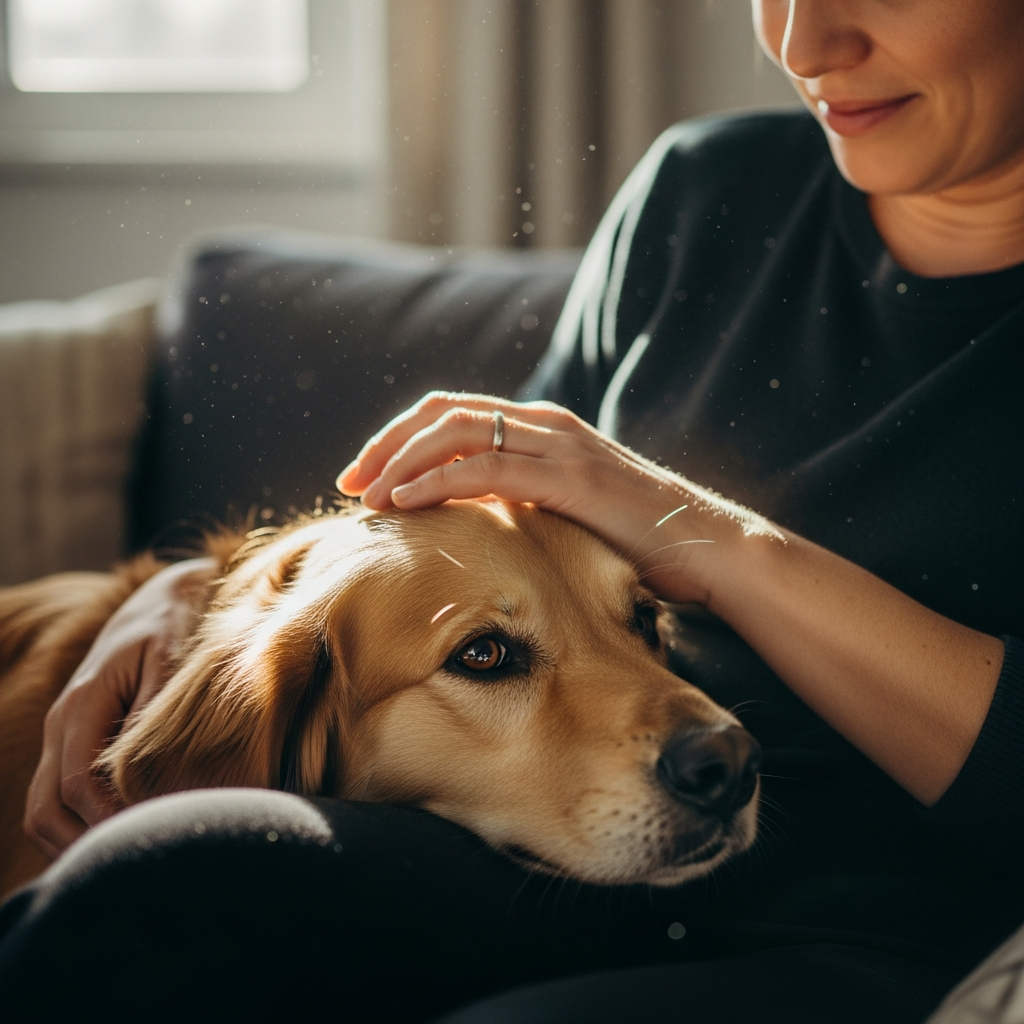
After a long day apart, your dog might come up and gently nudge your hand with their nose, or lean their entire body into you. This is a quiet but powerful way of saying, ‘I missed you, please touch me.’ They crave that physical connection and reassurance that you’re truly there and ready to reconnect.
7. Excessive Licking (You or Themselves)
Licking is a complex behavior for dogs. When they miss you, they might lick you excessively upon your return, as a way to bond and show affection. Alternatively, some dogs might engage in excessive self-licking or chewing on their paws when left alone. This can be a self-soothing mechanism to cope with stress or anxiety caused by your absence.
What You Can Do to Help Your Dog Cope
Understanding these signs is the first step. The next is to help your dog feel more secure and less anxious when you’re not around. Here are some practical tips:
- Establish a Routine: Dogs thrive on predictability. A consistent daily schedule for feeding, walks, and playtime can make them feel more secure.
- Practice Calm Departures and Arrivals: Make leaving and returning low-key. Avoid long, emotional goodbyes or overly dramatic greetings. This helps your dog understand that your departure isn’t a huge deal and your return is normal.
- Provide Comfort Items: Leave a worn t-shirt or blanket with your scent. This familiar smell can be very comforting to your dog while you’re away.
- Enrichment Toys: Puzzle toys filled with treats or long-lasting chews can keep your dog mentally stimulated and distracted during your absence.
- Gradual Departures: For dogs with separation anxiety, practice leaving for very short periods (a few minutes), then gradually increasing the time. Reward calm behavior when you return.
- Consider Doggy Daycare or Walkers: If you’re gone for long hours, professional help like a dog walker or reputable doggy daycare can break up their day and provide much-needed social interaction and exercise.