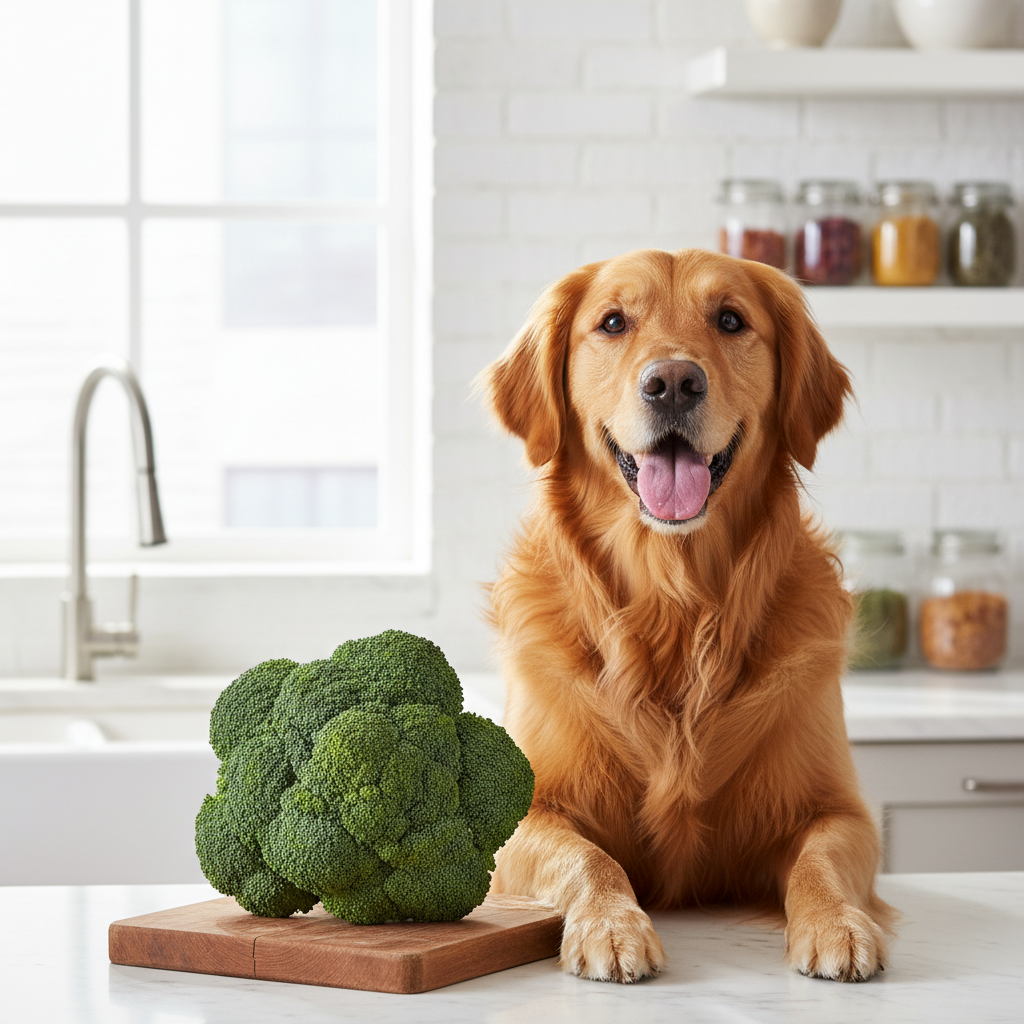
Can Dogs Eat Broccoli Safely? Everything You Need to Know
As loving dog parents, we constantly wonder what human foods are safe to share with our furry family members. Broccoli, a common and nutritious vegetable for us, often sparks this curiosity. Can your canine companion enjoy a bite of this green goodness, or is it best kept off their menu?
The good news is, yes, dogs can generally eat broccoli safely, but with important caveats. While it offers several health benefits, improper serving or excessive amounts can lead to digestive upset. This comprehensive guide will walk you through everything you need to know about feeding broccoli to your dog, ensuring it remains a healthy treat rather than a hazard.
Is Broccoli Safe for Dogs- The Short Answer

In moderation and prepared correctly, broccoli is safe for most dogs. It’s packed with vitamins and fiber, making it a potentially healthy addition to their diet. However, like any human food, it’s not without its risks if not introduced and served thoughtfully.
The key lies in understanding the right way to offer it and recognizing the signs that it might not agree with your particular pup. We’ll dive into the details to help you make informed decisions for your best friend.
Nutritional Benefits of Broccoli for Your Canine Friend
Broccoli is a superfood for humans, and many of its benefits can extend to dogs when given appropriately. Here’s what makes it a potentially healthy snack:
- Rich in Vitamins Broccoli is an excellent source of Vitamin C, an antioxidant that supports the immune system, and Vitamin K, which is crucial for blood clotting and bone health.
- Good Source of Fiber Dietary fiber aids in healthy digestion, helps regulate bowel movements, and can contribute to a feeling of fullness, which can be beneficial for weight management.
- Antioxidants Galore Beyond Vitamin C, broccoli contains other antioxidants that help combat free radicals, potentially reducing inflammation and supporting overall cellular health.
- Low in Fat For dogs needing to watch their weight or those prone to pancreatitis, broccoli can be a low-calorie, low-fat treat alternative to many commercial options.
These nutrients can contribute to your dog’s overall well-being, but remember, they should primarily get their nutrition from a balanced, high-quality dog food.
Potential Risks and Side Effects of Broccoli for Dogs
While beneficial, broccoli isn’t entirely without its downsides. Awareness of these risks is crucial for safe feeding:
Isothiocyanates- The Digestive Culprit
Broccoli contains compounds called isothiocyanates. While these compounds have potential health benefits in small amounts, in larger quantities, they can cause mild to severe gastrointestinal irritation in dogs. This can manifest as:
- Stomach upset
- Gas and bloating
- Diarrhea
- Vomiting
The florets contain higher concentrations of isothiocyanates than the stalks, but both should be given sparingly. For sensitive dogs, even a small amount might cause a reaction.
Choking Hazard and Intestinal Blockage
Broccoli stems, especially large ones, can be tough and fibrous. If your dog gulps down a large piece, it can pose a significant choking hazard. Furthermore, these large pieces might be difficult to digest and could potentially lead to an intestinal blockage, particularly in smaller breeds.
Always cut broccoli into very small, bite-sized pieces to prevent these dangers.
Pesticide Residue
Unless you’re buying organic broccoli, there’s a possibility of pesticide residues on the vegetable. Always wash broccoli thoroughly under running water before offering it to your dog to remove any harmful chemicals.
How to Safely Prepare Broccoli for Your Dog
Proper preparation is paramount when introducing broccoli to your dog. Follow these steps to minimize risks and maximize benefits:
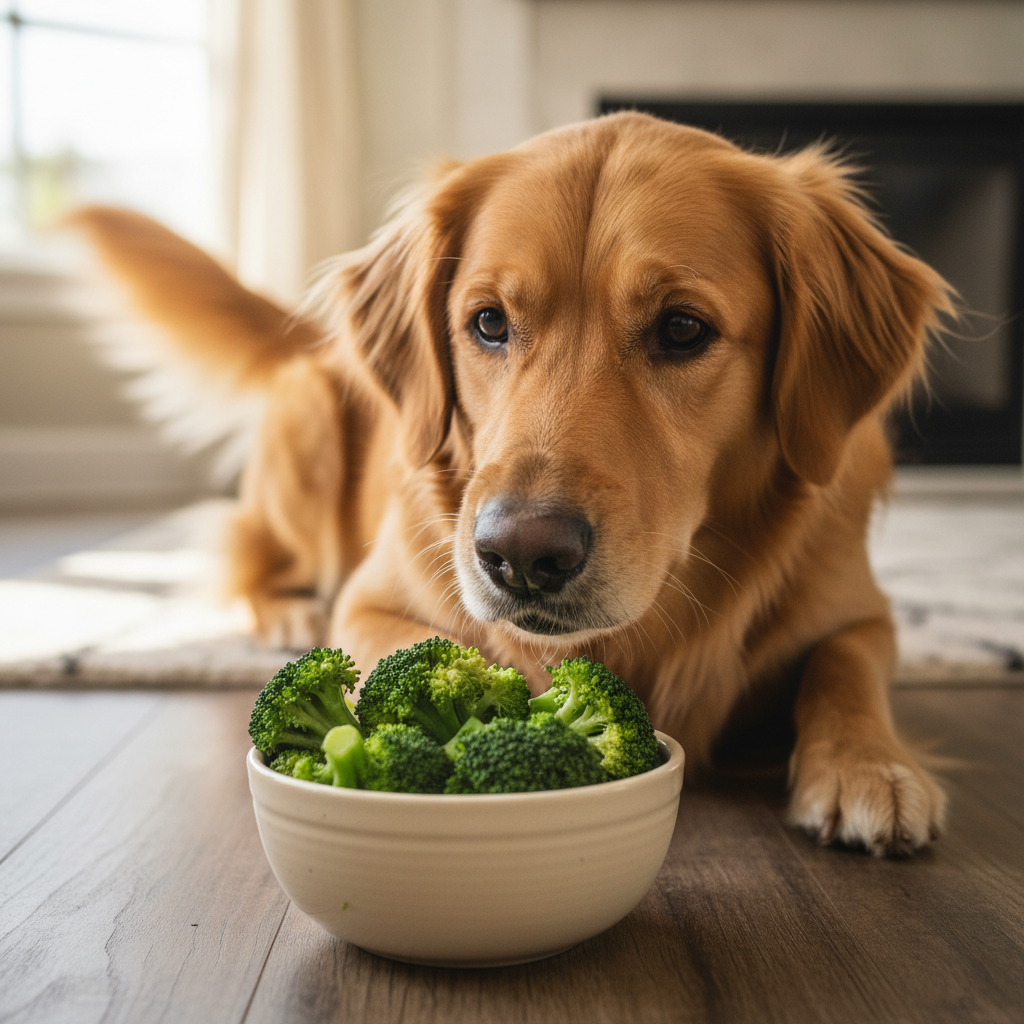
Step-by-Step Preparation Guide
- Wash Thoroughly Rinse the broccoli under cold running water to remove dirt, debris, and potential pesticide residues.
- Cut into Small Pieces This is perhaps the most critical step. Cut the florets and stems into tiny, bite-sized pieces, no larger than your dog’s kibble. This reduces choking risk and makes digestion easier.
- Cook It Plain Steaming or boiling broccoli until it’s slightly tender is the best preparation method. Avoid frying or roasting with oils.
- Serve Plain Never add seasonings, salt, butter, garlic, onions, or any other spices. These can be harmful or even toxic to dogs.
- Cool Completely Ensure the broccoli has cooled down entirely before offering it to your dog.
Raw broccoli is generally safe in very small amounts, but cooked (steamed) is often preferred as it’s softer and easier for dogs to digest.
Recommended Serving Sizes for Broccoli
Moderation is the golden rule when it comes to feeding broccoli to your dog. A general guideline for any human food treat is that it should make up no more than 10% of your dog’s daily caloric intake. For broccoli, this means:
- Small Dogs (e.g., Chihuahuas, Toy Poodles) A few tiny florets, no more than a teaspoon’s worth, occasionally.
- Medium Dogs (e.g., Beagles, Corgis) A small handful of bite-sized pieces, perhaps a tablespoon or two, a couple of times a week.
- Large Dogs (e.g., Labradors, German Shepherds) A slightly larger handful, up to a quarter cup, a few times a week.
- Puppies It’s generally best to avoid giving broccoli to puppies, especially very young ones, as their digestive systems are more sensitive. If you do, offer only a tiny, tiny piece and monitor closely.
Always introduce broccoli gradually. Start with a very small amount and observe your dog for any adverse reactions over the next 24-48 hours. If they show any signs of discomfort, discontinue feeding it.
When to Avoid Giving Broccoli to Your Dog
While generally safe, some dogs might be better off without broccoli:
- Dogs with Sensitive Stomachs If your dog is prone to digestive upset, gas, or has a history of gastrointestinal issues, it’s best to err on the side of caution and avoid broccoli.
- Dogs Prone to Gas Broccoli is known to cause gas in some dogs due to its fiber content and specific compounds.
- Dogs with Existing Health Conditions If your dog has a pre-existing medical condition, especially related to digestion or kidneys, always consult your veterinarian before introducing any new foods.
When in doubt, always consult your veterinarian. They can provide personalized advice based on your dog’s specific health needs and dietary requirements.
Other Safe and Unsafe Vegetables for Your Dog
If you’re looking for other healthy veggie options for your pup, here’s a quick overview:
Safe Vegetables for Dogs
- Carrots Excellent for dental health and rich in Vitamin A.
- Green Beans Low-calorie, high-fiber, and a great treat.
- Sweet Potatoes Cooked and plain, a good source of fiber and vitamins.
- Pumpkin Pureed (not pie filling), great for digestive health.
- Spinach and Kale In small amounts, these leafy greens offer vitamins and minerals.
Unsafe Vegetables for Dogs
- Onions and Garlic Toxic to dogs and can cause red blood cell damage.
- Avocado Contains persin, which can be toxic to dogs in large amounts.
- Mushrooms Some varieties are highly toxic; best to avoid all wild mushrooms. Store-bought are generally safe but offer no real benefit.
- Grapes and Raisins Highly toxic and can cause kidney failure.
- Corn on the Cob The cob is a choking hazard and can cause intestinal blockage.
Conclusion- A Healthy Treat in Moderation
Broccoli can be a healthy, vitamin-packed treat for your dog when offered correctly and in moderation. By following proper preparation guidelines—washing thoroughly, cutting into small pieces, and steaming it plain—you can minimize the risks and allow your furry friend to enjoy this nutritious vegetable.
Remember, your dog’s primary diet should always come from high-quality, balanced dog food. Treats like broccoli should only supplement their diet, not replace essential nutrients. Always observe your dog for any signs of discomfort after introducing new foods, and when in doubt, a quick chat with your veterinarian can provide the best, most personalized advice for your beloved companion.