Bringing a new dog into your home is one of life’s most exciting adventures. The joy, the cuddles, the endless laughter – it’s all part of the package. As a first-time dog owner, you’re likely dreaming of all the fun times ahead, and that’s wonderful! You’ve probably got the basics covered: food, a leash, a comfy bed, and a few toys. But here’s the thing: owning a dog is a journey, not a destination, and there are often a few important details that slip through the cracks for even the most enthusiastic new pet parents.
Don’t worry, you’re not alone! Many experienced dog owners will tell you they wish they knew certain things when they first started. That’s why we’ve put together this helpful guide. We’re going to dive into 10 crucial aspects of dog ownership that first-timers often overlook. By understanding these points now, you’ll be even better prepared to provide a happy, healthy, and fulfilling life for your new best friend.
1. The Real Financial Commitment: Beyond the Adoption Fee

You’ve saved up for the adoption fee, bought the initial supplies, and you’re ready! But many first-time owners are surprised by the ongoing financial commitment of a dog. It’s much more than just food and an annual vet visit.
Breaking Down the Ongoing Costs
Think about monthly expenses like premium dog food, treats, and preventative medications for fleas, ticks, and heartworm. These add up! Then there are regular check-ups, potential vaccinations, and the occasional unexpected illness or injury. Professional grooming, especially for certain breeds, can be a significant cost.
Budgeting and Pet Insurance
It’s a smart idea to create a monthly budget for your dog’s needs. Consider setting aside an emergency fund specifically for pet health issues. Pet insurance can be a lifesaver for unexpected major medical expenses, offering peace of mind. Research different plans and find one that fits your budget and your dog’s potential needs.
2. Grooming Isn’t Just for Fluffy Dogs: Nails, Ears, and Teeth Too
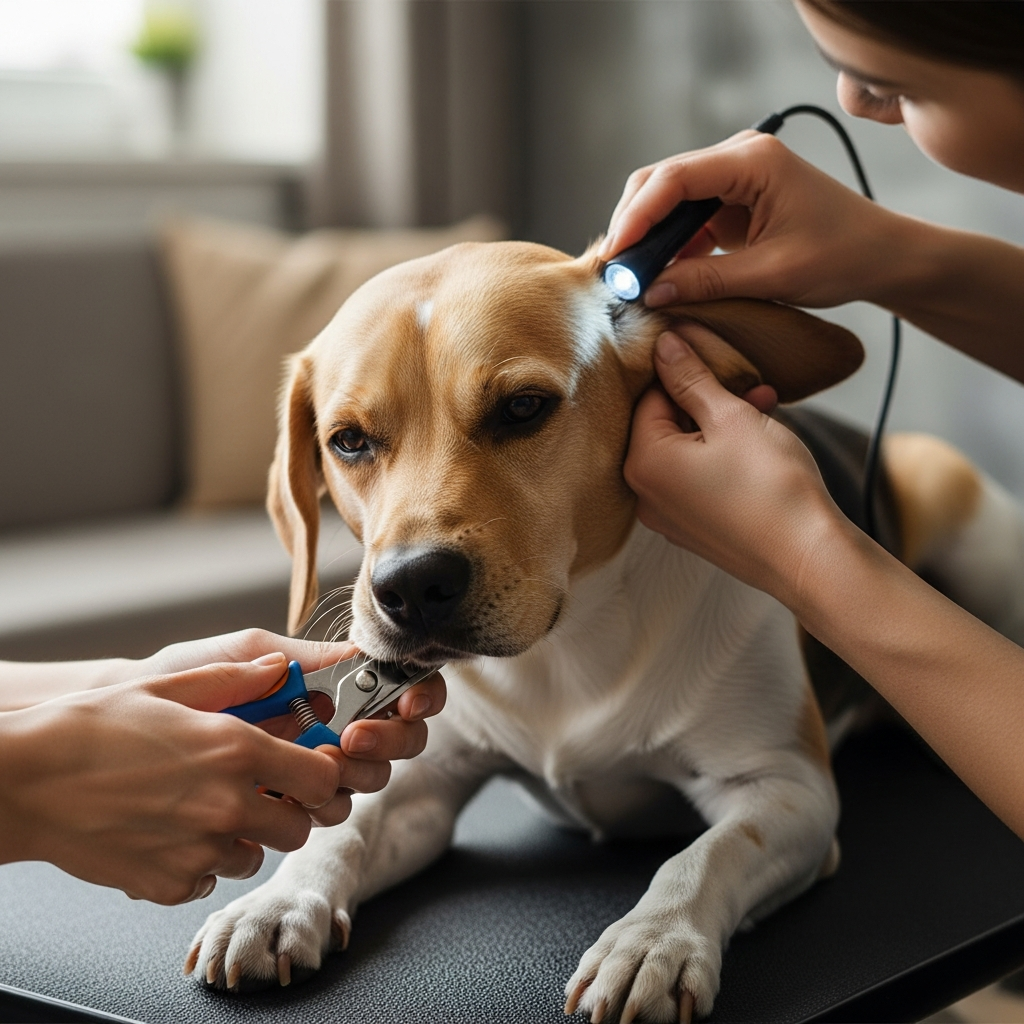
Many people associate grooming with long-haired breeds and fancy haircuts. While those dogs certainly need regular salon visits, every dog, regardless of coat length, requires consistent grooming. Neglecting these basics can lead to discomfort, pain, and costly vet visits.
Nail Trimming: More Than Just a Trim
Overgrown nails can make walking painful, impact paw structure, and even lead to infections. Start early with puppy nail trims so your dog gets used to it. If you’re nervous, ask your vet or a professional groomer for a demonstration. Regular trims, often every 2-4 weeks, are essential.
Ear Cleaning and Dental Care
Ears need attention, especially for floppy-eared breeds, to prevent infections. Regular checks for redness, odor, or discharge are key. Dental hygiene is often the most overlooked. Brushing your dog’s teeth daily or a few times a week with dog-specific toothpaste can prevent painful dental disease, which affects most dogs by age three.
3. Mental Exercise is Just as Vital as Physical: Brain Games and Enrichment
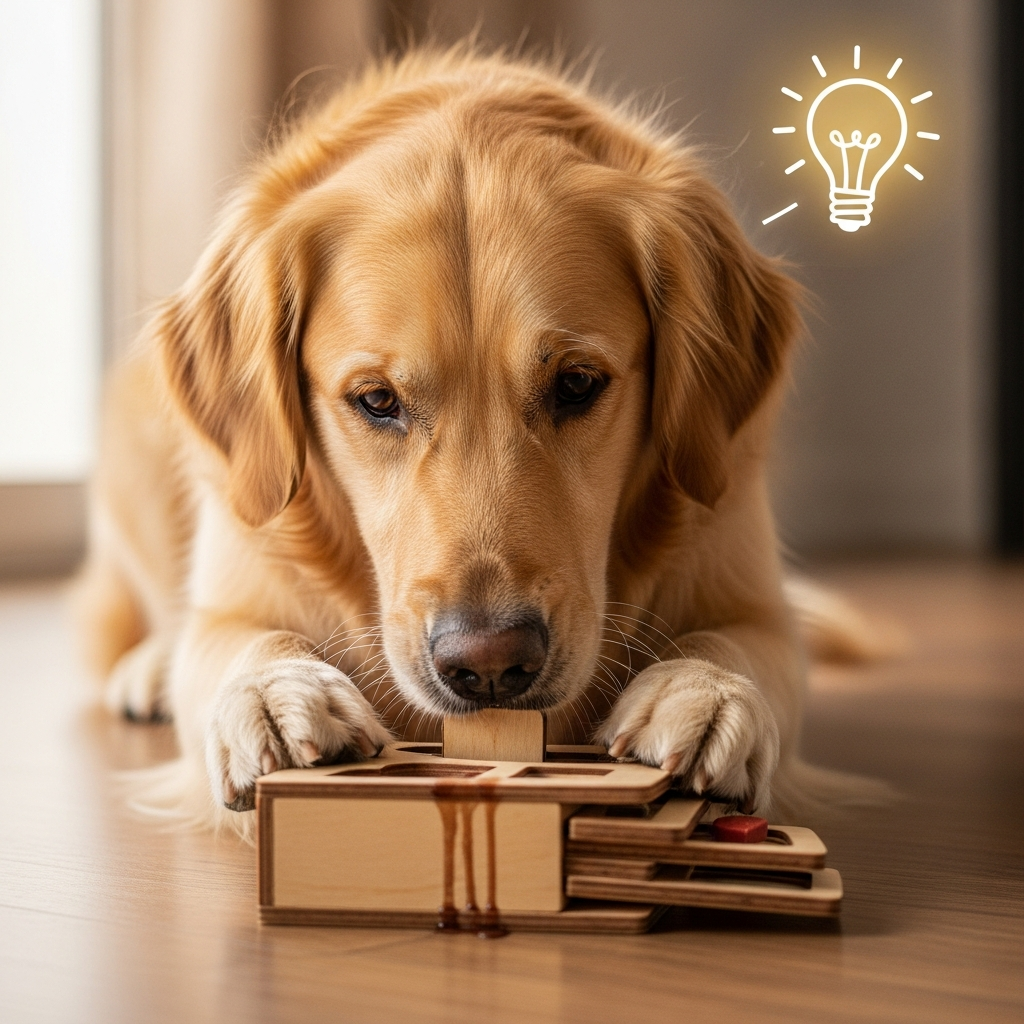
We all know dogs need walks and playtime to burn off energy. But did you know their brains need a workout too? Mental stimulation is crucial for a dog’s well-being and can actually tire them out more effectively than physical exercise alone. A bored dog is often a destructive dog!
The Power of Puzzle Toys and Snuffle Mats
Interactive puzzle toys, which require your dog to figure out how to get a treat, are fantastic. Snuffle mats, where you hide kibble, engage their natural sniffing abilities. These activities tap into their problem-solving skills and can prevent boredom-related behaviors like excessive chewing or barking.
Training, Scent Work, and New Experiences
Ongoing training, even just 10-15 minutes a day, provides mental stimulation. Teaching new tricks, refining old commands, or even trying a beginner’s scent work class can be incredibly enriching. Vary your walk routes, introduce new safe environments, and let them sniff! Sniffing is a huge mental workout for dogs.
4. Socialization is an Ongoing Journey, Not a One-Time Event
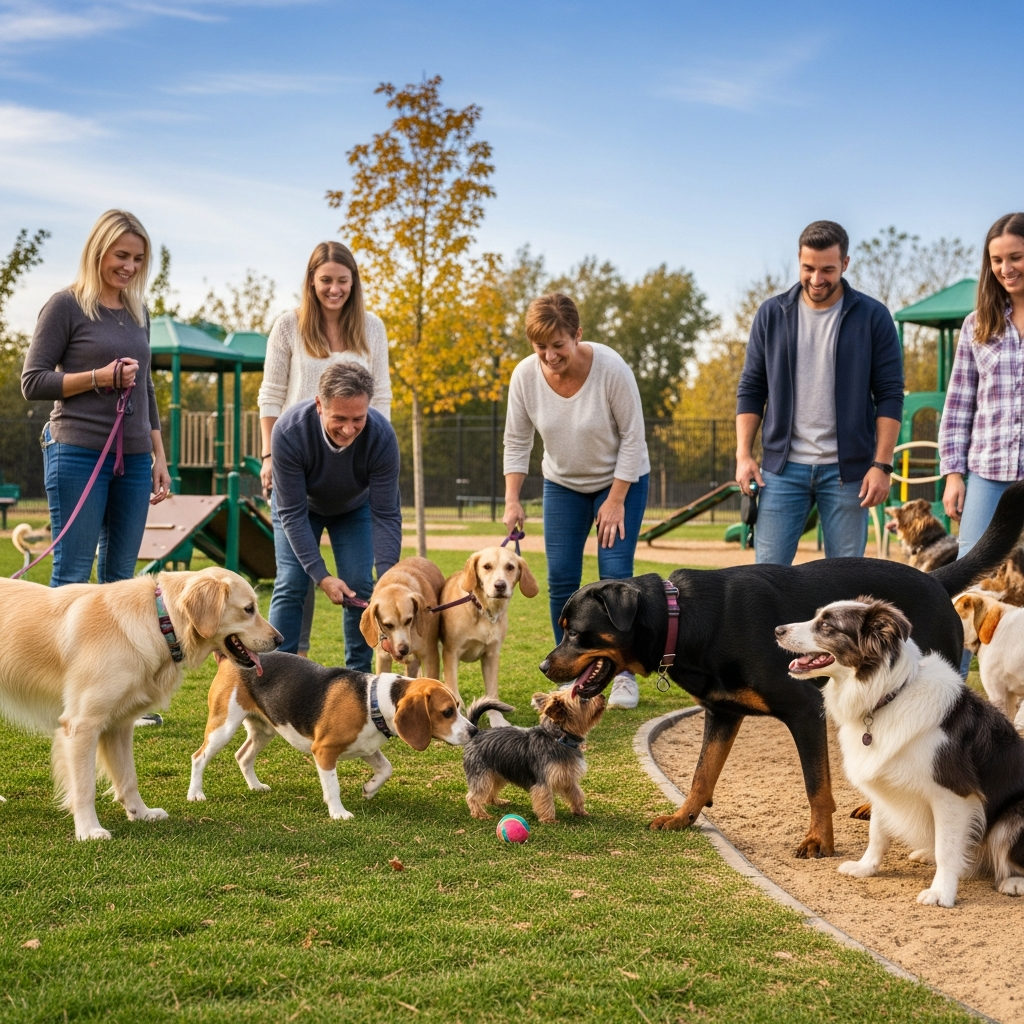
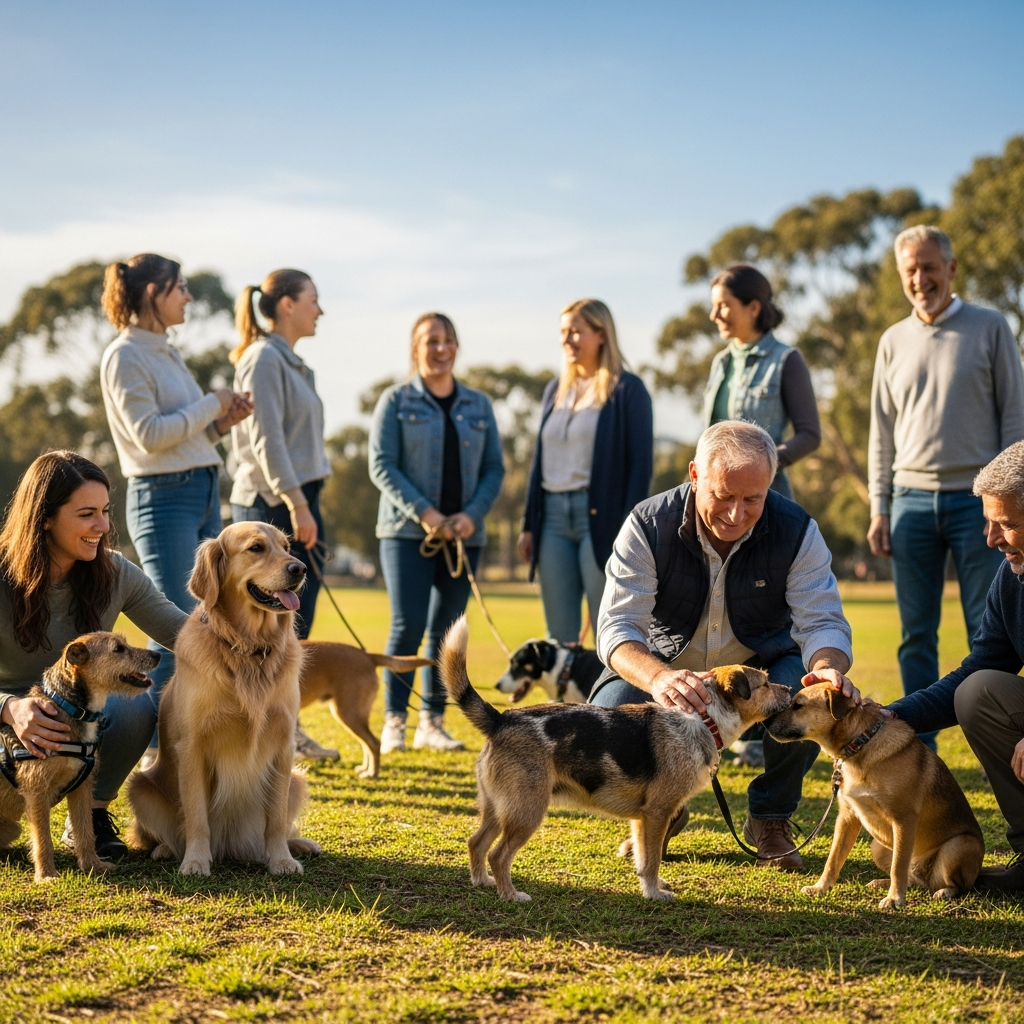
Many first-time owners think socialization means exposing their puppy to a few other dogs and people during their early weeks. While that initial period is crucial, socialization is a lifelong process. It’s about continuing to provide positive experiences to help your dog remain confident and well-adjusted throughout their life.
Beyond Puppyhood: Continued Exposure
Even after your dog is an adult, keep introducing them to new sights, sounds, smells, people, and appropriate dogs. Think about walks in different neighborhoods, visits to pet-friendly stores (if your dog is calm), or even just hanging out on a park bench observing the world go by. The goal isn’t to interact with everything, but to observe calmly.
Quality Over Quantity: Positive Interactions
Focus on positive, controlled experiences. Not every dog interaction needs to be a wrestling match. Sometimes, simply walking politely past another dog or person is a successful interaction. Always advocate for your dog if they seem uncomfortable, and remove them from overwhelming situations. Your dog looks to you for guidance and safety.
5. Pet Proofing Your Home (and Life): Continuous Vigilance
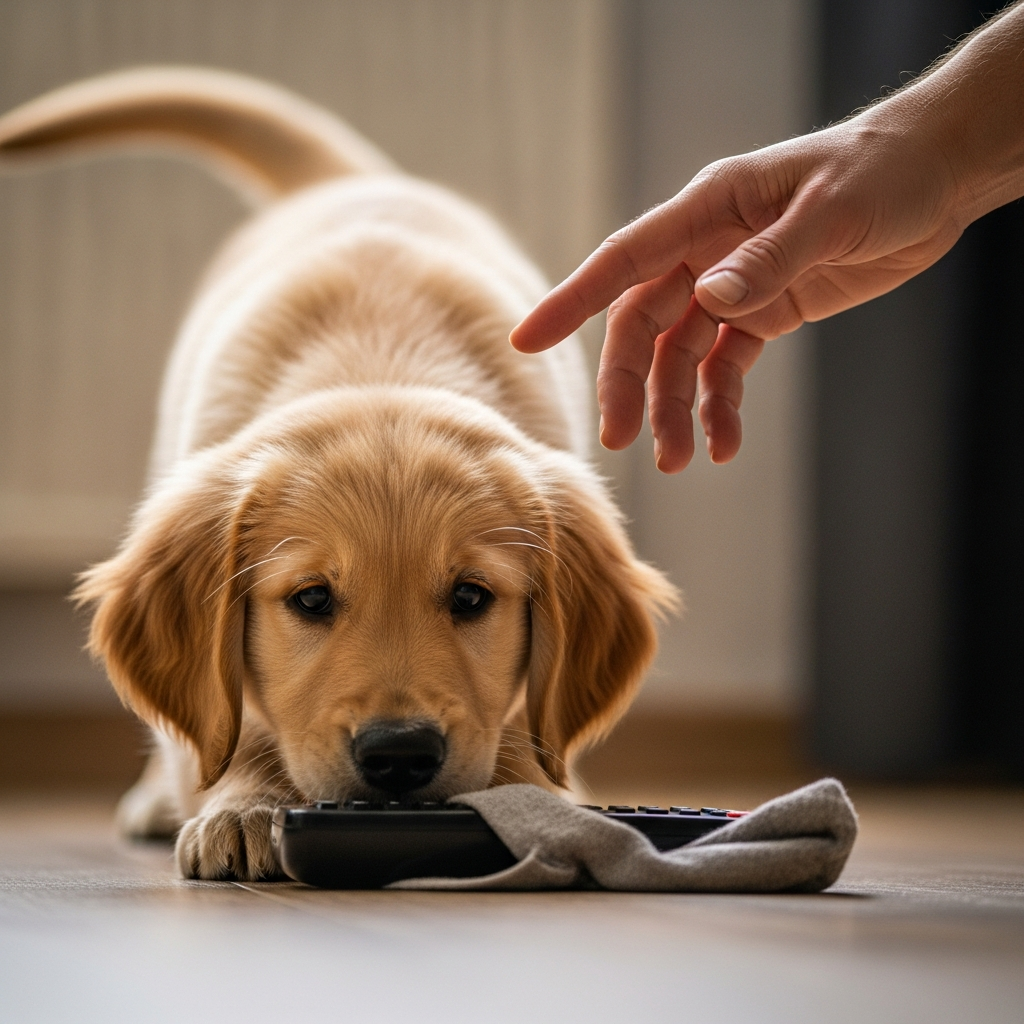
You probably did a sweep for loose wires and toxic plants before your puppy arrived. Great start! But pet proofing isn’t a one-and-done task. As your dog grows, their abilities, curiosity, and reach change. What was safe yesterday might not be safe today.
Think Like a Dog: Heights and Accessibility
Suddenly, that counter they couldn’t reach is now fair game. That plant you thought was safe might be within jumping distance. Keep all medications, cleaning supplies, human food (especially toxic items like chocolate or xylitol), and small, chewable objects securely out of reach. Remember, dogs can open cabinets if they’re not latched.
Beyond the Home: Yard and Car Safety
Pet proofing extends to your yard. Check fences for gaps, secure gates, and ensure no toxic landscaping plants are accessible. In the car, always use a crate, a secured harness, or a seatbelt specifically designed for dogs. An unrestrained dog can be a dangerous distraction and is vulnerable in an accident.
6. The Importance of a Trusted Veterinarian Relationship
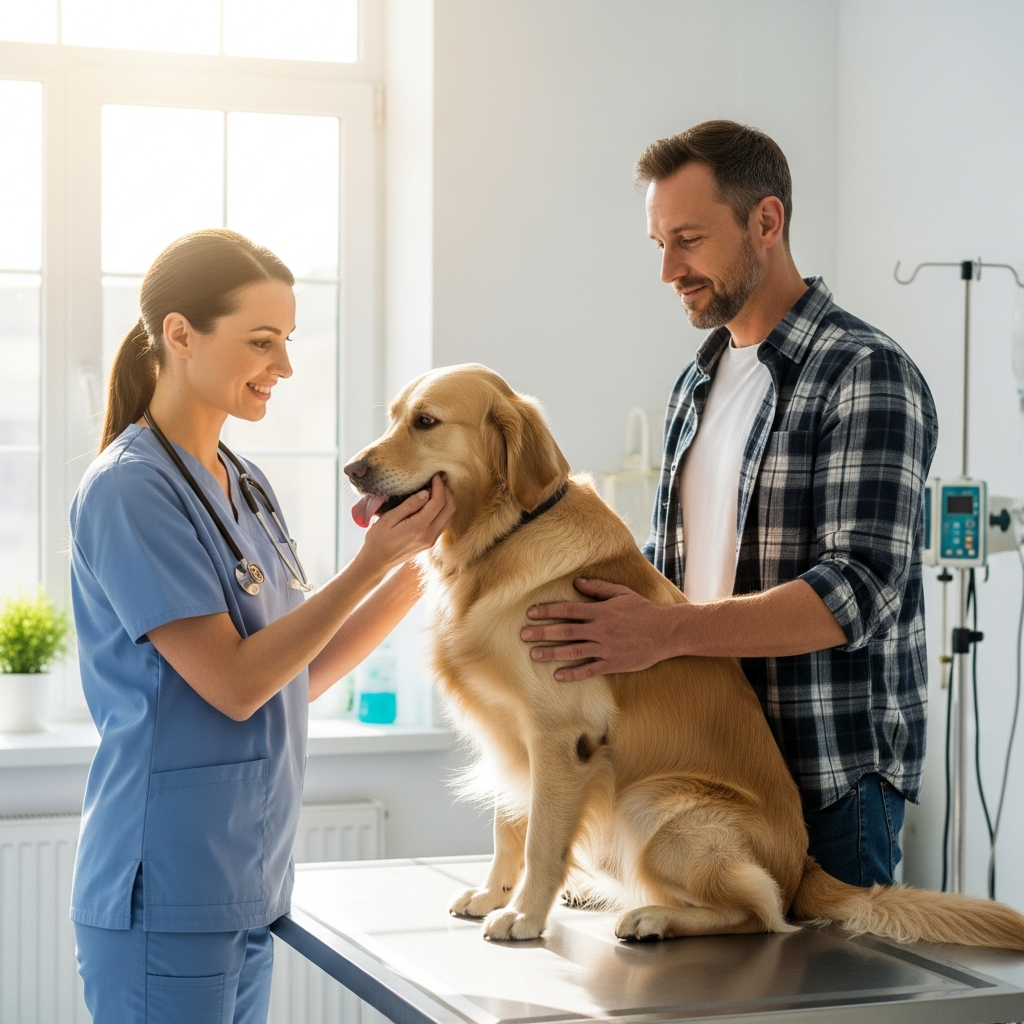
Finding a vet isn’t just about finding someone to call when your dog is sick. It’s about building a relationship with a trusted healthcare partner who will be with you and your dog throughout their entire life. This partnership is vital for preventative care and quickly addressing any health concerns.
Choosing the Right Vet for Your Family
Look for a vet whose communication style you appreciate and whose clinic staff is friendly and knowledgeable. Consider their emergency protocols, available services, and philosophy on preventative care. Don’t be afraid to schedule a ‘meet and greet’ before an actual appointment to see if it’s a good fit.
Beyond Annual Check-ups: Open Communication
Your vet is your best resource for everything from nutrition advice to behavior questions. Don’t hesitate to call them with concerns, even if they seem minor. Being proactive can often prevent small issues from becoming big, costly problems. Regular communication builds a strong foundation for your dog’s long-term health.
7. Dog Body Language: Speaking ‘Dog’ Fluently

Dogs can’t speak our language, but they constantly communicate through their body language. As a first-time owner, learning to ‘read’ your dog’s signals – from their tail wags to their ear positions – is incredibly important. It helps you understand their needs, avoid potential problems, and build a stronger bond.
Understanding the Nuances of Communication
A wagging tail isn’t always a sign of happiness; it can also indicate arousal or conflict. A yawn might mean tiredness, but it can also be a sign of stress. Learn to look at the whole picture: tail, ears, eyes, mouth, posture, and even the hair on their back. Knowing these cues helps you know when your dog is happy, scared, or uncomfortable.
Preventing Problems and Building Trust
By understanding your dog’s signals, you can proactively remove them from stressful situations before they escalate. This prevents fear or aggression from developing and builds immense trust between you. You become their protector and interpreter, making them feel safe and understood.
8. Training is a Lifelong Conversation, Not a One-Off Class
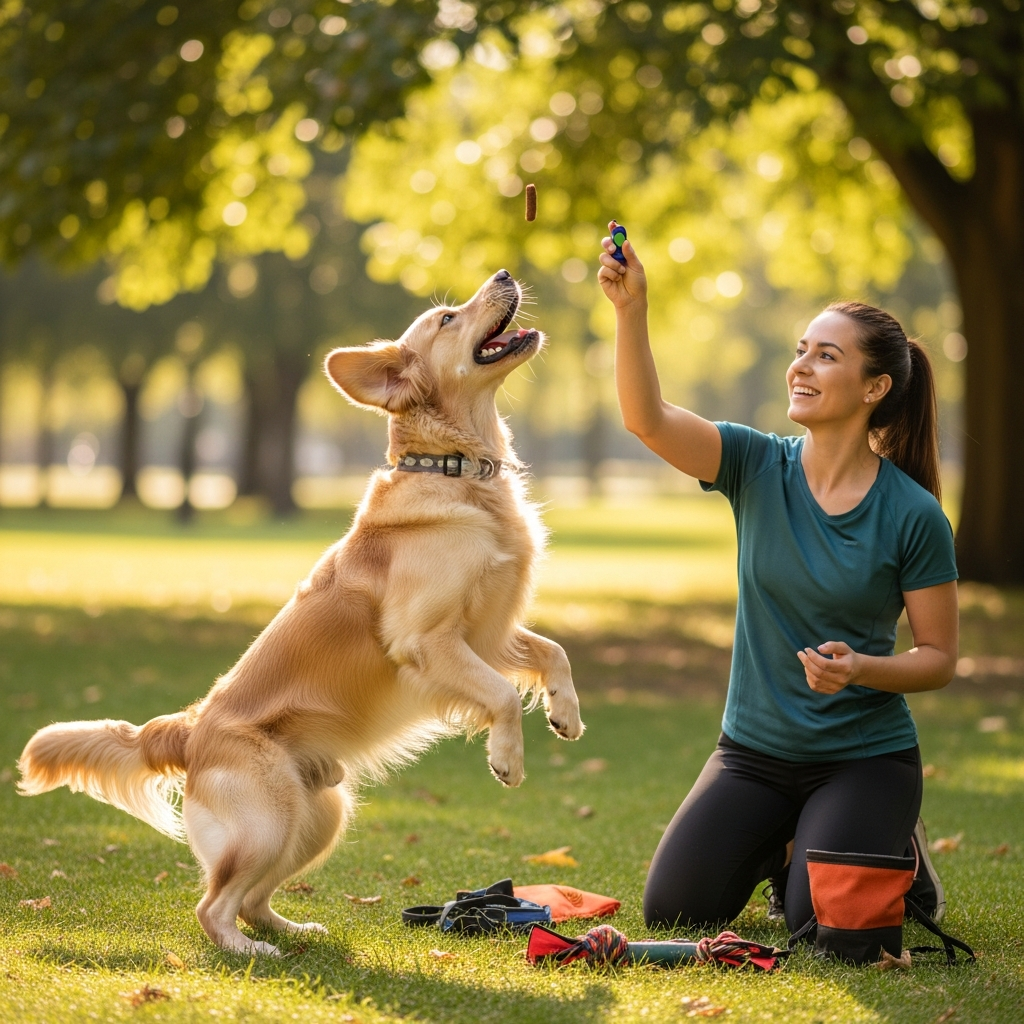
Many first-time owners enroll in a puppy class, graduate, and think, ‘We’re done!’ While puppy classes are fantastic for foundational skills and socialization, training is an ongoing, lifelong conversation you have with your dog. It’s about clear communication, consistency, and building good habits every single day.
Consistency is King (or Queen!)
Every interaction is a training opportunity. Asking your dog to ‘sit’ before getting their food, waiting at the door before going out, or ‘staying’ while you grab their leash – these small moments reinforce good behavior. Consistency across all family members is crucial so your dog understands the rules.
Continued Learning and Problem Solving
Dogs evolve, and new challenges might arise. A solid foundation allows you to address new behaviors with confidence. Consider advanced classes, dog sports, or even just regularly practicing known commands in new environments. Training keeps their minds sharp and strengthens your bond, making life together more enjoyable.
9. Building Independence and Preventing Separation Anxiety
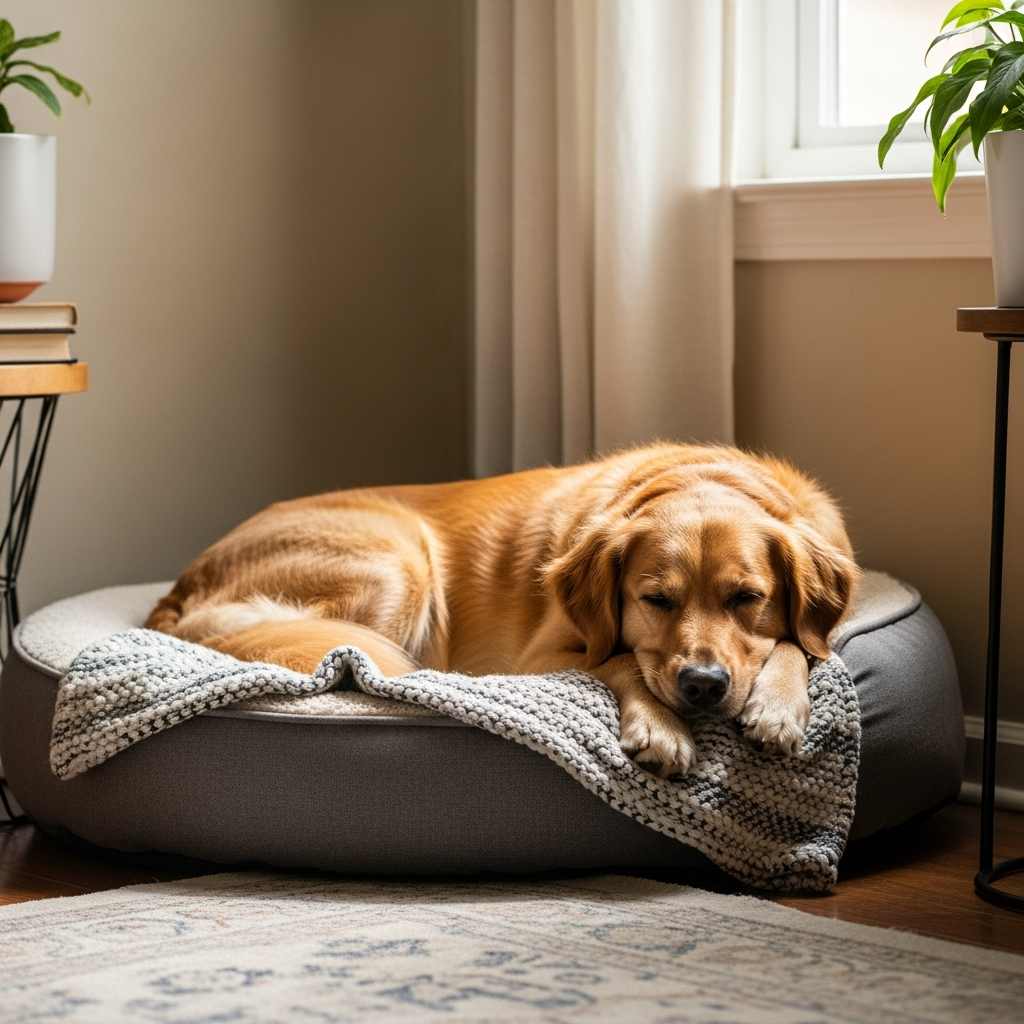
It’s natural to want to shower your new dog with attention, especially a puppy. But constantly being by their side can inadvertently foster over-reliance, which can lead to separation anxiety down the line. It’s vital to teach your dog that being alone is okay and even enjoyable.
Gradual Alone Time is Key
Start with very short periods of alone time, even just a few minutes, gradually increasing the duration. Leave them with a safe, high-value chew toy or a puzzle feeder to create a positive association with your absence. Don’t make a big fuss when you leave or return; keep hellos and goodbyes low-key.
Creating a Safe Haven
Ensure your dog has a comfortable, safe space where they can relax when you’re not home, like a crate, a designated room, or a comfy bed. This space should be their sanctuary. Consistency in routines also helps, so they learn when to expect you to leave and return, reducing uncertainty.
10. Planning for the Unexpected: Emergency Funds and Pet First Aid
No one wants to think about their dog getting sick or injured, but it’s a reality of pet ownership. First-time owners often forget to plan for these emergencies. Being prepared financially and having basic first-aid knowledge can make a huge difference in stressful situations.
The Emergency Fund: Your Dog’s Safety Net
As mentioned earlier, an emergency fund specifically for your dog is crucial. Veterinary care, especially for emergencies, can be incredibly expensive. Having a dedicated savings account or pet insurance can alleviate the financial stress during an already difficult time, allowing you to focus on your dog’s recovery.
Basic Pet First Aid and Emergency Contacts
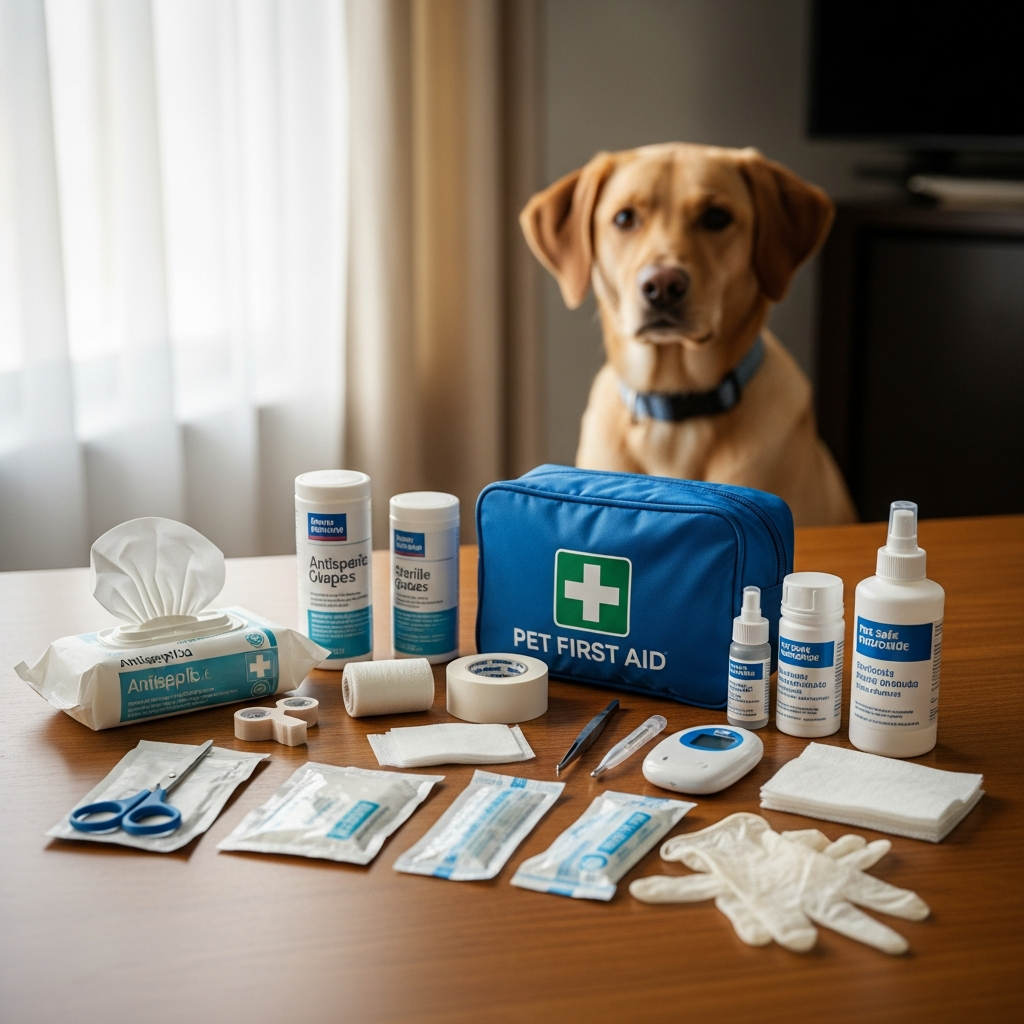
Take a pet first aid course or at least familiarize yourself with basic techniques for common injuries like cuts, sprains, or choking. Keep a well-stocked pet first aid kit at home and in your car. Most importantly, have your vet’s emergency number, the number for an after-hours emergency clinic, and poison control readily available.