9 Easy Tips to Freshen Your Dog’s Breath
We all love our furry friends’ slobbery kisses, but sometimes, a whiff of their breath can send us reeling! Bad dog breath, medically known as halitosis, is more than just an unpleasant odor; it can be a sign of underlying dental issues or even other health problems. The good news is that many cases of bad breath are preventable and treatable with simple, consistent care.
As devoted dog parents, ensuring our pups have healthy mouths and fresh breath is a key part of their overall well-being. In this guide, we’ll explore 9 easy and effective tips you can implement to keep your dog’s breath smelling sweet and their smile sparkling. Let’s dive in and transform those stinky kisses into delightful ones!
Tip 1 – Establish a Daily Brushing Routine
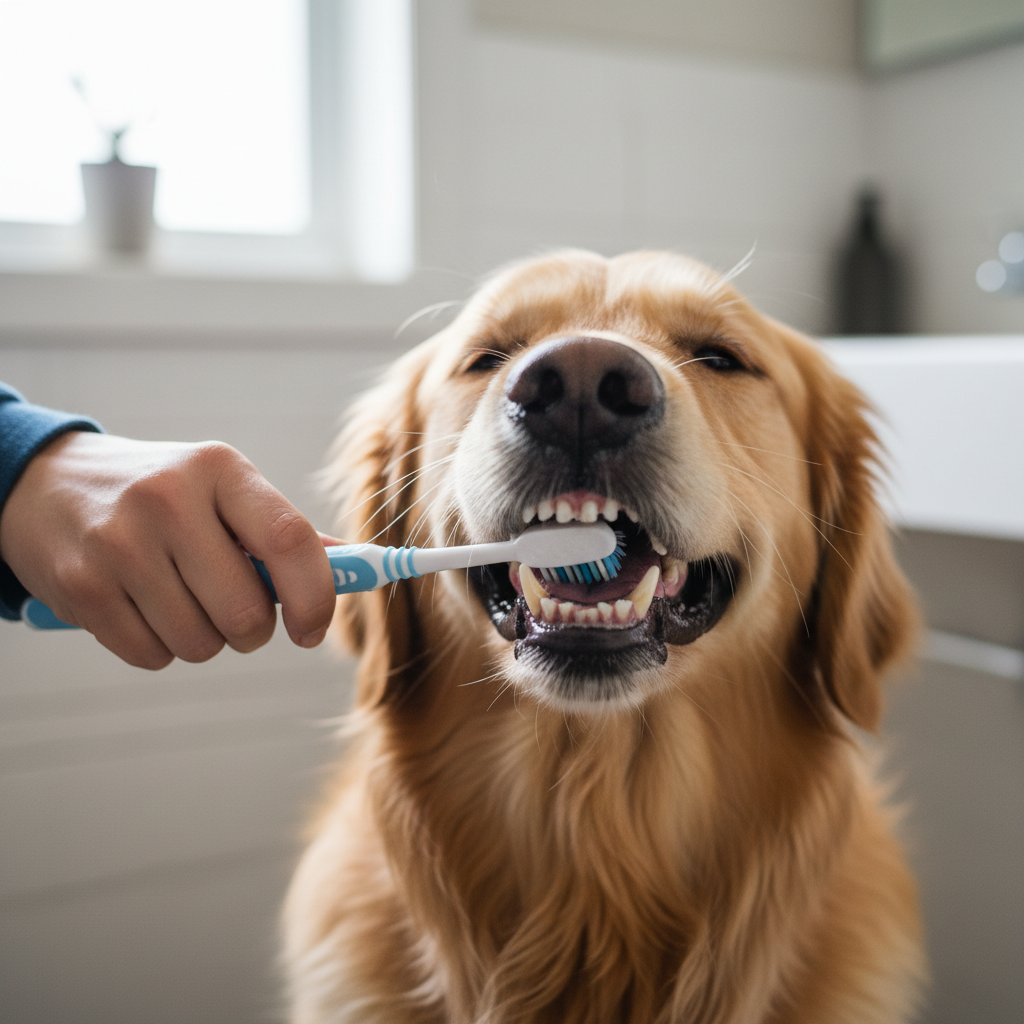
Just like humans, dogs benefit immensely from regular tooth brushing. It’s the most effective way to remove plaque and food particles that cause bad breath. Aim to brush your dog’s teeth daily, or at least a few times a week.
How to Brush Your Dog’s Teeth
- Choose the Right Tools: Use a dog-specific toothbrush and toothpaste. Never use human toothpaste, as it can be toxic to dogs.
- Start Slowly: Introduce brushing gradually. Let your dog lick some dog toothpaste off your finger first, then try a quick brush of a few teeth.
- Be Gentle: Lift their lip and gently brush in small, circular motions, focusing on the outside surfaces of their teeth. Reward them with praise and a small treat afterward.
- Consistency is Key: Make it a positive experience and a consistent part of your routine.
Tip 2 – Incorporate Dental Chews and Treats
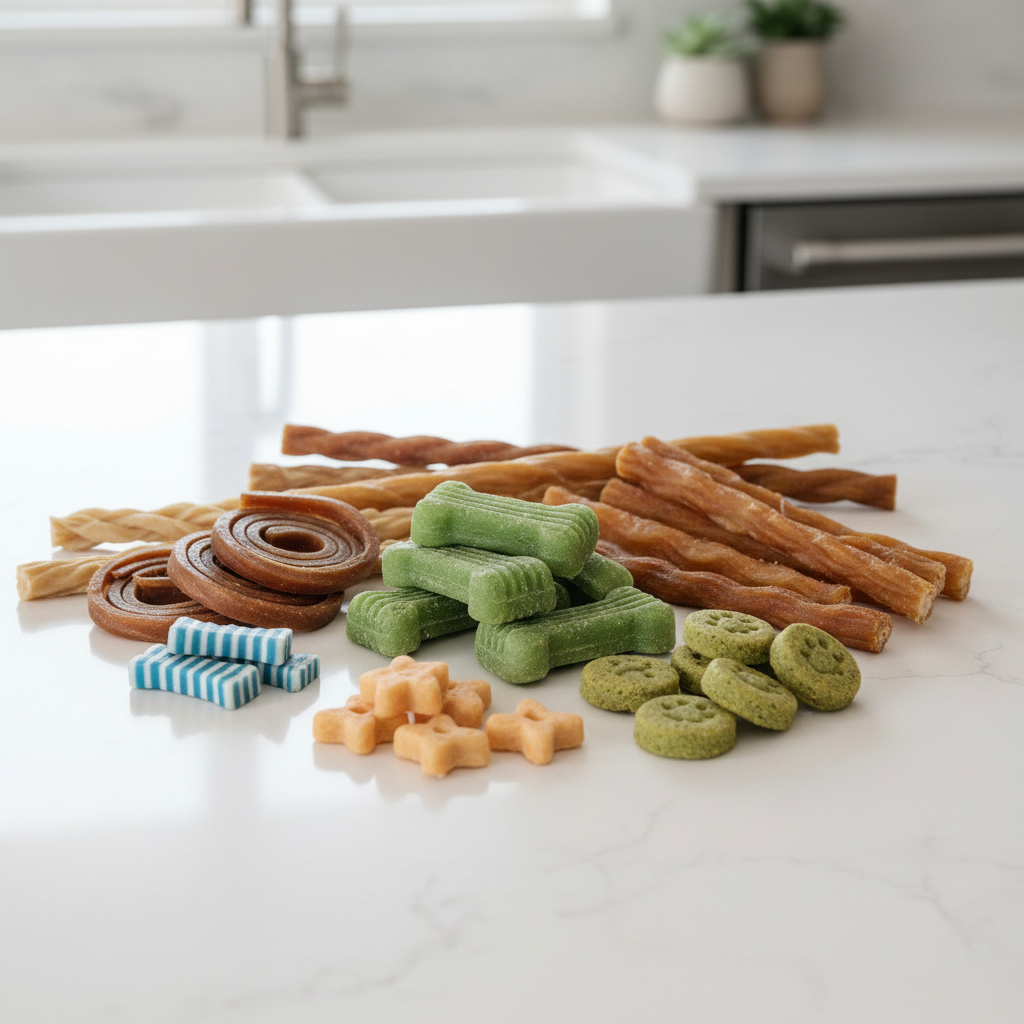
Dental chews and treats are a fantastic supplementary tool to help keep your dog’s teeth clean and breath fresh. Many are designed with specific textures and ingredients to scrape away plaque and tartar as your dog chews.
- Look for Vet-Approved Options: Choose products that are approved by veterinary dental organizations.
- Size Matters: Select chews appropriate for your dog’s size and chewing style to prevent choking hazards.
- Moderation is Important: Remember these are treats, so feed them in moderation to avoid excess calorie intake.
Tip 3 – Consider a Dental-Specific Diet
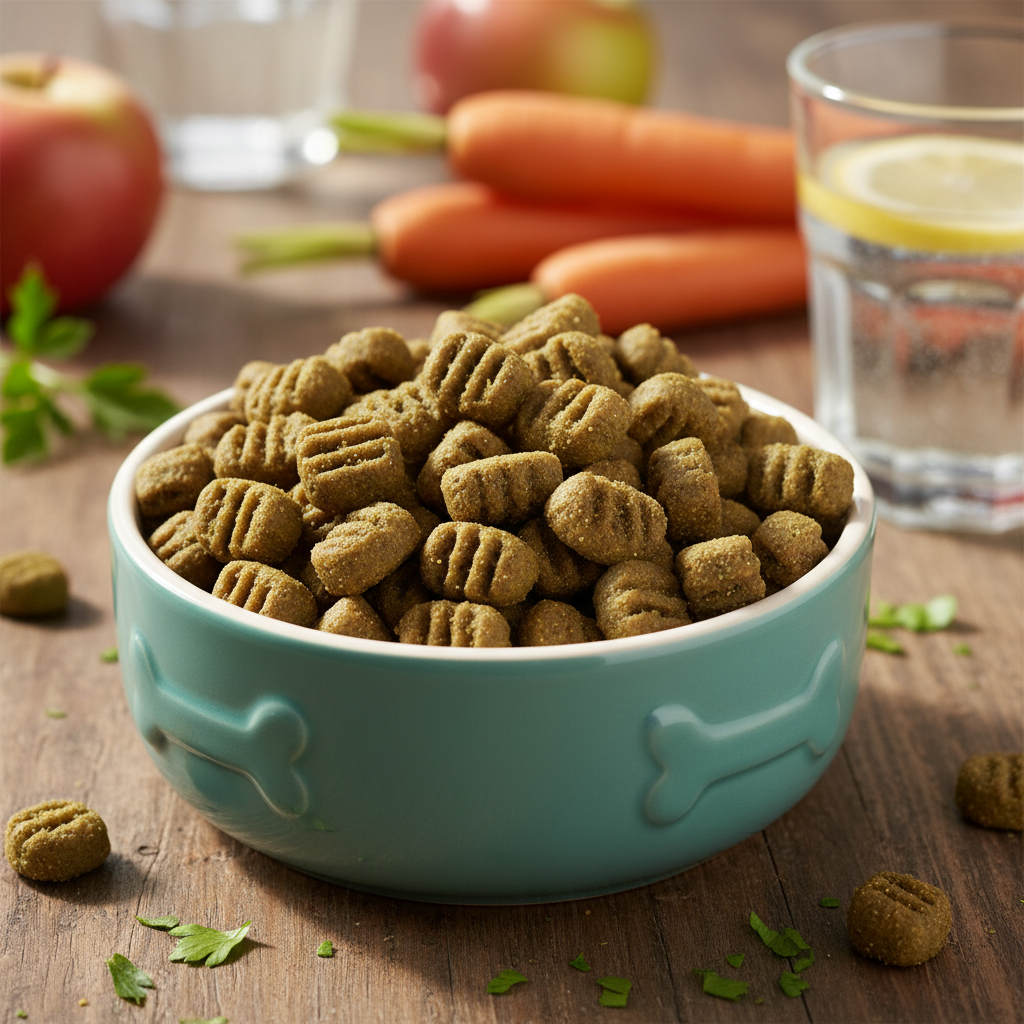
Certain dog foods are formulated specifically to support dental health. These diets often feature larger kibble sizes or unique textures that encourage chewing, which helps to mechanically clean the teeth. Some also contain ingredients that help reduce plaque and tartar buildup.
- Consult Your Vet: Talk to your veterinarian about whether a dental-specific diet is right for your dog.
- Gradual Transition: If switching foods, do so gradually over several days to avoid digestive upset.
Tip 4 – Use Water Additives or Oral Rinses
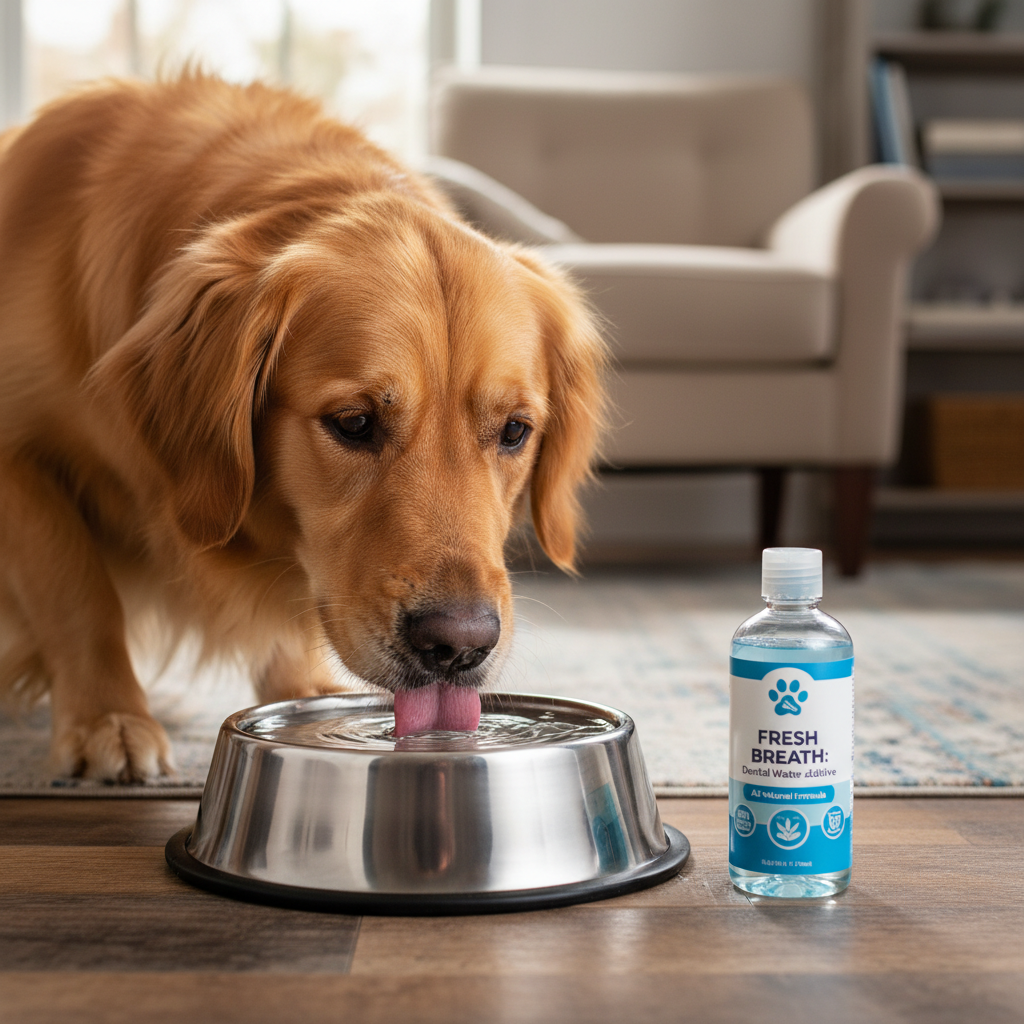
For an easy, hands-off approach, water additives and oral rinses can be very helpful. These products contain ingredients that reduce bacteria in the mouth, helping to combat bad breath and plaque buildup.
- Simple to Use: Water additives are simply poured into your dog’s drinking water, while oral rinses can be applied directly to the gums.
- Safety First: Always choose products specifically formulated for dogs and follow the dosage instructions carefully.
Tip 5 – Prioritize Vet Check-ups and Professional Cleanings
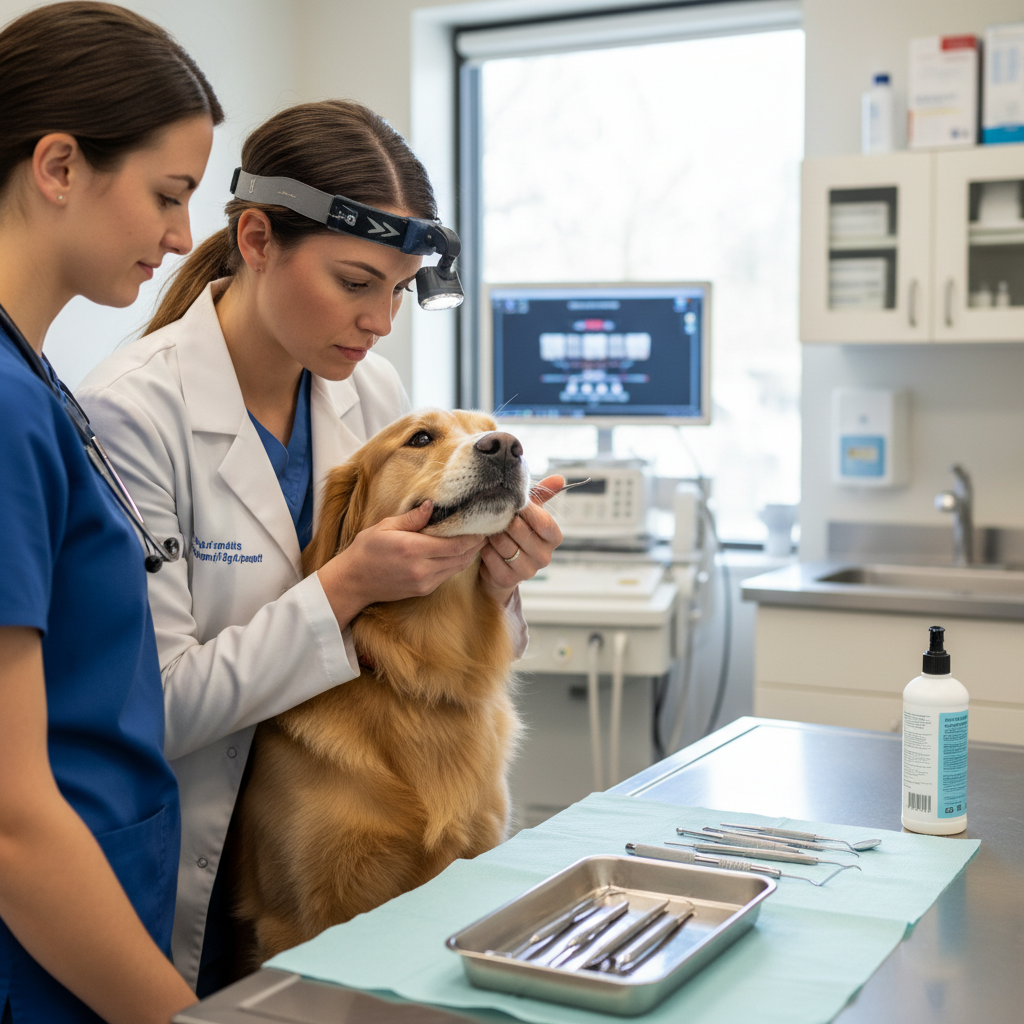
Regular veterinary check-ups are crucial for monitoring your dog’s oral health. Your vet can identify early signs of dental disease and recommend professional dental cleanings when necessary. Professional cleanings, performed under anesthesia, allow for a thorough examination and cleaning of teeth, including below the gum line where most problems start.
- Annual Exams: Make sure your dog has a professional dental examination at least once a year.
- Early Intervention: Addressing dental issues early can prevent more serious health problems down the road.
Tip 6 – Provide Appropriate Chew Toys
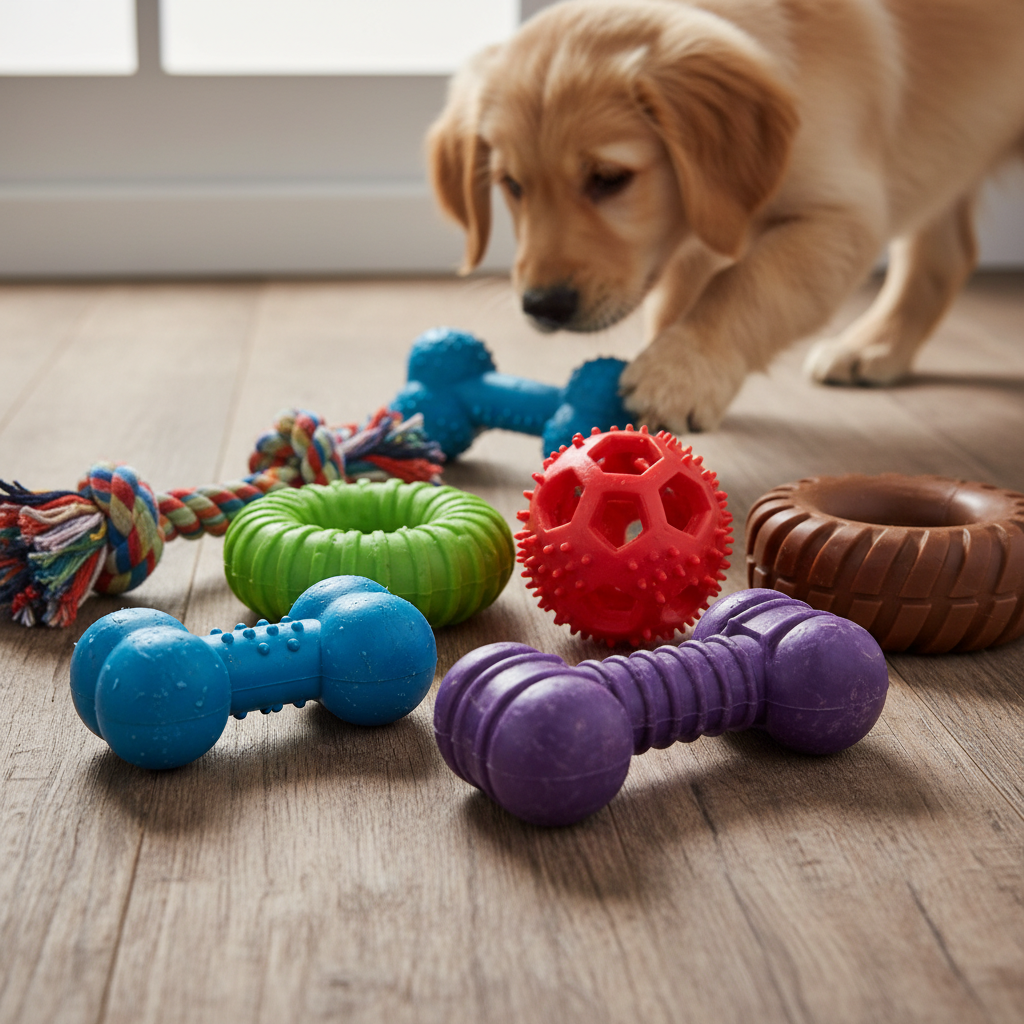
Chew toys aren’t just for entertainment; they can also contribute to dental health. Choosing the right types of chew toys can help scrape away soft plaque and massage your dog’s gums.
- Look for Durability: Opt for durable, rubbery toys that are specifically designed for chewing, rather than overly hard toys that can damage teeth.
- Supervise Play: Always supervise your dog with chew toys to ensure they don’t break off pieces or choke.
Tip 7 – Monitor Your Dog’s Overall Diet

What goes into your dog’s body can significantly impact their breath. A high-quality, balanced diet supports overall health, including oral health. Poor nutrition can weaken the immune system, making your dog more susceptible to dental problems.
- Avoid Excess Sugars: Sugary human foods can contribute to bacterial growth in your dog’s mouth.
- Balanced Nutrition: Ensure your dog is eating a complete and balanced diet appropriate for their age, size, and activity level.
Tip 8 – Watch for Underlying Health Issues
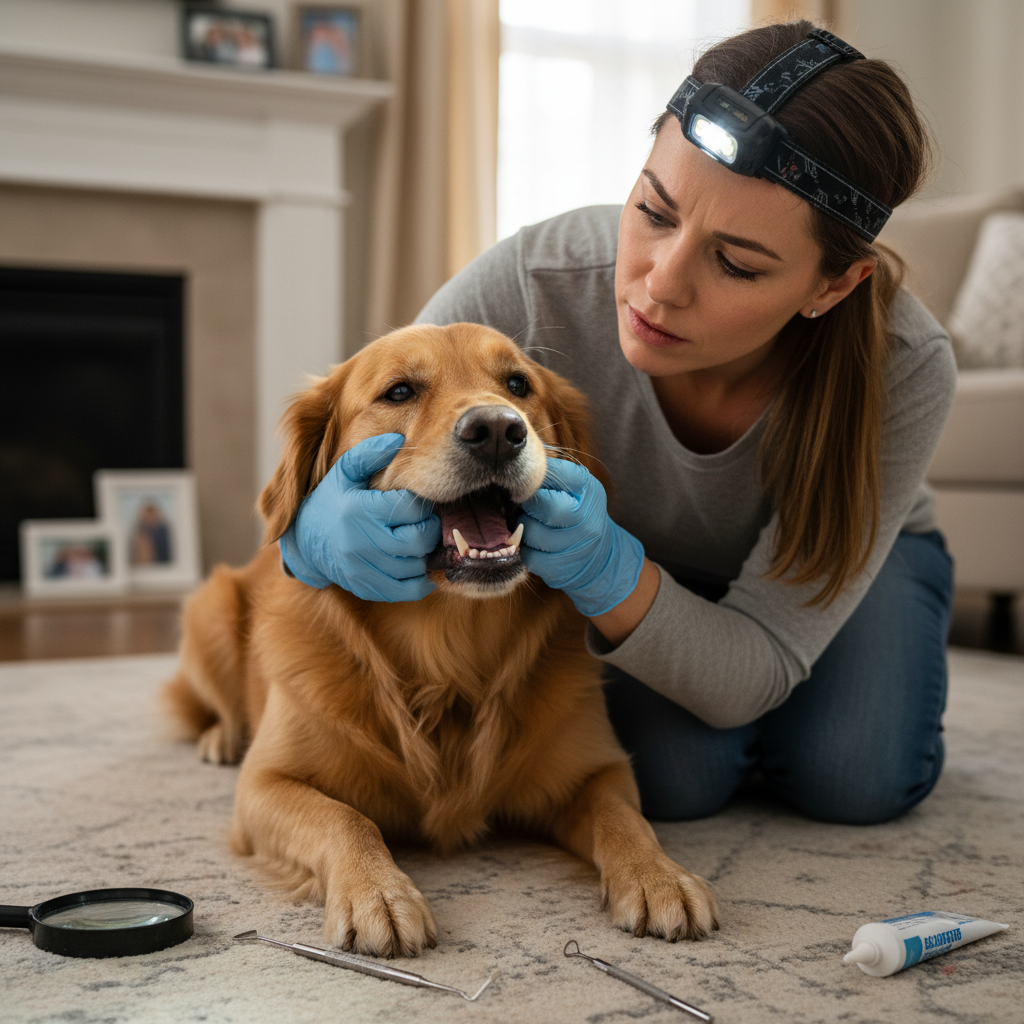
Persistent bad breath that doesn’t improve with dental care can sometimes signal a more serious underlying health problem. Conditions such as kidney disease, liver disease, or diabetes can manifest as unusual breath odors.
- Sweet or Fruity Breath: Could indicate diabetes.
- Urine-like Breath: May point to kidney disease.
- Extremely Foul Breath: Could be a sign of severe gum disease or even oral tumors.
- Seek Vet Advice: If your dog’s bad breath is sudden, severe, or accompanied by other symptoms, consult your vet immediately.
Tip 9 – Explore Natural Breath Fresheners
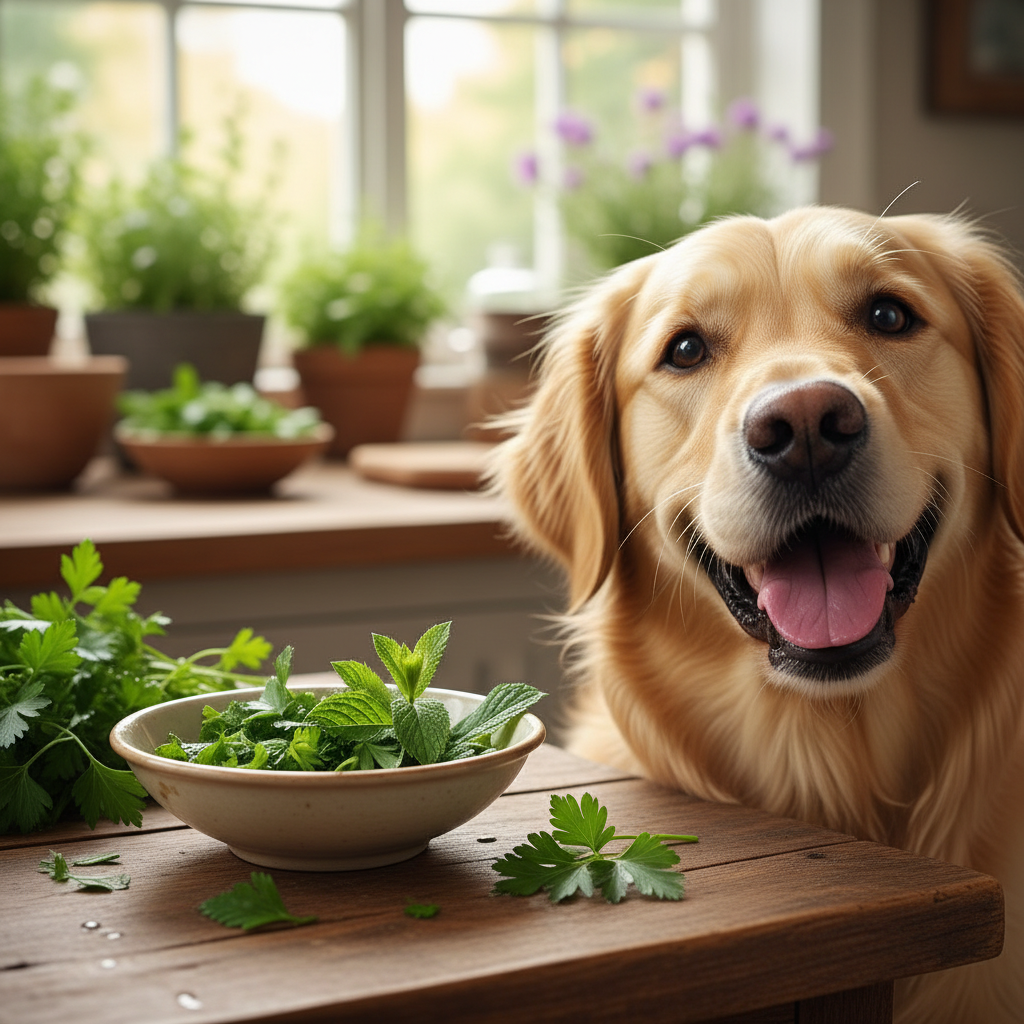
Certain natural ingredients can help freshen your dog’s breath. Always introduce new foods slowly and in moderation, and check with your vet first.
- Fresh Parsley or Mint: Small amounts mixed into their food can help neutralize odors.
- Crunchy Vegetables and Fruits: Carrots and apple slices (without seeds) can act as natural toothbrushes, helping to clean teeth and provide a healthy snack.
A Fresh Start for Your Furry Friend
Bad breath doesn’t have to be a permanent fixture in your dog’s life. By consistently applying these 9 easy tips, you’re not just improving their breath; you’re actively contributing to their overall dental health and well-being. Remember, a healthy mouth is a window to a healthy body for your beloved canine companion. Embrace these routines, and you’ll soon be enjoying those fresh, loving doggy kisses without hesitation. Your dog deserves a happy, healthy smile, and with your dedicated care, they’ll have one!
Start small, be consistent, and celebrate every step towards a fresher, happier pup. Your dog will thank you with plenty of sweet-smelling affection!