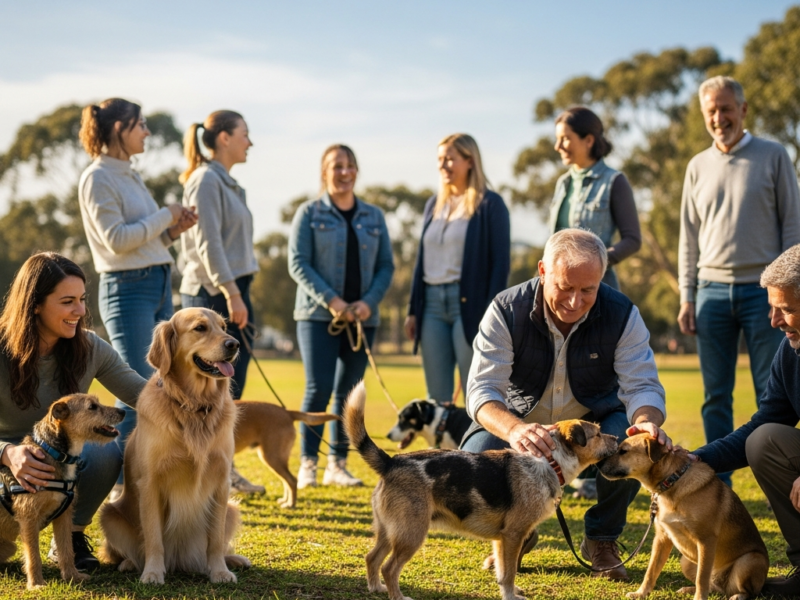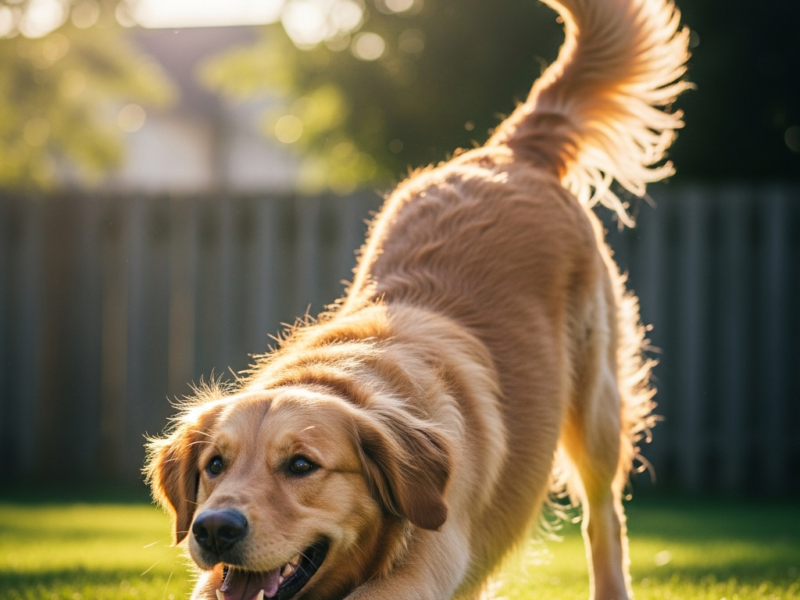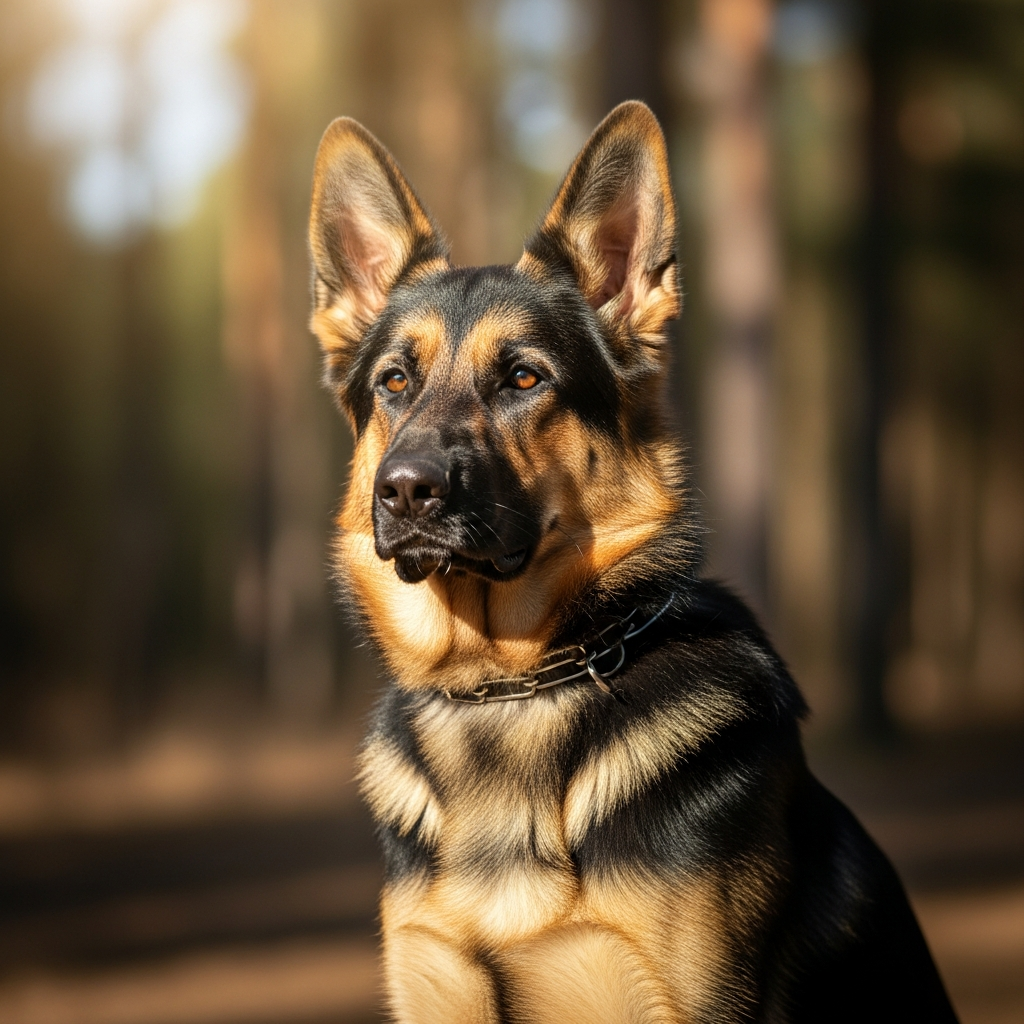
If you are a dog parent, or just a dog lover, you have probably encountered a German Shepherd at some point. These magnificent dogs are famous for their loyalty, intelligence, and striking appearance. They are often seen working alongside police officers, guiding the visually impaired, or simply being cherished family pets.
But how much do you really know about this incredible breed? Beyond their reputation, German Shepherds hold many secrets and surprising traits that make them truly unique. Get ready to discover some fascinating details that might just change the way you see these noble companions!
The Origins of a Legend: From Herding to Hero
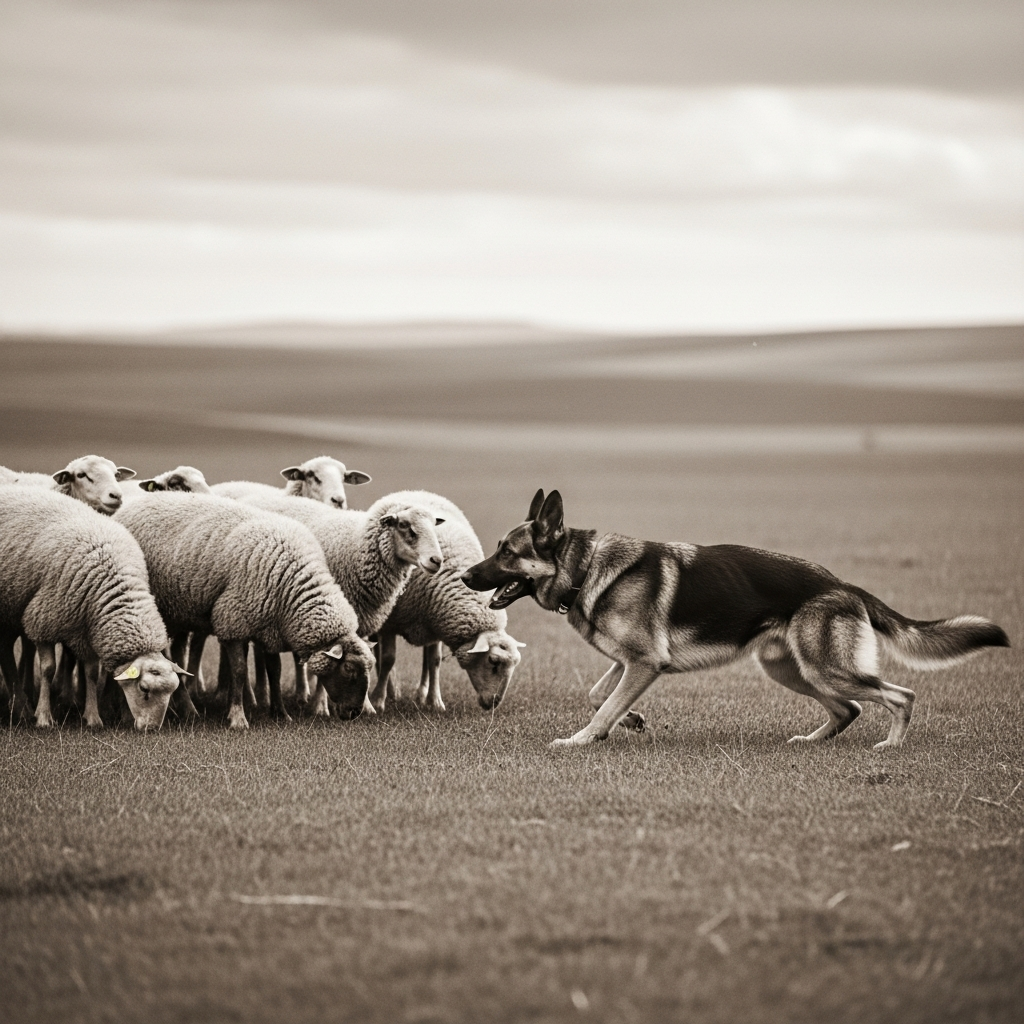
A Shepherd’s Purpose
The German Shepherd we know and love today wasn’t just born overnight. This breed was meticulously developed with a very specific purpose in mind: to be the ultimate sheepdog. Their strength, intelligence, and unwavering dedication made them perfect for herding livestock across vast European landscapes.
The Man Behind the Breed
The credit for developing the German Shepherd breed goes primarily to one man: Captain Max von Stephanitz. He envisioned a versatile working dog that combined intelligence, strength, and unwavering loyalty. His dedication led to the creation of the breed standard we still admire today.
- Many people assume German Shepherds have been around forever, but they are actually a relatively new breed, originating in Germany in the late 19th century. Max von Stephanitz discovered a dog named Hektor Linksrhein, who he later renamed Horand von Grafrath, and this dog became the foundation of the German Shepherd breed.
- Captain Max von Stephanitz, a former German cavalry officer, is considered the father of the breed. He dedicated his life to perfecting the German Shepherd’s traits, focusing on intelligence, utility, and temperament rather than just looks. He even wrote the first German Shepherd Dog breed standard.
Beyond the Basics: Their Amazing Minds
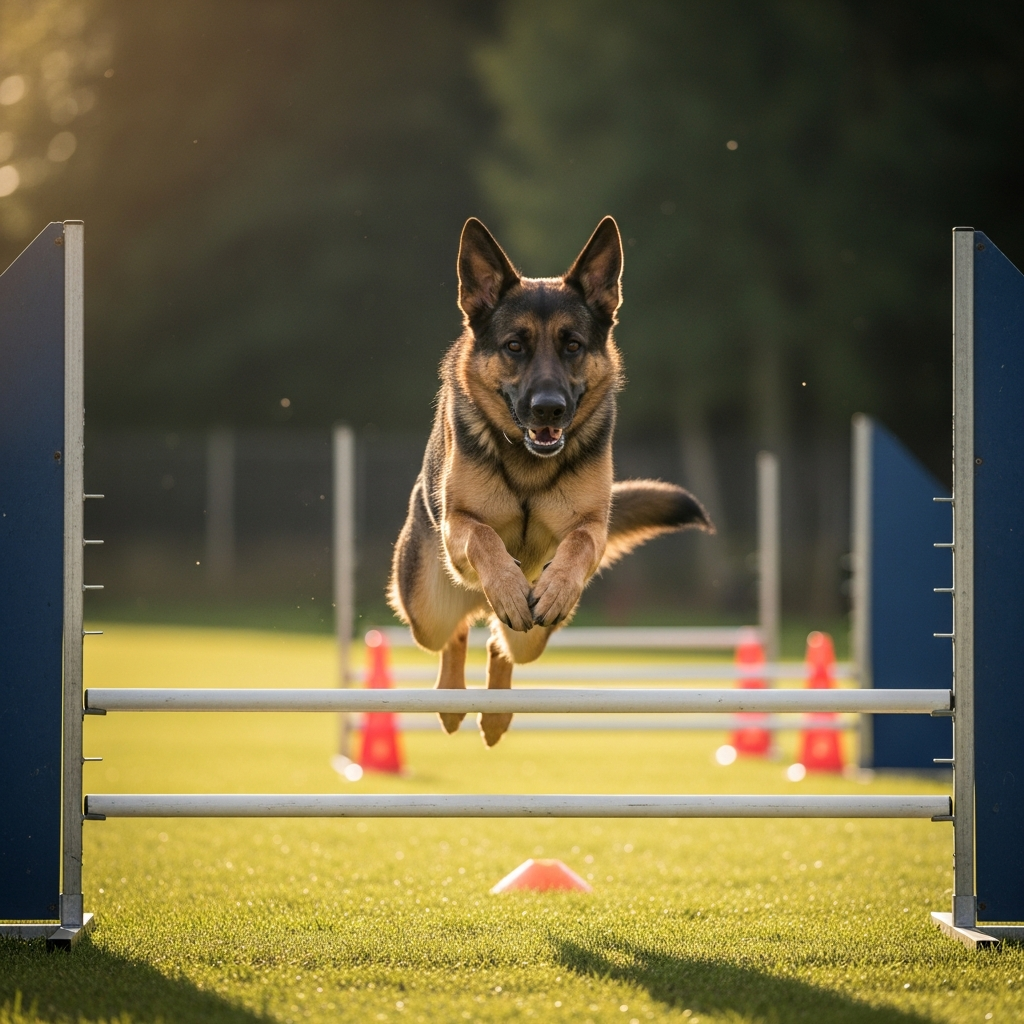
Brains and Brawn
It’s no secret that German Shepherds are smart. But their intelligence goes far beyond just learning basic commands. They possess a remarkable ability to understand complex tasks, solve problems, and even anticipate human behavior. This makes them incredibly adaptable and capable in a wide range of roles.
- Stanley Coren, a canine psychologist, famously ranked German Shepherds as the third most intelligent dog breed, after Border Collies and Poodles. This means they can understand new commands in fewer than five repetitions and obey them 95% of the time or more. Pretty impressive, right?
- These dogs aren’t just smart; they have an innate desire to work and please their owners. This strong ‘working drive’ is why they excel in police work, search and rescue, service dog roles, and even competitive dog sports like agility and obedience. They truly thrive when given a job to do.
- German Shepherds are not just good at following instructions; they can think for themselves. If faced with a novel situation or a problem, they often try to figure out a solution. This makes them incredibly resourceful and valuable in complex situations where quick thinking is required.
Unpacking Their Physique and Senses
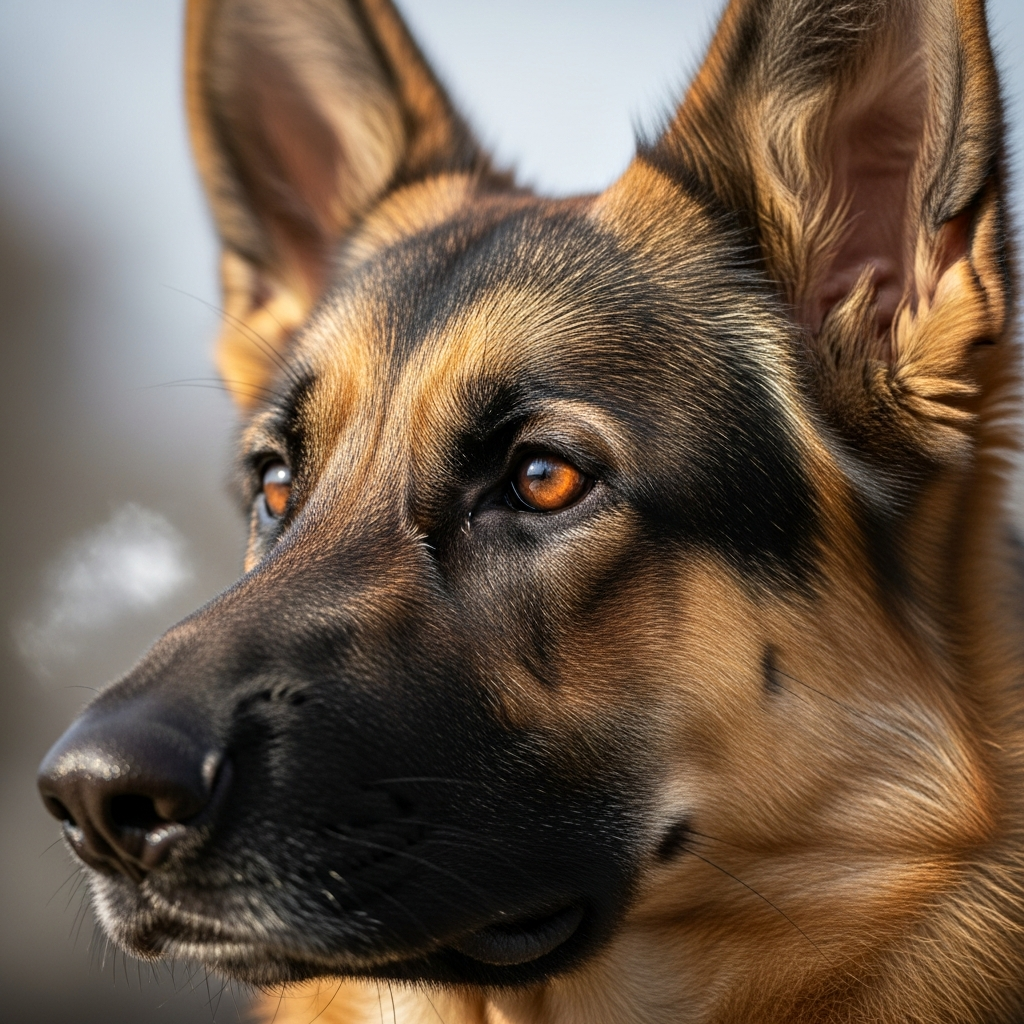
A True Athlete
Beyond their mental prowess, German Shepherds boast an impressive physical build. They are designed for endurance, agility, and strength. Every aspect of their anatomy, from their unique gait to their powerful senses, contributes to their effectiveness as working dogs and their stunning presence.
- Watch a German Shepherd move, and you’ll notice their distinct gait. They have a powerful, ground-covering trot that appears almost effortless. This ‘flying trot’ allows them to cover long distances with minimal energy expenditure, a crucial trait for herding and endurance work.
- Their noses are nothing short of incredible. German Shepherds have approximately 225 million scent receptors, compared to humans’ mere 5 million. This explains why they are so adept at tracking, detecting drugs, explosives, and even certain medical conditions in humans. Their world is truly scent-driven.
- Their coat is not just beautiful; it’s functional. German Shepherds possess a double coat: a dense, harsh outer coat and a softer, thicker undercoat. This provides excellent insulation, protecting them from both cold and heat, and repelling water and dirt. Prepare for shedding, though!
- While generally robust, German Shepherds are predisposed to certain genetic health conditions. Hip and elbow dysplasia are unfortunately common, along with degenerative myelopathy (DM), a progressive neurological disease. Responsible breeding and regular vet check-ups are vital for their well-being.
Their Diverse Roles and Contributions
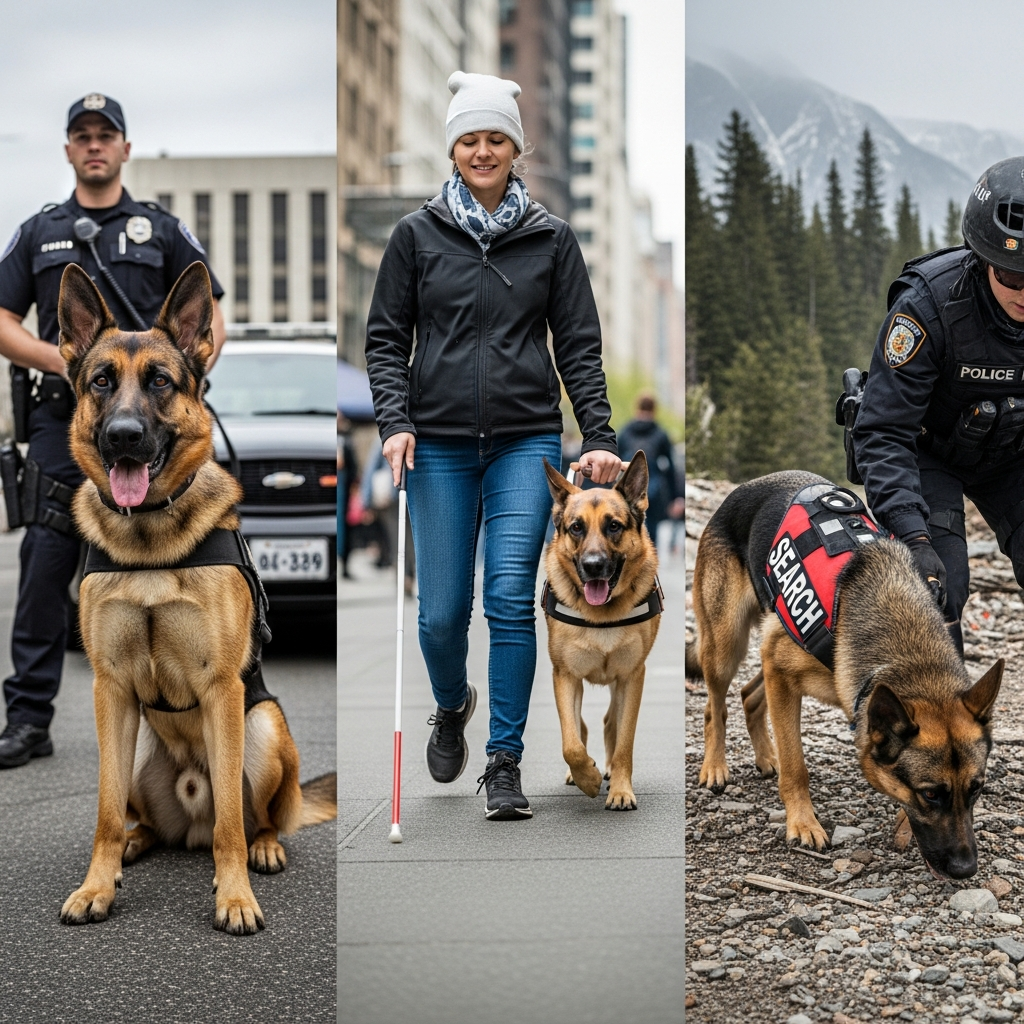
Heroes in Fur
German Shepherds have earned a reputation as true heroes, serving humanity in countless ways. Their intelligence, courage, and trainability make them ideal candidates for some of the most demanding jobs, often putting their own lives on the line for others. They are truly versatile companions.
- Did you know that German Shepherds were among the very first breeds to be formally trained as guide dogs for the blind? Their intelligence, steady temperament, and strong bond with handlers made them perfect for this life-changing role, paving the way for other service breeds.
- German Shepherds served bravely in both World Wars, acting as messengers, sentries, rescue dogs, and even locating wounded soldiers. Today, they remain the most common breed in police and military K9 units worldwide, thanks to their exceptional scent detection, protection abilities, and unwavering loyalty.
- Their unparalleled sense of smell and robust endurance make them stars in search and rescue operations. Whether it’s finding lost hikers in vast wilderness, locating survivors after natural disasters, or recovering evidence, German Shepherds are often at the forefront of these critical efforts.
Personality and Temperament Quirks
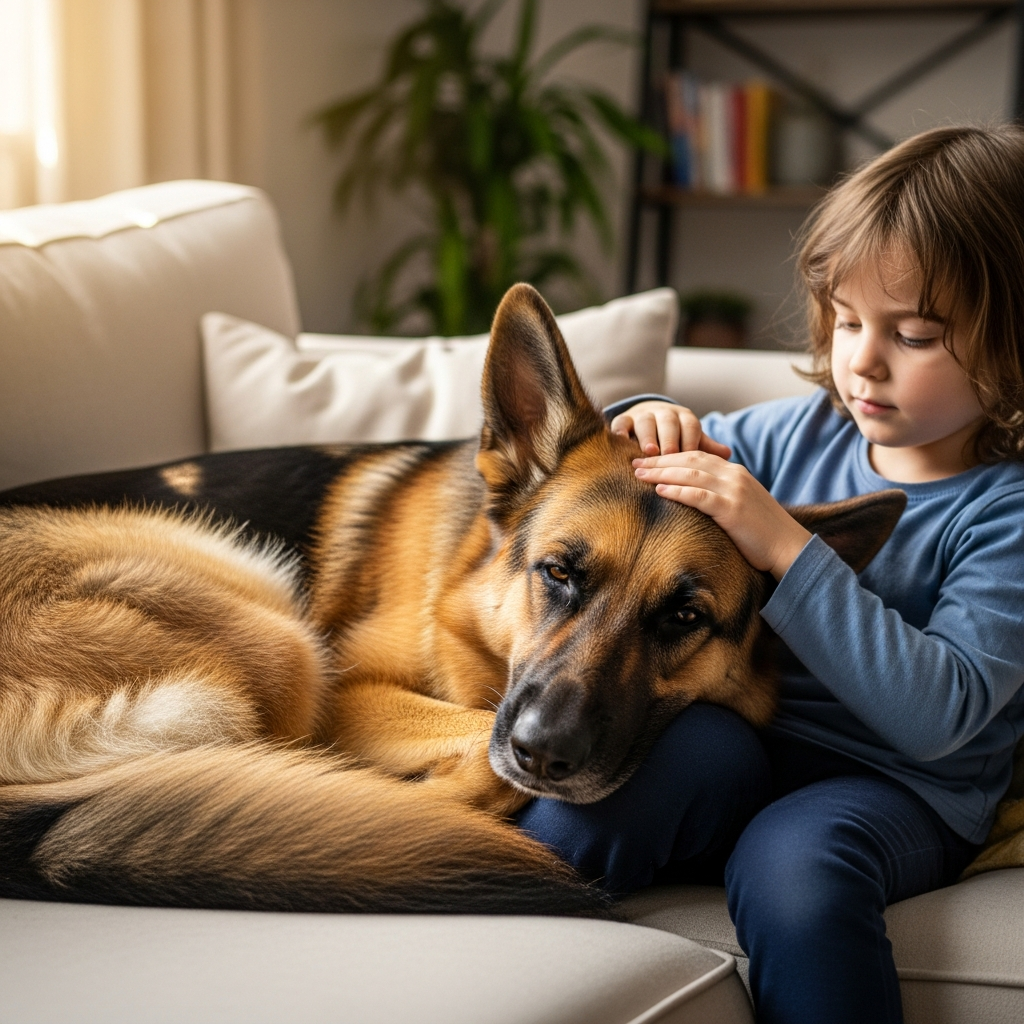
More Than Just a Guard Dog
While often perceived as serious and aloof, the German Shepherd’s personality is actually quite complex and rich. They are fiercely loyal, incredibly protective, and can be wonderfully affectionate with their chosen family. Understanding their nuances is key to a happy relationship.
- It’s true that German Shepherds aren’t always immediate friends with everyone they meet. They tend to be reserved and watchful around strangers, which is a natural protective instinct. This isn’t aggression, but rather a cautious assessment. Proper socialization from a young age is crucial to ensure they are well-adjusted.
- Despite their independent appearance, German Shepherds form incredibly strong bonds with their human families. They often earn the nickname ‘Velcro dogs’ because they love to be close to their people, following them from room to room. They thrive on companionship and being part of the family unit.
- Because of their deep attachment to their families and strong working drive, German Shepherds can be prone to separation anxiety if left alone for extended periods without proper training or mental stimulation. They need structure and purpose, even when their owners are away, to prevent destructive behaviors.
Naming, Popularity, and Cultural Impact

Stars and Stats
The German Shepherd’s influence extends far beyond its working roles. They’ve captured hearts worldwide, starred in movies, and even had their name changed due to historical events. Their global popularity is a testament to their enduring appeal and remarkable qualities.
- Due to their distinctive appearance, many people often confuse German Shepherds with other similar breeds, like Belgian Malinois or Dutch Shepherds. While they share some traits, each breed has its own unique characteristics and origins. A true German Shepherd has a very specific conformation standard.
- During and after World War I, anti-German sentiment was high in many countries, especially the UK. To distance the breed from its German origins, the breed was renamed the ‘Alsatian Wolf Dog’ (and later just ‘Alsatian’) in Britain. It wasn’t until 1977 that the name ‘German Shepherd Dog’ was officially reinstated by the Kennel Club.
- Year after year, the German Shepherd consistently ranks among the top dog breeds in many countries, including the United States (often in the top 5). This enduring popularity speaks volumes about their versatility, intelligence, and the deep affection owners have for them. They truly are beloved companions.
Caring for Your German Shepherd: Essential Tips
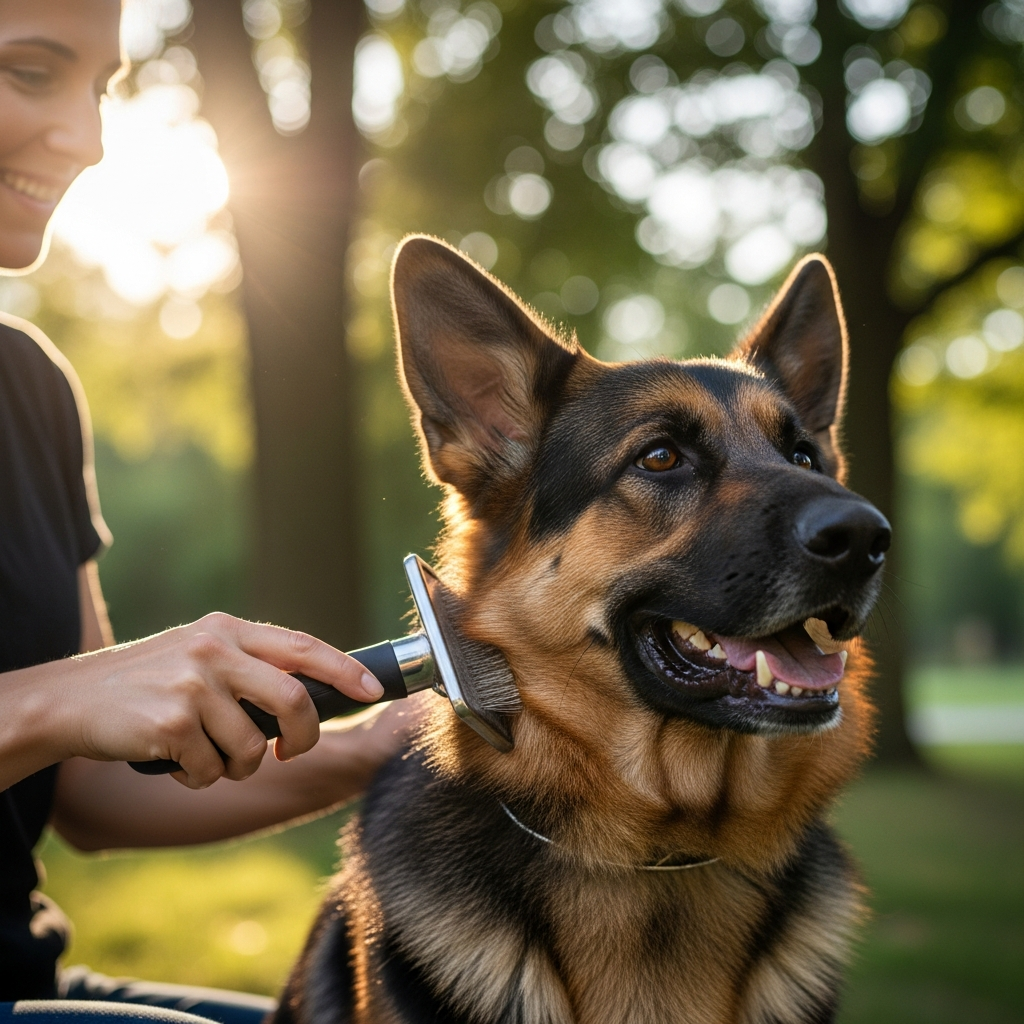
Bringing a German Shepherd into your home is a big commitment, but an incredibly rewarding one. To ensure your furry family member lives a long, happy, and healthy life, here are some practical tips every German Shepherd parent should know. They thrive on consistency and proper care.
Training is Key
Given their high intelligence and strong working drive, early and consistent training is non-negotiable for a German Shepherd. Start obedience training as a puppy and continue throughout their lives. Positive reinforcement methods work best, building trust and a strong bond.
Socialization is equally important. Expose your puppy to various people, places, sounds, and other friendly dogs from a young age to ensure they grow into a confident, well-adjusted adult.
Exercise Needs
These are not couch potato dogs! German Shepherds need a good amount of physical and mental exercise daily. Aim for at least 60-90 minutes of vigorous activity, which can include long walks, runs, hikes, swimming, or active play sessions.
Mental stimulation is just as crucial. Puzzle toys, training sessions, and even scent work can keep their intelligent minds engaged and prevent boredom, which can lead to destructive behaviors.
Grooming Their Beautiful Coat
Prepare for shedding! With their dense double coat, German Shepherds are known for shedding, especially during seasonal changes. Regular brushing (2-3 times a week, daily during shedding season) is essential to remove loose hair, prevent mats, and keep their coat healthy.
Bathing should be done as needed, typically every few months, using a dog-specific shampoo. Over-bathing can strip their coat of natural oils. Don’t forget nail trims and ear cleaning, too!
Nutritional Considerations
A high-quality diet is fundamental for your German Shepherd’s health. Choose a reputable dog food formulated for large, active breeds. Pay attention to ingredients, avoiding fillers and artificial additives.
Portion control is important to prevent obesity, which can exacerbate joint issues. Consult your veterinarian for personalized dietary recommendations based on your dog’s age, activity level, and health status.
Regular Vet Checks
Due to their predisposition to certain health conditions like hip and elbow dysplasia, regular veterinary check-ups are vital. Early detection and management can significantly improve their quality of life.
Stay up-to-date on vaccinations, parasite prevention, and discuss any changes in behavior or health with your vet promptly. A proactive approach to healthcare is always best for your German Shepherd.