7 Training Secrets Every German Shepherd Owner Needs
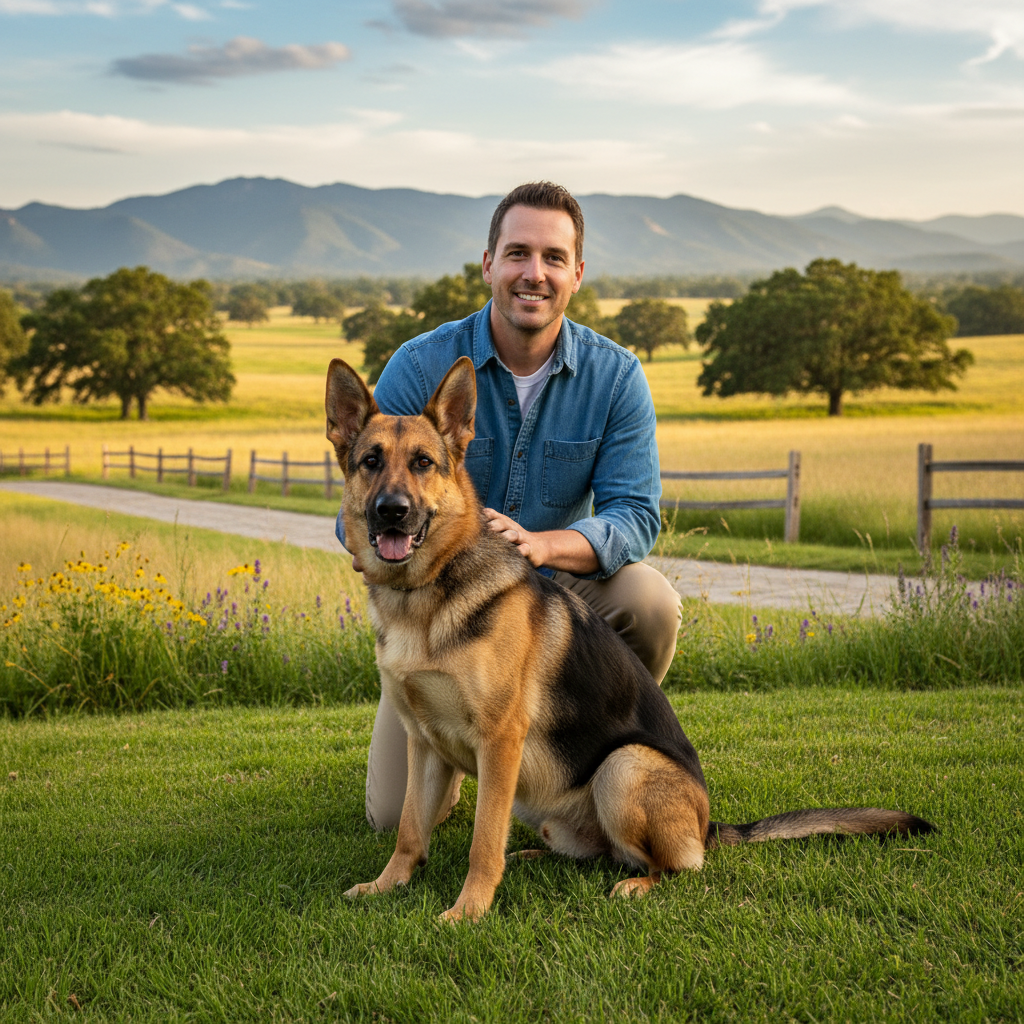
German Shepherds are magnificent dogs – intelligent, loyal, and incredibly capable. But with their impressive minds and boundless energy comes a responsibility: proper training. Without it, these incredible companions can become challenging. This guide unveils seven essential training secrets every German Shepherd owner needs to know, transforming potential challenges into a joyful partnership. Get ready to unlock your GSD’s full potential and build an unbreakable bond.
The German Shepherd Mindset – Understanding Your Breed
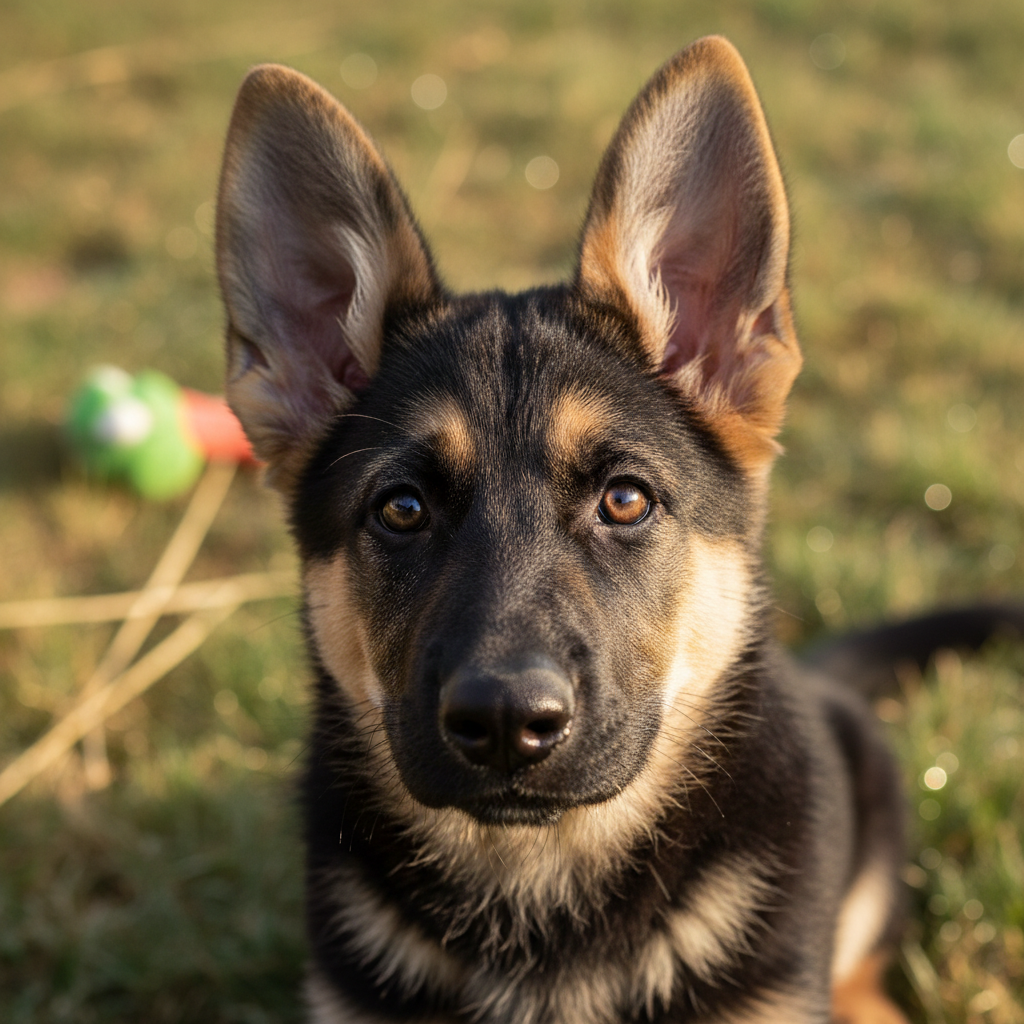
Before diving into specific techniques, it’s crucial to understand the German Shepherd’s unique temperament. They are not just pets; they are working dogs at heart. Bred for herding and protection, they possess high intelligence, a strong desire to please, incredible loyalty, and a natural protective instinct. This means they thrive on purpose, structure, and mental stimulation. Their intelligence makes them quick learners, but it also means they can quickly learn undesirable behaviors if not guided correctly.
Secret 1 – Early Socialization is Key

The world can be a big, overwhelming place for a young German Shepherd. Early and positive socialization is perhaps the most critical secret to raising a well-adjusted, confident dog. It’s about exposing your puppy to a wide variety of sights, sounds, people, and other friendly dogs in a controlled and positive manner.
Why Early Exposure Matters
Proper socialization during the critical puppy development period (roughly 3 to 16 weeks) helps prevent fear, aggression, and anxiety later in life. A well-socialized GSD is less likely to react negatively to new situations, making them a joy to take anywhere.
How to Socialize Your German Shepherd Puppy
- Puppy Classes: Enroll in a reputable puppy kindergarten class. This provides structured exposure to other puppies and people.
- Positive Encounters: Arrange playdates with vaccinated, calm, and friendly adult dogs.
- Meet New People: Introduce your puppy to a diverse range of people—men, women, children, people with hats, glasses, or different gaits.
- Explore Environments: Take short, positive trips to different places like parks (be mindful of parvo risk until fully vaccinated), pet-friendly stores, or quiet streets. Focus on positive experiences.
- Introduce Sounds: Gently expose them to various sounds—traffic, vacuums, thunder (at a low volume initially).
Secret 2 – Consistency and Routine Build Trust
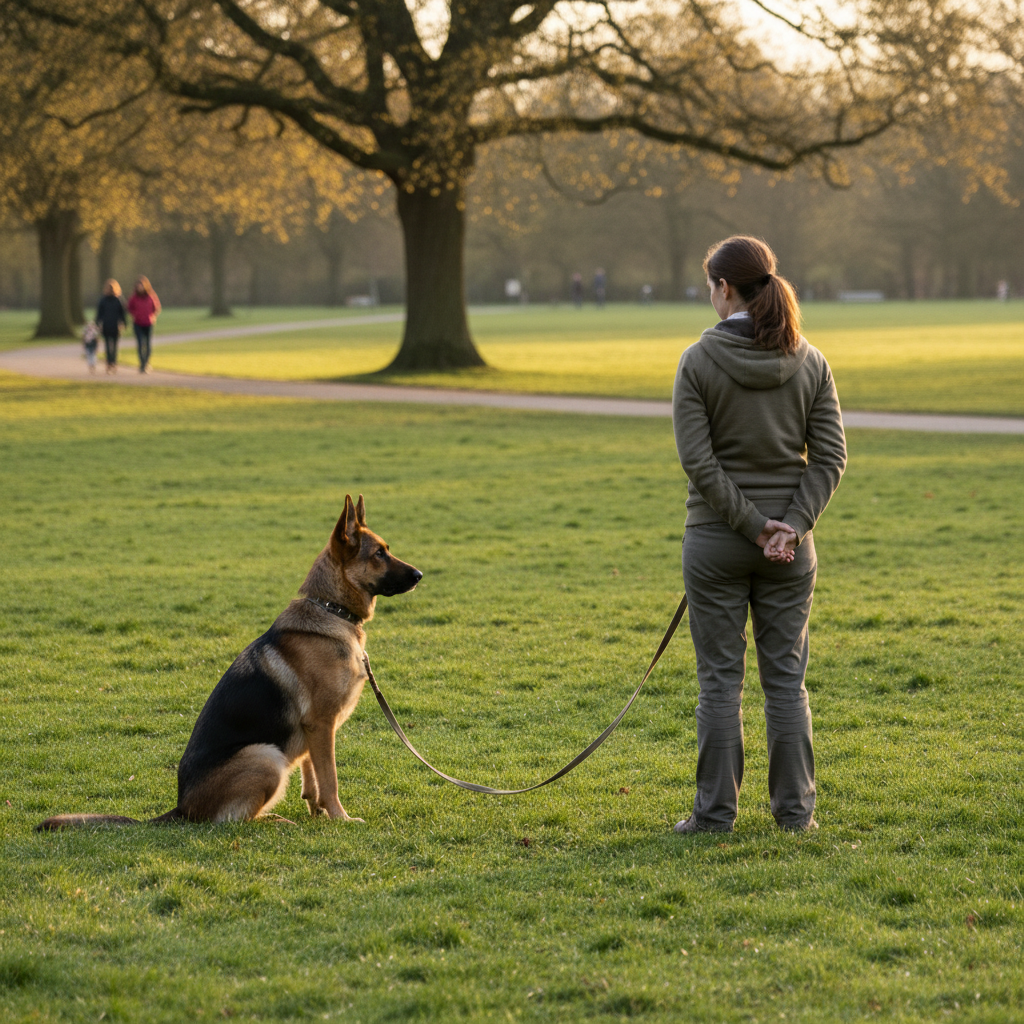
German Shepherds thrive on predictability. A consistent routine and clear, unwavering expectations are paramount for their training and overall well-being. This consistency builds trust and helps your GSD understand what is expected of them, reducing confusion and anxiety.
Every member of your household must use the same commands, hand signals, and rules. If one person allows jumping on the couch and another doesn’t, your GSD will become confused. Establish a daily schedule for feeding, walks, potty breaks, and training sessions. This structure provides a sense of security and helps your dog learn faster. Short, frequent training sessions (5-10 minutes, several times a day) are far more effective than one long, infrequent session.
Secret 3 – Positive Reinforcement Works Wonders
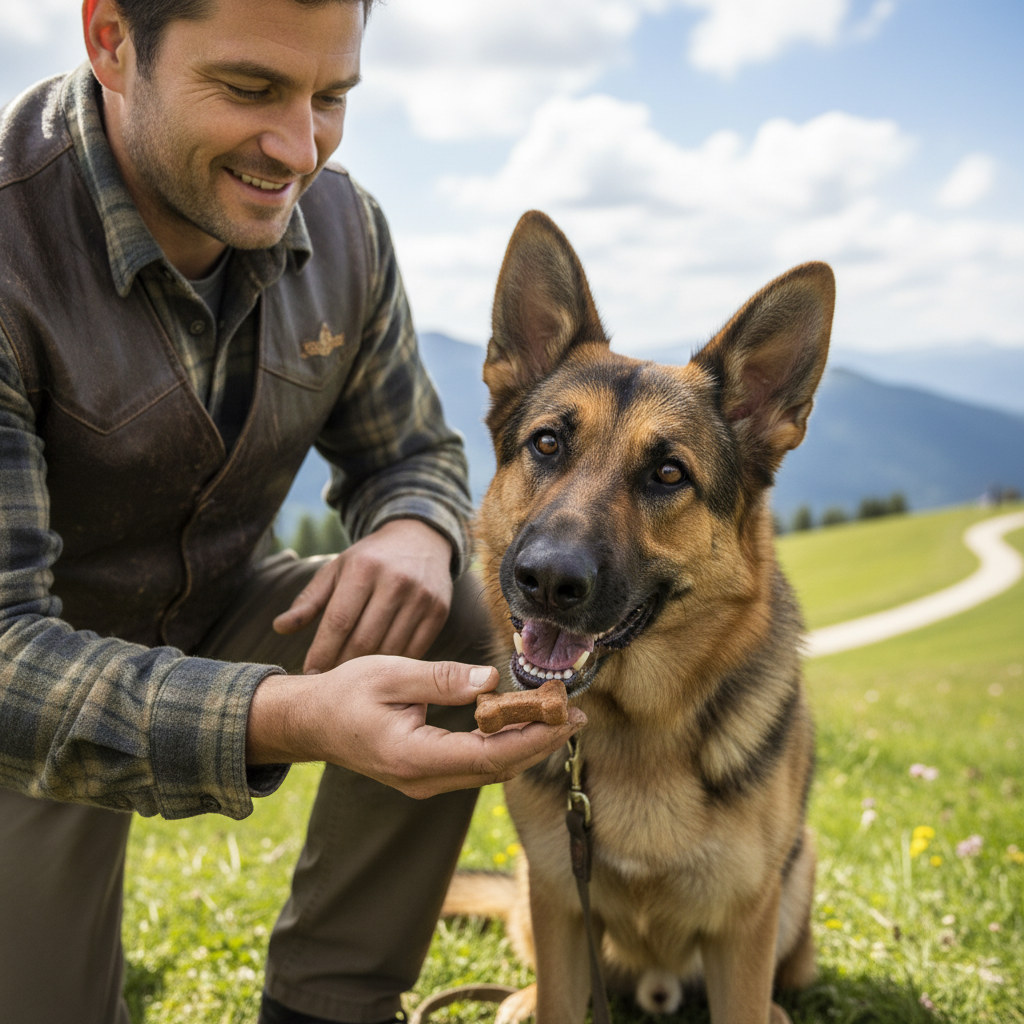
German Shepherds are eager to please, making positive reinforcement an incredibly powerful tool. This method focuses on rewarding desired behaviors, making your dog more likely to repeat them. It builds a strong, positive relationship based on trust and respect, not fear.
Rewarding Good Behavior
When your GSD performs a desired action—sits when asked, comes when called, or walks politely on a leash—immediately reward them. Rewards can be:
- High-value treats (small, soft, and easy to swallow)
- Verbal praise (“Good dog!”, “Yes!”)
- A favorite toy or a quick game of fetch
- Affection (belly rubs, ear scratches) if your dog enjoys it
Timing is crucial. The reward must happen within 1-2 seconds of the desired behavior for your dog to make the connection.
Avoiding Punishment
Harsh corrections or punishment can damage your bond, create fear, and lead to behavioral problems like aggression or anxiety. Instead of punishing unwanted behavior, redirect it. For example, if your puppy nips, redirect them to a chew toy. If they jump, turn your back until all four paws are on the floor, then reward their calm behavior.
Secret 4 – Harness Their High Energy with Exercise
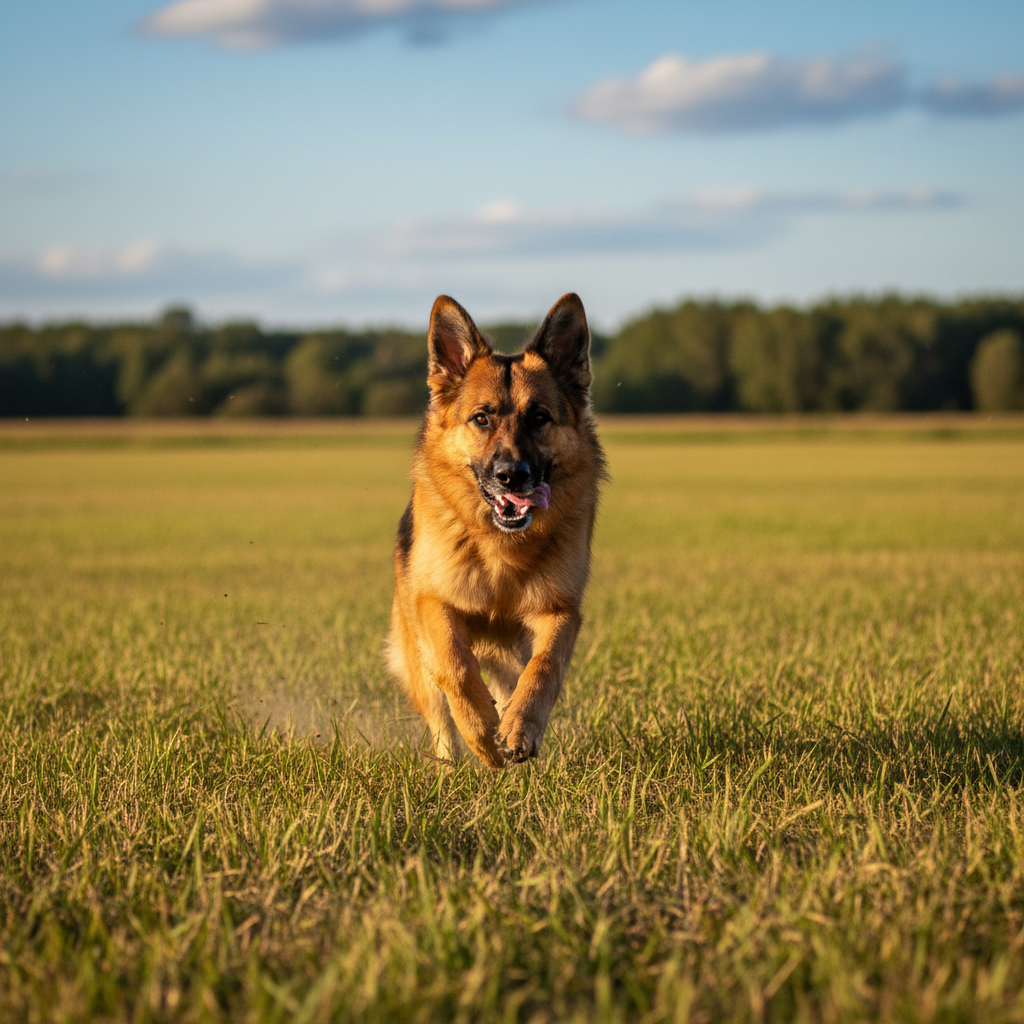
A tired German Shepherd is a well-behaved German Shepherd. These dogs have significant energy reserves that need to be properly channeled. Insufficient exercise, both physical and mental, often leads to destructive behaviors like excessive barking, chewing, or digging.
Aim for at least 60-90 minutes of vigorous exercise daily, which can be broken into multiple sessions. This isn’t just a casual stroll; it means activities that truly challenge them.
Ideas for German Shepherd Exercise
- Long Walks or Hikes: Explore new trails and environments.
- Running or Jogging: If you’re a runner, your GSD can be an excellent companion (ensure they are physically mature enough).
- Fetch and Frisbee: These games tap into their natural prey drive and love for retrieving.
- Agility Training: Excellent for both physical and mental stimulation.
- Swimming: A great low-impact exercise, if your GSD enjoys water.
Secret 5 – Establish Yourself as the Leader – Calmly
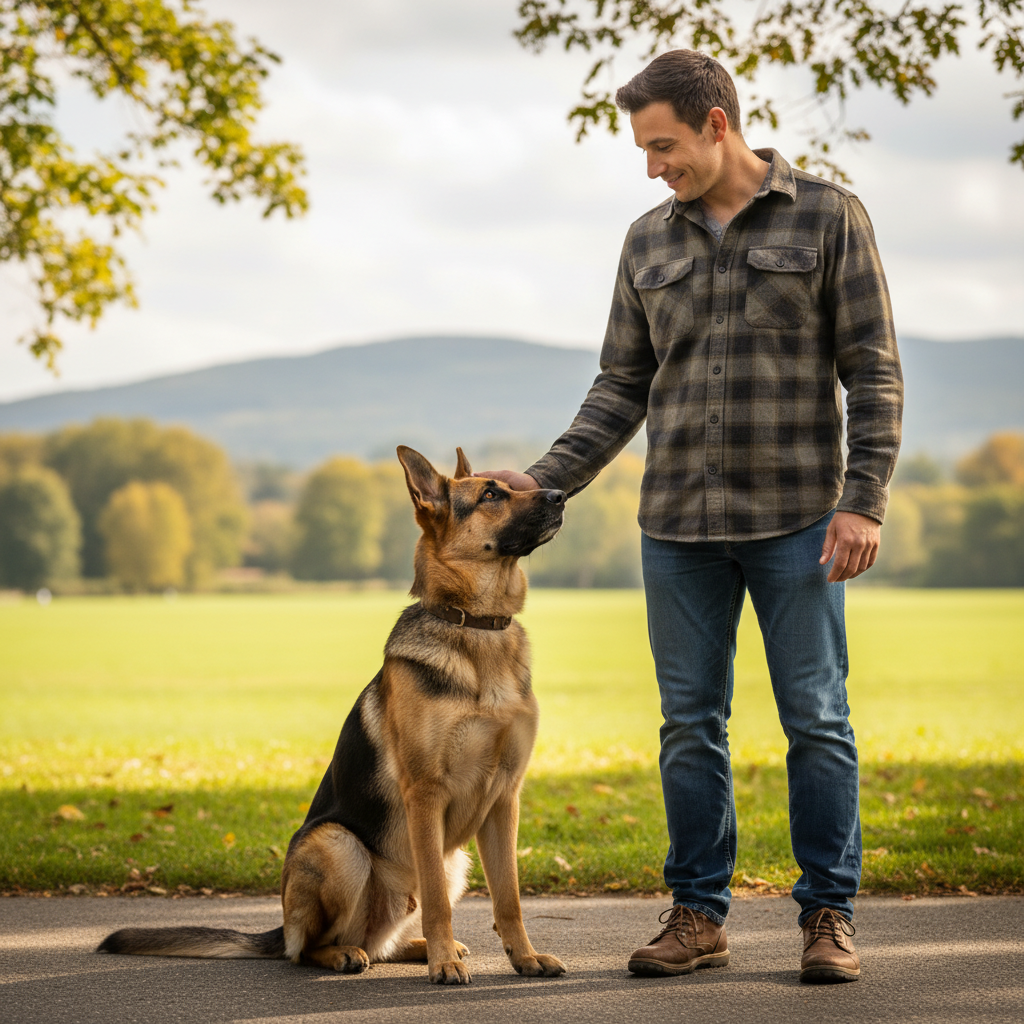
German Shepherds thrive with a clear leader. This doesn’t mean being harsh or dominant, but rather providing consistent guidance, setting clear boundaries, and being a reliable source of direction. Your dog needs to see you as the benevolent leader who makes the rules and keeps them safe.
Practice “nothing in life is free” by having your dog perform a simple command (like sit) before receiving anything they want—food, a walk, a toy, or affection. This reinforces your role as the provider and decision-maker. Be calm, confident, and consistent in your interactions. A GSD will respect a calm, assertive leader far more than an erratic or aggressive one.
Secret 6 – Leash Training is Non-Negotiable
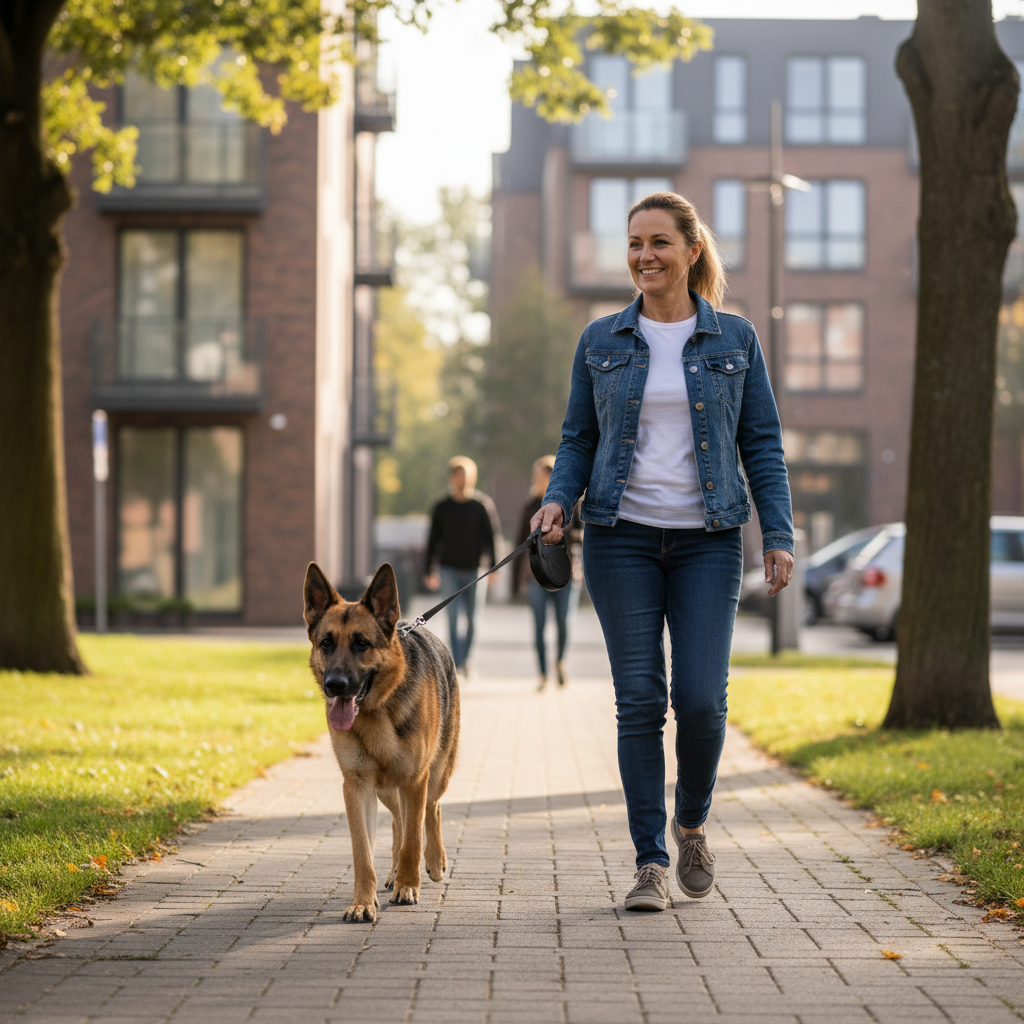
Given their size and strength, a German Shepherd pulling on the leash can be a serious issue. Proper leash training is essential for enjoyable walks and your dog’s safety. Start early and make it a positive experience.
The Importance of a Good Leash Walk
A well-behaved German Shepherd on a leash can accompany you anywhere, opening up a world of new experiences for both of you. It also prevents dangerous situations like running into traffic or confronting other dogs inappropriately.
Tips for Effective Leash Training
- Start Young: Introduce the collar and leash early, even indoors.
- Positive Association: Make the leash and collar a positive experience with treats and praise.
- Loose Leash Walking: Teach your GSD to walk beside you without pulling. When they pull, stop walking. Only resume when the leash is slack. Reward good behavior.
- Proper Equipment: Use a sturdy, comfortable harness or a head halter if needed, especially for strong pullers, but always work towards loose-leash walking.
Secret 7 – Mental Stimulation Prevents Boredom
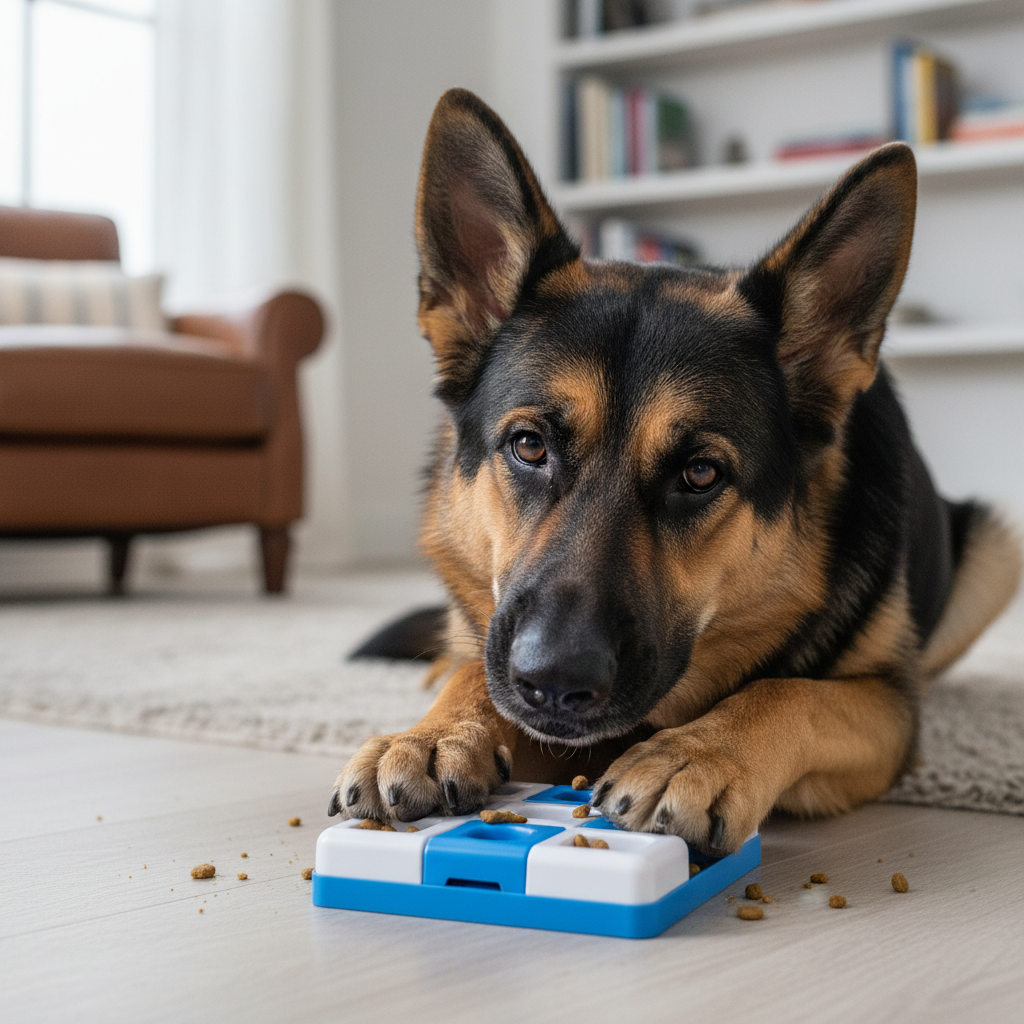
German Shepherds are highly intelligent and need their minds challenged just as much as their bodies. A bored GSD can quickly become a destructive GSD. Mental stimulation helps prevent behavioral issues and keeps your dog happy and engaged.
Engaging Your German Shepherd’s Brain
- Puzzle Toys: Food-dispensing toys that require problem-solving are excellent.
- Obedience Training: Continue learning new commands and tricks throughout their life.
- Scent Work: Hide treats around the house or yard and encourage your GSD to sniff them out. Their strong sense of smell makes this a rewarding activity.
- Interactive Games: Games like “find it” or “shell game” can be mentally stimulating.
- New Environments: Regularly introduce them to new places to explore and new smells to investigate.
Conclusion
Training a German Shepherd is a journey, not a destination. By embracing these seven secrets—early socialization, consistency, positive reinforcement, ample exercise, calm leadership, diligent leash training, and vital mental stimulation—you’re not just training a dog; you’re building a relationship founded on trust, respect, and mutual understanding. The effort you invest will be returned tenfold in the form of a loyal, well-behaved, and incredibly loving companion. Your German Shepherd deserves the best, and with these secrets, you’re well-equipped to provide it. Happy training!