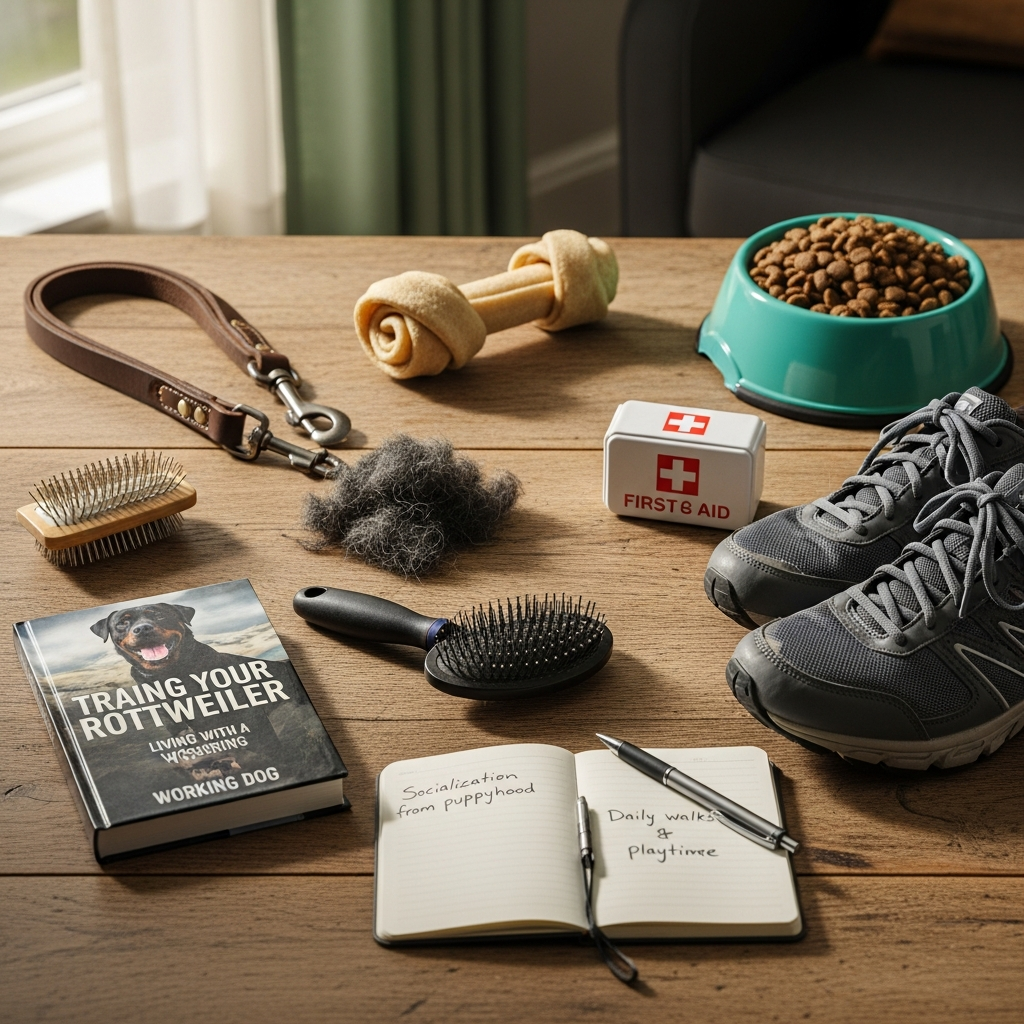
Bringing a new dog into your home is a big decision, and it’s especially true when you’re considering a powerful, intelligent breed like the Rottweiler. These dogs are truly magnificent companions, known for their unwavering loyalty and protective instincts. However, they aren’t the right fit for just any family. To ensure both you and your potential Rottweiler thrive, it’s essential to understand what makes them tick.
This article will walk you through eight crucial aspects of Rottweiler ownership. By diving into their needs, temperament, and care requirements, you’ll be well-equipped to decide if this incredible breed is the perfect match for your lifestyle. Let’s explore what it truly means to be a Rottweiler parent.
1. Understanding Their Size and Strength
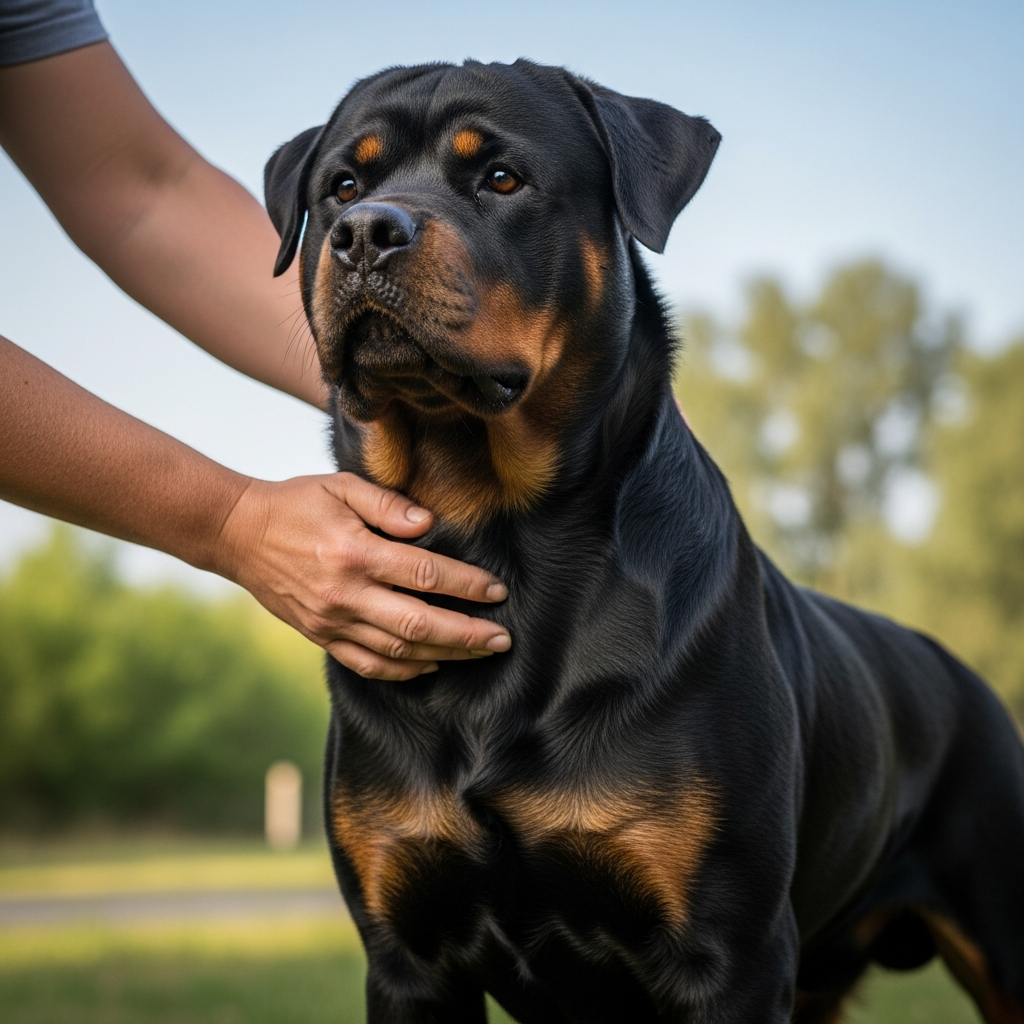
Rottweilers are not small dogs. They are robust, muscular, and powerful, a characteristic that demands respect and proper handling from day one. Their physical presence is undeniable, and it’s something you must be prepared for.
A Large, Powerful Breed
Adult male Rottweilers typically weigh between 95-135 pounds and stand 24-27 inches tall at the shoulder. Females are slightly smaller, usually 80-100 pounds and 22-25 inches tall. This significant size means they take up a lot of space, whether it’s on your couch or in your car.
Their strong build means they can easily pull a person off their feet if not properly trained on a leash. Imagine a 100-pound dog lunging at a squirrel – that’s a lot of force to manage.
Importance of Physical Management
From puppyhood, it’s vital to teach them good leash manners. Invest in a sturdy harness that provides good control without causing discomfort. A strong, secure leash is also a must.
Your home environment also needs to be suitable. They need space to move around comfortably, and their sheer size means they can accidentally knock over smaller items or people if they get overly excited.
2. Training and Socialization Are Non-Negotiable

This point cannot be stressed enough. Rottweilers are highly intelligent and eager to please, but without proper, consistent training and extensive socialization, their natural protective instincts can become problematic.
Early Start is Key
Start training the moment your Rottweiler puppy comes home, ideally around 8 weeks old. Enroll in puppy classes to get professional guidance and expose your puppy to a new environment.
Focus on basic obedience commands like “sit,” “stay,” “come,” and “leave it.” These aren’t just tricks; they are essential safety commands that can prevent dangerous situations. Consistent practice, even for just a few minutes a day, makes a huge difference.
Extensive Socialization
Socialization means safely exposing your puppy to a wide variety of people, places, sounds, and other friendly dogs. The goal is to help them develop into confident, well-adjusted adults who are not fearful or overly suspicious of new things.
Think about taking them to different parks (after vaccinations), friends’ houses, or even just sitting on a bench to watch the world go by. Positive experiences are crucial during their formative months.
Positive Reinforcement Methods
Rottweilers respond best to positive reinforcement techniques. This means rewarding desired behaviors with treats, praise, or toys. They want to work with you, not against you.
Avoid harsh corrections or punishment, as these can damage your bond and make them fearful or resentful. A confident, calm leader using positive methods will achieve the best results.
3. Their Significant Exercise Requirements

A Rottweiler is not a couch potato breed, especially in their younger years. They have a lot of energy and a strong working drive that needs to be channeled constructively. A bored Rottweiler is often a destructive Rottweiler.
More Than Just a Walk
While daily walks are a good start, Rottweilers need more vigorous physical exercise. Aim for at least 60-90 minutes of activity spread throughout the day.
Here are some ideas for their exercise:
* Long, brisk walks or jogs
* Swimming (many Rottweilers love water)
* Fetch in a securely fenced yard
* Hiking on dog-friendly trails
* Playing with other well-socialized dogs
Mental Stimulation is Crucial
Physical exercise alone isn’t enough; their intelligent minds need a workout too. Mental stimulation prevents boredom, which can lead to digging, chewing, or excessive barking.
Consider these activities:
* Puzzle toys that dispense treats
* Obedience training sessions
* Scent work or nose games
* Agility training or other dog sports
* Learning new tricks
Exercise Schedule Example
Here’s a sample daily routine to keep a Rottweiler happy and healthy:
* Morning: 30-minute brisk walk or jog.
* Mid-day: Short training session or puzzle toy time.
* Afternoon/Evening: 30-60 minutes of active play or another walk.
4. Common Health Considerations

Like many purebred dogs, Rottweilers are predisposed to certain health conditions. Being aware of these helps you provide the best preventative care and early detection, which can significantly improve their quality of life.
A Look at Breed-Specific Issues
Some of the more common health concerns in Rottweilers include:
* Hip and Elbow Dysplasia: These are genetic conditions affecting the joints, leading to arthritis and pain.
* Osteosarcoma: A type of bone cancer that Rottweilers have a higher incidence of.
* Aortic Stenosis: A congenital heart condition where the aorta (the main artery from the heart) is narrowed, making the heart work harder.
* Progressive Retinal Atrophy (PRA): An eye disease that can lead to blindness.
* Bloat (Gastric Dilatation-Volvulus): A life-threatening condition where the stomach twists.
Responsible Breeding and Vet Checks
Choosing a puppy from a reputable breeder is paramount. A good breeder will screen their breeding dogs for genetic conditions like hip and elbow dysplasia, heart issues, and certain eye diseases. Always ask to see health clearances for the parents.
Regular veterinary check-ups throughout your Rottweiler’s life are essential for early detection and preventative care. Discuss any concerns with your vet and ensure they receive all recommended vaccinations and parasite prevention.
5. What to Expect for Grooming
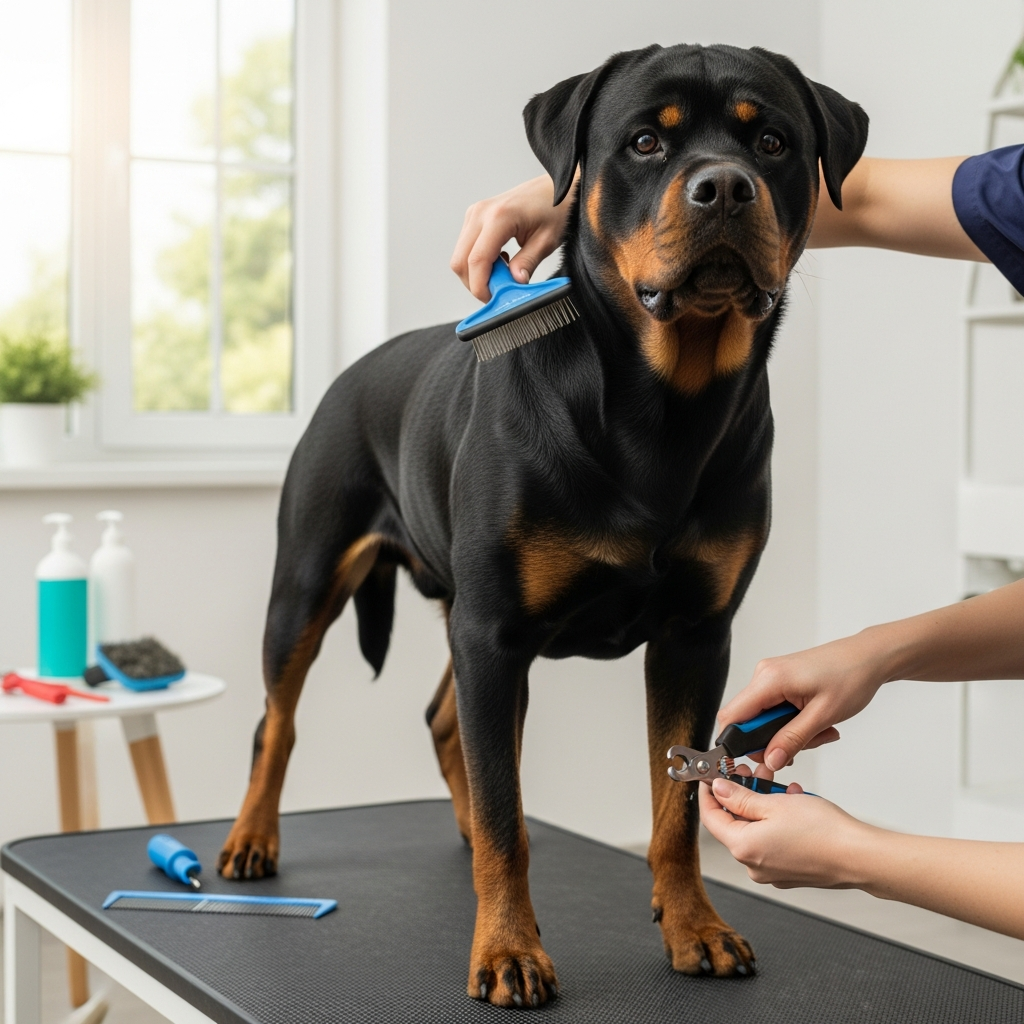
Compared to some other breeds, Rottweilers are relatively low-maintenance in terms of grooming. However, “low-maintenance” doesn’t mean “no maintenance.” Regular care is still important for their health and comfort.
Short Coat, Simple Needs
Rottweilers have a short, dense, double coat that requires weekly brushing. This helps remove loose hair, distribute natural oils, and keep their coat healthy and shiny. They do shed, especially seasonally, so regular brushing can help manage the hair around your home.
They don’t need frequent bathing, usually only when they get particularly dirty or once every 1-3 months. Over-bathing can strip natural oils from their skin.
Other Grooming Essentials
Beyond their coat, here are other vital grooming tasks:
* Nail Trimming: This is crucial for Rottweilers. Long nails can cause pain, affect their gait, and lead to paw problems. Aim to trim them every 2-4 weeks. If you hear their nails clicking on the floor, they’re too long.
* Ear Cleaning: Check their ears weekly for redness, odor, or discharge, which could indicate an infection. Clean them gently with a vet-approved ear cleaner as needed.
* Dental Hygiene: Ideally, brush their teeth daily to prevent plaque buildup, gum disease, and bad breath. Dental chews and professional cleanings can also be part of their oral health routine.
6. A Long-Term Commitment (Lifespan and Loyalty)
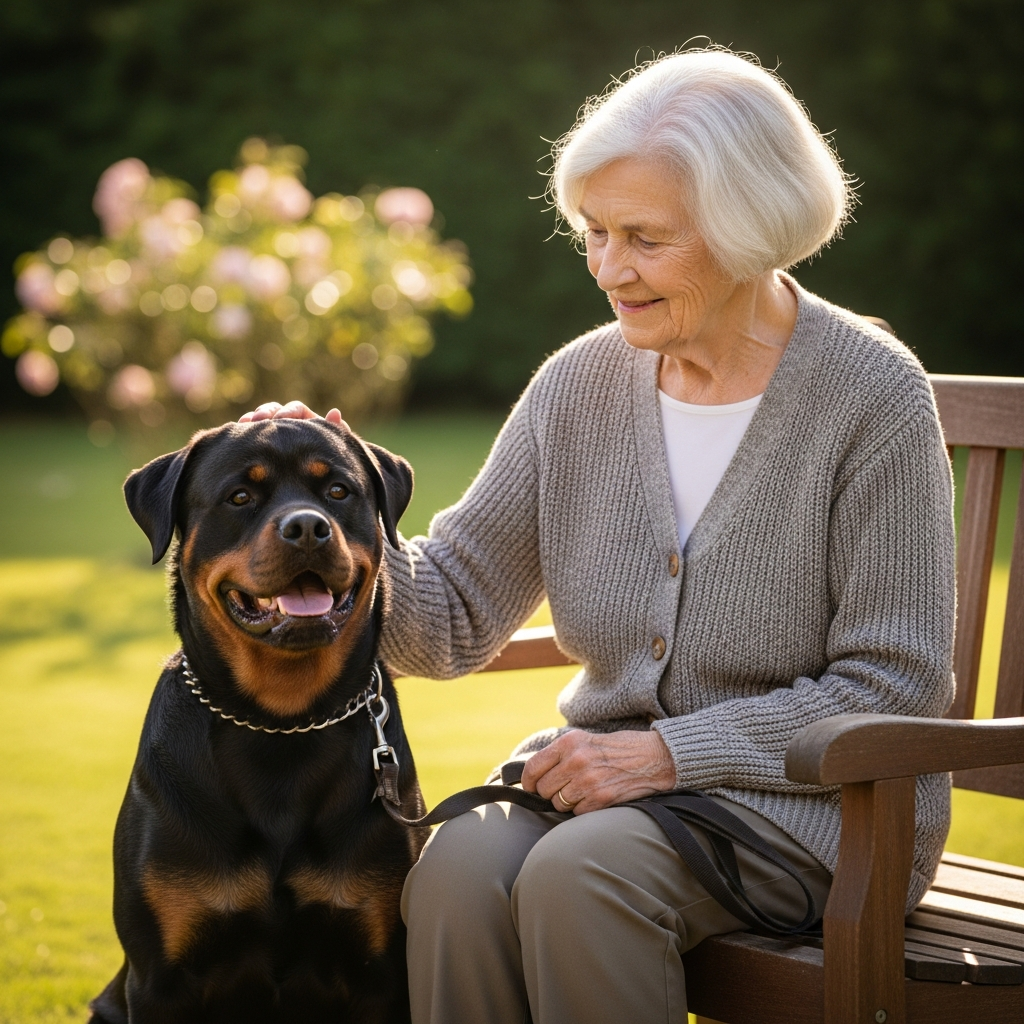
Bringing a Rottweiler into your life is signing up for a significant, decade-long commitment. These dogs become integral members of the family, and their well-being depends entirely on your dedication.
A Decade-Long Journey
The average lifespan of a Rottweiler is generally 8 to 12 years. This means you’re committing to their care through all stages of life, from energetic puppyhood to potentially slower, senior years requiring more specialized care.
Consider future life changes: will you be able to provide for them if you move, change jobs, or start a family? They rely on you for everything for their entire lives.
Unwavering Loyalty
Rottweilers are renowned for their intense loyalty to their families. Once they bond with you, they will be your devoted protector and companion. This deep connection is one of the most rewarding aspects of owning a Rottweiler.
Their protective nature means they will often be wary of strangers, which goes back to the importance of early socialization. With their family, however, they are often described as big, goofy, loving giants.
7. Temperament and Suitability for Families
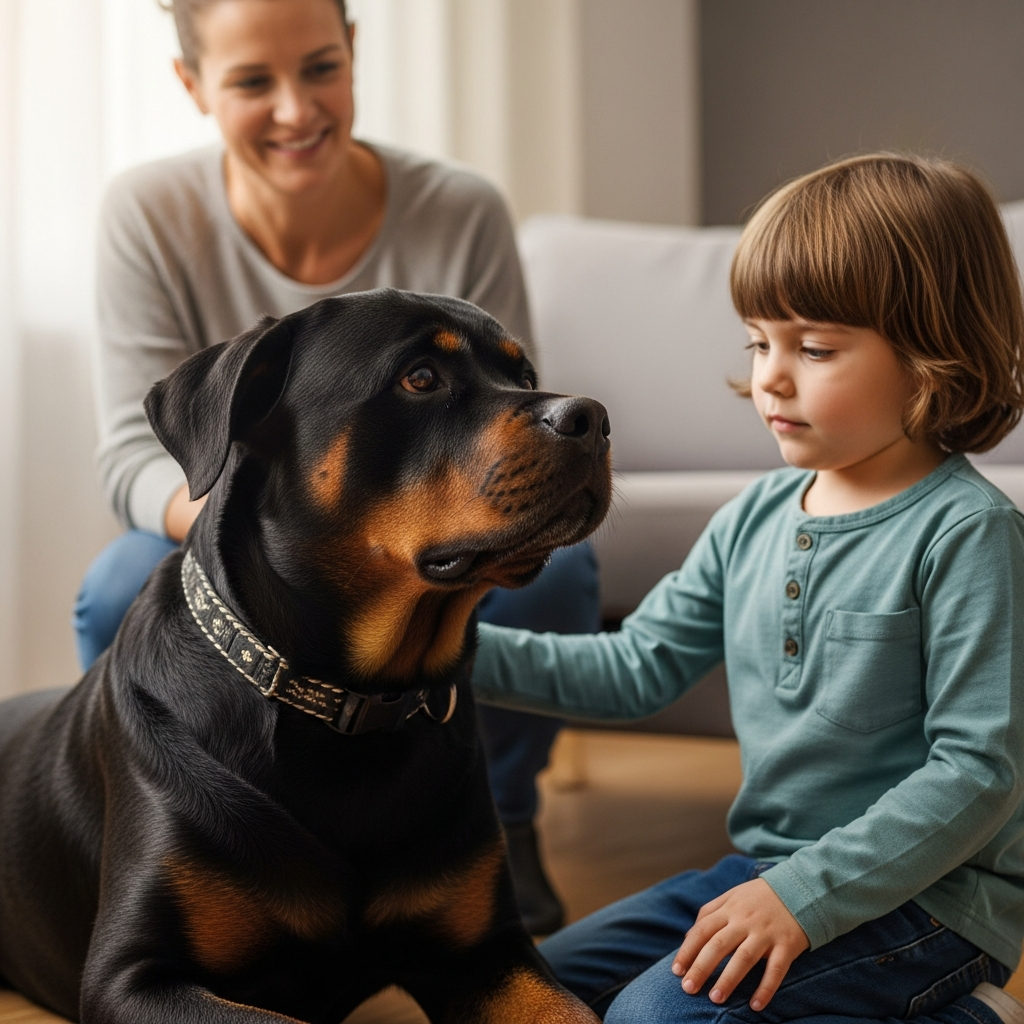
A well-trained and socialized Rottweiler can be a wonderful family pet, but their natural temperament requires an experienced, confident owner. They are not recommended for first-time dog owners.
Loyal and Protective by Nature
Rottweilers were originally bred as herding dogs and guard dogs. This history means they have strong guarding instincts. They are natural protectors of their home and family.
They thrive with an owner who can be a calm, consistent leader, providing clear boundaries and rules. Without this, they might try to take on the leadership role themselves, which can lead to behavioral issues.
Good with Children (with proper training)
Many Rottweilers are excellent with children they are raised with, often displaying a gentle, patient nature. They can be incredibly tolerant and loving towards “their” kids.
However, strict supervision is always necessary, especially with very young children. Children must be taught how to interact respectfully with dogs, and the dog needs to be trained to tolerate gentle handling. Never leave a dog and child unsupervised.
Not an “Outdoor” Dog
Despite their size and robust nature, Rottweilers thrive on human companionship. They are deeply bonded to their families and should be considered indoor dogs. Leaving them isolated outdoors can lead to loneliness, anxiety, and destructive behaviors.
They want to be wherever you are, participating in family activities. They are prone to separation anxiety if left alone for extended periods, so consider your work schedule and lifestyle.
8. The Real Cost of Ownership
The initial purchase price of a Rottweiler puppy is just the tip of the iceberg when it comes to the financial commitment. Owning a large, purebred dog like a Rottweiler involves significant ongoing expenses.
More Than Just the Puppy Price
When budgeting, think beyond the initial cost of the puppy, which can range from $1,500 to $3,500 depending on the breeder and lineage.
Consider these ongoing costs:
* High-Quality Food: As large, active dogs, Rottweilers eat a lot. They need high-quality, large-breed specific dog food, which can be expensive.
* Veterinary Care: Routine check-ups, vaccinations, parasite prevention, and unexpected emergencies or managing breed-specific health issues can add up quickly.
* Training Classes: Puppy classes, advanced obedience, and potentially behavioral consultations.
* Supplies: A large crate, sturdy leash and harness, durable toys, a big dog bed, food and water bowls.
* Pet Insurance: Highly recommended for Rottweilers to help cover the costs of potential health issues. This is a monthly expense that can save you thousands in unexpected vet bills.
* Grooming Supplies: Brushes, nail clippers, ear cleaner, dog shampoo.
Financial Planning
Before you bring home a Rottweiler, create a realistic budget for their lifetime care. A large breed can easily cost several hundred dollars a month, not including emergency situations. Ensure you are financially prepared for this long-term commitment.