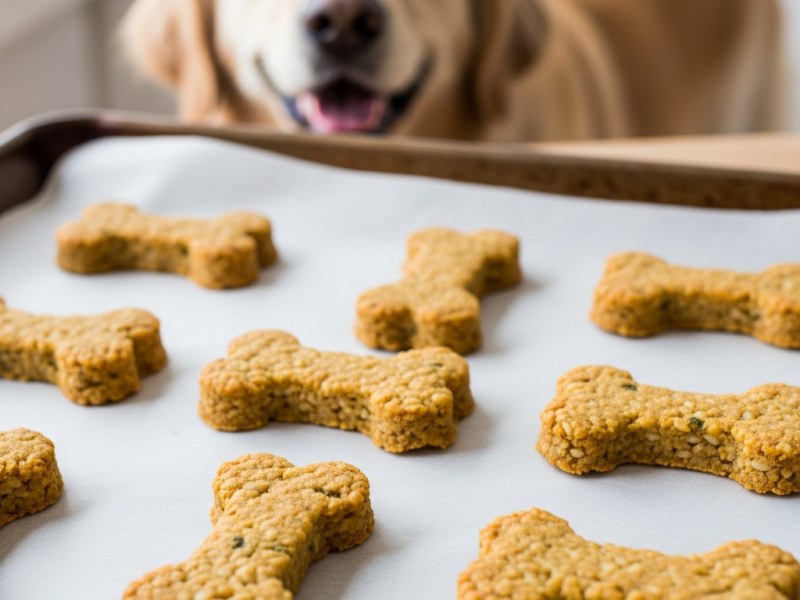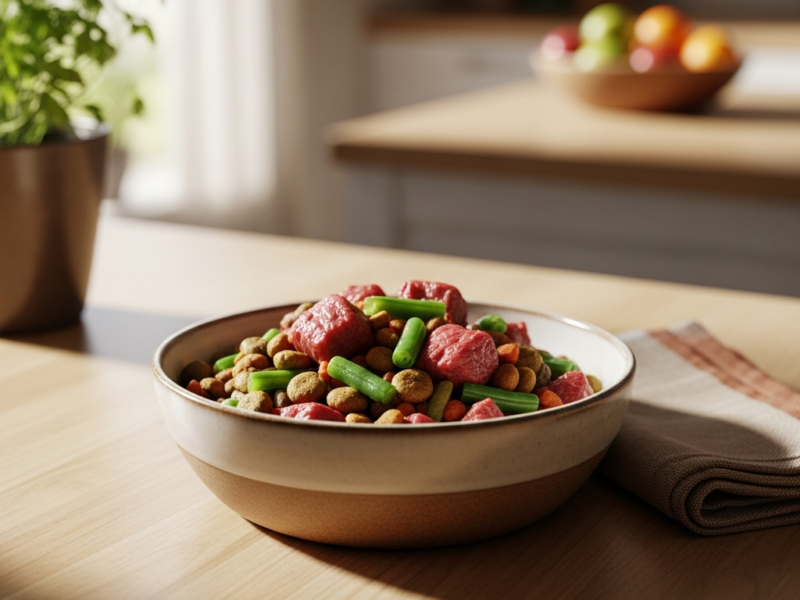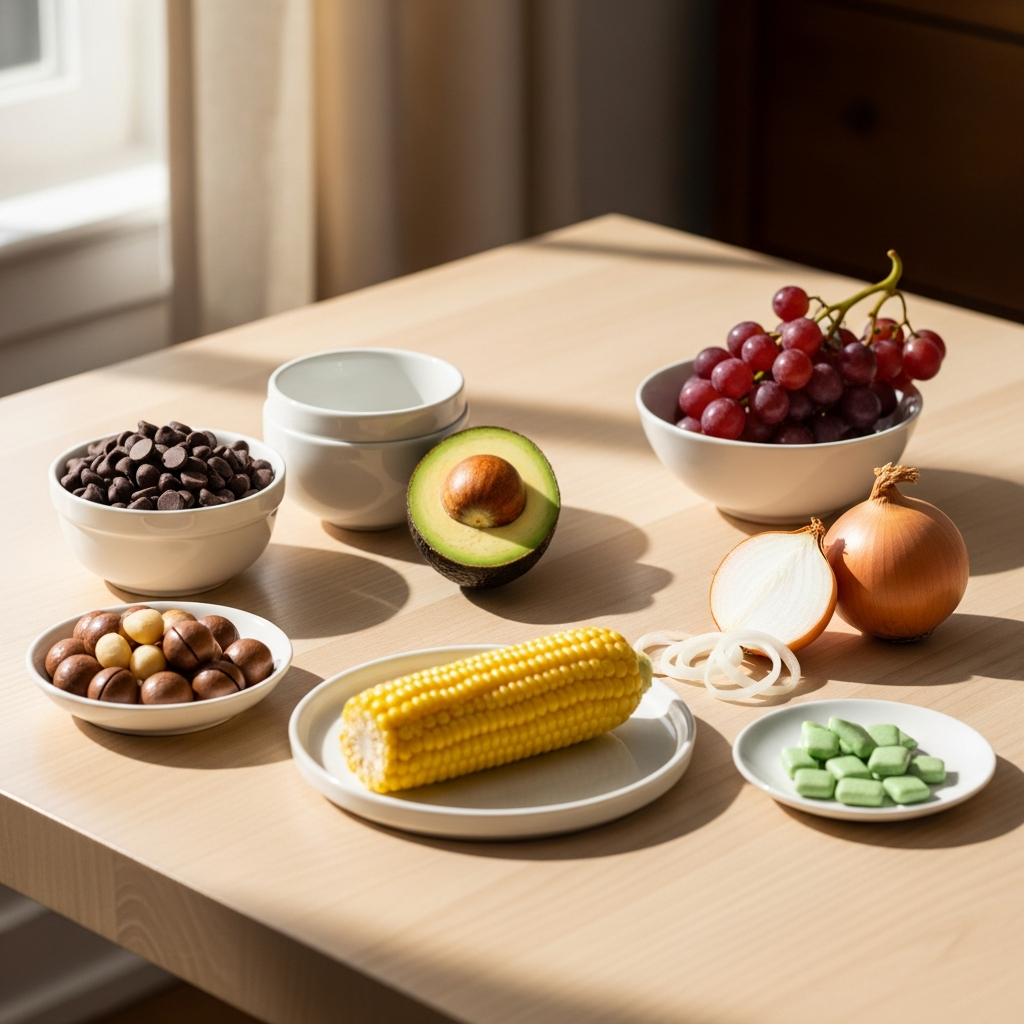
As a Golden Retriever parent, you know that big, goofy grin and the wagging tail can melt even the toughest hearts. Goldens are truly special companions—loyal, playful, and full of life. Part of keeping them happy and healthy means being extra mindful of what they eat. Their curious nature and love for food mean they often act like living vacuum cleaners, always ready to sample whatever falls their way.
While it’s tempting to share a bite of your meal or a leftover snack, many human foods are simply not safe for our beloved dogs. A Golden Retriever’s digestive system is different from ours, and certain ingredients can cause everything from an upset stomach to life-threatening emergencies. Knowing what to avoid is one of the most important ways you can protect your furry family member.
In this guide, we’ll dive into seven common foods that your Golden Retriever must steer clear of. We’ll explain why they’re dangerous, what symptoms to look for, and what steps to take if an accident happens. Your Golden’s health and happiness are priceless, so let’s learn how to keep them safe.
Why Certain Foods Are Dangerous for Your Golden Retriever
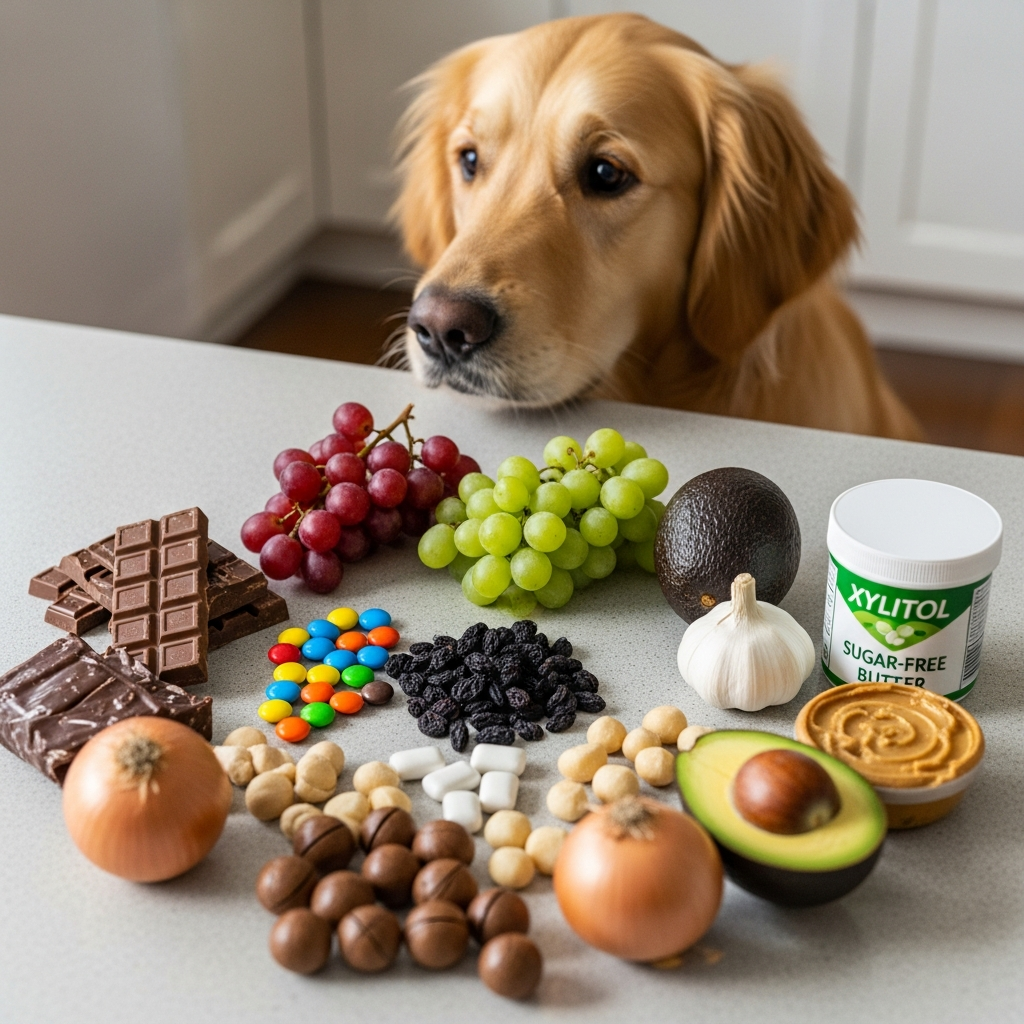
It’s easy to think, “If it’s safe for me, it’s safe for my dog,” but that’s a dangerous assumption. Dogs process food very differently. What might be a harmless treat for us could be a potent toxin for them.
Some human foods contain compounds that dogs cannot metabolize effectively, leading to a buildup of harmful substances in their system. Others can cause severe allergic reactions, obstruct their digestive tract, or simply provide empty calories that contribute to obesity and other health issues. Knowing these dangers empowers you to make smarter choices for your best friend.
The 7 Foods Your Golden Retriever Must Avoid
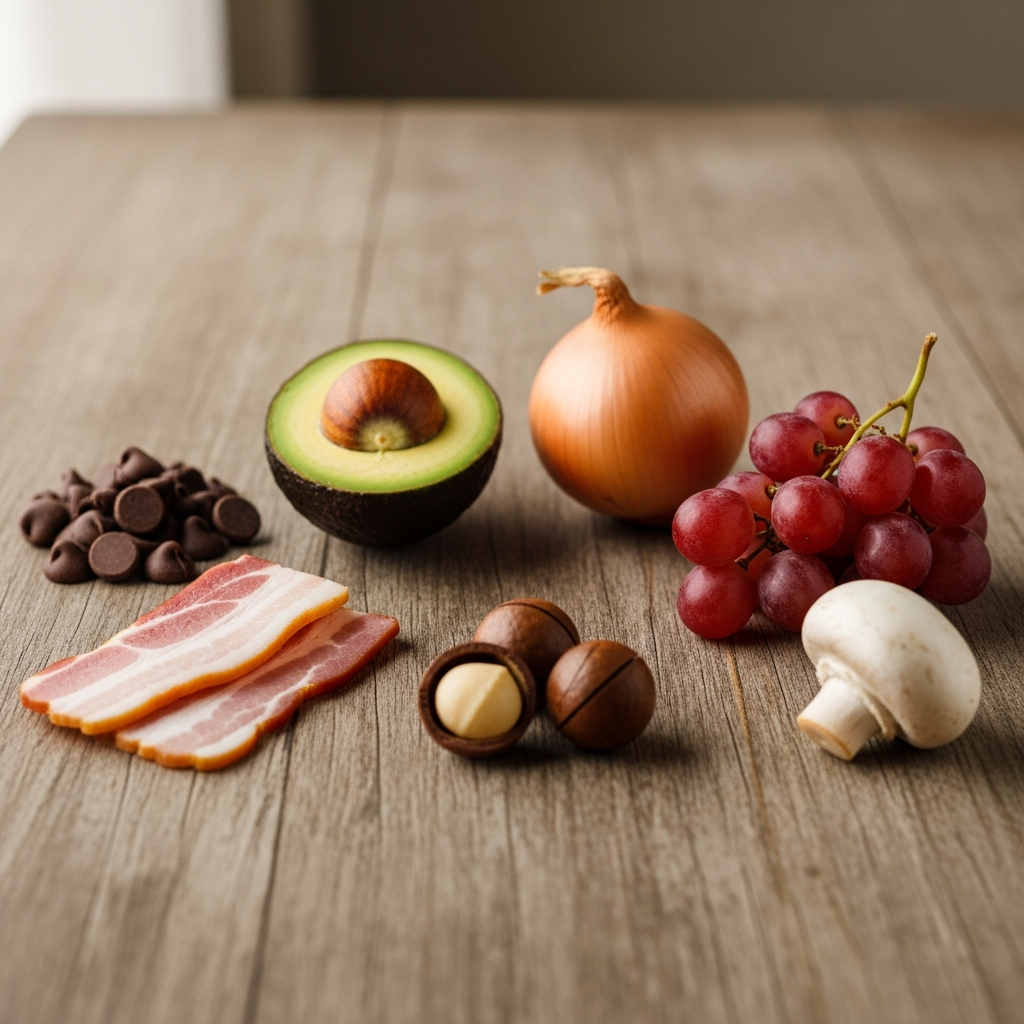
Let’s get straight to the list. These are the top seven foods you should never let your Golden Retriever get their paws on.
1. Chocolate
Chocolate is perhaps the most well-known toxic food for dogs, and for good reason. It contains a stimulant called theobromine, which dogs process much more slowly than humans. This means it can build up to toxic levels in their system.
What Makes it Dangerous?
The darker the chocolate, the higher the concentration of theobromine, and the more dangerous it is. Baking chocolate and dark chocolate are the most potent, followed by milk chocolate. White chocolate has very little theobromine, but it’s still not recommended due to its high fat and sugar content.
Symptoms of Chocolate Poisoning
* Vomiting
* Diarrhea
* Increased thirst
* Restlessness and hyperactivity
* Tremors
* Elevated heart rate
* Seizures (in severe cases)
What to Do
If your Golden Retriever eats any amount of chocolate, especially dark or baking chocolate, contact your veterinarian immediately. They will advise you on the best course of action based on the amount eaten and your dog’s size.
2. Grapes and Raisins
The exact toxic agent in grapes and raisins is still a mystery, but one thing is clear: they can cause acute kidney failure in dogs. Even a small amount can be dangerous, and some dogs are more sensitive than others.
What Makes them Dangerous?
Both grapes and raisins (which are dried grapes) pose a significant threat. This includes products containing them, such as trail mix, granola bars, and baked goods. It’s not about the seed, the skin, or whether they’re organic; the entire fruit can be harmful.
Symptoms of Grape and Raisin Toxicity
* Vomiting (often within 6-12 hours)
* Diarrhea
* Lethargy or weakness
* Loss of appetite
* Abdominal pain
* Dehydration
* Reduced urination or no urination (a sign of kidney failure)
What to Do
Time is of the essence if your Golden has eaten grapes or raisins. Seek immediate veterinary care, even if they only consumed a few. Your vet may induce vomiting and administer activated charcoal to prevent absorption.
3. Onions, Garlic, and Chives
These common kitchen staples belong to the Allium family and contain compounds called thiosulphates. While generally safe for humans, these compounds can damage a dog’s red blood cells, leading to a condition called hemolytic anemia.
What Makes them Dangerous?
All forms of onions, garlic, and chives are toxic: raw, cooked, dehydrated, or powdered. This means you need to be careful with sauces, gravies, baby food, and any seasoned table scraps. Garlic is often considered more potent than onions.
Symptoms of Allium Poisoning
* Vomiting
* Diarrhea
* Lethargy and weakness
* Pale gums
* Elevated heart rate and respiratory rate
* Reddish-brown urine (due to damaged red blood cells)
* Collapse
What to Do
Symptoms can sometimes be delayed for a few days after ingestion, so it’s important to act quickly if you suspect your Golden has eaten any of these. Contact your vet for advice and observation.
4. Xylitol (Artificial Sweetener)
Xylitol is a sugar substitute found in many “sugar-free” products. It is extremely toxic to dogs and can cause a rapid, severe drop in blood sugar (hypoglycemia) and liver failure.
Where is it Found?
* Sugar-free gum and candies
* Certain brands of peanut butter
* Toothpaste
* Baked goods (muffins, cookies)
* Diet foods and beverages
* Some medications and vitamins
Symptoms of Xylitol Poisoning
* Vomiting
* Lethargy and weakness
* Difficulty standing or walking (ataxia)
* Collapse
* Seizures
* Jaundice (yellowing of skin/gums) from liver failure (can be delayed)
What to Do
Xylitol poisoning is a medical emergency. If you suspect your Golden has consumed anything with xylitol, rush them to an emergency veterinarian immediately. The sooner they receive treatment, the better their chances of recovery. Always check the ingredient list of any human food product before sharing it with your dog, especially peanut butter.
5. Avocado
While often considered a healthy fat for humans, avocado contains a fungicidal toxin called persin. While the flesh of the avocado is generally less toxic to dogs than to birds or horses, it can still cause digestive upset in some dogs. The biggest danger, however, comes from the large pit.
What Makes it Dangerous?
The persin in avocado can cause vomiting and diarrhea in sensitive dogs. More critically, the large pit can pose a serious choking hazard or cause an obstruction in your Golden’s digestive tract if swallowed.
Symptoms of Avocado Ingestion (especially the pit)
* Vomiting
* Diarrhea
* Lethargy
* Abdominal pain
* Choking (if the pit is swallowed whole)
* Lack of appetite (if an obstruction occurs)
What to Do
If your Golden eats a small amount of avocado flesh, they might experience mild gastrointestinal upset. However, if they swallow the pit, it’s an emergency. Contact your vet right away, as surgery might be needed to remove the obstruction.
6. Alcohol
Alcohol, in any form, is highly toxic to dogs. Their smaller size and different metabolism mean they are much more susceptible to the effects of ethanol than humans. Even small amounts can lead to severe intoxication and life-threatening complications.
What Makes it Dangerous?
Any product containing alcohol—alcoholic beverages, raw dough (which ferments and produces alcohol), or even some mouthwashes and perfumes—can be dangerous. Symptoms can appear quickly and escalate rapidly.
Symptoms of Alcohol Poisoning
* Vomiting
* Disorientation and staggering gait
* Drooling
* Weakness
* Depressed central nervous system
* Low body temperature
* Seizures
* Respiratory failure
* Coma
* Death
What to Do
If your Golden has consumed alcohol, treat it as an emergency. Contact your veterinarian or an emergency animal hospital immediately. They will need supportive care to help their body process the alcohol safely.
7. Macadamia Nuts
Macadamia nuts can cause a severe, though usually not fatal, set of symptoms in dogs. The exact toxic compound is unknown, but even a small number of nuts can cause adverse reactions.
What Makes them Dangerous?
All forms of macadamia nuts—raw, roasted, or found in cookies and other baked goods—are dangerous. They can also be high in fat, which can lead to pancreatitis in some dogs.
Symptoms of Macadamia Nut Toxicity
* Weakness in the hind legs
* Difficulty walking or staggering (ataxia)
* Tremors
* Vomiting
* Fever (hyperthermia)
* Joint pain