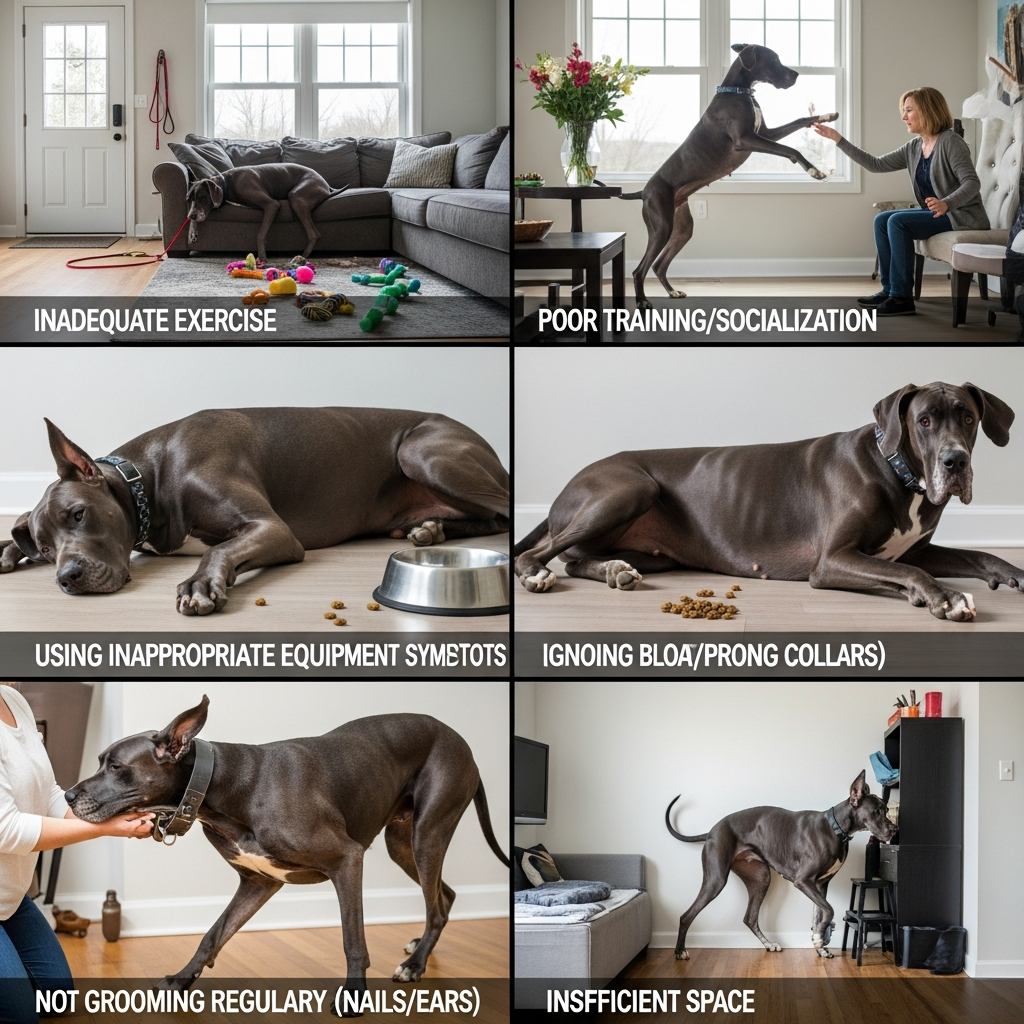
Great Danes are truly magnificent dogs, often called “gentle giants” for a good reason. With their imposing size, friendly demeanor, and loving nature, they capture the hearts of many. Owning one of these incredible dogs is a rewarding experience, but it also comes with unique responsibilities. Their sheer size and specific breed needs mean that what works for a smaller dog might not be suitable for a Great Dane.
Many first-time Great Dane owners, and even some experienced dog parents, can unknowingly fall into common traps. These mistakes, while often well-intentioned, can lead to health issues, behavioral problems, or simply a less harmonious life for both dog and owner. This article will walk you through six of the most frequent errors Great Dane owners make, helping you to provide the best possible care for your beloved companion.
Mistake 1: Underestimating Their Size and Space Needs
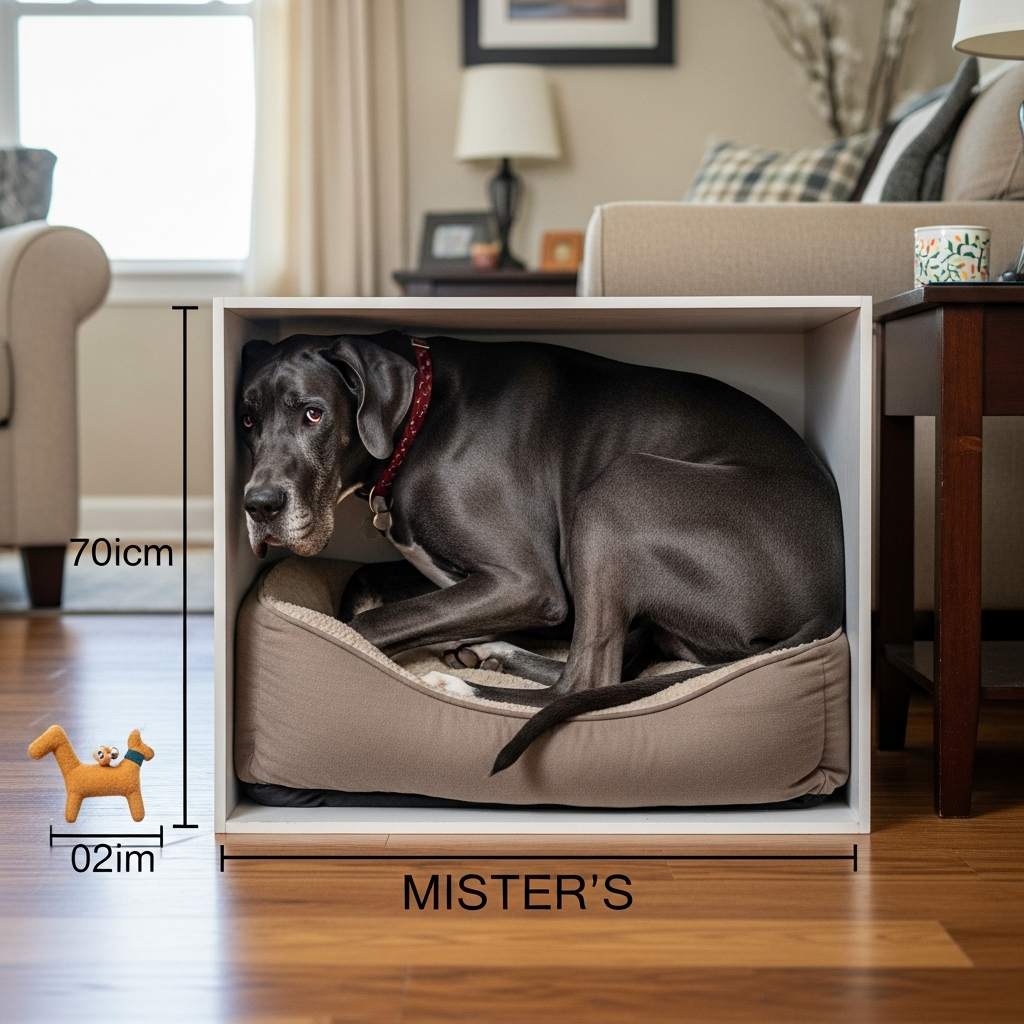
It’s easy to be charmed by a Great Dane puppy, but people often don’t fully grasp just how big these dogs become. While they are often calm indoors, their massive stature demands a significant amount of space, both inside your home and in your yard.
Not Enough Indoor Space
A grown Great Dane can weigh over 100 pounds and stand nearly three feet tall at the shoulder. They need room to turn around, stretch out, and simply exist without constantly bumping into things.
Clearing Clutter
Your home will need to be adjusted. Think about wide hallways, clear paths, and areas where they can lie down without blocking doorways or walkways. Keep breakable items off low shelves.
Designated Resting Spots
Provide large, comfortable dog beds in several areas of the house. They will appreciate having their own space to relax without being in the way. A small dog bed simply won’t cut it for these big pups.
Overlooking Outdoor Space
While Great Danes aren’t typically high-energy dogs, they still need space to stretch their legs outdoors, even if it’s just for a potty break or a short sniffari.
Secure Fencing
A high, sturdy fence is essential. Great Danes can easily clear lower fences, and given their size, a runaway Dane can be a daunting prospect. Make sure your fence is at least six feet tall.
Safe Play Areas
Ensure your yard is free of hazards. Remove any toxic plants, clear sharp objects, and keep fertilizers and pesticides out of reach. A large, open grassy area is perfect for a gentle stroll or some light play.
Practical Tips for Space Management
Furniture Layout: Arrange furniture to allow for wide pathways. Consider dog-friendly, durable furniture choices.
Doorways: Be mindful of doorways; some Great Danes might need to duck or angle themselves to get through.
Car Travel: Their size impacts car travel too. A large SUV or van is often needed, along with appropriate safety restraints.
Mistake 2: Improper Nutrition for a Giant Breed
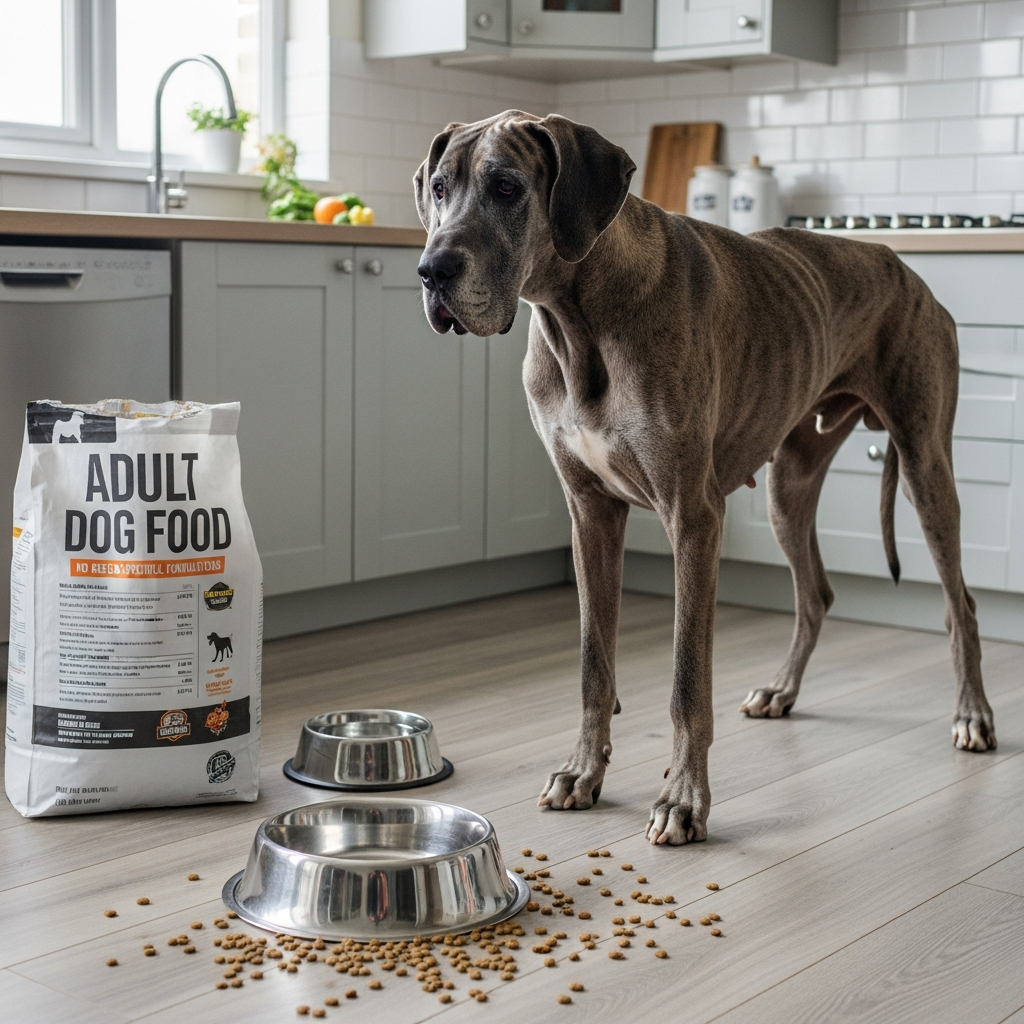
Feeding a Great Dane isn’t the same as feeding a regular-sized dog. Their rapid growth and eventual immense size mean they have very specific nutritional requirements that, if not met, can lead to serious health problems.
Feeding the Wrong Formula
Many standard dog foods are not formulated for the unique growth rates of giant breeds. This is especially critical during their puppyhood.
The Importance of Large Breed Puppy Food
Look for a high-quality “large breed puppy” formula. These foods typically have a carefully controlled calcium-to-phosphorus ratio and a lower protein and fat content. This helps slow down their growth, which is crucial for healthy bone and joint development.
Avoiding Over-Supplementation
Resist the urge to add extra calcium or vitamins to your Great Dane’s diet without vet guidance. Too much of these nutrients, especially calcium, can disrupt proper bone formation and contribute to orthopedic issues.
Overfeeding and Rapid Growth
One of the biggest mistakes is overfeeding, particularly during the puppy stage. While you might think a bigger dog needs more food to grow quickly, rapid growth can put immense stress on developing joints and bones.
Portion Control Guidelines
Always follow the feeding guidelines on your large breed puppy food bag, but also adjust based on your dog’s individual activity level and body condition. Your vet can help you determine the ideal weight and feeding amount.
Here’s a general guideline for Great Dane puppy feeding (always consult your vet):
| Age | Meals per Day | Type of Food |
| :———– | :———— | :———————- |
| 8-12 Weeks | 3-4 | Large Breed Puppy Kibble |
| 3-6 Months | 3 | Large Breed Puppy Kibble |
| 6-12 Months | 2 | Large Breed Puppy Kibble |
| 12+ Months | 2 | Large Breed Adult Kibble |
Monitoring Weight
Regularly check your Great Dane’s weight and body condition. You should be able to feel their ribs easily, but not see them prominently. If you see their ribs, they might be too thin; if you can’t feel them, they might be overweight.
Practical Tips for Feeding
Slow Feeders: Use slow-feeder bowls or puzzle toys to prevent them from eating too quickly, which can help reduce the risk of bloat.
Elevated Bowls: Some owners use elevated bowls, but discuss this with your vet as research on its impact on bloat is mixed.
Regular Vet Check-ups: Schedule routine vet visits to monitor their growth and overall health.
Mistake 3: Neglecting Early Socialization and Training
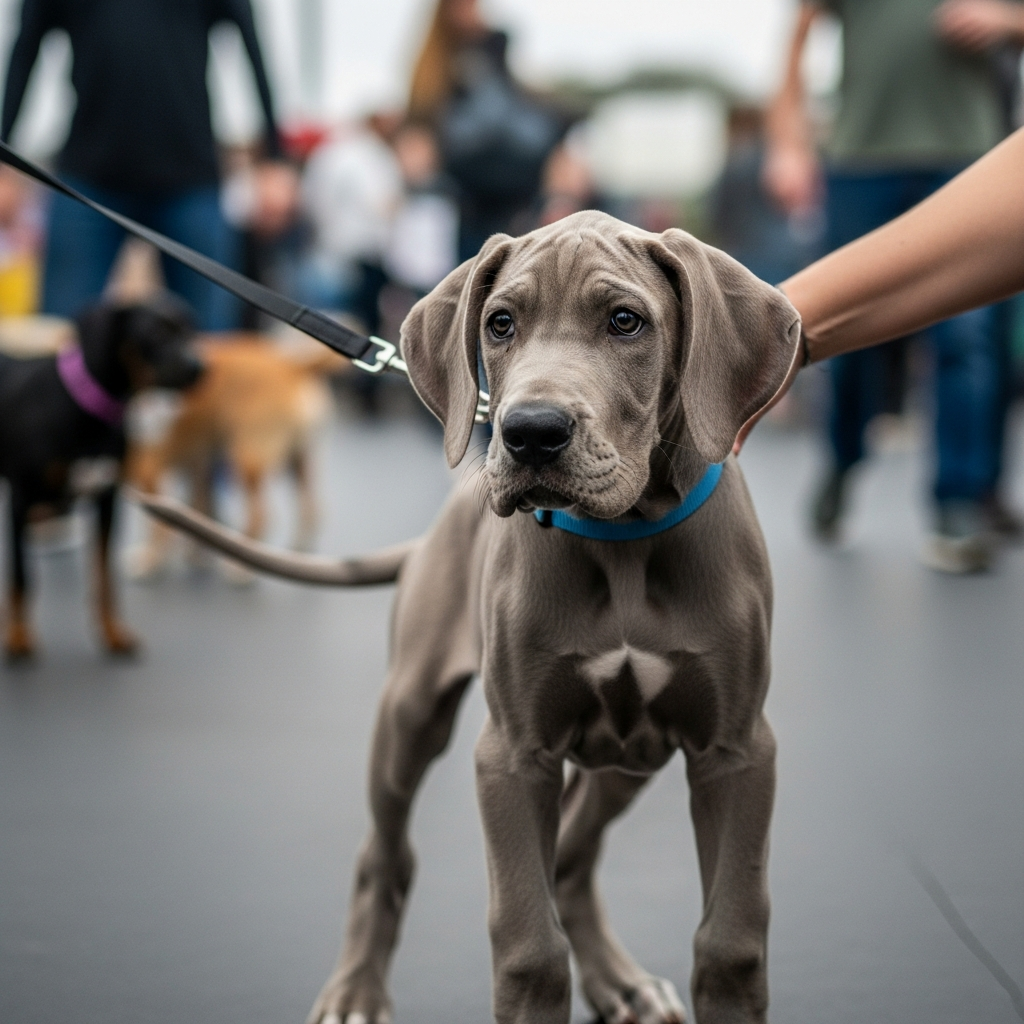
A cute, untrained Great Dane puppy quickly grows into a powerful, untrained giant. Due to their immense size, early and consistent training and socialization are non-negotiable for a well-behaved and safe companion.
The Importance of Puppy Classes
Starting training early, ideally as soon as your puppy is vaccinated and cleared by your vet, sets the foundation for good behavior.
Basic Obedience Commands
“Sit,” “stay,” “come,” and “leave it” are not just tricks; they are crucial safety commands. A Great Dane who responds reliably to “come” can prevent dangerous situations.
Leash Training Early
Begin leash training as soon as possible. A Great Dane that pulls on the leash can be incredibly difficult to manage once they’re full-grown. Start with short, positive sessions in a quiet area.
Exposure to People and Places
Socialization means safely introducing your puppy to a variety of sights, sounds, people, and other friendly dogs. This helps them grow into confident, well-adjusted adults.
Positive Reinforcement Techniques
Always use positive reinforcement methods, like treats, praise, and toys. Harsh corrections can damage their sensitive nature and create fear or aggression.
Managing Nipping and Jumping
A Great Dane puppy’s playful nips can become painful bites as they grow. Teach bite inhibition early. Jumping up on people, while cute as a puppy, is unacceptable for a full-grown Dane. Consistently redirect this behavior to a “sit” or “four on the floor.”
Practical Tips for Training
Consistency is Key: Everyone in the household should use the same commands and expectations.
Short, Frequent Sessions: Great Danes, like all puppies, have short attention spans. Keep training sessions brief (5-10 minutes) and fun throughout the day.
Enroll in Classes: Puppy kindergarten and obedience classes are excellent for structured training and supervised socialization.
Mistake 4: Ignoring Their Specific Health Issues
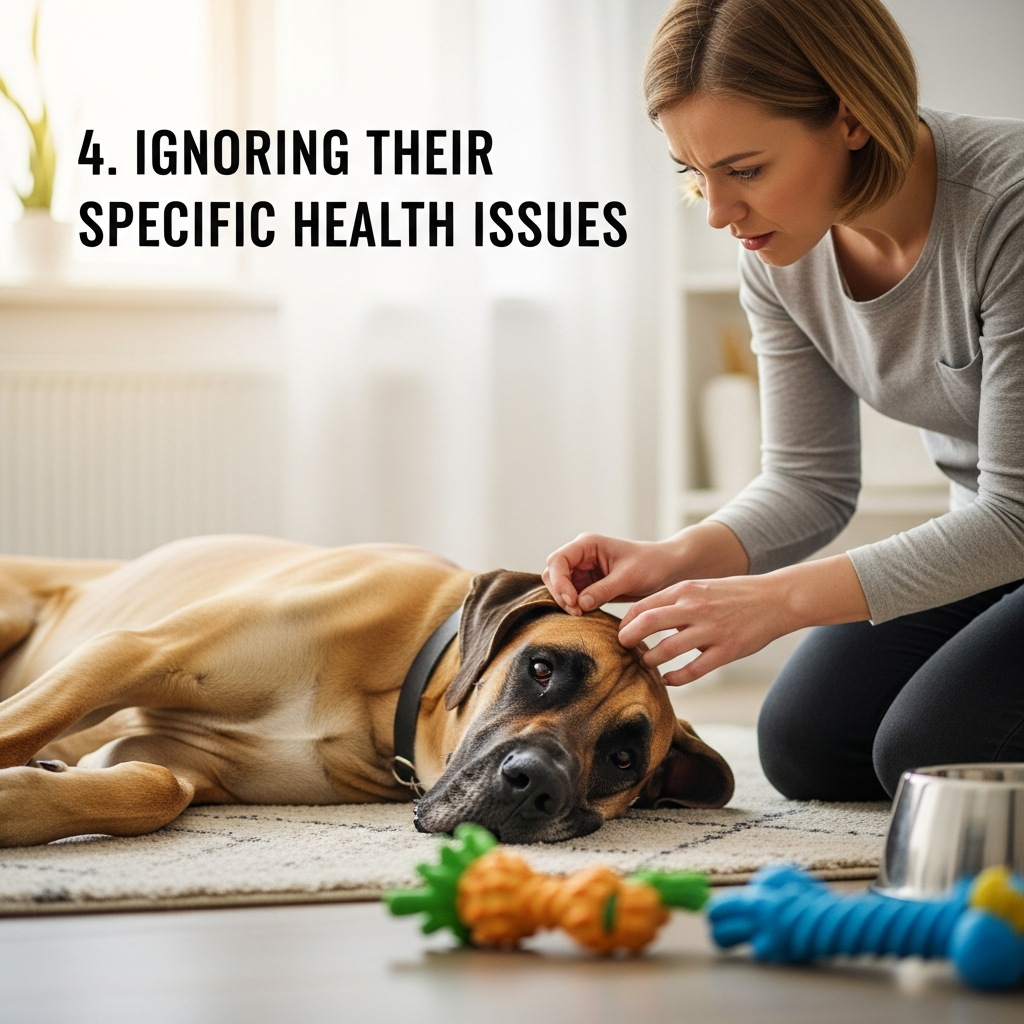
Great Danes are prone to certain health conditions that owners should be aware of. Proactive care and knowing the warning signs can significantly improve their quality of life and longevity.
Bloat (Gastric Dilatation-Volvulus)
This is perhaps the most serious and life-threatening condition for Great Danes. Bloat occurs when the stomach fills with gas and often twists, cutting off blood supply. It can be fatal within hours.
Recognizing Symptoms
Be vigilant for signs like a distended abdomen, unproductive retching, drooling, restlessness, weakness, and pain when touching their stomach. This is an emergency requiring immediate veterinary attention.
Prevention Strategies
While bloat cannot be entirely prevented, you can reduce the risk:
Avoid vigorous exercise before and after meals.
Feed multiple small meals throughout the day instead of one large one.
Use slow-feeder bowls.
Consider gastropexy: A surgical procedure that tacks the stomach to the abdominal wall, preventing it from twisting. Discuss this preventative surgery with your vet.
Joint and Bone Problems
Given their rapid growth and heavy frames, Great Danes are susceptible to various orthopedic issues.
Hip and Elbow Dysplasia
These are genetic conditions where the joints don’t form correctly, leading to arthritis and pain. Responsible breeders screen for these conditions, but environment also plays a role.
Wobbler Syndrome Awareness
Also known as cervical spondylomyelopathy, this condition affects the spinal cord in the neck, leading to an unsteady gait. Symptoms often appear between 3 and 12 months of age.
Cardiac Concerns
Heart conditions are also prevalent in Great Danes.
Dilated Cardiomyopathy
DCM is a common heart disease in Great Danes, where the heart muscle weakens and becomes enlarged, leading to heart failure. Regular veterinary check-ups, including heart screenings, are vital for early detection.
Practical Tips for Health
Regular Vet Visits: Don’t skip annual check-ups. Your vet can catch issues early and provide preventative care.
Breed-Specific Screenings: Discuss recommended health screenings for Great Danes with your veterinarian.
Know Your Breeder: A reputable breeder will provide health clearances for their breeding dogs.
Mistake 5: Over-Exercising Them as Puppies
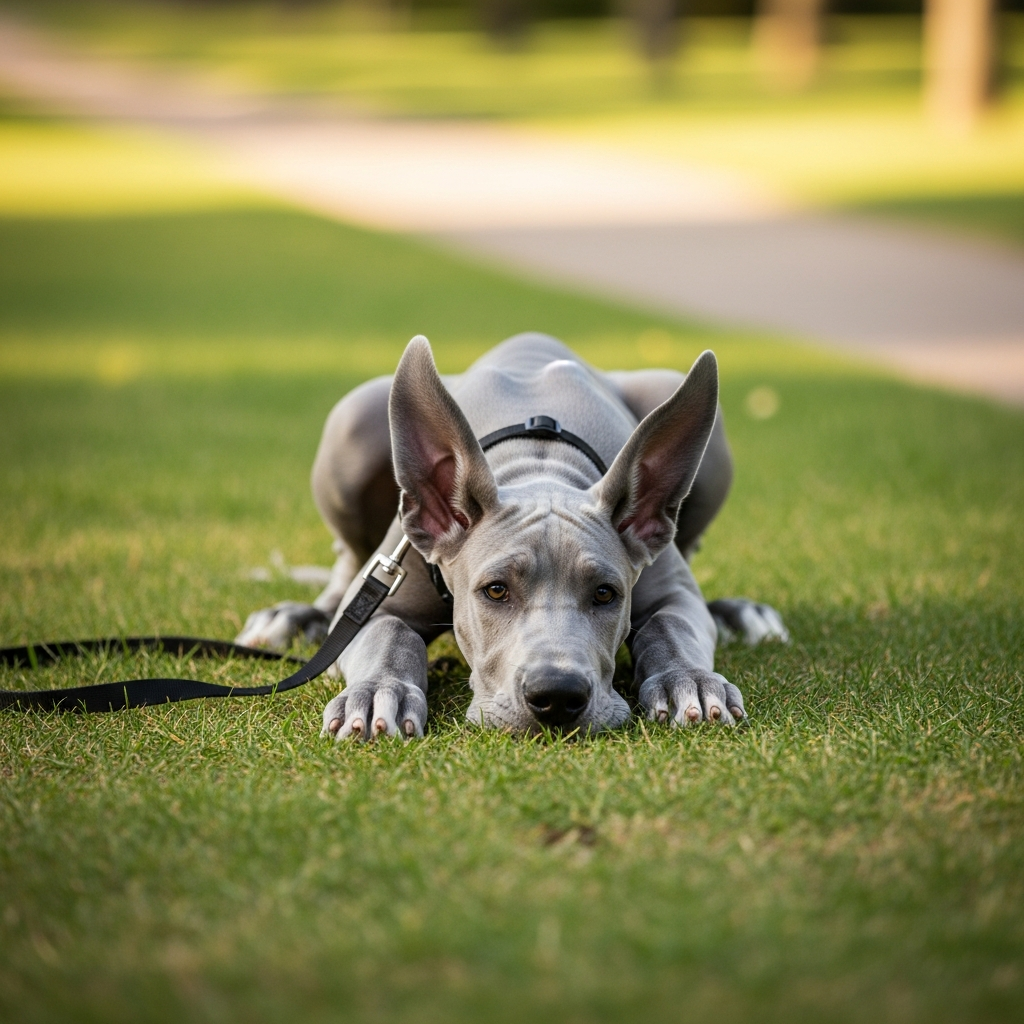
It might seem counterintuitive, but too much strenuous exercise can be detrimental to a growing Great Dane puppy. Their bones and joints are still developing, and excessive impact can cause irreversible damage.
Delicate Growing Bones
Great Dane puppies grow at an astonishing rate. Their growth plates (areas of cartilage that add to the length of bones) are open and vulnerable until they close, which can be around 18-24 months of age.
Avoiding Strenuous Activities
Activities like long runs, jumping on and off high surfaces, agility training, or extended games of fetch on hard surfaces should be avoided until they are fully grown.
Short, Frequent Play Sessions
Instead of one long, intense play session, opt for several shorter, gentler playtimes throughout the day. This satisfies their need for activity without overstressing their joints.
Appropriate Exercise for Puppies
The goal is controlled, low-impact exercise that helps build muscle and stamina without putting undue stress on their developing skeleton.
Gentle Walks
Short, leashed walks on soft surfaces like grass are ideal. Focus on exploration and sniffing, not covering long distances. A 10-15 minute walk, two or three times a day, is often sufficient for a young puppy.
Mental Stimulation
Puzzle toys, scent games, and short training sessions are excellent ways to tire out a Great Dane puppy mentally without putting physical strain on them.
Practical Tips for Exercise
Age-Appropriate Activities: Always consider your puppy’s age and physical development. Your vet can provide guidance on when it’s safe to increase exercise intensity.
Listen to Your Puppy: If your puppy shows signs of fatigue, lameness, or discomfort, end the activity immediately and allow them to rest.
Avoid Slippery Floors: Hardwood or tile floors can be challenging for growing puppies and can contribute to slips and falls. Use rugs where possible.
Mistake 6: Leaving Them Alone for Long Periods
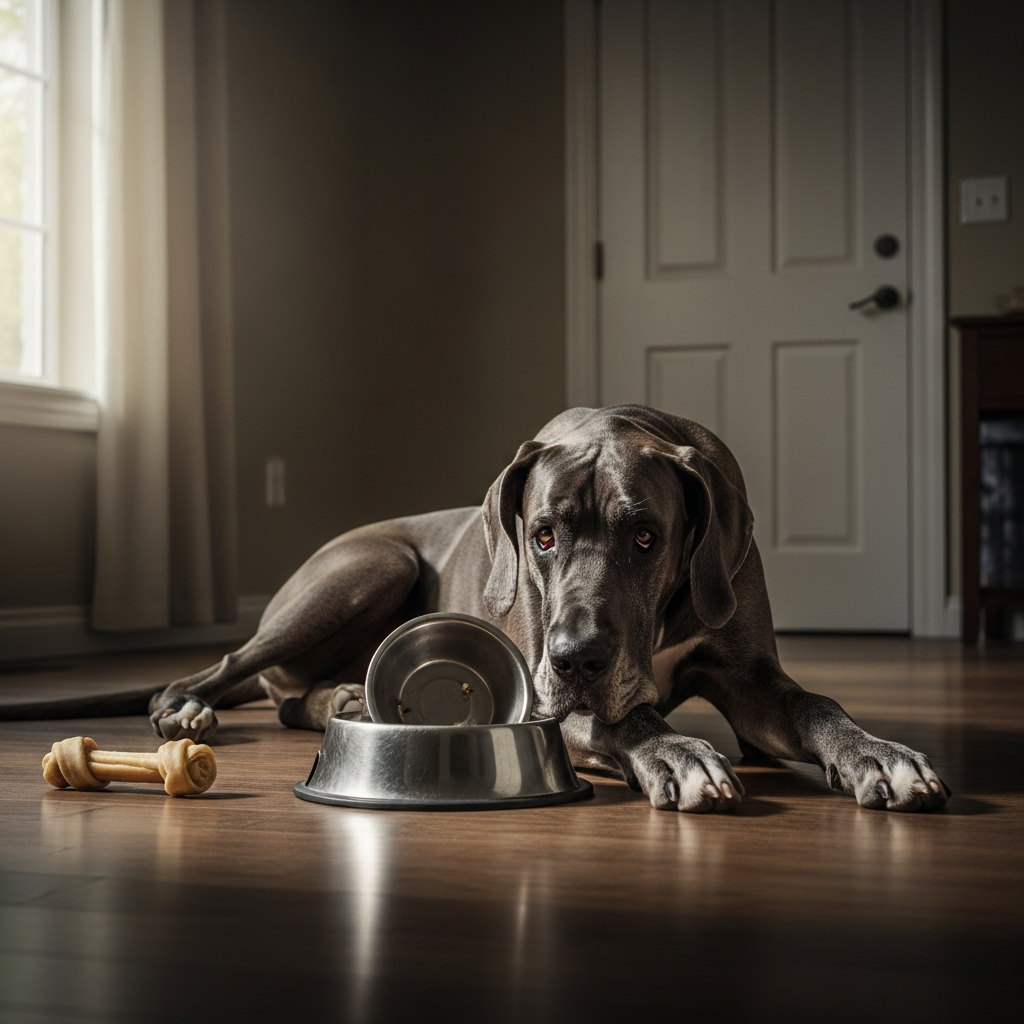
Great Danes are renowned for their affectionate nature and strong bond with their families. They are often called “Velcro dogs” because they love to be close to their human companions. Leaving them alone for extended periods can be particularly hard on them.
The “Velcro Dog” Personality
Their desire for companionship means they thrive on being part of the family activities. They want to be wherever you are, even if it’s just lying quietly at your feet.
Separation Anxiety Symptoms
When left alone too much, Great Danes can develop separation anxiety. This can manifest as destructive chewing, excessive barking or howling, inappropriate urination or defecation, and even self-harm.
The Need for Companionship
Great Danes are not suited to being outdoor-only dogs or being left alone in a backyard for hours on end. They need human interaction and comfort.
Strategies for Managing Time Alone
It’s inevitable that you’ll need to leave your Great Dane alone sometimes. The key is to prepare them and manage these times effectively.
Crate Training Positively
A properly introduced and comfortable crate can be a safe haven for your Great Dane when you’re away. It should be a positive space, not a punishment. Ensure the crate is large enough for them to stand, turn around, and lie down comfortably.
Enrichment Toys
Provide engaging puzzle toys filled with treats or durable chew toys to keep them occupied and mentally stimulated while you’re gone. This helps distract them from your absence.
Practical Tips for Alone Time
Dog Walkers or Daycare: If you work long hours, consider hiring a dog walker to break up their day or enrolling them in a reputable doggy daycare a few times a week.
Building Independence Gradually: Start with short absences and gradually increase the time you leave them alone. Make your departures and arrivals low-key.
Create a Safe Space: Ensure they have access to their comfortable bed, fresh water, and a safe, dog-proofed area when you’re not home.