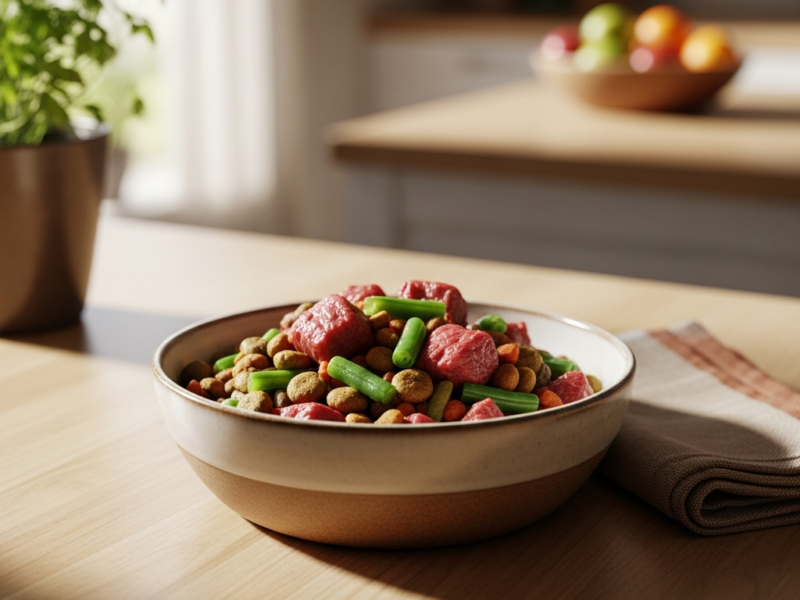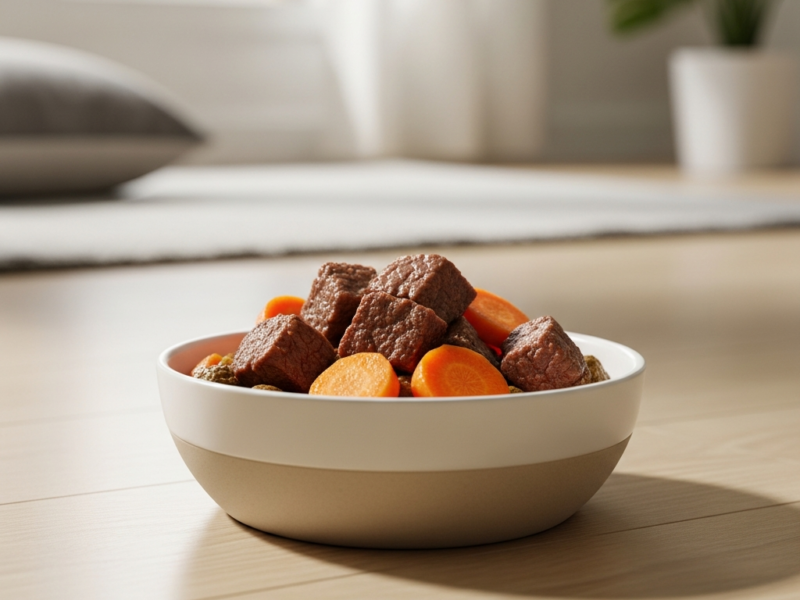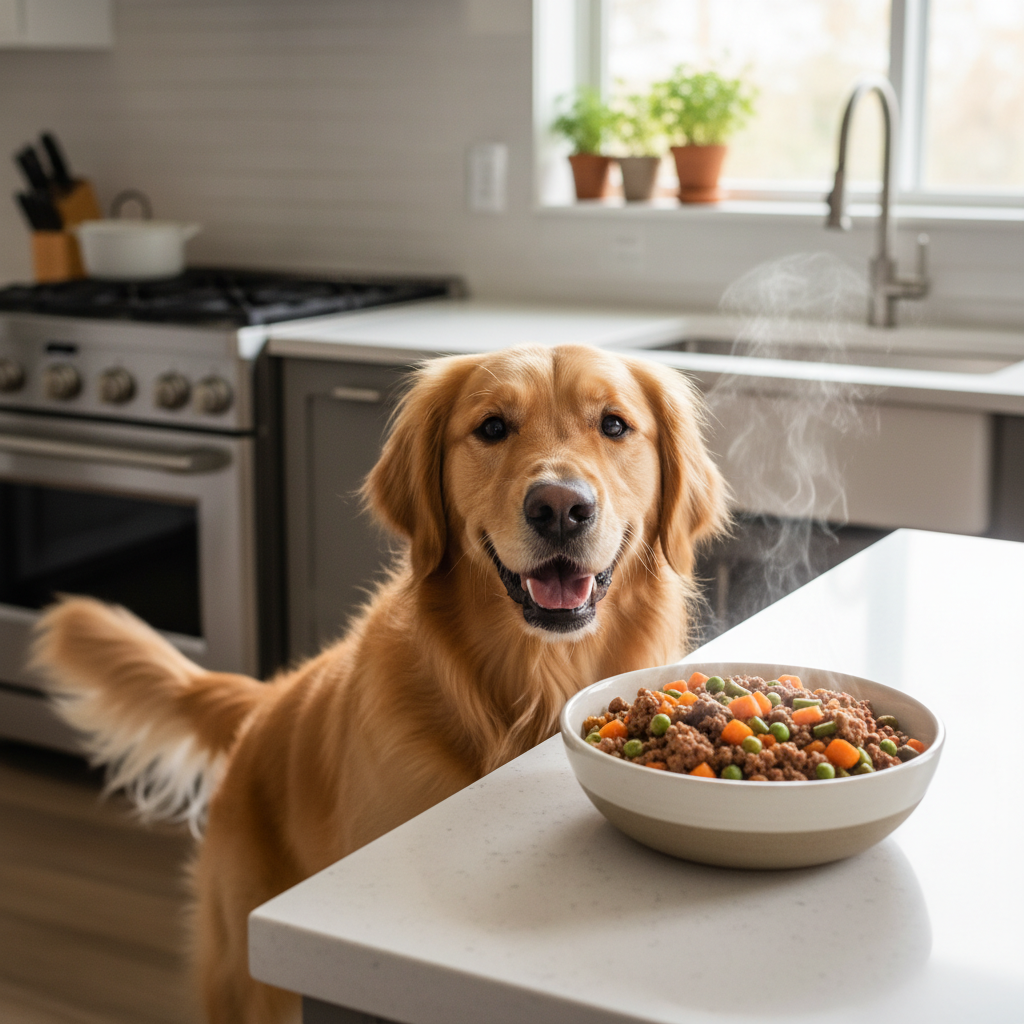
Healthy Homemade Beef Dog Food Recipe Every Owner Should Try
As devoted dog parents, we constantly strive to give our furry family members the very best. This often means scrutinizing what goes into their food bowl. While commercial dog foods offer convenience, many owners are turning to homemade options to ensure their pups receive fresh, wholesome, and nutritious meals. If you’ve ever wondered about crafting your dog’s food from scratch, you’re in the right place! This guide will walk you through a delicious and healthy homemade beef dog food recipe that’s easy to prepare and packed with goodness.
Making your dog’s food at home allows you to control every ingredient, avoiding fillers, artificial preservatives, and common allergens. It’s a wonderful way to tailor meals to your dog’s specific needs and show them just how much you care. Let’s get cooking!
Why Homemade Dog Food is a Game-Changer for Your Pup
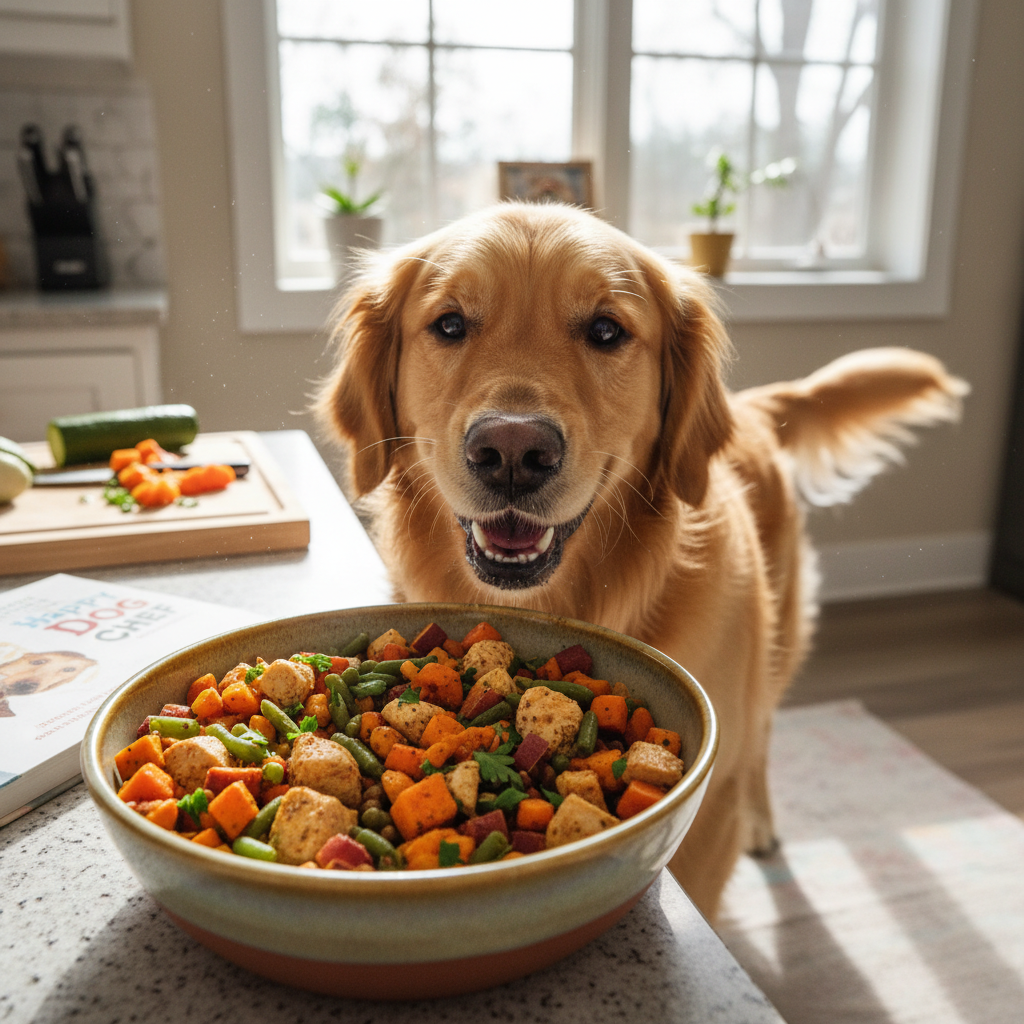
Switching to homemade dog food can bring a host of benefits for your canine companion. From improved digestion to a shinier coat, the advantages are often visible and heartwarming.
Enhanced Nutritional Control
When you prepare your dog’s meals, you know exactly what they’re eating. You can select high-quality, human-grade ingredients, ensuring your dog gets optimal nutrition without any questionable additives. This control is especially beneficial for dogs with sensitivities or allergies, allowing you to easily avoid trigger ingredients.
Better Digestion and Energy Levels
Many dog owners report improved digestion, fewer upset stomachs, and more consistent energy levels in their dogs after switching to a homemade diet. Fresh, unprocessed ingredients are often easier for a dog’s digestive system to handle, leading to better nutrient absorption and overall vitality.
A Shinier Coat and Healthier Skin
The right balance of essential fatty acids and vitamins from fresh ingredients can do wonders for your dog’s skin and coat. You might notice a reduction in dryness, itching, and a remarkable improvement in the luster and softness of their fur.
Essential Ingredients for Your Dog’s Beef Meal
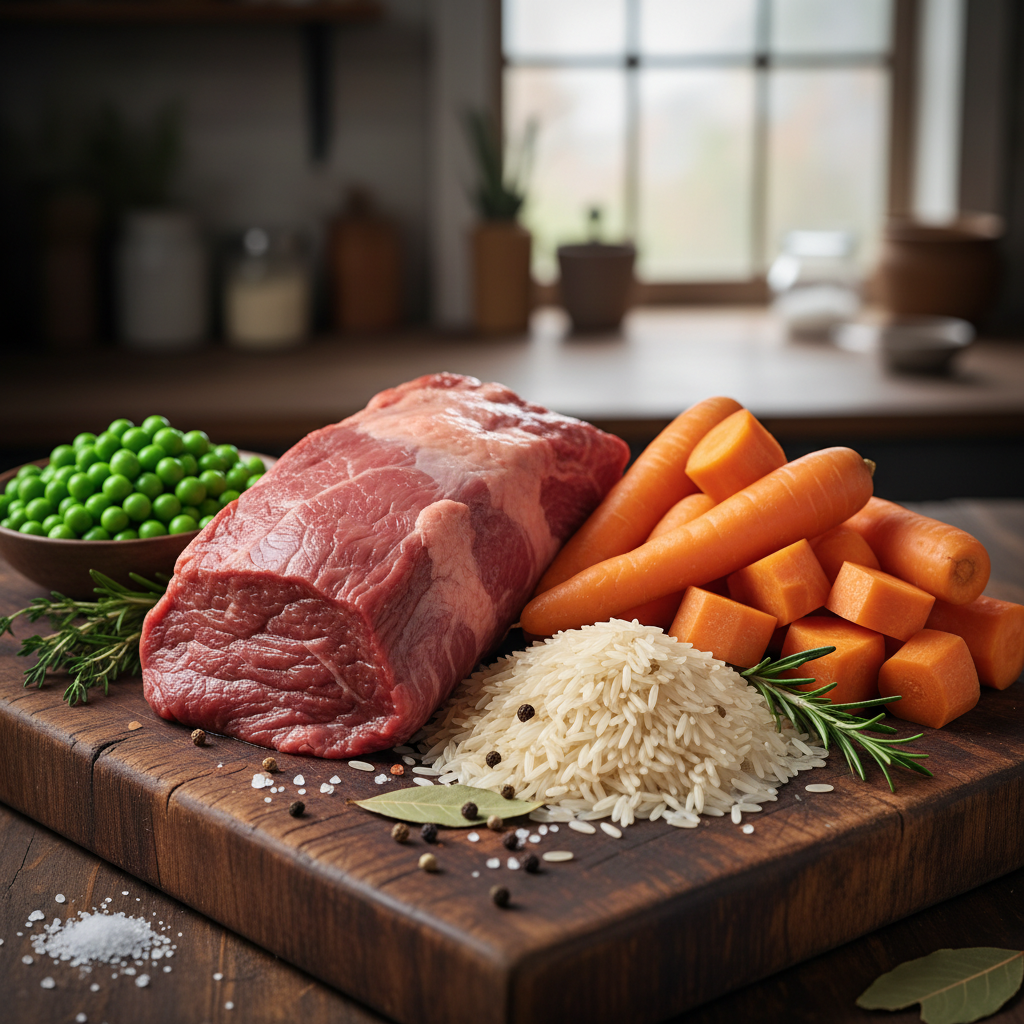
This recipe focuses on lean beef, wholesome vegetables, and a healthy grain to provide a balanced meal. Always choose fresh, high-quality ingredients.
The Star Ingredient- Lean Beef
- Ground Beef (90% lean or higher): Beef is an excellent source of protein, iron, zinc, and B vitamins, crucial for muscle development and energy. Opt for lean cuts to manage fat intake.
Vegetables and Grains- The Perfect Balance
These additions provide essential vitamins, minerals, fiber, and carbohydrates for sustained energy.
- Brown Rice: A good source of complex carbohydrates for energy and fiber for digestion.
- Carrots: Rich in beta-carotene (Vitamin A) for vision and immunity, plus fiber.
- Green Beans: Low in calories, high in vitamins K and C, and fiber.
- Peas: Provide vitamins A, B, and K, as well as minerals and protein.
- Spinach: Packed with iron, vitamins K, A, and C, and antioxidants.
- Olive Oil: A small amount provides healthy fats and aids in nutrient absorption.
Optional Nutritional Boosters
- Bone Broth (unsalted): Adds flavor and beneficial nutrients for joint and gut health.
- Supplements: Discuss with your vet if your dog needs a specific vitamin/mineral supplement for homemade diets.
Step-by-Step Guide to Crafting the Perfect Beef Dog Food
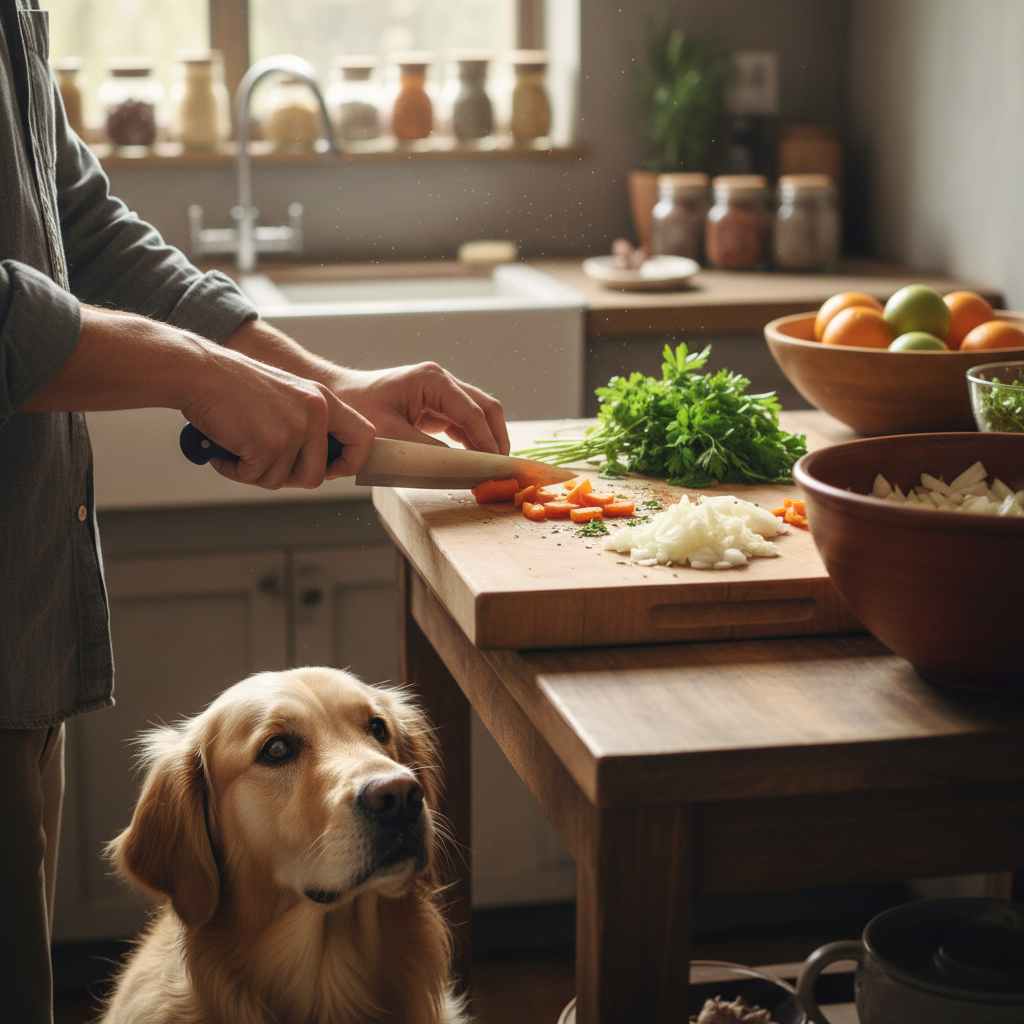
Making this recipe is simpler than you might think! Follow these steps for a wholesome meal your dog will adore.
Preparation is Key
- Cook the Rice: Prepare 2 cups of brown rice according to package directions. Set aside to cool.
- Chop Vegetables: Wash and finely chop 1 cup of carrots, 1 cup of green beans, 1 cup of peas, and 1 cup of spinach. Smaller pieces are easier for dogs to digest.
Cooking Instructions
- Brown the Beef: In a large pot or Dutch oven, heat 1 tablespoon of olive oil over medium heat. Add 2 pounds of lean ground beef and cook thoroughly, breaking it up with a spoon, until no pink remains. Drain any excess fat.
- Add Vegetables: Stir in the chopped carrots, green beans, peas, and spinach with the cooked beef. Cook for about 5-7 minutes, or until the vegetables are tender-crisp.
- Combine Ingredients: Add the cooked brown rice to the pot with the beef and vegetables. Mix everything thoroughly to ensure an even distribution of ingredients.
- Cool Completely: Remove the pot from heat and allow the mixture to cool completely before serving or storing. This is crucial for your dog’s safety.
Ensuring Nutritional Balance and Safety

While this recipe is designed to be balanced, it’s always wise to take extra precautions to ensure your dog’s health.
Consulting Your Vet
Before making any significant changes to your dog’s diet, always consult your veterinarian. They can provide personalized advice based on your dog’s age, breed, activity level, and any existing health conditions. They might also recommend specific supplements to ensure complete nutritional adequacy for a long-term homemade diet.
Storage and Serving Tips
- Portioning: Divide the cooled food into individual serving portions based on your dog’s caloric needs.
- Refrigeration: Store portions in airtight containers in the refrigerator for up to 3-4 days.
- Freezing: For longer storage, freeze individual portions for up to 2-3 months. Thaw in the refrigerator before serving.
- Serving Temperature: Always serve homemade food at room temperature or slightly warmed.
Common Mistakes to Avoid When Making Dog Food
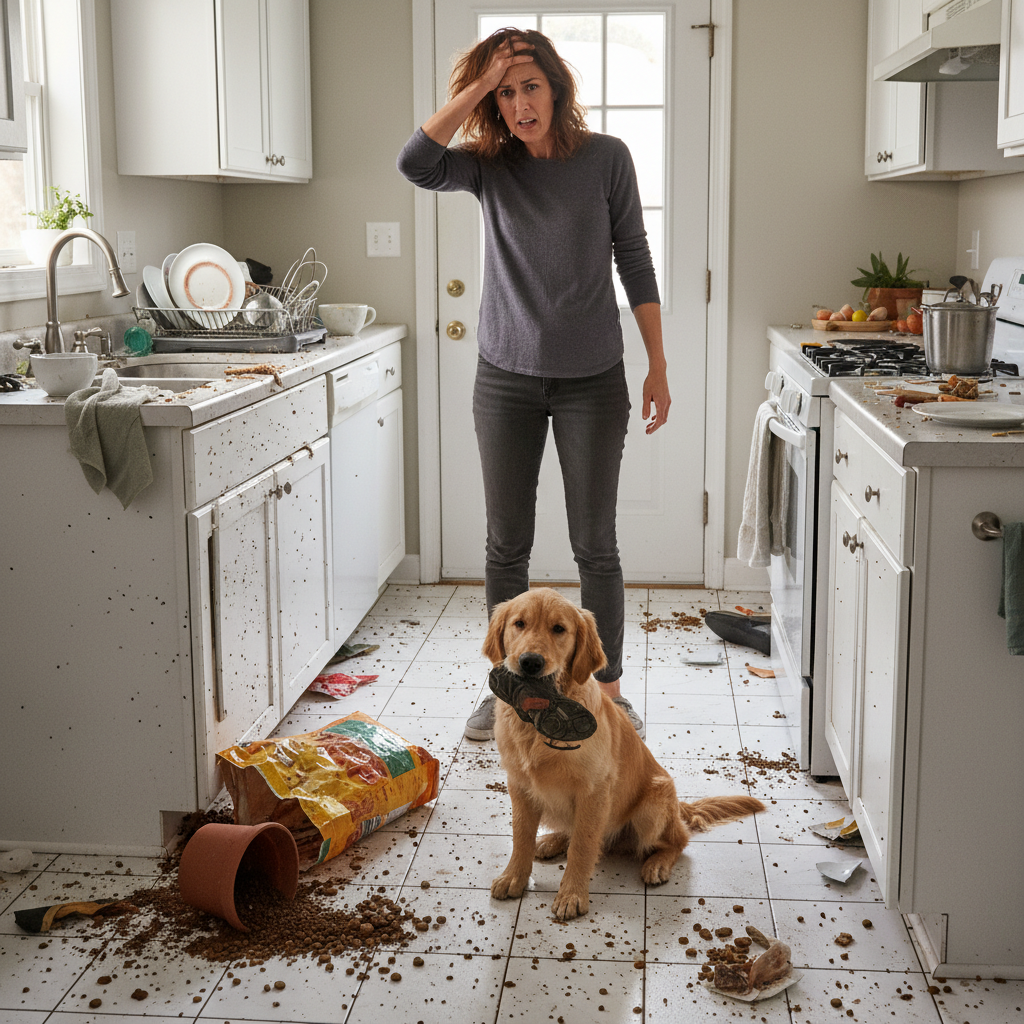
Even with the best intentions, it’s easy to make a few common errors when venturing into homemade dog food. Being aware of these can help you avoid potential issues.
- Skipping Vet Consultation: As mentioned, professional advice is paramount to ensure your dog’s dietary needs are fully met.
- Not Balancing Nutrients: While our recipe is a good start, long-term homemade diets require careful attention to calcium, phosphorus, and other micronutrients. Your vet can guide you.
- Using Harmful Ingredients: Always double-check what’s safe. Avoid onions, garlic, grapes, raisins, chocolate, avocado, and xylitol, which are toxic to dogs.
- Inconsistent Preparation: Ensure ingredients are cooked through and cooled properly to prevent bacterial growth.
- Overfeeding: Homemade food can be calorie-dense. Monitor your dog’s weight and adjust portion sizes accordingly.
Making homemade dog food is a labor of love that can profoundly impact your dog’s health and happiness. By following this recipe and staying mindful of nutritional balance and safety, you’re not just feeding your dog; you’re nurturing their well-being with every carefully prepared bite. Watching your furry friend thrive on wholesome, homemade meals is incredibly rewarding.
Embrace the journey of becoming your dog’s personal chef. With a little effort, you can provide them with a diet that’s not only delicious but also tailored to their unique needs, contributing to a longer, healthier, and happier life together. Your dog will thank you with endless tail wags and sloppy kisses!