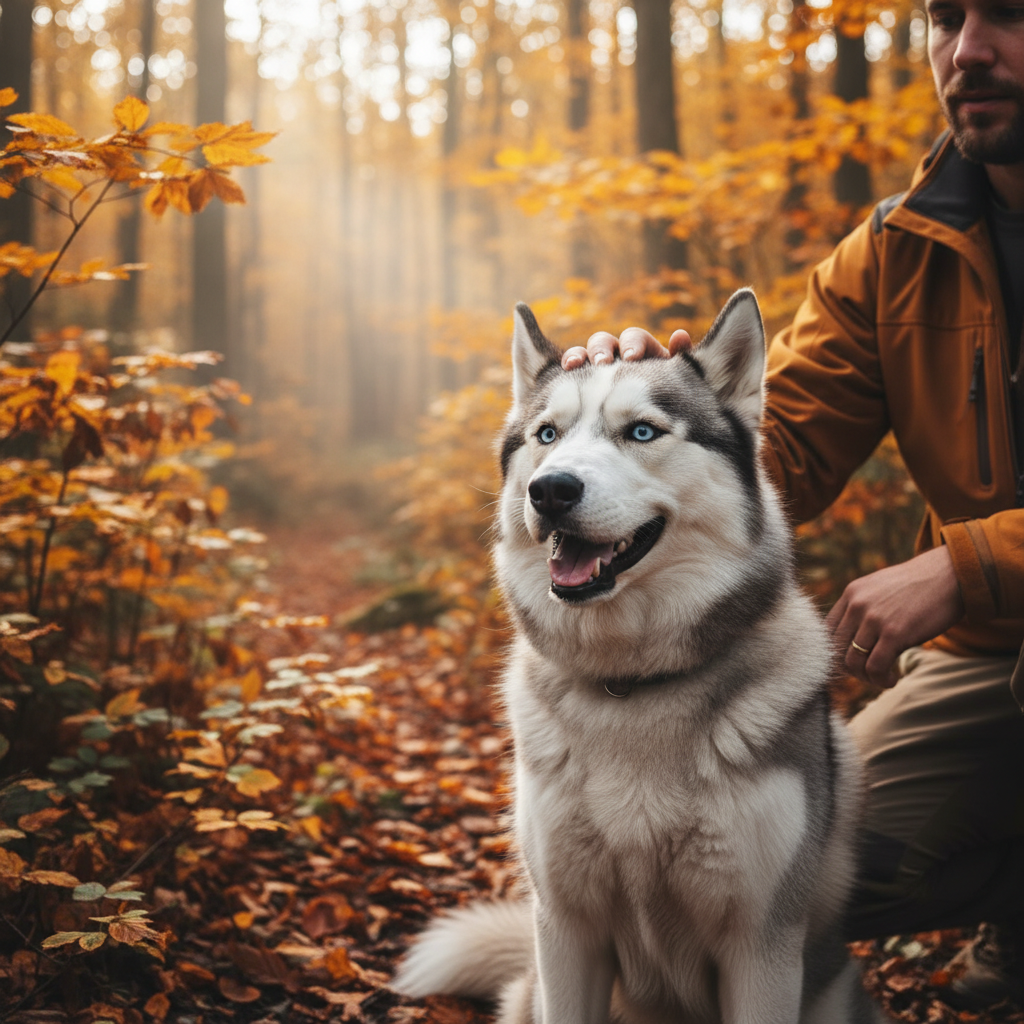
Bringing a Siberian Husky into your home is an exciting adventure! These stunning dogs, with their captivating eyes and wolf-like appearance, are truly special. However, their unique blend of intelligence, independence, and high energy means they come with their own set of challenges, especially for first-time owners. It’s a journey that requires understanding, patience, and consistency.
Don’t worry, you’re not alone! Many first-time Husky parents navigate this learning curve. This guide will walk you through seven crucial lessons to help you raise a well-adjusted, balanced, and happy Husky, ensuring a rewarding companionship for years to come.
Lesson 1 – Understanding the Husky Temperament
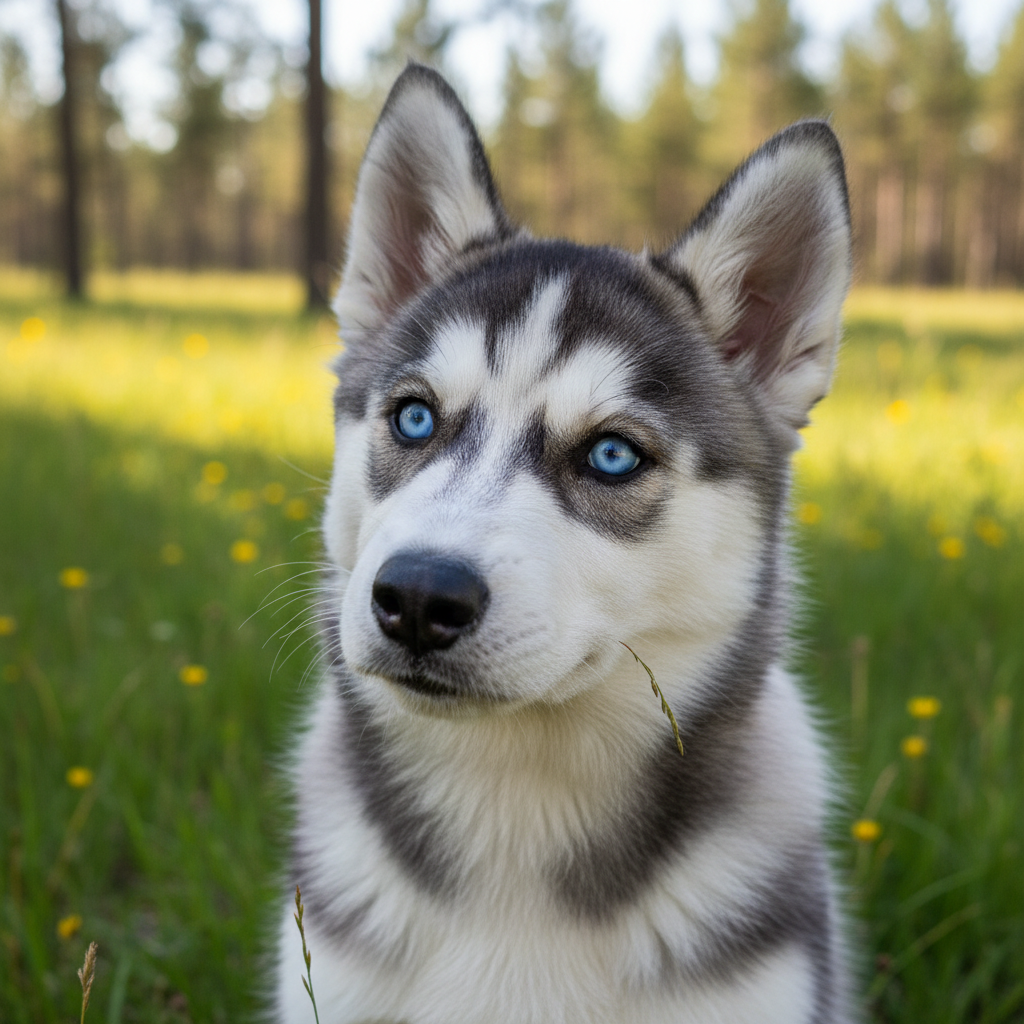
Siberian Huskies are known for their distinctive personalities. They are often described as intelligent, mischievous, independent, and incredibly energetic. They thrive on companionship but also possess a strong sense of self. Understanding these core traits is your first step to a harmonious relationship.
What Makes a Husky Tick?
Huskies were bred for endurance and teamwork, pulling sleds over long distances. This heritage means they have an innate desire to run, explore, and work. They are generally not natural guard dogs; their friendly nature extends to most people and often other dogs. They can also be quite vocal, using howls and ‘woo-woos’ to express themselves, rather than just barking.
Early Socialization is Key
To ensure your Husky grows into a well-behaved adult, early socialization is paramount. Expose your puppy to a variety of sights, sounds, people, and other vaccinated dogs in a controlled, positive manner. This helps them develop confidence and good manners, reducing the likelihood of fear-based aggression or shyness later on.
- Puppy classes are excellent for structured socialization.
- Introduce new experiences gradually to avoid overwhelming your puppy.
- Positive reinforcement for calm behavior in new situations.
Lesson 2 – The Power of Early Training and Consistency
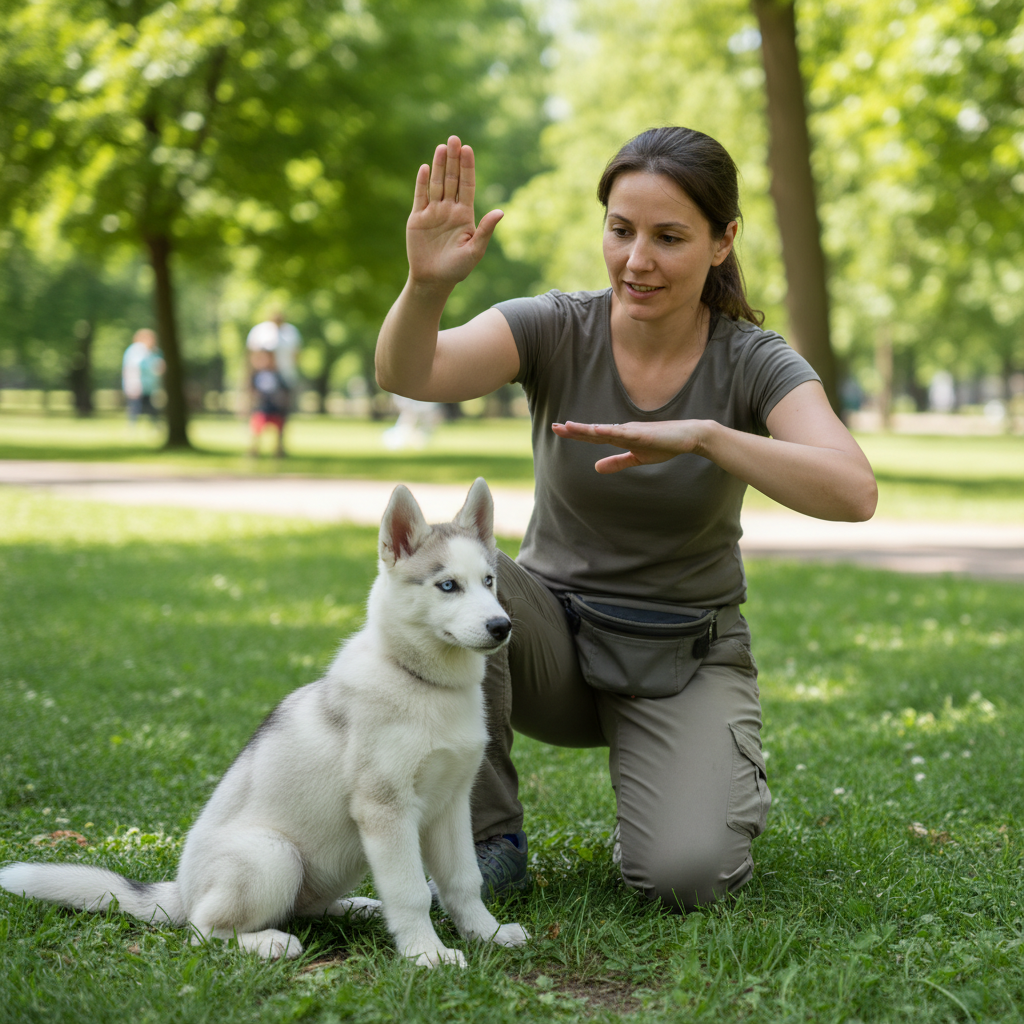
Training a Husky can be both rewarding and challenging. Their intelligence means they learn quickly, but their independent streak can make them seem stubborn. Consistency is your most powerful tool.
Positive Reinforcement Works Wonders
Huskies respond best to positive reinforcement methods. Use treats, praise, and toys to reward desired behaviors. Harsh corrections or punishment are ineffective and can damage your bond. Focus on teaching basic commands like ‘sit’, ‘stay’, ‘come’, and ‘leave it’ from an early age.
Dealing with Stubbornness
Huskies can be selective listeners. If your Husky seems to ignore you, it’s often not defiance but a display of their independent nature or a lack of motivation. Keep training sessions short, fun, and engaging. Find what truly motivates your Husky—whether it’s a specific treat, toy, or game—and use it strategically.
Lesson 3 – Fulfilling Their Exercise Needs
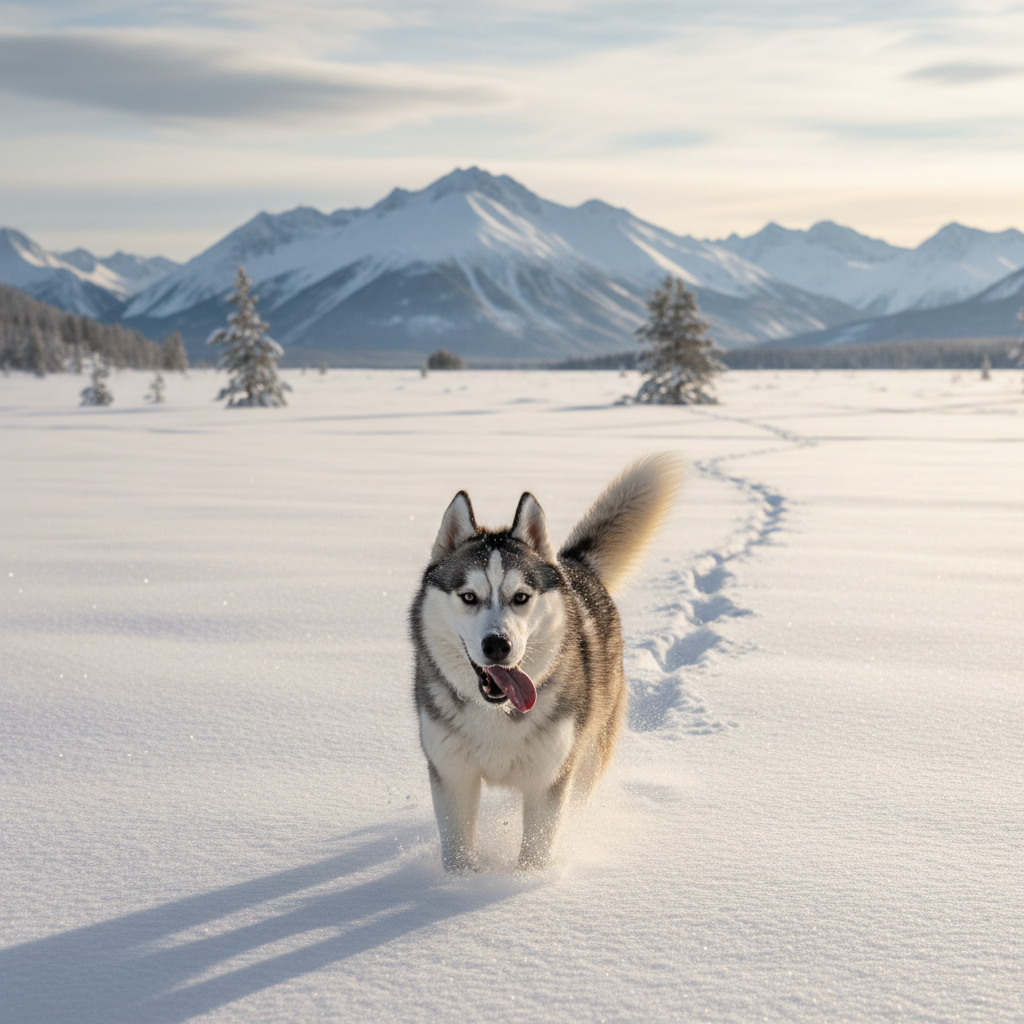
This is perhaps the most critical lesson for first-time Husky owners. Siberian Huskies are high-energy dogs that require substantial daily exercise to stay physically and mentally healthy. A bored Husky is often a destructive Husky.
Beyond the Walk- Running, Hiking, Dog Sports
A simple walk around the block is rarely enough for a Husky. They need vigorous activity. Consider:
- Long runs or jogs (once they are old enough and cleared by a vet).
- Hiking adventures on secure trails.
- Dog sports like agility, canicross, or sledding.
- Secure dog parks for supervised play with other dogs.
Remember, a tired Husky is a happy Husky (and a happy owner!). Aim for at least 1-2 hours of intense exercise daily, broken into multiple sessions.
Preventing Boredom and Destructive Behavior
Mental stimulation is just as important as physical exercise. Puzzle toys, interactive feeders, and training games can keep their clever minds engaged. Without sufficient outlets, Huskies can resort to digging, chewing, or excessive howling.
Lesson 4 – Mastering the Art of Grooming
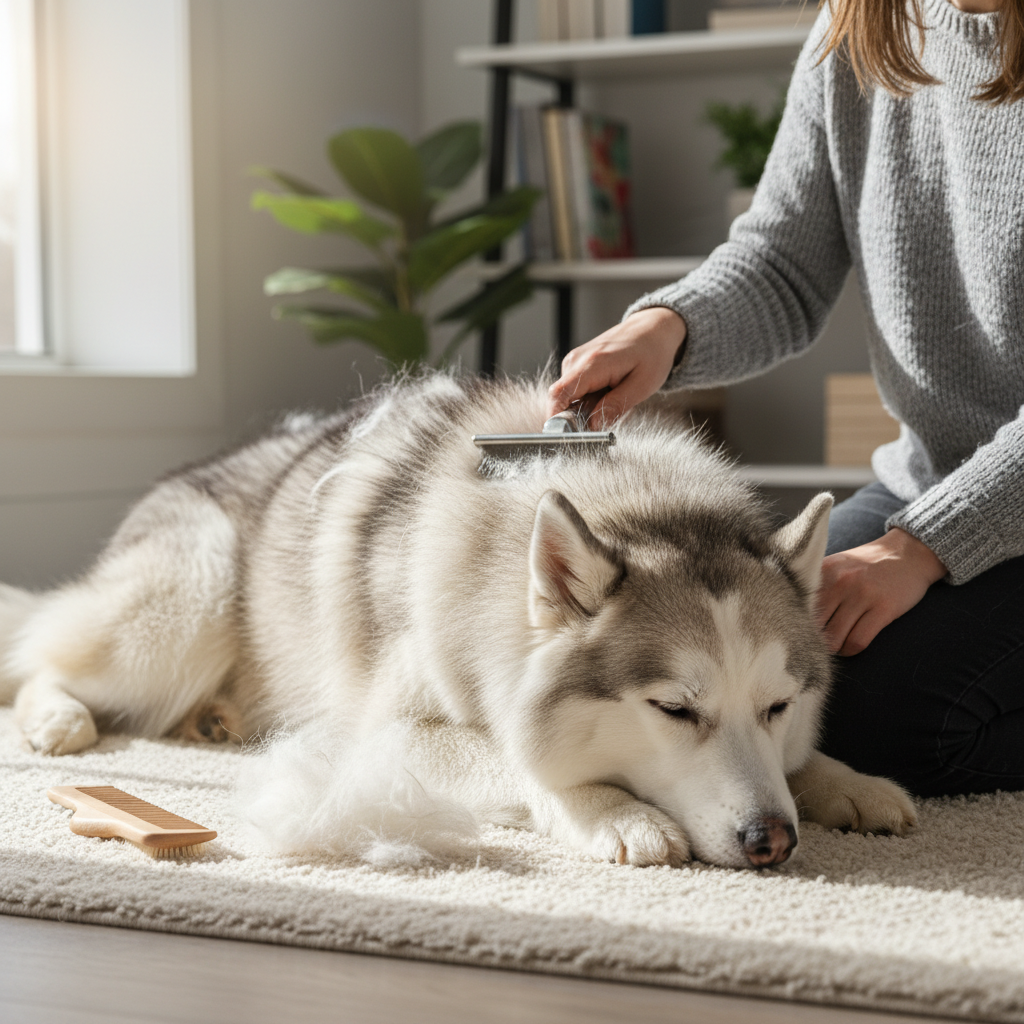
Siberian Huskies have a beautiful double coat that requires regular grooming, especially during shedding seasons. While they are relatively clean dogs with little ‘doggy odor’, their shedding is legendary.
Seasonal Shedding Strategies
Huskies ‘blow their coat’ twice a year, usually in spring and fall. During these periods, daily brushing with a slicker brush and an undercoat rake is essential to remove loose fur and prevent matting. Outside of shedding season, a weekly brush is usually sufficient.
Making Grooming a Positive Experience
Start grooming your Husky puppy early to get them accustomed to the process. Use positive reinforcement and make it a calm, enjoyable bonding time. Pay attention to nail trims and dental hygiene as well. Regular nail trims prevent discomfort and potential injury, and dental care is crucial for their overall health.
Lesson 5 – Nutrition for the Active Husky

A high-energy breed like the Husky needs a diet that supports their active lifestyle. Choosing the right food and managing portion control are vital for their health and longevity.
Choosing the Right Food
Opt for a high-quality dog food formulated for active breeds. Look for ingredients that prioritize animal protein (e.g., chicken, beef, fish) as the first few items on the list. Avoid foods with excessive fillers or artificial additives. Consult your vet for specific dietary recommendations based on your Husky’s age, activity level, and any health concerns.
Hydration is Crucial
Given their activity levels, Huskies need constant access to fresh, clean water. Ensure their water bowl is always full, especially after exercise. In warmer climates or during intense play, you might even consider adding a second water source.
Lesson 6 – Health and Veterinary Care Essentials
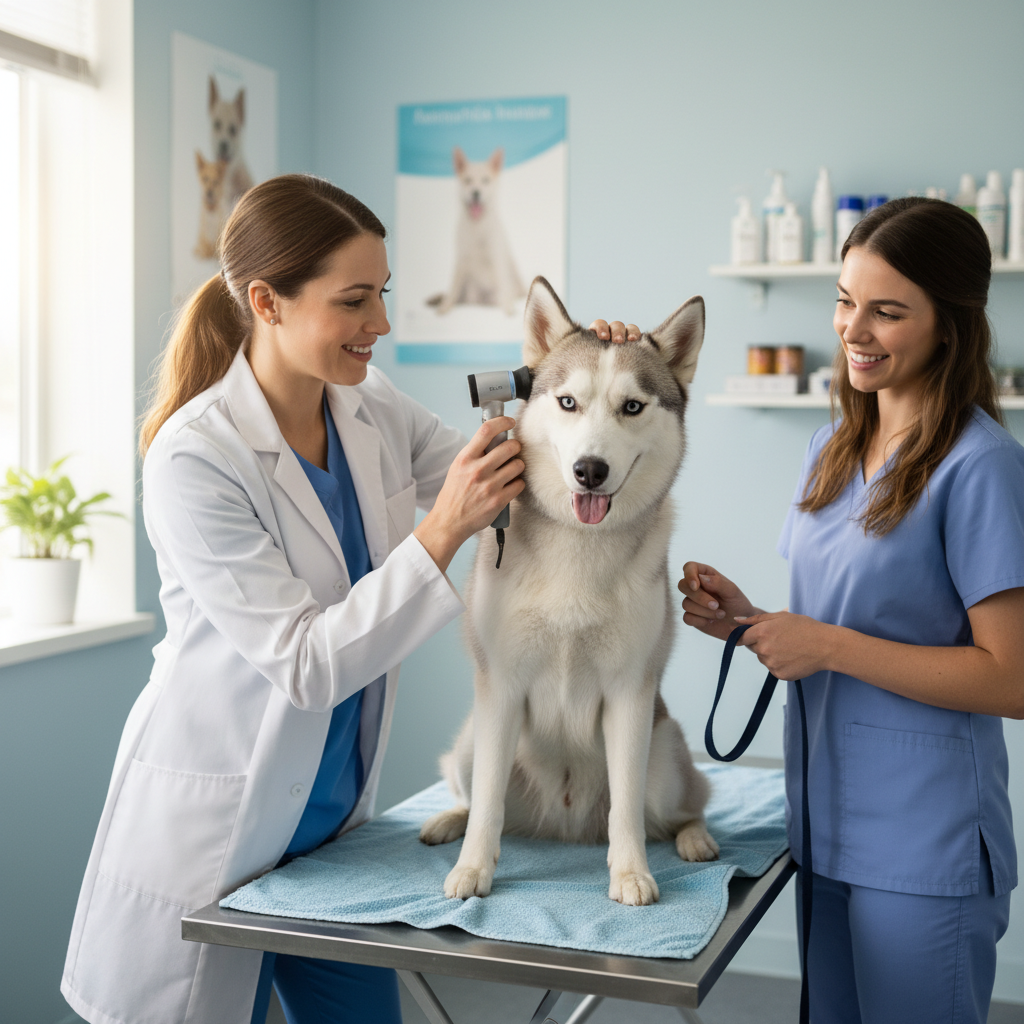
Like all breeds, Huskies are prone to certain genetic health conditions. Being aware of these and committing to preventative care can help ensure a long, healthy life for your furry friend.
Regular Check-ups and Vaccinations
Schedule regular veterinary check-ups, typically once a year for adult dogs and more frequently for puppies and seniors. Keep up-to-date with vaccinations, parasite prevention (fleas, ticks, heartworm), and discuss spaying or neutering with your vet.
Recognizing Signs of Illness
Be vigilant for any changes in your Husky’s behavior, appetite, energy levels, or physical appearance. Common Husky health concerns include hip and elbow dysplasia, eye conditions (like cataracts or progressive retinal atrophy), and thyroid issues. Early detection is key to effective treatment.
Lesson 7 – Creating a Secure and Enriched Environment
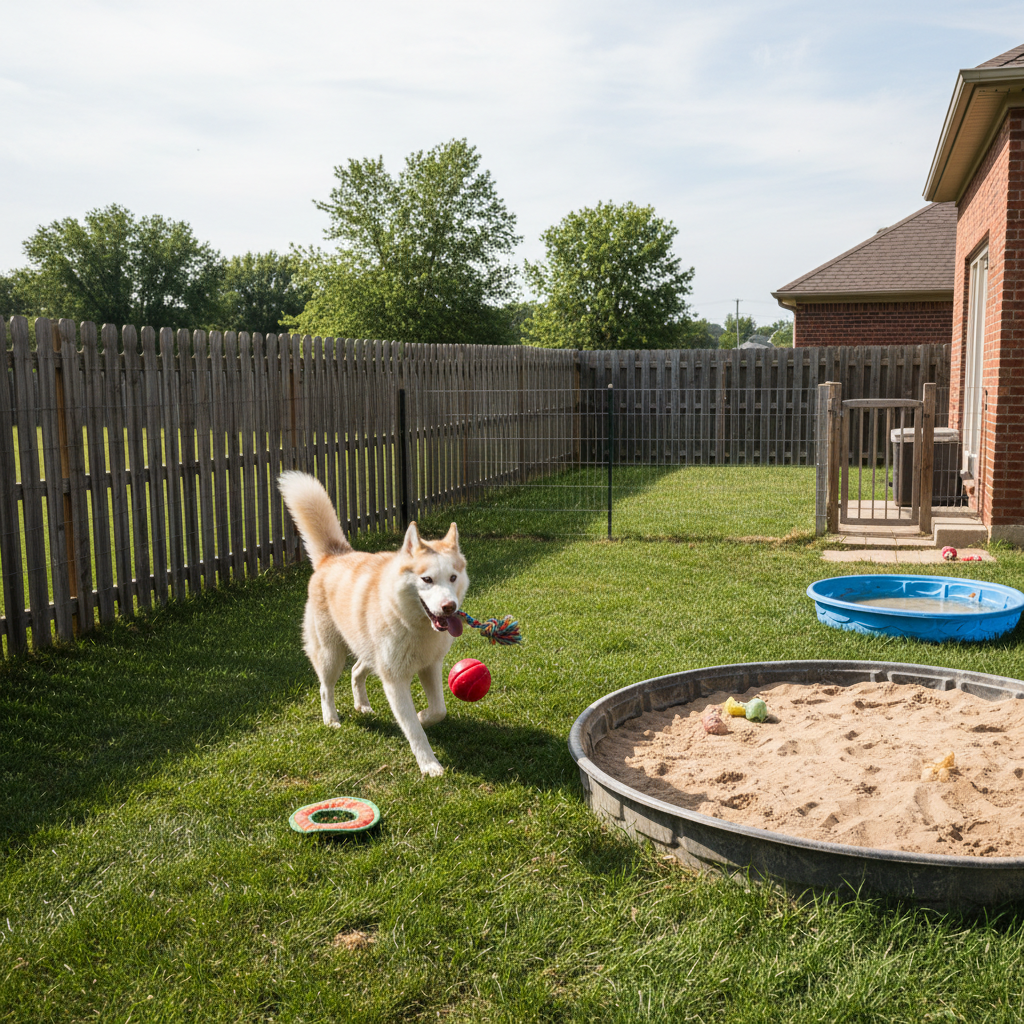
Huskies are notorious escape artists and can be destructive if bored or anxious. Providing a safe, stimulating, and secure environment is paramount.
Husky-Proofing Your Home and Yard
A secure yard is non-negotiable. Huskies can jump high and dig deep, so fences should be at least 6 feet tall and ideally extend underground to prevent tunneling. Supervise your Husky when outdoors. Inside, provide plenty of durable chew toys and ensure hazardous items are out of reach.
The Importance of Routine
Huskies thrive on routine. Consistent feeding times, exercise schedules, and training sessions provide a sense of security and predictability, reducing anxiety and promoting good behavior.
Conclusion
Raising a balanced Siberian Husky as a first-time owner is a commitment, but it’s one that promises immense joy and an unbreakable bond. By understanding their unique needs, committing to consistent training, providing ample exercise, and offering loving care, you’ll witness your Husky flourish into a loyal, well-adjusted companion. Embrace the journey, celebrate their spirited nature, and enjoy every moment with your magnificent Husky. They truly are a gift!