Every dog parent dreams of a canine companion who hangs on their every word, responding instantly to commands and staying focused amidst distractions. But sometimes, it feels like our furry friends have selective hearing, especially when squirrels, other dogs, or fascinating smells enter the picture. The good news is, improving your dog’s attention and response isn’t just a dream—it’s an achievable reality with consistent effort and the right approach.
A dog that pays attention is a safer dog, a happier dog, and a more enjoyable companion. It’s about building a strong communication bridge between you and your pup, fostering trust and understanding. Ready to transform your dog’s focus? Let’s dive into six immediate actions you can take to see real improvements.
Understand the Foundation of Attention
Before we jump into specific actions, it’s crucial to understand why attention is so vital. A dog’s ability to focus on you is the bedrock of all training, safety, and a harmonious life together. Without it, even the simplest commands can become a struggle. When your dog is attentive, they are actively engaged with you, making them more receptive to learning and less likely to get into trouble.
Why Attention Matters So Much
Attention isn’t just about obedience; it’s about connection. When your dog chooses to focus on you, they are choosing to engage in a partnership. This strengthens your bond and makes them feel secure, knowing you are their reliable guide. It also means you can keep them safe in potentially hazardous situations, like an approaching car or an unexpected off-leash encounter.
Action 1 – Master the “Look at Me” Command
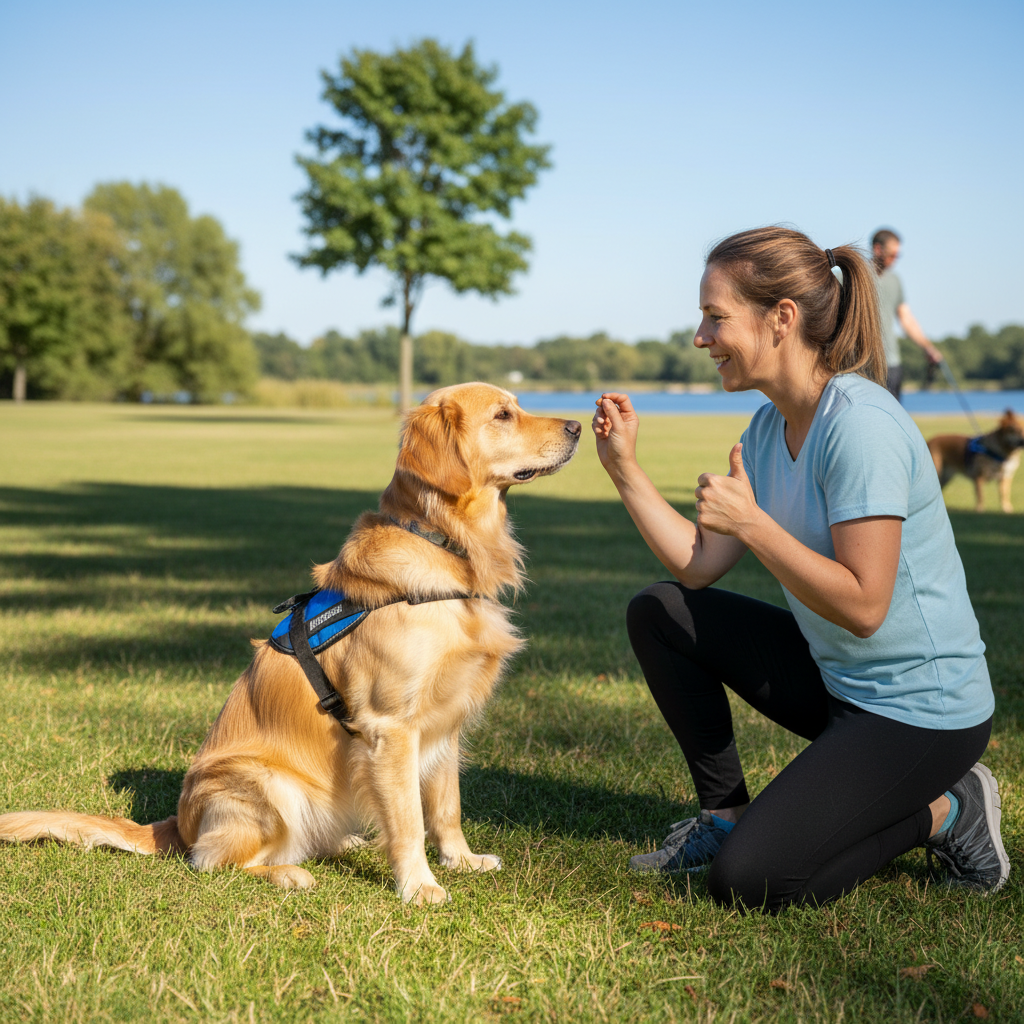
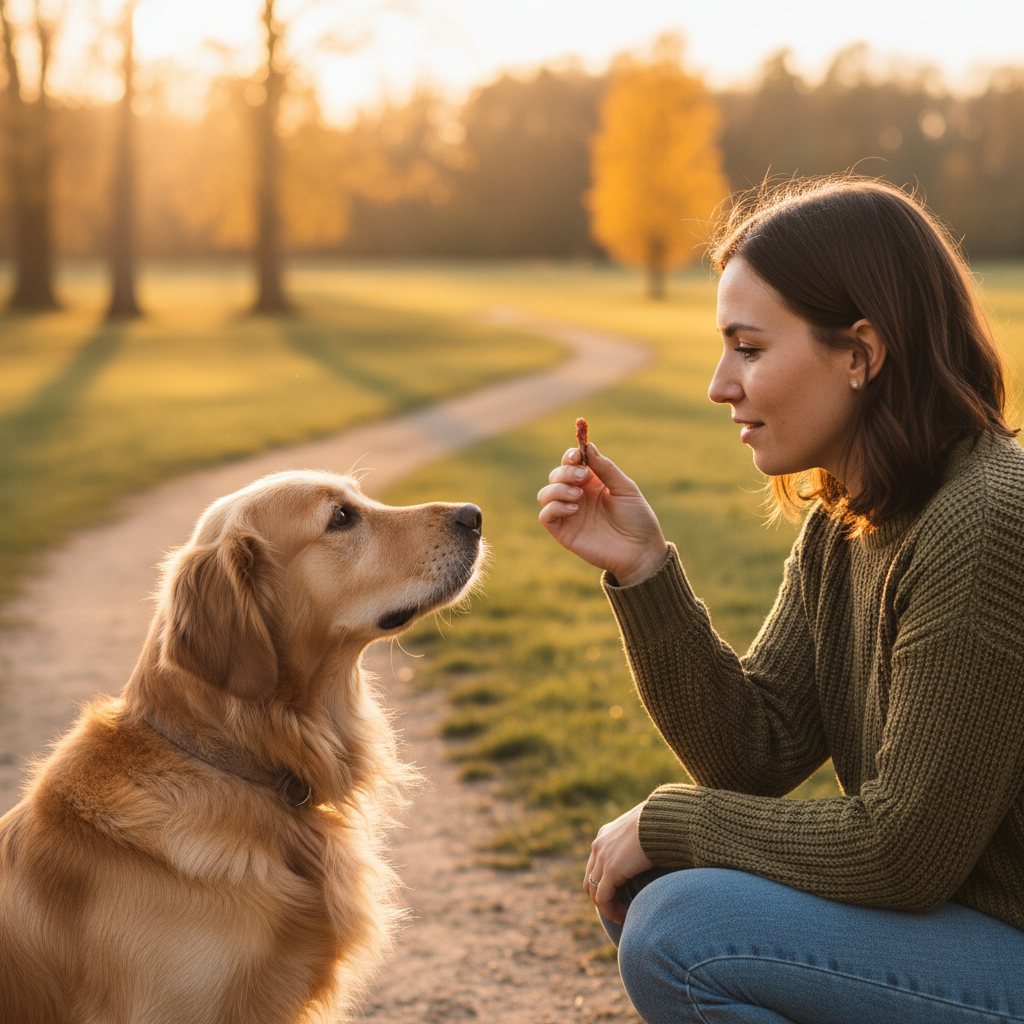
This is arguably the most fundamental command for building attention. The “Look at Me” command teaches your dog to make eye contact with you on cue, regardless of distractions. It’s a powerful tool to redirect their focus back to you instantly.
How to Teach “Look at Me”
- Start Simple Find a quiet spot with no distractions.
- Hold a Treat Hold a high-value treat near your eye, just above your dog’s nose.
- Wait for Eye Contact The moment your dog looks you in the eye, even for a second, immediately say “Yes!” or click, and give them the treat.
- Add the Cue Once they consistently make eye contact, start saying “Look at Me” just as you bring the treat to your eye.
- Increase Duration Gradually increase the time your dog holds eye contact before rewarding.
- Introduce Distractions Slowly practice in more distracting environments, always starting with easy distractions and building up.
Action 2 – Create a High-Value Reward System
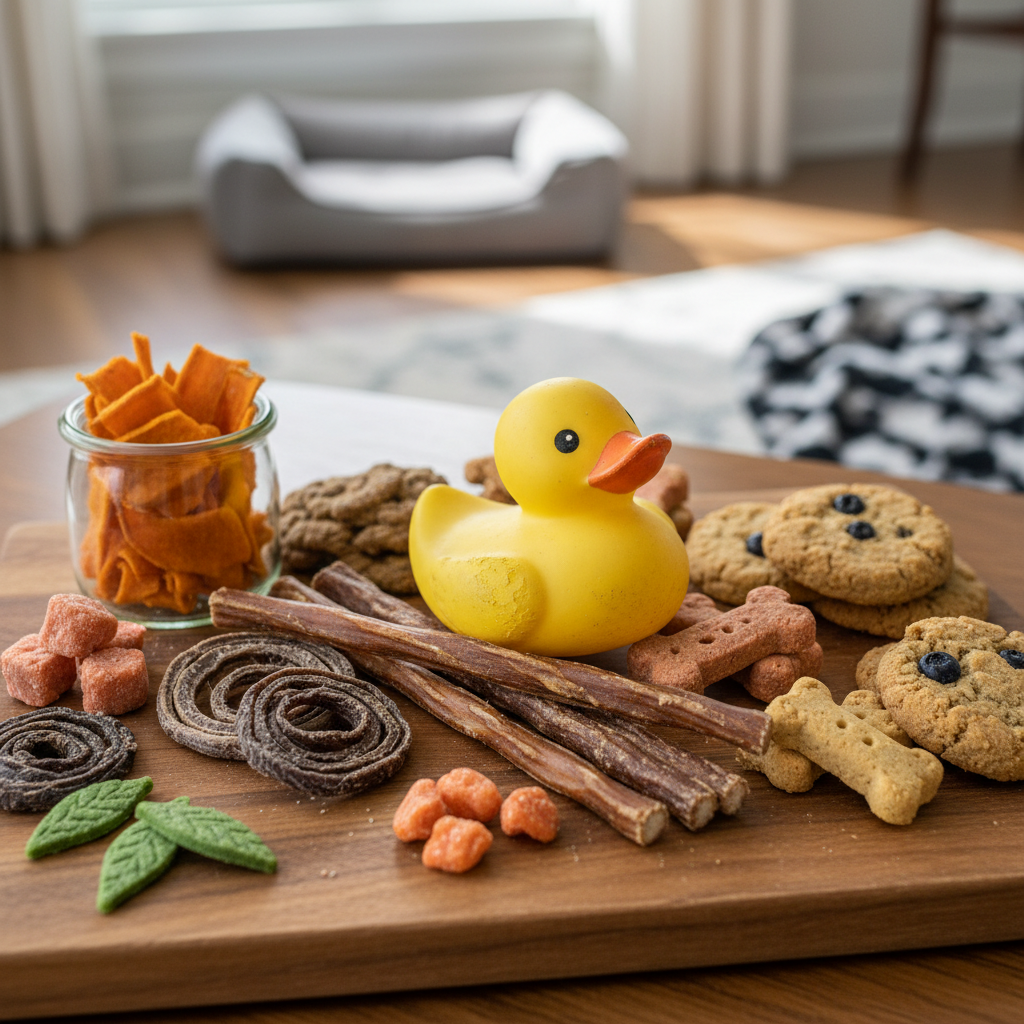
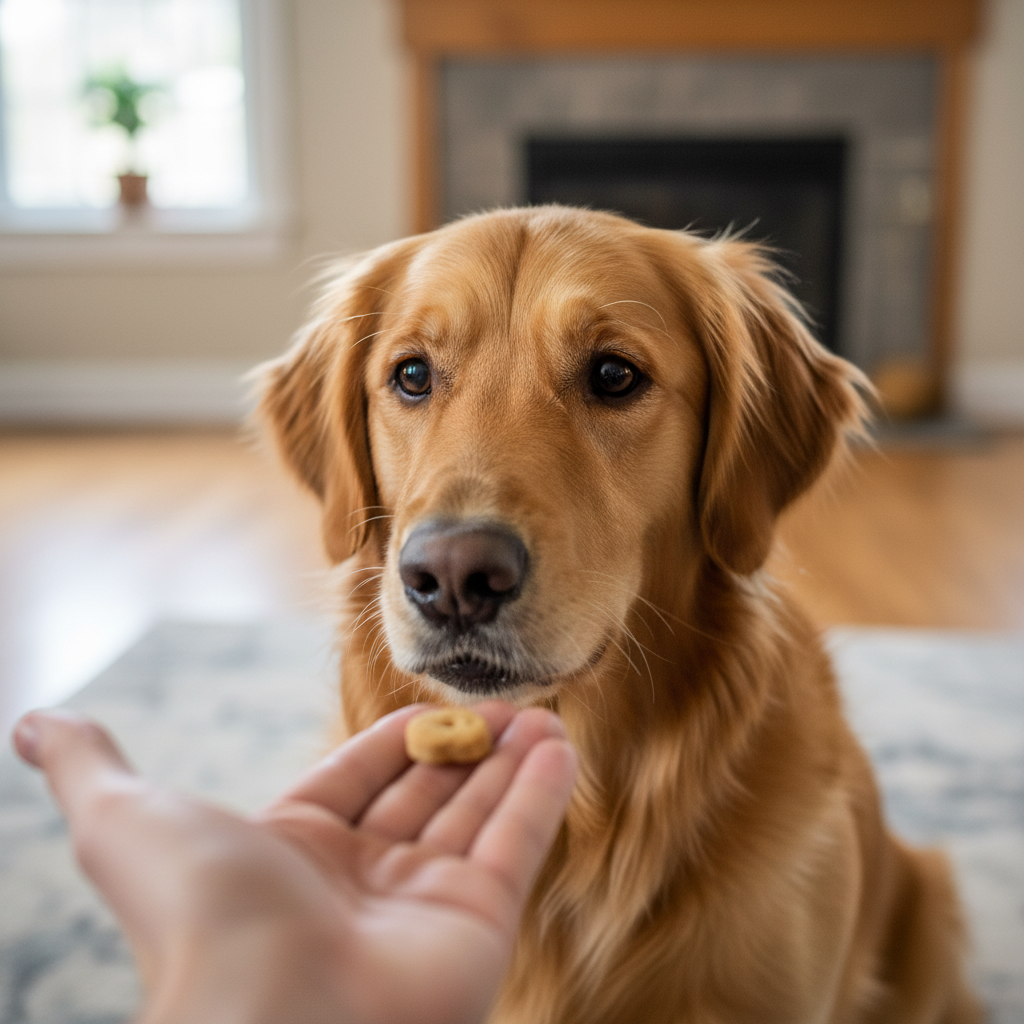
What motivates your dog? For some, it’s a specific type of treat; for others, it’s a squeaky toy or a game of tug. Identifying your dog’s highest-value rewards is critical for effective attention training. These aren’t their everyday kibble; these are the special incentives they’ll work hard for.
Finding Your Dog’s Ultimate Motivator
- Experiment with Treats Try small pieces of cooked chicken, cheese, hot dogs, or liver treats.
- Observe Play Preferences Does your dog love fetch, tug, or chasing a flirt pole?
- Vary Rewards Keep your dog guessing and excited by rotating high-value rewards.
- Reserve High-Value Rewards Only use these for training attention and response, making them extra special.
Action 3 – Practice in Low-Distraction Environments First
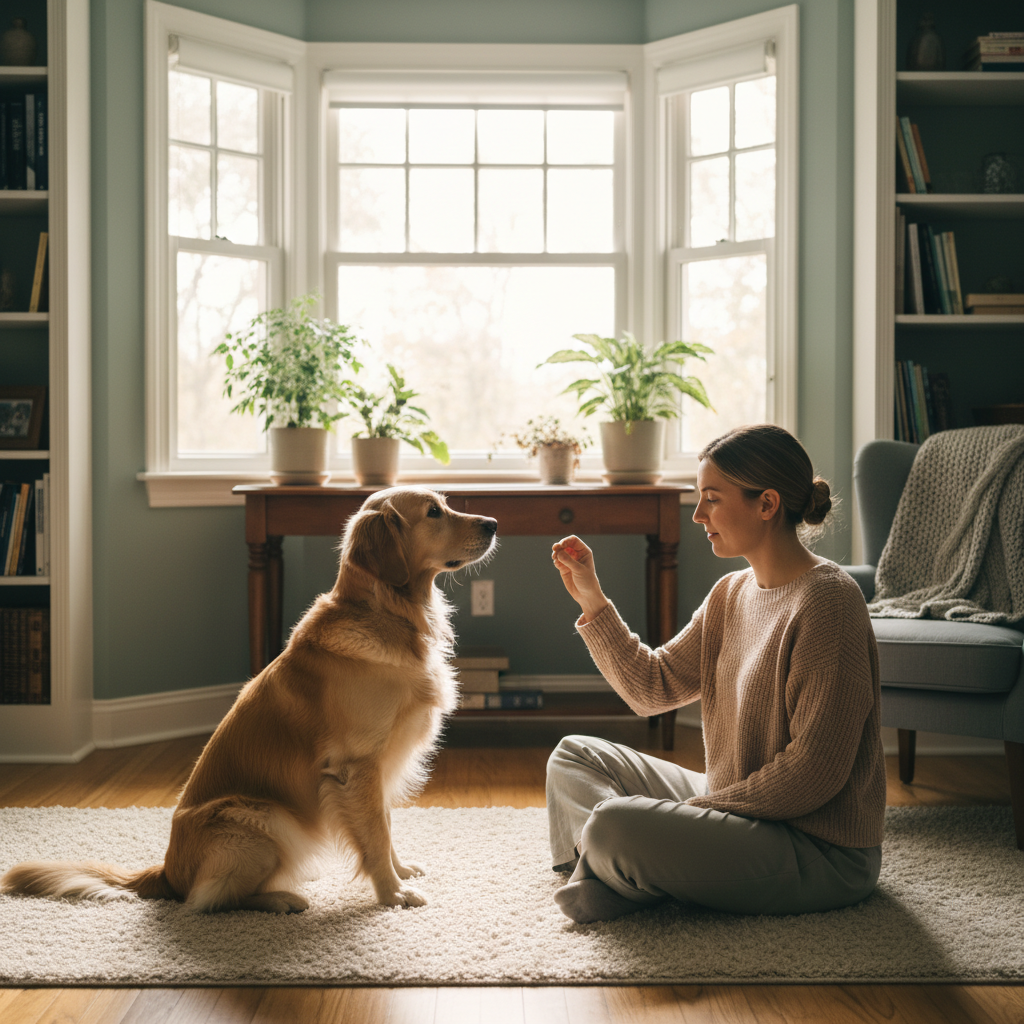
It’s tempting to jump straight to practicing in the park, but that’s like asking a child to solve calculus before they’ve learned addition. Start in a quiet, familiar environment like your living room or backyard where there are minimal distractions. This allows your dog to grasp the concept of focusing on you without being overwhelmed.
Gradual Progression
- Phase 1 – Home Sweet Home Begin indoors, in a room with the door closed.
- Phase 2 – Backyard Basics Move to a quiet backyard or a very calm, enclosed outdoor space.
- Phase 3 – Controlled Outdoors Try a quiet park during off-peak hours, or a friend’s fenced yard.
- Phase 4 – Real-World Scenarios Gradually introduce more distractions, always setting your dog up for success. If they fail, go back a step.
Action 4 – Use Short, Engaging Training Sessions
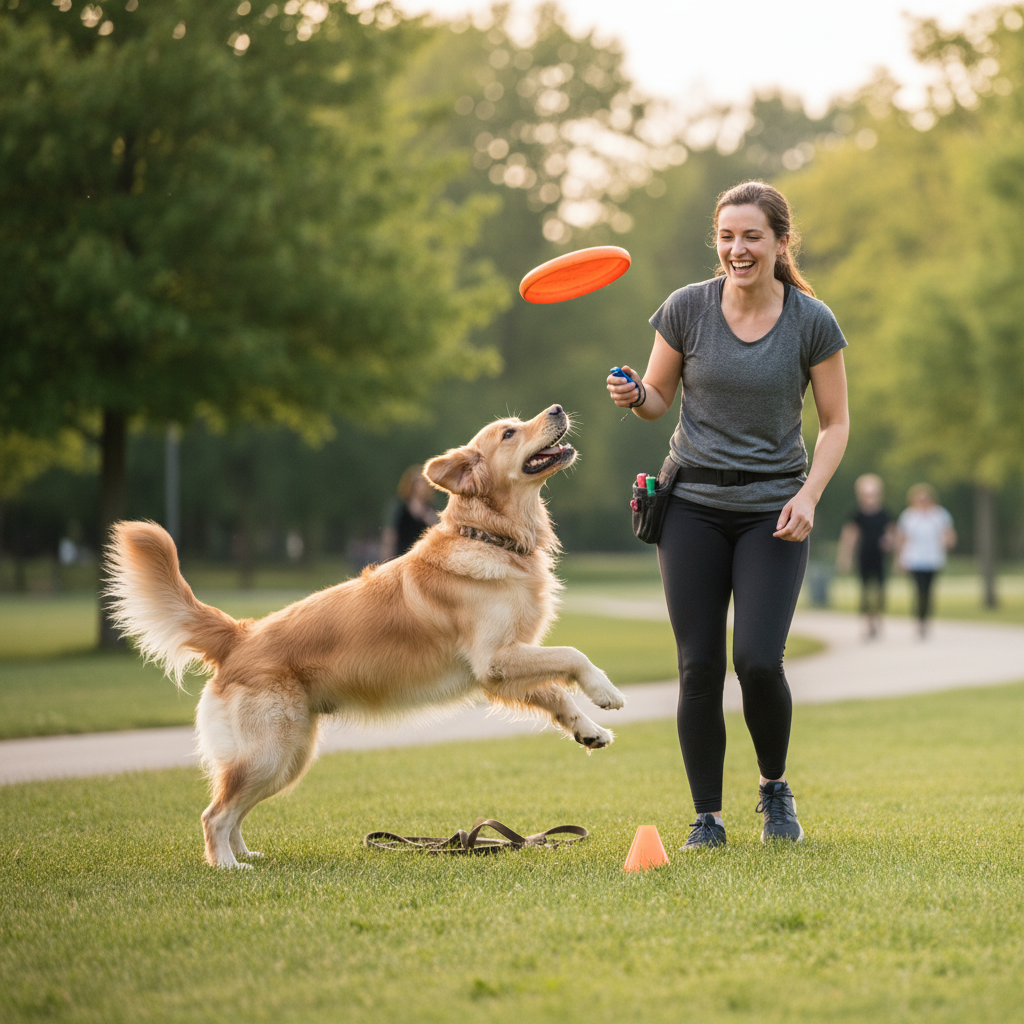
Dogs, especially puppies and easily distracted breeds, have short attention spans. Long, repetitive training sessions can lead to boredom, frustration, and a decrease in motivation. Aim for short, frequent bursts of training—think 5-10 minutes, 2-3 times a day.
Keep it Fun and Positive
- End on a High Note Always finish a session after a successful command and a big reward.
- Incorporate Play Mix in short play breaks during training to keep energy levels up.
- Vary Activities Don’t just do the same command over and over. Switch it up to keep their interest.
- Read Your Dog If your dog seems bored or distracted, it’s time for a break.
Action 5 – Be Consistent with Cues and Commands
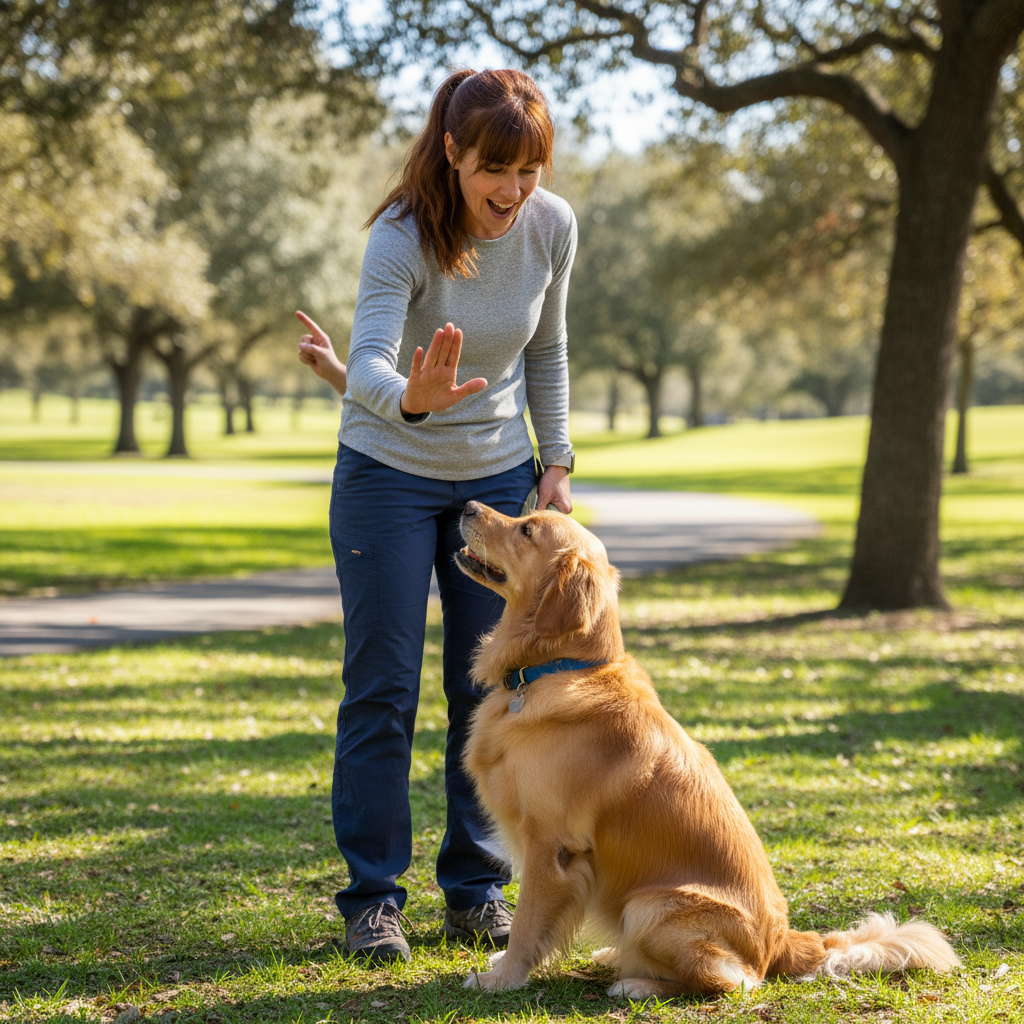
Inconsistency is one of the biggest roadblocks to a dog’s attention and response. If you use different words for the same command, or if family members use different cues, your dog will become confused and less likely to respond. Everyone in the household needs to be on the same page.
Establish Clear Communication
- One Word, One Meaning Choose a single, clear word for each command (e.g., “Come,” “Sit,” “Stay”).
- Consistent Hand Signals Pair verbal commands with consistent hand signals.
- Follow Through If you give a command, gently guide your dog to complete it, then reward. Don’t repeat commands endlessly without action.
- Positive Reinforcement Only Avoid punishment, which can erode trust and make your dog less willing to engage with you.
Action 6 – Build a Strong Bond Through Play
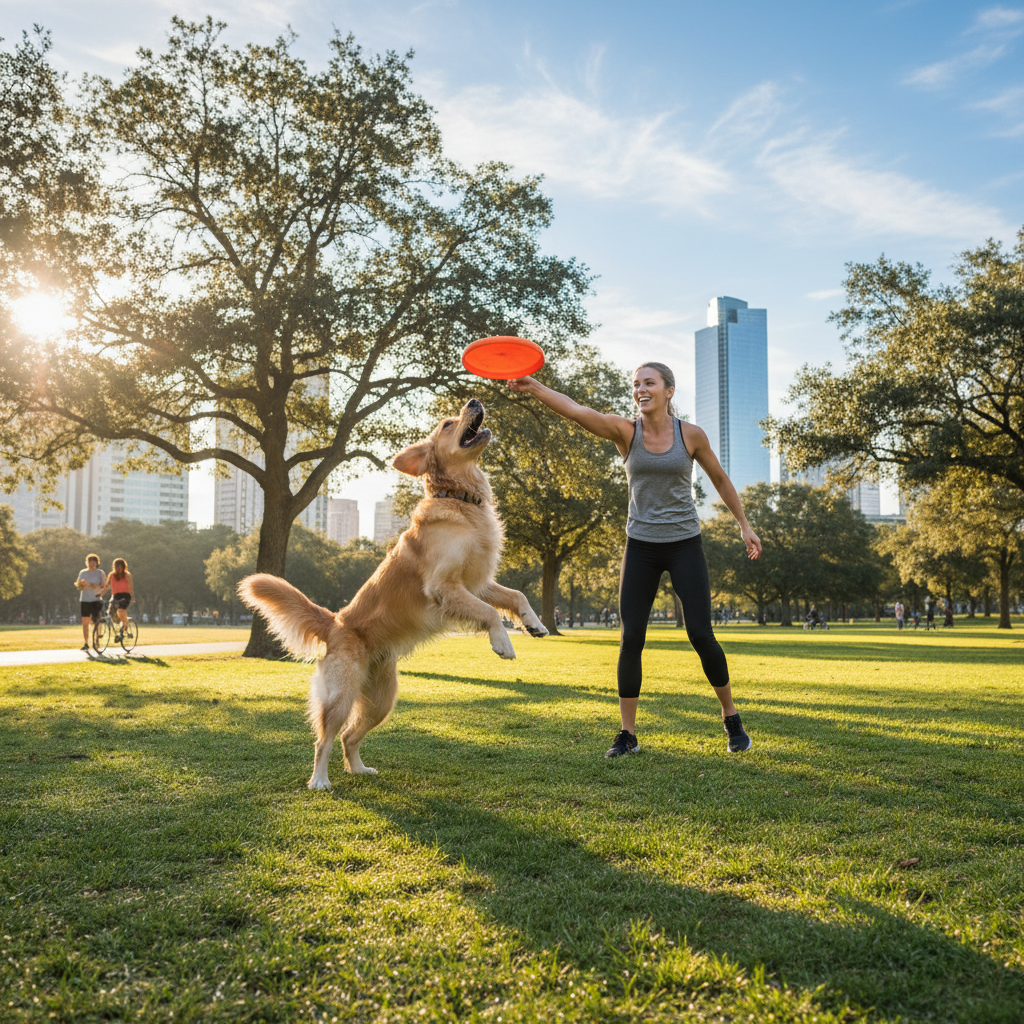
Beyond formal training, simply spending quality, fun time with your dog is one of the most powerful ways to improve their attention. When your dog sees you as the source of all good things—fun, games, and affection—they’ll naturally want to engage with you more.
Play is Powerful
- Interactive Games Games like fetch, tug, hide-and-seek, or even just chasing each other in the yard build connection.
- Daily Walks Explore new places together, allowing for sniffing but also practicing attention checks.
- Cuddle Time Simple affection and quiet moments together strengthen your emotional bond.
- Training as Play Make training sessions feel like a game, rather than a chore, to keep your dog eager to participate.
Conclusion
Improving your dog’s attention and response is a journey, not a destination. It requires patience, consistency, and a deep understanding of your dog’s unique personality and motivations. By implementing these six immediate actions—mastering “Look at Me,” using high-value rewards, starting in low-distraction settings, keeping sessions short, being consistent, and building your bond through play—you’ll lay a strong foundation for a more attentive, responsive, and ultimately, happier relationship with your beloved canine companion. Remember, every moment you invest in building this connection is a gift to both you and your dog, leading to a lifetime of joy and understanding together.