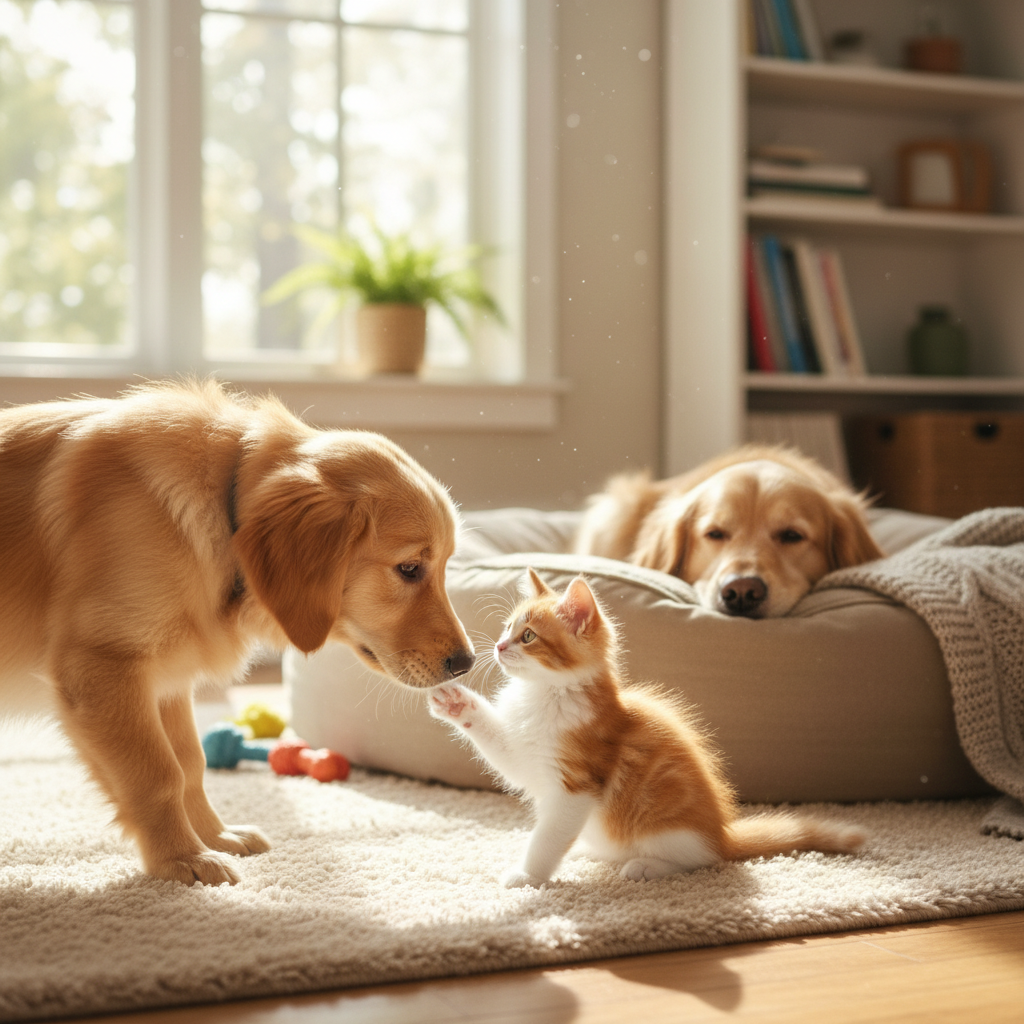
Bringing a new furry friend into your home is an incredibly exciting time! Visions of happy pets playing together fill your mind. However, the reality of introducing a new companion animal to your existing pet can sometimes be a bit more complex than those dreamy scenarios. It’s a delicate dance that requires patience, understanding, and a strategic approach to ensure everyone feels safe, loved, and eventually, like part of the same happy family.
Whether you’re adding another dog, a cat, or even a smaller critter, a smooth introduction sets the foundation for a harmonious multi-pet household. Rushing the process can lead to stress, anxiety, and even conflict, which nobody wants. This guide will walk you through six essential techniques, offering practical steps and a caring perspective to help your pets transition into a happy coexistence.
Understanding Your Current Pet’s Personality

Before you even bring your new companion home, take a moment to truly assess your current pet. What’s their temperament? Are they laid-back and friendly with other animals, or are they more territorial, anxious, or a bit of a lone wolf? Knowing your pet’s baseline behavior is crucial for anticipating potential reactions and tailoring your introduction strategy.
- Social Butterfly: If your pet loves meeting new animals, they might adapt more quickly.
- Shy and Reserved: A timid pet will need extra space and time to warm up.
- Territorial: Pets who guard their space or resources will require careful management of their environment.
- Playful and Energetic: Ensure the new companion can match or tolerate their energy levels, or introduce gradually.
Consider their past experiences too. A dog rescued from a difficult situation might be wary, while a puppy raised with other pets might be more adaptable. This understanding will empower you to create a safe and positive experience for all involved.
Preparation is Key – Setting the Stage for Success

A successful introduction starts long before your new pet crosses the threshold. Preparing your home and establishing clear boundaries can prevent many potential issues. Think of it as setting up a neutral, welcoming environment for both animals.
Create Separate Safe Spaces

Each animal needs its own private retreat – a crate, a separate room, or a designated corner where they can eat, sleep, and feel secure without interference. This is non-negotiable, especially in the early stages. Ensure these spaces have their own food, water, toys, and bedding.
Manage Resources

Resource guarding is a common trigger for conflict. Keep food bowls, water dishes, toys, and beds separate. Feed pets in different rooms or at a safe distance from each other. High-value treats should only be given when pets are completely separated.
De-Scent Their Territory

While scent introduction is important, initially, you want to minimize strong territorial scents. Give your existing pet’s favorite items a wash, and ensure common areas are clean. This helps reduce any immediate “this is my space” reactions.
The Neutral Territory Meet-Up

For dog-to-dog introductions, meeting on neutral ground can significantly reduce territorial instincts. A local park, a quiet street, or a friend’s backyard are ideal. This allows them to meet without the pressure of defending their home turf.
- On Leash, Controlled Environment: Both pets should be on leashes, handled by separate, calm individuals. Keep the leashes loose to avoid tension.
- Walk Parallel: Start by walking the dogs parallel to each other at a distance where they acknowledge each other but don’t react negatively. Gradually decrease the distance.
- Brief Sniffs: Allow very short, supervised sniffing sessions. Look for relaxed body language – loose tails, soft eyes. Interrupt any tense staring or stiff body language immediately.
- Keep it Positive: Offer treats and praise for calm behavior. End on a positive note, even if it’s a very short interaction.
For cat-to-cat or cat-to-dog introductions, a neutral room within the home that neither pet considers their primary territory can serve a similar purpose, but with a barrier like a baby gate or screen door.
Gradual Scent Introduction

Animals communicate heavily through scent. Gradual scent introduction allows them to get to know each other without direct, potentially overwhelming, physical contact. This builds familiarity and reduces anxiety.
- Swap Bedding/Toys: Take a blanket or toy from your new pet’s safe space and place it in your existing pet’s area (and vice-versa).
- Observe Reactions: Watch how they react. Calm sniffing is good. Growling, hissing, or avoidance means you need to go slower.
- Positive Association: While they are sniffing the new scent, offer high-value treats or praise to create a positive association.
- Indirect Sight: Once comfortable with scents, introduce indirect sight through a baby gate or screen door, still offering positive reinforcement.
This process can take days or even weeks. Patience is truly a virtue here.
Supervised Interactions and Positive Reinforcement

Once scent and indirect visual introductions are going well, you can move to supervised, direct interactions. These should always be short, positive, and controlled.
- Short & Sweet: Keep initial interactions brief – just a few minutes. Always end on a good note before any tension arises.
- Leash Control (if necessary): For dogs, keep them on loose leashes initially. For cats, ensure escape routes are available.
- Distraction & Redirection: Have toys or treats ready to distract if tension builds. Redirect any unwanted behavior.
- Reward Calmness: Lavishly praise and treat both pets for calm, relaxed behavior when they are together. This reinforces the idea that being together is a positive experience.
- Never Force It: Never force interaction. If one pet is hiding or showing signs of fear, respect their boundaries.
Always supervise these interactions closely. Never leave new pets unsupervised until you are absolutely certain they are comfortable and safe together.
Managing Expectations and Patience

Perhaps the most crucial technique is managing your own expectations and cultivating immense patience. There’s no fixed timeline for pet introductions. Some pets bond instantly, while others take weeks or even months to truly feel comfortable with each other.
- Every Pet is Unique: Don’t compare your pets to others. Each animal has its own personality and adjustment speed.
- Small Victories: Celebrate small signs of progress – a shared glance, a moment of calm proximity, eating in the same room without incident.
- Don’t Rush: Rushing the process will almost always lead to setbacks. Take a step back if things get tense.
- Seek Professional Help: If you’re struggling, don’t hesitate to consult a certified professional dog trainer, cat behaviorist, or veterinary behaviorist. They can offer tailored advice and intervention.
Remember, your goal isn’t necessarily for them to be best friends overnight, but to achieve a peaceful and respectful coexistence.
Troubleshooting Common Challenges

Even with the best intentions, challenges can arise. Here are quick tips for common issues:
- Hissing/Growling: This is a warning. Separate immediately and return to an earlier, less intense stage of introduction (e.g., scent swapping only).
- Resource Guarding: Ensure all high-value items are kept separate. Feed in different rooms.
- Fear/Hiding: Give the fearful pet more space and time. Don’t force them out. Use positive reinforcement when they choose to come out.
- Over-Excitement/Rough Play: Redirect with toys or a short time-out. Ensure the existing pet isn’t overwhelmed.
Consistency and remaining calm are your best tools when troubleshooting. Your pets will pick up on your energy.
Bringing a new companion animal home is a journey, not a sprint. By applying these six smooth introduction techniques – understanding your existing pet, thorough preparation, neutral territory meetings, gradual scent introduction, supervised interactions, and managing your expectations with patience – you’re laying the groundwork for a loving, multi-pet family. It might take time, and there might be bumps along the way, but the reward of seeing your beloved animals coexist peacefully is truly priceless. Trust the process, be consistent, and shower both your old and new companions with love and reassurance. You’ve got this, and they’ll thank you for it with years of companionship.