
Labrador Retrievers are more than just pets; they’re cherished family members known for their friendly nature, boundless energy, and unwavering loyalty. Becoming an outstanding Labrador caregiver means understanding their unique needs and dedicating yourself to their well-being. This guide will walk you through seven smart strategies to ensure your Lab lives a happy, healthy, and fulfilling life right by your side.
1. Understanding Labrador Needs – The Foundation

Before diving into specific care routines, it’s crucial to grasp the inherent characteristics of a Labrador. They are a medium-to-large breed, typically weighing between 55-80 pounds, with a lifespan of 10-12 years. Known for their intelligence and eagerness to please, Labs thrive on interaction and purpose. They were originally bred as working dogs, meaning they have a natural inclination for retrieving and require both physical and mental stimulation.
Key Labrador Traits
- High Energy Levels: Requires significant daily exercise.
- Intelligent and Trainable: Benefits greatly from consistent training.
- Social and Affectionate: Loves being part of the family.
- Prone to Certain Health Issues: Awareness is key for preventative care.
- Strong Chewers: Needs appropriate chew toys to satisfy instincts.
2. Nutrition for a Healthy, Happy Lab

Proper nutrition is the cornerstone of your Labrador’s health. With their hearty appetites, Labs are prone to obesity, which can lead to serious health problems. Choosing the right food and managing portion sizes are critical.
Choosing the Right Food
Look for high-quality dog food that lists real meat (like chicken, beef, or lamb) as the first ingredient. Avoid foods with excessive fillers, artificial colors, or by-products. Consider age-appropriate formulas (puppy, adult, senior) and consult your vet for specific dietary recommendations, especially if your Lab has allergies or sensitivities.
Portion Control and Feeding Schedule
Follow the feeding guidelines on your dog food bag, but adjust based on your Lab’s activity level, age, and metabolism. It’s often best to feed adult Labs two meals a day to help manage hunger and prevent overeating. Use a measuring cup to ensure accurate portions. Limit treats, as they contribute to calorie intake.
3. Exercise is Key for Labrador Well-being

A tired Lab is a happy Lab! These dogs are bursting with energy and require substantial daily exercise to stay physically fit and mentally stimulated. Without enough activity, Labs can become bored, destructive, or develop behavioral issues.
Daily Exercise Requirements
Aim for at least 60-90 minutes of vigorous exercise daily. This can be broken into multiple sessions. Activities that Labs particularly enjoy include:
- Long walks or jogs: Exploring new scents and sights.
- Fetching and retrieving: Tapping into their natural instincts.
- Swimming: Excellent low-impact exercise for their joints.
- Dog park visits: Socialization and off-leash play.
- Hiking: Adventurous and mentally stimulating.
Remember to adjust exercise intensity and duration based on your Lab’s age and health condition. Always ensure access to fresh water during and after exercise.
4. Training Your Smart and Eager Labrador

Labradors are intelligent and eager to please, making them highly trainable. Early and consistent training is vital for a well-behaved companion. Positive reinforcement methods work best, building trust and strengthening your bond.
Essential Training Areas
- Obedience Training: Start with basic commands like sit, stay, come, and heel. Enroll in puppy classes or work with a professional trainer if needed.
- Leash Training: Teach your Lab to walk politely on a leash without pulling.
- Socialization: Expose your puppy to various people, places, sounds, and other friendly dogs from a young age to develop a confident, well-adjusted temperament.
- Crate Training: A crate can be a safe den for your Lab and aid in house training.
Consistency is paramount. Short, frequent training sessions (5-10 minutes) are more effective than long, infrequent ones.
5. Grooming Essentials for a Shiny Coat
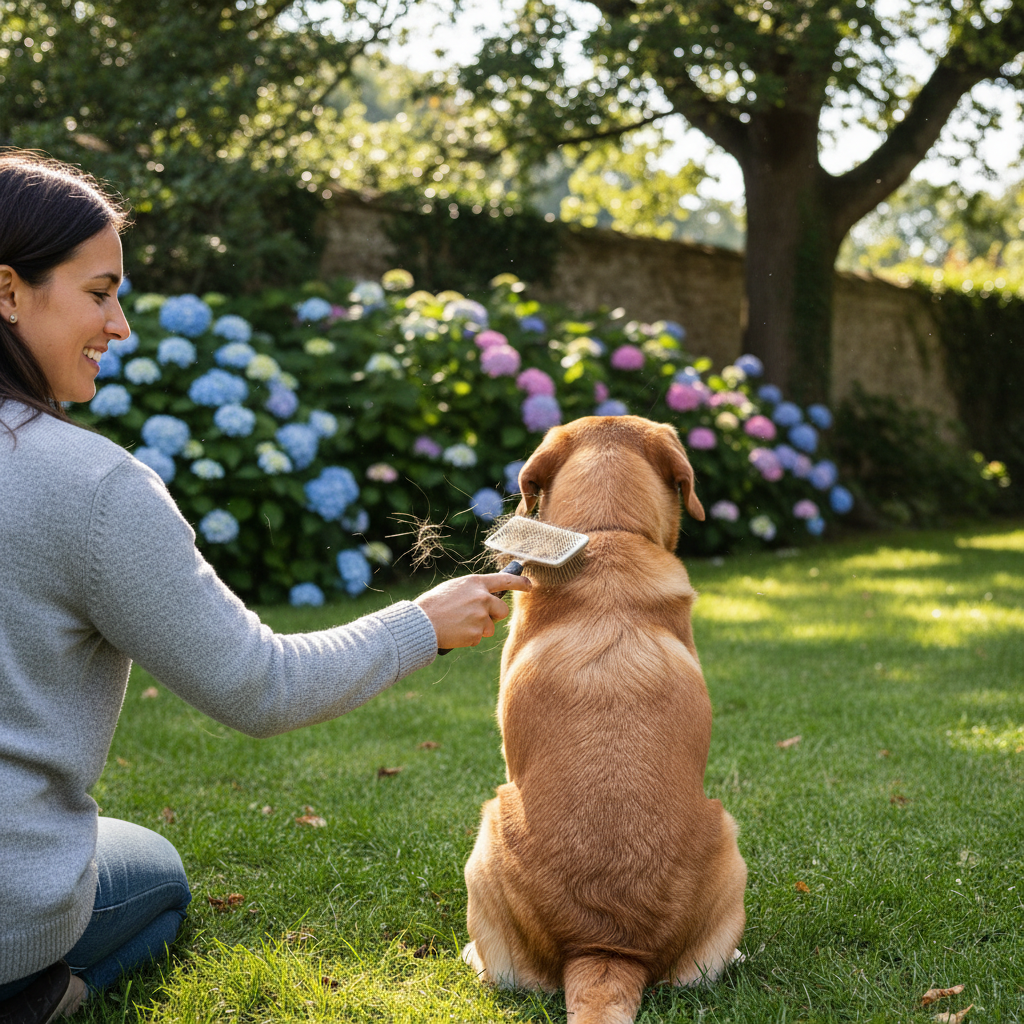
Labradors have a dense, double coat that requires regular grooming to stay healthy and minimize shedding. While they don’t need elaborate trims, routine care is important.
Grooming Routine
- Brushing: Brush your Lab 2-3 times a week, more during shedding season (spring and fall), using a slicker brush or de-shedding tool. This removes loose hair and distributes natural oils.
- Bathing: Bathe only when necessary, typically every 1-3 months, using a dog-specific shampoo. Over-bathing can strip their coat of essential oils.
- Nail Trimming: Trim nails every 3-4 weeks to prevent discomfort and potential paw issues.
- Ear Cleaning: Check and clean ears weekly, especially after swimming, to prevent infections. Use a vet-approved ear cleaner.
- Dental Care: Brush your Lab’s teeth several times a week with dog-specific toothpaste and brush to prevent dental disease.
6. Prioritizing Preventative Health Care

Being proactive about your Labrador’s health is one of the most loving things you can do. Preventative care can help catch issues early and ensure a longer, healthier life.
Regular Vet Check-ups
Schedule annual veterinary check-ups for adult Labs, and more frequent visits for puppies and seniors. These appointments include vaccinations, parasite prevention, and a thorough physical examination.
Common Labrador Health Concerns
Be aware of conditions Labradors are predisposed to:
- Hip and Elbow Dysplasia: A genetic joint condition.
- Eye Conditions: Such as progressive retinal atrophy.
- Bloat (Gastric Dilatation-Volvulus): A life-threatening emergency.
- Obesity: As mentioned, due to their love for food.
- Allergies: Can manifest as skin issues or digestive upset.
Discuss these with your vet and consider pet insurance for unexpected medical costs.
7. Building an Unbreakable Bond with Your Lab

Beyond the physical care, nurturing the emotional connection with your Labrador is paramount. They thrive on companionship and being an integral part of your life.
Strengthening Your Relationship
- Quality Time: Spend dedicated time playing, cuddling, and just being together.
- Positive Reinforcement: Reward good behavior with praise, treats, and affection.
- Understand Their Language: Learn to read your Lab’s body language to better understand their needs and feelings.
- Patience and Love: Always approach your Lab with patience and unwavering love, even during challenging moments.
Your Labrador’s loyalty and affection are a precious gift. By investing in their care and showering them with love, you’ll build a bond that truly lasts a lifetime.
Conclusion
Becoming an outstanding Labrador caregiver is a rewarding journey filled with joyful moments and a deep, unconditional love. By consistently applying these seven smart strategies—understanding their needs, providing proper nutrition, ensuring ample exercise, consistent training, regular grooming, preventative health care, and fostering a strong bond—you are setting your beloved Labrador up for a life of happiness, health, and companionship. Your dedication will be repaid tenfold in wagging tails, happy barks, and a loyal friend always by your side.