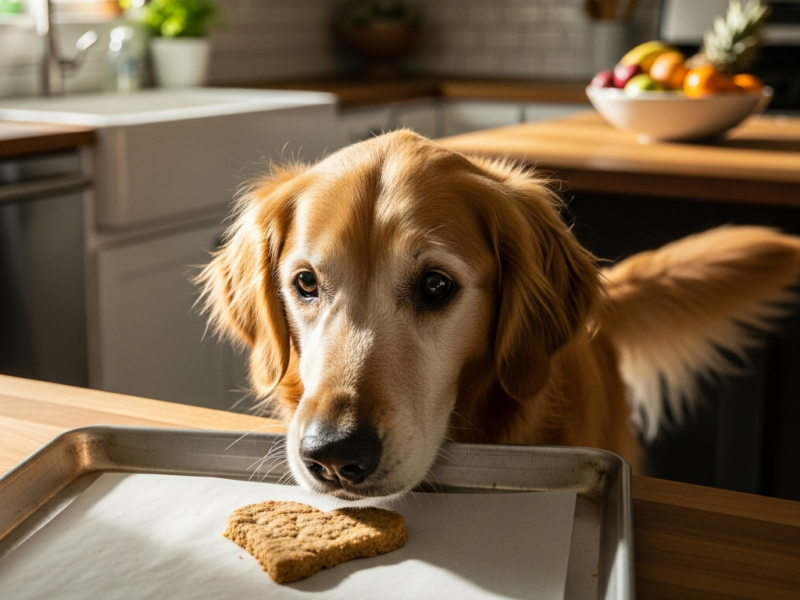
Every dog parent knows the joy of giving their furry friend a treat. Whether it is for good behavior, during training, or just because they look extra cute, treats are a wonderful way to bond and show affection. They play a vital role in our dogs’ lives, offering motivation and enrichment.
However, just like us, dogs can easily gain too much weight if they indulge in high-calorie snacks too often. Keeping your dog at a healthy weight is crucial for their long-term health and happiness. The good news is that you do not have to give up treats entirely.
By choosing low-calorie options, you can still spoil your beloved companion without compromising their well-being. This article will explore seven fantastic low-calorie treats that are safe, healthy, and sure to get your dog’s tail wagging.
Why Low-Calorie Treats Matter for Your Dog
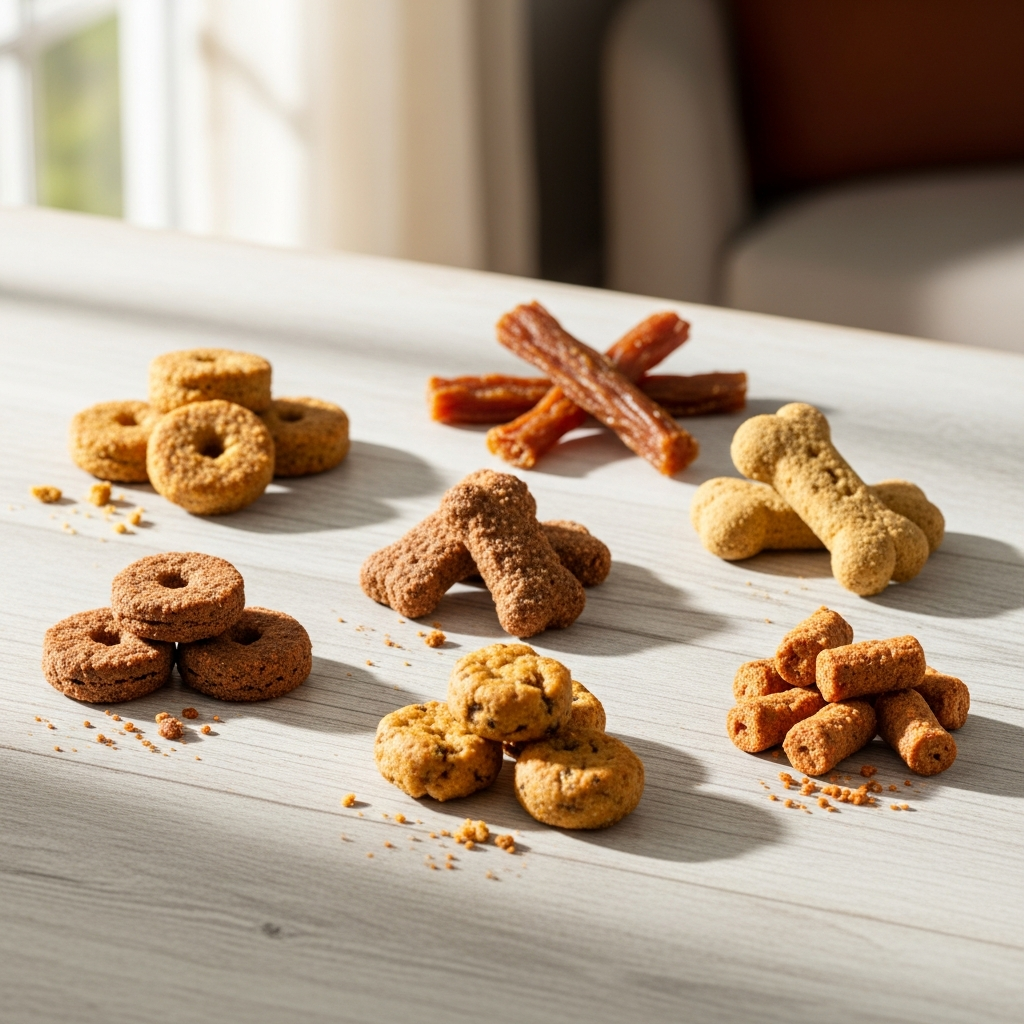
Treats are often an overlooked part of a dog’s daily calorie intake. Many commercial treats, while tasty, can pack a surprising caloric punch. Understanding why low-calorie options are so important is the first step toward smart snacking.
The Growing Concern of Canine Obesity
Canine obesity is a serious and widespread health issue. Vets are seeing more and more overweight dogs, and this extra weight can lead to a host of health problems. Just like in humans, obesity in dogs can cause issues such as joint pain, arthritis, diabetes, heart disease, and a reduced lifespan.
Choosing low-calorie treats is a simple yet effective way to help prevent these problems. It supports a healthy metabolism and reduces the overall caloric load on your dog’s system.
Maintaining a Healthy Weight
A dog’s ideal weight is critical for their overall health. Every calorie from treats adds up throughout the day. If your dog is getting a lot of high-calorie treats on top of their regular food, it is very easy for them to consume more energy than they burn.
Low-calorie alternatives allow you to give treats more frequently without significantly impacting their daily calorie budget. This means more happy moments for both of you, without the guilt.
Smart Snacking for Training and Rewards
Treats are an indispensable tool for training. Positive reinforcement, often through treats, helps dogs learn commands and good behavior. If you are using high-calorie treats, you might find yourself limiting training sessions to avoid overfeeding.
Low-calorie treats mean you can offer more rewards during training without worrying about weight gain. This makes training more effective and more enjoyable for your dog, who gets to work for tasty, guilt-free rewards.
The Golden Rules for Choosing Dog Treats
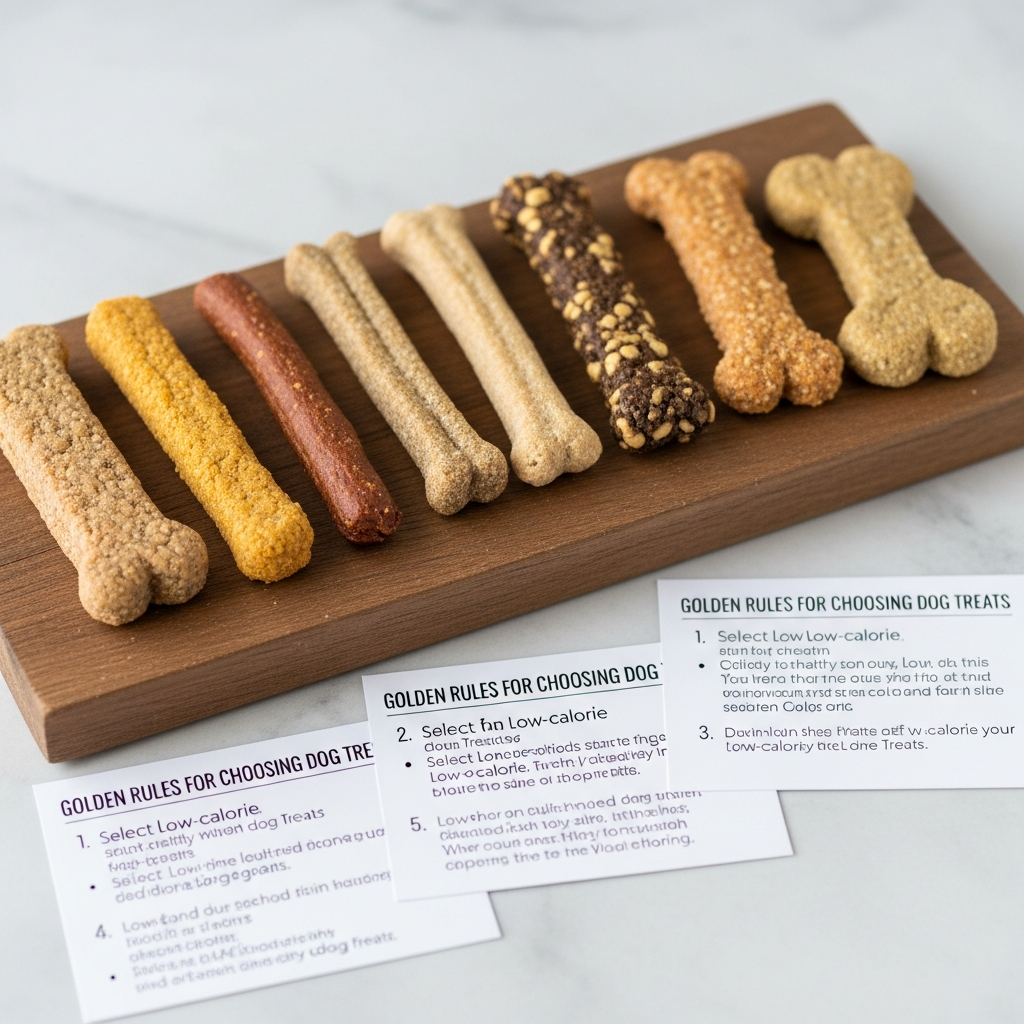
Before we dive into our top seven low-calorie options, let us cover some essential guidelines for choosing any treat for your dog. Making informed choices is key to your dog’s health.
Read the Labels Carefully
Always check the ingredient list and nutritional information on any commercial treat. Look for real, whole ingredients and avoid products with excessive fillers, artificial colors, or preservatives. Pay close attention to the calorie count per treat, as this can vary wildly.
Avoid Fillers and Artificial Additives
Many commercial treats contain corn, wheat, soy, or other fillers that offer little nutritional value and can contribute to weight gain or allergies. Artificial colors and flavors are also best avoided. Opt for treats with simple, recognizable ingredients.
Consider Your Dog’s Specific Needs
Every dog is unique. Take into account your dog’s age, activity level, breed, and any existing health conditions or allergies. A highly active young dog might tolerate slightly more calories than a senior, less active dog. Always consult your vet if you are unsure.
Our Top 7 Low-Calorie Dog Treats
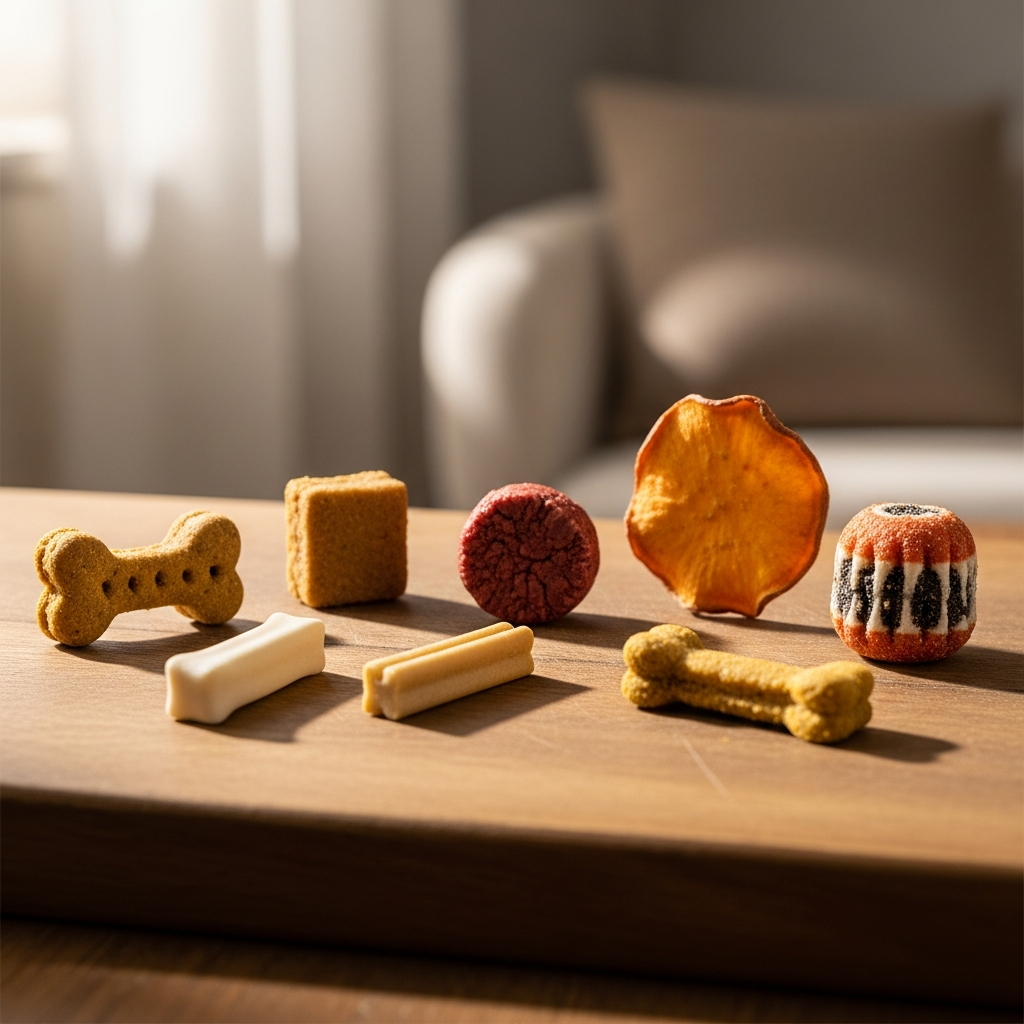
Regenerate Image
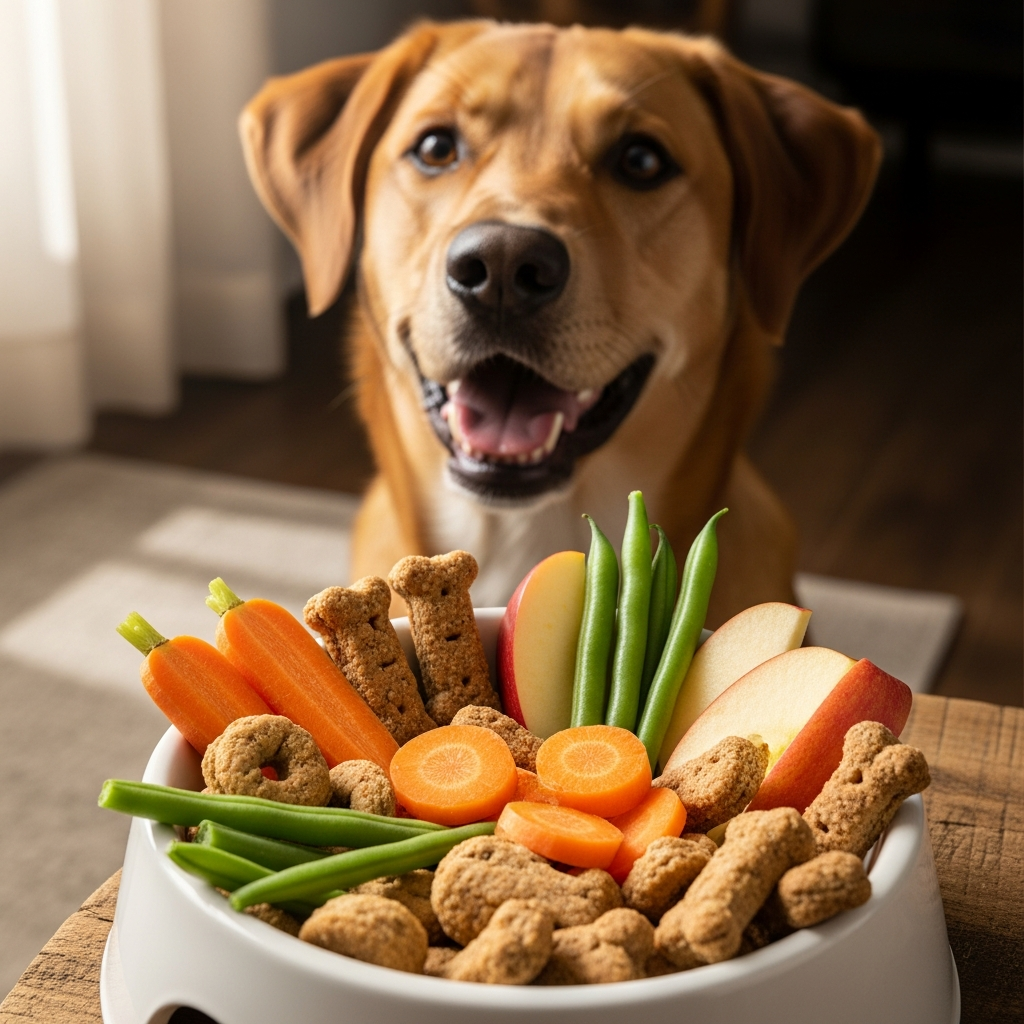
Here are seven fantastic, low-calorie treat options that are both healthy and delicious for most dogs. Remember to always introduce new foods slowly and in small amounts.
1. Fresh Green Beans
Green beans are a wonderful, crunchy treat for dogs that love vegetables. They are incredibly low in calories and packed with nutrients.
Why They’re Great:
* Extremely low in calories.
* High in fiber, which aids digestion and helps dogs feel full.
* Rich in vitamins K, C, and manganese.
How to Serve:
* Offer them raw, steamed, or boiled.
* Make sure they are plain, without any added salt, butter, or spices.
* Avoid canned green beans with high sodium content.
Quick Tip:
* Freeze green beans for a refreshing, crunchy snack on a hot day. This also makes them last longer.
2. Baby Carrots
Baby carrots are a popular choice for good reason. They are sweet, crunchy, and offer dental benefits while being low in calories.
Why They’re Great:
* Low in calories and fat.
* Chewing on raw carrots can help clean teeth and strengthen gums.
* Contain beta-carotene, which converts to Vitamin A, good for vision and immune function.
How to Serve:
* Offer them raw or steamed.
* Cut larger carrots into smaller, manageable pieces to prevent choking, especially for smaller dogs.
* Always supervise your dog when they are chewing on raw carrots.
Quick Tip:
* Raw baby carrots are excellent for puppies who are teething, providing a soothing chew.
3. Sliced Apples (No Seeds!)
Apples are a crisp, sweet treat that many dogs adore. They are a good source of fiber and essential vitamins.
Why They’re Great:
* Good source of dietary fiber, which aids digestion.
* Contains vitamins A and C.
* Refreshing and hydrating.
How to Serve:
* Always remove the core and seeds before serving. Apple seeds contain cyanide, which is toxic to dogs.
* Cut the apple into small, thin slices or cubes suitable for your dog’s size.
* Offer in moderation due to their natural sugar content.
Quick Tip:
* For an extra special (but still healthy) treat, spread a tiny, xylitol-free dollop of peanut butter on an apple slice.
4. Plain, Baked Sweet Potato
Sweet potatoes are a nutritional powerhouse, offering complex carbohydrates and a wealth of vitamins. When prepared plainly, they make an excellent low-calorie treat.
Why They’re Great:
* High in dietary fiber, promoting digestive health.
* Rich in vitamins A, C, B6, as well as potassium, calcium, and iron.
* A good source of complex carbohydrates for sustained energy.
How to Serve:
* Boil or bake sweet potatoes until soft.
* Cut them into small, chewable cubes.
* Serve them plain, without any added spices, sugar, butter, or oil.
* You can also dehydrate thin slices for a chewy, long-lasting treat.
Quick Tip:
* Homemade dehydrated sweet potato chews are a fantastic alternative to store-bought options, allowing you to control all ingredients.
5. Blueberries
These small berries are mighty when it comes to nutrition. Blueberries are packed with antioxidants and make a perfect small, low-calorie treat.
Why They’re Great:
* Bursting with antioxidants, which help protect cells from damage.
* Good source of fiber, vitamins C and K.
* Small size makes them ideal for training rewards.
How to Serve:
* Offer fresh or frozen blueberries in small amounts.
* They are naturally sweet, so dogs usually love them.
* Wash them thoroughly before serving.
Quick Tip:
* Toss a few blueberries into your dog’s regular food for an extra nutritional boost and a fun surprise.
6. Cucumber Slices
Cucumbers are mostly water, making them incredibly low in calories and very hydrating. They are a refreshing snack, especially on a warm day.
Why They’re Great:
* Comprised of about 95% water, making them extremely low in calories.
* Can help with hydration.
* Contains vitamins K, C, and B1.
How to Serve:
* Wash thoroughly and slice into thin, manageable pieces.
* You can peel them if your dog has a sensitive stomach, but the skin also contains nutrients.
* Serve plain, without any dressings or dips.
Quick Tip:
* Chilled cucumber slices are a wonderfully cooling and hydrating treat during summer months.
7. Plain, Air-Popped Popcorn (No Salt or Butter)
Surprising to some, plain, air-popped popcorn can be a very low-calorie and fun treat for dogs in moderation. The key is “plain.”
Why They’re Great:
* Extremely low in calories per piece.
* Offers a small amount of fiber.
* A novel and exciting treat for many dogs.
How to Serve:
* It must be strictly air-popped.
* Absolutely no salt, butter, oil, or any other toppings. These are unhealthy and can be dangerous for dogs.
* Offer only a few pieces at a time as an occasional treat, not a regular snack.
Quick Tip:
* Ensure all kernels are fully popped to avoid any choking hazards or digestive issues from unpopped kernels.
Safe Snacking Guidelines for All Treats
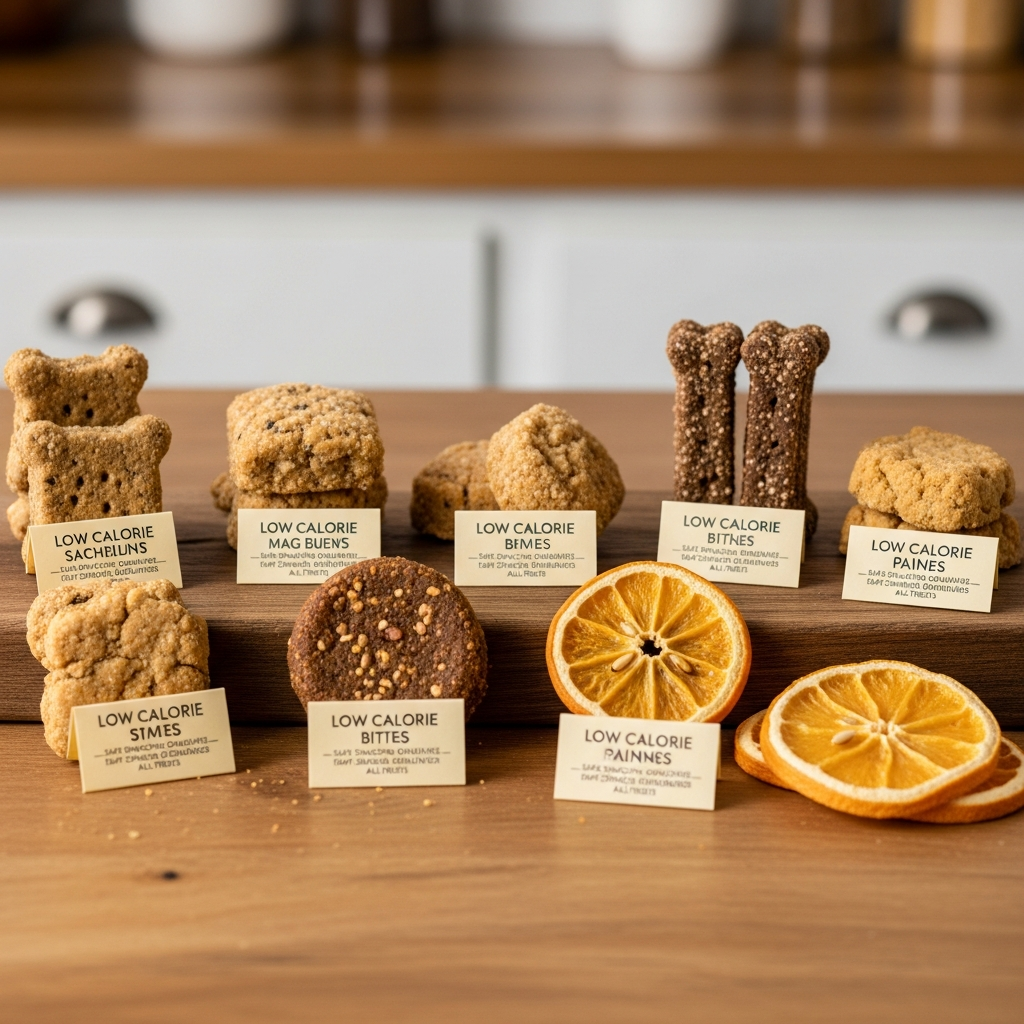
Even with healthy, low-calorie options, it is important to follow some general safety guidelines to ensure your dog enjoys their treats safely and healthily.
Always Introduce New Treats Slowly
When trying a new treat, offer a very small amount first. Monitor your dog for any signs of digestive upset, such as diarrhea, vomiting, or gas, over the next 24-48 hours. If they react well, you can gradually increase the amount.
Portion Control is Key
Even low-calorie treats can add up if given in large quantities. A good rule of thumb is that treats should make up no more than 10% of your dog’s daily caloric intake. The bulk of their diet should come from a balanced, high-quality dog food.
Choking Hazards
Always cut treats into appropriate, bite-sized pieces for your dog, especially for smaller breeds or those who tend to gulp their food. Supervise your dog while they are enjoying chews or larger pieces of fruit and vegetable.
Consult Your Veterinarian
If your dog has any pre-existing health conditions, allergies, or is on a special diet, always speak with your veterinarian before introducing new treats. They can offer personalized advice based on your dog’s individual needs.
DIY Low-Calorie Dog Treats: Get Creative!
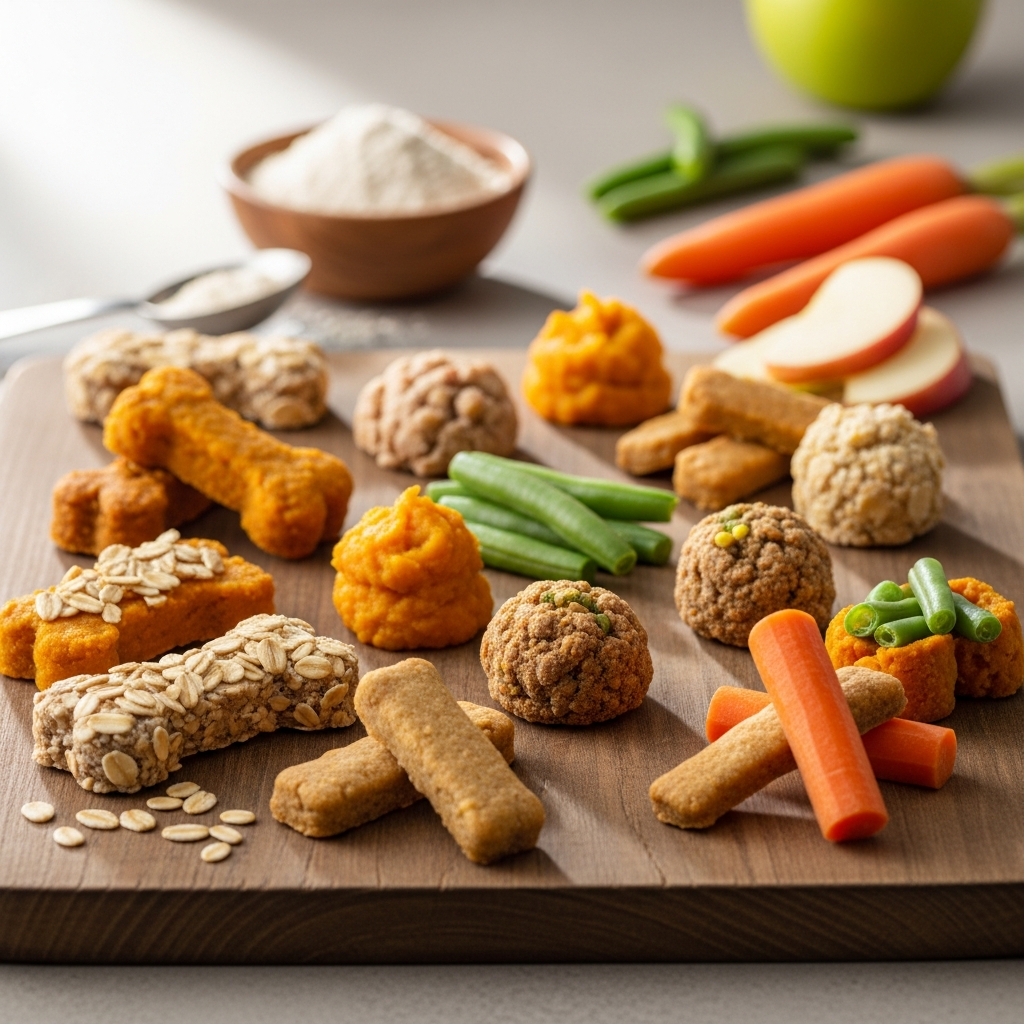
Regenerate Image
Making your own treats at home gives you complete control over the ingredients, ensuring they are free from unwanted additives and perfectly tailored to your dog’s dietary needs. It is often more economical too!
Homemade is Often Healthiest
By making treats yourself, you can select fresh, whole ingredients and avoid all preservatives, artificial flavors, and excessive salt or sugar found in many commercial products. This is particularly beneficial for dogs with sensitivities or allergies.
Simple Recipes
You do not need to be a gourmet chef to make healthy dog treats. Here are a couple of easy ideas:
Frozen Broth Cubes: Freeze plain, low-sodium chicken or beef broth in ice cube trays for a refreshing, savory treat.
Pumpkin/Banana Pupsicles: Mix plain canned pumpkin puree (not pie filling) with a ripe mashed banana, add a splash of water, and freeze in small molds or ice cube trays. These are great for sensitive tummies.