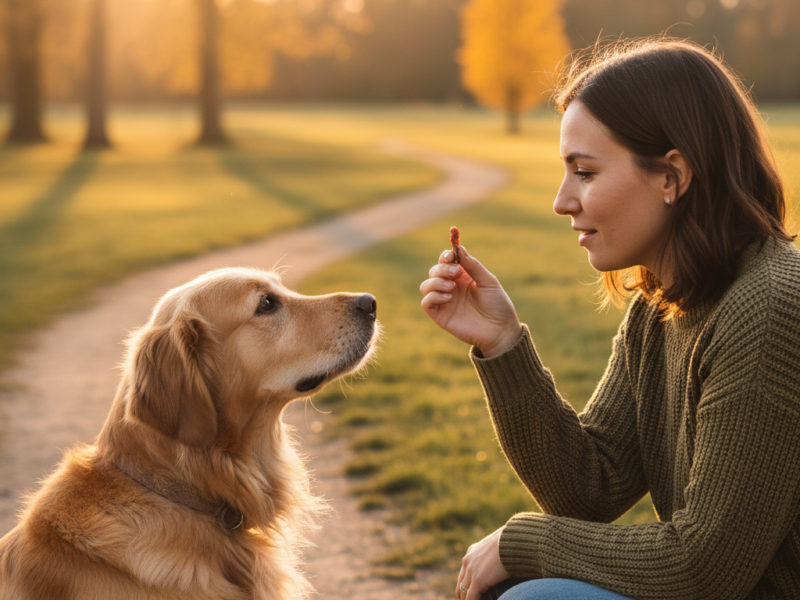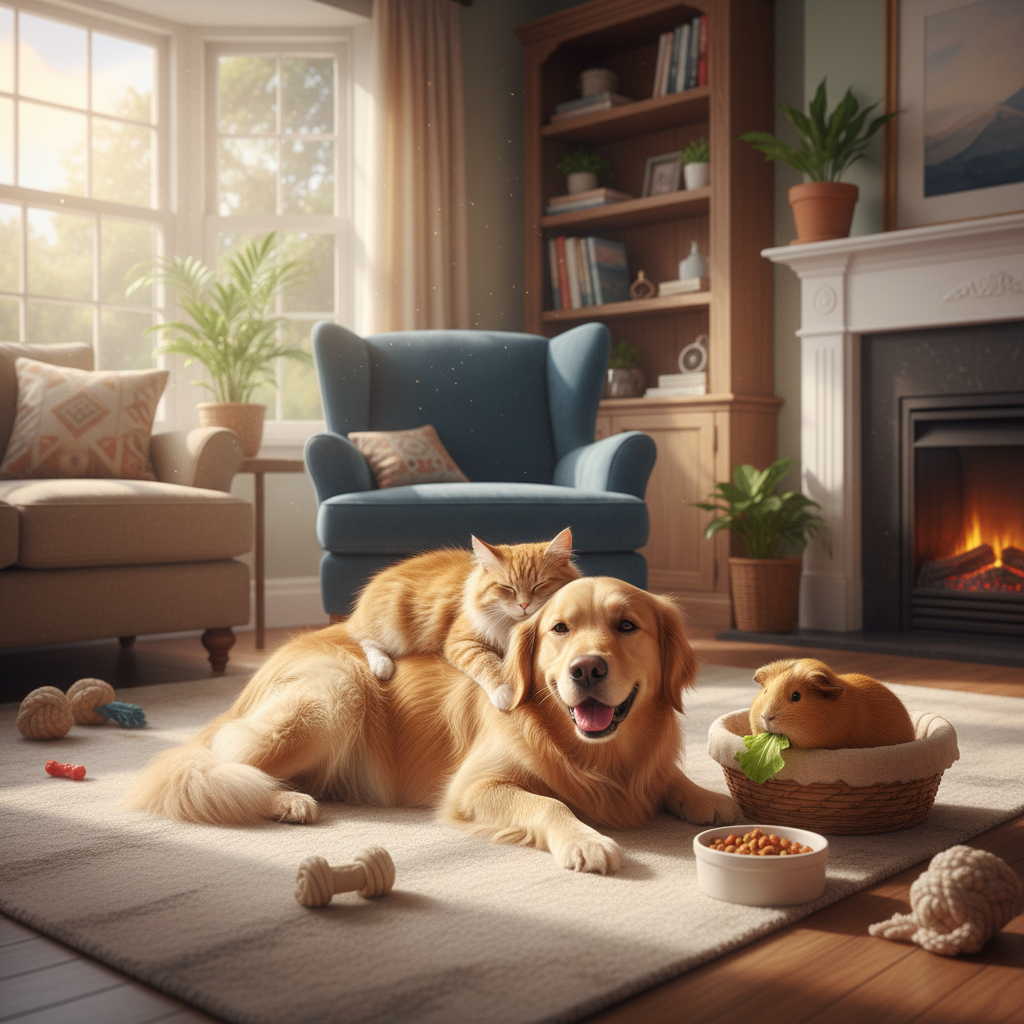
Bringing multiple animals together in one home is a joy, but sometimes, even the best-intentioned introductions can lead to social tension. Whether it’s a new puppy joining an older dog, a cat meeting a canine companion, or even small pets adjusting to new housemates, maintaining peace and harmony is key to a happy household. Understanding the subtle cues and implementing effective strategies can transform a stressful environment into a loving haven for all your furry, feathered, or scaled family members.
As devoted pet parents, our goal is to ensure every animal feels safe, loved, and respected. This guide offers five practical steps to navigate and manage social tension, helping you build a peaceful co-existence and strengthen the bonds within your unique animal family.
Understanding Animal Dynamics
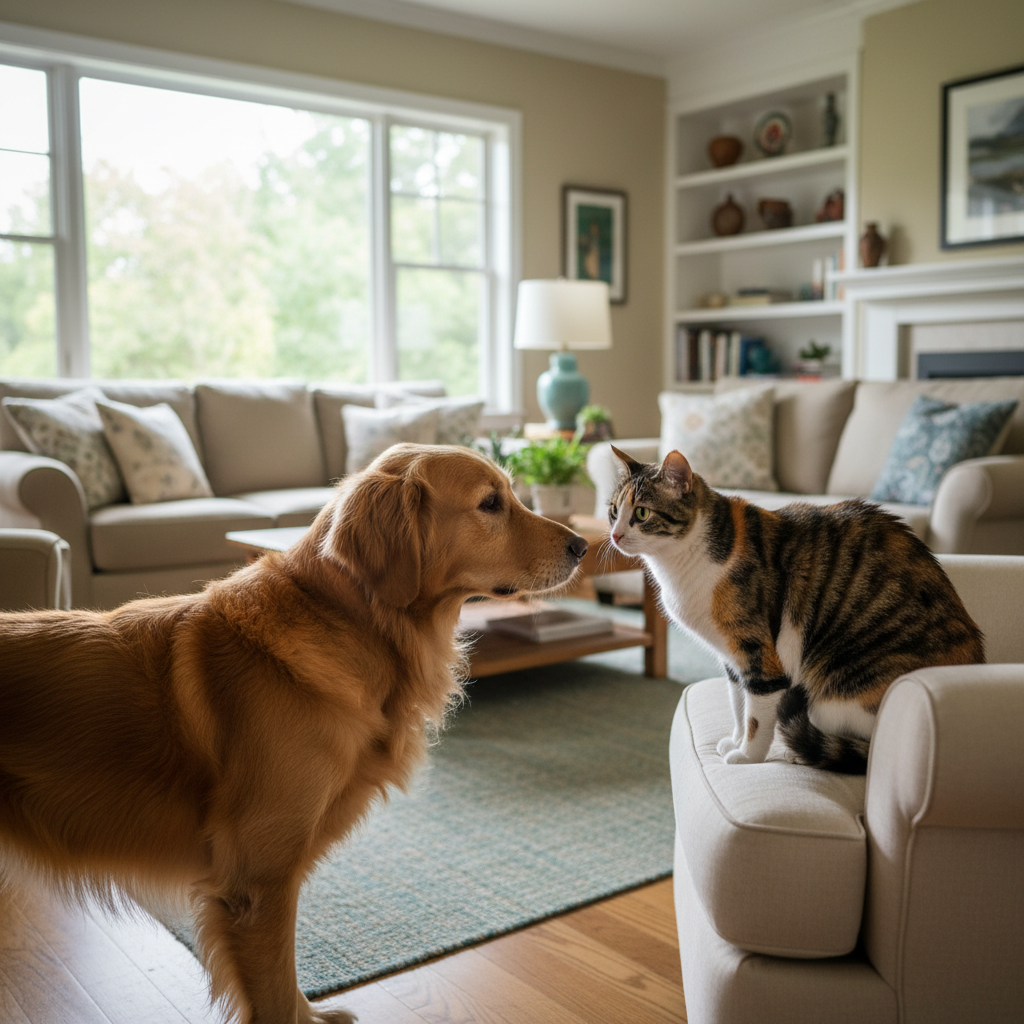
Before diving into solutions, it’s essential to understand that social tension isn’t always outright aggression. It can manifest in subtle ways, from avoidance and staring to resource guarding or minor scuffles. Every animal has a unique personality and past experiences that shape their interactions. Factors like age, breed, gender, previous trauma, and even health issues can influence how they behave around other animals.
Observing your pets closely is the first step. Pay attention to their body language- a stiff posture, flattened ears, tail position, or a direct stare can all signal discomfort or impending conflict. Learning to read these signs early can prevent escalation and help you intervene effectively.
Step 1- Recognize the Signs of Tension
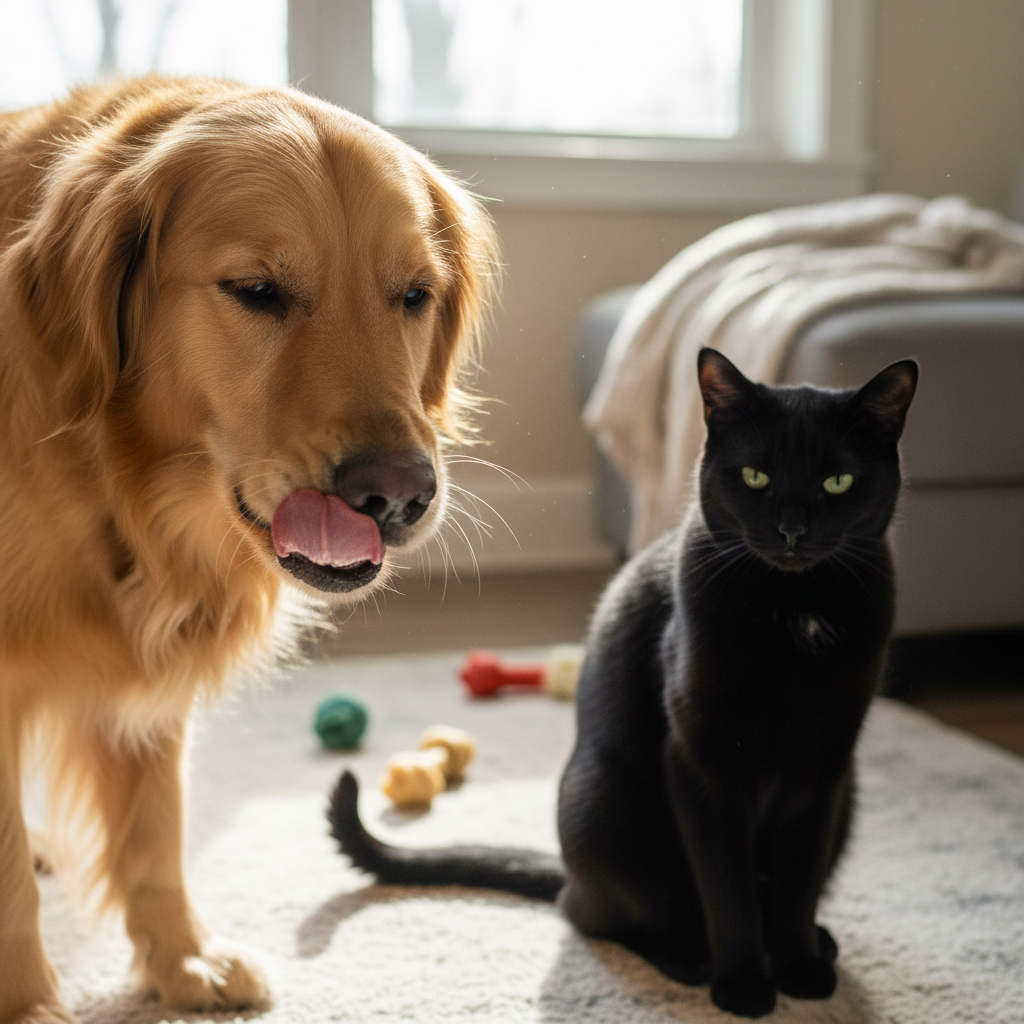
Early detection is crucial for managing inter-animal tension. Your pets communicate constantly through their body language, and learning to interpret these signals can help you prevent conflicts before they start. Here are common signs of social tension to watch for:
- Subtle Cues
- Lip licking, yawning, excessive blinking (often out of context)
- Turning head or body away (avoidance)
- Stiff body posture, raised hackles
- Tail tucked or held low, or stiffly wagging
- Whale eye (showing the whites of their eyes)
- Freezing or slow movements
- Overt Cues
- Growling, snarling, hissing
- Lunging, snapping, biting
- Chasing, pinning, or blocking access to resources
- Resource guarding (food, toys, beds, owner’s attention)
- Urinating or defecating inappropriately (stress-related)
- Excessive barking, meowing, or other vocalizations directed at another pet
By recognizing these indicators, you can intervene calmly and redirect the situation before it escalates into a full-blown conflict.
Step 2- Create Safe and Separate Spaces

One of the most effective ways to reduce tension, especially in multi-pet households, is to ensure each animal has its own personal retreat. This allows them to decompress and feel secure without constant interaction.
Why Separate Spaces are Important
- Stress Reduction Having a personal sanctuary reduces overall stress levels, preventing burnout from constant social interaction.
- Resource Guarding Prevention Individual feeding stations, water bowls, and sleeping areas minimize competition over vital resources.
- Safety It provides a safe haven for an animal to retreat to if they feel overwhelmed or threatened by another pet.
How to Implement Safe Spaces
- Designate Zones Create specific areas for each pet- a crate, a separate room, a cat tree, or a dog bed in a quiet corner.
- Vertical Space for Cats Cats often feel safer when they can observe from above. Provide cat trees, shelves, or window perches.
- Feeding Routines Feed pets in separate rooms or at a distance to prevent food aggression.
- Private Play Offer individual playtime or one-on-one attention to reinforce their bond with you without competition.
These dedicated spaces should be respected by all members of the household, both human and animal, ensuring each pet feels truly safe and in control of their environment.
Step 3- Supervised Introductions and Interactions
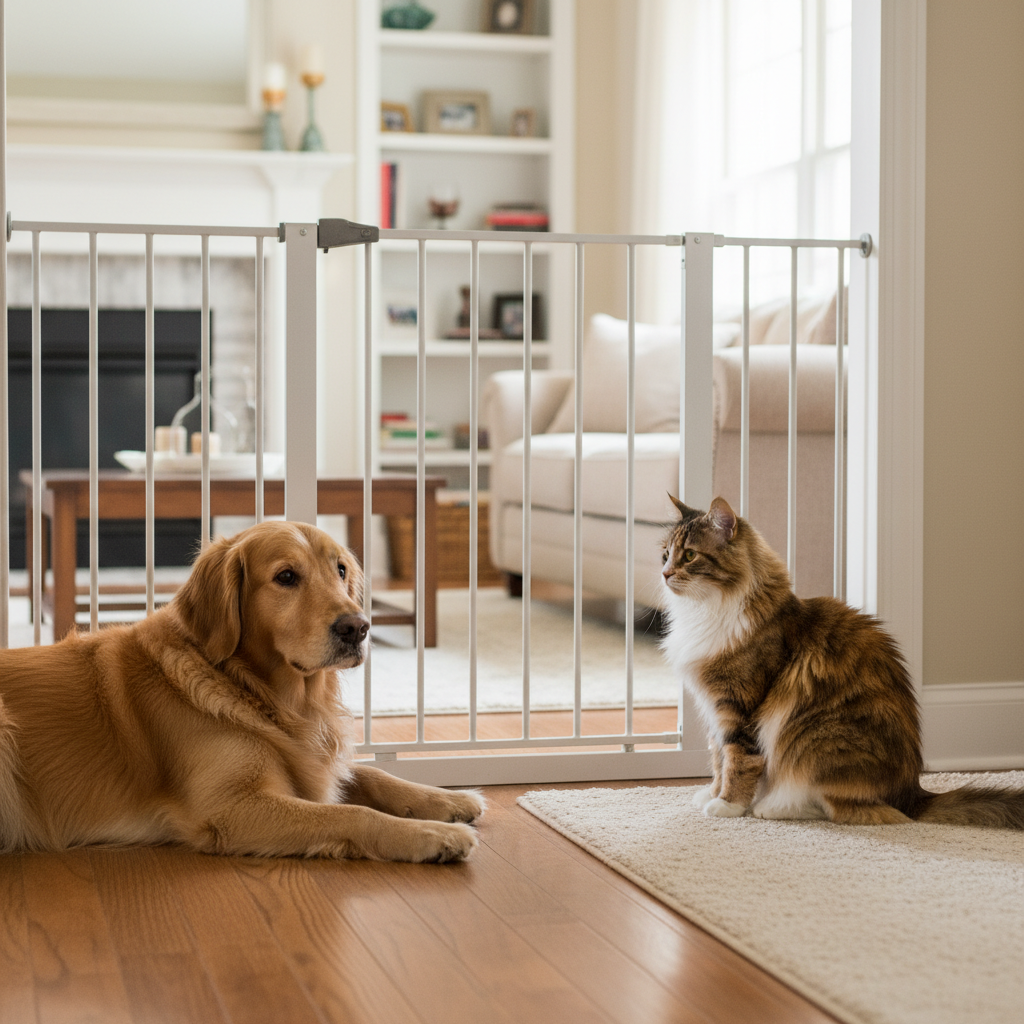
When bringing animals together, slow and controlled introductions are paramount. Rushing the process can lead to negative associations and long-term tension. Think of it like a carefully choreographed dance, not a free-for-all.
Gradual Introduction Steps
- Scent Swapping Before they even see each other, allow pets to get used to each other’s scent. Swap blankets, toys, or bedding.
- Visual but No Contact Use baby gates or crates to allow pets to see each other without direct physical interaction. Reward calm behavior.
- Short, Supervised Sessions Start with brief, positive encounters in a neutral territory. Keep initial meetings very short (a few minutes) and always end on a good note.
- Positive Reinforcement During these sessions, offer high-value treats and praise to both animals whenever they exhibit calm, positive, or indifferent behavior towards each other.
- Leash Control For dogs, keep them on leashes during early interactions to ensure you have control and can separate them quickly if needed.
Never force interaction. If either animal shows signs of stress or fear, immediately separate them and try again later, or revert to an earlier step in the introduction process. Patience is your greatest tool here.
Step 4- Positive Reinforcement and Training
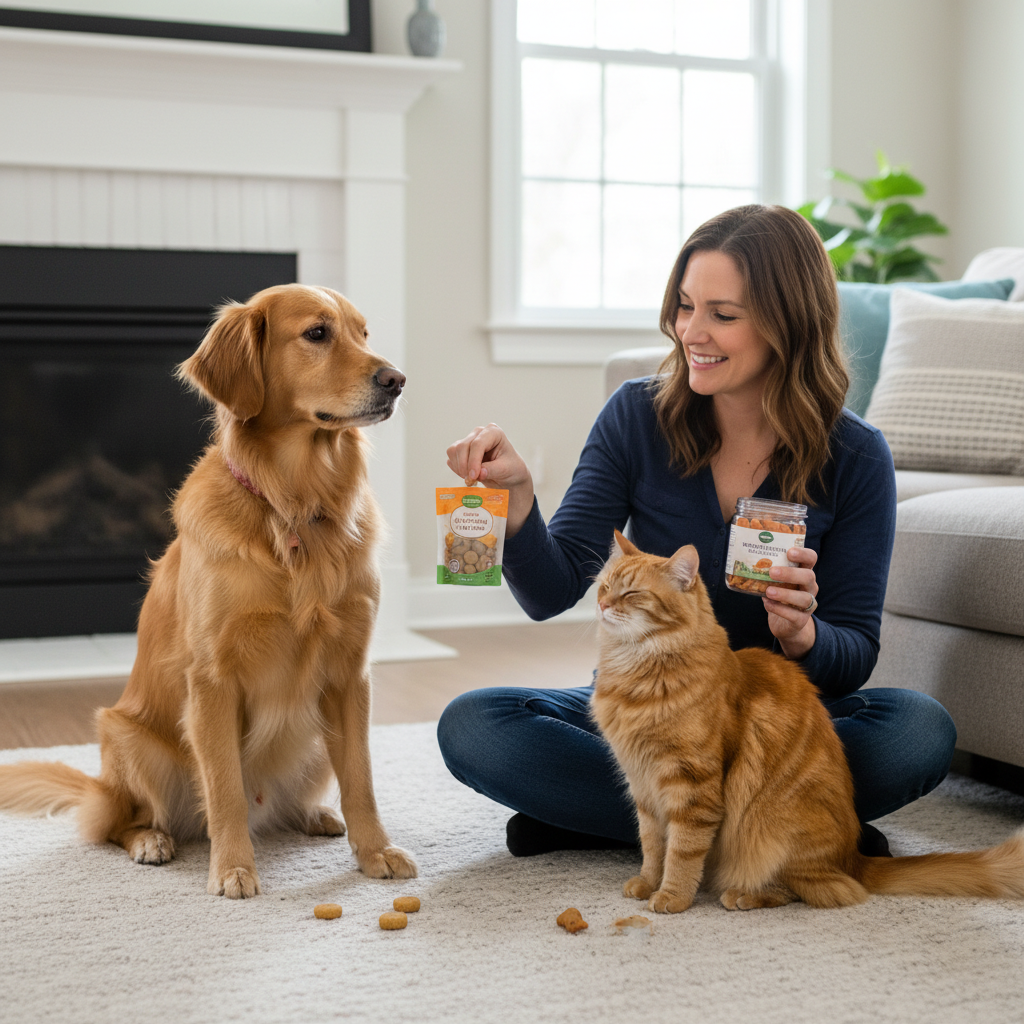
Training isn’t just for individual pets; it’s also vital for fostering positive interactions between them. Using positive reinforcement helps animals associate the presence of other pets with good things, rather than stress or competition.
Key Training Techniques
- Reward Calmness Whenever your pets are in the same room and acting calmly, reward them. This teaches them that peaceful co-existence earns them good things.
- Individual Training Continue to train each pet individually. A well-behaved, confident pet is less likely to feel threatened or act out.
- Redirection If you see signs of tension, redirect their attention immediately with a favorite toy, a command they know, or a treat, before the tension escalates.
- Desensitization and Counter-Conditioning For specific triggers (e.g., one pet reacting to another walking past), gradually expose them to the trigger at a distance where they remain calm, while simultaneously providing positive reinforcement. Slowly decrease the distance over time.
Consistency is key. Every positive interaction, no matter how small, builds a foundation for lasting harmony.
Step 5- When to Seek Professional Help

While these steps are highly effective, some situations require expert intervention. If tension persists, escalates, or involves serious aggression, it’s time to call in a professional.
Who to Contact
- Certified Professional Dog Trainer (CPDT) or Certified Cat Behavior Consultant (CCBC) They can provide practical training advice and help modify behaviors.
- Veterinary Behaviorist (Dip ACVB) These are veterinarians with advanced training in animal behavior. They can diagnose underlying medical conditions contributing to behavior issues and prescribe medication if necessary.
A professional can assess your specific situation, identify triggers you might have missed, and develop a tailored plan. They can also ensure that there are no underlying health issues contributing to your pet’s behavior. Don’t hesitate to seek help; it’s a sign of a responsible and caring pet parent.
Conclusion- Building a Harmonious Home
Managing social tension between animals is a journey that requires patience, observation, and consistent effort. It’s about creating an environment where every member of your furry family feels secure, respected, and loved. By understanding their unique needs, recognizing early signs of stress, providing safe spaces, and using positive reinforcement, you can transform potential conflicts into opportunities for growth and deeper bonds.
Remember, your pets look to you for guidance and safety. With your dedication, you can foster a home filled with peace, joy, and the beautiful, unique harmony that only a multi-pet family can bring. Celebrate every small victory, and know that your efforts are creating a happier, healthier life for all your beloved companions.