Is Milk Safe for Pets? 5 Crucial Facts Every Pet Parent Should Learn
As loving pet parents, we always want to share a little bit of our world with our furry companions. Perhaps you’ve seen a cute cartoon of a cat lapping up milk, or maybe your dog looks longingly at your cereal bowl. It’s natural to wonder if offering them a splash of milk is a kind treat. But before you pour that saucer, let’s dive into some crucial facts. The truth about milk and pets is more complex than it seems, and understanding it can help you make the best, safest choices for your beloved companion’s health and happiness.
Fact 1 – Lactose Intolerance is Common in Pets
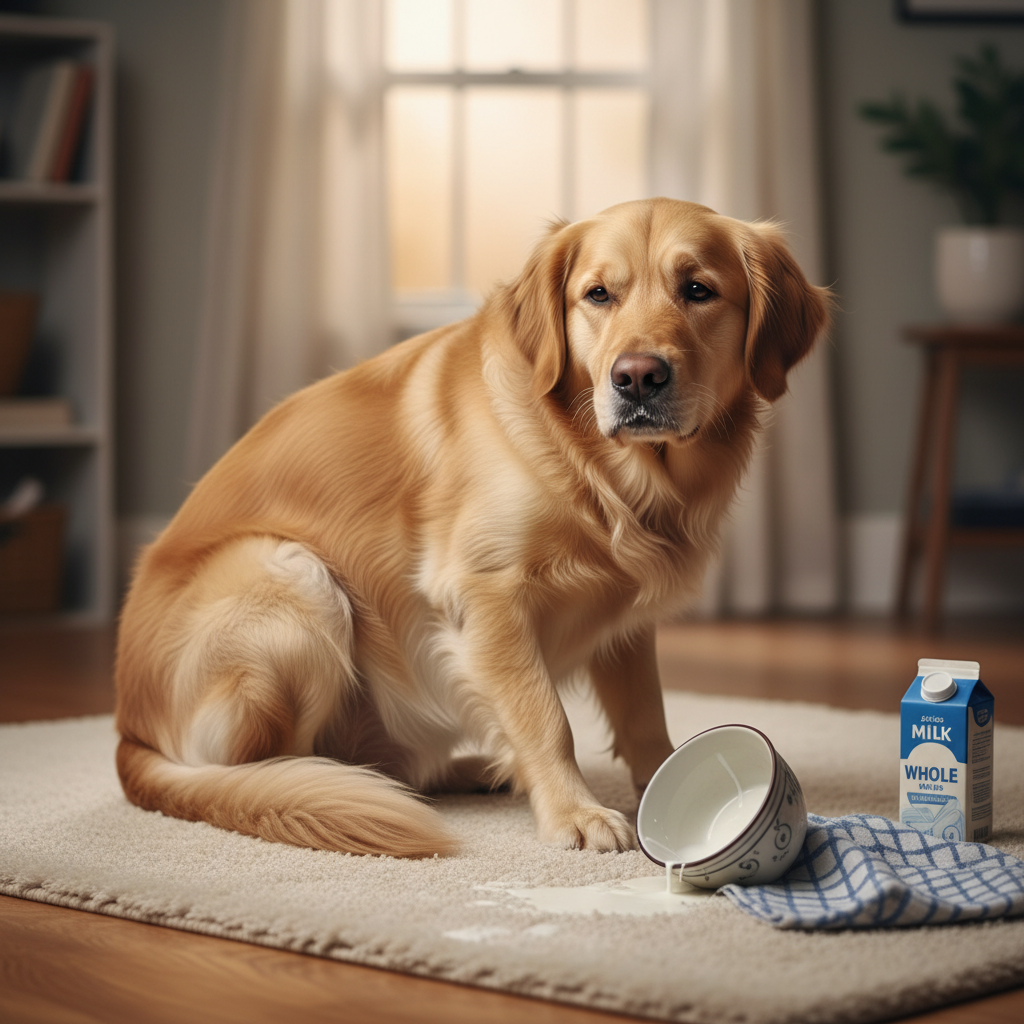
Just like many humans, a significant number of dogs and cats are lactose intolerant. This means their bodies lack sufficient amounts of lactase, the enzyme needed to break down lactose, the sugar found in milk. While puppies and kittens produce lactase to digest their mother’s milk, this enzyme production often decreases significantly as they mature and are weaned. When a pet consumes milk without enough lactase, the undigested lactose ferments in their gut, leading to uncomfortable digestive issues.
What are the symptoms of lactose intolerance in pets?
- Diarrhea
- Vomiting
- Abdominal pain and discomfort
- Bloating
- Excessive gas
These symptoms can range from mild to severe, causing significant distress to your pet. It’s heartbreaking to see them suffer, all from what might seem like an innocent treat.
Fact 2 – Milk Lacks Essential Nutrients for Pets
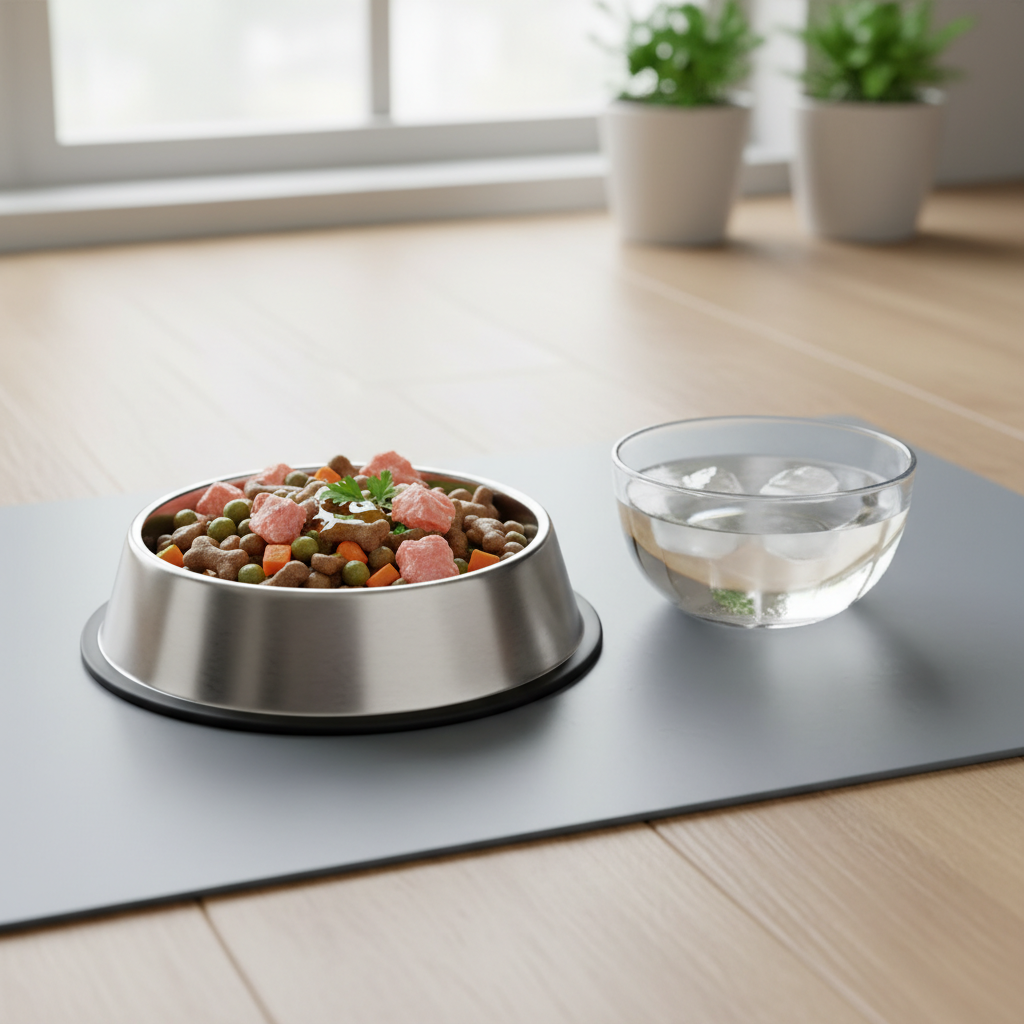
While milk is often touted as a nutrient-rich drink for humans, it simply doesn’t provide the balanced nutrition that dogs and cats need to thrive. High-quality commercial pet foods are specially formulated to meet all their dietary requirements, providing the right balance of proteins, fats, carbohydrates, vitamins, and minerals.
Why milk isn’t a nutritional powerhouse for pets
- Incomplete Diet Milk cannot serve as a complete or balanced meal for pets.
- Displaces Healthy Food Filling up on milk can reduce their appetite for their regular, nutritious meals.
- Unnecessary Calories The calories in milk can contribute to weight gain without offering adequate nutritional benefits.
Focusing on a balanced diet designed for their species and life stage is far more beneficial than offering milk.
Fact 3 – High Fat Content Can Cause Pancreatitis

Another significant concern with feeding milk to pets is its relatively high fat content. For some dogs, especially those prone to digestive sensitivities or certain breeds, consuming fatty foods like milk can trigger pancreatitis. Pancreatitis is a painful and potentially life-threatening inflammation of the pancreas, an organ crucial for digestion and blood sugar regulation.
Risks associated with high-fat foods
- Acute pancreatitis
- Gastrointestinal upset
- Exacerbation of existing conditions like obesity or diabetes
Symptoms of pancreatitis include severe abdominal pain, vomiting, diarrhea, lethargy, and loss of appetite. If you suspect your pet has pancreatitis, immediate veterinary attention is crucial.
Fact 4 – Allergic Reactions Are Possible

Beyond lactose intolerance, some pets can also develop genuine allergic reactions to the proteins found in milk. A food allergy is an immune response to a specific ingredient, and dairy is a common allergen for both dogs and cats.
Signs of a milk protein allergy
- Skin issues such as itching, rashes, or hot spots
- Ear infections
- Gastrointestinal upset (vomiting, diarrhea)
- Chronic paw licking
- Respiratory issues (though less common)
If you observe any of these symptoms after your pet consumes milk, it’s essential to stop offering it and consult your veterinarian. They can help identify the allergen and recommend an appropriate diet.
Fact 5 – Kitten and Puppy Milk Replacers are Different
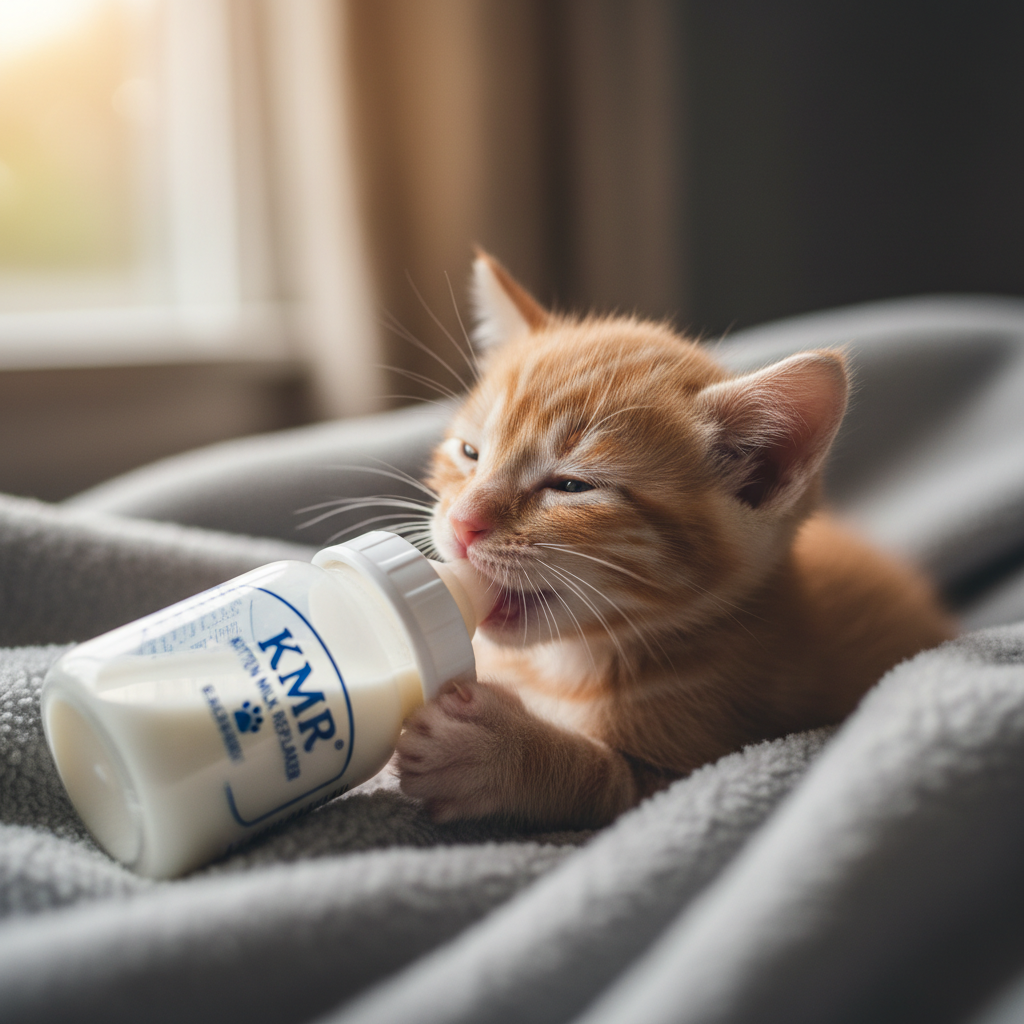
It’s crucial to distinguish between regular cow’s milk and specially formulated kitten or puppy milk replacers (KMR/PMR). These replacers are scientifically designed to mimic the nutritional profile of a mother’s milk, providing the necessary balance of fats, proteins, and carbohydrates for developing young animals. They are also lactose-reduced or lactose-free to prevent digestive upset.
Key differences
- Composition KMR/PMR have appropriate nutrient ratios for young pets.
- Lactose Content They are formulated to be digestible for very young animals.
- Purpose Used for orphaned or unweaned young pets; not for adult animals.
Never substitute cow’s milk for KMR or PMR. If you have an orphaned or unweaned young pet, always use a veterinary-approved milk replacer and follow feeding instructions carefully.
What About Small Amounts as a Treat?

Given all these facts, the general consensus among veterinarians is that regular cow’s milk is not recommended for pets, even in small amounts. While some pets might tolerate a tiny sip without immediate severe reactions, the potential risks far outweigh any perceived benefits. It’s simply not worth risking their health and comfort for a fleeting treat.
Safer Alternatives for Your Furry Friend
Instead of milk, consider these healthy and safe alternatives to show your pet some love:
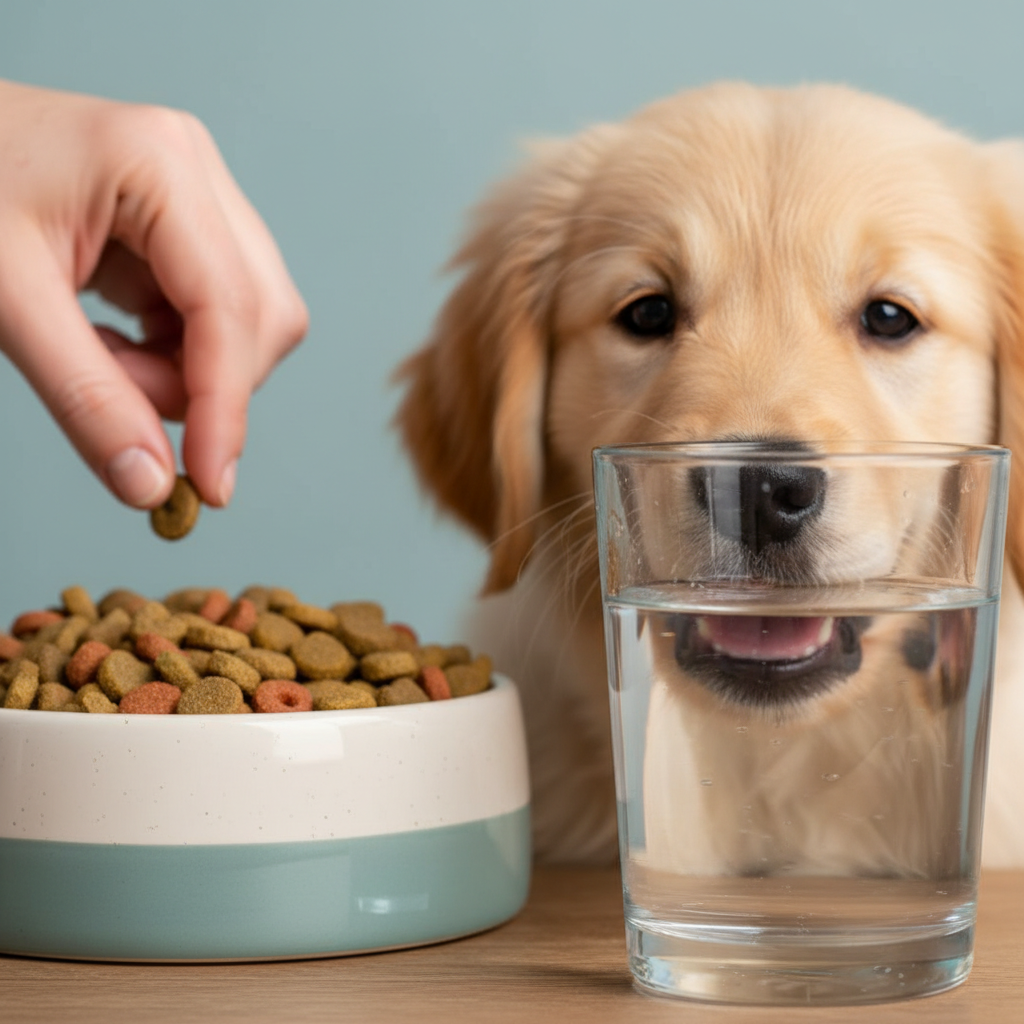
- Water Always the best and most essential drink.
- Unsweetened Almond Milk In very small quantities, as an occasional treat, ensuring it contains no xylitol.
- Goat’s Milk (Raw, Unpasteurized) Some pets tolerate it better due to different lactose structure, but still use sparingly.
- Plain Yogurt (Small Amounts) The fermentation process reduces lactose, offering beneficial probiotics. Ensure no added sugars or artificial sweeteners.
- Pet-Specific Treats Designed to be safe and delicious.
- Small Pieces of Fruits or Vegetables Carrots, apple slices (no seeds), blueberries are great options.
Always introduce new treats slowly and in small quantities to monitor for any adverse reactions. When in doubt, plain water is always the safest choice.
Conclusion
As devoted pet parents, our primary goal is to ensure our furry family members lead long, happy, and healthy lives. Understanding the facts about milk and pets is a crucial step in making informed dietary choices. While a tiny sip of milk might seem harmless, the potential for digestive upset, pancreatitis, or allergic reactions makes it a treat best avoided. Opt for water as their main beverage and choose pet-safe, nutritious alternatives to show your love. Always consult with your veterinarian if you have any questions or concerns about your pet’s diet. Your vet is your best resource for tailored advice that keeps your beloved companion thriving.