Our dogs fill our lives with immense joy, wagging tails, and endless cuddles. They are truly members of our family! But let’s be honest, living with furry friends can sometimes come with a unique challenge: that lingering “dog smell.” Whether it’s from wet paws, dander, or just the everyday aroma of our beloved companions, pet odors can make our homes feel less fresh.
The good news is you don’t need harsh chemicals or expensive air fresheners to keep your home smelling clean and inviting. Many effective, natural remedies are readily available, safe for your family and pets, and kind to your wallet. Let’s explore seven fantastic ways to naturally banish pet odors and reclaim your home’s freshness!
Understanding Pet Odors: The Root Cause
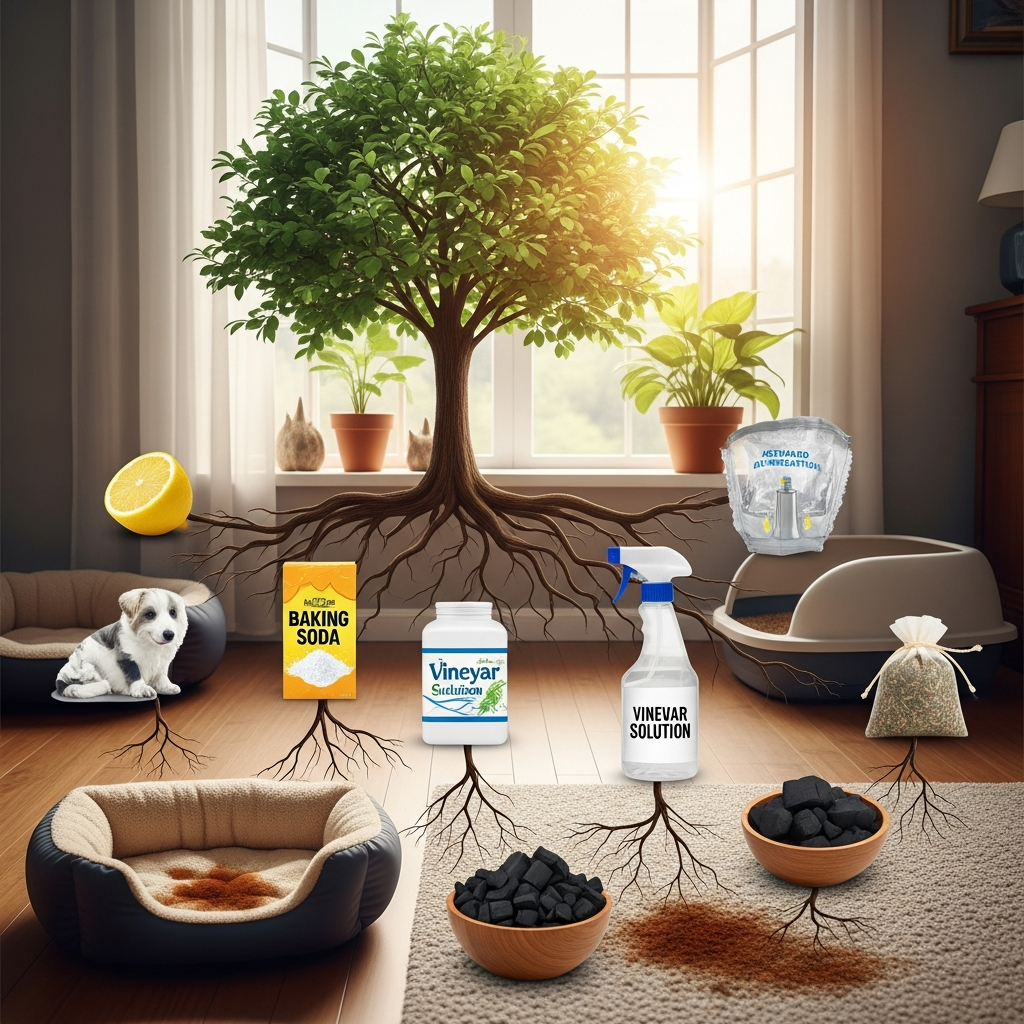
Before we dive into solutions, it helps to understand where those pet smells come from. Most pet odors originate from a few key sources:
* Dander and Hair: Tiny skin flakes and shed hair carry natural oils and bacteria, which can build up on surfaces.
* Natural Oils and Glands: Dogs have natural oils on their skin and fur, which, while healthy for them, can contribute to a distinct scent, especially when they get wet.
* Saliva: Licking, chewing on toys, and even breathing can spread saliva, leaving behind an odor as it dries.
* Urine and Feces: Accidents happen, and even fully house-trained dogs can have an occasional mishap. Urine, in particular, can seep into carpets and upholstery, becoming a long-lasting odor source if not cleaned properly.
* Bacteria and Yeast: These microorganisms naturally live on your dog’s skin and can sometimes multiply, leading to stronger odors, especially in folds of skin or ears.
Addressing these root causes, combined with our natural remedies, will help you maintain a truly fresh home.
The 7 Natural Remedies to Combat Pet Odor
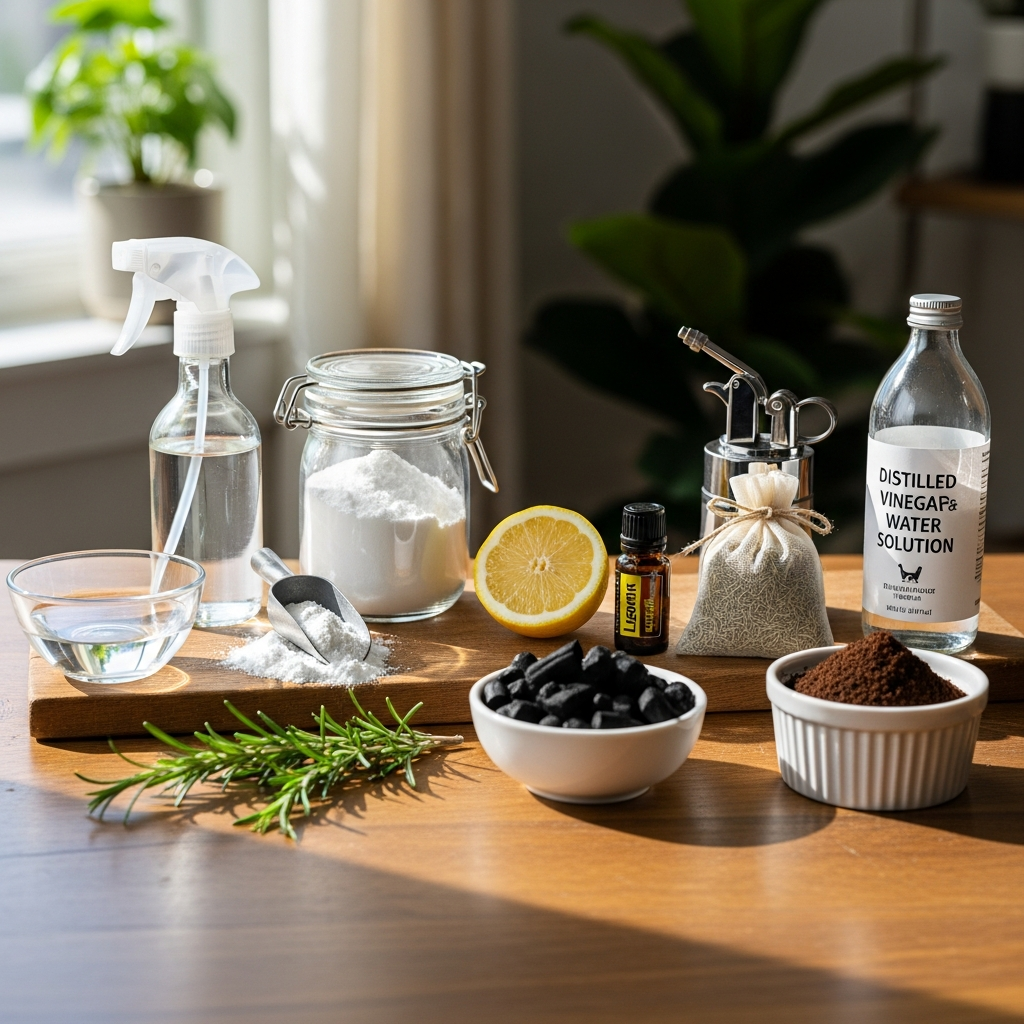
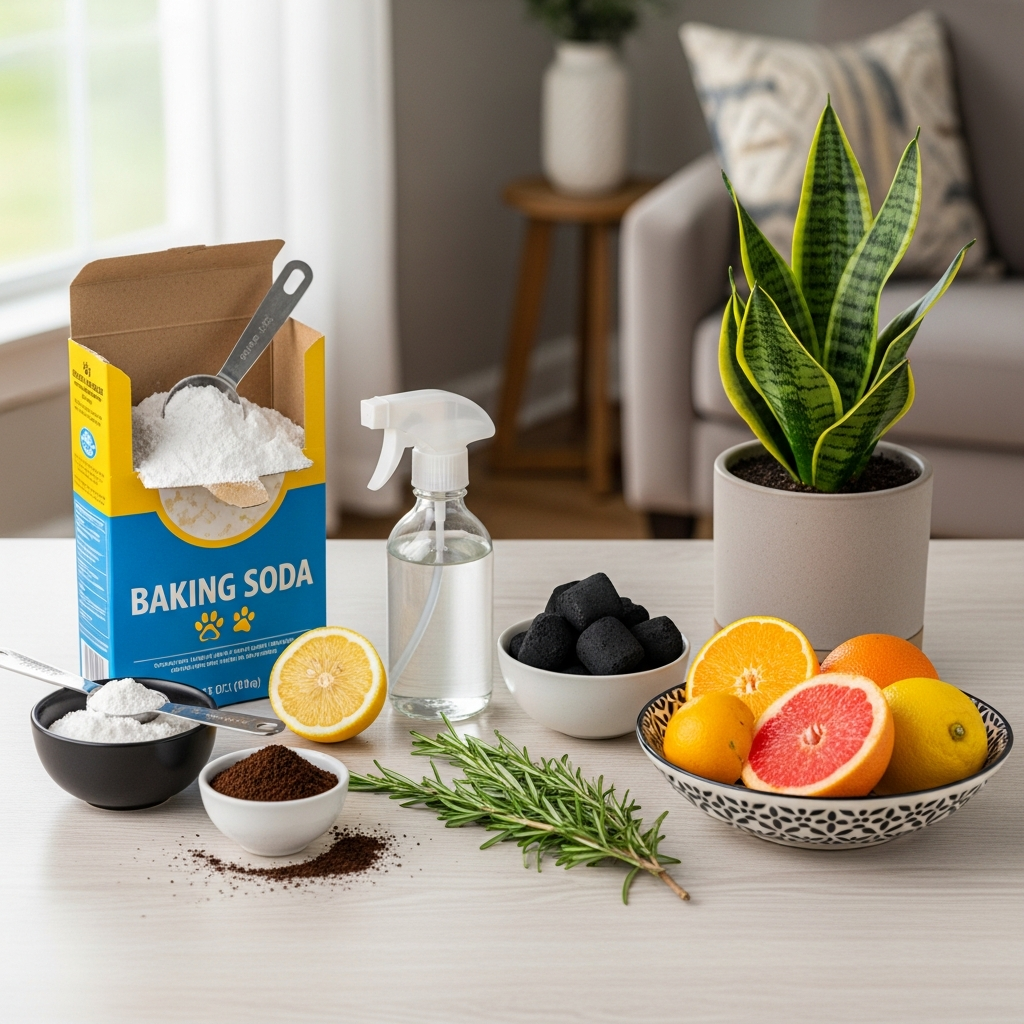
Now, let’s get to the good stuff! Here are seven wonderful natural ways to tackle pet odors in your home.
1. Baking Soda: The Ultimate Odor Absorber
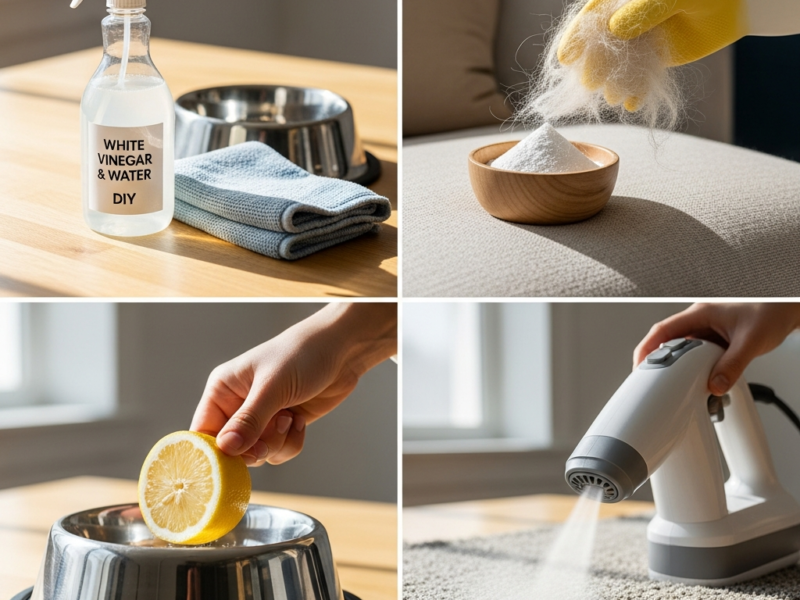
Baking soda, or sodium bicarbonate, is a true superstar in the world of natural cleaning. It’s not just a cover-up; it actively neutralizes odors by bringing acidic and alkaline odor molecules to a more neutral pH.
How to use it:
* For Carpets and Rugs: This is one of the most effective ways to use baking soda.
* First, thoroughly vacuum the area to remove loose hair and dirt.
* Generously sprinkle baking soda over the entire carpet or rug. For stubborn odors, you can even gently brush it into the fibers.
* Let it sit for at least 15-30 minutes, or for best results, leave it overnight. The longer it sits, the more odor it absorbs.
* Vacuum the baking soda up thoroughly.
* For Upholstery and Pet Beds: Similar to carpets, sprinkle baking soda directly onto fabric furniture, dog beds, and cushions. Let it sit for a while, then vacuum or brush it off. Always test on an inconspicuous area first to ensure no discoloration.
* As a General Air Freshener: Place small open bowls of baking soda in rooms where pet odors are a concern, like near your dog’s bed or in a high-traffic area. Stir or replace the baking soda every few days or weeks.
Practical Tips: Always ensure the area is dry before applying baking soda to avoid clumping. For really deep-set odors, you might need to repeat the process.
2. White Vinegar: Nature’s Deodorizer and Cleaner
Don’t let the strong initial scent of white vinegar deter you; it disappears quickly as it dries, taking pet odors with it. Vinegar’s acetic acid works wonders by breaking down the compounds that cause smells, particularly urine odors.
How to use it:
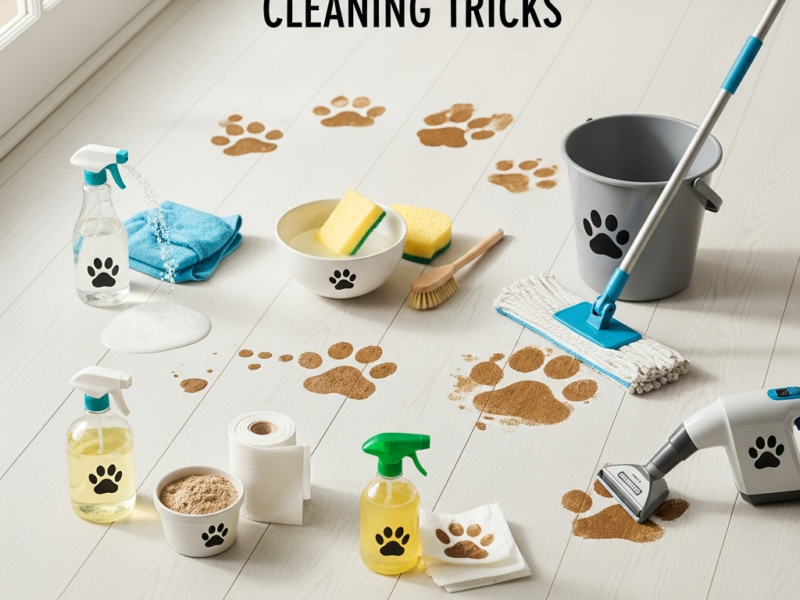
* For Hard Floors: Mix equal parts white vinegar and water in a bucket. Use this solution to mop tile, linoleum, or sealed hardwood floors. It cleans, disinfects, and deodorizes beautifully.
* For Urine Stains on Carpets and Upholstery:
* First, blot up as much of the fresh urine as possible with paper towels or a clean cloth. Do NOT rub, as this can push the urine deeper.
* Mix a solution of one part white vinegar to one part water in a spray bottle.
* Spray the affected area liberally, saturating the stain.
* Let it sit for 10-15 minutes, allowing the vinegar to work its magic.
* Blot the area dry with clean towels. You might need to place a heavy object on the towels to absorb more liquid.
* Once dry, sprinkle baking soda over the area to absorb any remaining moisture and odor, then vacuum it up.
* For Pet Laundry: Add half a cup of white vinegar to your washing machine’s rinse cycle when washing pet blankets, dog bed covers, towels, and other washable items. It helps remove odors and softens fabrics.
* As an Air Freshener: Fill a shallow bowl with white vinegar and place it in a room with lingering odors. The vinegar will absorb the smells over several hours.
Practical Tips: Always dilute vinegar before using it on surfaces. Avoid using vinegar on natural stone like marble or granite, as its acidity can damage the finish. Ensure good ventilation when cleaning with vinegar.
3. Citrus Peels: A Burst of Freshness
The natural oils found in citrus peels (lemon, orange, grapefruit, lime) are not only delightfully fragrant but also have odor-neutralizing properties. They can help clear the air and leave a fresh, clean scent.
How to use it:
* Simmer Pots: Place fresh citrus peels in a pot of water on your stove and bring it to a gentle simmer. The steam will release the refreshing citrus aroma throughout your home, naturally combating stale pet odors. You can add cinnamon sticks or cloves for an extra cozy scent.
* Garbage Disposals: If your kitchen sink sometimes smells a bit “doggy” after washing bowls, drop a few citrus peels down the disposal and run it with cold water. The grinding action releases the oils and freshens the drain.
* Around the House: Dry out citrus peels and place them in small sachets or open bowls in areas where pet odors tend to linger. Replenish them every few days for continuous freshness.
Practical Tips: Always use fresh, organic citrus peels if possible. This method provides a pleasant scent but won’t clean surfaces, so it’s best used after you’ve tackled the source of the odor.
4. Activated Charcoal: A Powerful Purifier
Activated charcoal is a highly porous material that excels at absorbing odors and toxins from the air. Unlike regular charcoal, activated charcoal has been treated to make it even more absorbent, turning it into a powerful natural air purifier.
How to use it:
* In Odor-Prone Areas: Place small bags or containers of activated charcoal (available at pet stores, garden centers, or online) in areas where pet odors are strong. This could be near your dog’s crate, in a laundry room, or in a closet where pet supplies are stored.
* Inside Kennels or Carriers: A small bag of activated charcoal inside a dog kennel or carrier can help keep it smelling fresh, especially for longer trips.
* Pet Bed Refresh: Place a bag of activated charcoal under your dog’s bed or inside the cover if it has a zippered design.
Practical Tips: Activated charcoal doesn’t mask odors; it traps them. It’s often sold in fabric pouches or sachets. Rejuvenate activated charcoal by placing it in direct sunlight for a day once a month; this helps release trapped odors and allows it to absorb more. Replace it entirely every few months. Do not confuse activated charcoal with charcoal briquettes used for grilling, which contain harmful chemicals.
5. Essential Oils (Used Safely!): A Touch of Aroma
While essential oils can provide wonderful aromas, it is CRUCIAL to use them with extreme caution around pets. Many essential oils are toxic to dogs if ingested or if they come into direct contact with their skin. However, when used very, very carefully and diluted, they can add a pleasant scent to your home *after* the core odors have been removed.
How to use it (VERY CAREFULLY):
* In Diffusers (Pet-Free Zones): If you choose to use a diffuser, place it in a room that your dog does NOT have access to, and ensure the room is well-ventilated. Even then, use only a few drops for a short period.
* Extremely Diluted in Cleaning Solutions: After thoroughly researching pet-safe essential oils (some commonly cited as safer include lavender or frankincense, but ALWAYS consult your vet first), you can add a single drop to a large bucket of your vinegar and water cleaning solution for hard floors. Ensure the floors dry completely and your pet is kept away until then.
* Cotton Ball Method (Away from Pets): Place a drop or two of a vet-approved, pet-safe essential oil on a cotton ball and place it in an area your pet cannot reach or chew, such as inside a shoe closet or a high shelf.
Practical Tips: Your pet’s sense of smell is far more sensitive than yours. What smells pleasant to you might be overpowering or irritating to them. Always prioritize your pet’s safety. Avoid direct application to your pet or their bedding. Always consult your veterinarian before using any essential oils in your home, especially if your pet has health issues. When in doubt, it’s safer to avoid them entirely.
6. Coffee Grounds: Repurpose for Freshness
Just like baking soda, coffee grounds are excellent natural odor absorbers. They don’t just mask smells; they actually neutralize them. Plus, they leave behind a subtle, pleasant coffee aroma.
How to use it:
* Open Bowls: Place dry, used coffee grounds in shallow, open bowls in rooms that need freshening. The kitchen, where food odors might mix with pet smells, is a great place for this.
* Inside Old Socks or Sachets: Fill an old sock or a small fabric sachet with dry coffee grounds and tie it off. Place these in problem areas like closets, under furniture, or even in your car.
* Refrigerator Freshener: If your pet’s food is stored in the fridge, a small dish of coffee grounds can help keep things smelling neutral.
Practical Tips: Make sure the coffee grounds are completely dry to prevent mold growth. You can dry them by spreading them on a baking sheet and letting them air dry, or by lightly baking them in a low oven. Change the grounds every few days or once the coffee scent fades.
7. Good Old Fresh Air and Sunlight: The Simplest Solution
Sometimes, the simplest solutions are the most effective. Fresh air and sunlight are powerful natural deodorizers that can significantly reduce pet odors.
How to use it:
* Open Windows and Doors: Make it a daily habit to open windows and doors, even for just 10-15 minutes, to create cross-ventilation. This allows stale, odor-filled air to escape and fresh air to circulate.
* Air Out Pet Bedding and Rugs: Take your dog’s bed, blankets, and small rugs outside on a sunny, breezy day. Hang them on a clothesline or drape them over chairs. Sunlight acts as a natural disinfectant, and the fresh air helps dissipate trapped odors.
* UV Ray Power: Ultraviolet (UV) rays from the sun can kill odor-causing bacteria and break down odor molecules.
Practical Tips: Aim for daily ventilation, especially in rooms where your dog spends a lot of time. If possible, periodically expose larger items like area rugs to direct sunlight to maximize odor removal.
Beyond Remedies: Preventative Measures for a Fresh Home
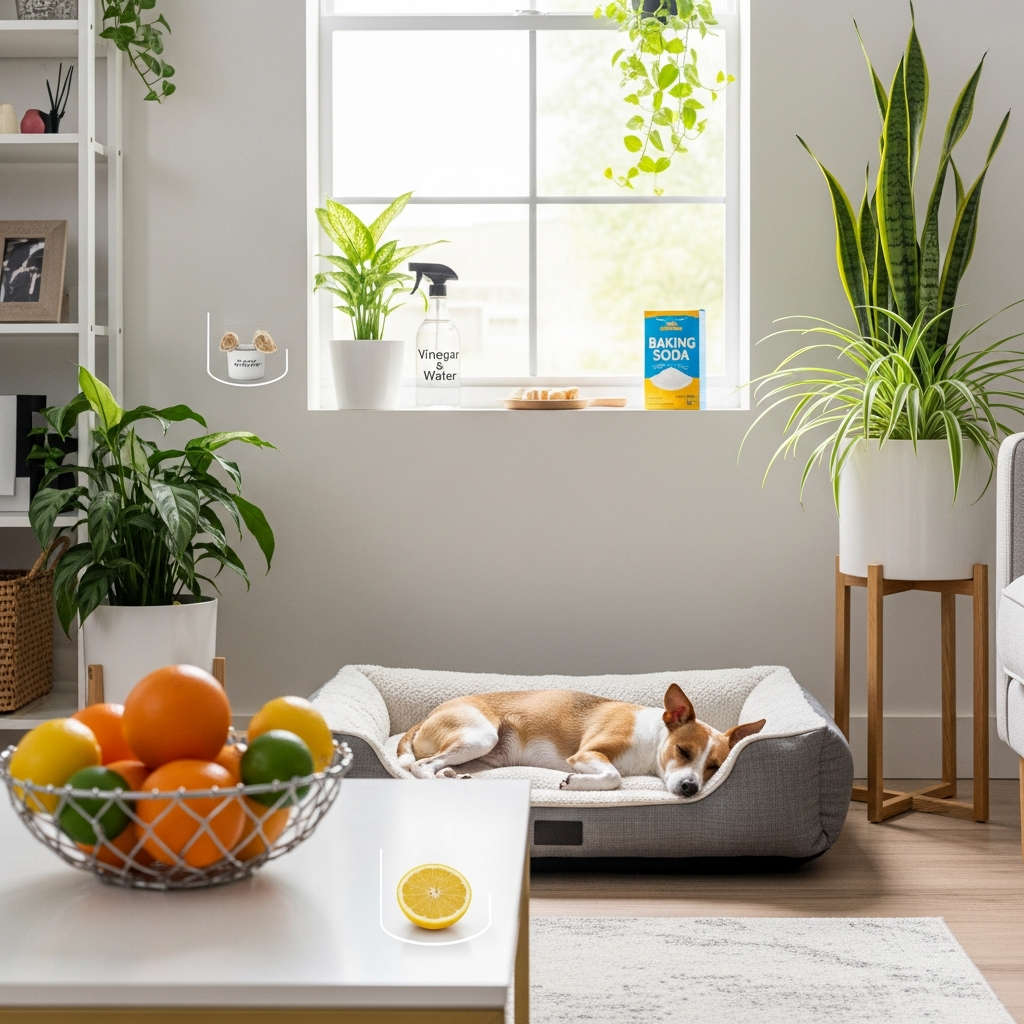
While these natural remedies are fantastic for tackling existing odors, preventing them in the first place is always the best approach.
* Regular Grooming: Bathe your dog regularly with a good quality, vet-approved dog shampoo. Brush their coat frequently to remove loose hair and dander. Keep their ears clean to prevent yeast infections, which can be quite smelly.
* Frequent Cleaning of Pet Bedding: Wash your dog’s bed covers, blankets, and toys at least once a week, or more often if they get particularly dirty or smelly.
* Quick Cleanup of Accidents: The faster you clean up urine or feces, the less chance the odor has to set in. Always use an enzymatic cleaner specifically designed for pet accidents, as these break down the odor-causing proteins.
* Air Purifiers: Consider investing in a good quality air purifier with a HEPA filter and activated carbon filter. These can trap dander and absorb airborne odors.
* Vacuum and Clean Floors Regularly: Daily vacuuming can significantly reduce the amount of pet hair and dander, preventing odor buildup. Mop hard floors regularly with a natural cleaning solution.
* Wash Pet Toys: Fabric toys can harbor odors. Toss them in the washing machine with your pet bedding.
A Quick Cleaning Schedule for Dog Parents
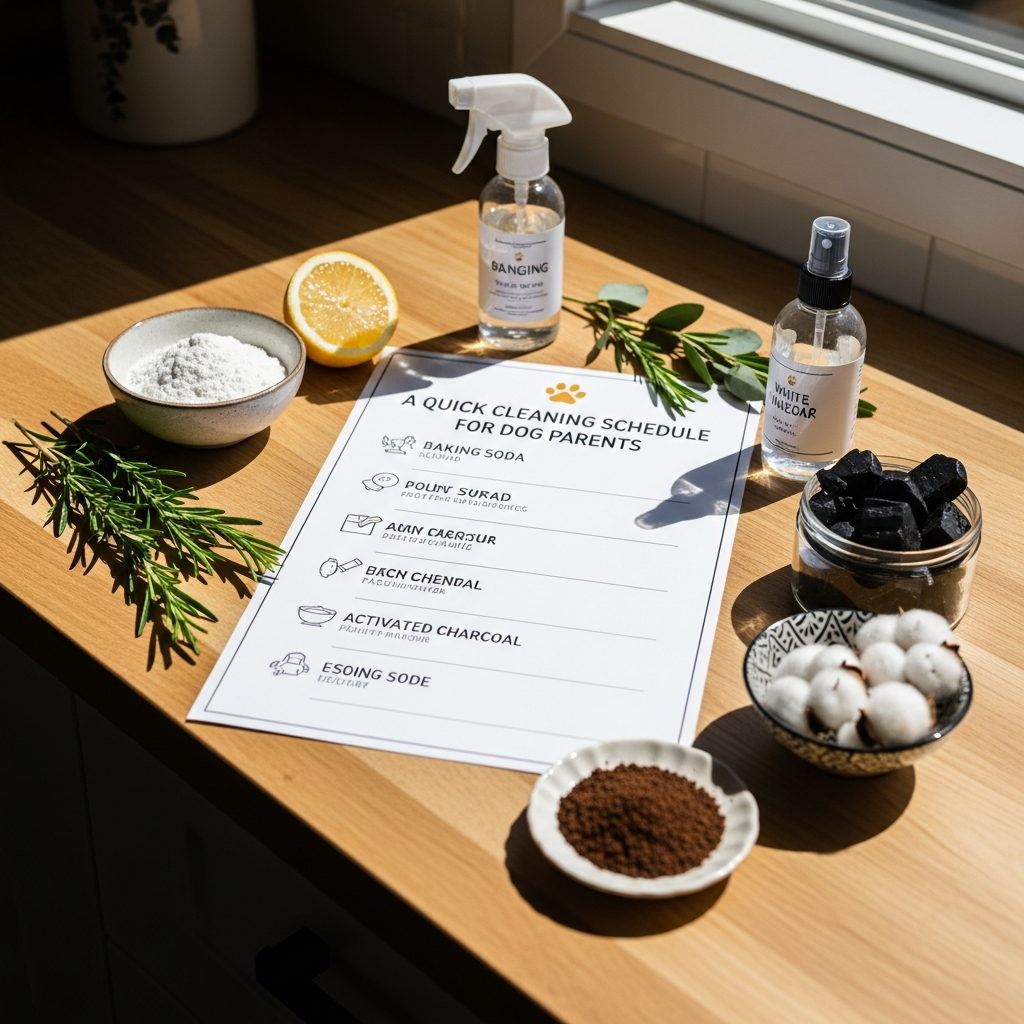
Staying on top of pet odors often comes down to a consistent routine. Here’s a simple schedule:
* Daily:
* Quick vacuum of high-traffic areas and around pet beds.
* Open windows for 10-15 minutes to air out the house.
* Clean up any accidents immediately.
* Weekly:
* Wash pet bedding, blankets, and fabric toys.
* Mop all hard floors with a vinegar-water solution.
* Thorough vacuum of all carpets, rugs, and upholstery.
* Empty and wipe down pet food and water bowls.
* Monthly:
* Deep clean carpets and rugs (consider professional cleaning or renting a carpet cleaner if needed).
* Wash or air out throw blankets and decorative pillows.
* Rejuvenate activated charcoal bags by placing them in sunlight.
* As Needed:
* Bathe your dog as recommended by your vet (varies by breed and activity level).
* Spot clean specific odor sources with baking soda or vinegar as soon as they arise.