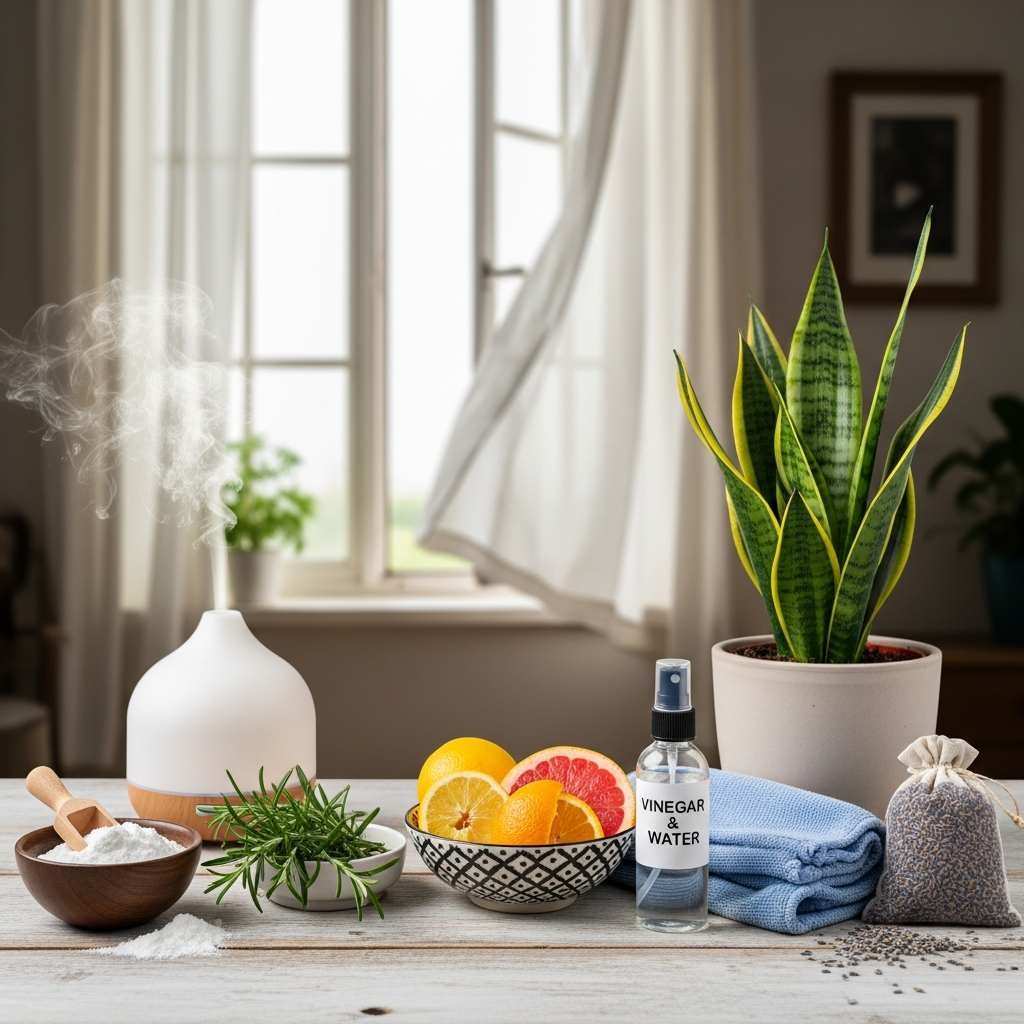
As dog parents, we love our furry companions more than words can say. They bring so much joy, laughter, and unconditional love into our lives. But let’s be honest, living with pets, especially dogs, sometimes comes with an unwelcome guest: pet odor. That distinct “dog smell” can linger on carpets, upholstery, and even in the air, making your home feel less than fresh.
While there are many commercial products designed to tackle pet odors, many contain harsh chemicals that can be irritating to both humans and our sensitive pets. The good news is, you don’t need a arsenal of chemicals to keep your home smelling clean and inviting. There are plenty of wonderful, natural ways to banish those doggy smells and create a healthier environment for everyone. Let’s explore seven effective and natural strategies to keep your home pet odor free.
Why Natural is the Way to Go for a Fresh Home
Choosing natural solutions isn’t just a trend; it’s a smart choice for pet parents. When you opt for natural ingredients, you’re not only addressing odors effectively but also contributing to a safer and healthier living space.
The Benefits of Chemical-Free Cleaning
Relying on natural ingredients like baking soda, vinegar, and essential oils (used safely) means you avoid exposing your household to potentially harmful chemicals often found in commercial cleaners and air fresheners.
Healthier for Pets and People
Our dogs, with their sensitive noses and tendency to lick surfaces, are particularly vulnerable to chemical residues. Natural solutions reduce the risk of skin irritations, respiratory issues, and other health concerns for your pets and family members.
Environmentally Friendly
Many conventional cleaning products contribute to environmental pollution. Natural methods often use readily available, biodegradable ingredients, lessening your ecological footprint.
Cost-Effective Solutions
Ingredients like baking soda and vinegar are incredibly affordable and versatile. You might already have them in your pantry, making natural cleaning a budget-friendly option.
Way 1: Consistent Cleaning is Your Best Friend
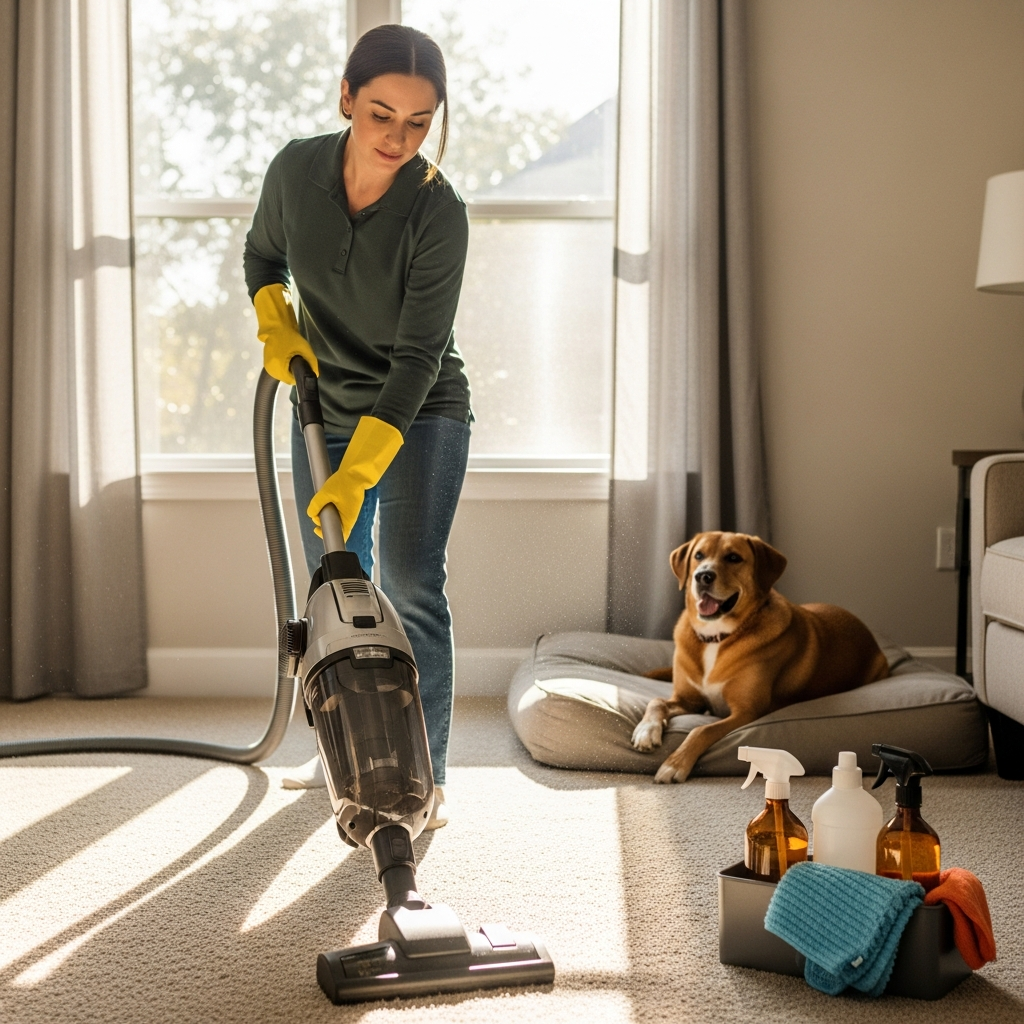
No matter how many air fresheners you use, if the source of the odor isn’t cleaned, it will always return. Regular, thorough cleaning is the foundation of an odor-free home.
Regular Vacuuming and Sweeping
Dog hair, dander, and microscopic bits of dirt all contribute to pet odors. Daily vacuuming, especially in high-traffic pet areas and on upholstered furniture, is crucial. Use a vacuum with a HEPA filter to trap allergens and fine particles. For hard floors, sweeping or using a dry mop daily prevents buildup.
Mopping with Natural Solutions
Hard floors can harbor odors too. A simple and effective natural mopping solution can make a big difference.
DIY Floor Cleaner Recipe
Combine equal parts white vinegar and water in a spray bottle or bucket. For an extra boost of freshness, you can add a few drops of pet-safe essential oils like lavender or cedarwood (always research safety for your specific pet species and dilution). Mop as usual, and the vinegar smell will dissipate quickly, leaving a clean, neutral scent.
Cleaning Upholstery and Carpets Naturally
Carpets and upholstered furniture act like sponges, absorbing pet odors. Regular deep cleaning is necessary.
Spot Cleaning Techniques
For fresh urine spots, blot immediately with paper towels to absorb as much liquid as possible. Then, spray generously with a solution of equal parts white vinegar and water. Let it sit for 10-15 minutes, then blot dry. For tougher spots, sprinkle baking soda over the damp area after the vinegar treatment, let it sit overnight, then vacuum up.
Way 2: Harnessing the Power of Baking Soda
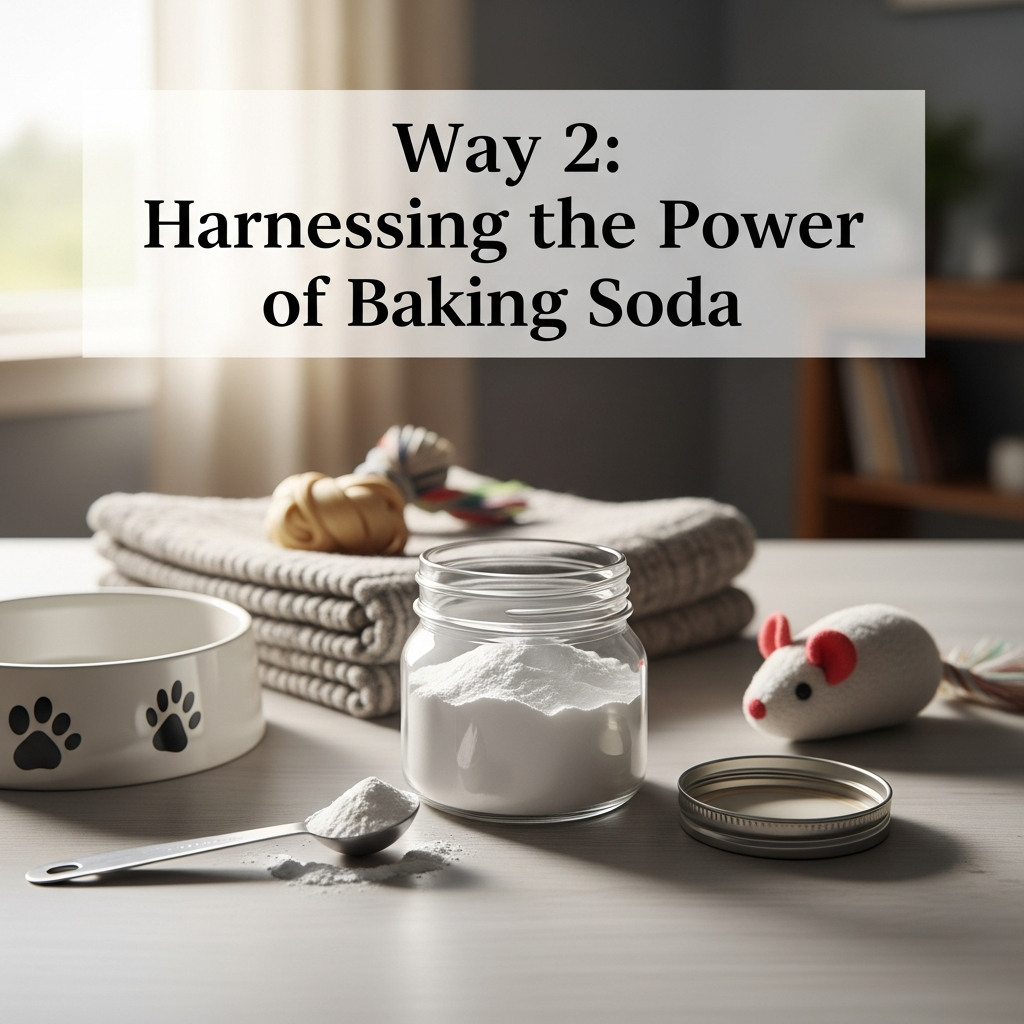
Baking soda, or sodium bicarbonate, is a true superstar in natural odor elimination. It absorbs odors rather than just masking them, making it incredibly effective.
Deodorizing Carpets and Rugs
This is one of the easiest and most powerful ways to refresh your home.
Step-by-Step Application
1. Liberally sprinkle baking soda over your carpets, rugs, and even upholstered furniture.
2. Let it sit for at least 30 minutes, or preferably several hours, to allow it to absorb odors. For really stubborn smells, leave it overnight.
3. Thoroughly vacuum up the baking soda. You’ll be amazed at how fresh everything smells.
Freshening Pet Beds
Pet beds are prime spots for odor accumulation. Sprinkle baking soda directly onto the dry bed, let it sit for 15-30 minutes, then vacuum it off before your dog’s next nap. If the bed has a removable cover, wash it regularly (see Way 5).
Neutralizing Odors in Crates
For wire crates, sprinkle baking soda on the tray underneath the bedding. For plastic crates, sprinkle it inside, let it sit, then wipe or vacuum out.
General Room Freshener
Place small bowls of baking soda in inconspicuous spots around your home, like on shelves or inside cabinets. Replace it every few weeks to maintain freshness.
Way 3: Vinegar: The Unsung Hero of Clean Homes
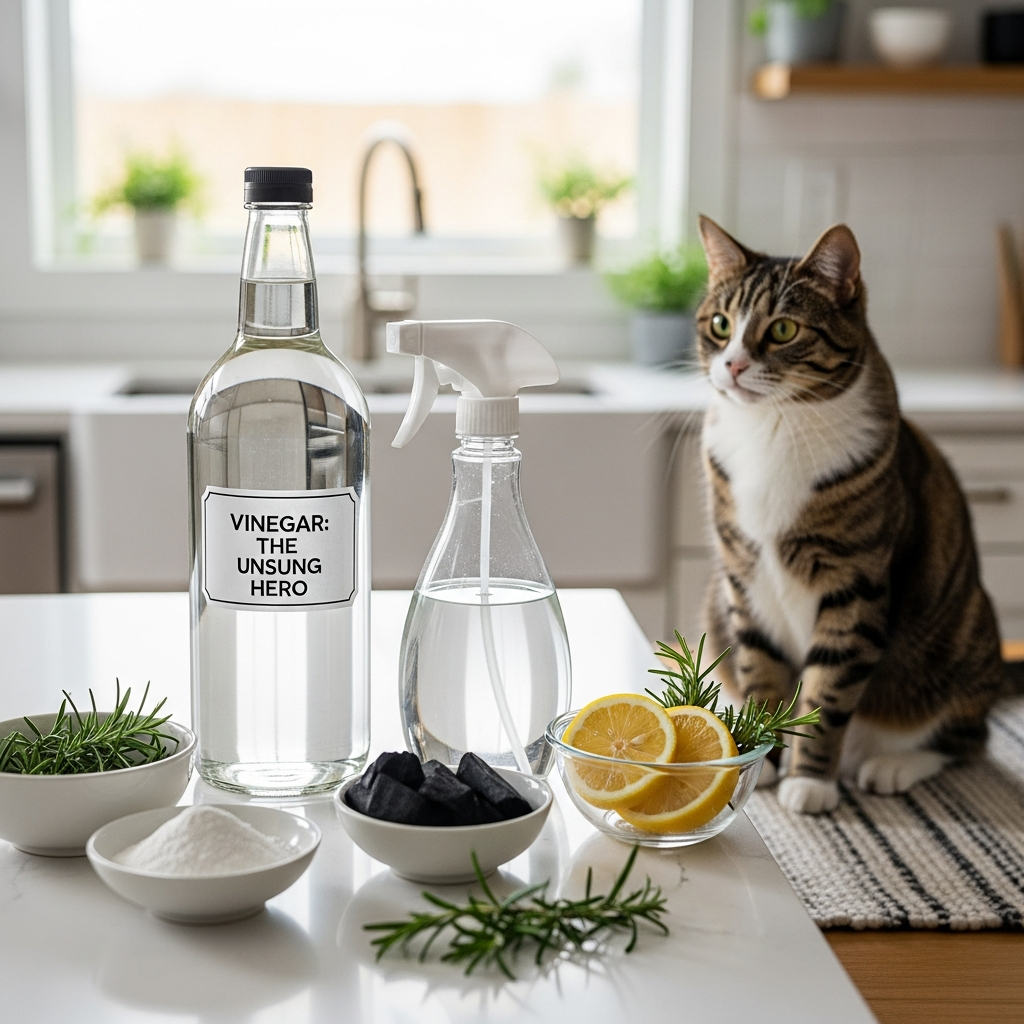
White vinegar is an incredibly versatile and powerful natural cleaner and deodorizer. Its acetic acid content neutralizes odors and breaks down many stains. Don’t worry, the vinegar smell dissipates quickly once it dries.
All-Purpose Cleaner
Diluted white vinegar can replace many chemical cleaners around your home.
Dilution Ratios for Different Surfaces
* For general surfaces (countertops, floors): Mix equal parts white vinegar and water.
* For glass and mirrors: Use a solution of 1 part vinegar to 4 parts water.
* For tough odors (like in the bottom of a trash can): Use undiluted vinegar, let it sit, then rinse.
Eliminating Urine Odors
Vinegar is particularly effective at breaking down the uric acid crystals in pet urine, which are responsible for the lingering smell.
How to Tackle Fresh and Old Stains
For fresh urine, blot up as much as you can. Then, saturate the spot with undiluted white vinegar. Let it sit for 10-15 minutes, then blot dry. For older, dried stains, you may need to repeat this process multiple times or follow up with a baking soda treatment (as mentioned in Way 2). Always test on an inconspicuous area first.
Laundry Booster
Add about half a cup of white vinegar to your laundry’s rinse cycle when washing pet bedding or other items that smell doggy. It helps neutralize odors and softens fabrics naturally.
Way 4: Embrace the Green Power of Air-Purifying Plants
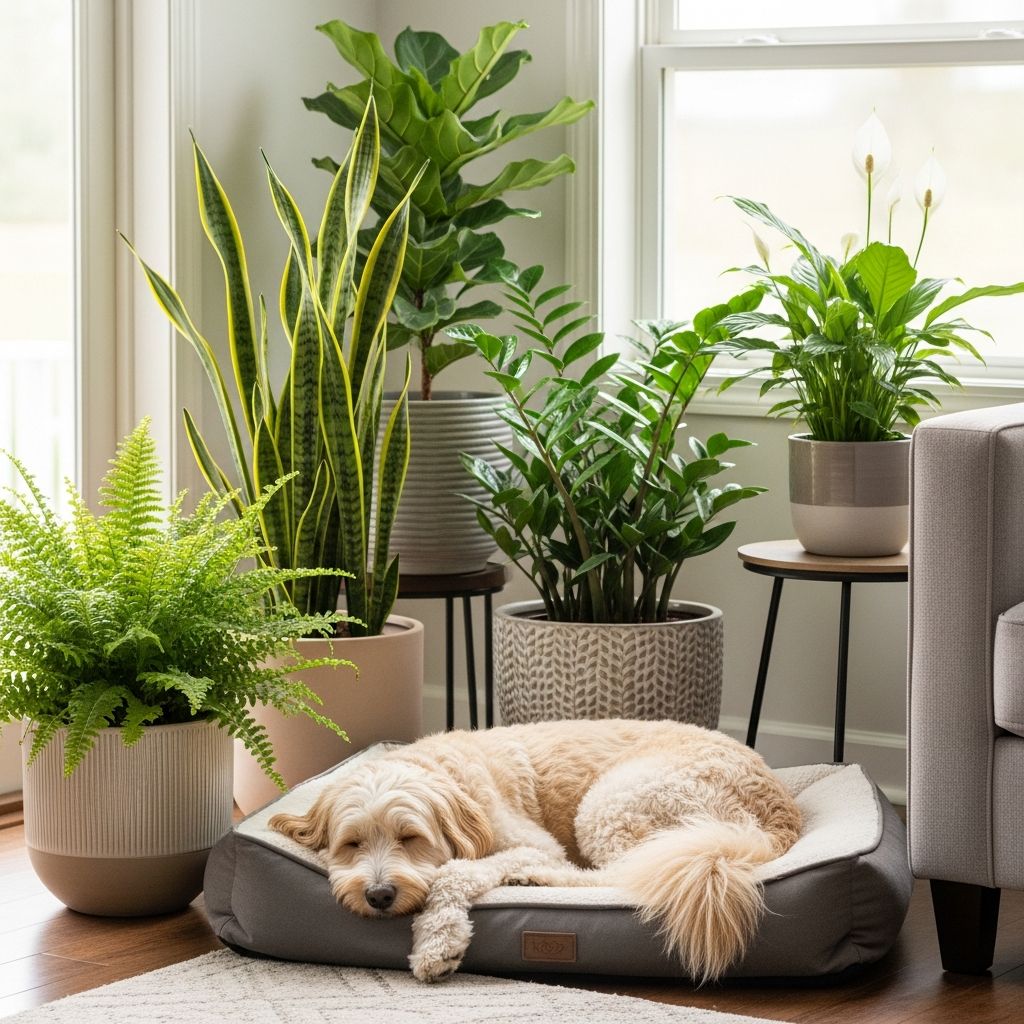
Certain houseplants aren’t just pretty; they actually work to filter toxins from the air, which can contribute to overall freshness. This is a subtle but effective way to naturally improve your home’s air quality.
Top Pet-Safe Plants for Air Purification
Always double-check a plant’s toxicity before bringing it into your home, especially if your dog is a chewer. Here are a few generally considered pet-safe options:
* Boston Fern: Excellent for filtering formaldehyde and xylene.
* Spider Plant: Great at removing formaldehyde and xylene from the air. Very easy to care for!
* Areca Palm: Effective at removing common indoor air pollutants and also adds humidity to the air.
* Kimberly Queen Fern: Another beautiful fern that helps clean the air.
How Plants Help
Plants absorb carbon dioxide and release oxygen. Beyond that, their leaves, roots, and associated soil microbes can help break down volatile organic compounds (VOCs) and other airborne pollutants, leading to cleaner, fresher air.
Way 5: Smart Laundry Habits for Pet Parents
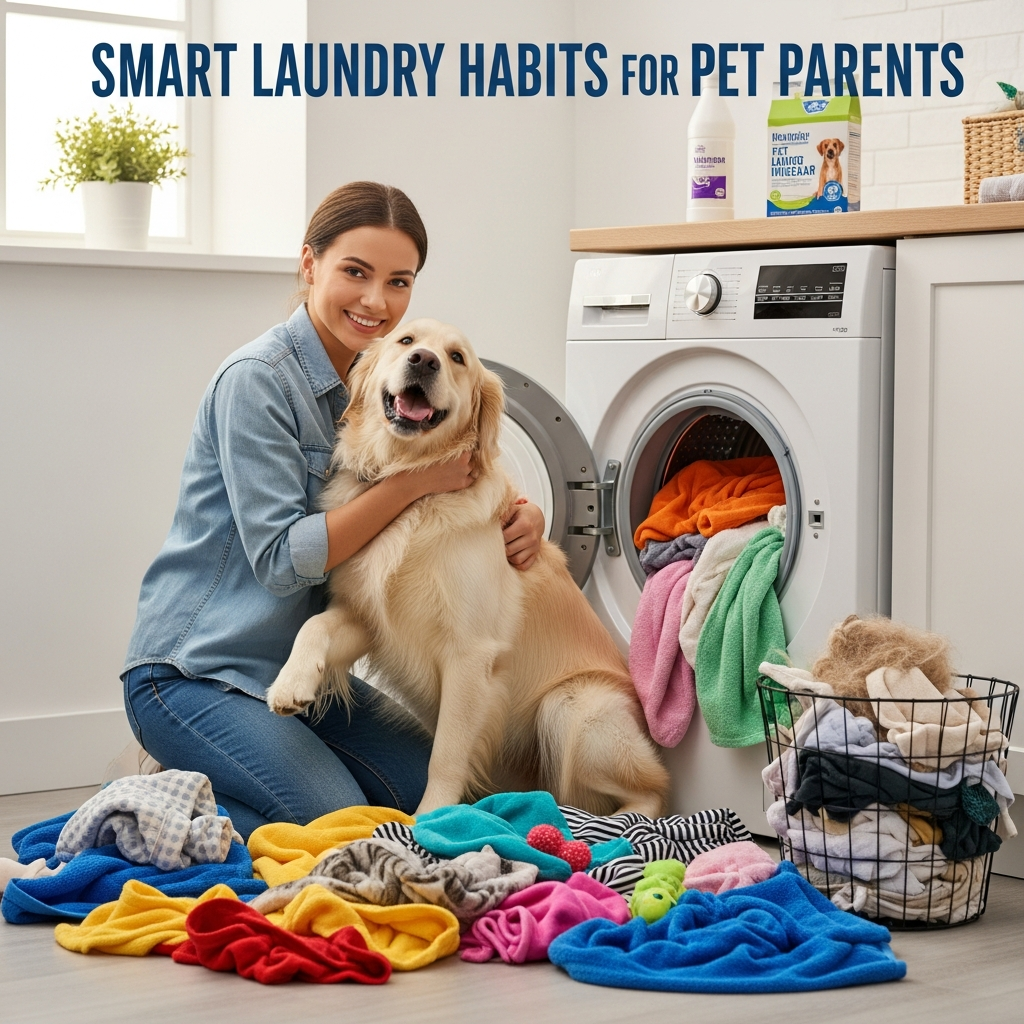
Our dogs spend a lot of time lounging on soft surfaces, and those surfaces inevitably absorb their natural oils and dander, leading to odors. Regular washing is key.
Washing Pet Bedding Regularly
This is perhaps the most important laundry habit. Dog beds, blankets, and crate liners can become major odor sources very quickly.
Recommended Frequency
Aim to wash pet bedding at least once a week, or more often if your dog is particularly smelly, sheds a lot, or has skin issues. Use a gentle, unscented detergent. Adding half a cup of white vinegar to the rinse cycle can further boost odor removal.
Cleaning Pet Toys
Soft toys, tug ropes, and even some hard toys can harbor odors and bacteria. Throw soft toys into the washing machine with your pet bedding. Hard toys can be scrubbed with hot, soapy water (using a natural dish soap) or run through the dishwasher.
Protecting Your Own Laundry
If your dog sleeps on your bed or lounges on your blankets, wash these items frequently. Use washable throw blankets on furniture where your dog likes to nap, and wash them weekly to protect your main upholstery.
Way 6: The Importance of Pet Grooming and Health
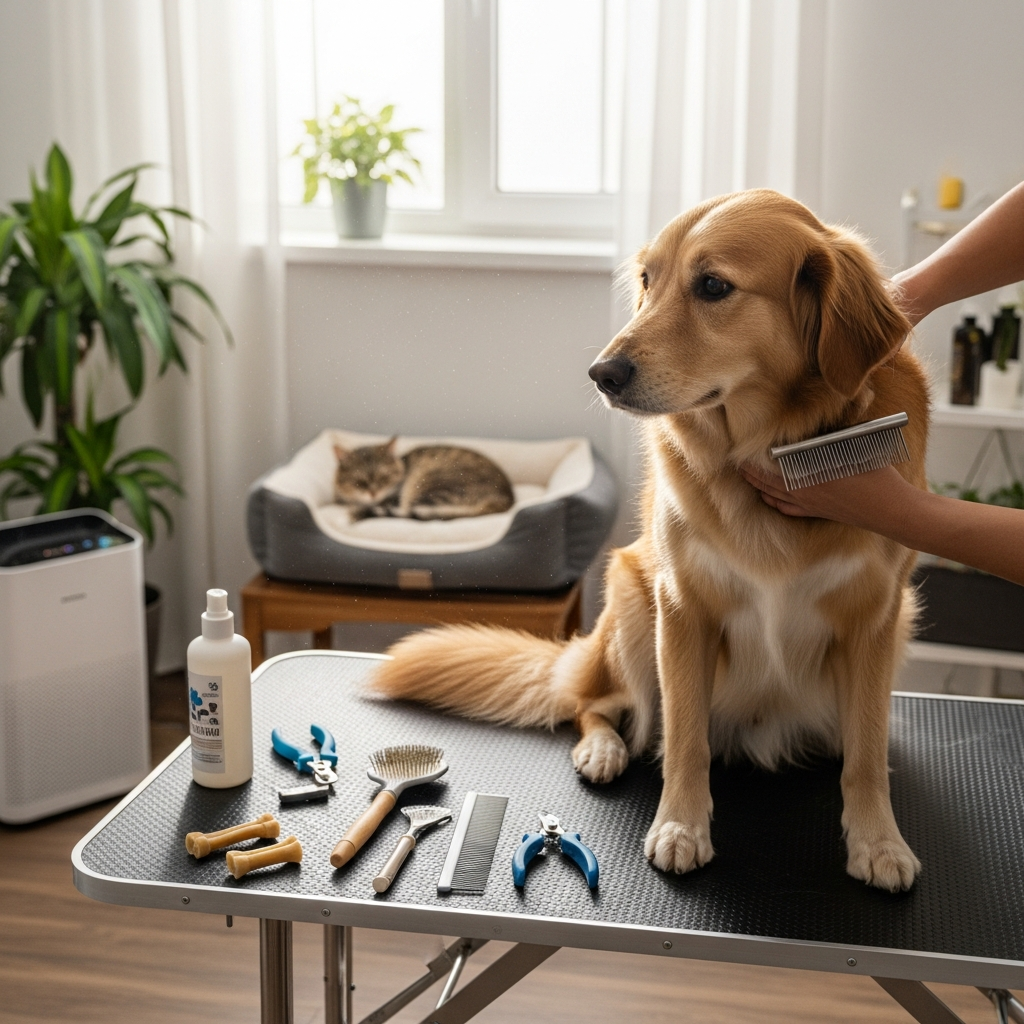
Sometimes, the “dog smell” is actually coming from your dog! Regular grooming and good health practices can significantly reduce odors originating from your beloved pet.
Regular Brushing
Brushing your dog a few times a week helps remove loose hair, dander, and dirt before it can fall off onto your furniture and carpets. It also distributes natural oils, keeping their coat healthy and less prone to that stale smell.
Bath Time Done Right
Over-bathing can strip natural oils, leading to dry skin, but infrequent bathing allows dirt and oils to build up. Find the right balance for your dog’s breed and lifestyle.
Natural Pet Shampoos
Choose a natural, pH-balanced dog shampoo that is free of harsh chemicals, dyes, and artificial fragrances. Look for ingredients like oatmeal, aloe vera, or essential oils that are safe for dogs and known for their soothing and deodorizing properties (e.g., small amounts of lavender, cedarwood, or peppermint oil diluted in the shampoo base).
Dental Hygiene
Bad breath (halitosis) can contribute to the overall “dog smell” in your home. Regular teeth brushing with dog-specific toothpaste, dental chews, and professional dental cleanings as needed can make a huge difference.
Healthy Diet for a Healthy Dog
What goes into your dog’s body can affect what comes out (and how they smell).
Impact on Skin and Coat Health
A high-quality, balanced diet rich in omega-3 fatty acids can promote a healthy skin barrier and a shiny coat, potentially reducing skin issues that lead to odor. Good digestion also means less gas and fewer tummy troubles that can contribute to overall pet smells.
Way 7: Natural Air Fresheners and Odor Absorbers
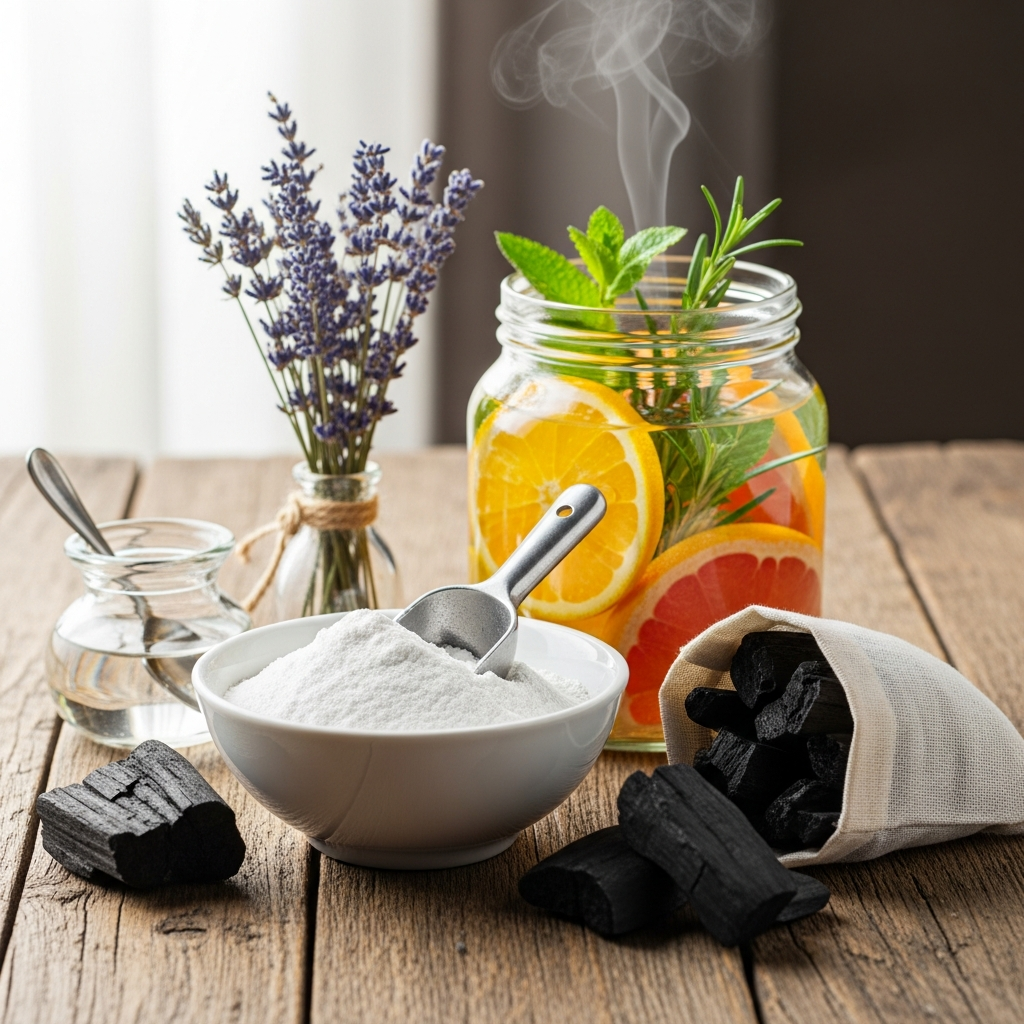
Once your home is clean, these natural methods can help maintain a fresh scent and continuously absorb any lingering odors.
DIY Air Freshener Sprays
Skip the chemical-laden aerosol sprays and make your own safe, pleasant-smelling sprays.
Citrus and Water
Boil citrus peels (lemon, orange, grapefruit) in water, then let the liquid cool. Strain and put into a spray bottle for a refreshing, natural room spray. You can also just mix distilled water with a few drops of pet-safe essential oils like lavender or cedarwood. Always spray away from pets and let it settle.
Herbs and Essential Oils (SAFELY)
Dried herbs like rosemary or lavender can be placed in sachets around the house. If using essential oils in a diffuser, use very sparingly, ensure excellent ventilation, and always make sure your pets can leave the room. Some essential oils are toxic to pets, so research is critical. When in doubt, avoid diffusing. Simpler and safer: place a few drops of safe essential oil on cotton balls and place them in high-up, out-of-reach spots.
Activated Charcoal
Activated charcoal is a highly porous material known for its ability to absorb odors. Place bowls or sachets of activated charcoal (available at pet stores or online) in rooms where pet odors are a concern. It works silently and effectively.
Open Windows and Fresh Air
Never underestimate the power of good old-fashioned ventilation. Opening windows for even 15-20 minutes a day can dramatically refresh your home by circulating stale, odor-laden air out and bringing fresh air in.
The Power of Cross-Ventilation
If possible, open windows on opposite sides of your home to create a cross-breeze. This rapidly exchanges the air, making a significant difference in overall freshness.