As dog parents, we all want to spoil our furry family members with delicious and healthy treats. But sometimes, finding the time or the right ingredients can feel like a challenge. What if we told you there’s a super simple, no-bake recipe that your dog will absolutely adore, and it only needs three ingredients?
Get ready to discover the magic of 3-Ingredient No-Bake Peanut Butter Dog Balls! These little bundles of joy are incredibly easy to whip up, packed with goodness, and a surefire way to get those tails wagging. Not only are they quick to make, but they also give you peace of mind knowing exactly what your beloved pup is munching on. Let’s dive into making some happy memories and delicious treats!
Why Make Homemade Dog Treats?
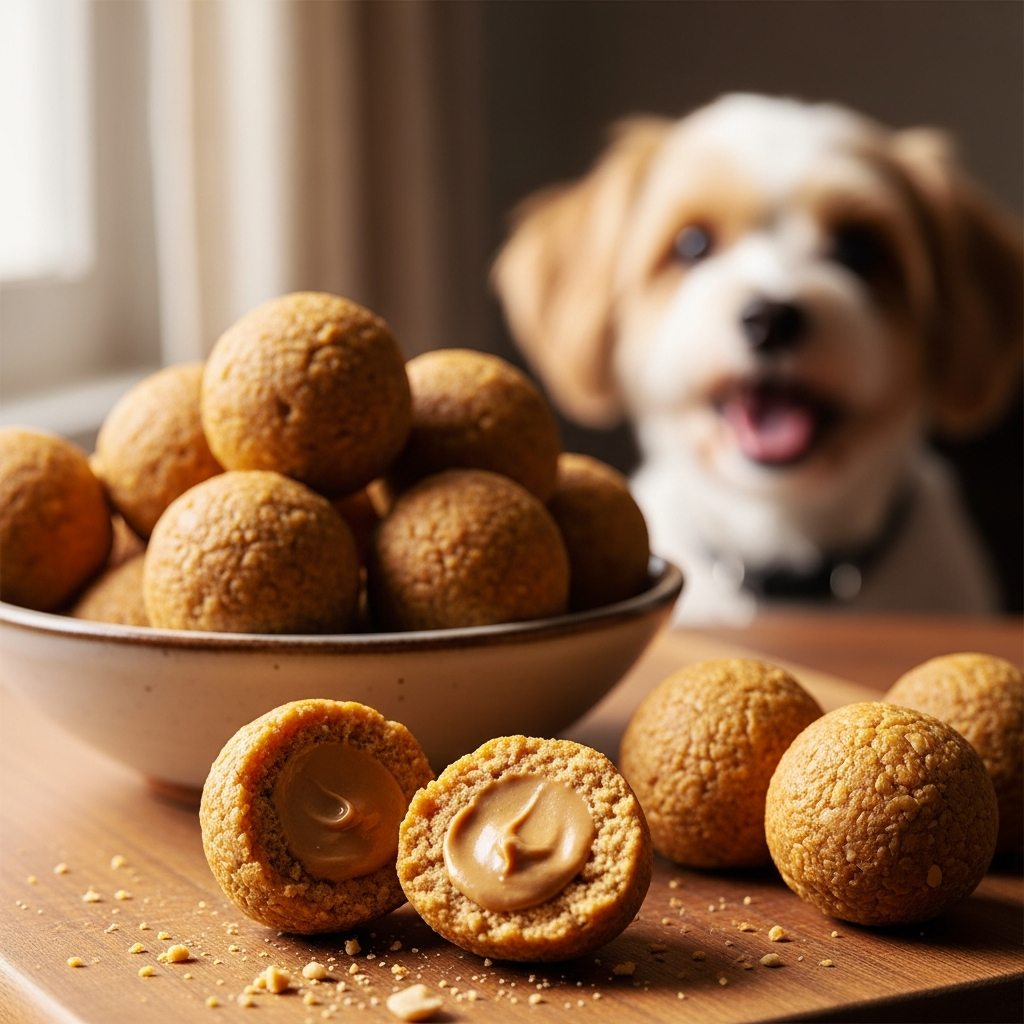
Choosing to make your dog’s treats at home is a wonderful decision for many reasons. It goes beyond just saving a little money; it’s about giving your dog the very best, made with love and care.
Control Over Ingredients
When you bake or create treats at home, you have complete control over every single ingredient. This means you can avoid common allergens, artificial flavors, preservatives, and unnecessary fillers that are often found in store-bought options. You pick what goes in, ensuring it’s fresh and beneficial for your pup.
Avoiding Harmful Additives
Many commercial dog treats, unfortunately, contain ingredients that aren’t ideal for our dogs’ long-term health. These can include excessive sugar, salt, chemical colorings, and preservatives. With homemade treats, you eliminate these concerns entirely, offering a cleaner, healthier snack.
Cost-Effective Snacking
Buying premium dog treats can quickly add up, especially if your dog loves their snacks! Making treats yourself, especially simple ones like these peanut butter balls, is often much more budget-friendly. You can buy ingredients in bulk and make a large batch to last your dog for days or even weeks.
A Special Bonding Experience
There’s something incredibly rewarding about preparing food for someone you love, and that includes your dog! The process of making these treats, and then watching your dog enjoy them, can be a lovely bonding experience. Plus, your dog will definitely appreciate the extra effort and love you put in.
The Magic Three Ingredients
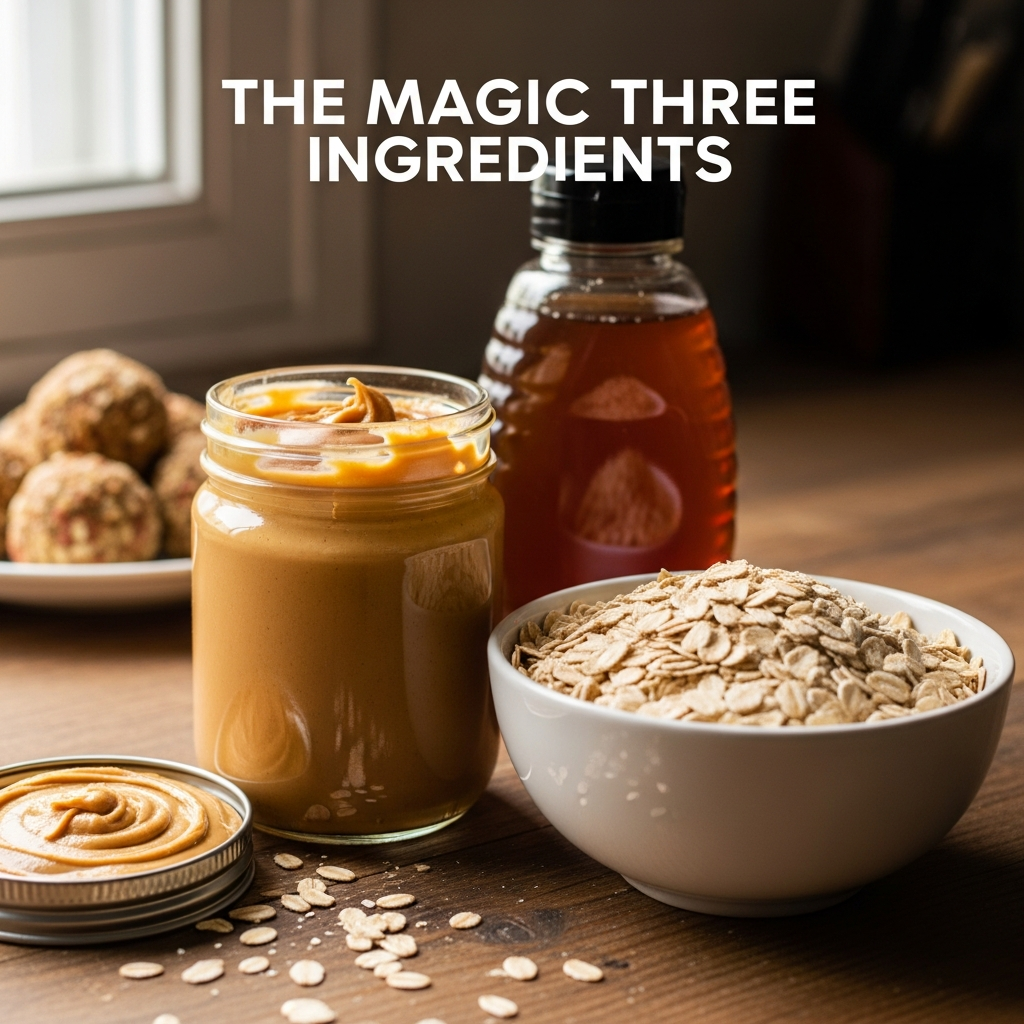
The beauty of these no-bake dog balls lies in their simplicity. You only need three basic ingredients, which you probably already have in your pantry. But even with just three, quality and safety are key!
Peanut Butter: The Star of the Show
This creamy, nutty spread is a dog favorite, and for good reason! It’s delicious and provides healthy fats and protein.
Crucial Safety Check: Xylitol-Free!
Before you even think about grabbing that jar of peanut butter, you absolutely must check the ingredient label for xylitol. Xylitol is a sugar substitute that is highly toxic to dogs, even in small amounts. Always choose natural, unsweetened peanut butter that lists only peanuts as an ingredient, or peanuts and salt.
Benefits of Peanut Butter for Dogs
Beyond its irresistible taste, peanut butter offers some nutritional perks. It’s a good source of protein, healthy fats, and vitamins B and E. Just remember, like all good things, moderation is key due to its calorie content.
Oats: The Healthy Binder
Rolled oats are an excellent addition to these treats, acting as a natural binder that helps hold everything together without any baking.
Nutritional Value of Oats
Oats are a fantastic source of soluble fiber, which can aid in digestion and help keep your dog feeling full. They also provide essential vitamins and minerals like manganese, phosphorus, and magnesium. They are generally gentle on a dog’s stomach.
Bananas: Natural Sweetness and Texture
Ripe bananas are the third ingredient, bringing natural sweetness, potassium, and a wonderful binding quality to the mixture.
Why Bananas are Great for Dogs
Bananas are packed with potassium, vitamin B6, and vitamin C. They provide a soft texture that helps combine the ingredients smoothly. Plus, most dogs love the taste! If you have overripe bananas, this is a perfect way to use them up.
Step-by-Step Guide: How to Make Your Dog’s New Favorite Treat
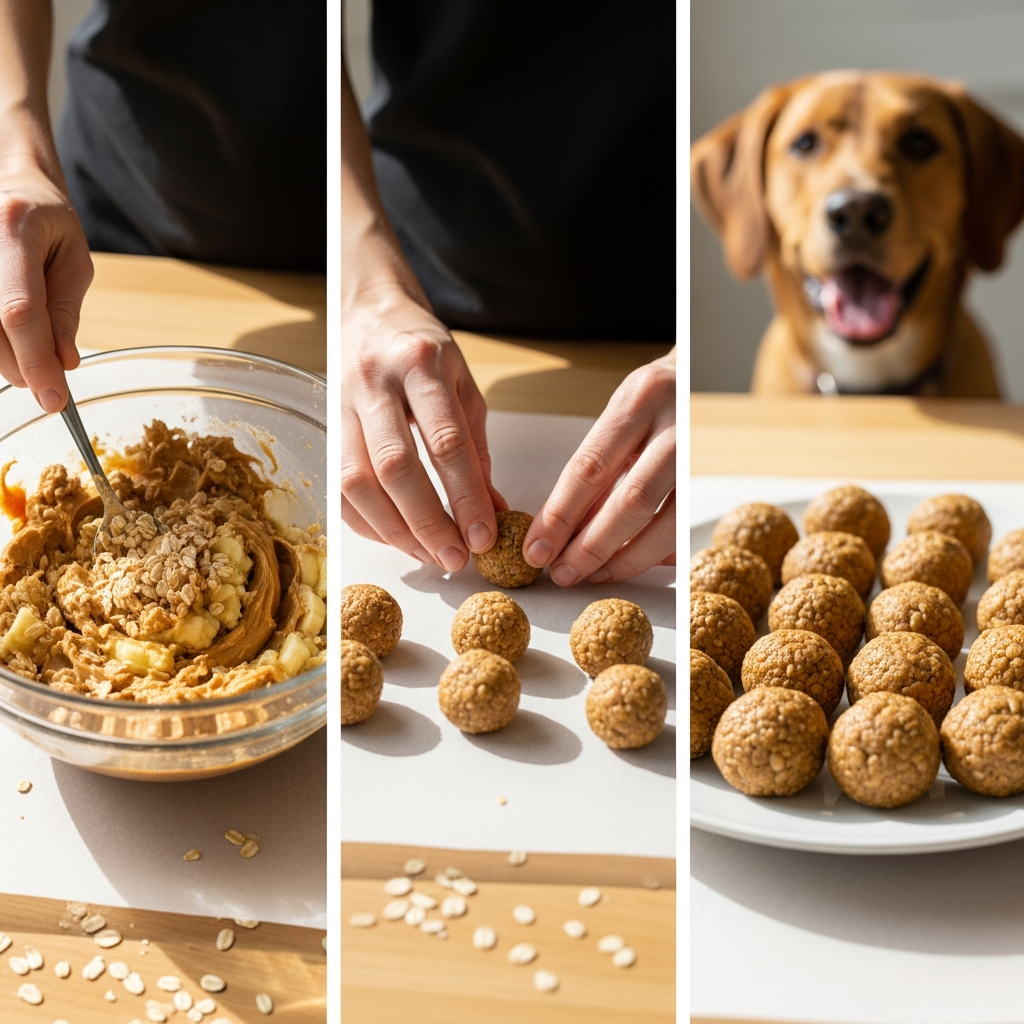
You’ll be amazed at how quickly these come together. No oven needed, no complicated steps – just simple mixing and rolling!
What You’ll Need: Ingredients and Equipment
Before you start, gather everything to make the process smooth and enjoyable.
Ingredients:
* 1 cup (250g) unsweetened, xylitol-free peanut butter
* 1 ripe banana, mashed
* 1 ½ cups (135g) rolled oats (not instant oats)
Equipment:
* A medium mixing bowl
* A fork or potato masher (for the banana)
* A sturdy spoon or spatula
* A baking sheet or plate lined with parchment paper
Simple Mixing Instructions
Follow these easy steps, and you’ll have a batch of delicious dog treats in no time.
1. Mash the Banana
In your mixing bowl, peel and mash the ripe banana thoroughly with a fork until it’s a smooth, lump-free paste. The riper the banana, the easier it will be to mash and the sweeter the treats will be.
2. Add Peanut Butter
Scoop the xylitol-free peanut butter into the bowl with the mashed banana. Stir well to combine these two ingredients completely. It might be a little stiff, but keep mixing until it’s uniform.
3. Incorporate the Oats
Gradually add the rolled oats to the peanut butter and banana mixture. Use your sturdy spoon or spatula to mix everything together. You might find it easier to switch to using your hands once the mixture starts to get very thick. Ensure the oats are evenly distributed and everything forms a cohesive, dough-like consistency. If the mixture seems too sticky, add a tablespoon more oats. If it’s too dry, a tiny bit more mashed banana or peanut butter can help.
Rolling and Chilling Your Treats
Almost there! Now for the fun part – shaping these delicious balls.
1. Roll into Balls
Once your mixture is ready, take small portions (about 1-inch or 2.5 cm diameter, depending on your dog’s size) and roll them between your palms to form neat little balls. Place each finished ball onto your parchment-lined baking sheet or plate.
2. Chill to Perfection
Once all the mixture is rolled into balls, place the baking sheet into the refrigerator for at least 30 minutes. This chilling time helps the balls firm up, making them less sticky and easier to handle and store.
Customizing Your Dog Balls
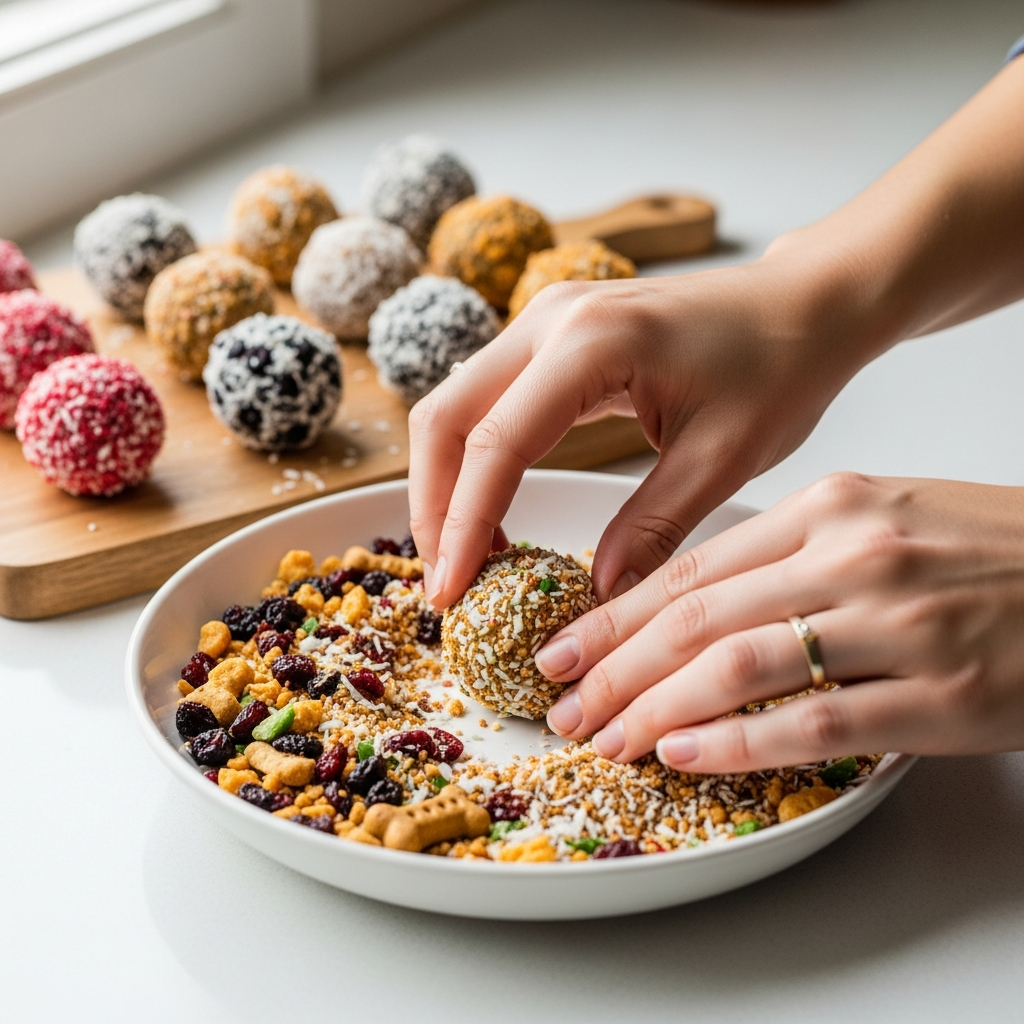
While the three-ingredient recipe is fantastic on its own, you can get creative and add some extra nutritional boosts or flavor variations.
Optional Healthy Add-Ins
These additions can provide extra vitamins, fiber, or omega-3 fatty acids. Always introduce new ingredients slowly to avoid upsetting your dog’s stomach.
* Ground Flax Seeds: A pinch of ground flax seeds adds omega-3s, great for skin and coat health.
* Pumpkin Puree (canned, plain): A spoonful of pure pumpkin can help with digestion and adds fiber. Ensure it’s plain pumpkin, not pumpkin pie filling.
* Shredded Carrots: Finely shredded carrots add a boost of vitamin A and a satisfying crunch.
* Chia Seeds: These tiny seeds are packed with omega-3s, fiber, and antioxidants.
* Unsweetened Applesauce: A small amount can replace some banana for a different fruity flavor and added moisture.
Flavor Variations
Get creative with the core ingredients to offer variety!
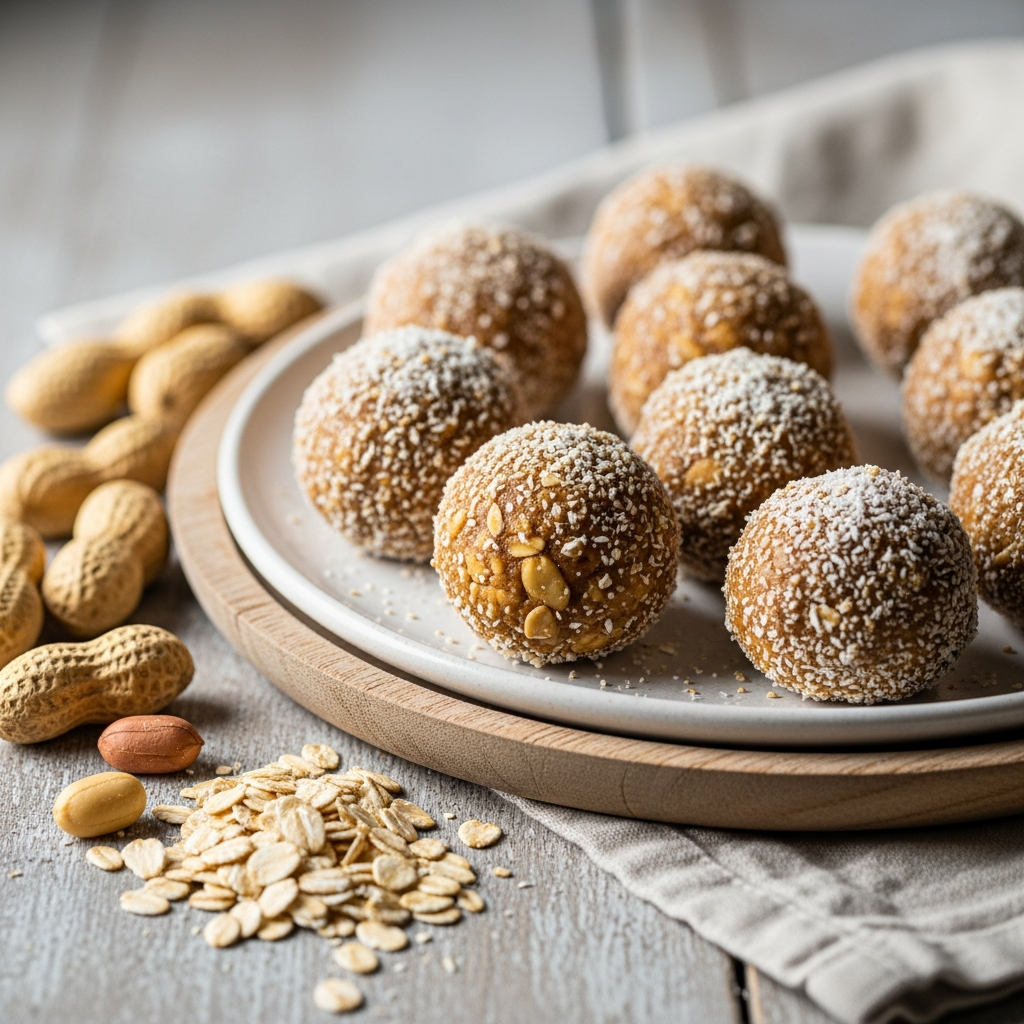
* Coconut Twist: Roll the finished balls in unsweetened shredded coconut before chilling for a tropical flair and extra fiber.
* Yogurt Drizzle: Once chilled, you can lightly drizzle the balls with plain, unsweetened yogurt and then re-chill until firm.
Allergy-Friendly Alternatives
If your dog has specific dietary needs or allergies, you can often substitute ingredients.
* Peanut Butter Alternative: If your dog is allergic to peanuts, consider using tahini (sesame seed paste – ensure it’s plain and no salt added) or pureed cooked sweet potato as a binder. Always check with your vet first.
* Oat-Free Option: For dogs sensitive to grains, you could try using a grain-free flour like coconut flour or almond flour, but the liquid ratios might need adjusting. It might be harder to get the no-bake texture right without oats.
Feeding Guidelines and Storage
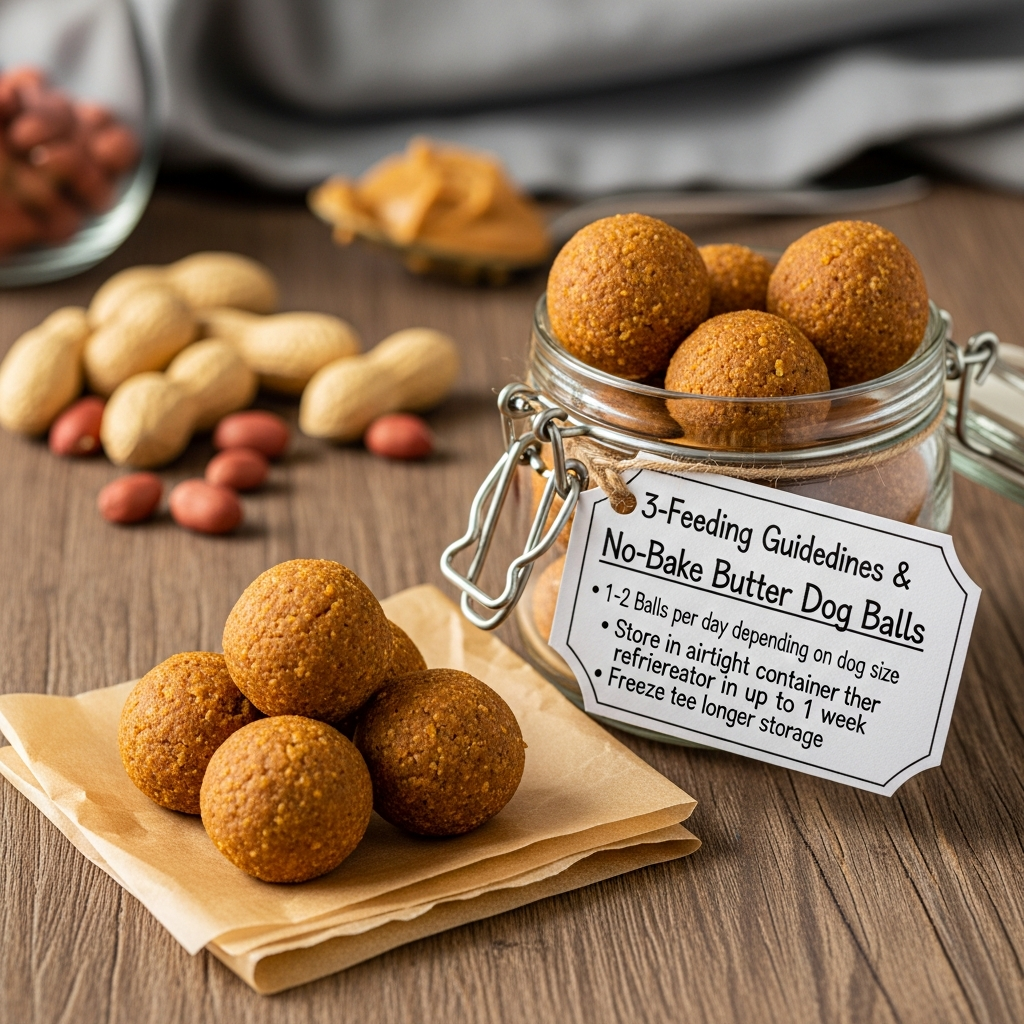
Knowing how many treats to give and how to store them properly is just as important as making them.
How Many to Give Your Dog
Treats should always be given in moderation and should make up no more than 10% of your dog’s daily caloric intake.
* Size Matters: Adjust the size of the balls you roll to suit your dog. Smaller dogs will need smaller balls, larger dogs can handle bigger ones.
* Daily Limit: For an average medium-sized dog, 1-2 small dog balls per day is a good starting point. Always consider your dog’s overall diet, activity level, and any weight management goals.
* Consult Your Vet: If your dog has specific health conditions or dietary restrictions, always check with your veterinarian before introducing new treats.
Storage Tips for Freshness
Proper storage ensures your homemade treats stay fresh and safe for your dog to enjoy.
* Refrigerator: Store the peanut butter dog balls in an airtight container in the refrigerator for up to 7-10 days.
* Freezer: For longer storage, you can freeze the balls. Place them in a single layer on a baking sheet until frozen solid, then transfer them to a freezer-safe bag or container. They will keep well for up to 2-3 months. Thaw in the refrigerator before serving, or offer them frozen as a cooling treat on a hot day.
Serving Suggestions
These versatile treats can be more than just a quick snack!
* Training Rewards: Their small size and high palatability make them excellent motivators for training sessions.
* Pill Pockets: The soft, moldable texture is perfect for hiding medication if your dog needs to take pills.
* Enrichment Toys: Stuff a few into a KONG or other puzzle toy for a mentally stimulating challenge.
* Frozen Delight: On a hot summer day, a frozen peanut butter ball can be a refreshing and long-lasting treat.
Safety First: Important Considerations
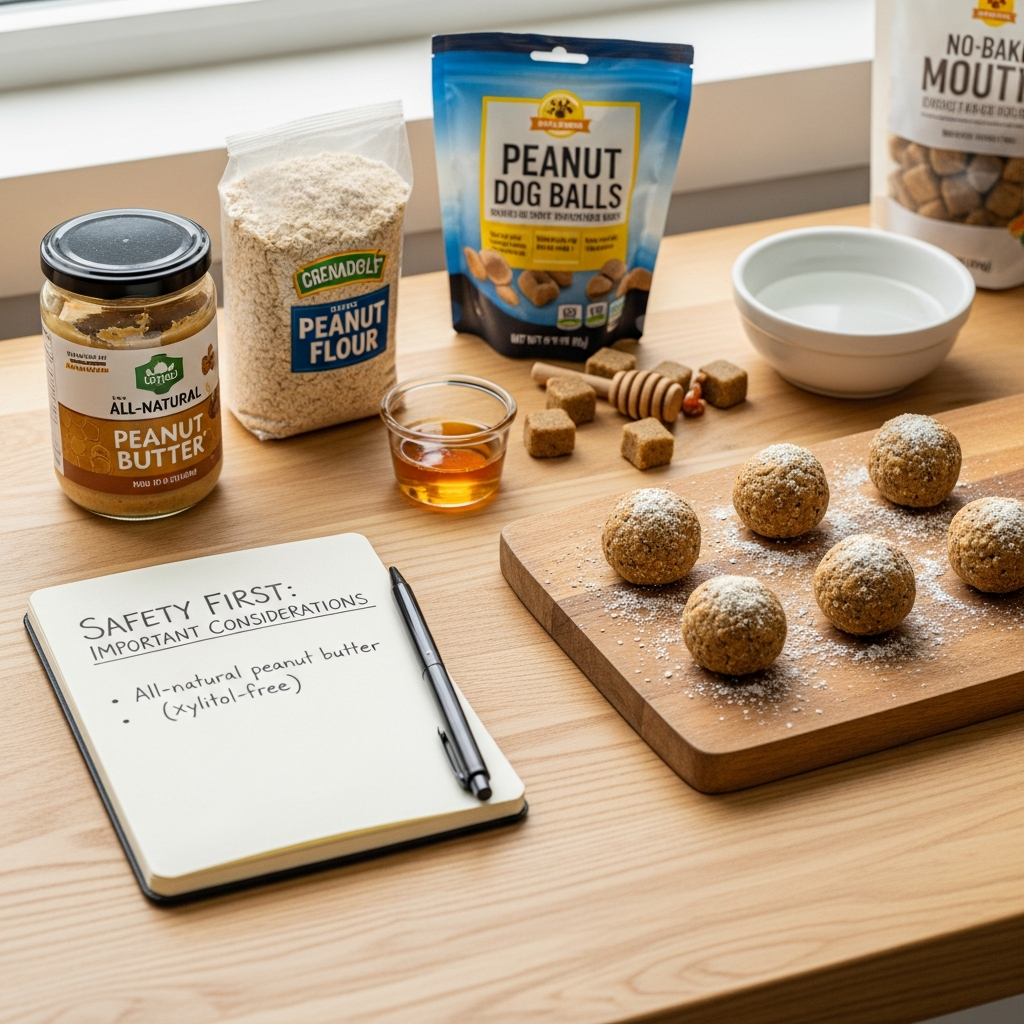
Your dog’s health and safety are paramount. Always keep these key points in mind when making and feeding homemade treats.
Double-Check Your Peanut Butter for Xylitol
This cannot be stressed enough. Xylitol is extremely toxic to dogs and can be fatal. Make checking the label a habit every single time you buy peanut butter for your dog. Look for ingredients that list only “peanuts” or “peanuts and salt.”
Introduce New Treats Slowly
Whenever you introduce a new food or treat to your dog’s diet, do so gradually. Start with a very small portion and observe your dog for any signs of digestive upset, such as diarrhea, vomiting, or gas. This helps their system adjust and identifies potential sensitivities.
Consult Your Veterinarian
If your dog has allergies, a sensitive stomach, or any underlying health conditions (like diabetes or pancreatitis), it is always best to consult with your veterinarian before adding new treats, even homemade ones, to their diet. They can offer personalized advice tailored to your dog’s specific needs.
Benefits Beyond the Bowl
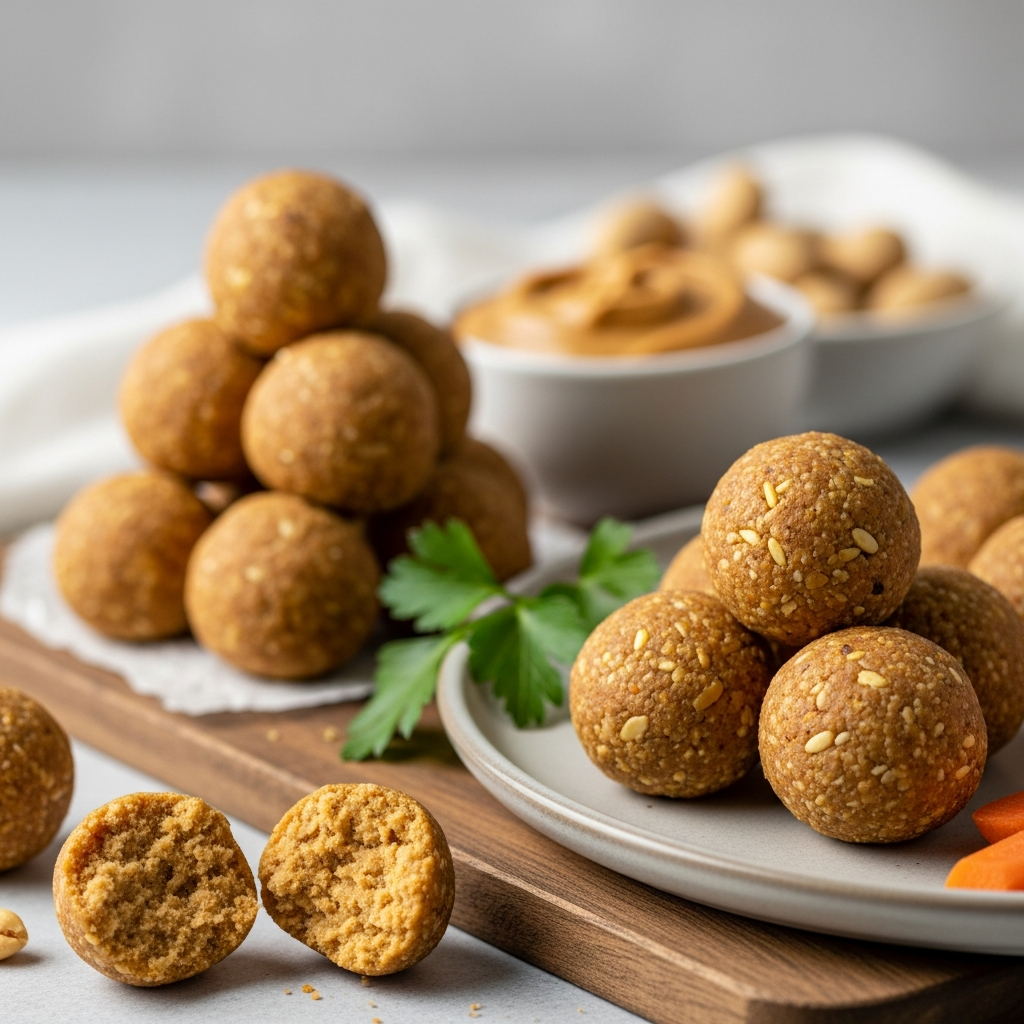
These simple treats offer more than just a tasty snack; they contribute to your dog’s well-being in several ways.
Excellent for Training
The small, soft nature of these balls makes them ideal high-value rewards during training sessions. Their delicious taste keeps your dog motivated and focused on learning new commands or tricks. Breaking them into even smaller pieces can extend your training time.
A Clever Way to Administer Medication
Hiding pills in these soft, delicious treats is a common trick used by many dog parents. The strong scent of peanut butter can mask the smell of medication, making it easier for your dog to swallow their dose without fuss. Just mold the treat around the pill.
Cooling Treat for Warm Days
When the weather heats up, a frozen peanut butter dog ball can be a fantastic way to help your pup cool down. It takes longer to eat than a fresh treat, providing extended enjoyment and hydration as it slowly melts.
Supports Mental Enrichment
Stuffing these treats into a puzzle toy or a KONG provides a wonderful form of mental enrichment. Your dog will have to work to get the treat out, engaging their brain and preventing boredom. This can be especially helpful for dogs who spend time alone.