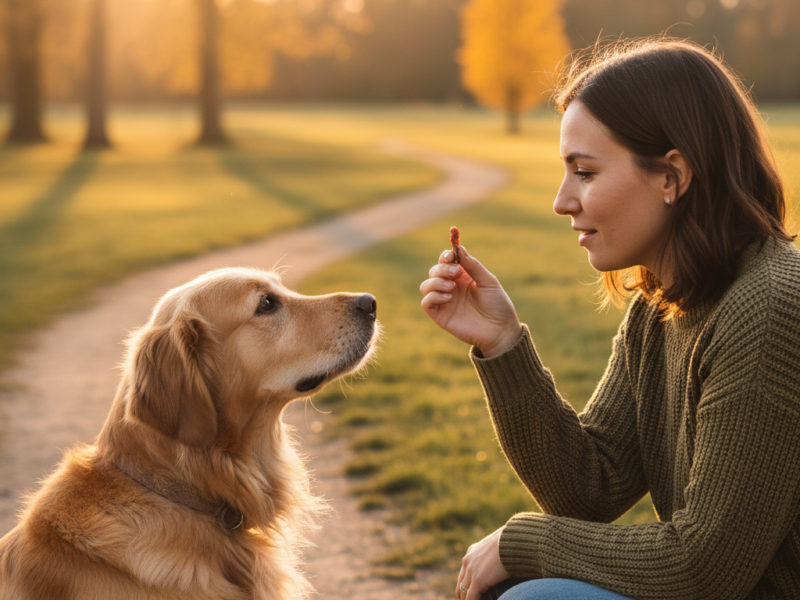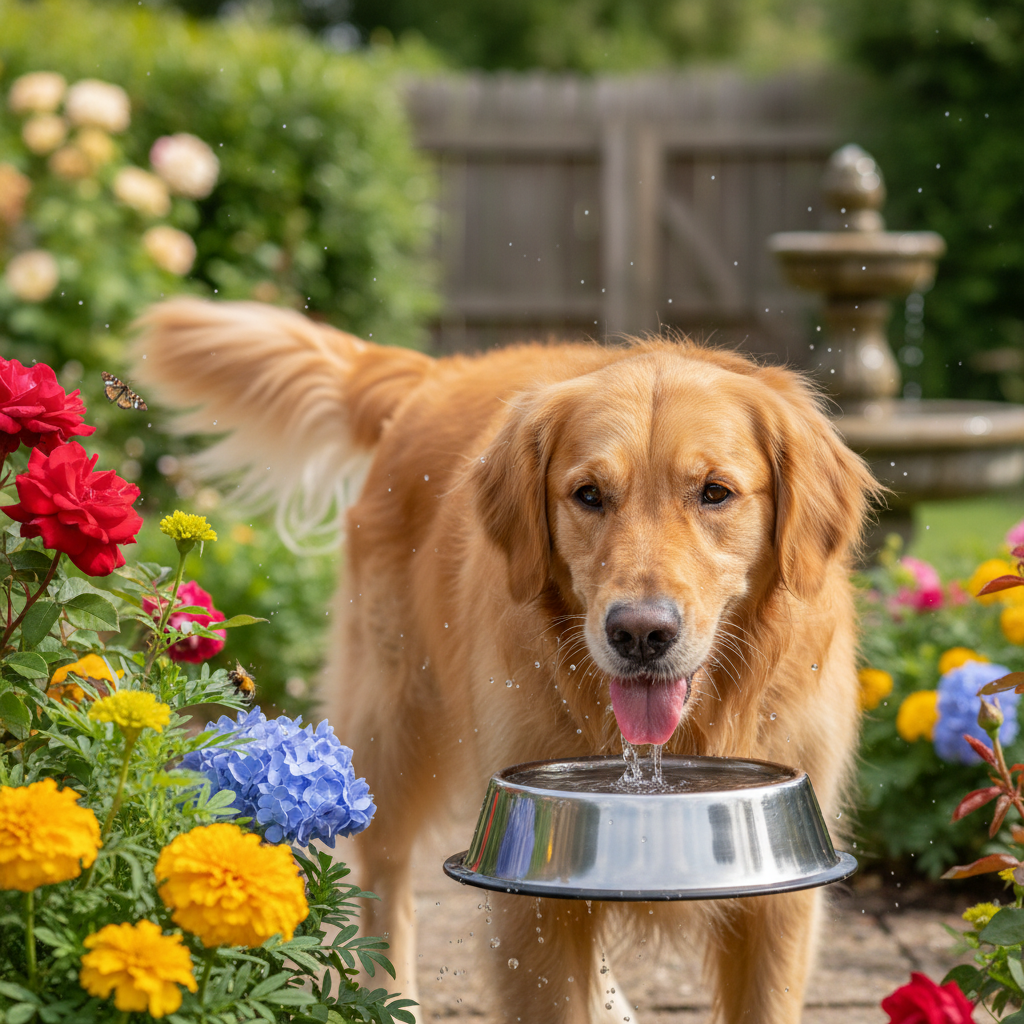
As devoted dog parents, we constantly monitor our furry companions’ well-being. One crucial aspect often overlooked until a problem arises is hydration. Water is vital for every bodily function, from digestion and nutrient absorption to temperature regulation and joint lubrication. When your dog’s water intake drops, it can quickly lead to dehydration, impacting their health and energy levels.
Recognizing the signs of low water intake – lethargy, dry gums, sunken eyes, or reduced skin elasticity – is the first step. The next is knowing how to act. Don’t panic if your pup isn’t lapping up water like usual; there are many creative and effective ways to encourage them to drink more. This guide will walk you through five practical hydration fixes to help keep your beloved dog happy, healthy, and perfectly hydrated.
1. Make Water More Appealing
Sometimes, the simplest solution is the best. Dogs can be particular, and the quality or presentation of their water might be the issue. Think about it: would you want to drink stale water from a dirty glass?
Offer Fresh, Clean Water Daily
This might seem obvious, but it’s the foundation of good hydration. Change your dog’s water at least once, preferably twice, a day. Use filtered water if your tap water has a strong chemical smell or taste that might deter your dog. Keep multiple water bowls around the house, especially in their favorite resting spots, to make it easily accessible.
Clean Water Bowls Regularly
Algae, bacteria, and grime can build up in bowls, making the water unappetizing. Wash bowls daily with soap and hot water, or run them through the dishwasher. Stainless steel or ceramic bowls are often preferred over plastic, which can harbor bacteria more easily and sometimes impart a taste.
Try Different Bowl Types
Some dogs prefer specific materials or sizes. Experiment with stainless steel, ceramic, or glass bowls. A raised bowl might be more comfortable for larger or older dogs, reducing strain on their neck and joints. For flat-faced breeds, a wider, shallower bowl can make drinking easier.
2. Introduce Wet Food or Hydrating Toppers
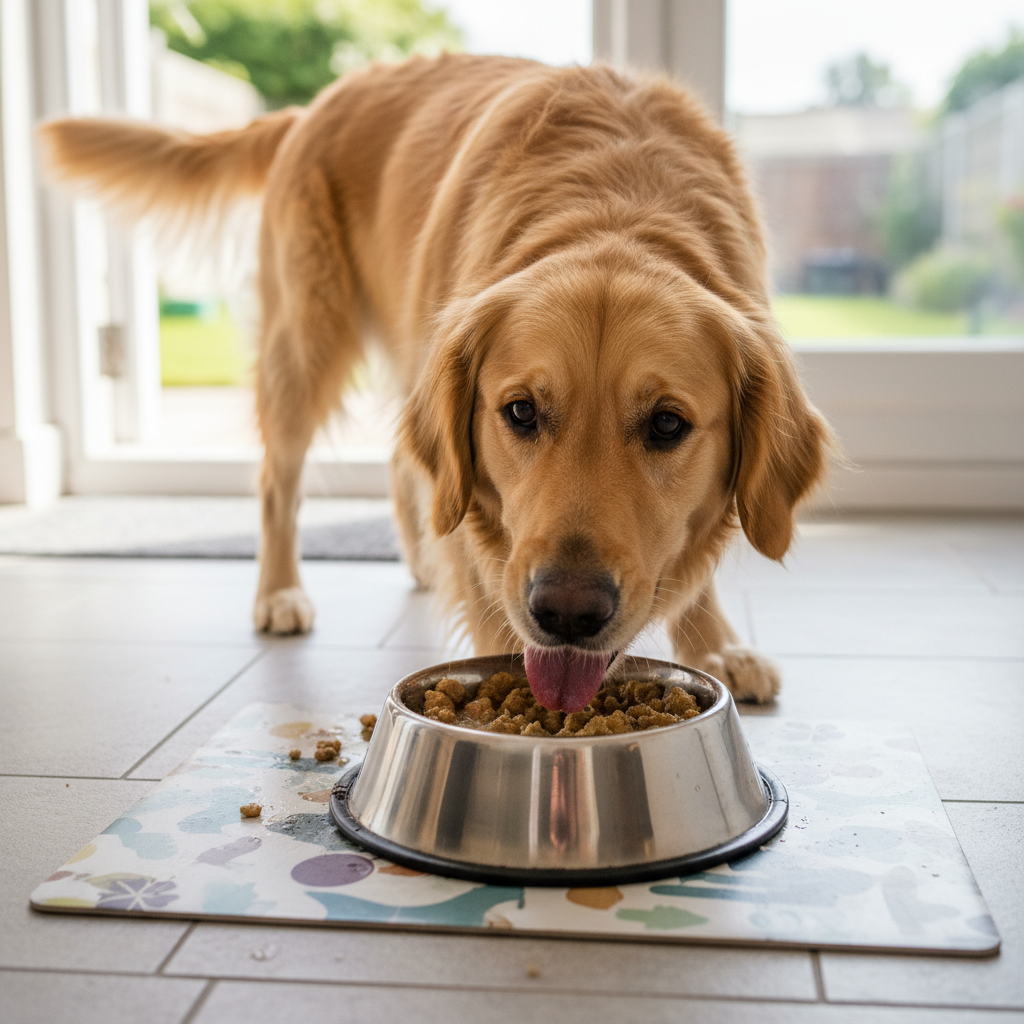
One of the most effective ways to sneak extra hydration into your dog’s diet is through their food. Dry kibble contains very little moisture, typically around 10%, whereas wet food can be up to 80% water.
Switch to or Incorporate Wet Dog Food
Gradually introduce high-quality wet dog food into their diet. You can replace a portion of their dry kibble with wet food, or switch entirely if appropriate for your dog’s needs and your budget. The high moisture content in wet food significantly contributes to their daily fluid intake.
Add Water or Broth to Kibble
If a full switch isn’t feasible, simply add warm water or unsalted, plain bone broth (ensure it’s dog-safe, without onions or garlic) to their dry kibble. Let it sit for a few minutes to soften the food and release aromas, making it more palatable and hydrating. Start with a small amount and gradually increase it.
Use Hydrating Food Toppers
Consider dog-safe food toppers rich in moisture. Options include pureed pumpkin (plain, not pie filling), plain unsweetened yogurt, or even a few tablespoons of pureed fruit or vegetables like watermelon or cucumber (in moderation). Always introduce new foods slowly to avoid stomach upset.
3. Create Flavored Water or Pupsicles
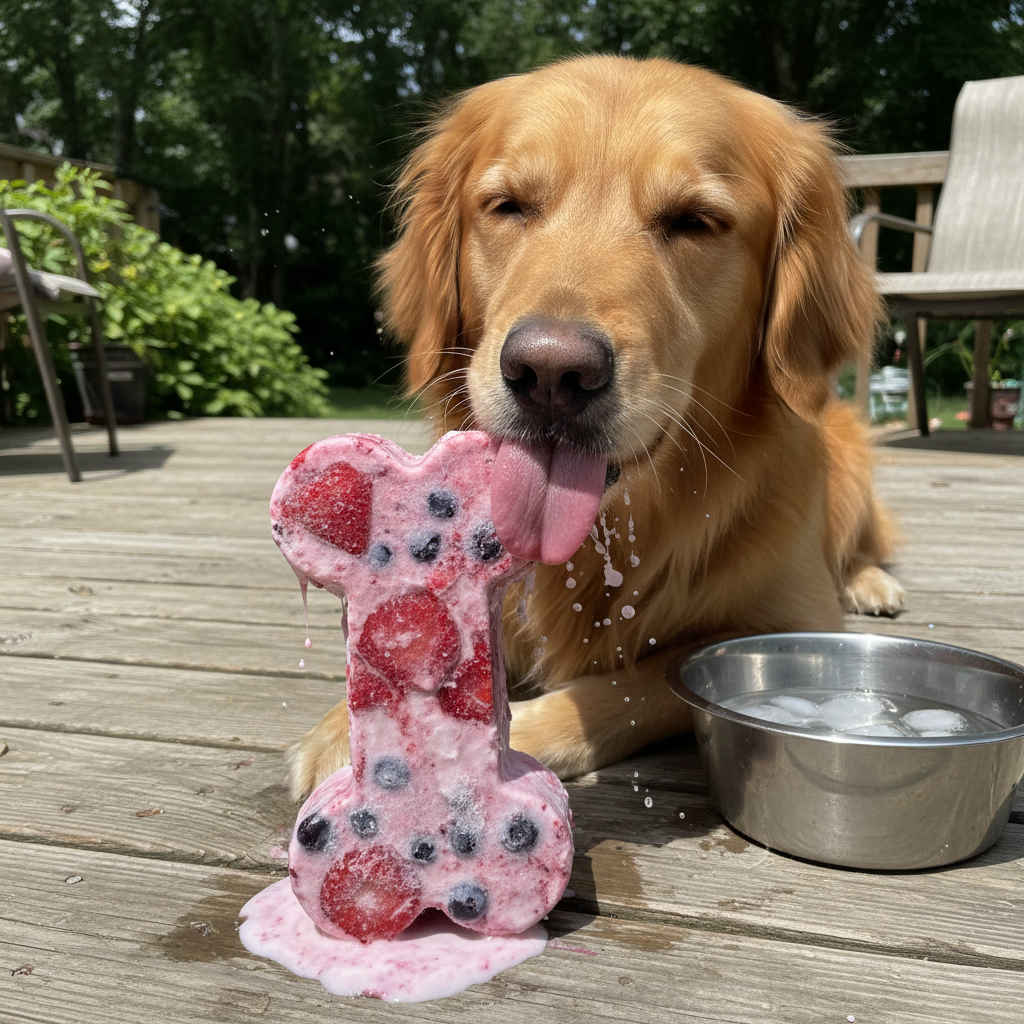
Sometimes, plain water just isn’t exciting enough. Adding a little flavor can make it irresistible for your dog, turning hydration into a fun treat.
Offer Broth-Flavored Water
Mix a small amount of unsalted chicken or beef broth (again, ensure no harmful ingredients) with water. This can be particularly enticing for picky drinkers. You can also use a small amount of tuna juice (from tuna in water, not oil) diluted in water.
Make Hydrating Ice Cubes or Pupsicles
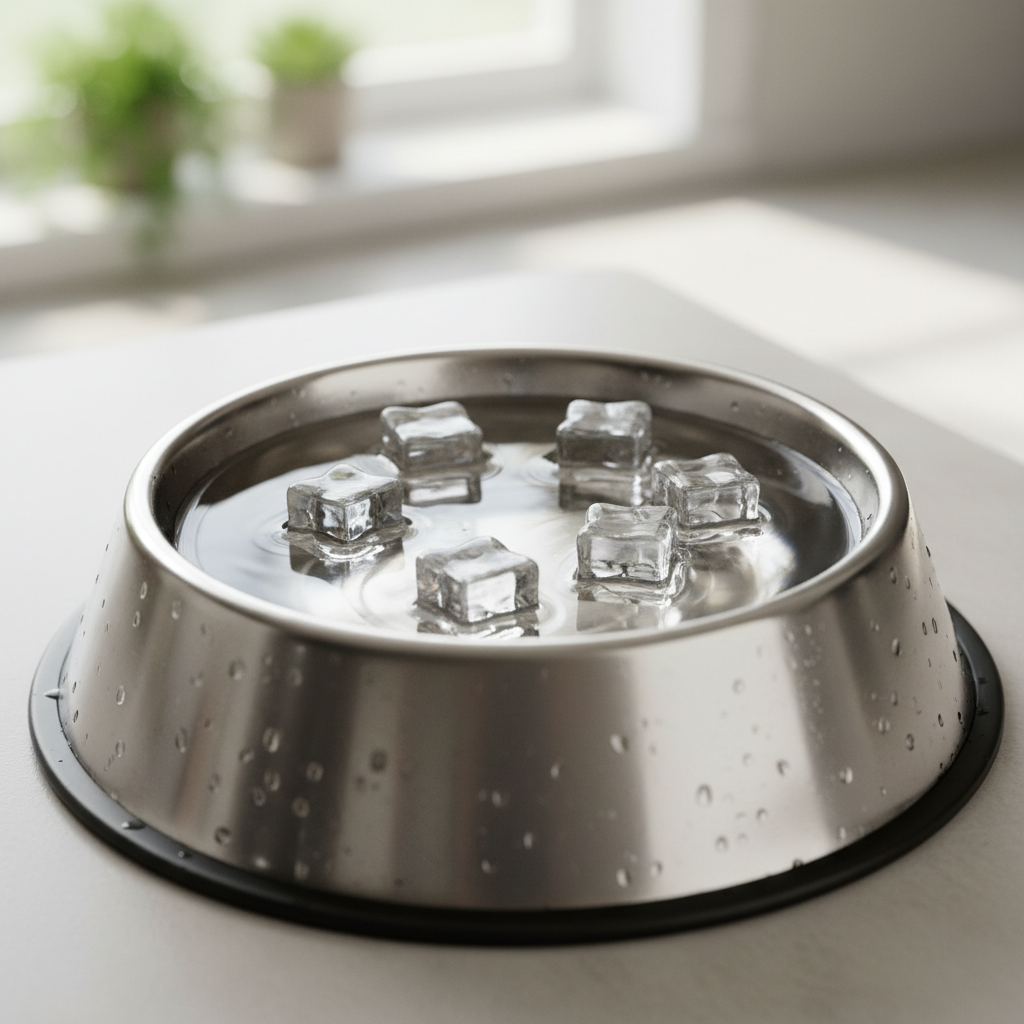
Freeze diluted broth, plain yogurt, or pureed dog-safe fruits/vegetables into ice cube trays. These “Pupsicles” are refreshing, especially on hot days, and provide a fun way to hydrate. You can also simply add a few regular ice cubes to their water bowl; some dogs love to crunch on them.
Consider a Pet Water Fountain
Many dogs are drawn to moving water. A pet water fountain filters the water and keeps it circulating, which can entice dogs to drink more. The bubbling or flowing sound can also be appealing.
4. Encourage Play and Activity Near Water
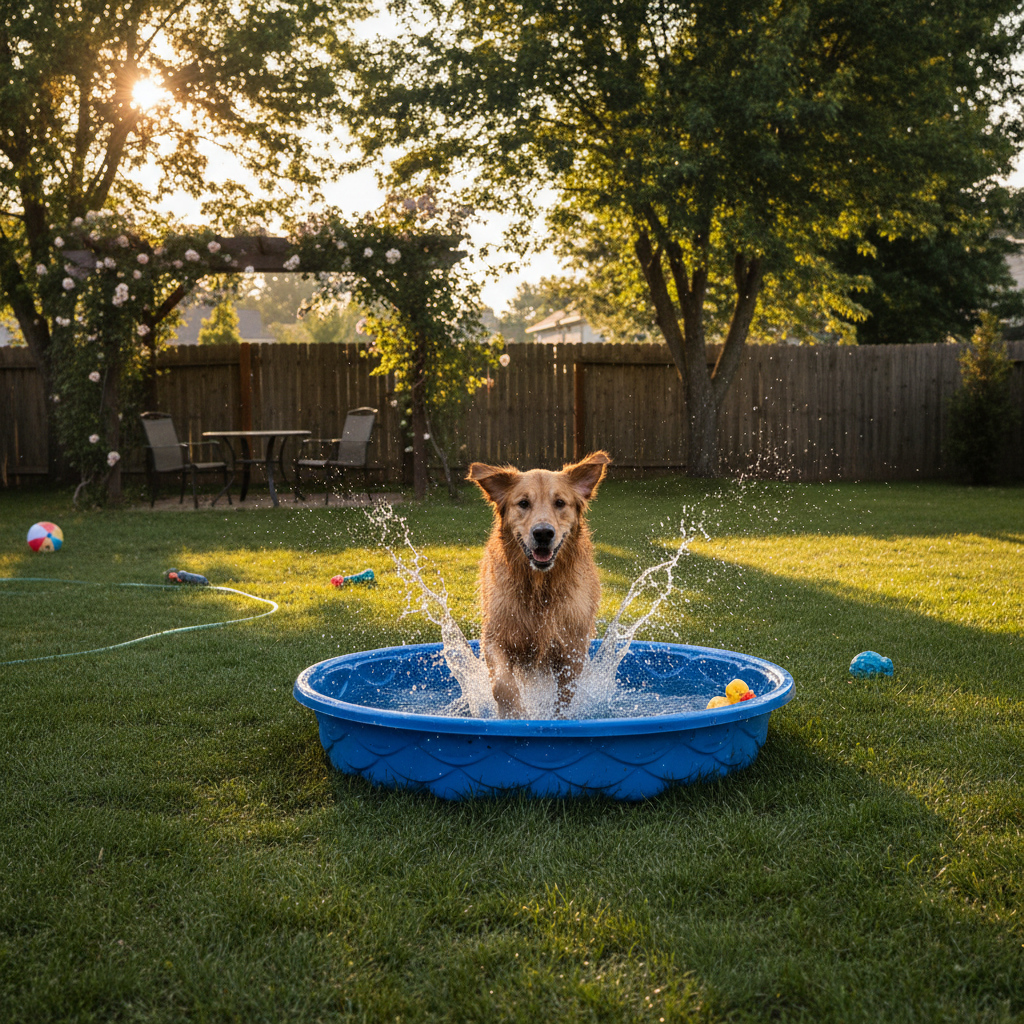
Physical activity naturally increases thirst. By integrating water into playtime, you can make hydration an exciting part of their day.
Play Water Games
If your dog enjoys water, introduce games like fetching floating toys in a shallow kiddie pool. Even a sprinkler can be a fun way to get them active and thirsty. Always supervise water play to ensure safety.
Offer Water During and After Walks
Bring a portable water bottle and a collapsible bowl on walks, especially during warmer weather. Offer water frequently during breaks and immediately after returning home. Just like humans, dogs need to rehydrate after exercise.
Place Water Bowls Strategically
Put water bowls in areas where your dog frequently plays or rests. If they love playing in the backyard, have a bowl out there. If their favorite napping spot is in the living room, place a bowl nearby.
5. Monitor and Seek Veterinary Advice
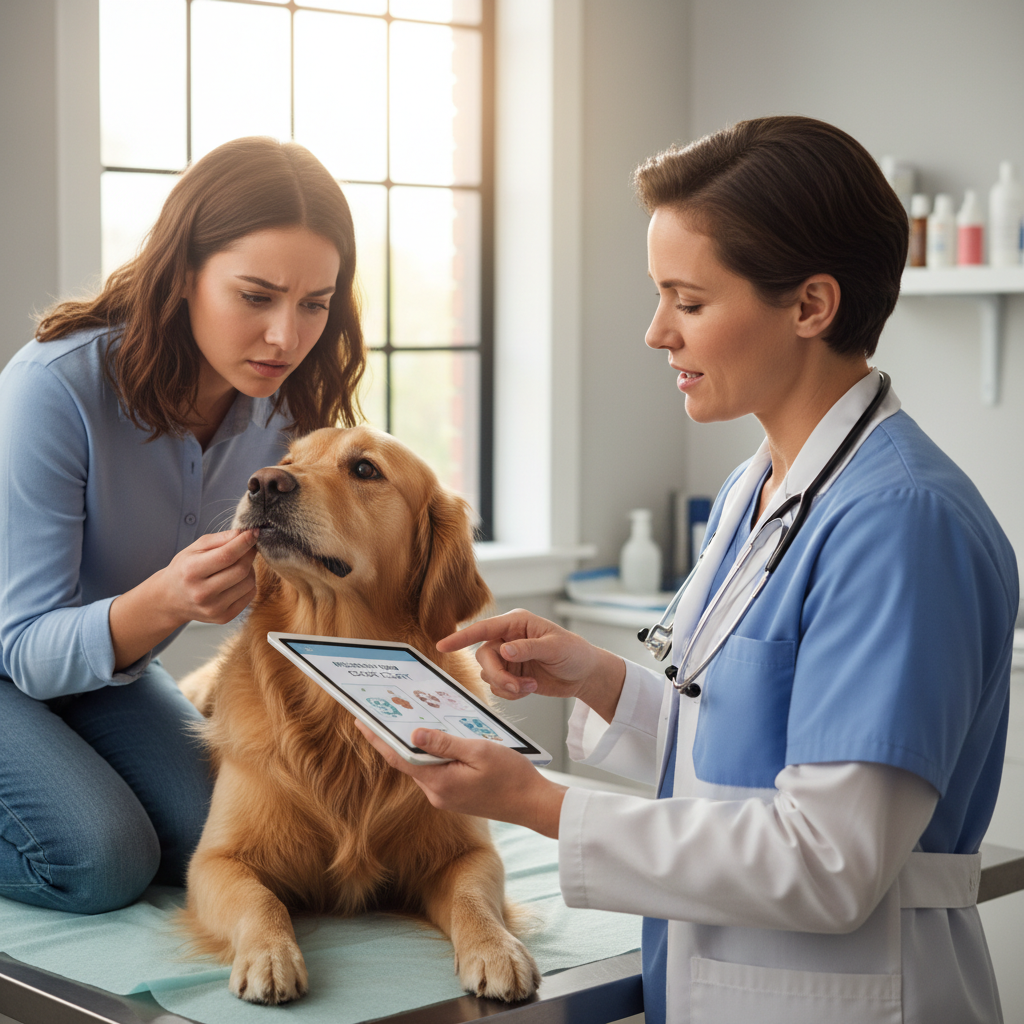
While the above fixes are highly effective, it’s crucial to remain vigilant and understand when a drop in water intake might signal a more serious underlying issue.
Track Water Intake
Keep an eye on how much your dog is drinking, especially if you’re trying new strategies. You can measure the amount of water you put in their bowl and estimate how much is left at the end of the day. This helps you gauge the effectiveness of your efforts.
Recognize Dehydration Symptoms
Be aware of the common signs of dehydration: lethargy, dry or sticky gums, sunken eyes, loss of skin elasticity (gently pull up the skin on their back; if it doesn’t snap back quickly, they might be dehydrated), and reduced urination. If you notice these symptoms, act quickly.
When to Contact Your Vet
If your dog’s water intake drops significantly and doesn’t improve with your efforts, or if they show any signs of severe dehydration, it’s crucial to contact your veterinarian immediately. A sudden change in drinking habits can sometimes indicate underlying health problems like kidney disease, diabetes, or dental issues. Your vet can diagnose the problem and recommend appropriate treatment.