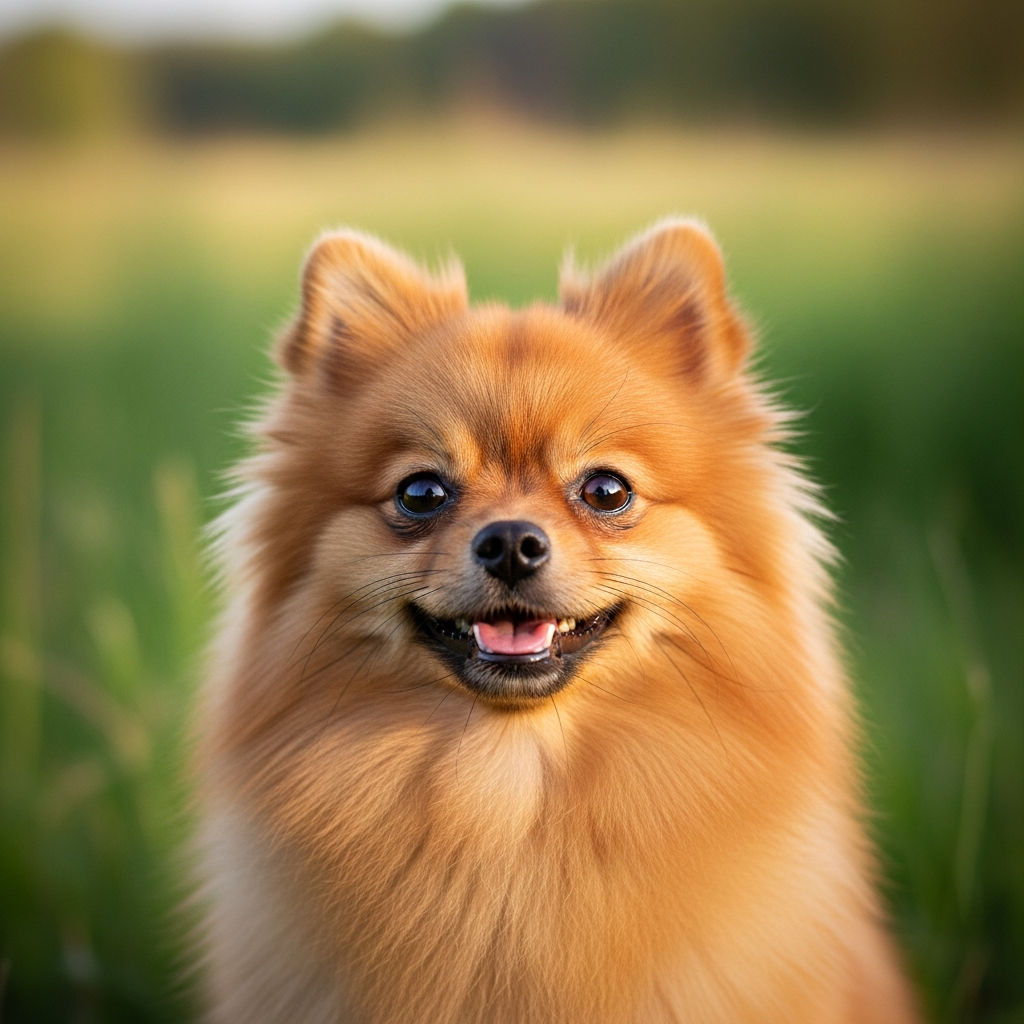
Pomeranians, often affectionately called “Poms,” are truly little bundles of joy wrapped in a cloud of fur. These tiny dogs with their fox-like faces and plumed tails have captured hearts for centuries, becoming beloved companions to royalty and everyday families alike. Their vibrant personalities and undeniably cute features make them stand out in the canine world.
If you’re a proud Pom parent, thinking about becoming one, or just admire these adorable pups, you’re in for a treat. We’re diving deep into 20 cute facts about Pomeranians that will make you fall even more in love with these spirited little fluffballs. Get ready to discover the charming quirks and fascinating history behind these pint-sized powerhouses!
A Royal History in a Tiny Package
From Sled Dogs to Lap Warmers
Fact 1: They Descended From Large Sled Dogs. It might be hard to believe, looking at their dainty size today, but Pomeranians are direct descendants of large, robust Spitz-type dogs from the Arctic region. These ancestors were working dogs, pulling sleds and herding reindeer! Over centuries, they were selectively bred down in size to become the adorable companions we know today.
This incredible transformation from a strong working dog to a delicate lap dog is quite a journey, showcasing how much breeds can evolve with human companionship.
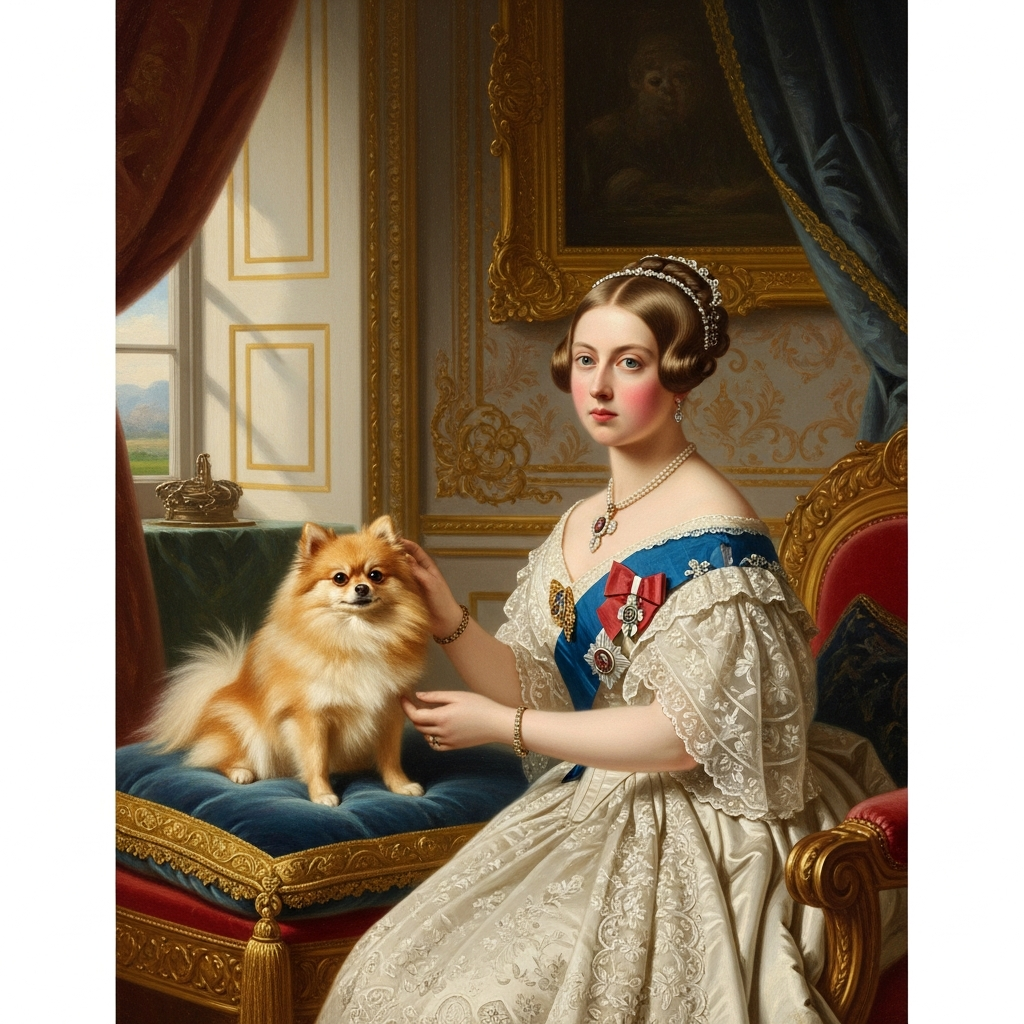
Fact 2: Queen Victoria Helped Make Them Popular. The British royal family played a massive role in shrinking the Pomeranian and boosting its popularity. Queen Victoria was absolutely smitten with the breed after seeing them in Florence, Italy. She brought several Poms back to England, specifically breeding them to be smaller. Her favorite Pomeranian, named Marco, weighed only 12 pounds!
Her devotion to the breed led to a significant decrease in their size and ignited a widespread fascination with Poms across the globe.
Fact 3: Their Name Comes From a Region in Europe. The breed gets its name from Pomerania, a historical region in Central Europe, now split between Germany and Poland. This area bordered the Baltic Sea and is where their larger Spitz ancestors were believed to have been further developed before making their way into the hands of European nobility.
So, when you say “Pomeranian,” you’re actually nodding to a piece of European geography where these dogs first gained recognition.
That Famous Fluffy Look
All About Their Coat and Size
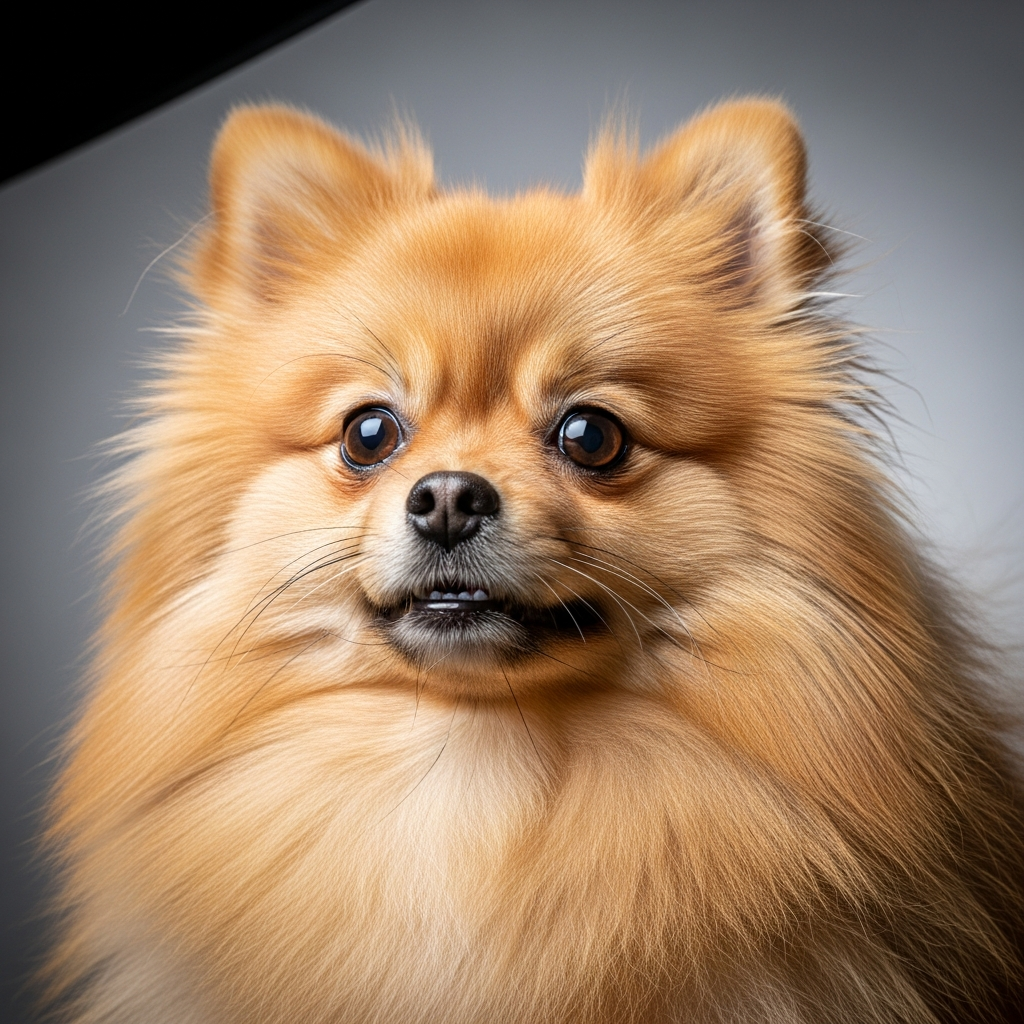
Fact 4: They Have a Luxurious Double Coat. One of the most distinctive and cutest features of a Pomeranian is their magnificent double coat. This coat consists of a soft, dense undercoat and a long, straight, harsher outer coat. It gives them that iconic fluffy, cloud-like appearance, making them look like little walking cotton balls!
This beautiful coat isn’t just for show; it’s a remnant from their Arctic ancestors, designed to protect them from harsh weather.
Fact 5: Poms Come in a Rainbow of Colors. While many people picture an orange or cream Pomeranian, these dogs actually come in an astonishing variety of colors and patterns. You can find Poms in black, white, brown, red, blue, sable, brindle, parti-color (two or more colors), and even merle. Each color combination adds to their unique charm.
This wide palette of colors means there’s a unique Pomeranian look for everyone, making them even more captivating.
Fact 6: They Are True Toy Breed Dogs. Pomeranians are officially classified as a “toy breed” due to their small size. They are one of the smallest dog breeds in the world, perfectly suited for cuddling on laps and living comfortably in smaller spaces, like apartments. Their compact size contributes greatly to their undeniable cuteness.
Don’t let their small stature fool you, though; these tiny pups often carry a big personality!
Fact 7: Average Weight and Height. A typical adult Pomeranian usually weighs between 3 and 7 pounds (1.4 to 3.2 kg) and stands about 6 to 7 inches (15 to 18 cm) tall at the shoulder. They’re often described as weighing about as much as a small bag of sugar or a couple of cans of soup, making them incredibly portable and huggable.
This consistent tiny size is a hallmark of the breed and a big part of their appeal.
Personality: Bigger Than Their Body
Feisty, Smart, and Loyal Traits
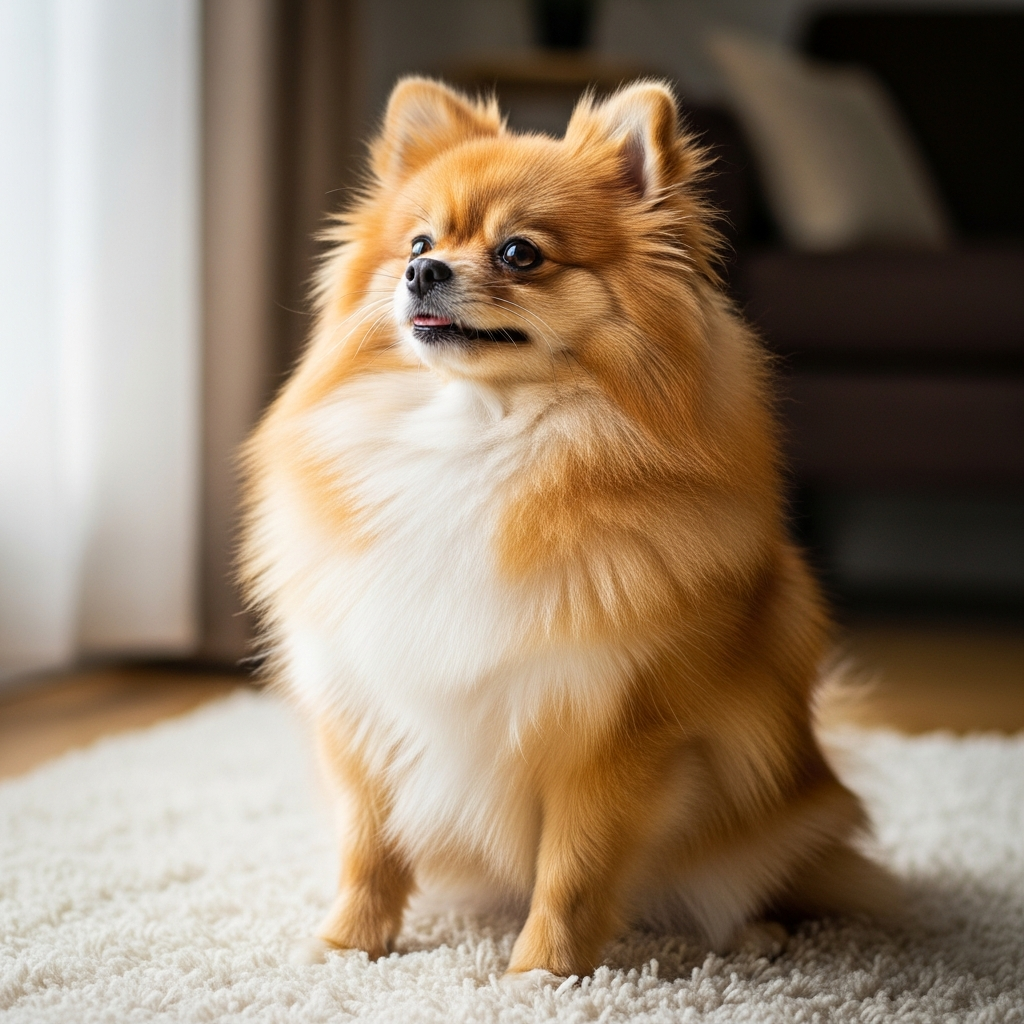
Fact 8: They Have a “Napoleon Complex.” Pomeranians are famous for their bold, confident, and sometimes bossy personalities, often dubbed the “Napoleon Complex.” Despite their small size, they often act like much larger dogs, unafraid to stand up to bigger canines or bark at perceived threats. It’s truly endearing to watch their tiny bodies puff up with big dog energy.
This feisty attitude is a big part of their charm and can provide endless entertainment.
Fact 9: Poms Are Highly Intelligent and Eager to Learn. Don’t underestimate the brainpower behind that fluffy exterior! Pomeranians are very intelligent dogs, capable of learning tricks, commands, and even complex routines. They thrive on mental stimulation and enjoy puzzles and training sessions. This makes them fun and engaging companions for those who enjoy working with their dogs.
Their quick wit and eagerness to please make them surprisingly adept at dog sports and obedience.
Fact 10: They Are Fiercely Loyal to Their Families. Once a Pomeranian bonds with you, they are incredibly loyal and devoted. They love being near their human companions, often following them from room to room. Their loyalty translates into a strong desire to protect their family, making them loving and watchful members of the household.
This deep bond makes them feel like a true member of the family, always there for comfort and companionship.
Fact 11: Great Watchdogs (Despite Their Size). Thanks to their alert nature and confidence, Pomeranians make excellent watchdogs. They are quick to notice anything unusual and will use their surprisingly loud bark to alert their owners to visitors or perceived dangers. While they won’t deter an intruder, they’ll certainly let you know someone’s at the door!
Their dedication to guarding their home, even if it’s just by making noise, is undeniably cute.
Fact 12: Playful and Energetic. Poms have a joyful, playful spirit that lasts throughout their lives. They love playing with toys, chasing balls, and engaging in interactive games with their owners. Their bursts of energy are delightful to watch, especially when they get the “zoomies,” running around with pure exuberance.
Their playful antics keep life interesting and always bring a smile to your face.
Unique Quirks and Sounds
The Pomeranian Voice and Habits
Fact 13: They Are Often Called “Poms” or “Pom-Poms.” These adorable nicknames perfectly capture their essence: fluffy, round, and full of bounce! The shorter, sweeter names reflect the affectionate bond owners have with their tiny companions. It’s a common term of endearment that highlights their lovable nature.
Hearing someone call their dog a “Pom-Pom” just makes you smile, doesn’t it?
Fact 14: Famous for “Zoomies” (FRAPs). Pomeranians are well-known for their “Frenetic Random Activity Periods” or FRAPs, more commonly known as “zoomies.” These are sudden bursts of energy where they race around like crazy, spinning, tucking their bottoms, and generally acting like furry little rockets. It’s pure, unadulterated joy in motion and incredibly entertaining to watch.
Their zoomies are a clear sign of a happy, healthy Pom letting off some steam.
Fact 15: They Have a Distinctive Fox-Like Face. One of the most charming physical traits of a Pomeranian is their alert, fox-like expression. Their small, almond-shaped eyes, pointed muzzle, and erect ears give them an intelligent and keen appearance, reminiscent of a tiny fox. This unique facial structure sets them apart and adds to their overall cuteness.
That foxy face is a signature look that instantly identifies a Pom.
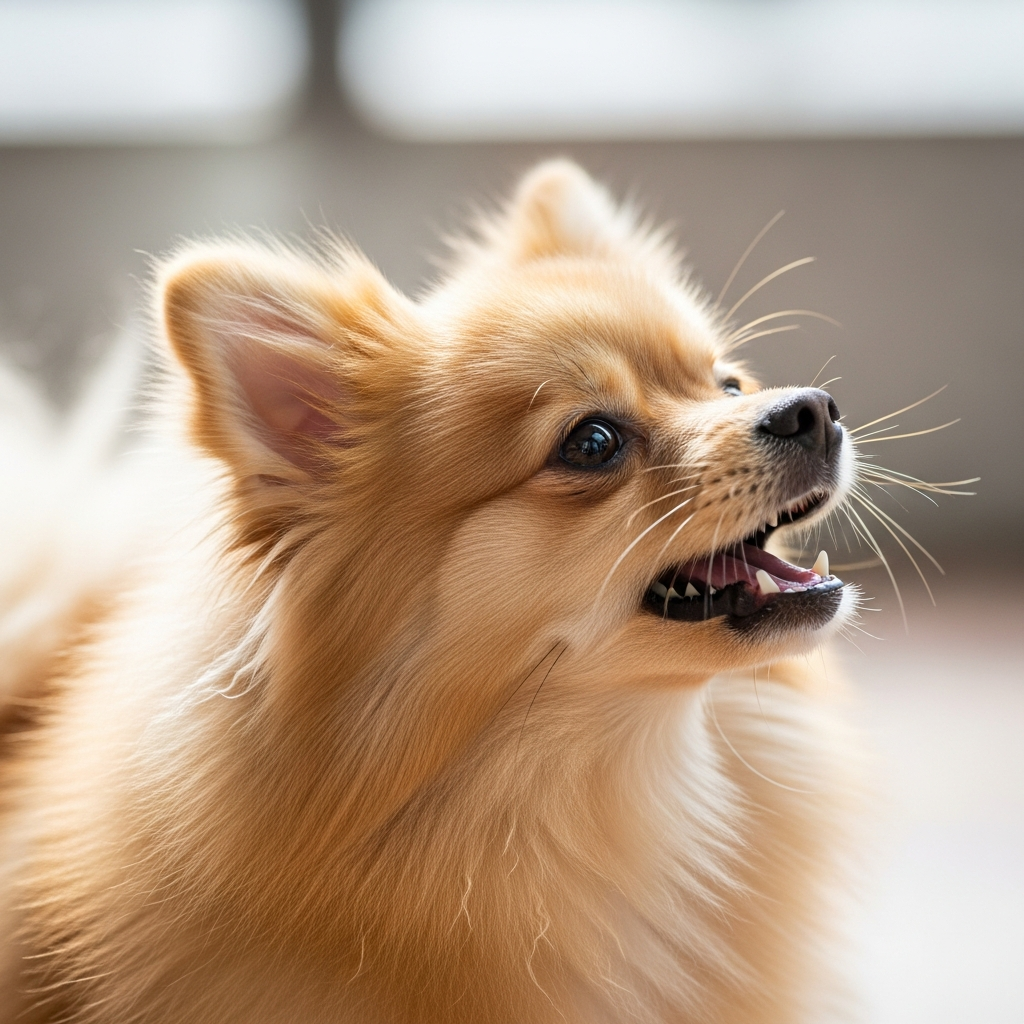
Fact 16: Poms Can Be Quite Vocal. While their barks are relatively small, Pomeranians can be quite vocal. They love to express themselves through yaps, barks, and even little growls. This communication is often directed at strangers, other animals, or even just to get your attention. Early training can help manage excessive barking, but a Pom’s voice is definitely part of their personality.
Their vocalizations are their way of interacting with the world, adding to their lively presence.
Living with a Little Cloud of Joy
Care and Companionship
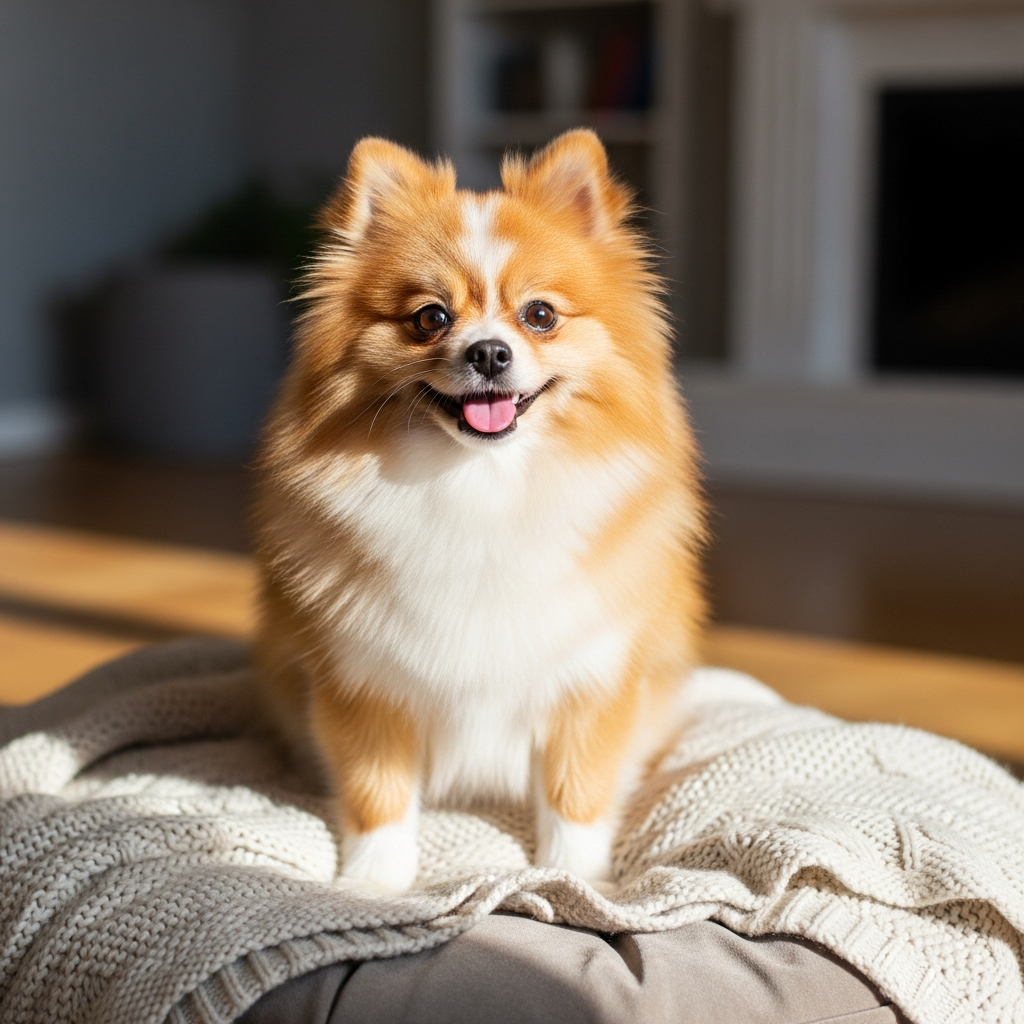
Fact 17: They Require Regular Grooming. That gorgeous double coat needs some TLC! Pomeranians require regular brushing, typically a few times a week, to prevent matting and reduce shedding. This also helps distribute natural oils, keeping their coat healthy and shiny. While it might seem like a chore, many Poms enjoy the bonding time.
Regular grooming not only keeps them looking their best but also helps monitor their skin and overall health.
Fact 18: Excellent Apartment Dogs. Due to their small size and relatively low exercise requirements compared to larger breeds, Pomeranians are perfectly suited for apartment living. A short daily walk and indoor play sessions are usually enough to keep them happy and healthy. This makes them ideal companions for city dwellers or those with limited outdoor space.
Their adaptability to various living situations is a huge plus for many dog parents.
Fact 19: Poms Have a Decent Lifespan. With proper care, a healthy diet, and regular veterinary check-ups, Pomeranians can live a long and fulfilling life. Their average lifespan is typically between 12 and 16 years, giving you many wonderful years to enjoy their companionship and cuteness. Some Poms have even been known to live into their late teens!
A long lifespan means more cherished memories with your tiny best friend.
Fact 20: They Thrive on Being the Center of Attention. Pomeranians are true divas (in the best possible way!). They absolutely love being the center of attention and adore interacting with their families. They thrive in homes where they receive plenty of affection, playtime, and inclusion in daily activities. They just want to be involved in everything you do!
Their desire to be loved and noticed is incredibly endearing and makes them truly special companions.
Caring for Your Adorable Pom: Essential Tips
Grooming Their Gorgeous Coat
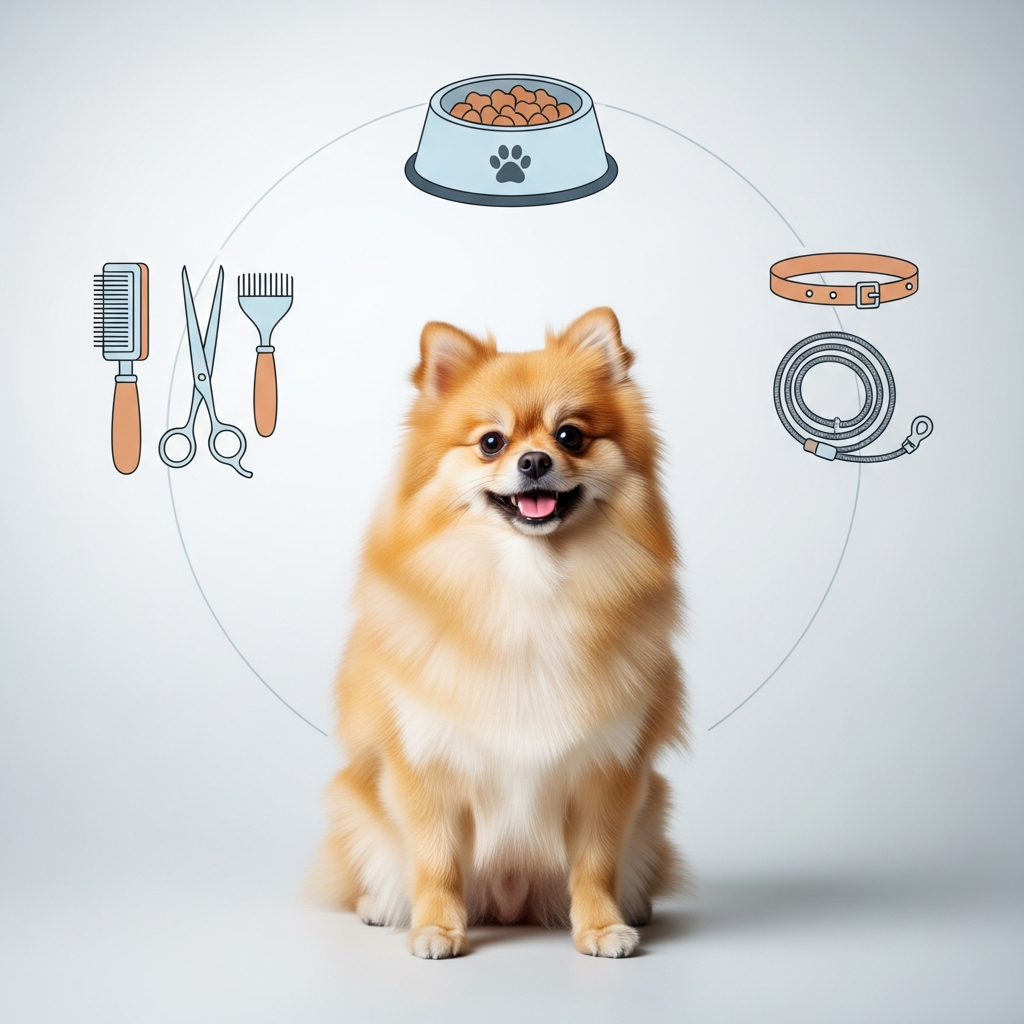
- Regular Brushing: Brush your Pom 2-3 times a week with a slicker brush and a metal comb to prevent mats and tangles, especially behind the ears and under the legs. Daily brushing during shedding season is even better.
- Bathing: Bathe your Pomeranian every 3-4 weeks, or as needed, using a dog-specific shampoo and conditioner. Be sure to dry their double coat thoroughly to prevent skin issues.
- Professional Grooming: Consider professional grooming every 6-8 weeks for a trim, nail clipping, and ear cleaning. NEVER shave a Pomeranian’s double coat unless medically necessary, as it can damage their fur and make them prone to skin problems.
Training Your Clever Companion
- Early Socialization: Expose your Pomeranian puppy to various sights, sounds, people, and other well-behaved dogs from a young age. This helps them grow into confident, well-adjusted adults.
- Positive Reinforcement: Poms respond best to positive training methods. Use treats, praise, and toys to reward desired behaviors. Consistency is key!
- Potty Training: Due to their small bladders, consistent potty training is crucial. Take them out frequently, especially after waking up and eating, and praise them heavily when they go outside.
- Leash Training: Start leash training early. Poms can be prone to tracheal collapse, so use a harness instead of a collar to avoid putting pressure on their delicate necks.
Keeping Them Healthy and Happy
- Balanced Diet: Feed your Pomeranian high-quality dog food appropriate for small breeds and their age. Monitor portion sizes to prevent obesity, which can lead to other health issues.
- Dental Care: Small breeds are prone to dental problems. Brush your Pom’s teeth daily, or at least a few times a week, and provide dental chews. Regular veterinary dental cleanings are also important.
- Exercise: While Poms don’t need extensive exercise, daily walks (15-20 minutes) and interactive playtime are essential. They love exploring and sniffing around.
- Regular Vet Check-ups: Schedule annual veterinary visits for preventative care, vaccinations, and early detection of any potential health concerns. Discuss any changes in behavior or appetite promptly.