10 Survival Tips for the First 30 Days With Your Puppy
The first 30 days with a new puppy are a whirlwind of excitement, adorable cuddles, and a fair share of challenges. It’s a critical period for establishing good habits, building a strong bond, and helping your little one adjust to their new home. While it might feel overwhelming at times, with a little preparation and a lot of patience, you can set both of you up for a lifetime of happiness. Think of these first weeks as your puppy’s boot camp for life—and your crash course in puppy parenting!
This guide offers 10 essential survival tips to help you navigate those crucial first days and weeks, turning potential chaos into a joyful journey of discovery for you and your new best friend.
1. Puppy Proof Your Home Like a Pro
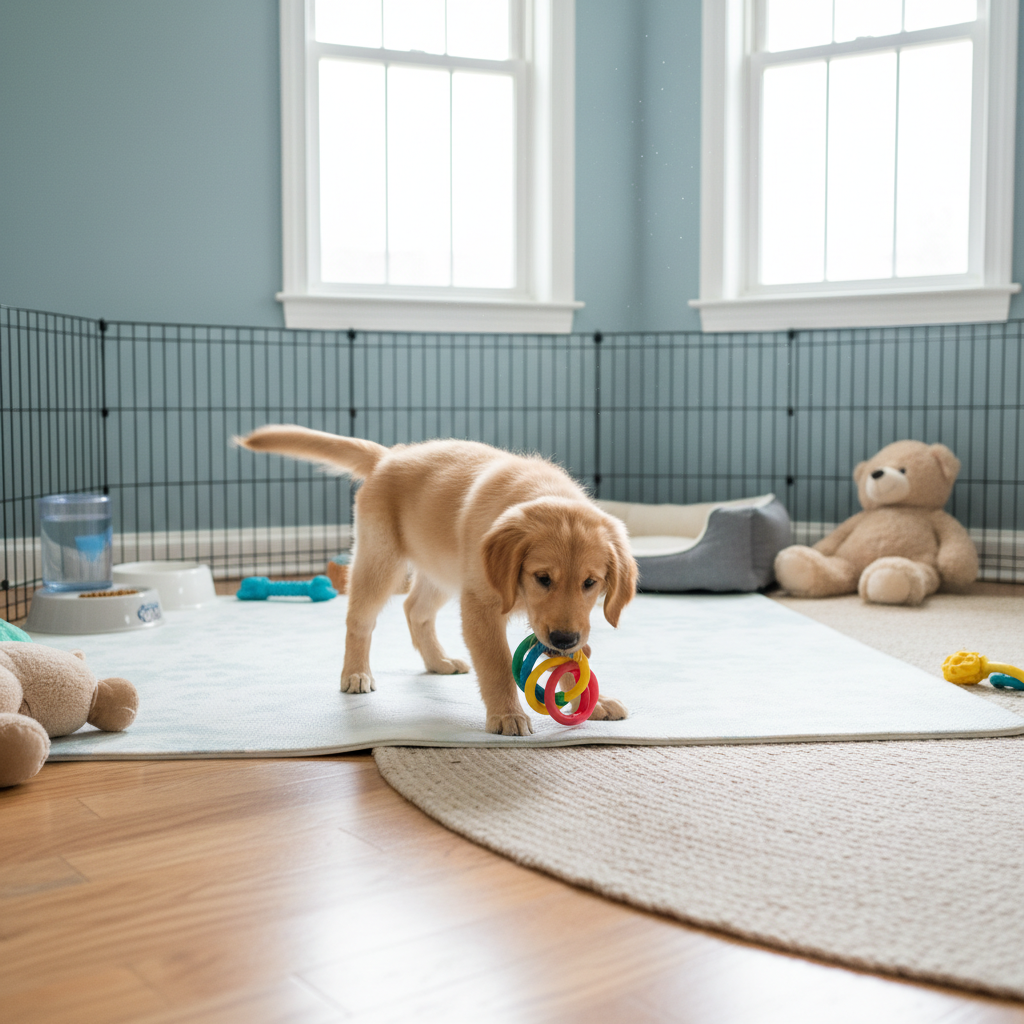
Just like with human babies, puppies explore with their mouths and paws. What seems harmless to you could be a serious hazard for your curious canine. Before your puppy even steps paw inside, get down on their level and look for potential dangers.
- Electrical Cords Tuck them away, use cord protectors, or secure them out of reach.
- Toxic Plants Research common houseplants; many are poisonous to dogs. Remove them or place them on high shelves.
- Small Objects Pick up anything tiny that could be swallowed—coins, buttons, hair ties, children’s toys.
- Chemicals and Medications Store all cleaning supplies, medications, and household chemicals in securely latched cabinets.
- Garbage Cans Invest in heavy, lidded bins that a determined puppy can’t knock over or open.
Remember, a safe environment means less stress for you and a healthier puppy.
2. Establish a Predictable Routine Early On
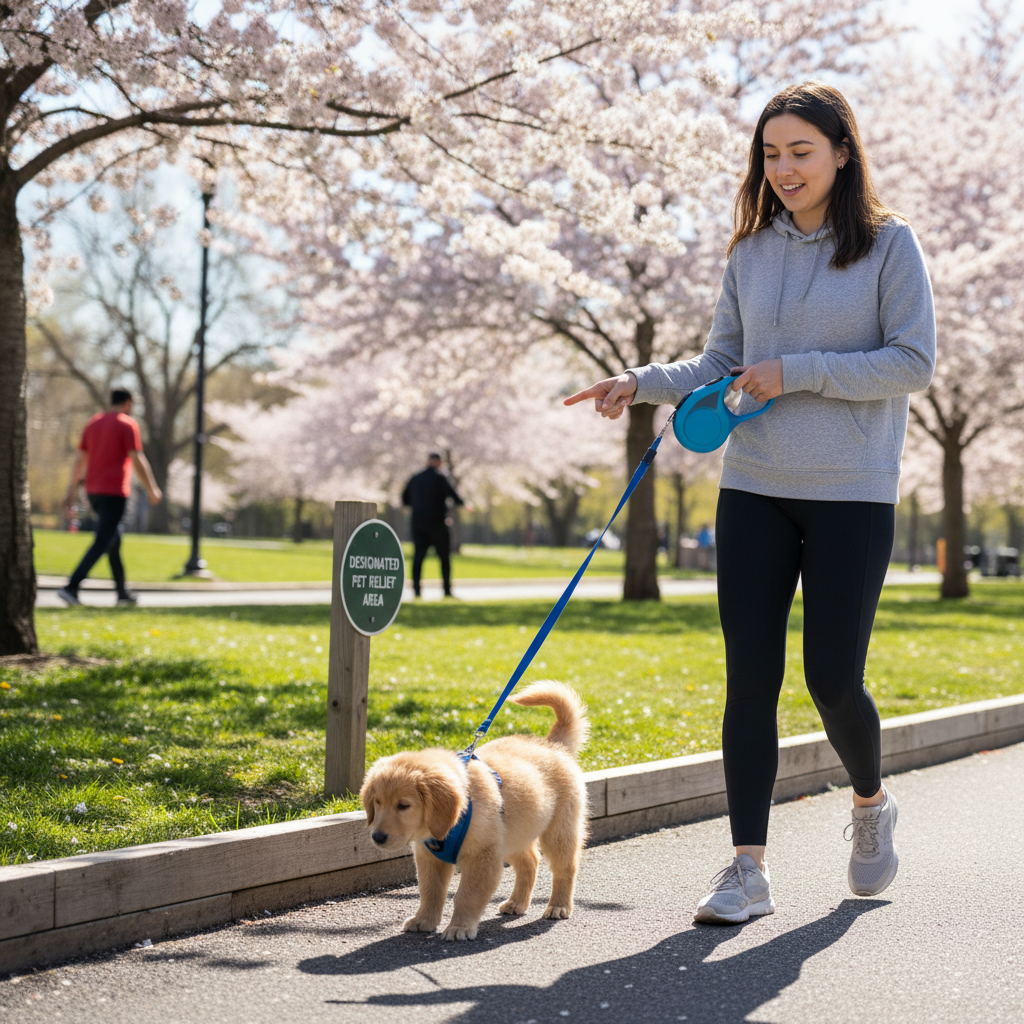
Dogs thrive on routine, and puppies especially benefit from knowing what to expect. A consistent schedule for feeding, potty breaks, play, and sleep will significantly help with house-training and reduce anxiety.
- Potty Schedule Take your puppy out every 1-2 hours, immediately after waking up, after eating, and before bed. Praise and reward successful outdoor potty breaks generously.
- Feeding Times Stick to 2-3 meals a day at consistent times. This helps regulate their digestive system and makes potty training more predictable.
- Sleep Schedule Ensure your puppy gets plenty of undisturbed sleep, especially in their crate.
Consistency is key. The more predictable you are, the faster your puppy will learn.
3. Embrace Crate Training as a Safe Haven
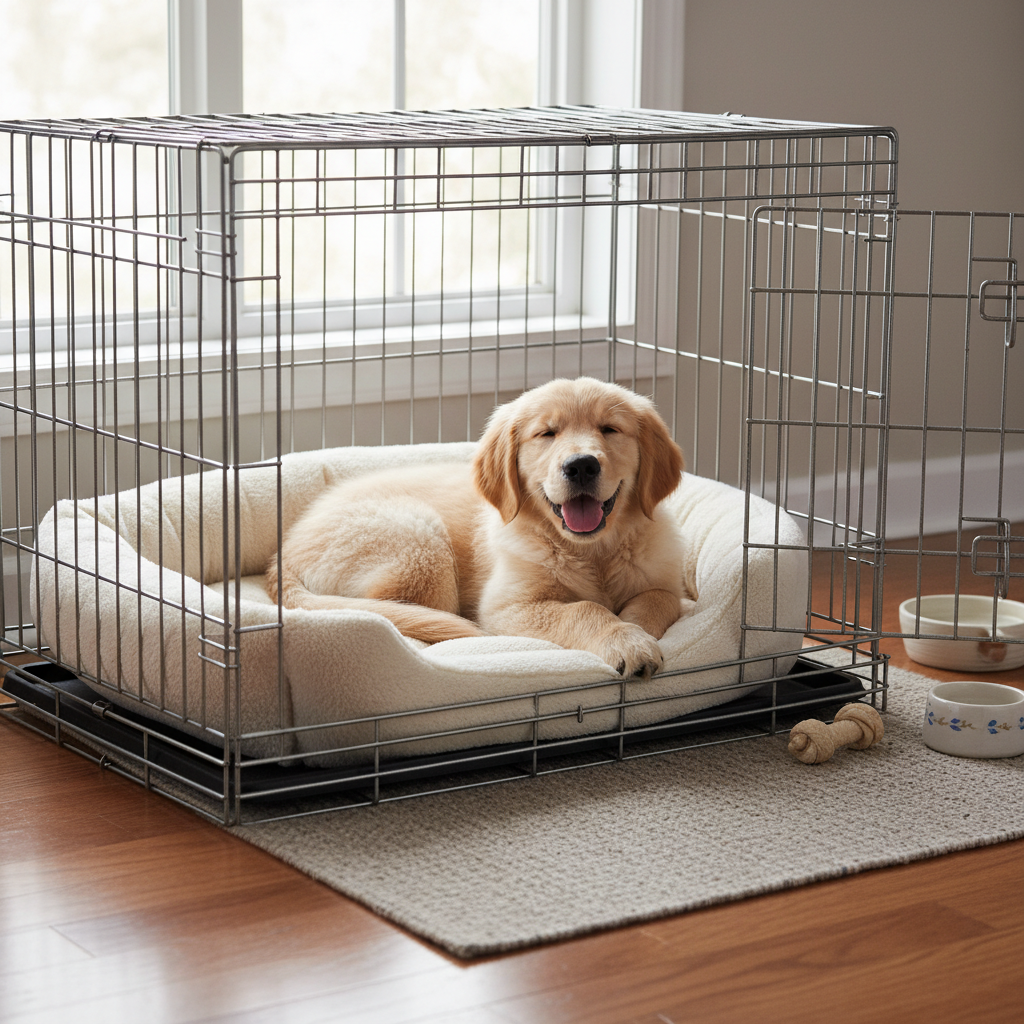
Crate training isn’t cruel; it’s a vital tool for house-training, managing destructive chewing, and providing your puppy with a secure den. Introduce the crate positively with treats and toys, never as punishment.
- Make it comfortable with a soft bed and a favorite toy.
- Start with short periods, gradually increasing the time your puppy spends inside.
- Feed meals in the crate to create positive associations.
A properly introduced crate becomes your puppy’s safe space, not a prison.
4. Prioritize Early and Positive Socialization
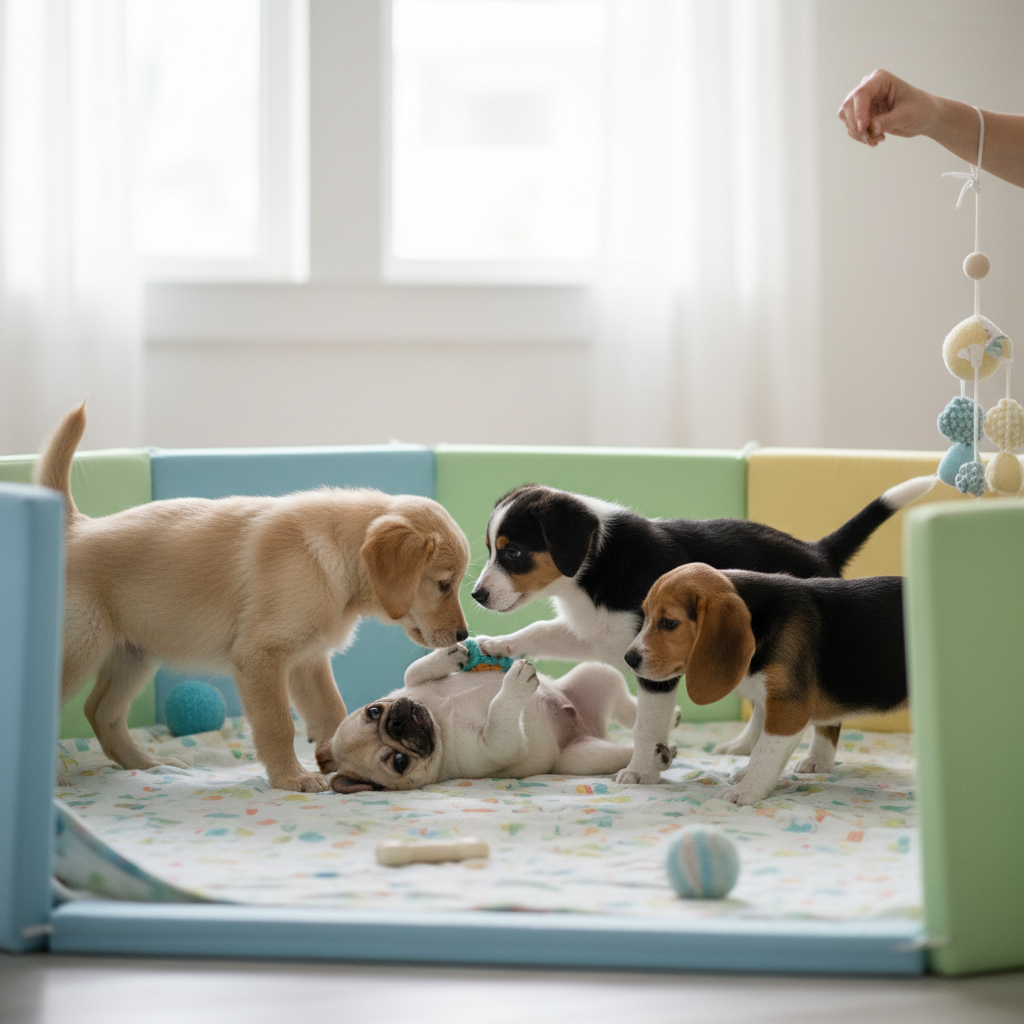
The period between 3 to 16 weeks is crucial for socialization. Expose your puppy to a variety of sights, sounds, people, and other vaccinated dogs in a positive, controlled manner.
- New Experiences Take your puppy for short walks (after vaccinations), let them hear different noises (vacuum, doorbell), and meet friendly, calm strangers.
- Other Dogs Enroll in a puppy class or arrange playdates with healthy, vaccinated, gentle adult dogs.
Positive early experiences help prevent fear and aggression issues later in life.
5. Schedule That All-Important First Vet Visit
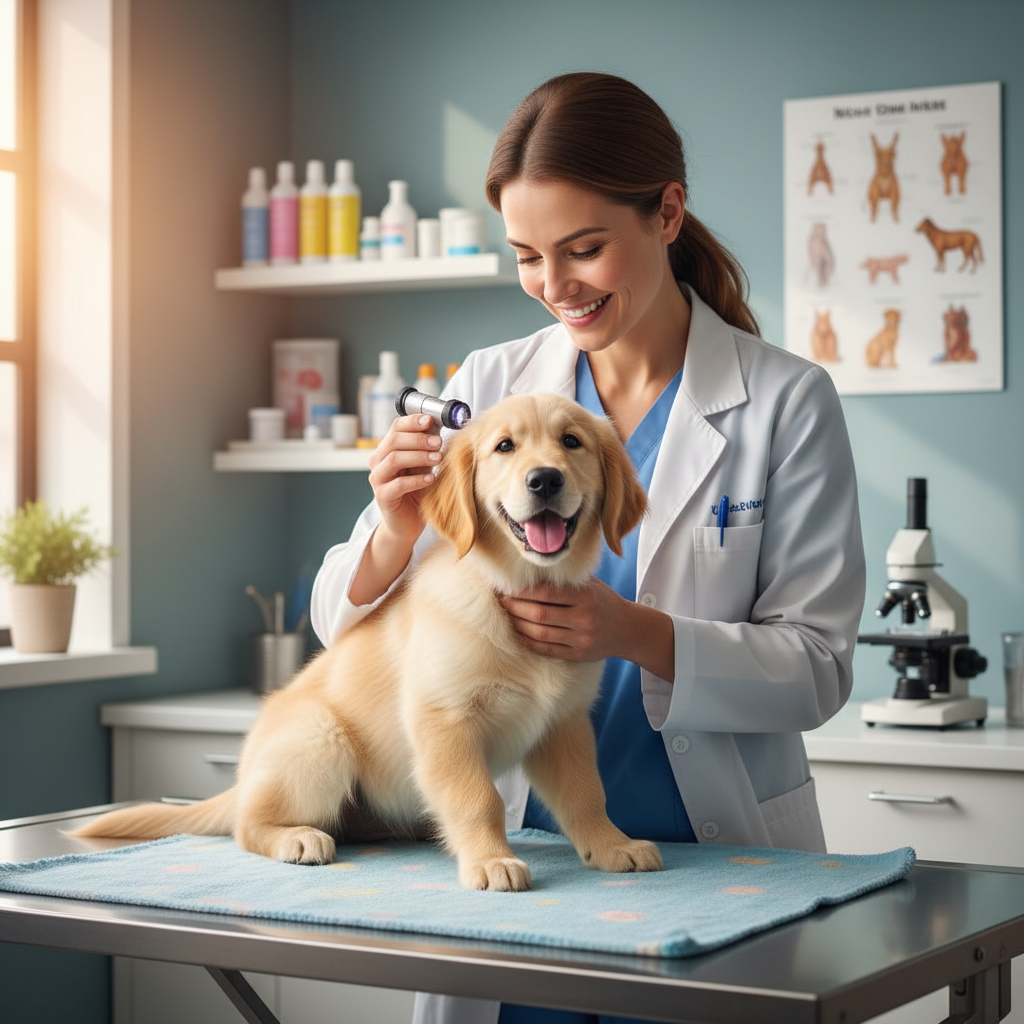
One of your first tasks should be to schedule a vet check-up. Your vet will ensure your puppy is healthy, dewormed, and on track with vaccinations. They can also advise on flea and tick prevention, diet, and answer any specific health concerns you might have.
- Bring any health records from the breeder or shelter.
- Prepare a list of questions about your puppy’s health, diet, and behavior.
A good vet is an invaluable partner in your puppy’s health journey.
6. Start Gentle Basic Training Immediately
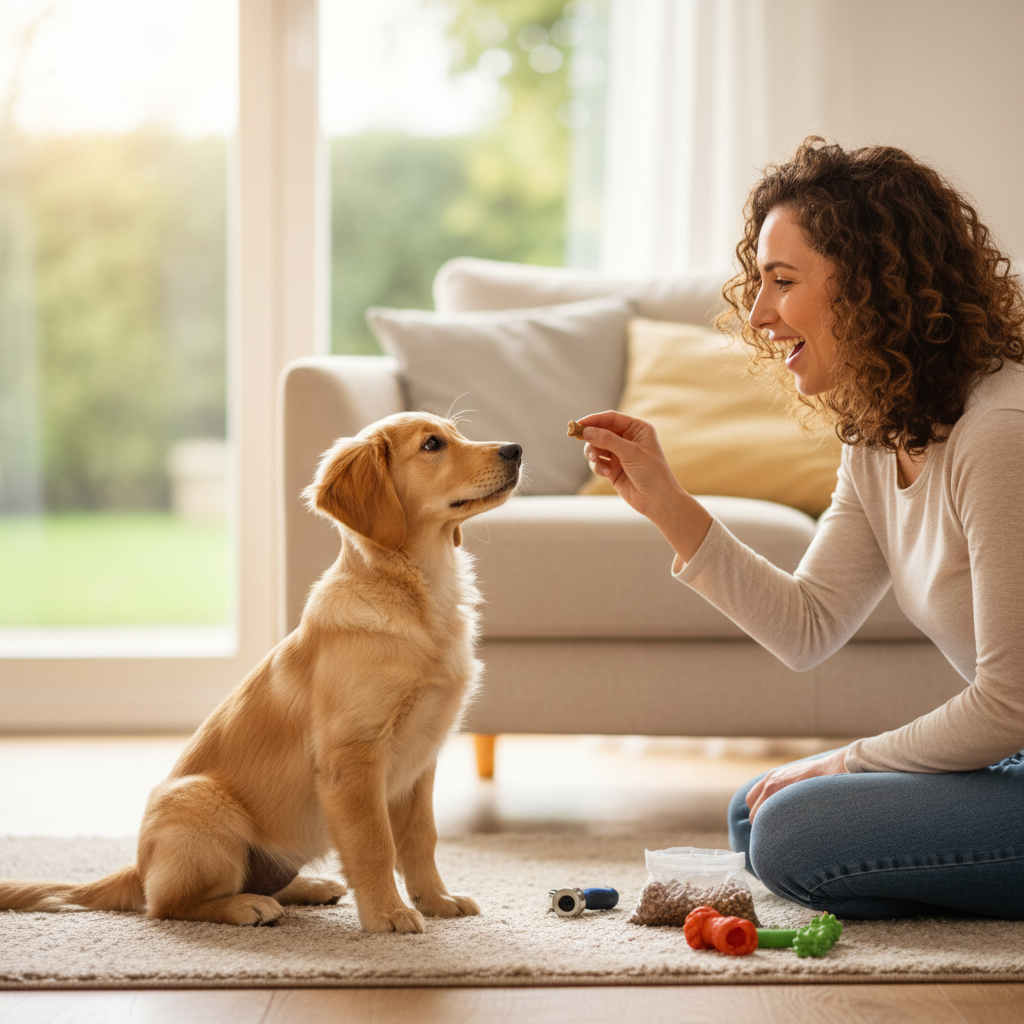
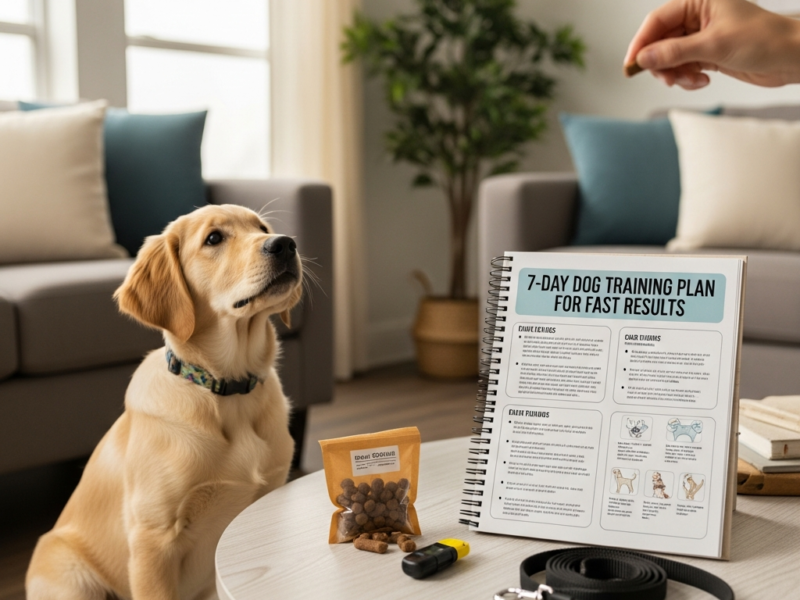
Puppies are sponges! Start teaching basic commands like ‘sit’, ‘stay’, and ‘come’ from day one using positive reinforcement—treats, praise, and play. Keep sessions short, fun, and frequent.
- Leash Training Introduce a collar and leash early, allowing them to get used to the feel.
- Name Recognition Use your puppy’s name often and pair it with positive experiences.
Early training builds a foundation for good behavior and strengthens your bond.
7. Provide a High-Quality, Age-Appropriate Diet
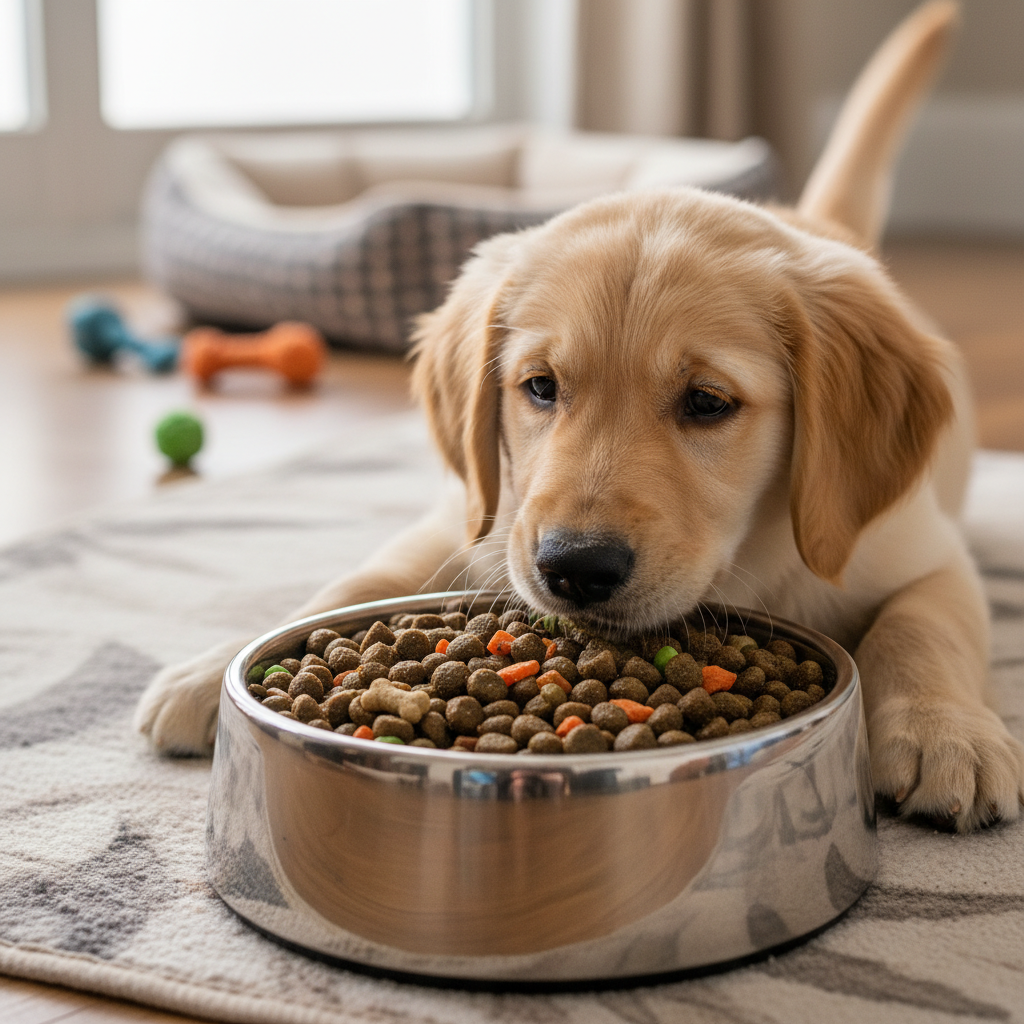
Good nutrition is fundamental for your puppy’s growth and development. Choose a high-quality puppy food recommended by your vet, suitable for their breed size and age.
- Follow Feeding Guidelines Don’t overfeed; obesity can lead to health problems.
- Fresh Water Always have a bowl of fresh, clean water available.
- Monitor Stool Changes in stool can indicate dietary issues or health problems.
A healthy diet fuels a happy, energetic puppy.
8. Manage Nipping and Biting with Consistency
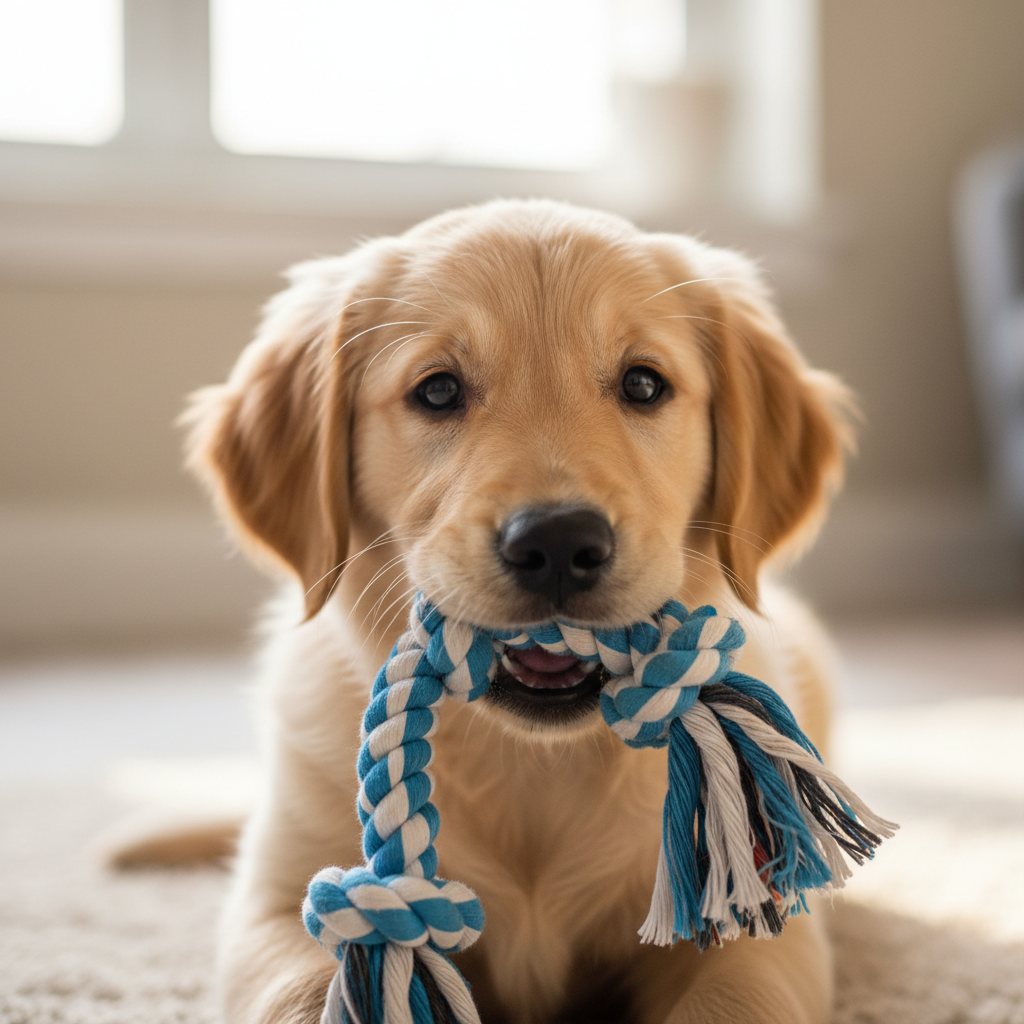
Puppies explore with their mouths, and nipping is a natural behavior. It’s crucial to teach bite inhibition early on. When your puppy bites too hard during play, yelp loudly (like another puppy would), and immediately stop playing for a few seconds. Redirect their attention to appropriate chew toys.
- Never use your hands as chew toys.
- Provide plenty of safe, durable chew toys.
Consistency will teach them that human skin is sensitive and not for biting.
9. Understand and Respect Puppy Sleep Needs
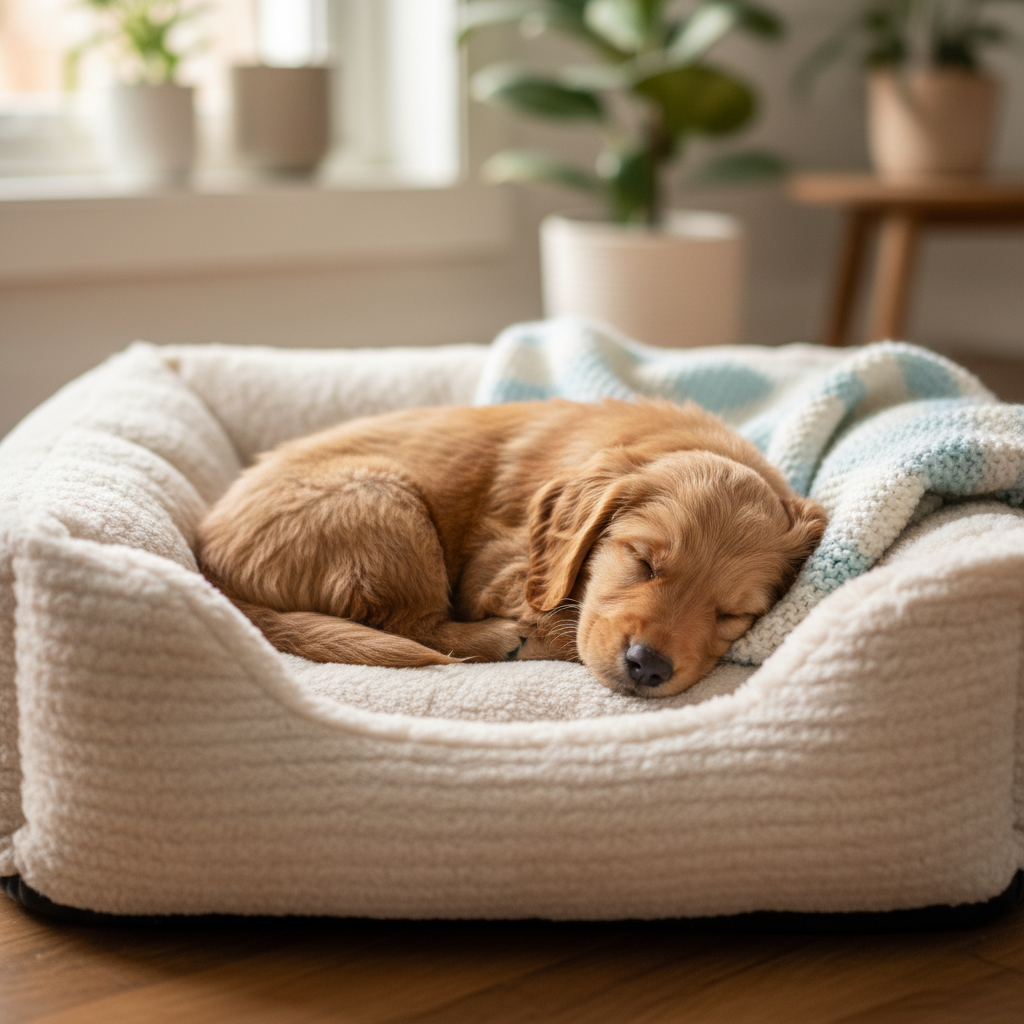
Puppies need a lot of sleep—up to 18-20 hours a day! Just like human babies, they grow and develop while they rest. Ensure your puppy has a quiet, comfortable, and undisturbed place to sleep.
- Scheduled Naps Enforce regular nap times, especially after play sessions.
- Quiet Zone Make sure their sleeping area is calm and free from constant disturbances.
Adequate sleep is vital for their physical and mental development.
10. Arm Yourself with Patience and Endless Love
The first 30 days will have ups and downs. There will be accidents, chewed items, and sleepless nights. Remember that your puppy is learning a whole new world. Be patient, be consistent, and shower them with unconditional love. Every mistake is a learning opportunity for both of you.
- Celebrate Small Victories Every successful potty break or moment of calm is a win.
- Don’t Get Discouraged Puppyhood is temporary; the bond you build is forever.
Your love and understanding are the most powerful tools you have.
Conclusion
Bringing a puppy home is an incredible adventure, and the first 30 days lay the groundwork for a beautiful relationship. By implementing these 10 survival tips—from puppy-proofing your home to embracing patience and love—you’ll navigate this exciting period with confidence and joy. You’re not just surviving; you’re building a foundation of trust, understanding, and companionship that will last a lifetime. Embrace the cuddles, cherish the chaos, and enjoy every moment with your new furry family member. They grow up so fast!