Bringing a new puppy home is an incredibly joyful experience. Their playful antics, soft fur, and boundless energy can fill your life with happiness. However, it is also a critical time for shaping their behavior. Puppies, much like human toddlers, are sponges absorbing everything around them, both good and bad. Left unchecked, some adorable puppy quirks can quickly develop into problematic adult dog behaviors.
The good news is that by identifying and gently correcting these habits early on, you can set your furry friend up for a lifetime of good manners and a harmonious relationship with your family. Early intervention is not about being strict; it is about clear communication and guidance. Let’s dive into seven common puppy habits you will want to address right away.
Why Early Intervention is Key for Puppy Habits
Think of your puppy’s early months as a prime learning window. Their brains are incredibly adaptable, making it much easier to teach them appropriate behaviors now than to try and “un-teach” ingrained bad habits later. What might seem cute or harmless in a tiny puppy – like a little nip – can become a serious issue in a full-grown dog.
Establishing good routines and boundaries from the start helps your puppy understand their place in the household and what is expected of them. This creates a secure and predictable environment, which is vital for their confidence and overall well-being. It is all about prevention and positive guidance.
The 7 Puppy Habits to Tackle Right Away
1. Nipping and Biting
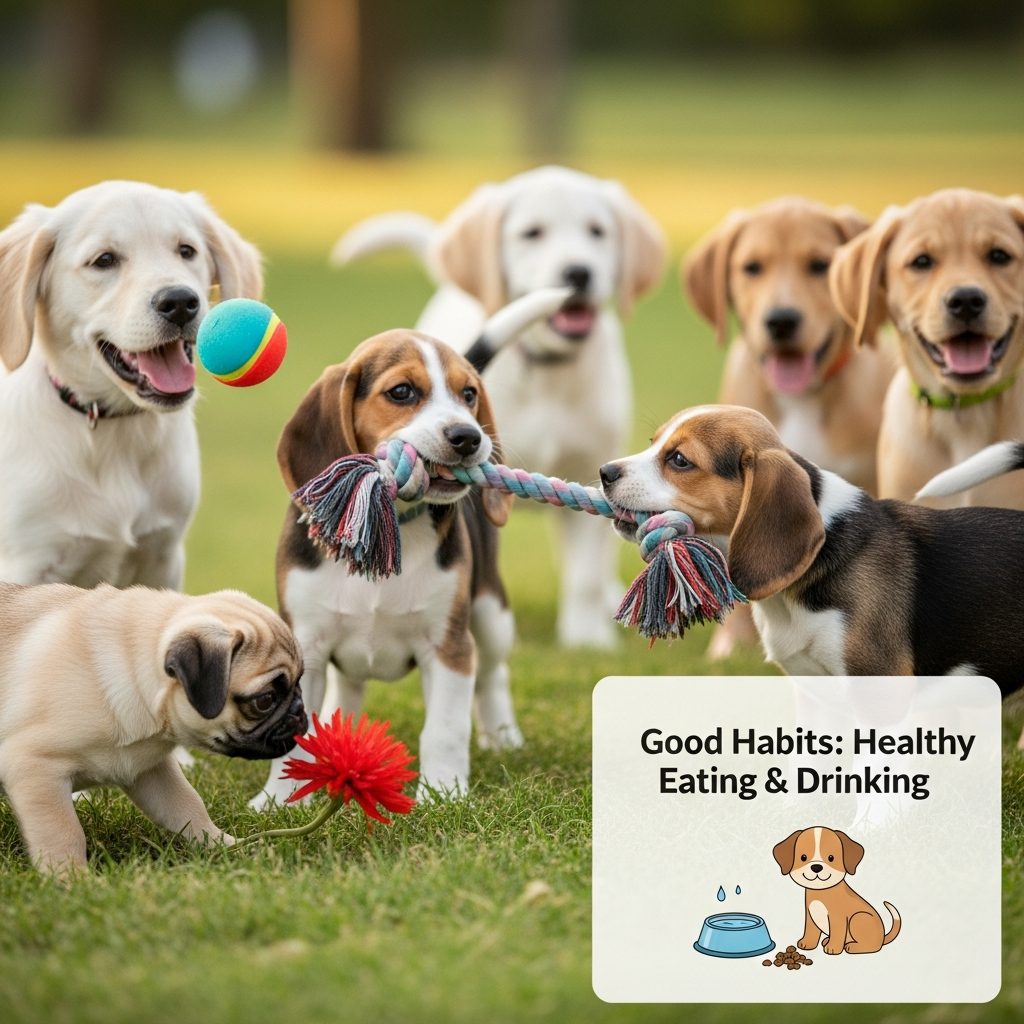
Puppies explore the world with their mouths, and teething can make them want to chew on everything, including your fingers. While a puppy nip might not hurt much, it is crucial to teach bite inhibition early. This means teaching them that human skin is sensitive and not for biting.
How to fix it:
- Yelp loudly: When your puppy nips too hard, make a high-pitched ‘ouch!’ sound and immediately withdraw your hand. This mimics how littermates communicate when play gets too rough.
- Stop playtime: If yelping doesn’t work, immediately end the play session. Stand up, turn your back, or even leave the room for a minute or two. This teaches them that biting makes the fun stop.
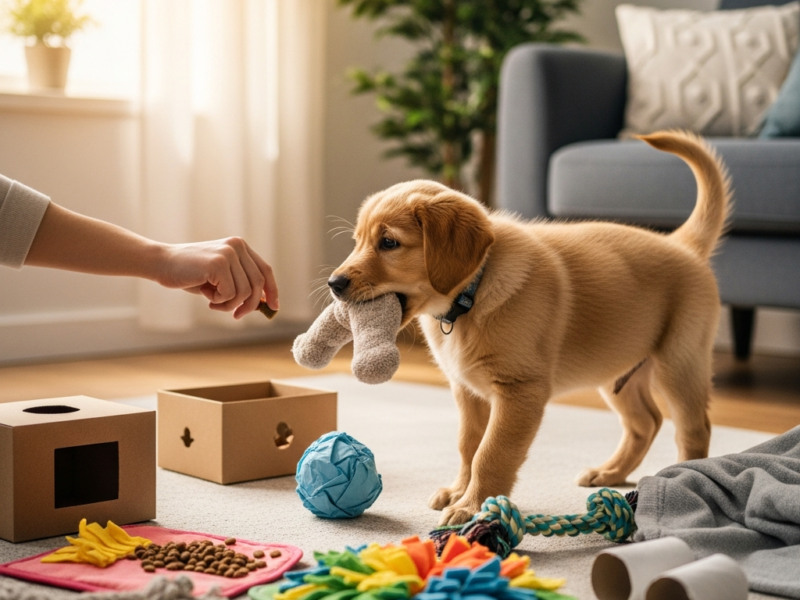
- Redirection: Always have appropriate chew toys handy. When your puppy tries to nip you, redirect their attention to a toy. Praise them when they chew on the toy instead.
- Be consistent: Everyone in the family needs to follow these rules consistently so your puppy gets a clear message.
2. Jumping Up on People
Jumping up is often a puppy’s way of saying hello or seeking attention. While it is cute when they are small, a large adult dog jumping can be dangerous for children, elderly individuals, or simply messy when they have muddy paws. Start teaching ‘four on the floor’ from day one.
How to fix it:
- Ignore the jump: As soon as your puppy’s paws leave the ground, turn your back, cross your arms, and avoid eye contact. Do not say anything.
- Reward calm: The moment your puppy has all four paws back on the ground, even for a second, immediately turn around, give soft praise (like ‘Good settle!’), and offer a gentle pet or treat.
- Consistency is key: Make sure everyone who interacts with your puppy follows this rule. If one person allows jumping, it confuses your puppy.
3. Potty Training Mishaps
Accidents happen, especially with young puppies who have small bladders and are still learning bladder control. The key to successful potty training is consistency, frequent opportunities, and positive reinforcement.
How to fix it:
- Frequent trips outside: Take your puppy out every 1-2 hours, after waking up, after eating, and after playing.
- Establish a spot: Take them to the same designated potty spot every time.
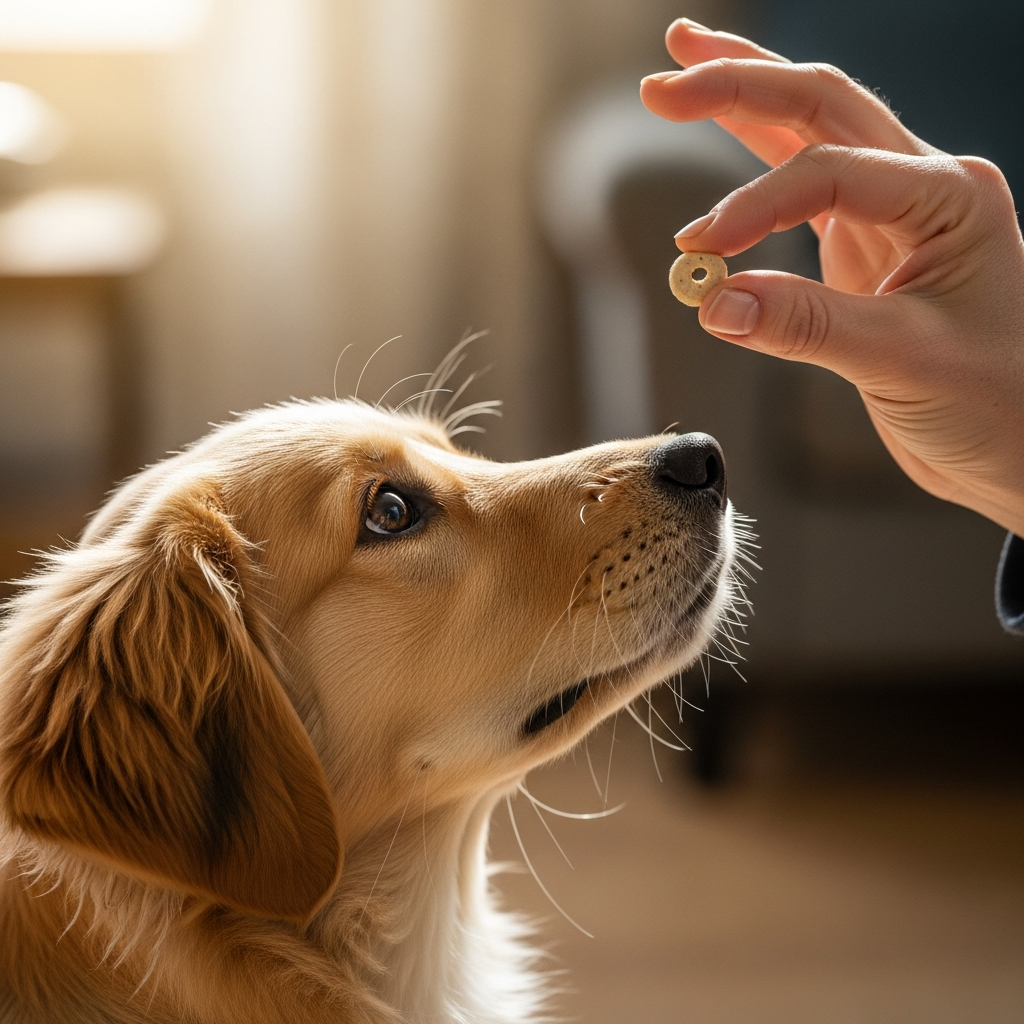
- Praise and reward: As soon as they finish peeing or pooping outside, give enthusiastic praise and a small, high-value treat.
- Crate training: A crate can be a valuable tool, as dogs naturally do not want to soil their sleeping area. Supervise carefully.
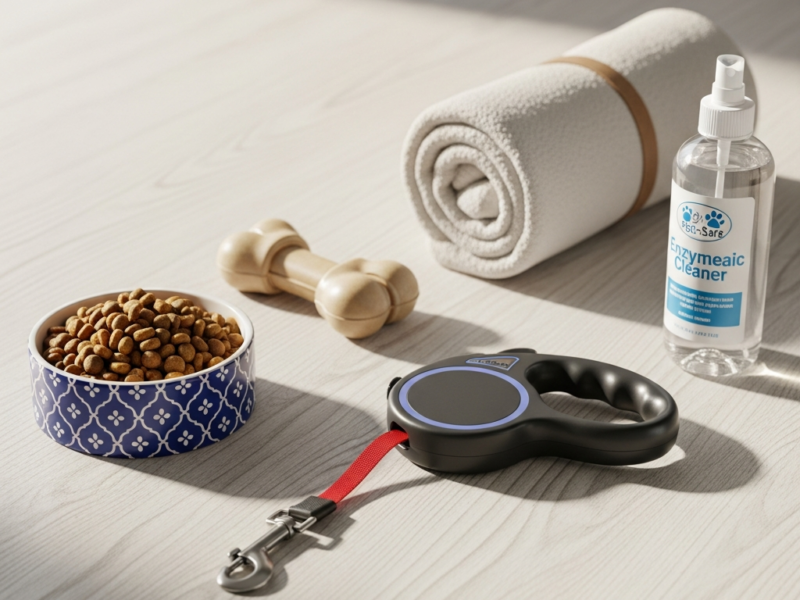
- Clean thoroughly: Use an enzymatic cleaner for accidents indoors to eliminate odors that might attract your puppy back to the same spot.
4. Leash Pulling
Puppies are naturally curious and excited about exploring the world, which often translates into pulling on the leash. Teaching loose-leash walking early makes walks enjoyable for both of you and prevents physical strain for your dog as they grow.
How to fix it:
- Start early: Introduce the collar and leash in short, positive sessions inside your home.
- Stop and go: If your puppy pulls, immediately stop walking. Do not move forward again until the leash is slack. The moment they ease up, even for a second, say ‘yes!’ and take a step forward. Repeat.
- Change direction: When your puppy pulls, abruptly change direction. This encourages them to pay attention to you.
- Reward success: Continuously reward your puppy with treats and praise when they walk nicely beside you on a loose leash.
5. Destructive Chewing
Chewing is a natural and necessary behavior for puppies, especially during teething. However, they need to learn what is acceptable to chew and what is not. Furniture, shoes, and remote controls are definitely off-limits!
How to fix it:
- Puppy-proof your home: Remove or secure anything valuable or dangerous that your puppy might chew.
- Provide appropriate chew toys: Offer a variety of safe, durable chew toys. Rotate them to keep things interesting.
- Supervise closely: Never leave your puppy unsupervised, especially in areas where they might get into trouble.
- Redirect: If you catch your puppy chewing on something inappropriate, calmly interrupt them with a sound (like ‘ah-ah!’) and immediately offer an approved chew toy. Praise them when they take the toy.
6. Excessive Barking or Whining
Puppies bark or whine for many reasons: seeking attention, boredom, anxiety, or alerting you to something. It is important to understand the reason behind the noise before you can address it effectively.
How to fix it:
- Address the cause: Is your puppy bored? Give them more exercise or mental stimulation. Are they lonely? Spend more quality time together.
- Ignore attention-seeking: If your puppy is barking for attention, ignore it. Do not look at them, talk to them, or touch them until they are quiet. Reward silence.
- Teach ‘quiet’: Once your puppy understands basic commands, you can teach them a ‘quiet’ command by associating it with a treat after they stop barking.
- Manage environment: Use white noise or cover a crate if they bark at outside stimuli.
7. Resource Guarding
Resource guarding is when a dog becomes possessive over food, toys, sleeping spots, or even people. While less common than other habits, it is vital to address any signs of guarding early to prevent future aggression. It is often rooted in insecurity.
How to fix it:
- Positive associations: While your puppy is eating, gently drop extra high-value treats into their bowl. This teaches them that hands approaching their food means good things.
- Trade-offs: Offer a high-value treat in exchange for a toy they are guarding. Once they take the treat, take the toy, and then immediately give the toy back. This teaches them that giving things up results in a reward.
- Make meal times safe: Ensure your puppy always feels secure during meals. Avoid hovering over them or taking their food away without a positive exchange.
General Training Principles for Success
Consistency is Your Best Friend
Every member of your household needs to be on the same page regarding rules and training methods. Inconsistency will only confuse your puppy and make training much harder. Hold family meetings to discuss expectations and ensure everyone uses the same cues and rewards.
Positive Reinforcement Works Wonders
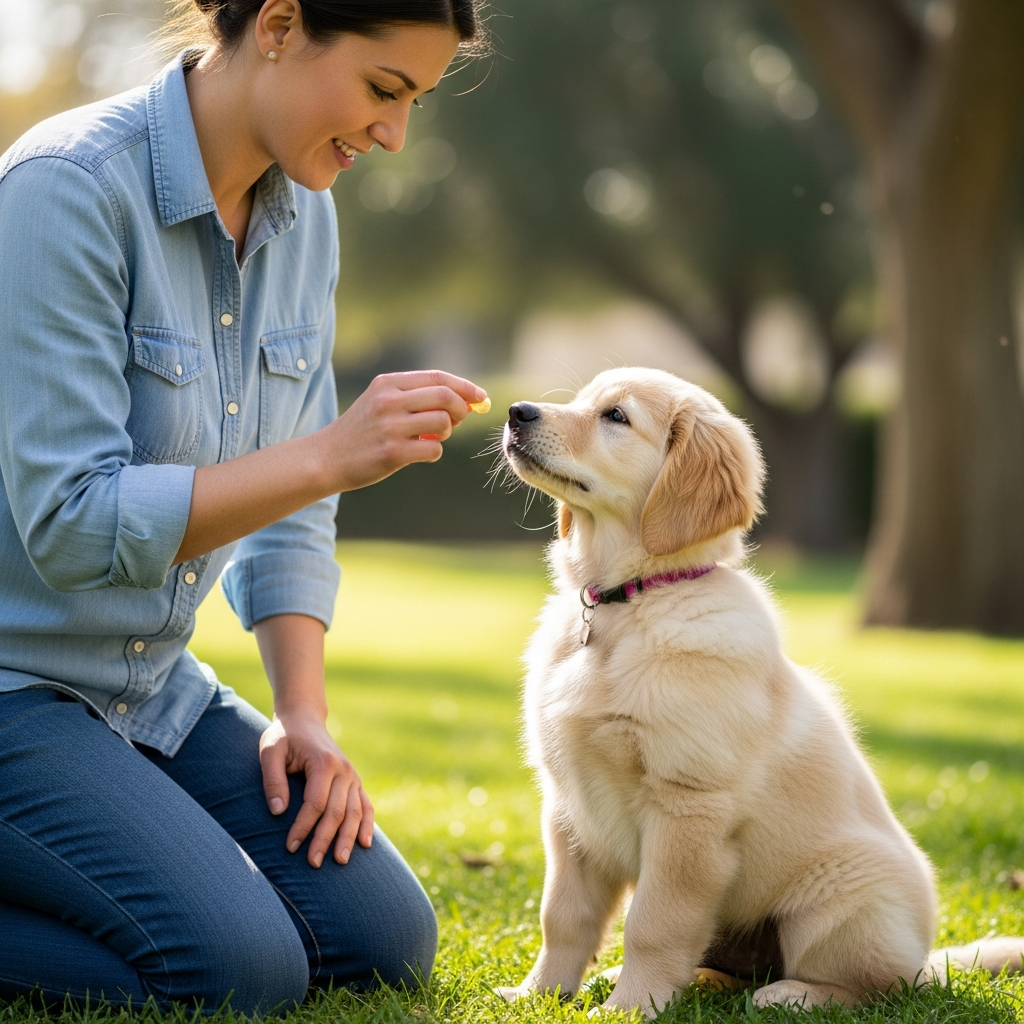
Focus on rewarding the behaviors you want to see, rather than punishing the behaviors you do not. Positive reinforcement builds trust and encourages your puppy to repeat desired actions. Keep training sessions short, fun, and upbeat.
Patience and Understanding
Puppies are learning a whole new world. They will make mistakes, and that is perfectly normal. Stay calm, be patient, and remember that every ‘oops’ moment is a teaching opportunity. Your puppy relies on you for guidance and a loving environment.