7 Easy Ways to Socialize Your Puppy the Right Way
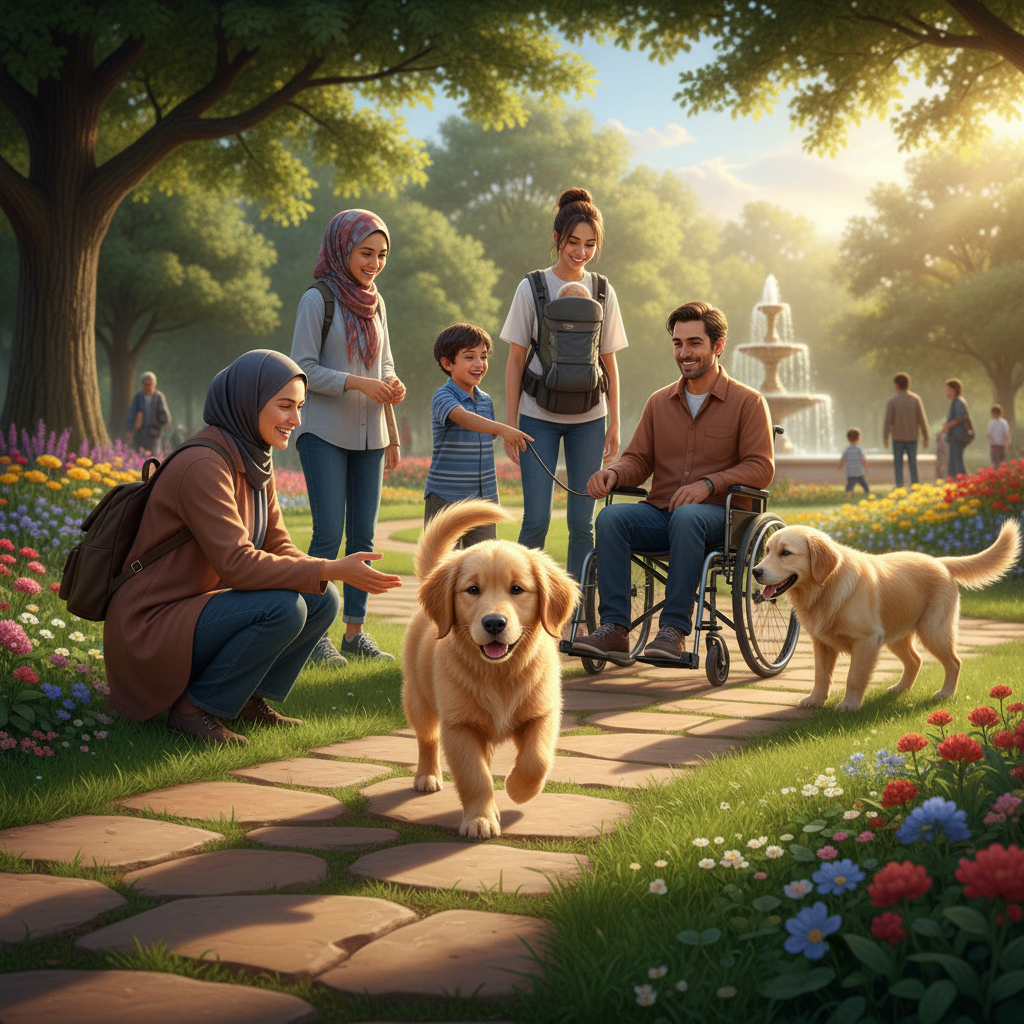
Bringing a new puppy home is an exciting time! As you cuddle your adorable new companion, one of the most important things you can do for their future happiness and well-being is to socialize them correctly. Proper socialization during their critical early weeks and months lays the foundation for a confident, friendly, and well-adjusted adult dog. Without it, puppies can develop fears, anxieties, and even aggression towards new experiences, people, or other animals.
Think of socialization as teaching your puppy about the world in a positive and controlled way. It’s not just about meeting other dogs; it’s about exposing them to a wide variety of sights, sounds, smells, people, and environments. This guide will walk you through 7 easy yet incredibly effective ways to ensure your puppy grows into a happy, confident canine citizen.
1. Early Exposure to Diverse People
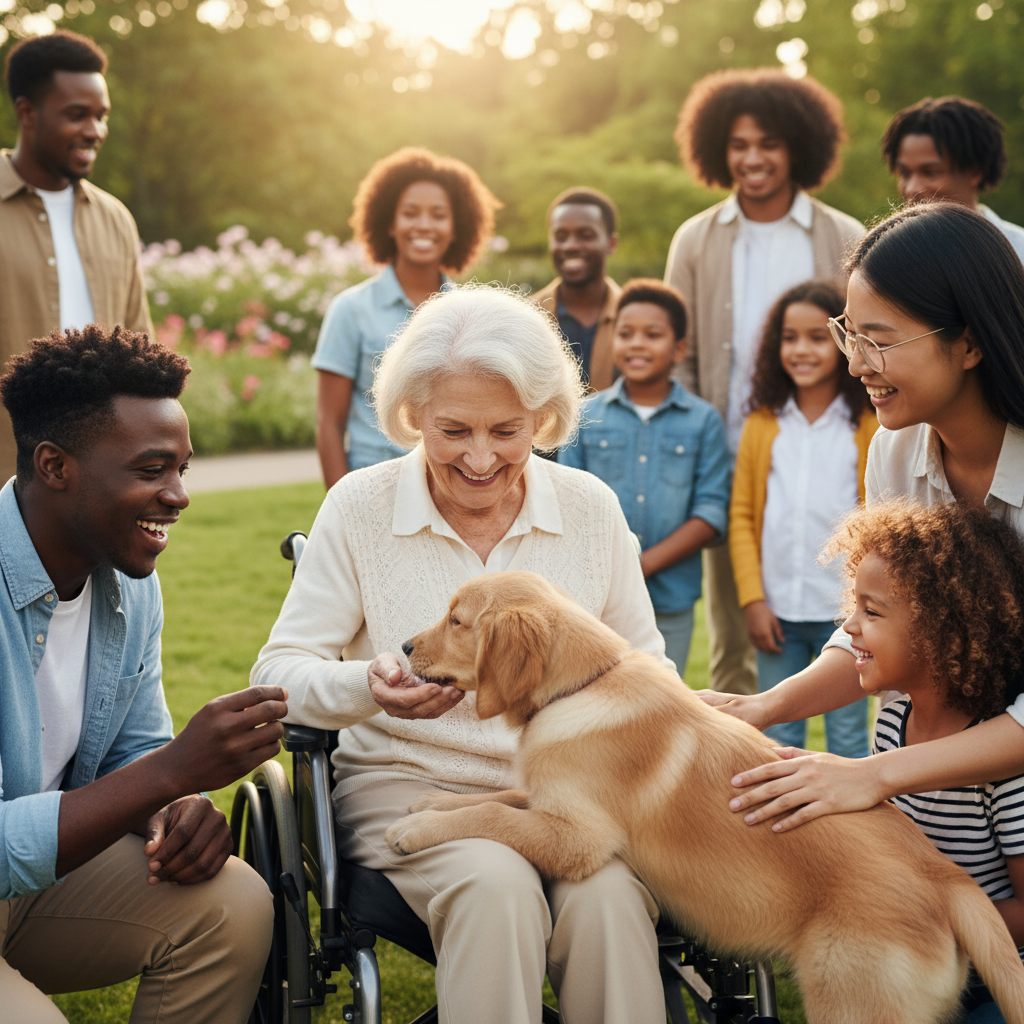
Your puppy needs to learn that humans come in all shapes, sizes, and forms. Introduce them to a variety of people from a young age, always ensuring these interactions are positive and calm.
How to do it
- Gentle Introductions Invite friends and family over. Ensure they approach your puppy calmly, offer a treat, and pet gently.
- Different Demographics Expose your puppy to men, women, children, people wearing hats, glasses, or uniforms, and those with different gaits or voices.
- Positive Reinforcement Always reward calm, friendly interactions with praise and small, high-value treats.
- Supervise Children Teach children how to interact gently with a puppy, avoiding rough play or sudden movements.
Remember, quality over quantity is key. A few positive interactions are far better than many overwhelming or negative ones.
2. Positive Experiences with Other Dogs
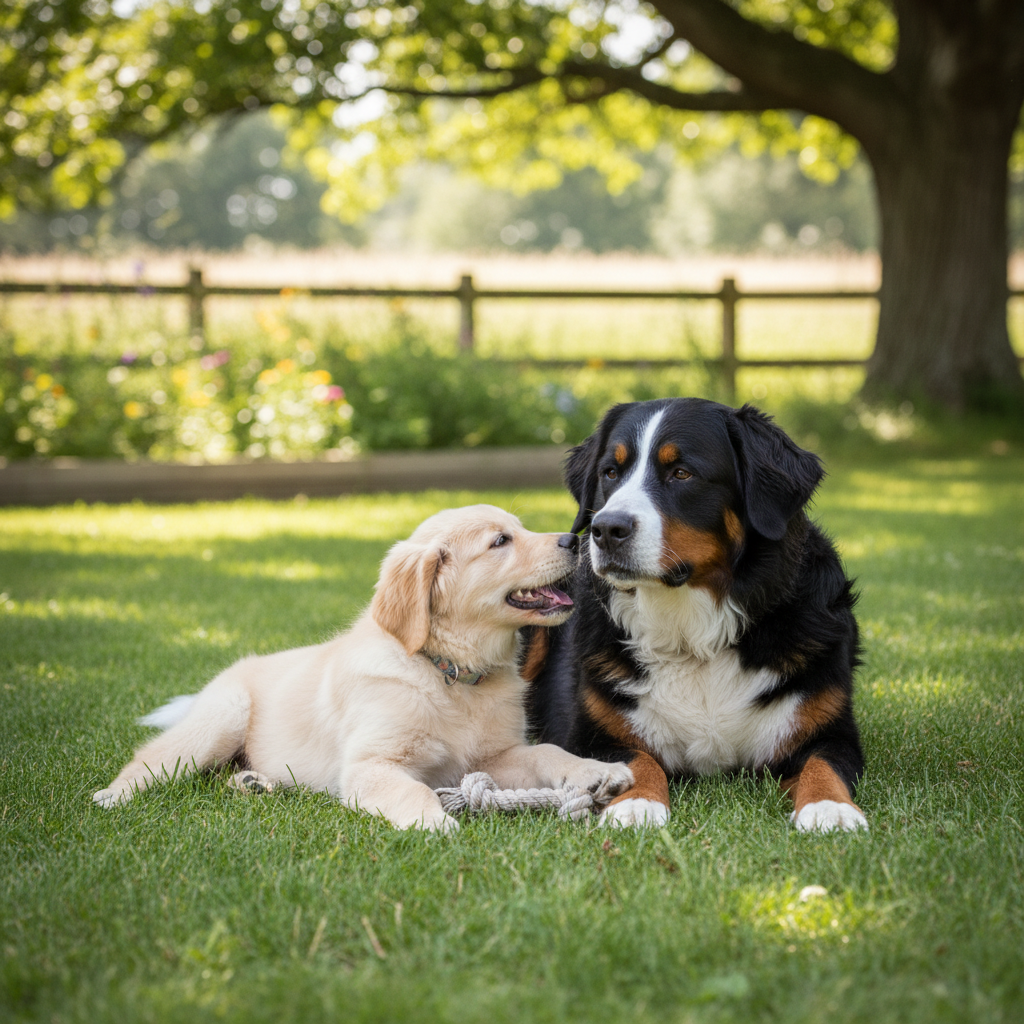
Interacting with other well-behaved, vaccinated dogs is crucial for your puppy to learn appropriate canine social cues. These interactions teach bite inhibition, play etiquette, and how to communicate respectfully with their own kind.
How to do it
- Choose Playmates Wisely Arrange playdates with trusted friends’ or family members’ dogs who are known to be gentle, vaccinated, and have good temperaments.
- Supervised Play Always supervise play sessions closely. Look for signs of stress or over-excitement in your puppy or the other dog.
- Short, Positive Sessions Keep initial playdates short and sweet to avoid overwhelming your puppy. End on a high note.
- Avoid Dog Parks Early On Dog parks can be overwhelming and sometimes dangerous for young, unvaccinated puppies. Wait until your puppy is fully vaccinated and has learned basic social skills in controlled environments.
3. Introduce New Sights, Sounds, and Smells
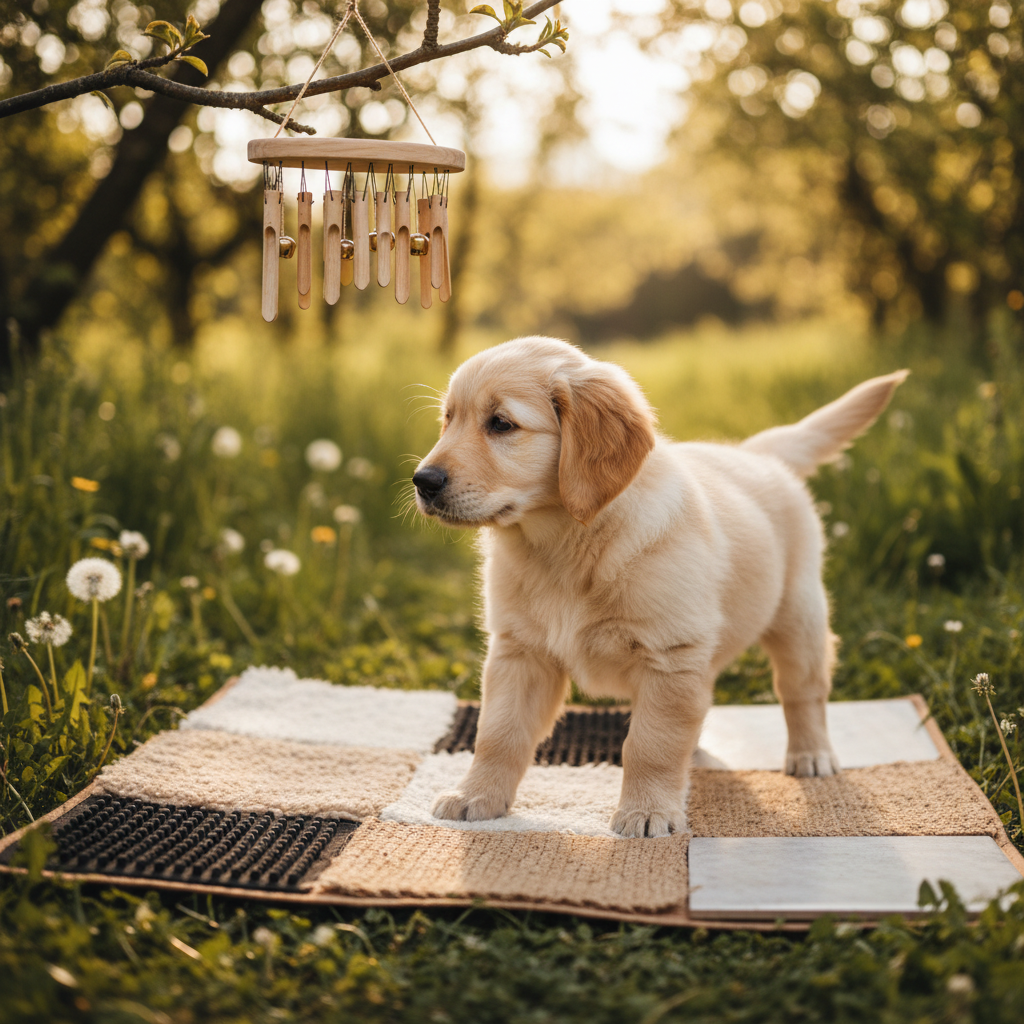
The world is full of novel stimuli, and your puppy needs to learn that most of them are nothing to fear. Gradual exposure to various everyday sights, sounds, and smells builds resilience.
How to do it
- Household Noises Expose your puppy to common household sounds like vacuum cleaners, blenders, doorbells, and washing machines. Start at a distance and gradually move closer, always pairing the sound with treats and praise.
- Outdoor Sounds Take your puppy for short walks or sit with them in a carrier near traffic, construction noises, or children playing. Keep a comfortable distance and reward calm behavior.
- Different Surfaces Let your puppy walk on various textures like grass, concrete, gravel, wood floors, and even gentle puddles.
- New Smells Allow them to safely sniff new objects, people, and environments during walks.
The goal is to create positive associations with these experiences, not to force them into scary situations.
4. Car Rides and Vet Visits Made Fun

These are often necessary parts of a dog’s life, and early positive experiences can prevent lifelong anxiety.
How to do it
- Happy Car Rides Start with short, positive car rides to fun places (like a park, not just the vet). Use a comfortable, secure crate or seatbelt harness. Offer treats and praise.
- Vet Happy Visits Even before their first actual appointment, take your puppy to the vet’s office just to say hello, get weighed, receive a treat from the staff, and leave. This helps them associate the vet with positive experiences.
- Practice Handling Gently touch your puppy’s paws, ears, mouth, and tail regularly at home. This makes vet exams and grooming much easier.
5. Handling and Grooming Practice
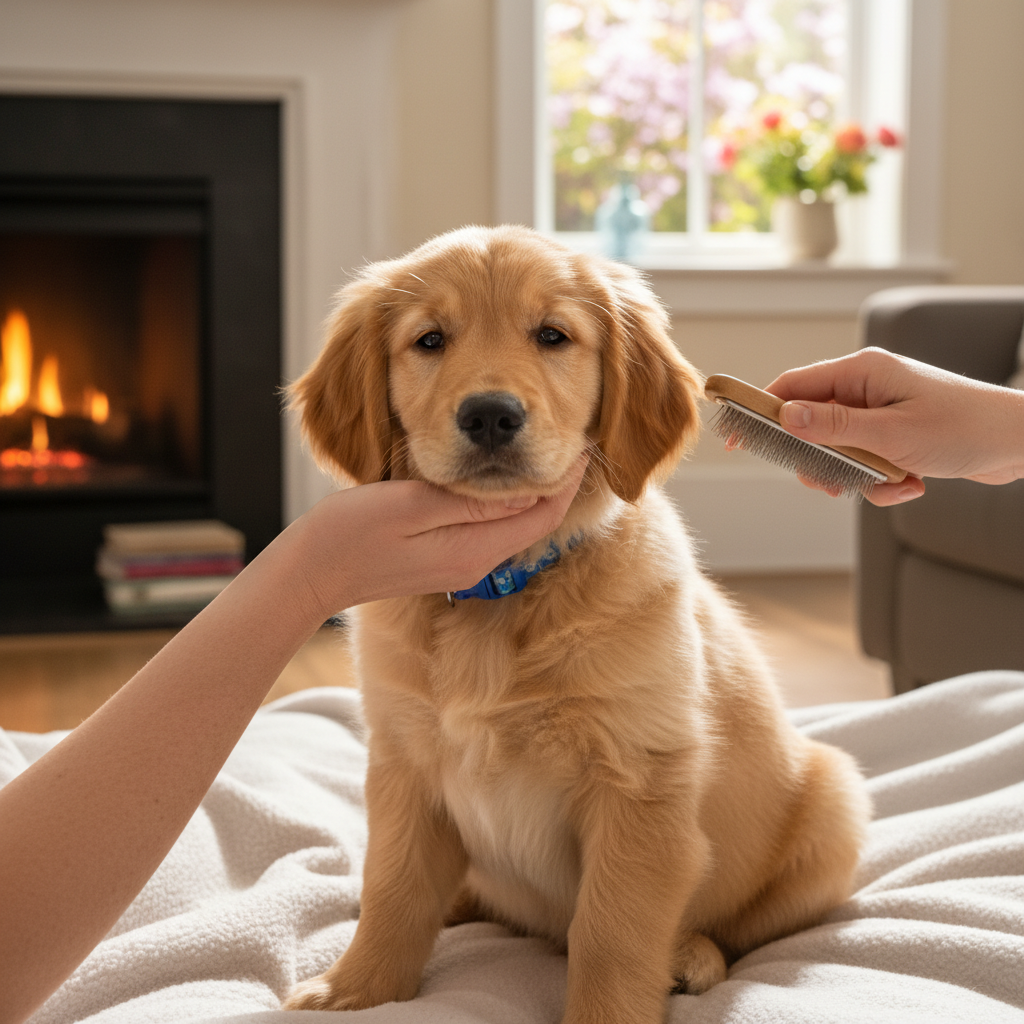
Getting your puppy comfortable with being touched, examined, and groomed from an early age is vital for their health and hygiene, and reduces stress during vet visits or professional grooming.
How to do it
- Gentle Touch Everywhere Regularly touch your puppy’s ears, paws, mouth, tail, and belly. Pair each touch with a small, tasty treat.
- Brush Training Introduce a soft puppy brush early. Start with very short sessions, just a few strokes, followed by praise and a treat. Gradually increase the duration.
- Nail Trim Desensitization Gently touch your puppy’s paws and individual toes. Tap their nails with the clippers (without actually clipping) and give a treat. Gradually work up to actual trims, even if it’s just one nail at a time initially.
- Bath Time Fun Make baths positive experiences with lukewarm water, gentle puppy shampoo, and lots of praise.
The key is to make these experiences feel like a game or a pleasant routine, not a battle.
6. Enroll in Puppy Classes
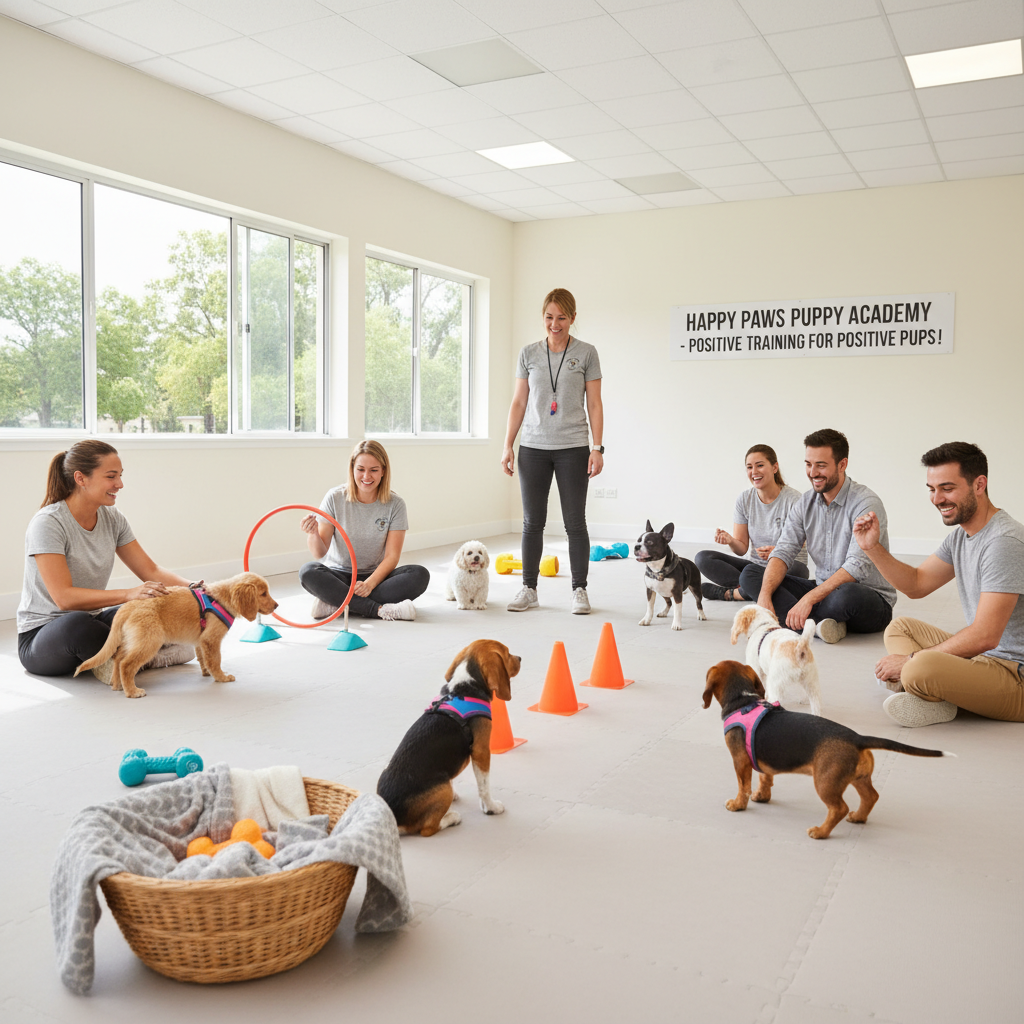
Puppy classes offer a structured and safe environment for socialization, basic obedience training, and problem-solving. They are an invaluable resource for new dog parents.
How to do it
- Find Reputable Classes Look for classes that emphasize positive reinforcement, have small class sizes, and are taught by certified professional dog trainers.
- Beyond Socialization These classes also teach you how to communicate effectively with your puppy, address common puppy behaviors like nipping or house training, and build a strong bond.
- Continued Learning Even after puppy class, consider enrolling in basic obedience or advanced classes to continue their learning and exposure to new situations.
7. Explore Different Environments

Expanding your puppy’s world beyond your home and backyard helps them become adaptable and unfazed by new surroundings.
How to do it
- Neighborhood Walks Take your puppy on walks in different parts of your neighborhood, exposing them to various houses, cars, people, and other dogs (from a safe distance).
- Pet-Friendly Stores Once fully vaccinated, visit pet-friendly stores like pet supply shops. The new smells, sounds, and people provide excellent exposure.
- Parks and Trails Explore different types of parks and walking trails. Be mindful of leash laws and ensure the environment is safe and clean for your puppy.
- Public Spaces (Controlled) If appropriate and safe, visit quiet outdoor cafes or public benches to simply observe the world together, rewarding calm behavior.
Always prioritize your puppy’s comfort. If they seem overwhelmed, remove them from the situation and try again later with less intensity.
Conclusion
Socializing your puppy is one of the greatest gifts you can give them. It’s an investment in their future happiness and your peaceful coexistence. By following these 7 easy ways, you’re not just exposing them to the world; you’re teaching them how to navigate it with confidence, curiosity, and joy. Remember to always keep experiences positive, go at your puppy’s pace, and offer plenty of praise and treats. A well-socialized puppy grows into a confident, loving companion who can face life’s adventures by your side, making your bond stronger than ever. Enjoy this precious time, and watch your little one blossom into the amazing dog they’re meant to be!