
Adopting a dog is one of the most rewarding decisions you can make, but it’s also a long-term commitment that requires preparation, understanding, and responsibility. Bringing a dog into your home means providing love, care, training, time, and financial support for years to come. Before you adopt, it’s important to ask the right questions so you can make a smart, thoughtful choice that suits both your lifestyle and the dog’s needs.
Here are 12 essential questions you must ask before adopting a dog — whether from a shelter, rescue group, foster home, or breeder. These questions help you find the right match and ensure a happy, stress-free bond for life.
1. What is the dog’s background and history?

Understanding a dog’s past helps you prepare for the future. Ask if the dog was surrendered, found, rescued, or abandoned. Knowing whether a dog previously lived in a home or on the streets can help you understand its behavior, fears, and adjustment needs. Dogs with difficult histories may need more patience, training, or reassurance.
2. What is the dog’s age and life stage?

A puppy, adult, and senior dog all have different needs. Puppies require intense training, energy, and commitment. Adults may already be trained but still require exercise and structure. Seniors are calmer and require less activity but may need more medical care. Ask about the dog’s exact age to plan for long-term care.
3. What is the dog’s energy level?

This question is extremely important. Some dogs are active and need lots of exercise, while others prefer a quieter lifestyle. If you live in an apartment or have a busy schedule, a high-energy breed may not be the best match. Ask how much daily exercise and stimulation the dog requires to stay healthy and happy.
4. Does the dog get along with other dogs or pets?

If you already have pets at home — especially cats — you must know whether the dog has been tested with other animals. Some dogs do brilliantly in multi-pet homes, while others prefer being the only pet. Rescue staff or foster parents can often tell you how the dog behaves around other pets.
5. How does the dog behave around children or strangers?
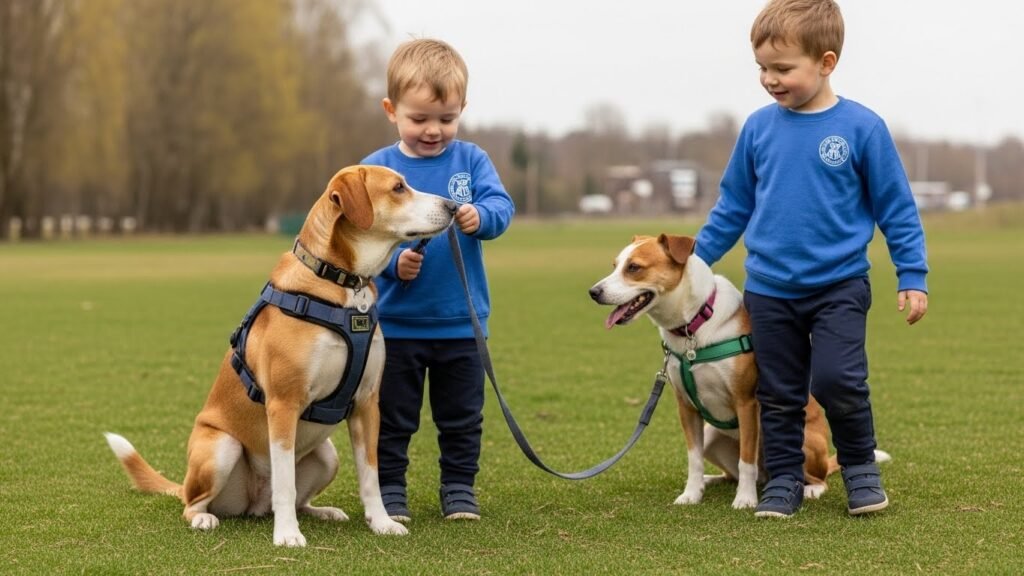
Every dog has a different temperament. Some are gentle and patient with kids, while others may be fearful or reactive. If you have children or expect frequent guests, ask how the dog behaves with unfamiliar people. Understanding social tolerance helps you prepare for safe introductions.
6. Are there any health issues you should know about?

Health is a major part of responsible dog ownership. Ask about:
- Vaccination status
- Spay/neuter surgery
- Past illnesses or injuries
- Allergies
- Current medications
- Chronic conditions
Some dogs require lifelong care for certain issues. Being aware of health needs helps you plan financially and emotionally.
7. What kind of grooming does the dog require?

Different breeds have different grooming needs. Long-haired dogs may need daily brushing, regular trims, or professional grooming. Short-haired dogs shed too and require coat care. Ask about grooming frequency, shedding level, bathing needs, and any special coat maintenance to avoid future surprises.
8. Is the dog trained or familiar with basic commands?

A trained dog is easier to manage, especially for first-time owners. Ask if the dog:
- Is potty trained
- Knows basic commands (sit, stay, come)
- Walks well on a leash
- Has crate training
- Has any behavioral training
If the dog isn’t trained, be ready to invest time and patience in teaching them.
9. Does the dog have any behavioral challenges?

No dog is perfect — and that’s okay. But you must know if the dog has issues such as separation anxiety, resource guarding, aggression, excessive barking, or fearfulness. Understanding behavioral challenges helps you decide whether you can provide the training and home environment the dog needs. Honesty at this stage prevents problems later.
10. What type of diet is the dog currently eating?

A sudden change in food can cause stomach problems, so it’s important to know what the dog has been eating. Ask:
- What brand of food the dog eats
- How many times a day the dog eats
- Any food allergies
- Treat preferences
Good nutrition is key to a dog’s long-term health, so you want to continue a similar diet or make safe transitions.
11. What are the adoption fees, and what do they include?
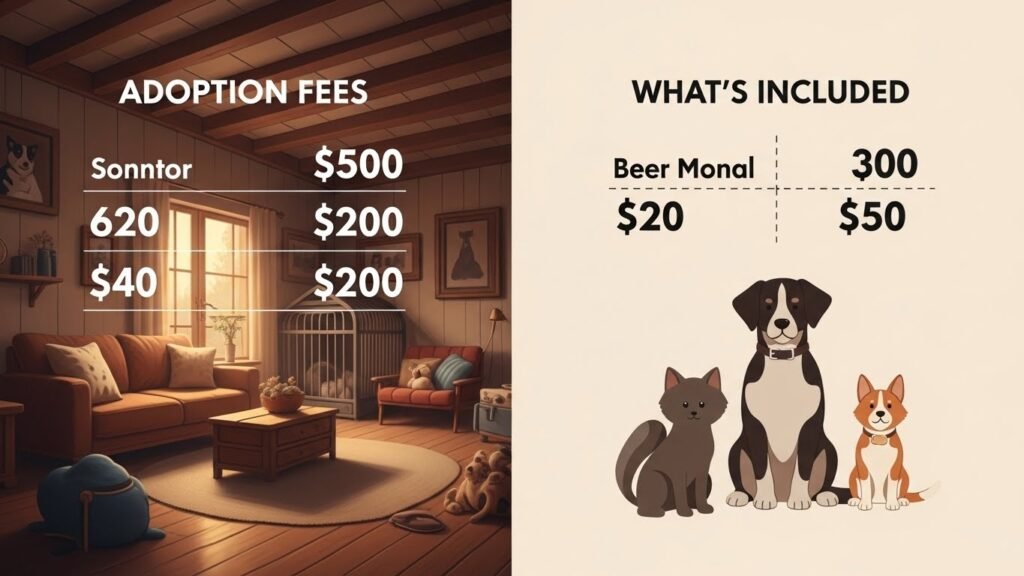
Adoption fees vary depending on the rescue or shelter. They usually cover vaccinations, microchips, spay/neuter, and basic vet care. Ask exactly what is included in the fee so you understand what future costs you might have. Dog ownership also includes regular expenses like food, grooming, toys, and vet visits — so financial planning is essential.
12. Why is the dog being rehomed or available for adoption?
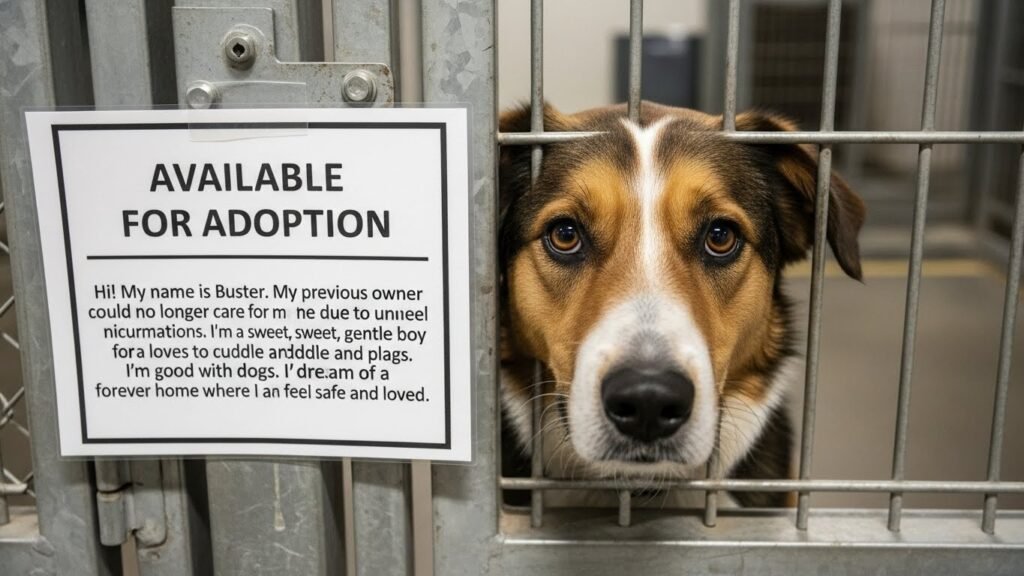
This is one of the most important questions. A dog may be available due to:
- Owner relocation
- Allergies
- High energy
- Behavioral issues
- Medical costs
- Lack of time
The reason helps you measure compatibility with your lifestyle. For example, if the dog is being rehomed because it needs more exercise, and you are an active person, it might be a great match.
Bonus Question: Can you meet the dog and spend time interacting?
Before committing, spend time with the dog — walk them, play with them, or observe their behavior. Sometimes the connection is instant; other times, it takes patience. Meeting in person helps you see if the dog feels comfortable with you and if your lifestyle matches their needs.
Why Asking These Questions Matters
Adopting a dog is a decision that lasts 10–15 years or more. Asking these questions helps you:
- Avoid unexpected behavioral or medical issues
- Choose a breed or personality that fits your home
- Provide proper care from day one
- Build a strong, healthy bond with your new pet
- Prevent rehoming or mismatched adoption situations
A well-informed adoption ensures that both you and your future dog live happily together.
Conclusion
Bringing a dog into your life is a beautiful journey filled with companionship and unconditional love. But responsible adoption begins with asking the right questions. By understanding a dog’s background, needs, behavior, health, and personality, you prepare yourself to offer a safe, loving, and supportive home.
A thoughtful adoption leads to a strong lifelong bond — one filled with joy, loyalty, and memorable moments. With these 12 questions in mind, you’ll be ready to welcome your new furry family member confidently and responsibly.