How to Remove Dog Pee from Wood Floors Quickly and Safely
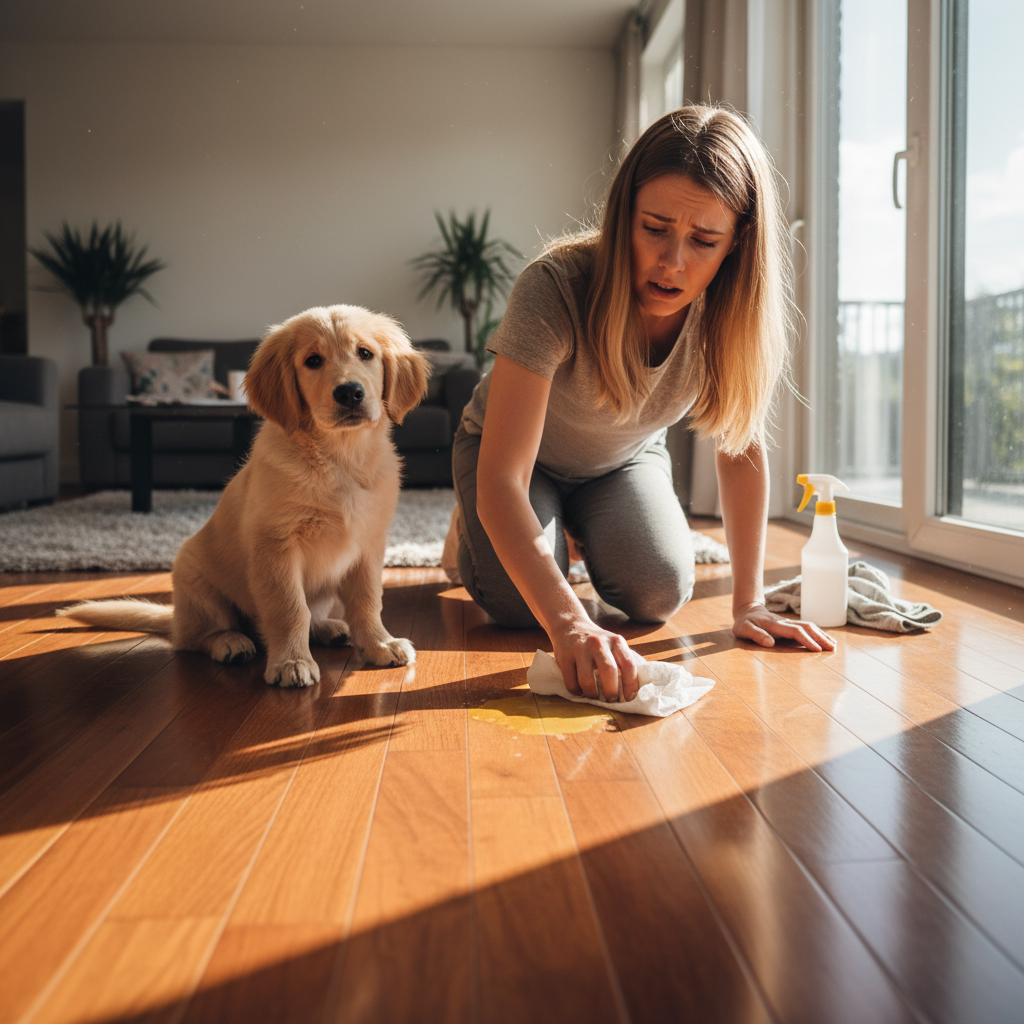
Every dog parent knows the joy a furry friend brings into our lives. But let’s be honest, those little accidents on your beautiful wood floors? Not so joyful. Dog pee can not only leave unsightly stains but also penetrate the wood, leading to lingering odors and potential long-term damage. The good news is, with the right approach and quick action, you can effectively remove dog pee from your wood floors, restore their shine, and keep your home smelling fresh.
This comprehensive guide will walk you through the steps to tackle both fresh and old urine stains, eliminate odors, and even offer tips to prevent future mishaps. Get ready to reclaim your pristine floors!
Why Quick Action Matters
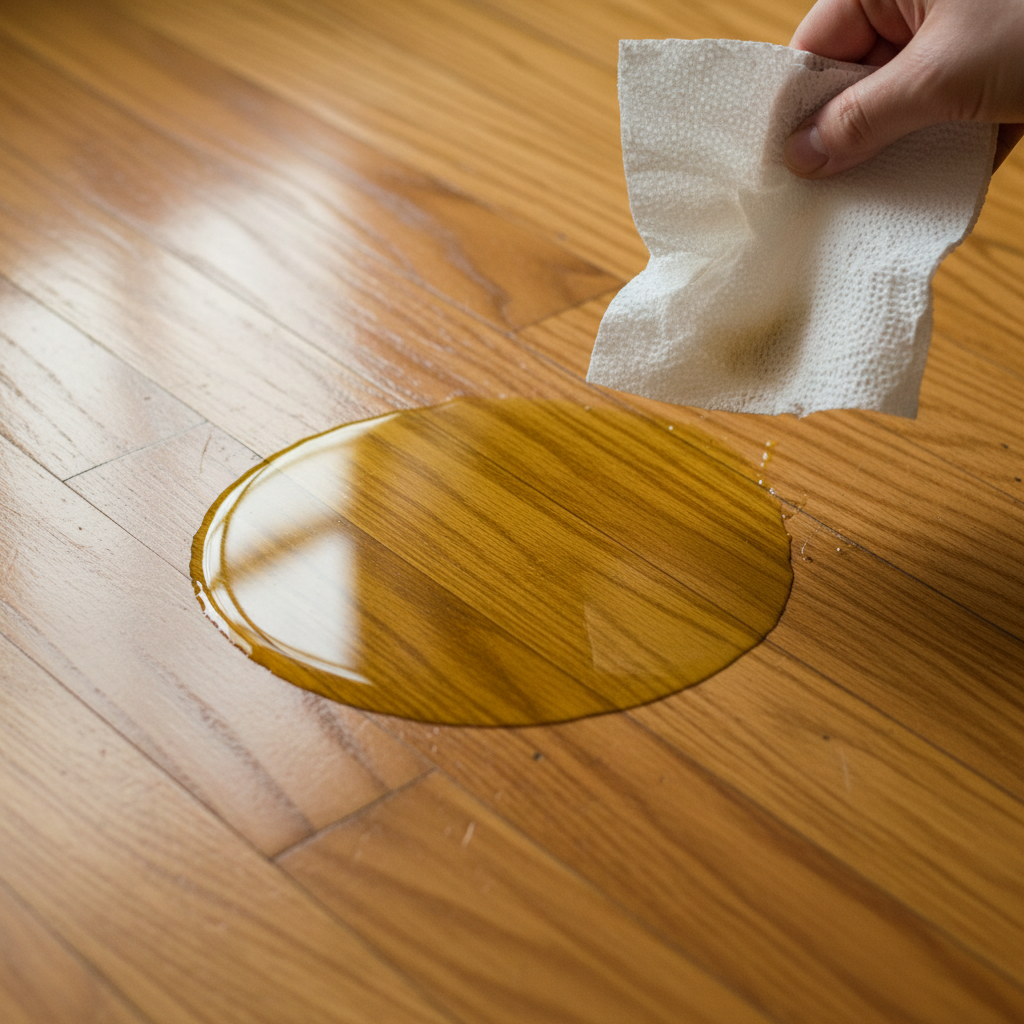
When it comes to dog pee on wood floors, time is truly of the essence. Wood is porous, meaning it can absorb liquids like a sponge. The longer urine sits, the deeper it penetrates the wood grain, making stains harder to remove and odors more persistent. Acidic urine can also etch or discolor the finish, leading to permanent damage if not addressed promptly. Acting fast is your best defense against lasting marks and smells.
Immediate Steps for Fresh Dog Pee Accidents
Spotting a fresh puddle is your cue to spring into action. Here’s what to do immediately:
Gather Your Cleaning Arsenal
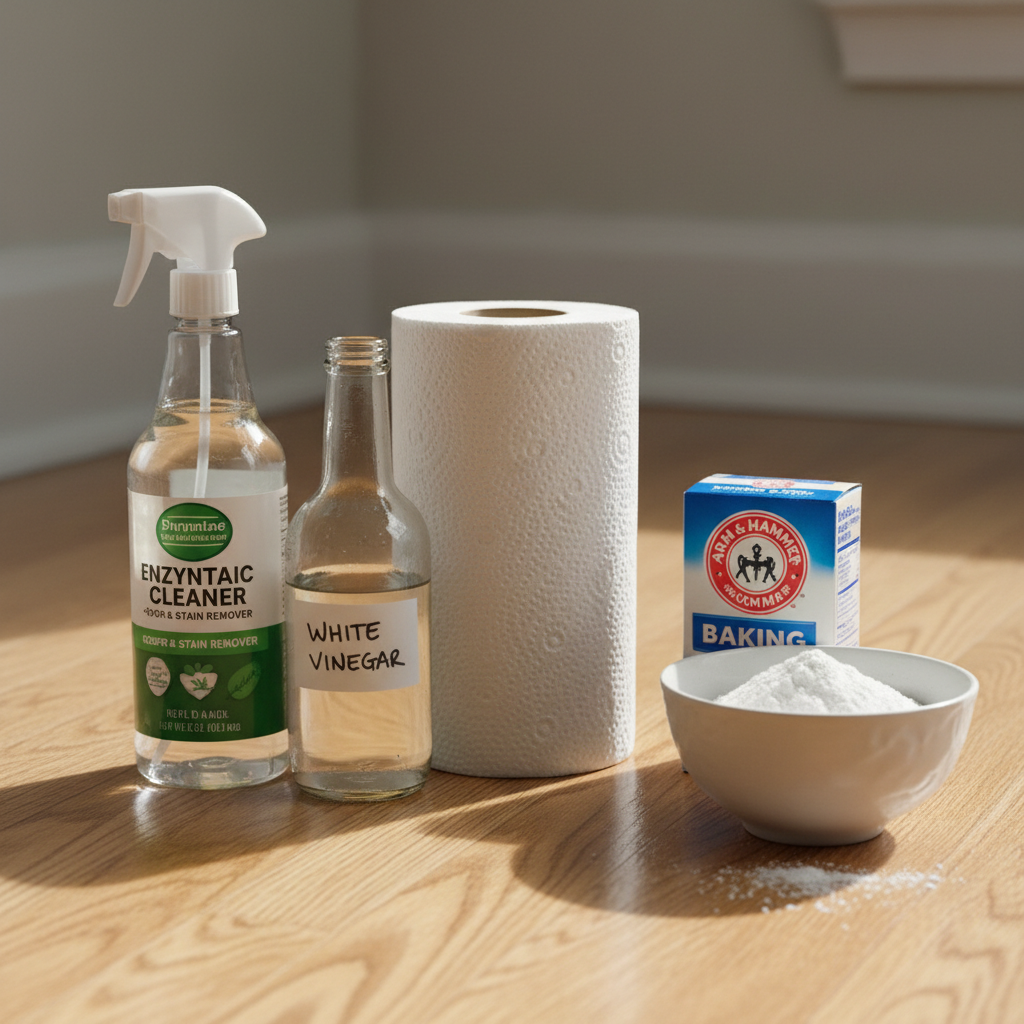
Before you begin, make sure you have these items on hand:
- Plenty of clean paper towels or absorbent cloths
- Rubber gloves
- An enzymatic cleaner specifically designed for pet urine
- White vinegar (optional, for initial odor control)
- A spray bottle (for vinegar or cleaner)
- A soft cloth or mop
The Step-by-Step Clean-Up
- Blot, Don’t Rub The moment you see the accident, grab a stack of paper towels. Press them firmly onto the wet spot to absorb as much urine as possible. Stand on the paper towels for extra pressure. Replace soiled towels with fresh ones until no more liquid transfers. Avoid rubbing, as this can spread the urine and push it deeper into the wood.
- Rinse with Water (Sparingly) If you feel it’s necessary to dilute any residual urine, lightly dampen a clean cloth with plain water and gently wipe the area. Immediately follow up by blotting dry with more paper towels. The goal is to introduce as little moisture as possible.
- Apply an Enzymatic Cleaner This is your secret weapon. Enzymatic cleaners contain beneficial bacteria that break down the uric acid crystals in pet urine, which are responsible for both the stain and the odor. Follow the product instructions carefully. Typically, you’ll spray or pour the cleaner onto the affected area, ensuring it saturates the wood as deeply as the urine did.
- Let it Work Allow the enzymatic cleaner to sit for the recommended time (often 10-15 minutes, or even longer for tough odors). This gives the enzymes time to do their job.
- Blot Dry Again Once the cleaner has worked its magic, blot up any excess liquid with clean paper towels or a cloth. Do not rinse with water, as this can wash away the enzymes.
- Air Dry Allow the area to air dry completely. You might want to place a fan nearby to speed up the process.
Conquering Old and Dried Dog Urine Stains
Old stains can be more challenging, as the urine has had time to dry and set into the wood. But don’t despair; there are still effective methods.
Identifying Older Stains
Dried urine stains often appear as dark spots on wood floors. Sometimes, the odor might be more noticeable than the stain itself. A UV blacklight can help reveal hidden urine spots, as they will glow under the light.
Enzymatic Cleaner Method
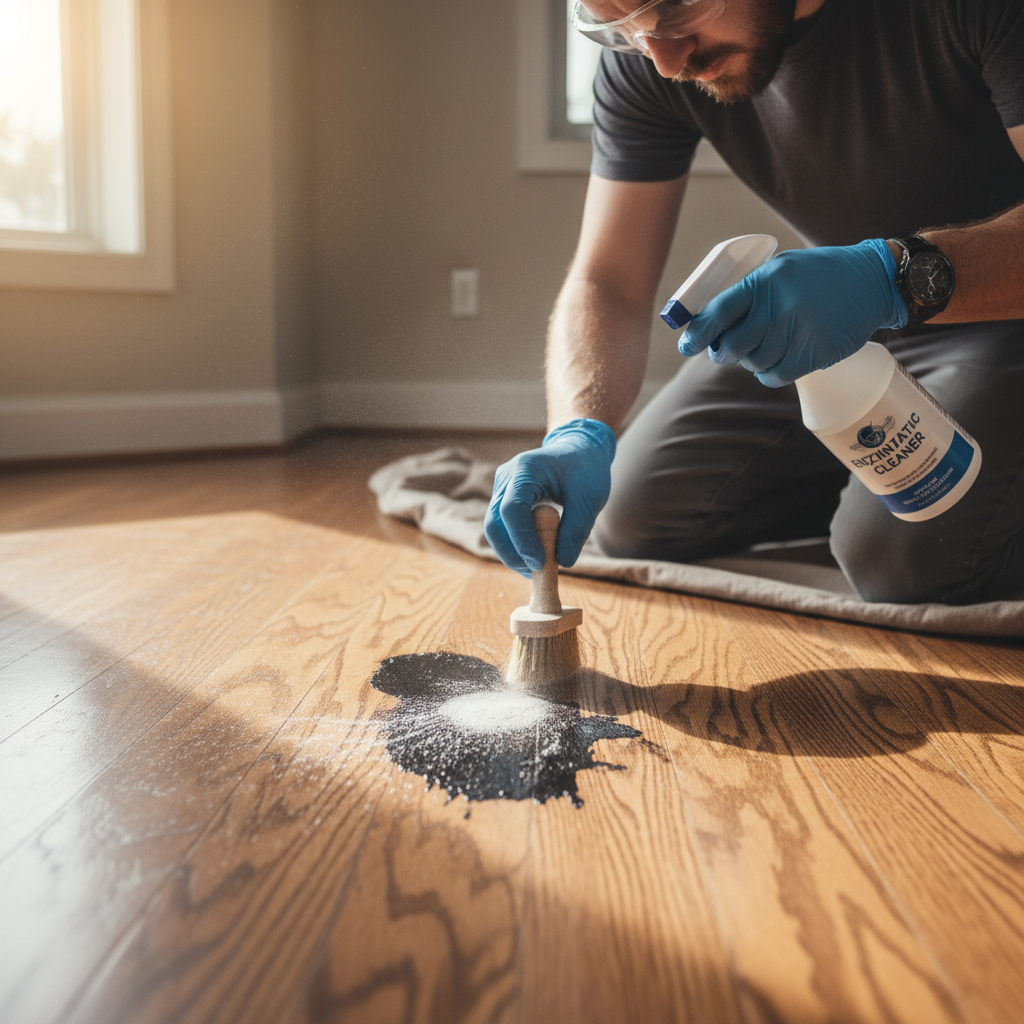
For old stains, you’ll likely need to apply the enzymatic cleaner more generously and allow it to sit for a longer period – sometimes several hours or even overnight. Cover the treated area with a damp towel or plastic wrap to prevent the cleaner from drying out too quickly, which allows the enzymes more time to break down the uric acid. After the recommended time, blot dry thoroughly.
Hydrogen Peroxide for Tough Stains – Use with Caution
For very dark, stubborn stains on light-colored wood, hydrogen peroxide can be effective, but it must be used with extreme caution as it can lighten or bleach wood. Always test in an inconspicuous area first.
- Dampen a clean cloth with 3% hydrogen peroxide.
- Place the cloth over the stain.
- Cover with plastic wrap to keep it moist and a weight (like a book) to ensure contact.
- Leave for a few hours, checking periodically. Do not leave on too long, or it may bleach the wood.
- Remove the cloth and wipe the area clean with a damp cloth, then dry thoroughly.
Baking Soda Paste for Odor and Stains
Baking soda is a natural deodorizer and can help lift minor stains.
- Mix baking soda with a small amount of water to form a thick paste.
- Apply the paste directly to the stain, ensuring good coverage.
- Let it sit for several hours or overnight.
- Once dry, vacuum or sweep up the baking soda.
Eliminating Lingering Odors Permanently
Even if you can’t see a stain, the smell of dog urine can persist, leading to repeat accidents. Odor removal is crucial.
The Power of Enzymatic Cleaners
As mentioned, enzymatic cleaners are key for odor removal. They break down the odor-causing molecules. Ensure you use enough product to penetrate as deeply as the urine did.
Natural Odor Neutralizers
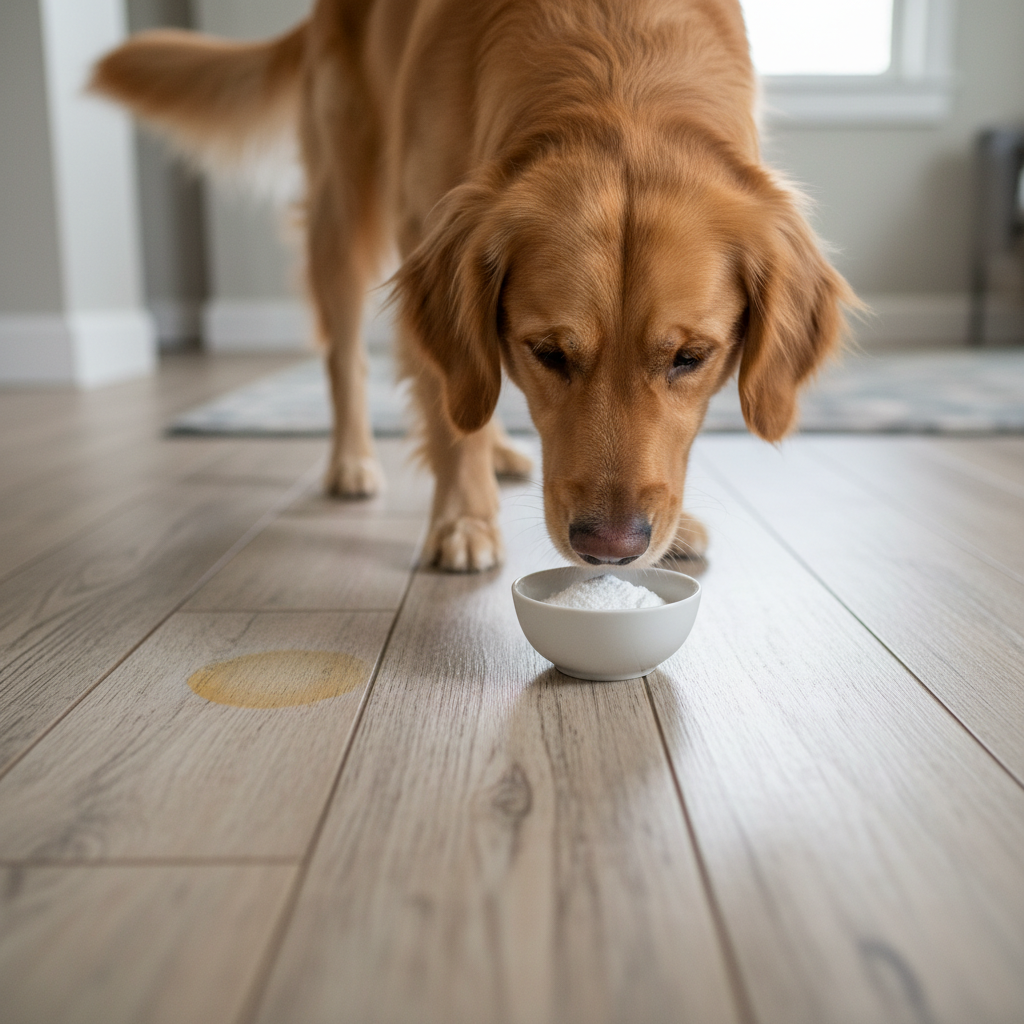
For general freshness after cleaning, you can sprinkle baking soda generously over the affected area, let it sit for several hours or overnight, and then vacuum it up. White vinegar, diluted with equal parts water, can also be sprayed lightly on the area, allowed to air dry, and then blotted, but ensure it doesn’t leave excess moisture.
Preventing Future Accidents and Protecting Your Floors
The best way to deal with dog pee on wood floors is to prevent it from happening in the first place.
Reinforce Potty Training
- Consistent Schedule Take your dog out frequently, especially after waking up, eating, and playing.
- Positive Reinforcement Reward your dog generously when they go potty outside.
- Supervision Keep a close eye on puppies or new dogs indoors.
- Crate Training A crate can help with house-training, as dogs are naturally reluctant to soil their sleeping area.
Regular Floor Maintenance
- Quick Wipes Clean up any spills or moisture immediately.
- Routine Cleaning Use a wood-specific cleaner that won’t damage the finish.
Consider Protective Measures
- Rugs and Mats Place washable rugs or mats in high-traffic areas or where accidents are most likely.
- Floor Sealant Ensure your wood floors are properly sealed. A good sealant acts as a barrier, making them less porous and more resistant to liquid penetration.
What Not to Do When Cleaning Dog Pee from Wood
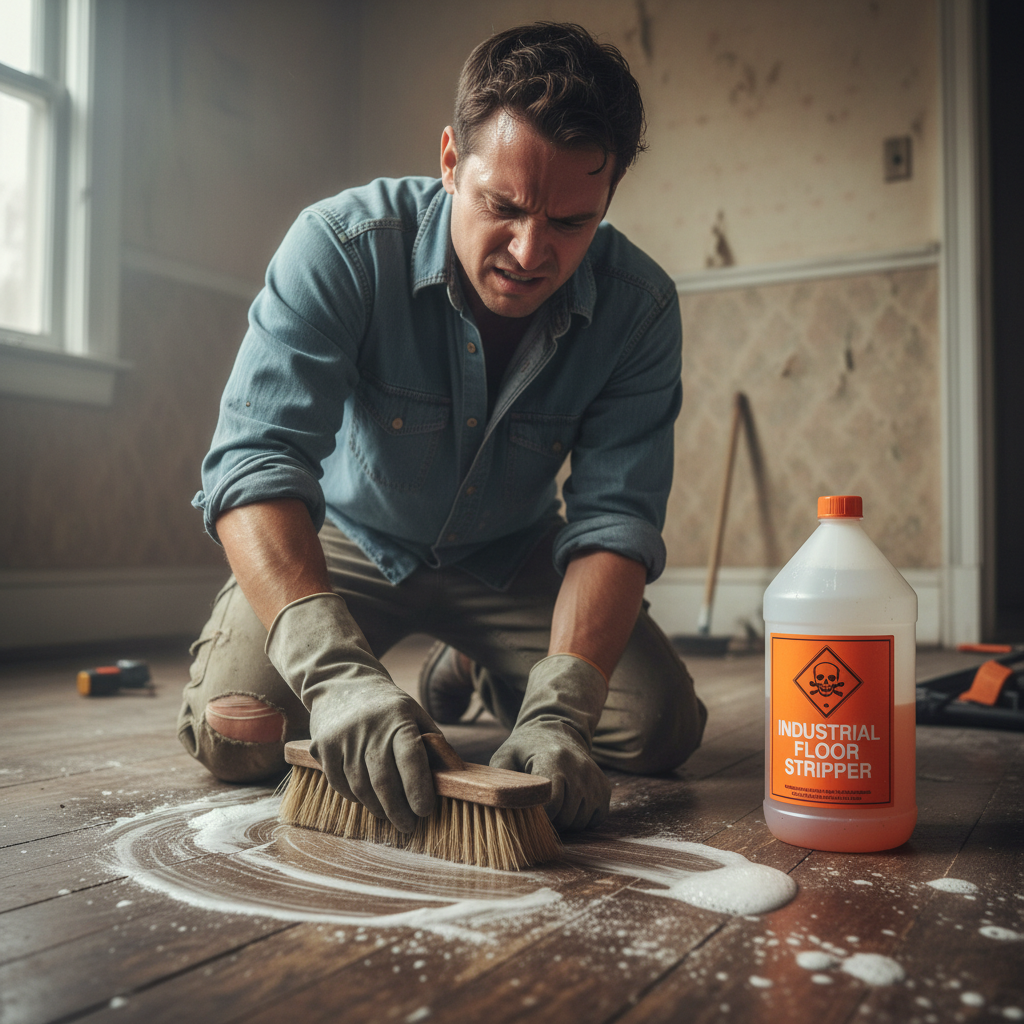
Avoid these common mistakes to protect your floors:
- Don’t use harsh chemicals Ammonia-based cleaners can actually attract your dog back to the spot because urine contains ammonia. Bleach can permanently discolor and damage wood.
- Don’t scrub aggressively This can damage the wood finish and spread the urine further.
- Don’t leave excess moisture Standing water can warp, swell, and damage wood floors. Always blot dry thoroughly.
- Don’t rely solely on air fresheners These only mask the odor; they don’t eliminate the uric acid crystals causing the smell.
When to Call in the Professionals
Despite your best efforts, some stains or odors might be too deep-seated for DIY solutions. If you’re dealing with extensive damage, multiple old stains, or a persistent, strong odor, it might be time to consult a professional floor cleaning or restoration service. They have specialized equipment and stronger solutions to tackle severe issues without damaging your floors.
Accidents happen, especially with our beloved furry family members. But with the right knowledge and a proactive approach, you can keep your beautiful wood floors looking and smelling fresh. Remember, patience and consistency are key, both in cleaning and in training your dog. Your efforts will ensure a happy, healthy home for everyone, two-legged and four-legged alike!