Can Dogs Eat Human Food? Safe and Unsafe Foods Explained
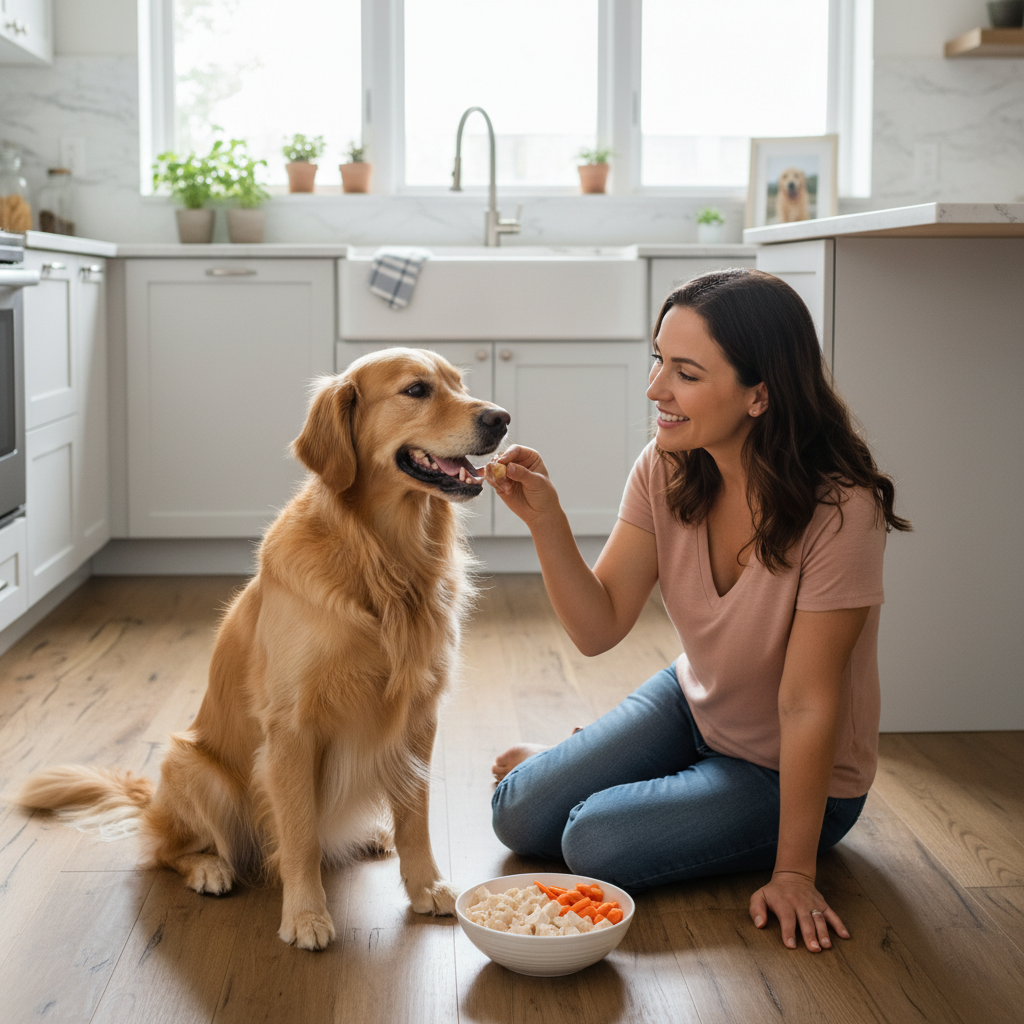
Our furry friends often gaze at us with those irresistible puppy-dog eyes, especially when we’re enjoying a tasty snack. It’s natural to wonder, “Can I share this with my dog?” The answer isn’t a simple yes or no. While some human foods are perfectly fine and even beneficial for our canine companions, others can be incredibly dangerous, even life-threatening. As responsible dog parents, understanding the difference is crucial for their health and happiness.
This comprehensive guide will walk you through the world of human foods for dogs, separating the safe from the unsafe. We’ll provide clear lists, practical tips, and essential warnings to help you make informed decisions, ensuring your beloved pet enjoys a healthy, balanced diet while occasionally savoring a safe human treat.
The Golden Rule of Human Food for Dogs – Moderation is Key
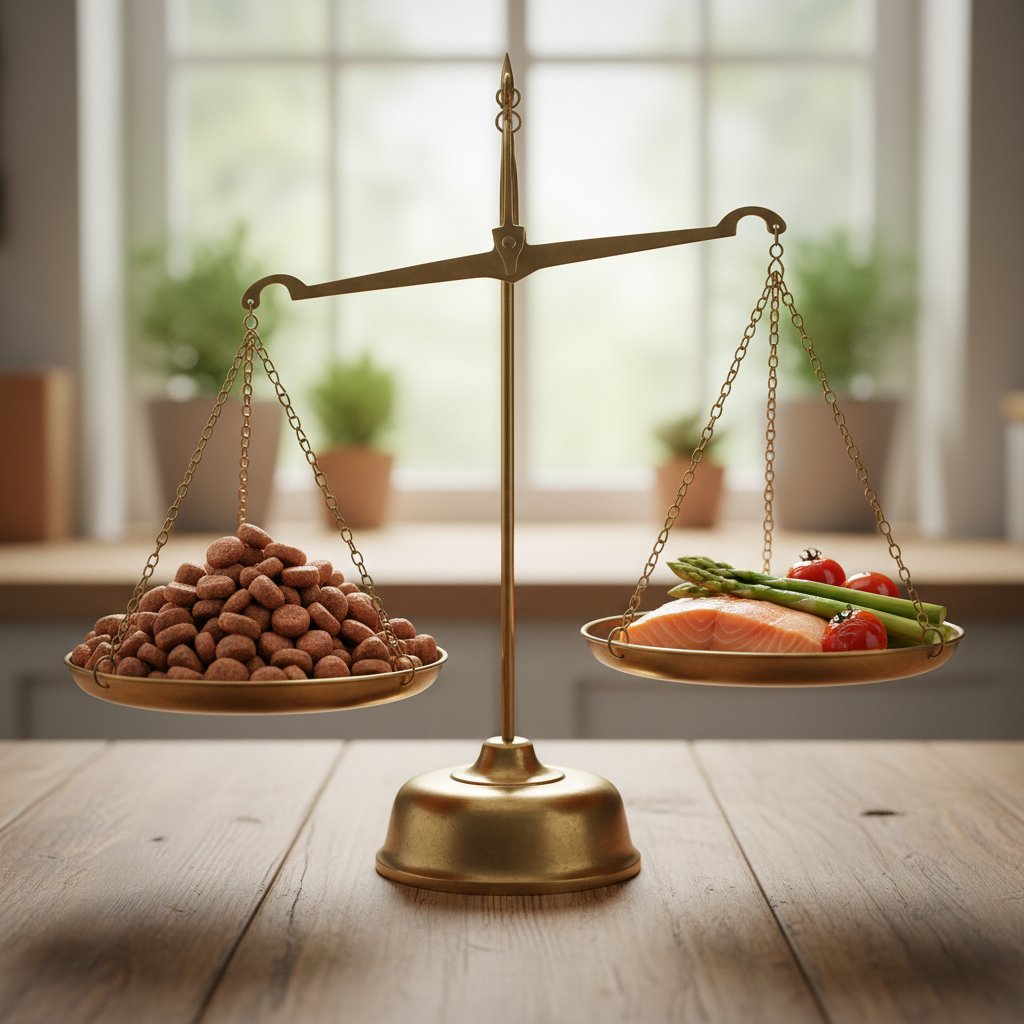
Before diving into specific foods, it’s vital to remember that a dog’s primary diet should always be high-quality dog food formulated for their specific needs. Human food, even the safe kind, should only ever be offered as an occasional treat, in very small quantities, and never as a meal replacement. Too much human food can lead to nutritional imbalances, obesity, and digestive upset.
Think of human food as a special bonus, not a staple. Always prioritize their balanced dog food first.
Safe Human Foods Your Dog Can Enjoy – A Tasty List
Here’s a list of common human foods that are generally safe for dogs, provided they are prepared correctly and given in moderation. Always introduce new foods slowly and in small amounts.
Fruits – Sweet and Healthy Treats

- Apples: Remove seeds and core, as apple seeds contain cyanide. Cut into small pieces.
- Bananas: A great source of potassium and vitamins, in moderation.
- Blueberries: Packed with antioxidants. A fantastic small treat.
- Watermelon: Remove all seeds and rind, which can cause digestive issues. Hydrating and refreshing.
- Strawberries: Rich in Vitamin C. Wash and cut into small pieces.
Vegetables – Earthy Goodness
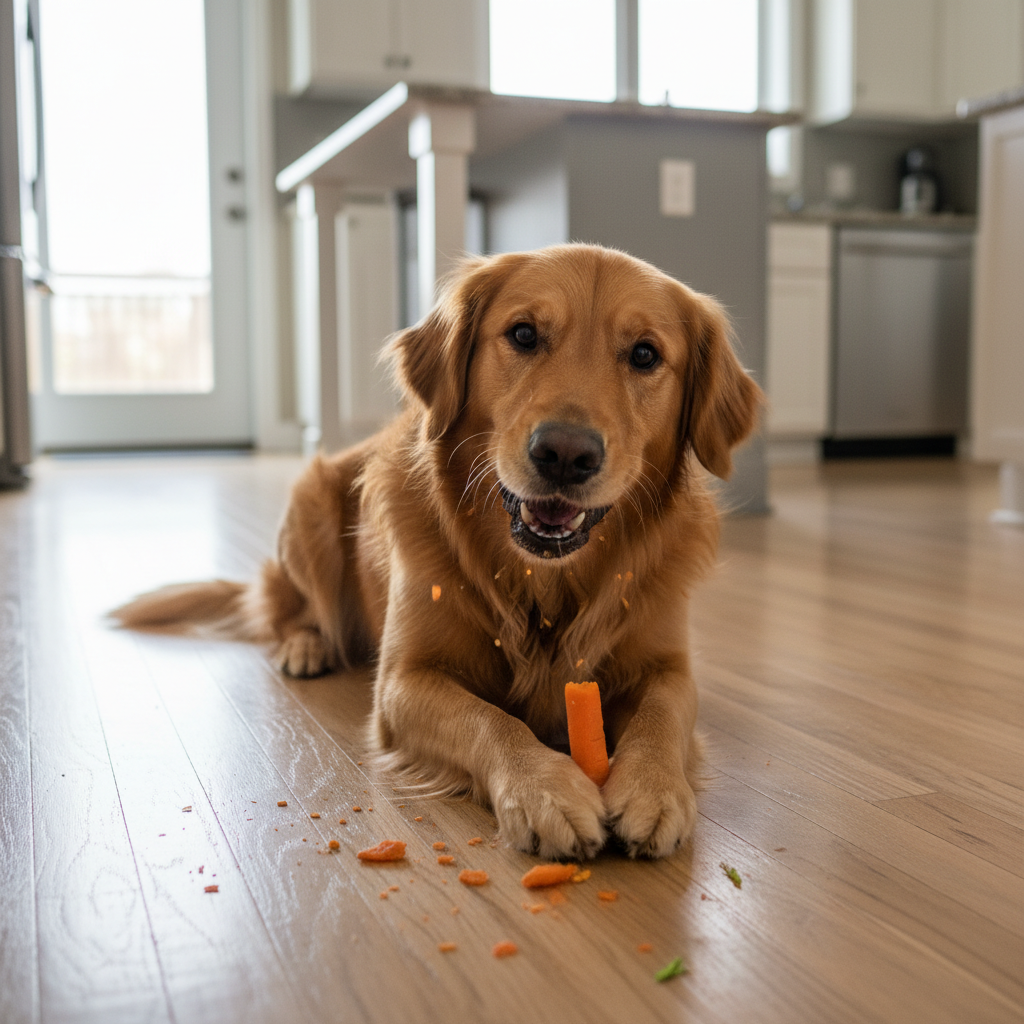
- Carrots: Excellent for dental health and a good source of Vitamin A. Raw or cooked.
- Green Beans: Low in calories and full of vitamins. Plain, steamed, or raw.
- Sweet Potatoes: Cooked and mashed or baked, without any seasonings. Rich in fiber.
- Broccoli: Small amounts of cooked broccoli florets are fine, but too much can cause gas.
- Pumpkin: Plain, cooked pumpkin (not pie filling) is great for digestive health.
Proteins – Lean and Filling
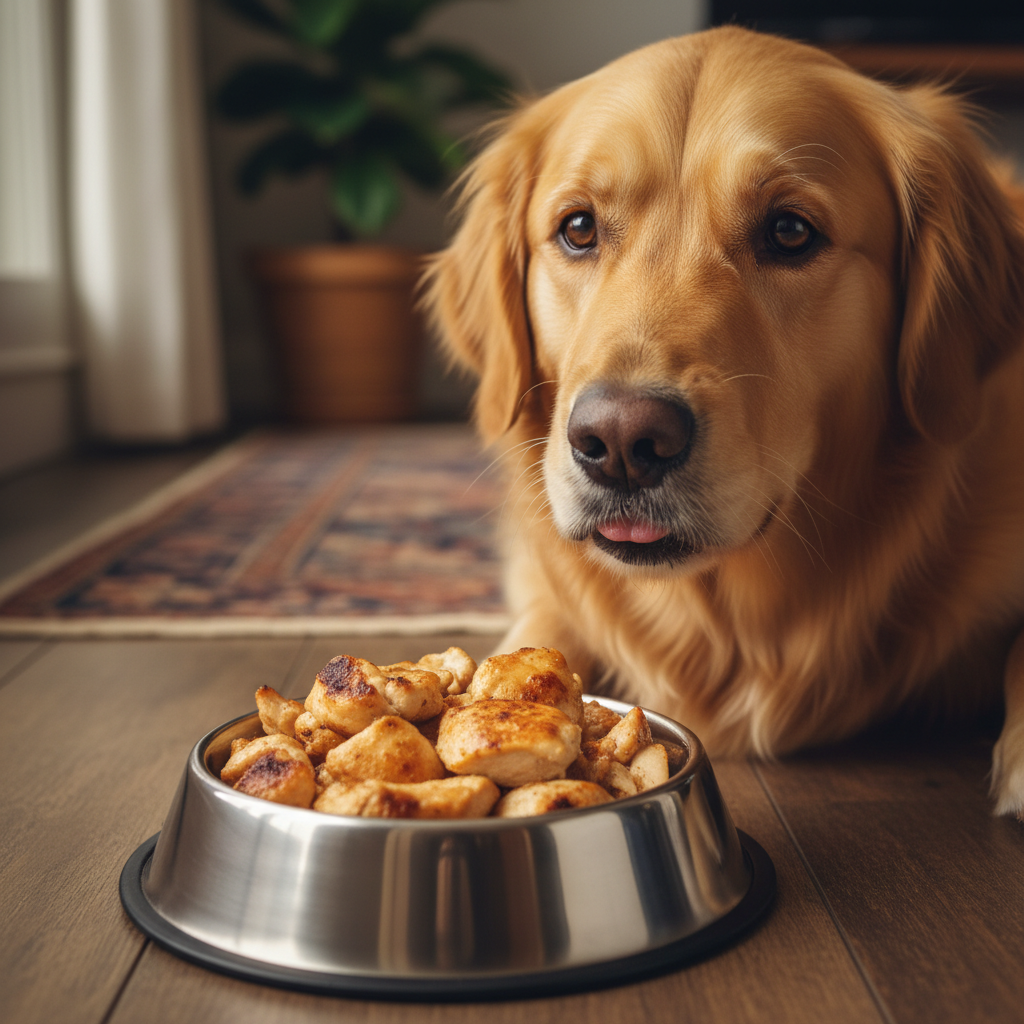
- Cooked Chicken: Plain, boiled, or baked chicken breast (no skin or bones).
- Turkey: Plain, cooked turkey (no skin, bones, or seasonings).
- Lean Beef: Small, cooked, unseasoned pieces of lean beef.
- Eggs: Cooked plain eggs (scrambled or hard-boiled) are a great source of protein.
- Fish: Cooked, boneless, plain fish like salmon or cod (in moderation due to fat content).
Grains and Dairy – Occasional Indulgences
- Plain Rice: Cooked white or brown rice can help with an upset stomach.
- Plain Pasta: Cooked, unseasoned pasta in small amounts.
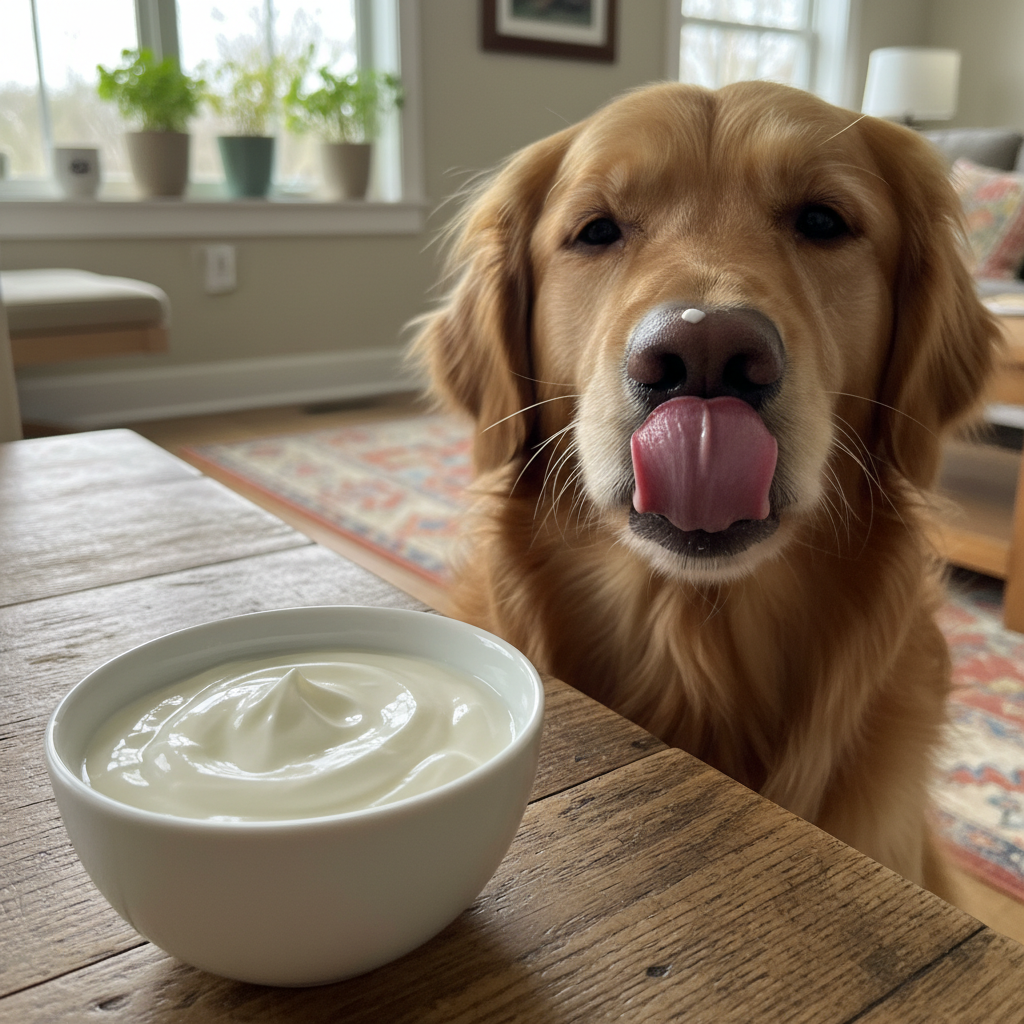
- Plain Yogurt: Small amounts of plain, unsweetened yogurt (ensure no xylitol). Probiotics can be beneficial.
- Cottage Cheese: Small amounts of low-fat cottage cheese can be a good source of protein and calcium for some dogs.
Dangerous Human Foods Your Dog Must Avoid – A Critical Warning
This list contains foods that are toxic or harmful to dogs. Even small amounts can cause severe health problems. Memorize these and keep them far away from your canine companion.
Highly Toxic Foods – Never Offer These
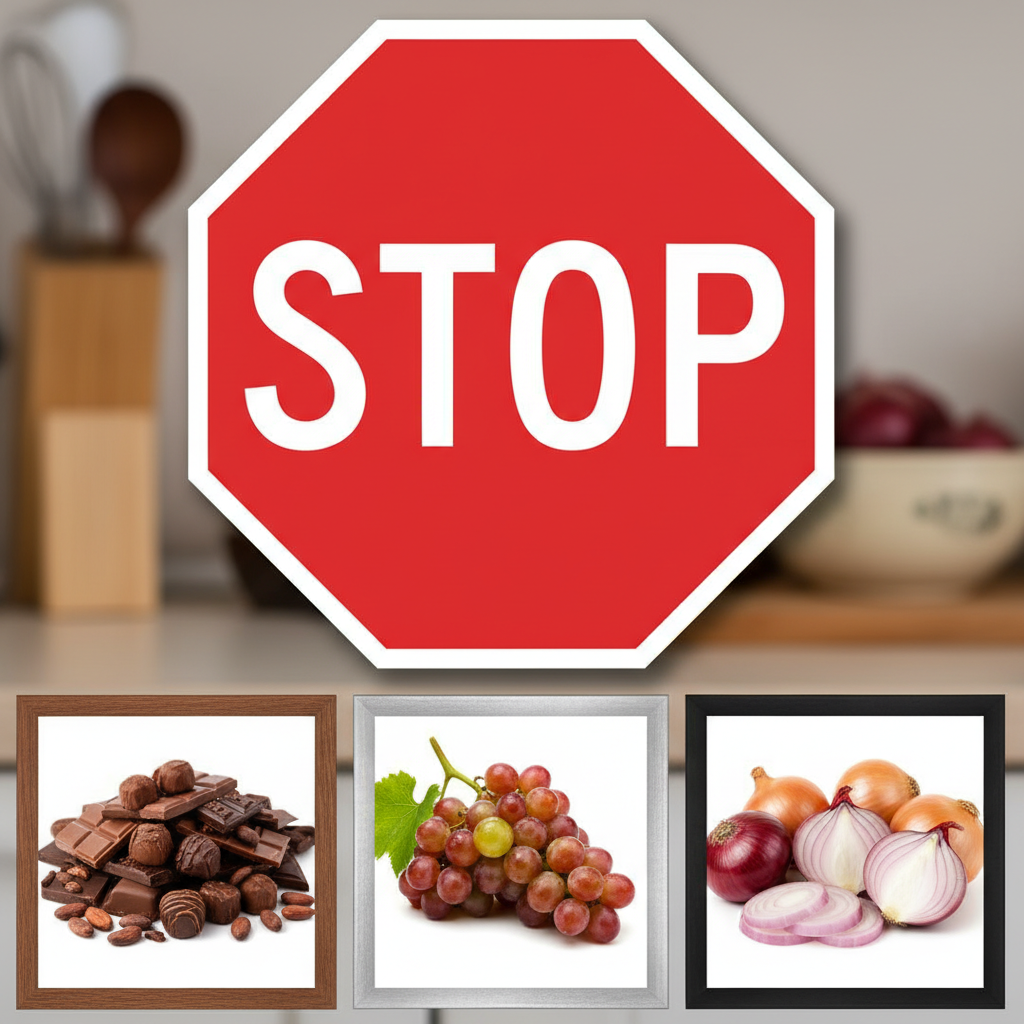
- Chocolate: Contains theobromine, which is toxic to dogs. Dark chocolate is the most dangerous.
- Xylitol (Birch Sugar): A sugar substitute found in many sugar-free products (gum, candy, peanut butter). Highly toxic, causing rapid insulin release and liver failure.
- Onions and Garlic: All forms (raw, cooked, powdered) can damage red blood cells, leading to anemia.
- Grapes and Raisins: Can cause acute kidney failure in dogs, even in small amounts. The exact toxic substance is unknown.
- Avocado: Contains persin, which can cause vomiting and diarrhea in some dogs. The pit is also a choking hazard.
- Macadamia Nuts: Can cause weakness, tremors, vomiting, and hyperthermia.
- Alcohol: Highly toxic, even small amounts can cause alcohol poisoning.
- Coffee and Caffeine: Contains methylxanthines, similar to chocolate, which can be fatal.
- Yeast Dough: Can expand in the stomach, causing bloating and potentially twisting, and produces alcohol.
Foods to Avoid or Offer with Extreme Caution
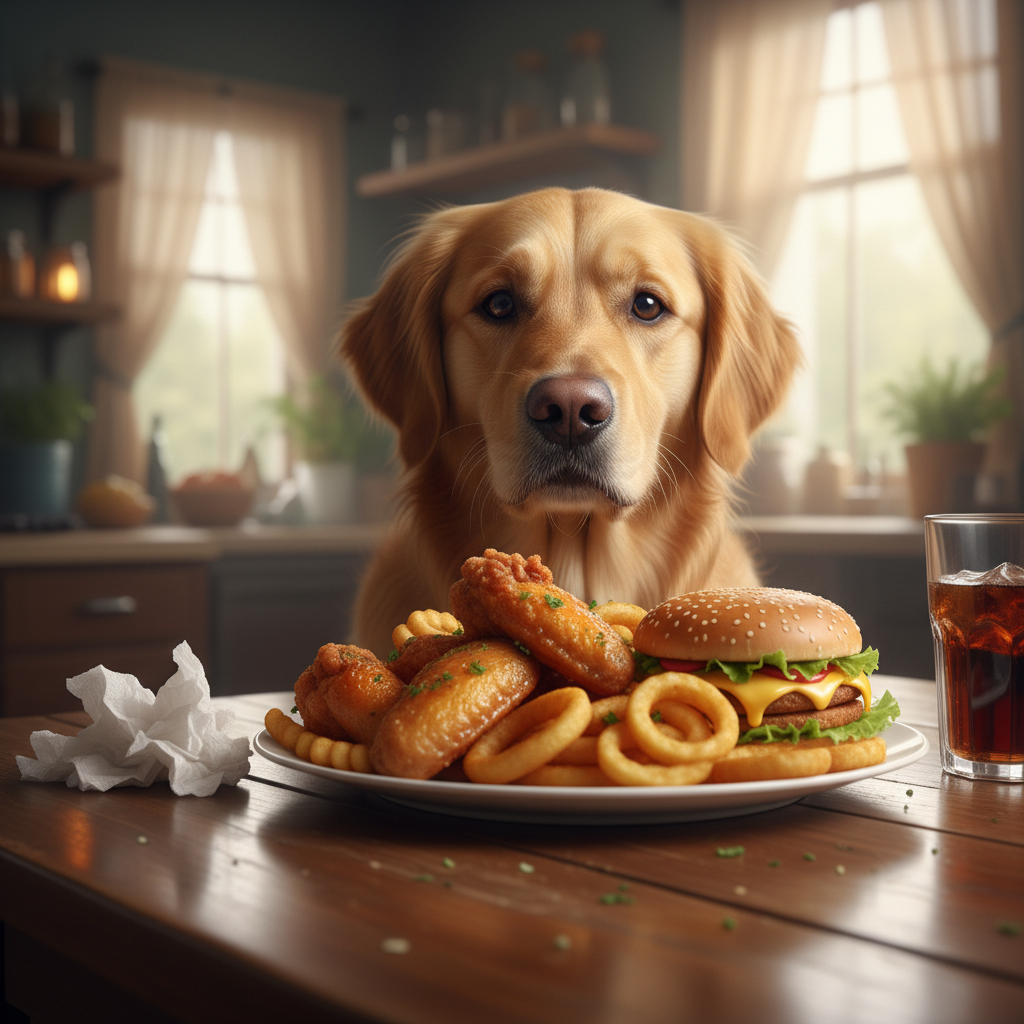
- Fatty Foods: Bacon, greasy meats, fried foods can lead to pancreatitis.
- Salty Foods: Too much salt can cause sodium ion poisoning, leading to vomiting, diarrhea, tremors, and seizures.
- Sugary Foods: Can lead to obesity, dental problems, and diabetes.
- Bones (Cooked): Cooked bones splinter easily, posing a choking hazard and internal damage. Raw bones carry bacterial risks.
- Dairy Products (Large Amounts): Many dogs are lactose intolerant and can experience digestive upset.
- Citrus Fruits: The stems, leaves, peels, fruit, and seeds of citrus plants contain varying amounts of citric acid and essential oils that can cause irritation.
How to Safely Introduce Human Foods to Your Dog – Best Practices
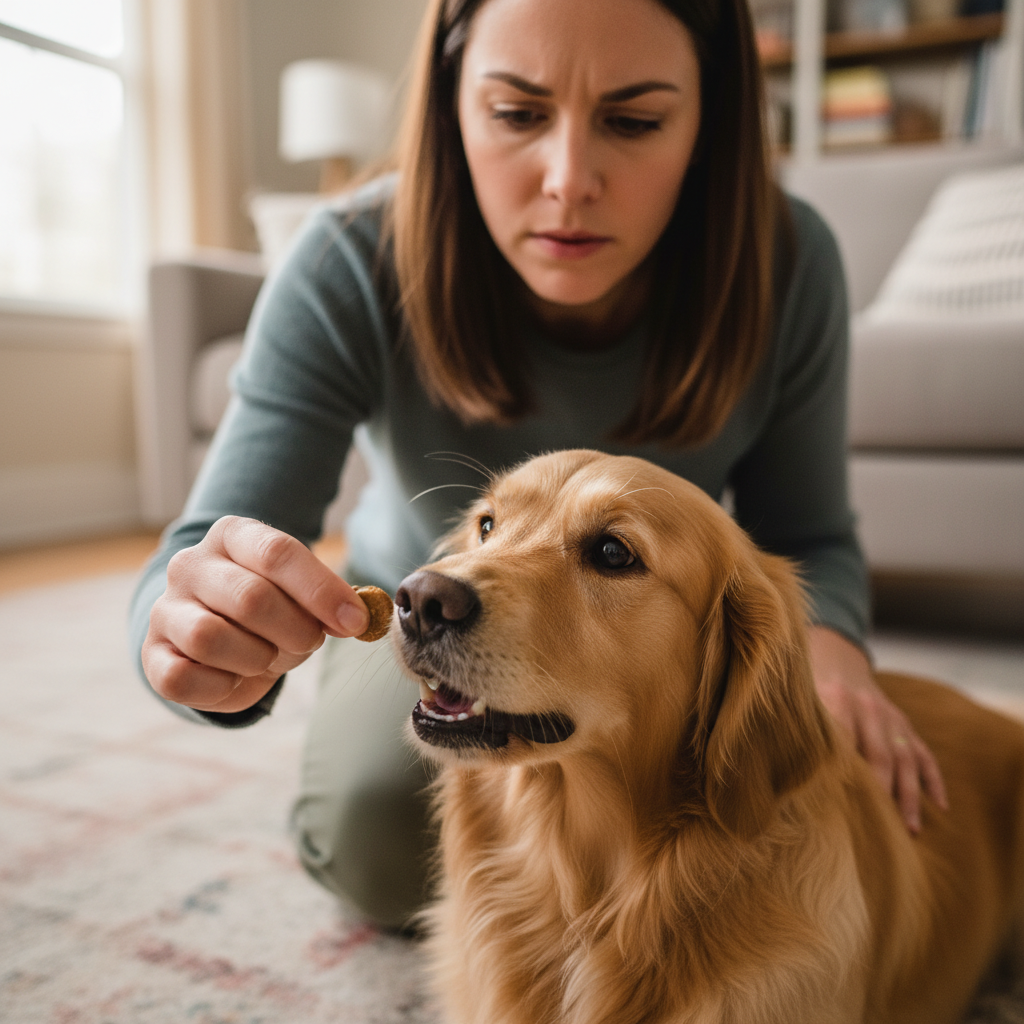
If you decide to share a safe human food with your dog, follow these guidelines to ensure their safety and well-being:
- Start Small and Plain: Offer a very small amount of a new food, plain and unseasoned.
- Prepare it Right: Cooked, unseasoned, and cut into bite-sized pieces to prevent choking. Remove all seeds, pits, and rinds.
- Watch for Reactions: Monitor your dog for any signs of digestive upset (vomiting, diarrhea, gas) or allergic reactions. If any occur, stop feeding that food immediately.
- Consult Your Vet: Always check with your veterinarian before introducing any new human food, especially if your dog has underlying health conditions or dietary restrictions.
- Keep it Occasional: Remember, human treats should be a rare indulgence, not a regular part of their diet.
- Separate Feeding Areas: Avoid feeding your dog from the table or your plate to prevent begging and reinforce good manners.
Conclusion – Happy and Healthy Together
Sharing food can be a wonderful bonding experience with your dog, but it’s one that comes with great responsibility. By understanding which human foods are safe and which are dangerous, you empower yourself to make the best choices for your furry family member. Always remember that moderation, proper preparation, and a keen eye for potential reactions are your best tools.
Your dog relies on you for their health and well-being. By prioritizing their specialized diet and offering safe human treats wisely, you’re not just feeding them; you’re nurturing a long, happy, and healthy life together. When in doubt, a quick chat with your vet can provide peace of mind and ensure your best friend stays vibrant and thriving.