As devoted dog parents, we love watching our furry friends pounce, chew, and cuddle their favorite toys. But let’s be honest, those beloved playthings can quickly become magnets for dirt, slobber, and invisible germs. A dirty toy isn’t just unsightly; it can harbor bacteria and even pose a health risk to your cherished companion. Ensuring your pet’s toys are clean and sanitized is a crucial part of responsible dog care, promoting a healthy environment for them to thrive.
This comprehensive guide will walk you through five safe and effective cleaning methods, tailored for different types of pet play items. We’ll help you keep your dog’s toys sparkling clean and germ-free, giving you peace of mind and your pup a healthier playtime.
Why Cleaning Pet Toys Matters for Health
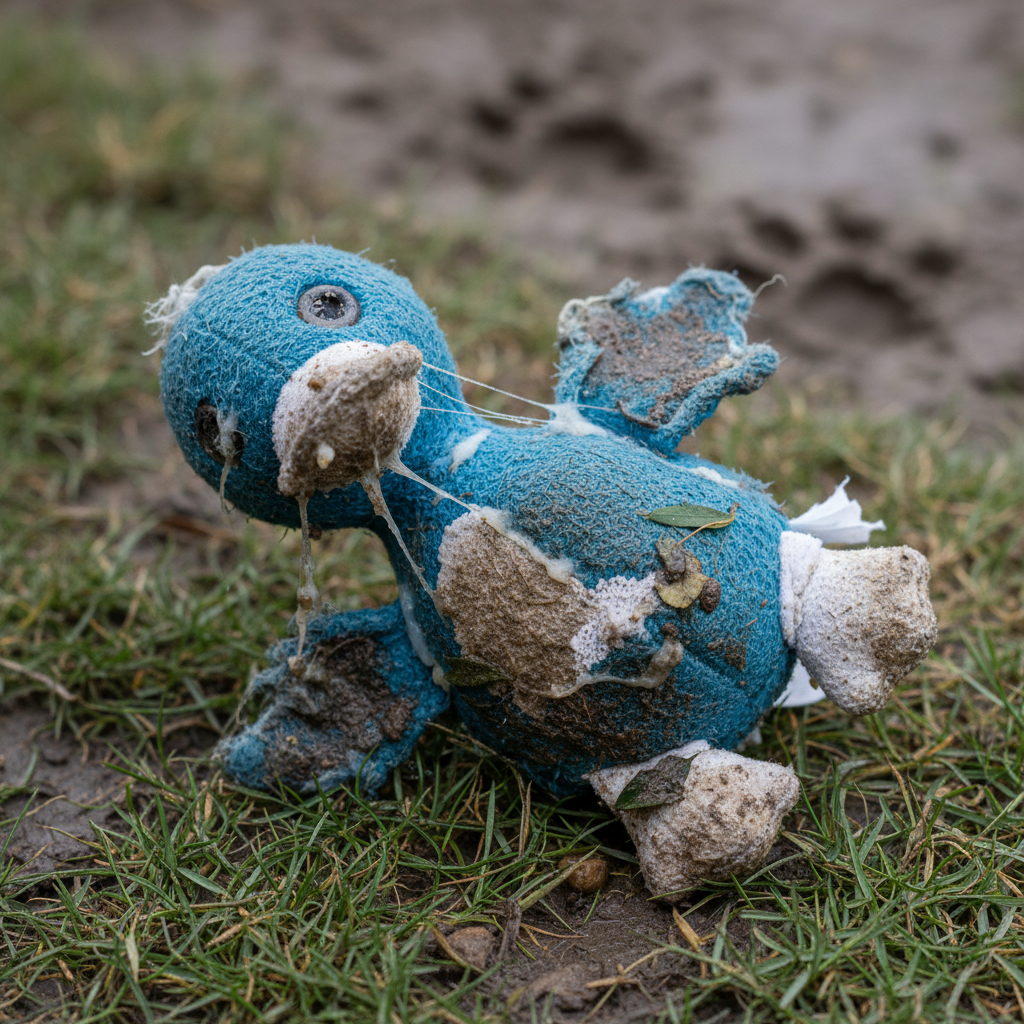
Think about it- your dog’s toys are constantly in their mouth, on the floor, and sometimes even outside. This constant contact means they pick up a lot more than just fun memories. Bacteria like E. coli and Salmonella, yeast, mold, and even parasites can lurk on uncleaned toys. Regular sanitization helps prevent the spread of these unwelcome guests, safeguarding your dog’s digestive health, skin, and overall well-being. It also contributes to a cleaner, fresher home environment for everyone.
General Principles for Cleaning Pet Play Items
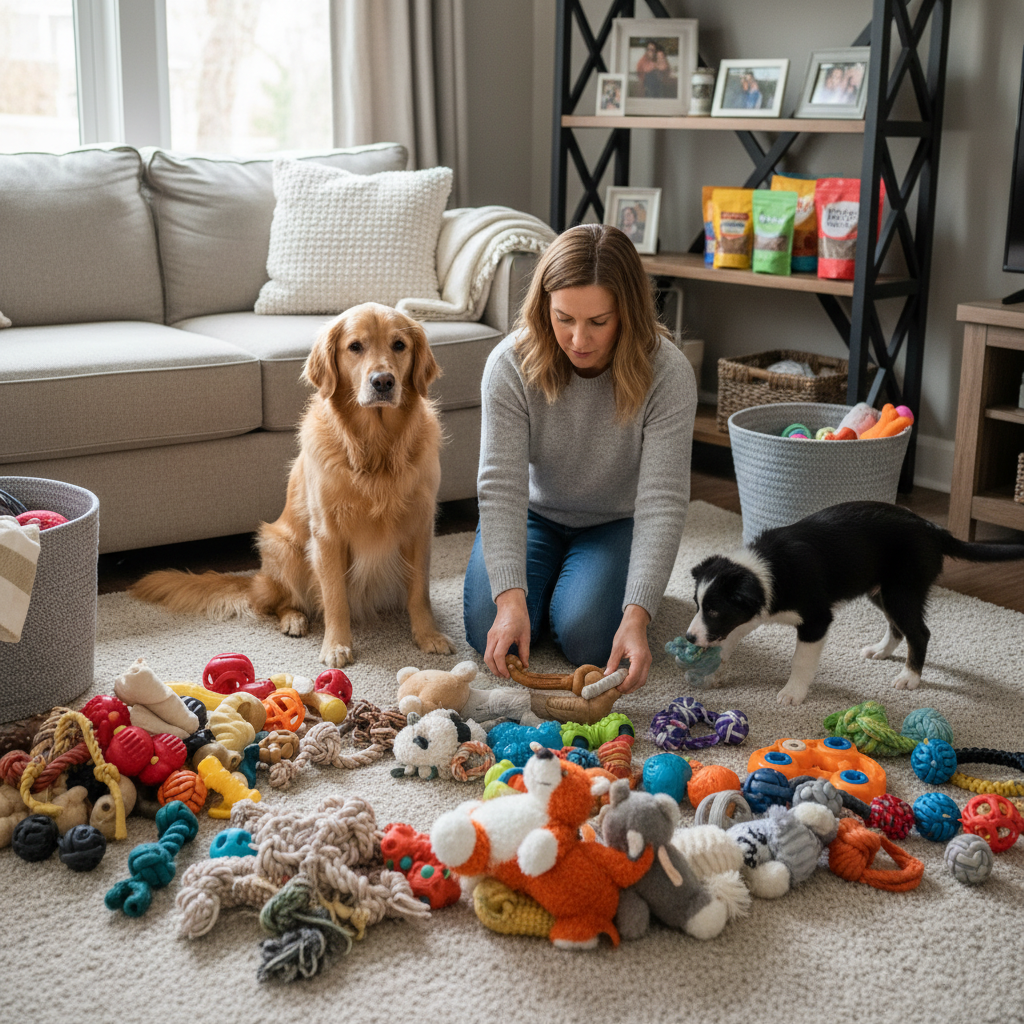
Before diving into specific methods, here are some universal tips to keep in mind:
- Sort Your Toys– Separate soft fabric toys from hard plastic, rubber, or silicone items. This helps you choose the most appropriate cleaning method.
- Check for Damage– Inspect toys for rips, tears, or broken pieces. Damaged toys can be choking hazards and are harder to clean effectively. It might be time for a replacement.
- Remove Loose Debris– Brush off any loose dirt, hair, or dried slobber before washing.
- Always Rinse Thoroughly– No matter the cleaning agent, ensure all soap or cleaning solution is completely rinsed away to prevent your dog from ingesting residues.
- Dry Completely– Moisture is a breeding ground for mold and mildew. Ensure toys are bone dry before returning them to your pet.
Method 1 – Dishwasher Power for Hard Toys
For hard plastic, rubber, or silicone toys that can withstand high temperatures, the dishwasher is your best friend. It offers a convenient and highly effective way to sanitize.
Step-by-Step Dishwasher Cleaning
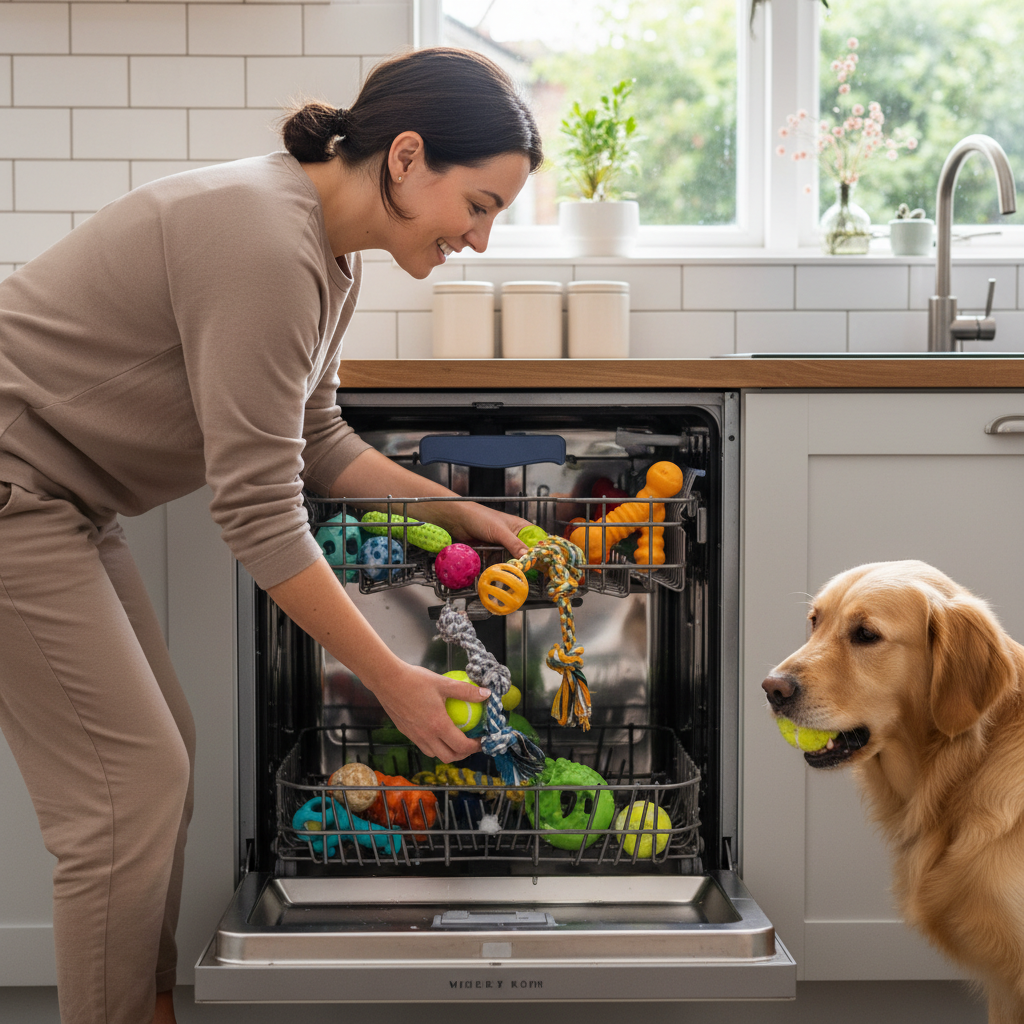
- Prepare Toys– Remove any fabric parts, batteries, or squeakers if possible. Rinse off excess dirt.
- Load Carefully– Place toys on the top rack to prevent melting or damage, especially smaller items that might fall through. You can use a mesh bag for very small toys.
- Add Cleaner– Use a pet-safe, non-toxic dish soap or simply run the cycle with no detergent. The hot water and steam alone provide significant sanitization.
- Run Hot Cycle– Select a hot water cycle without heated dry, as excessive heat can warp some plastics.
- Air Dry– Once the cycle is complete, let the toys air dry completely on a clean towel or drying rack.
Method 2 – Washing Machine Magic for Soft Toys
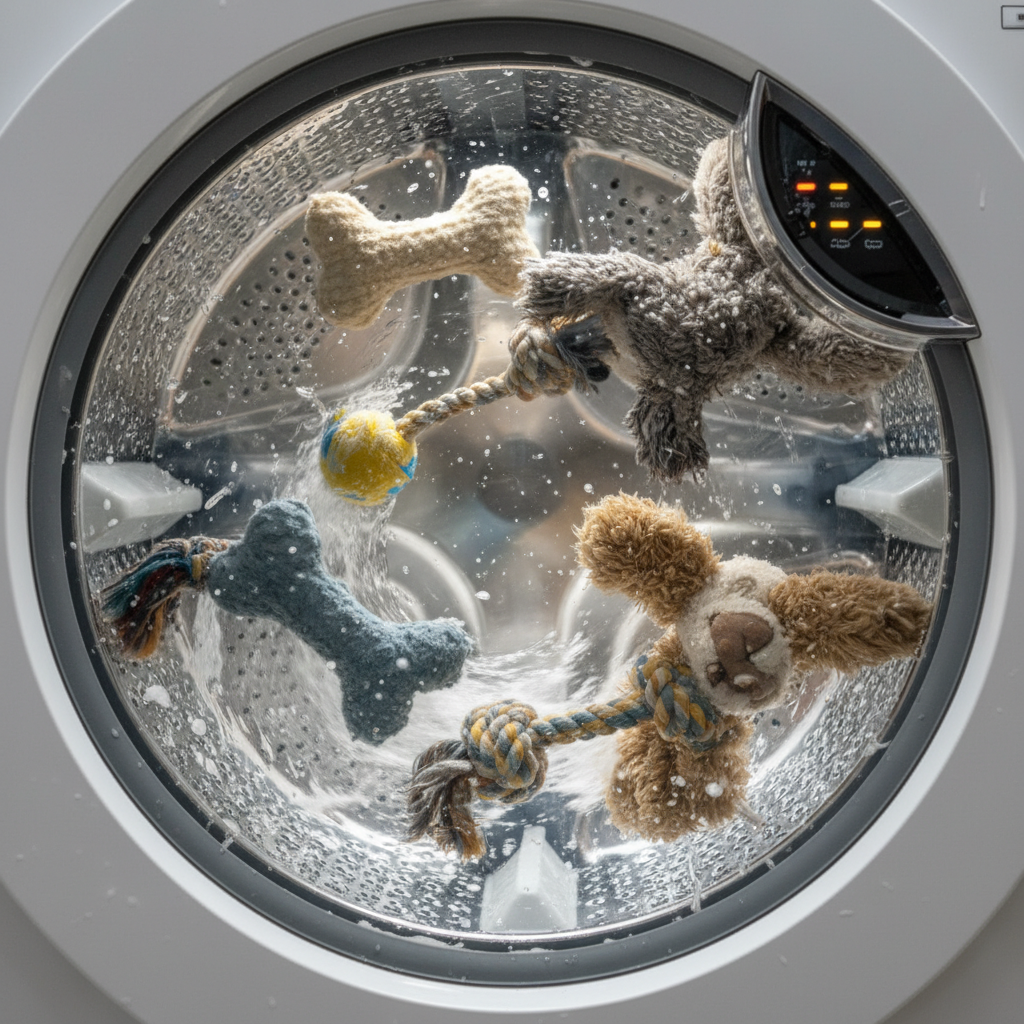
Plush toys, fabric ropes, and other soft items are best cleaned in the washing machine. This method is effective for removing dirt, odors, and surface germs.
Step-by-Step Washing Machine Cleaning
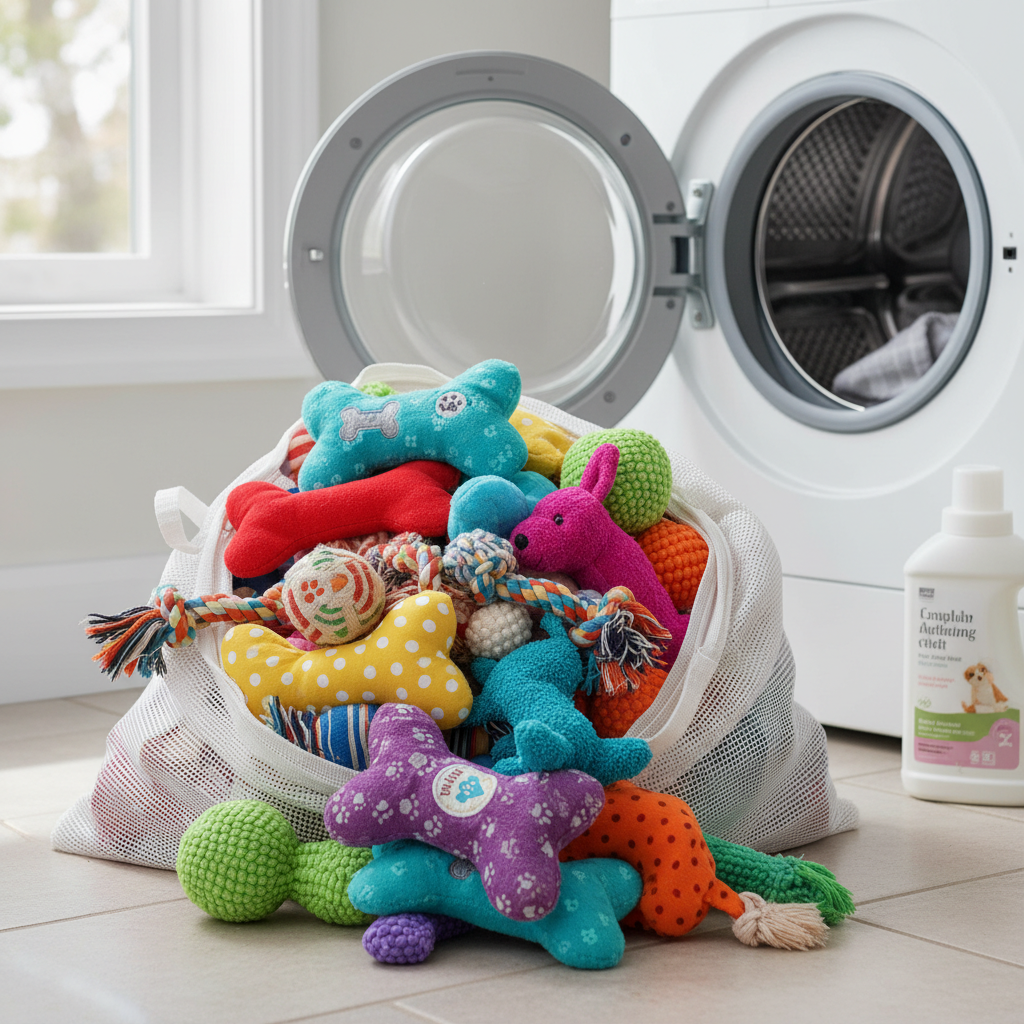
- Pre-Treat Stains– For stubborn spots, use a pet-safe stain remover or a paste of baking soda and water.
- Place in Mesh Bag– To protect delicate toys and prevent small parts from getting lost, place them in a mesh laundry bag or a pillowcase.
- Use Pet-Safe Detergent– Opt for a mild, unscented, pet-safe laundry detergent. Avoid harsh chemicals or strong fragrances that could irritate your dog’s skin or respiratory system.
- Cold or Warm Cycle– Wash on a gentle cycle with cold or warm water. Hot water can sometimes damage delicate fabrics or cause colors to bleed.
- Thorough Drying– Tumble dry on a low heat setting or, even better, air dry them completely to prevent shrinkage and maintain shape.
Method 3 – Hand Washing with Pet-Safe Soap
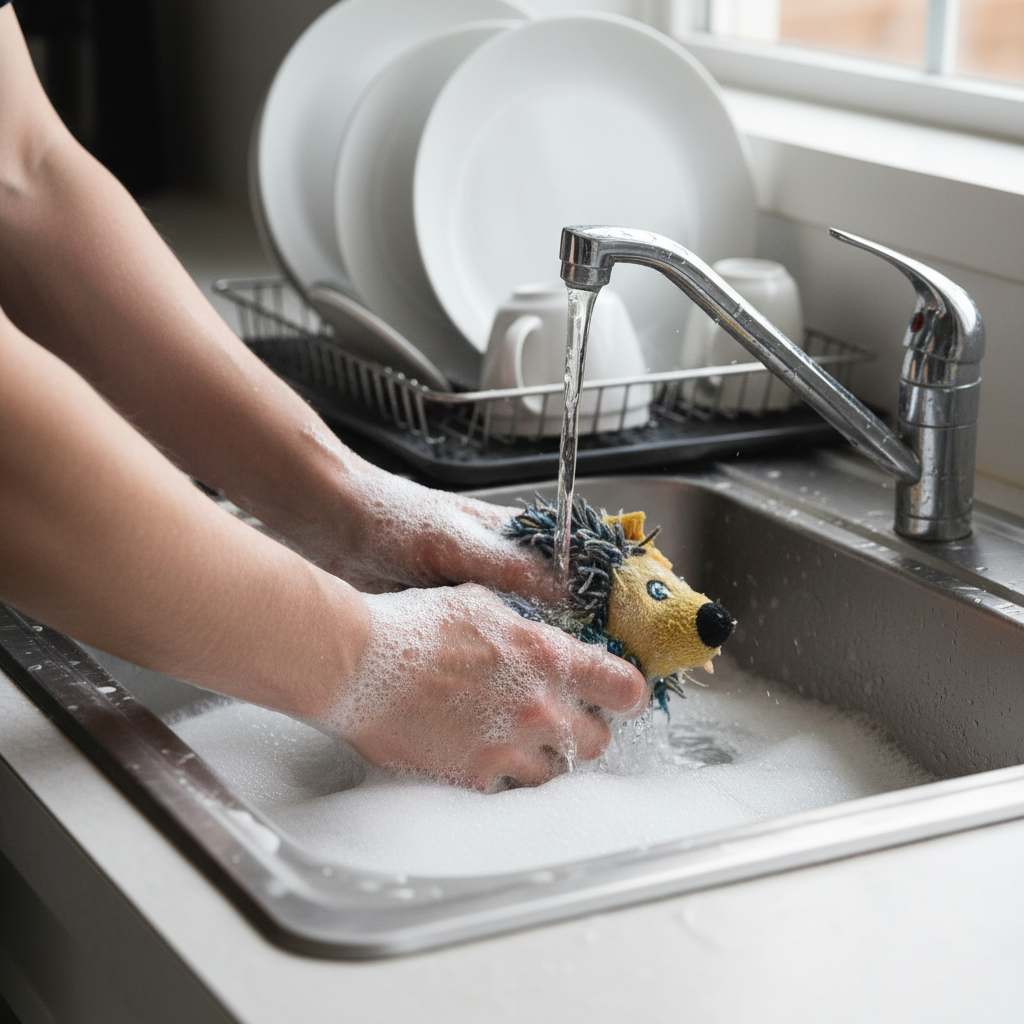
Some toys, like those with intricate designs, electronic components, or very delicate materials, are best cleaned by hand. This method allows for gentle yet effective cleaning.
Step-by-Step Hand Washing
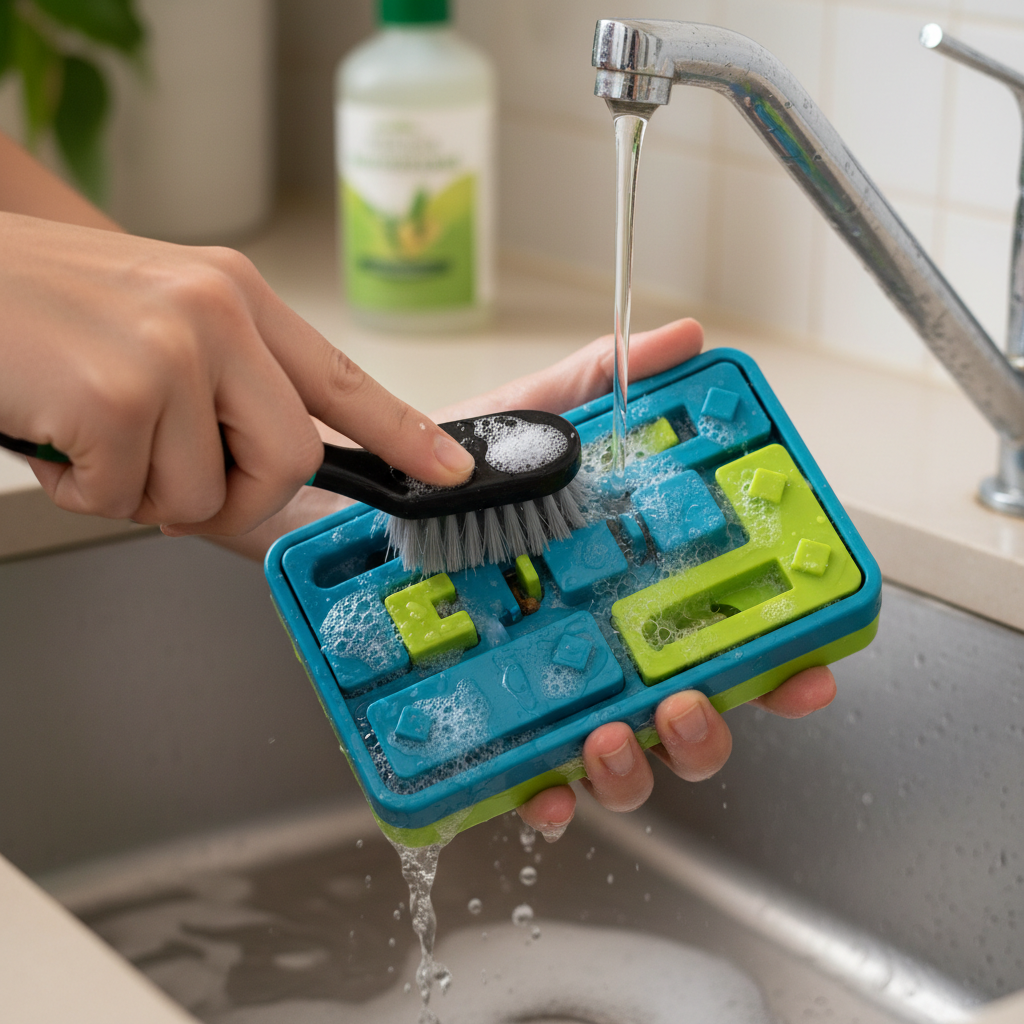
- Fill Basin with Water– Use warm water in a clean sink or basin.
- Add Pet-Safe Soap– Mix in a small amount of mild, pet-safe dish soap or shampoo.
- Scrub Gently– Submerge the toy and use a brush or cloth to gently scrub all surfaces. Pay extra attention to crevices and heavily soiled areas.
- Rinse Thoroughly– Rinse the toy under running water until all suds and soap residue are gone. This is critical!
- Air Dry Completely– Squeeze out excess water and let the toy air dry in a well-ventilated area.
Method 4 – Vinegar-Based Natural Disinfection
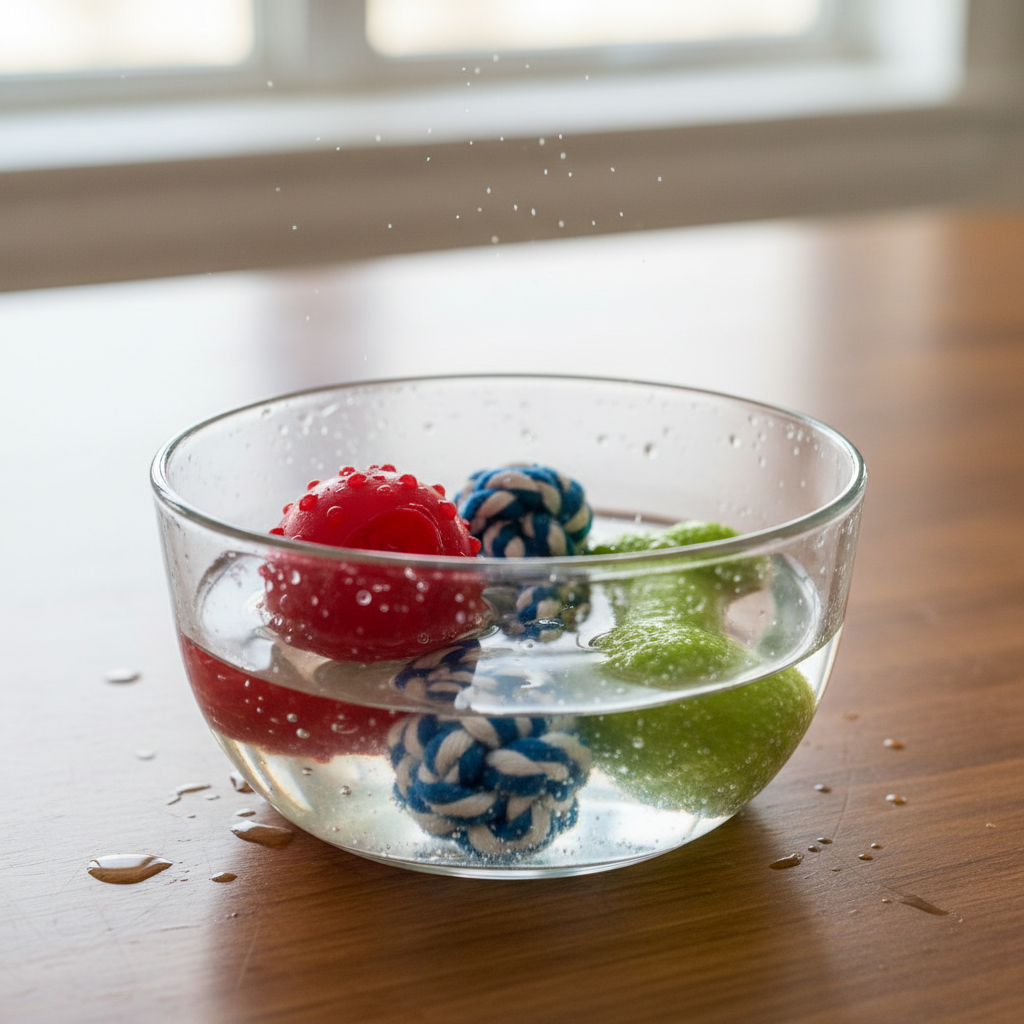
White vinegar is a fantastic natural disinfectant and deodorizer, making it an excellent choice for sanitizing pet toys without harsh chemicals. It’s particularly good for hard toys.
Step-by-Step Vinegar Disinfection
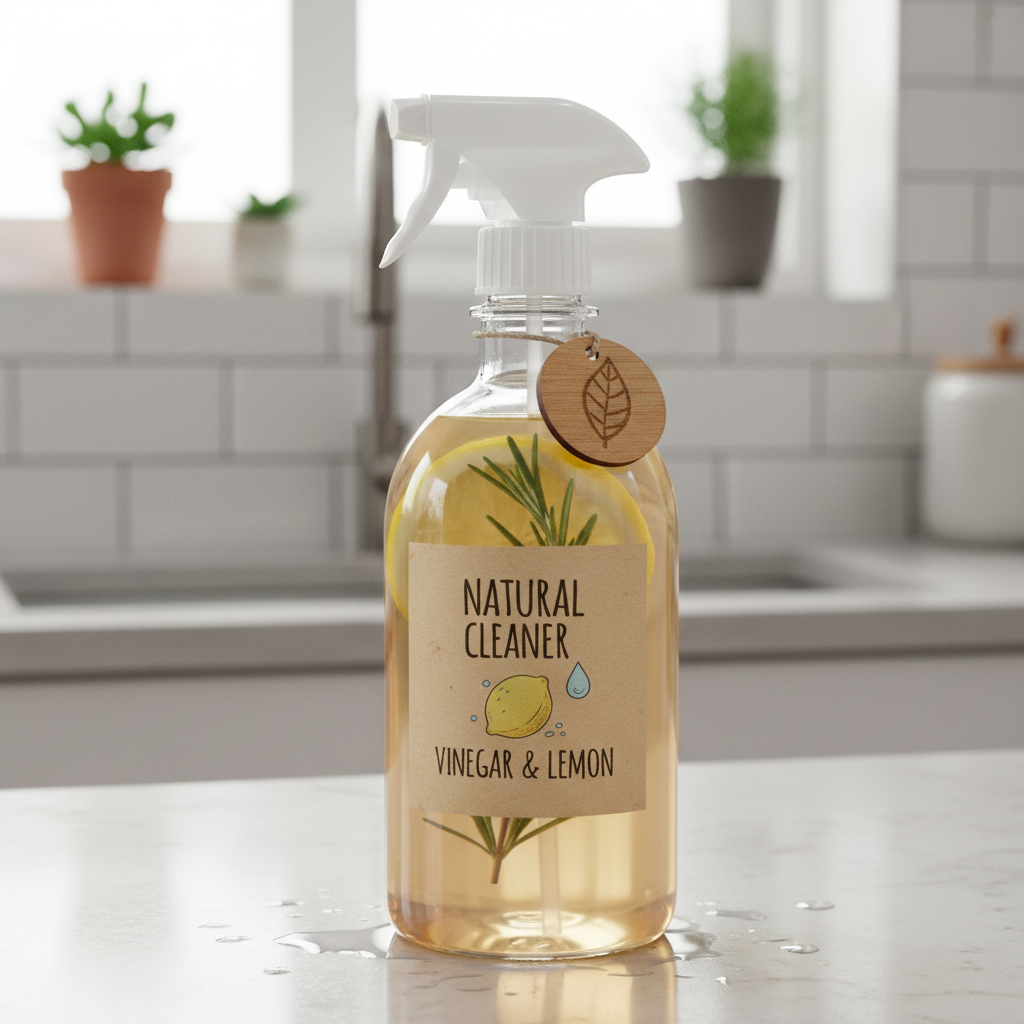
- Prepare Solution– Mix equal parts white vinegar and water in a spray bottle or basin.
- Spray or Soak– For hard toys, spray the solution generously and let it sit for 5-10 minutes. For a deeper clean, soak toys in the solution for 15-30 minutes.
- Scrub (Optional)– Use a brush to scrub off any remaining grime.
- Rinse Extensively– Rinse the toys thoroughly under running water to remove all vinegar smell and residue.
- Dry Fully– Allow the toys to air dry completely. The vinegar smell dissipates as it dries.
Method 5 – Steam Cleaning for a Deep Sanitization
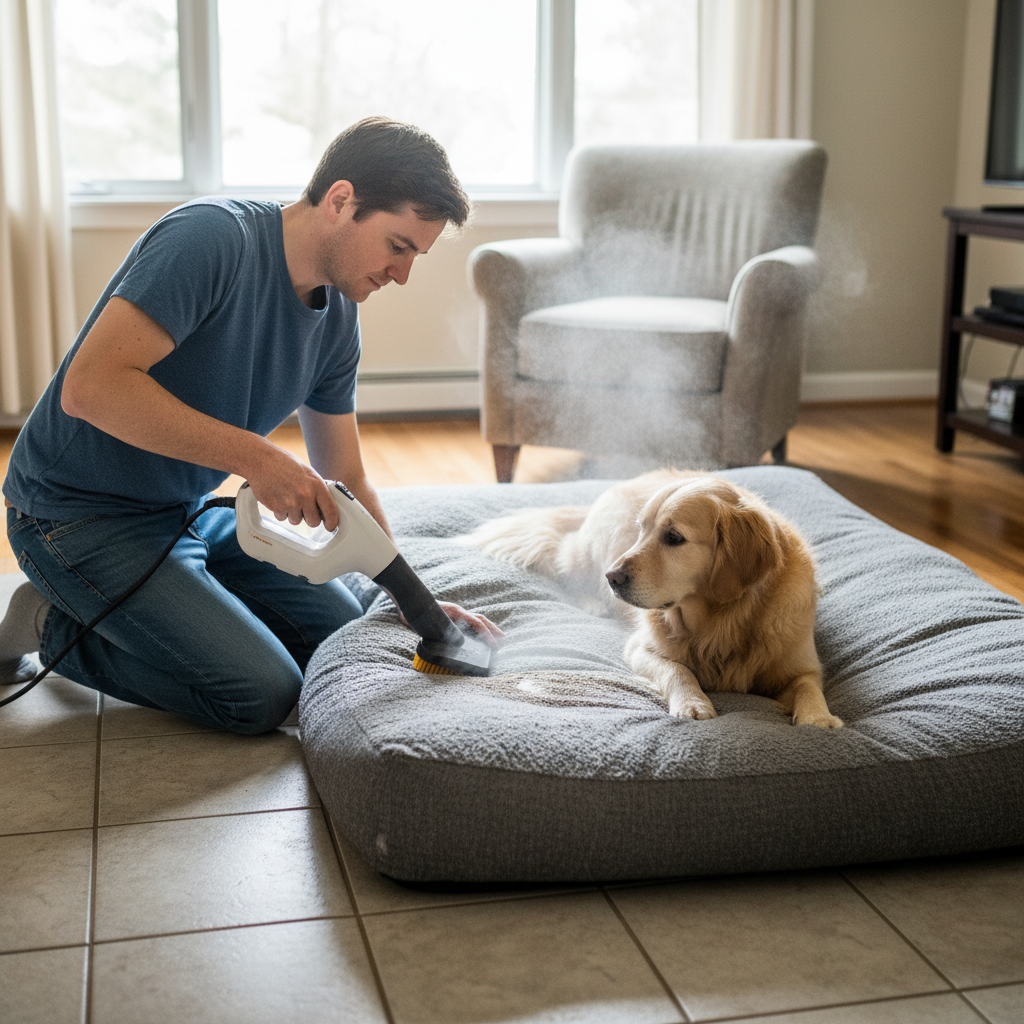
Steam cleaning uses high-temperature steam to kill bacteria and germs without chemicals, making it an incredibly safe and effective method for many types of pet items, including some toys and larger bedding.
Step-by-Step Steam Cleaning
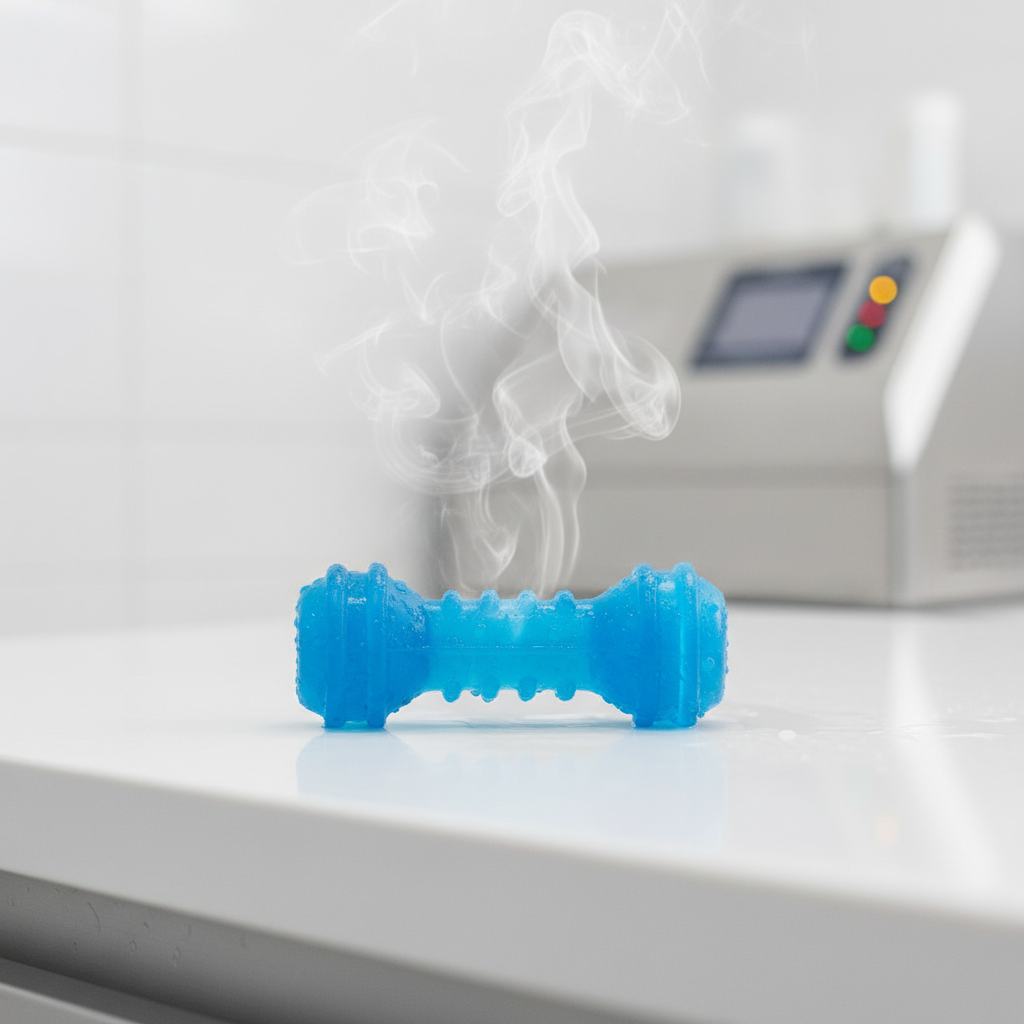
- Check Toy Compatibility– Ensure the toy material can withstand high heat. This method is best for hard plastics, rubber, and some durable fabrics.
- Pre-Clean– Remove any loose dirt or debris from the toy first.
- Apply Steam– Using a handheld steam cleaner, direct the steam nozzle over all surfaces of the toy. Move slowly to ensure thorough penetration.
- Wipe Down– After steaming, wipe the toy with a clean cloth to remove any loosened dirt or moisture.
- Air Dry– Allow the toy to air dry completely before returning it to your dog.
Important Drying Tips to Prevent Mildew
No matter which cleaning method you choose, proper drying is paramount. Incomplete drying can lead to mildew, a fungal growth that not only smells bad but can also be harmful to your pet’s respiratory system and skin.
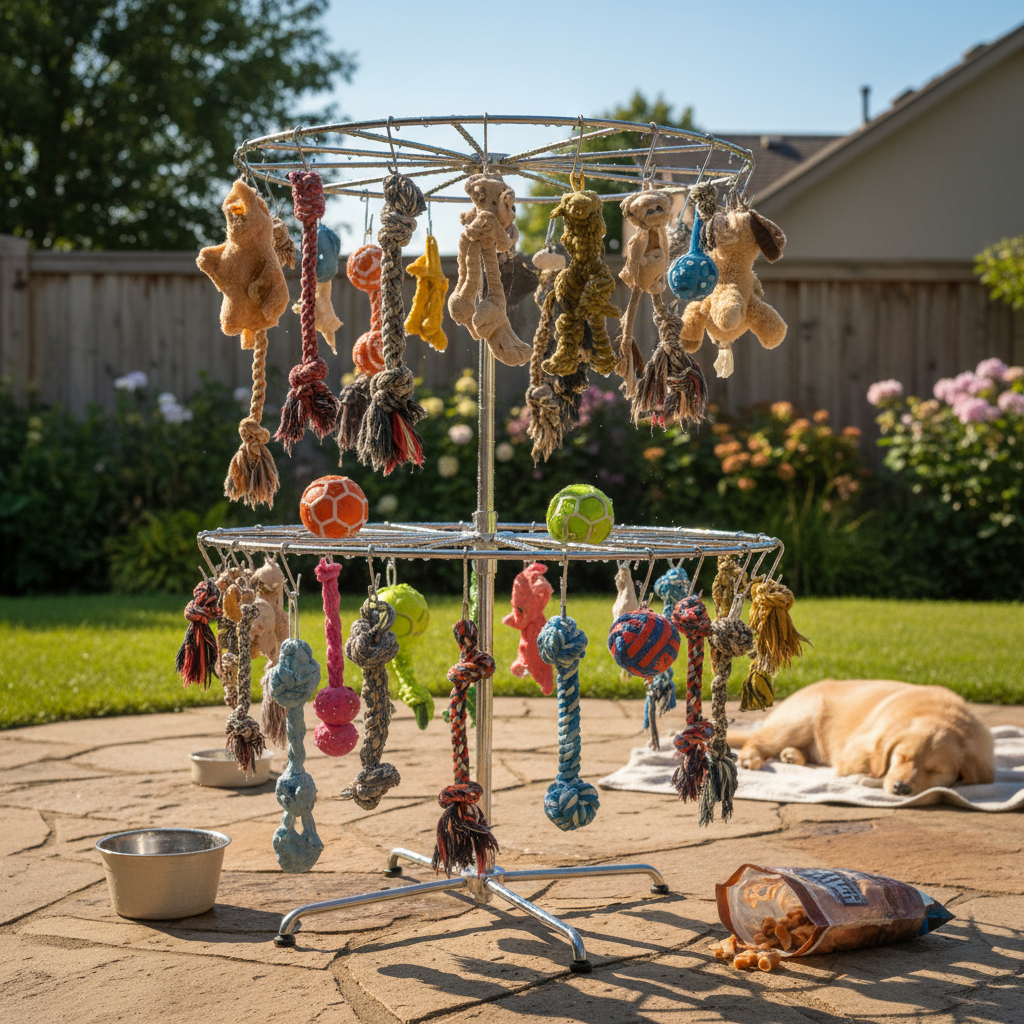
- Air Circulation is Key– Place toys in a well-ventilated area, ideally with good airflow.
- Sunlight Helps– Direct sunlight can aid in drying and offers natural sanitization.
- Squeeze and Press– For soft toys, gently squeeze or press out as much excess water as possible.
- Avoid Damp Storage– Never store toys in a damp cupboard or container. Ensure they are completely dry before putting them away.
Conclusion
Keeping your dog’s play items clean and sanitized is a simple yet powerful way to show your love and commitment to their health. By regularly incorporating these five safe cleaning methods into your routine, you’ll protect your furry friend from harmful germs, extend the life of their beloved toys, and maintain a healthier home environment for everyone. Make toy hygiene a habit, and enjoy countless more happy, healthy playtimes with your best friend!