Thinking about welcoming a Shih Tzu into your family? You’re considering a truly special companion! These adorable little dogs, often called ‘lion dogs’ due to their luxurious manes, have captivated hearts for centuries. Originating from Tibetan monasteries and later cherished by Chinese royalty, Shih Tzus are more than just pretty faces; they bring immense joy, laughter, and a touch of regal charm into any home. But like any breed, they come with their own unique set of needs and quirks.
Before you commit to a lifetime of cuddles and companionship, it’s wise to be fully prepared. Understanding their temperament, grooming requirements, health considerations, and general lifestyle needs will help ensure a happy, healthy life for both you and your new furry friend. Let’s dive into 22 essential things you should know before bringing home a Shih Tzu.
Understanding the Shih Tzu Personality

1. They are Bred Companions Through and Through
Shih Tzus were bred specifically to be lap warmers and companions. They thrive on human interaction and genuinely want to be where you are, whether it’s snuggled on the sofa or following you from room to room. If you’re looking for an independent dog that prefers to be left alone, a Shih Tzu might not be the best fit. They cherish their people above all else.
2. Affectionate and Loving by Nature
Get ready for a lot of love! Shih Tzus are renowned for their sweet, outgoing, and affectionate personalities. They love to cuddle, be held, and will often greet you with enthusiastic tail wags and happy little dances. Their gentle disposition makes them wonderful family pets for those who enjoy having a constant shadow and source of comfort.
3. Surprisingly Stubborn at Times
Don’t let their cute faces fool you; Shih Tzus have a mind of their own! They can be quite stubborn, especially when it comes to training. Patience and consistency are key. Positive reinforcement, with lots of treats and praise, works far better than harsh methods. You’ll need to make training feel like a fun game to get the best results from these clever little dogs.
4. Generally Good with Children and Other Pets
With proper socialization, Shih Tzus typically get along well with respectful children and other household pets. They are not usually aggressive, but young children need to be taught how to interact gently with a small dog to prevent accidental injury. Supervision is always recommended, especially during initial introductions.
Grooming is a Major Commitment

5. High-Maintenance Coat Care is Non-Negotiable
The Shih Tzu’s signature long, flowing double coat is beautiful but requires significant effort. Daily brushing is essential to prevent mats and tangles, which can quickly become painful and lead to skin issues. If you’re not prepared for a daily grooming routine, consider a shorter ‘puppy cut’ to make maintenance more manageable, but even that requires regular care.
6. Professional Grooming is Often Necessary
Many Shih Tzu owners opt for professional grooming every 4-8 weeks. This helps keep their coat in top condition, manages the length, and ensures proper hygiene. Factor in the cost of these regular appointments when considering your budget. Groomers can also advise on specific coat care routines tailored to your dog.
7. Eye Care is Crucial
Shih Tzus are prone to tear stains and eye irritation due to their prominent eyes and long facial hair. You’ll need to gently wipe their eyes daily with a damp cloth or a veterinarian-approved eye cleaner to prevent staining and remove any debris. Keeping the hair around their eyes trimmed short is also vital to prevent it from irritating their corneas.
8. Ear Cleaning Prevents Infections
Their floppy ears, combined with the dense hair inside the ear canal, can trap moisture and debris, making them susceptible to ear infections. Regular ear cleaning (as advised by your vet) and plucking excess hair from the ear canal (often done by a groomer) are important preventive measures to keep their ears healthy and free from discomfort.
9. Dental Health Matters Greatly
Small breeds like Shih Tzus are particularly prone to dental disease. Their small mouths can lead to overcrowding of teeth, which traps food particles and promotes plaque buildup. Daily tooth brushing, dental chews, and regular professional dental cleanings are absolutely necessary to prevent painful issues like gum disease and tooth loss.
Health Considerations for Shih Tzus
10. They Are a Brachycephalic Breed
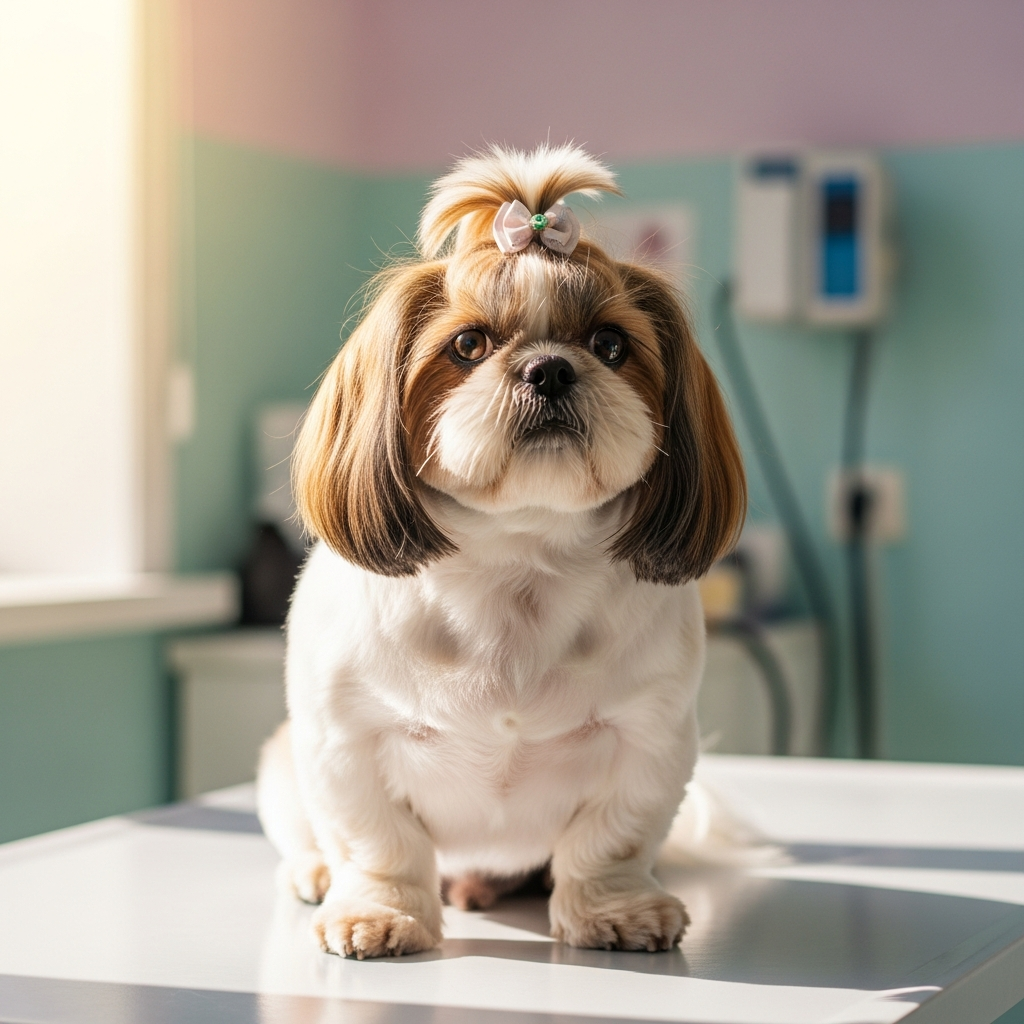
Shih Tzus have a ‘brachycephalic’ or ‘short-nosed’ facial structure. This means their airways are shorter and sometimes obstructed, making them prone to breathing difficulties, especially in hot or humid weather. They are also more susceptible to heatstroke. You must always ensure they stay cool and avoid strenuous exercise during warm periods. Never leave them unattended in a car.
11. Be Aware of Common Health Conditions
Like all purebreds, Shih Tzus can be predisposed to certain genetic health issues. While responsible breeders screen for these conditions, it’s good to be aware of them. Early detection and treatment can make a big difference in their quality of life.
- Patellar Luxation: A common condition where the kneecap slips out of place.
- Hip Dysplasia: While more common in larger breeds, it can affect Shih Tzus.
- Renal Dysplasia: A kidney disorder that can range in severity.
- Portosystemic Shunt (PSS): A congenital liver condition where blood bypasses the liver.
- Eye Problems: Beyond tear stains, conditions like cataracts, progressive retinal atrophy, and entropion can occur.
12. Lifespan Expectations
A healthy Shih Tzu typically lives for 10 to 16 years. Providing excellent nutrition, regular veterinary care, a safe environment, and plenty of love will contribute significantly to their longevity. Be prepared for a long-term commitment that spans well over a decade.
13. Regular Vet Check-ups are Essential
Beyond routine vaccinations and deworming, annual vet visits are crucial for preventive care. Your veterinarian can catch potential health issues early, advise on diet, dental care, and monitor your Shih Tzu’s overall well-being. Don’t skip these important appointments, even if your dog seems perfectly healthy.
Training and Socialization
14. Potty Training Can Be Challenging
Many Shih Tzu owners will tell you that potty training can be one of the trickiest parts of owning this breed. Their small bladders and independent streak mean you’ll need an abundance of patience, consistency, and a strict schedule. Crate training, positive reinforcement, and frequent outdoor trips are key to success. Don’t get discouraged; persistence pays off!
15. Early Socialization is Key
To ensure your Shih Tzu grows into a well-adjusted adult, expose them to a variety of sights, sounds, people, and other friendly dogs from a young age. Puppy classes are an excellent way to safely socialize your pup. A well-socialized Shih Tzu will be more confident and less prone to anxiety or fear-based behaviors.
16. Positive Reinforcement Works Best
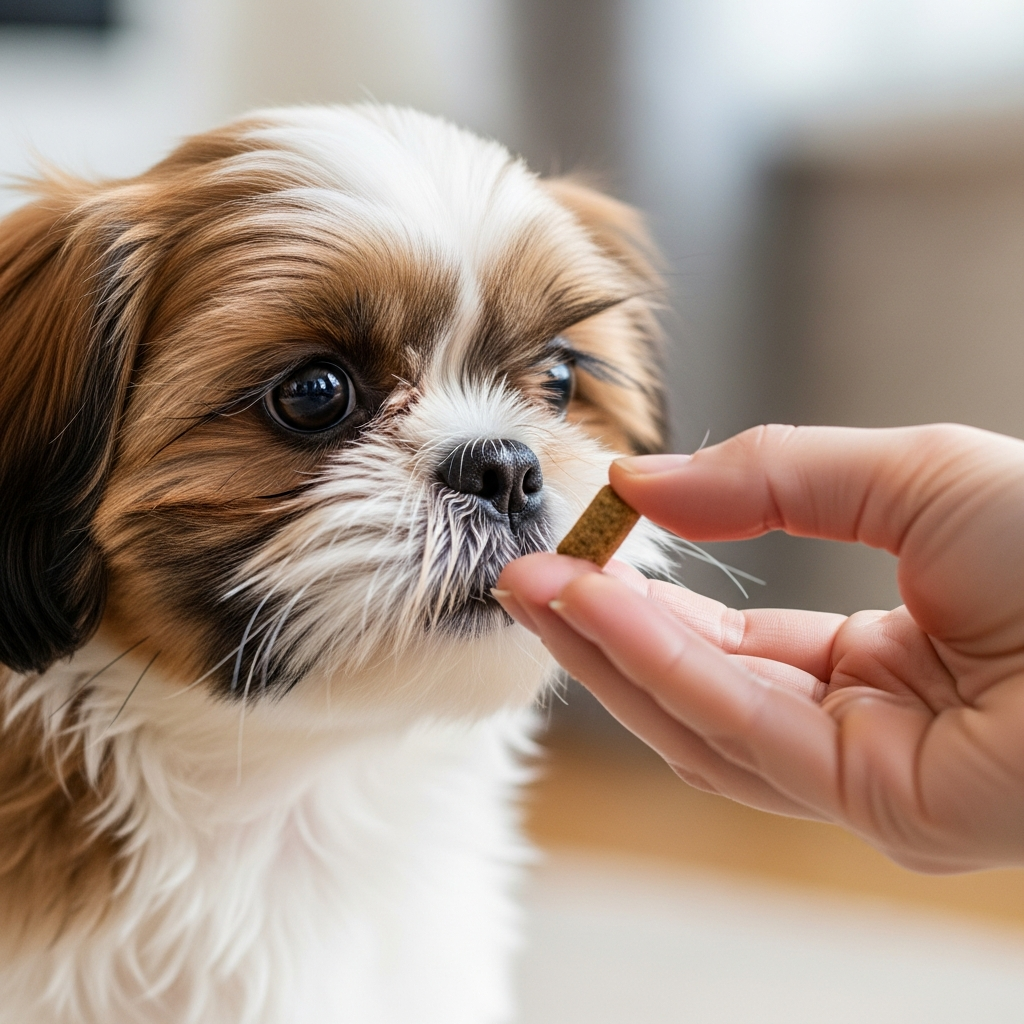
Shih Tzus respond beautifully to positive reinforcement methods. Use treats, praise, and favorite toys as rewards for good behavior. Avoid punishment or harsh corrections, as these can make them fearful or shut down. Keep training sessions short, fun, and engaging to hold their attention.
17. Basic Obedience Training is Important
Even though they are small, basic obedience commands like ‘sit,’ ‘stay,’ ‘come,’ and ‘leave it’ are crucial. These commands not only help with good manners but also ensure their safety, especially when out in public or around hazards at home. Consistent training builds a strong bond and mutual respect.
Everyday Life with a Shih Tzu

18. Moderate Exercise Needs
Shih Tzus are not high-energy dogs. A couple of short, daily walks (15-20 minutes each) and some indoor playtime are usually sufficient to keep them happy and healthy. Avoid over-exercising them, especially in hot weather, due to their brachycephalic nature. Mental stimulation through puzzle toys can also be beneficial.
19. They Thrive Indoors and in Small Spaces
Given their small size and sensitivity to extreme temperatures, Shih Tzus are ideally suited for indoor living. They are excellent apartment dogs and don’t require a large yard, as long as they get their daily walks. Their main requirement is being close to their human family.
20. Diet and Nutrition
Feeding a high-quality diet appropriate for small breeds is vital. Look for foods with real meat as the first ingredient and avoid fillers. Monitor portion sizes carefully, as Shih Tzus can easily become overweight, which puts extra strain on their joints and respiratory system. Discuss your dog’s specific dietary needs with your veterinarian.
21. Potential for Separation Anxiety
Because they are so devoted to their owners, Shih Tzus can be prone to separation anxiety if left alone for extended periods. This can manifest as barking, destructive chewing, or inappropriate urination. Crate training, providing engaging toys, and gradually increasing alone time can help. If severe, consult a professional dog trainer or vet.
22. Consider the Financial Commitment

Owning a dog, especially one with significant grooming and potential health needs, involves financial responsibility. Beyond the initial purchase price, factor in the recurring costs of high-quality food, vet check-ups, vaccinations, professional grooming, dental care, toys, and pet insurance. Being prepared for these expenses ensures you can provide the best care.