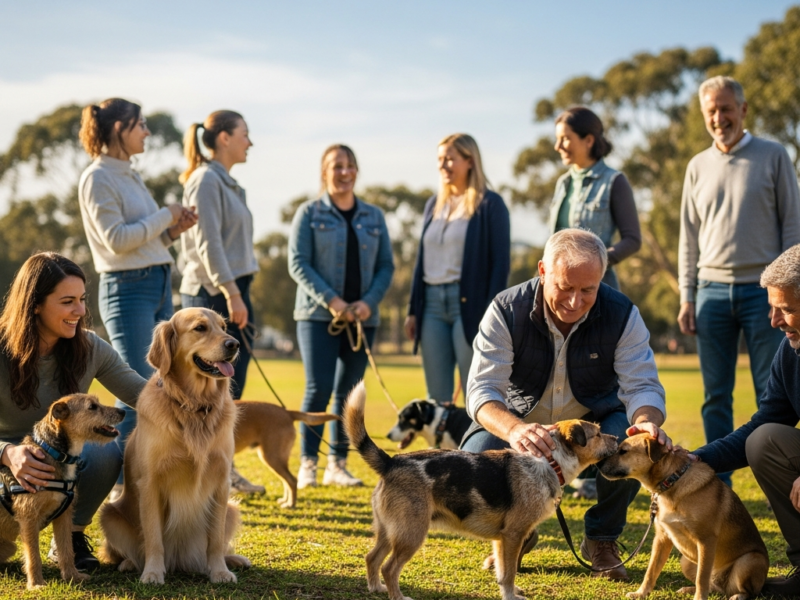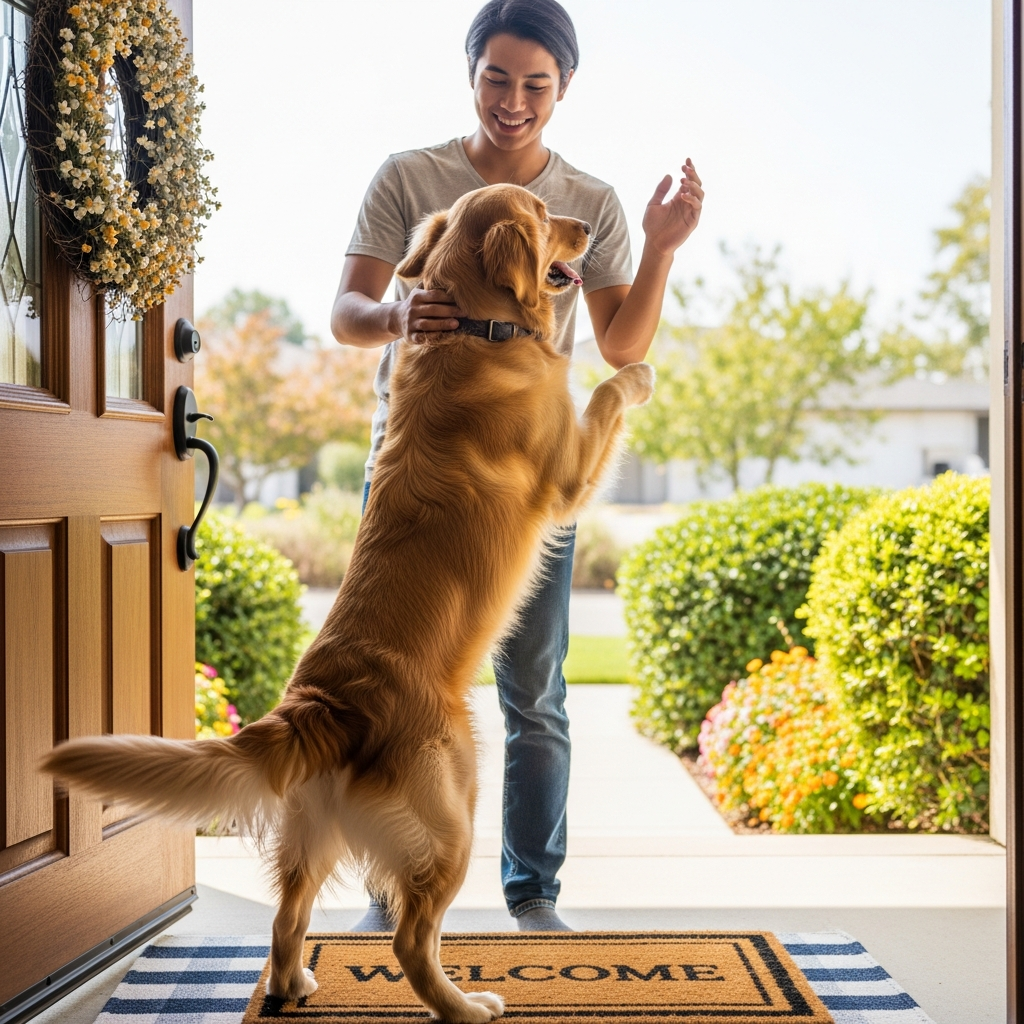
We all love our furry family members, don’t we? There’s nothing quite like the joy they bring into our lives. But let’s be honest, sometimes their enthusiasm can be a little… overwhelming, especially when guests arrive. That moment when your beloved pup launches themselves at an unsuspecting visitor, muddy paws and all, can be a bit mortifying for you and a little startling for your guest.
Jumping is a common dog behavior, and usually, it comes from a place of pure excitement and a desire to greet. Your dog might be seeking attention, trying to get closer to a new person’s face, or simply expressing their boundless joy. While it’s cute when they’re puppies, an adult dog jumping can lead to scratched legs, knocked-over elderly relatives, or startled children. It’s not ideal, but the good news is, it’s a behavior that can absolutely be changed with patience and consistency.
As a loving dog parent, you want your dog to be well-behaved and your guests to feel comfortable. That’s why we’ve put together six effective strategies to help your dog learn more polite ways to greet people. Trust me, it’s a journey, but a rewarding one for everyone involved.
1. Teach an Alternative Behavior
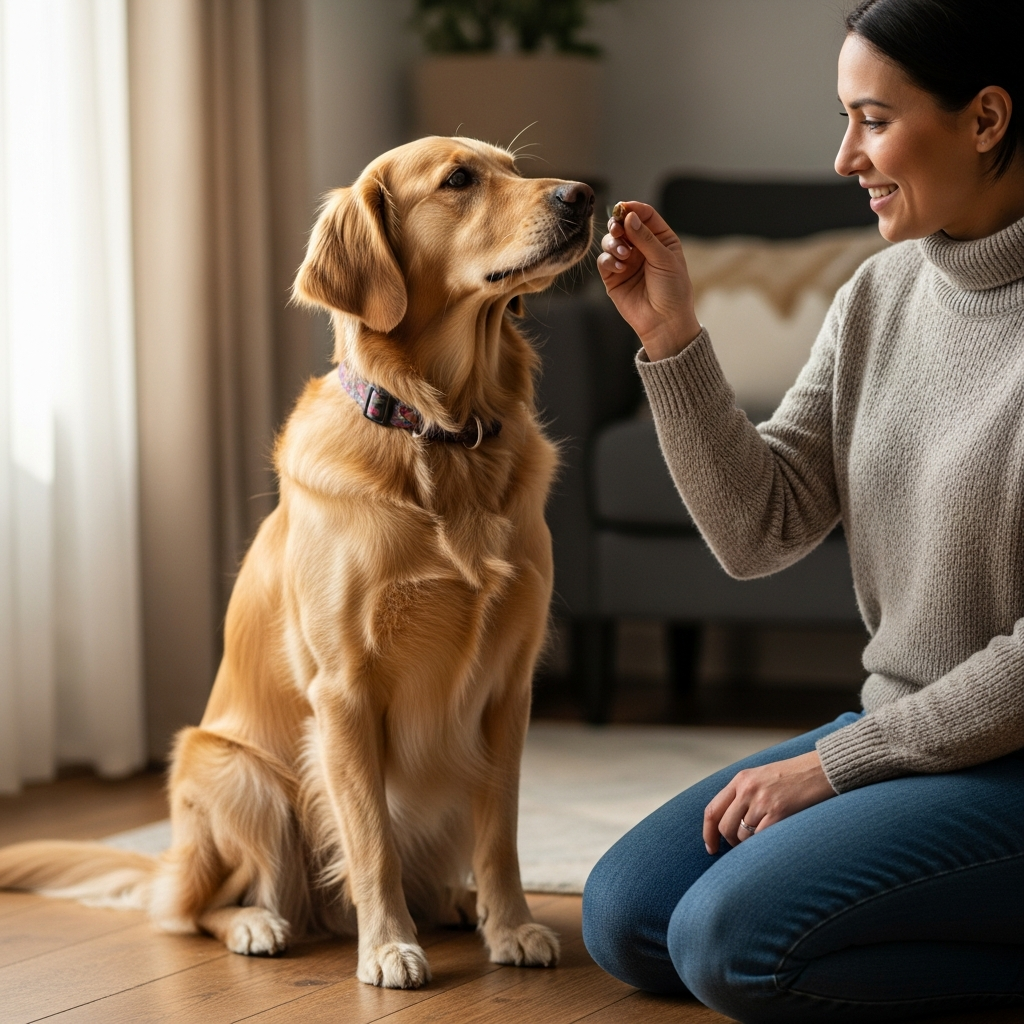
The most powerful way to stop an unwanted behavior is to teach your dog something else to do instead. Instead of saying ‘no’ to jumping, give them a clear, acceptable action to perform. This helps them understand what you want them to do, rather than just what not to do.
The “Four Paws on the Floor” Rule
This is a fundamental concept. Your dog gets attention and rewards only when all four paws are on the ground. When your dog starts to jump, simply turn your back and ignore them. The moment their paws are on the floor, even for a split second, turn back around and offer calm praise or a small treat. This teaches them that calm behavior gets a positive response, while jumping gets nothing.
Practice this yourself every time you come home, even if you’ve just stepped out for a minute. Consistency is key here. Make it a game: come in, turn your back if they jump, wait for paws down, then reward. Repeat until they start offering the calm greeting naturally.
“Sit” or “Place” Command
Teaching your dog a reliable “sit” or “place” command can be a game-changer. When a guest arrives, you can direct your dog to sit politely or go to their designated “place” (like a dog bed or mat) and stay there until they’re calm enough for a greeting.
To teach “place,” start by luring your dog onto their mat with a treat. When they’re on it, say “place” and reward them heavily. Gradually increase the time they stay there and the distance you are from them. Once they understand the command, you can use it when guests come over. Have them go to their place, and when they stay there calmly as the guest enters, reward them. The guest can even toss a treat their way if they remain settled.
For “sit,” simply ask them to sit when guests approach or enter. If they stay sitting, the guest can then offer a calm pet or a treat. If they stand up or jump, the guest should immediately withdraw attention until the dog sits again. This clearly communicates that sitting politely earns rewards, while jumping doesn’t.
2. Manage the Environment (Prevention is Key)
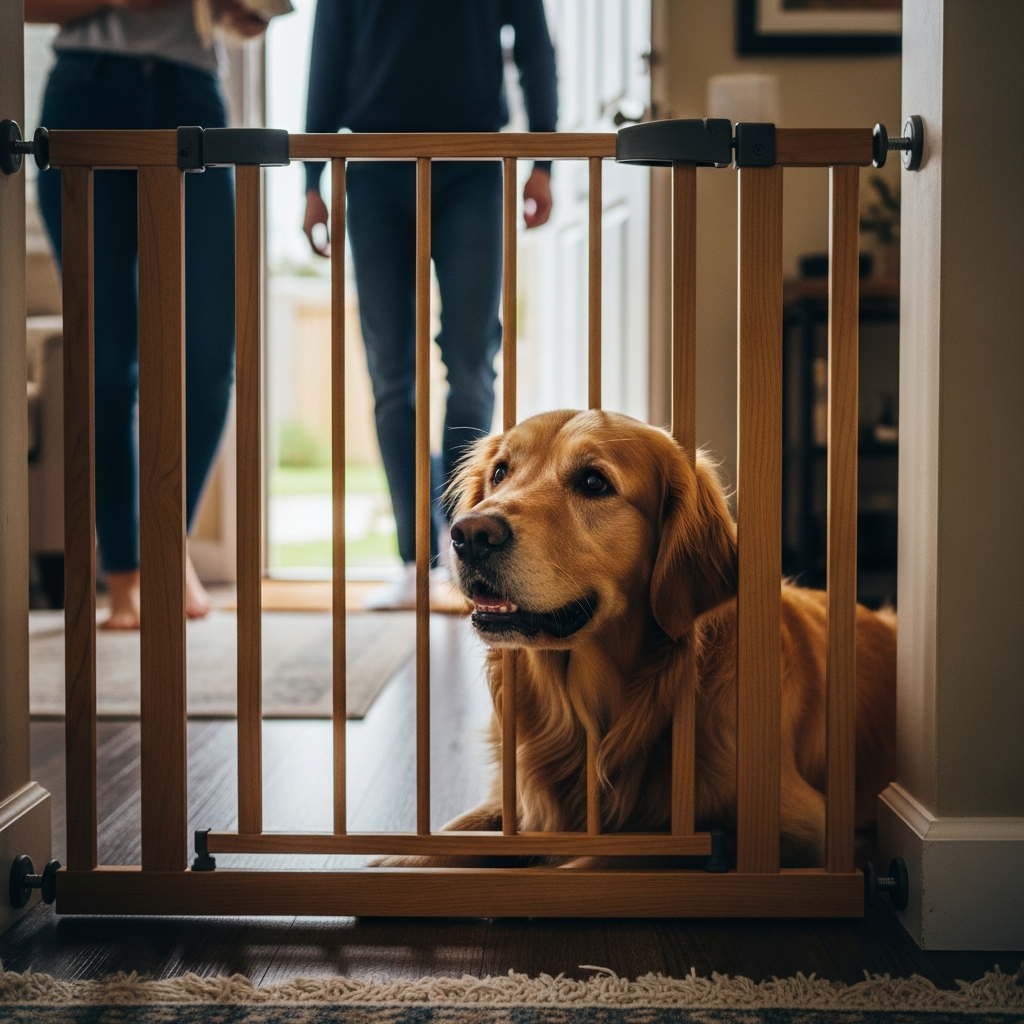
Sometimes, the best offense is a good defense! Managing your dog’s environment, especially during those initial exciting moments of a guest’s arrival, can prevent jumping before it even starts. This isn’t about punishing your dog; it’s about setting them up for success.
Leash Control
When you know guests are coming over, put your dog on a leash a few minutes before they arrive. This gives you direct control. As your guest approaches the door or enters, keep your dog close to you. If they start to lunge or jump, a gentle, firm leash correction can redirect them. The moment their paws are on the floor, reward them with praise or a treat.
The leash isn’t meant to yank or hurt your dog, but rather to give you a way to communicate clearly and prevent the unwanted behavior from escalating. It’s about gentle guidance and immediate reward for the desired action.
Crate or Gating
For dogs that are incredibly excitable, or for very timid guests, using a crate or a baby gate can be a lifesaver. Before your guests arrive, place your dog in their crate with a chew toy or a puzzle toy to keep them occupied and happy. This allows them to settle down and observe the new arrivals from a safe, controlled distance.
After your guests have settled in and the initial excitement has passed, you can then let your dog out for a calm introduction. Make sure your dog has had a potty break and some exercise beforehand so they aren’t bursting with energy. If using a baby gate, let them observe calmly from behind it, rewarding them for quiet, settled behavior.
Outdoor Greetings (if practical)
If you have a yard or a safe outdoor space, consider doing initial greetings outside. This can diffuse some of the intense energy that builds up at the front door. On a leash, bring your dog out to meet your guest in a more open environment. The lack of confined space can sometimes make dogs less prone to jumping.
Once the initial excitement has lessened and your dog has greeted your guest calmly on the ground, you can then bring them inside. This strategy works well for dogs who get overwhelmed by the indoor arrival routine and need a bit more space to process things.
3. Practice Calm Greetings Consistently
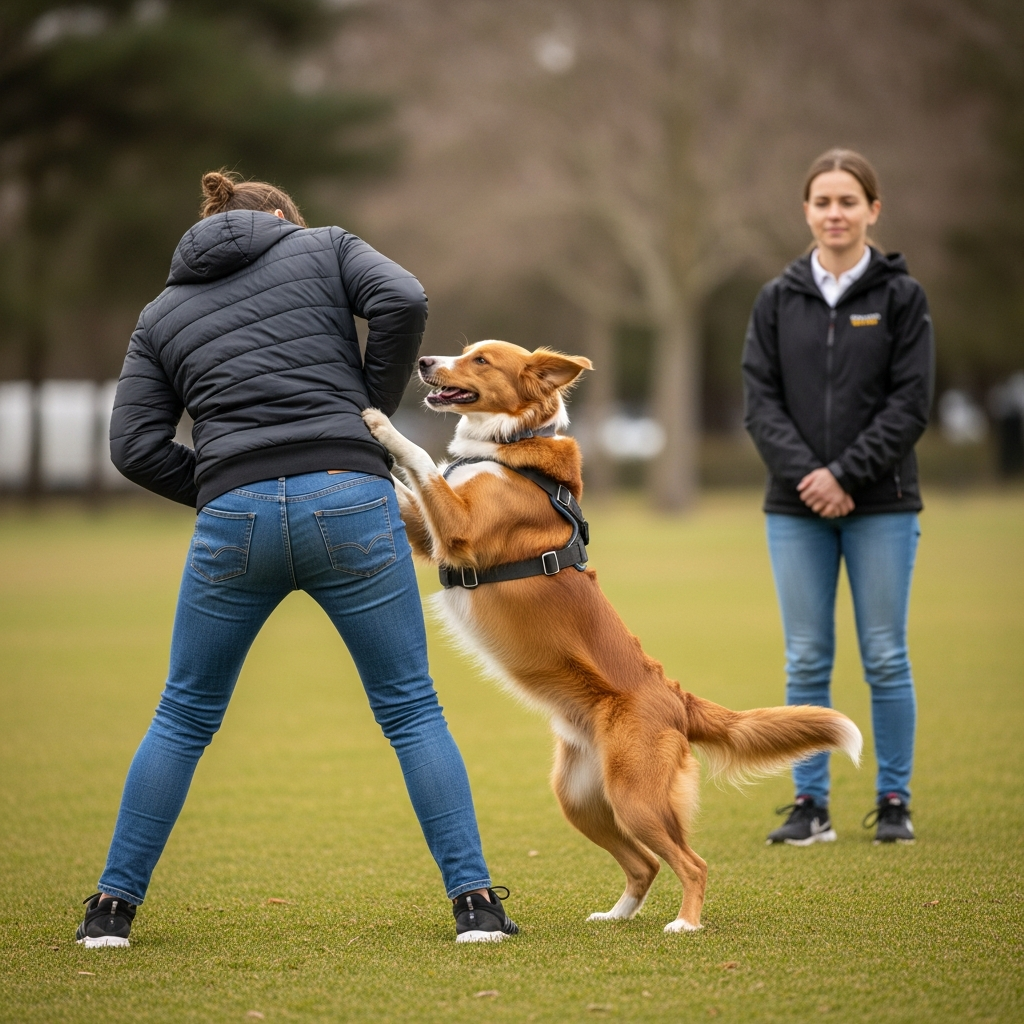
Consistency is truly the magic word in dog training. If your dog gets mixed signals, they’ll be confused and the behavior won’t change. Everyone who interacts with your dog, especially when guests arrive, needs to be on the same page.
The “No Attention for Jumping” Rule
This rule is simple but incredibly effective. If your dog jumps, they get absolutely no attention. This means no eye contact, no talking, no pushing them off, and no petting. Turn your back and walk away, or even step into another room if needed. The moment all four paws are on the floor, even for a second, turn back, praise calmly, and give a treat or a gentle pet. The key is to be lightning-fast with your reaction.
Your dog will quickly learn that jumping makes the fun person disappear, while keeping paws on the floor makes them reappear with rewards. This applies to you, your family, and especially your guests. Make sure everyone understands this rule before they interact with your dog.
Enlist Help from Friends and Family
It’s difficult to practice greetings without actual guests, so call upon your most understanding friends and family members to help you with “simulated” guest arrivals. Explain your training goals to them and ask them to follow the “no attention for jumping” rule strictly.
Have your friend approach the door, knock, and enter. If your dog jumps, your friend should immediately turn their back and freeze. Once your dog’s paws are on the floor, they can calmly greet and give a treat. Repeat this process multiple times in short sessions. The more your dog practices successful, calm greetings, the more it becomes a habit.
Gradually increase the level of excitement. Start with your friend simply walking in, then maybe talking a little, then eventually sitting down. Always revert to ignoring if the jumping starts again. This desensitization and practice in a controlled environment is invaluable.
4. Use Positive Reinforcement and Rewards
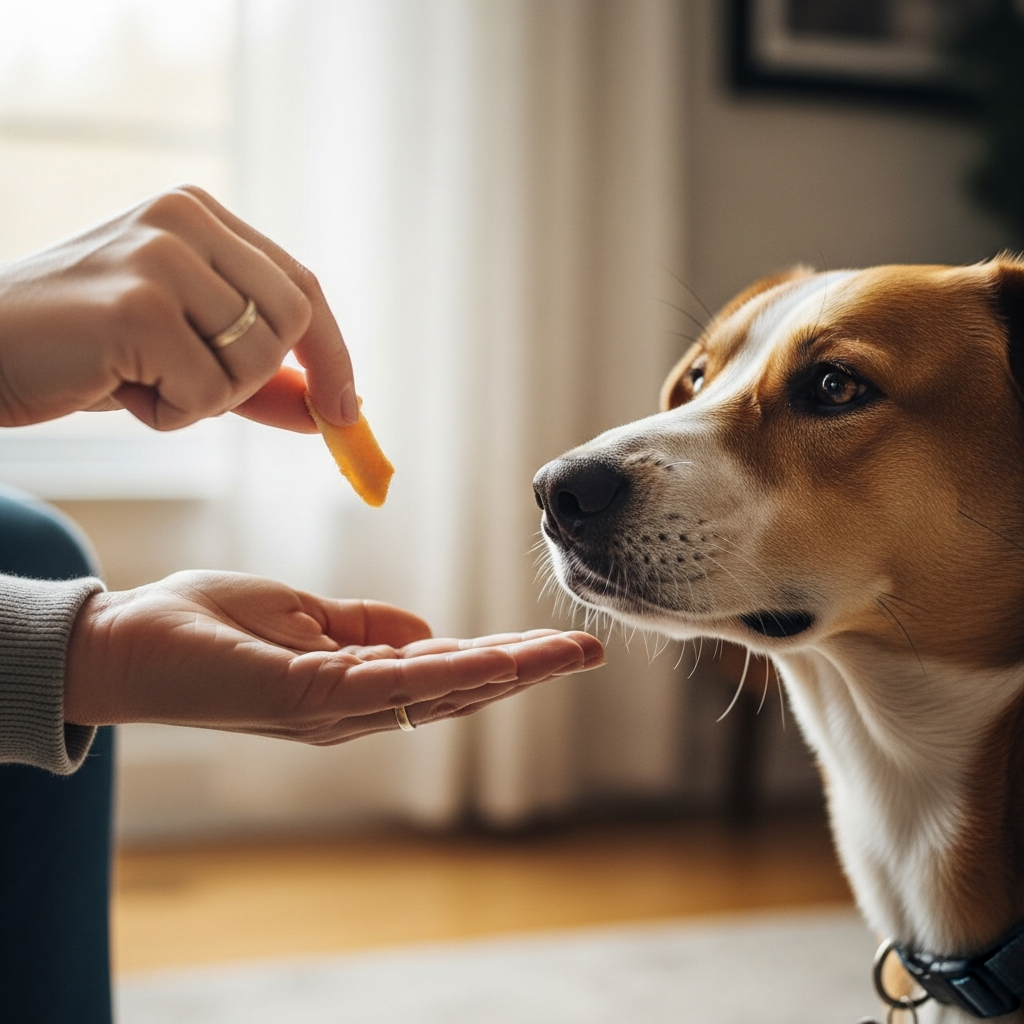
Dogs respond incredibly well to positive reinforcement. They want to please us and will repeat behaviors that lead to good things! Using rewards is not about bribing your dog; it’s about clearly communicating that they’ve done something right and making that behavior worth repeating.
High-Value Treats and Praise
When your dog successfully keeps all four paws on the floor, or sits politely when a guest enters, reward them immediately. “Immediately” is the crucial part here – within 1-3 seconds of the desired behavior. This helps your dog connect the action with the reward. Use high-value treats, especially in the beginning. These are treats your dog absolutely adores – think small pieces of cooked chicken, cheese, or special training treats, not just their regular kibble.
Along with treats, use enthusiastic but calm verbal praise. Say “Good settle!” or “Yes! Four on the floor!” in a happy tone. The combination of a tasty reward and your approval will make the desired behavior much more appealing than jumping.
Affection as a Reward
For many dogs, affection is a powerful reward. Once they’ve settled, and are calmly greeting a guest, a gentle scratch behind the ears, a loving pet on the chest, or a comforting rub can be just as reinforcing as a treat. Make sure the affection is delivered calmly and only when they are exhibiting the desired behavior. If petting them starts to make them too excited or encourages jumping, withdraw the affection immediately.
Teach your guests how to properly greet your dog. Instead of bending over and making direct eye contact, which some dogs perceive as a challenge or invitation to jump, ask them to stand tall and wait for the dog to approach calmly. They can offer a hand for the dog to sniff, and then if the dog remains calm, offer gentle pets under the chin or on the chest, rather than over the head.
5. Address the Underlying Excitement (Exercise and Mental Stimulation)
Often, jumping is a symptom of an underlying issue: too much pent-up energy! A dog that hasn’t had enough physical or mental exercise is more likely to be over-excited and prone to undesirable behaviors like jumping. Think about it, if you’ve been cooped up all day, wouldn’t you want to bounce off the walls when someone new arrives?
Exercise Before Guests Arrive
This is a simple yet incredibly effective strategy. Before you expect guests, take your dog for a good, long walk, a strenuous game of fetch, or a run at the dog park. Get them physically tired. A tired dog is generally a calm dog. When your guests arrive, your dog will be much more likely to settle down and greet them politely rather than bouncing off the walls.
The amount of exercise needed will vary greatly depending on your dog’s breed, age, and energy level. A high-energy breed like a Border Collie will need significantly more than a Basset Hound. Know your dog and tailor their exercise routine accordingly to ensure they are adequately spent before social interactions.
Mental Stimulation
Physical exercise is vital, but so is mental stimulation. A dog’s brain needs a workout too! Incorporate activities that make your dog think and problem-solve. This can include puzzle toys, interactive feeders, scent games, or short training sessions throughout the day.
When guests are about to arrive, giving your dog a stuffed KONG or another puzzle toy can redirect their energy and focus onto an acceptable activity. They’ll be happily engaged in solving a problem rather than fixating on the front door. This can buy you valuable time to get your guests settled before your dog makes an appearance, or help them stay calm while observing from a crate or behind a gate.
6. Be Patient and Consistent (It’s a Process!)
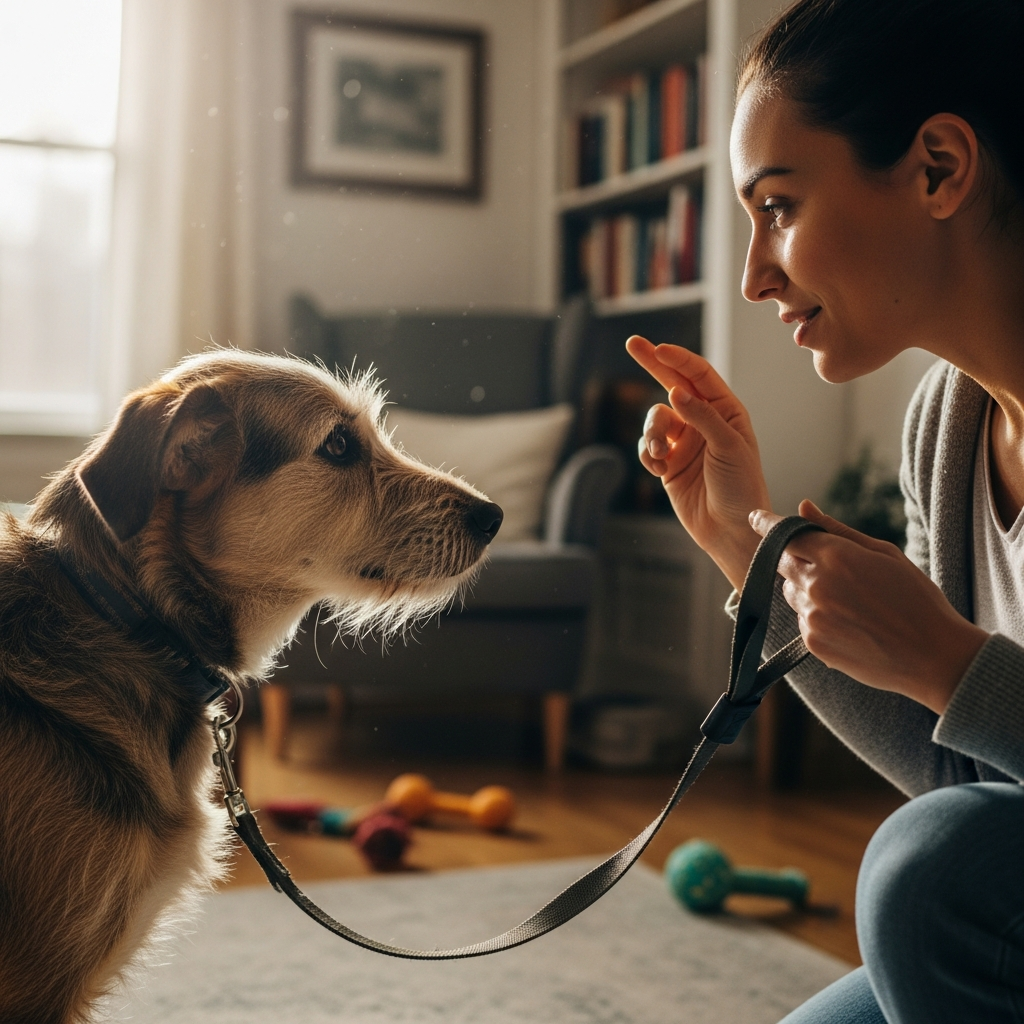
Training takes time, effort, and a whole lot of patience. There will be good days and not-so-good days. The most important thing is not to get discouraged. Every interaction is a learning opportunity for your dog, and every consistent response from you builds a stronger foundation for good behavior.
Rome Wasn’t Built in a Day
Your dog didn’t learn to jump overnight, and they won’t unlearn it overnight either. Be prepared for setbacks. A particularly exciting guest, a lapse in your own consistency, or a new environment might trigger the old behavior. Don’t punish your dog for these lapses; simply go back to basics, reaffirm the rules, and continue with your training plan.
Ensure every member of your household, and anyone who frequently visits, understands and adheres to the training rules. If one person allows jumping, it undermines all your hard work. Establish a unified front, and your dog will learn much faster what is expected of them.
Seek Professional Help If Needed
If you’ve tried these methods consistently and are still struggling, there’s absolutely no shame in seeking professional help. A certified professional dog trainer or a veterinary behaviorist can assess your dog’s specific needs, identify any underlying issues, and provide tailored guidance and hands-on support. They have a wealth of knowledge and techniques that can make a huge difference, especially for persistent or challenging behaviors.
Investing in professional training is an investment in your relationship with your dog and in their well-being. A well-behaved dog is a happier dog, and a well-trained dog leads to a more harmonious household for everyone.