5 Simple Training Adjustments to Stop Jumping Habits
Every dog parent loves an enthusiastic greeting, but when that enthusiasm turns into jumping, it can be frustrating, even dangerous. Whether it’s guests, family members, or just you walking through the door, a dog launching itself upwards can scratch, knock over, or simply overwhelm. The good news is that with a few simple, consistent training adjustments, you can guide your beloved companion towards more polite and manageable greetings. Let’s transform those leaping hellos into calm, happy interactions.
Understanding Why Dogs Jump
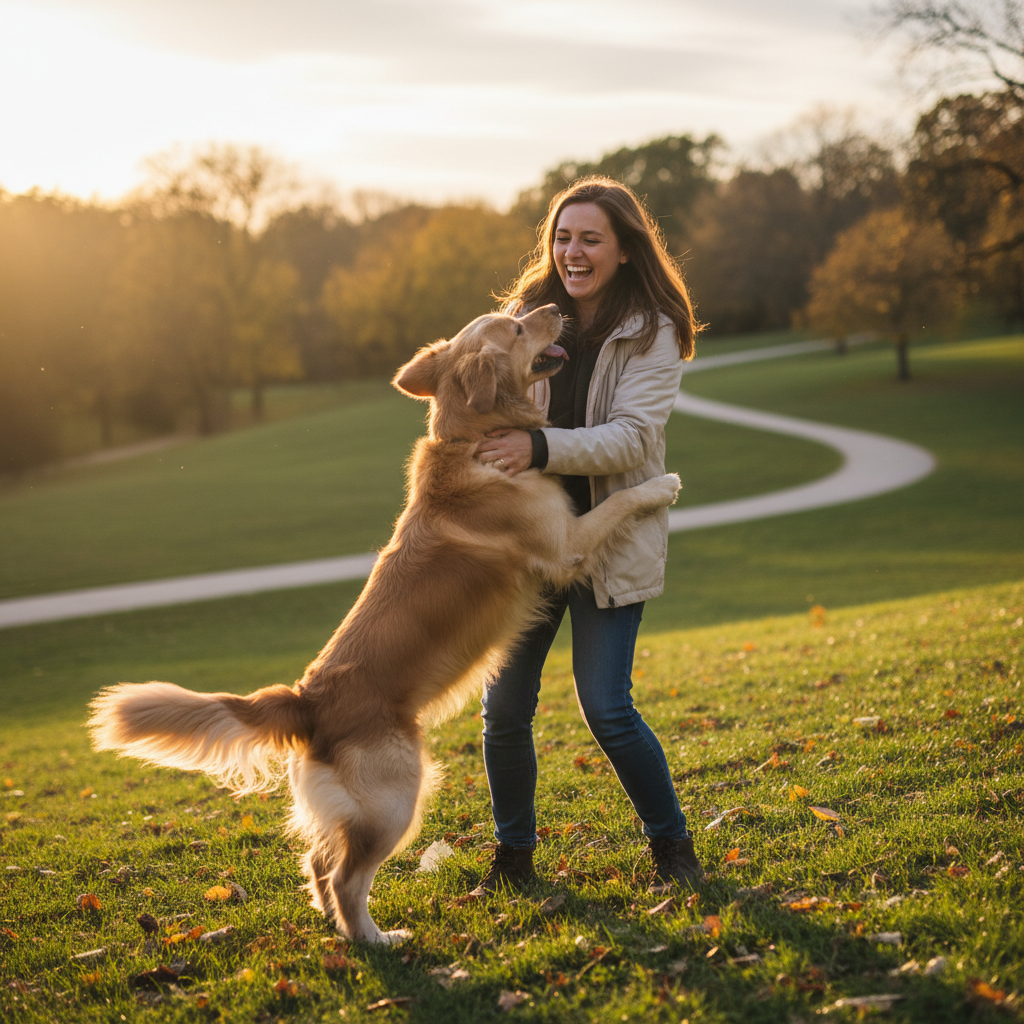
Before we dive into training, it’s helpful to understand why dogs jump. Most often, it’s a natural behavior driven by excitement, a desire for attention, or an attempt to get closer to your face for a greeting. Puppies often jump to reach their mother’s face, and this behavior can carry over into adulthood if not redirected. Sometimes, we inadvertently reinforce jumping by giving attention, even negative attention, when our dogs jump.
Training Adjustment 1 – The “No Jump” Command
Teaching your dog a specific command to stop jumping gives them a clear alternative behavior. The goal is to teach them that four paws on the floor is the desired position.
Teaching the “Off” Command
Start by having a treat ready. When your dog jumps, calmly say “Off” or “No Jump” and immediately move away, turning your back. The moment all four paws are on the floor, even if just for a second, turn back, praise them enthusiastically, and give them a treat. Repeat this many times. The key is to be quick with your reward the instant their paws hit the ground.
Practice Scenarios
- At the door: Have a family member or friend help you. As they approach, if your dog jumps, they turn their back. When the dog is calm, they can offer a treat and praise.
- During play: If your dog jumps during an exciting play session, immediately stop playing, turn away, and resume only when they are calm.
Training Adjustment 2 – Turn Your Back
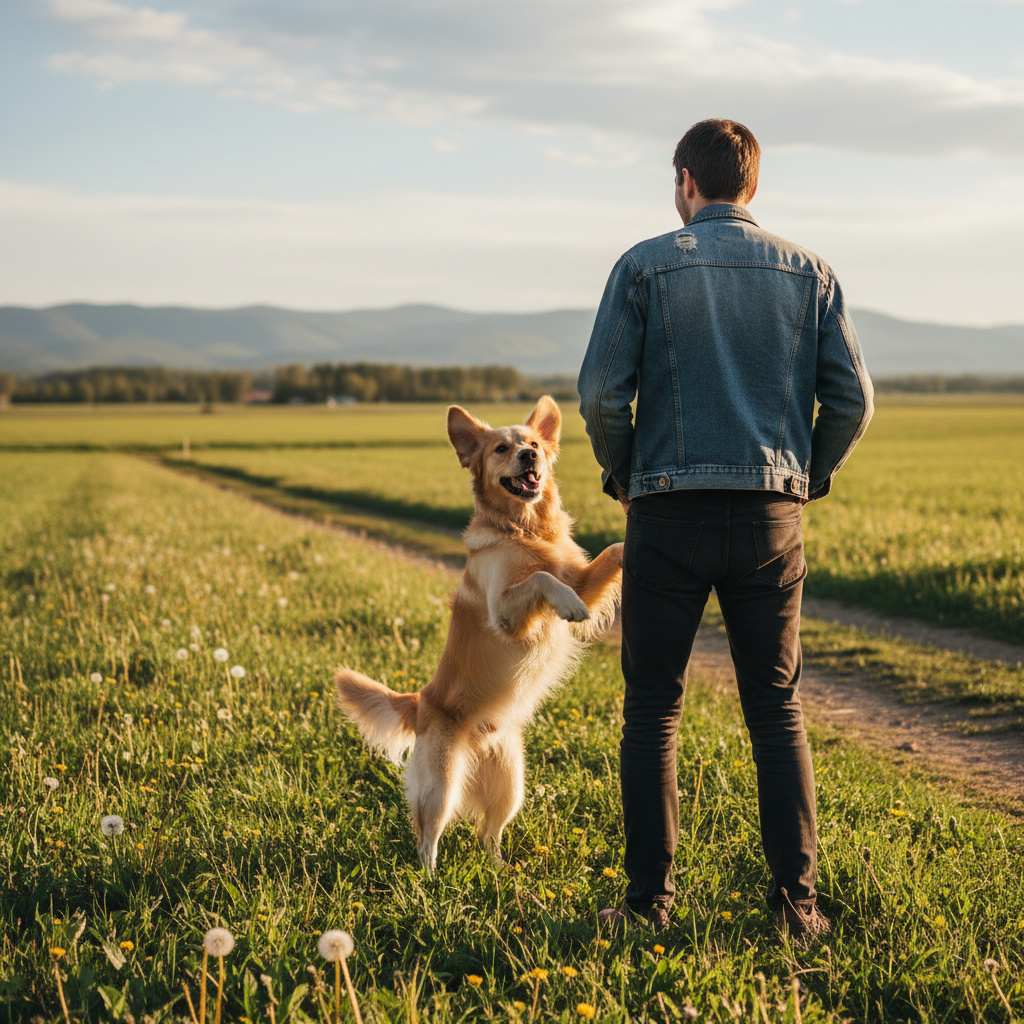
This is one of the most effective ways to communicate to your dog that jumping will not get them what they want – your attention. Dogs thrive on interaction, and by removing it, you remove the reward.
The Power of Ignoring
When your dog jumps on you or a guest, immediately turn your back and walk away. Do not make eye contact, do not speak to them, and do not push them down. Wait until they have all four paws on the floor for at least a few seconds before turning back around. If they jump again, repeat the process. This teaches them that jumping makes you disappear, while calm behavior brings you back.
Consistency is Key
Ensure everyone in the household, and even regular visitors, understands and follows this rule. Inconsistency will only confuse your dog and slow down progress.
Training Adjustment 3 – Reward Calm Greetings
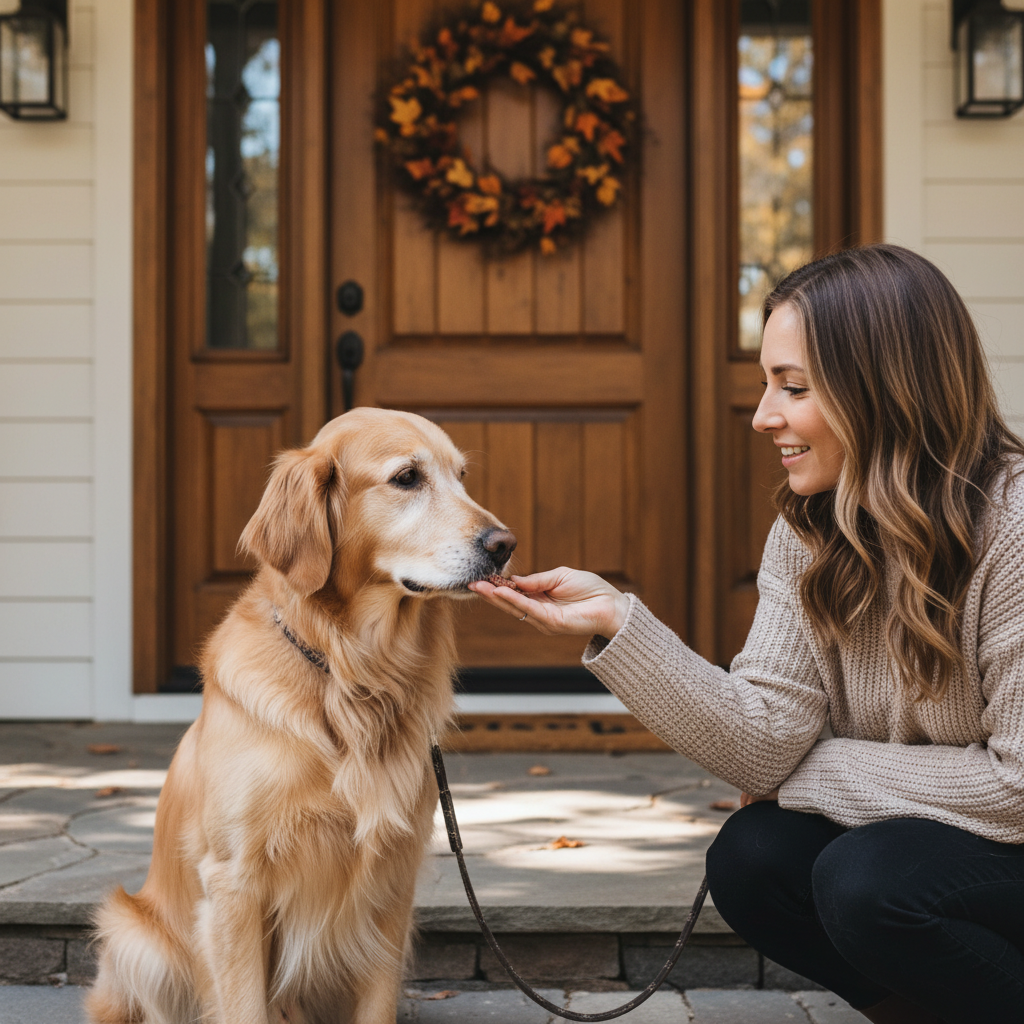
Positive reinforcement is crucial. Instead of just stopping the unwanted behavior, we want to actively reward the desired behavior. You want to teach your dog that a calm greeting is the fastest way to get your attention and affection.
Catching Calm Behavior
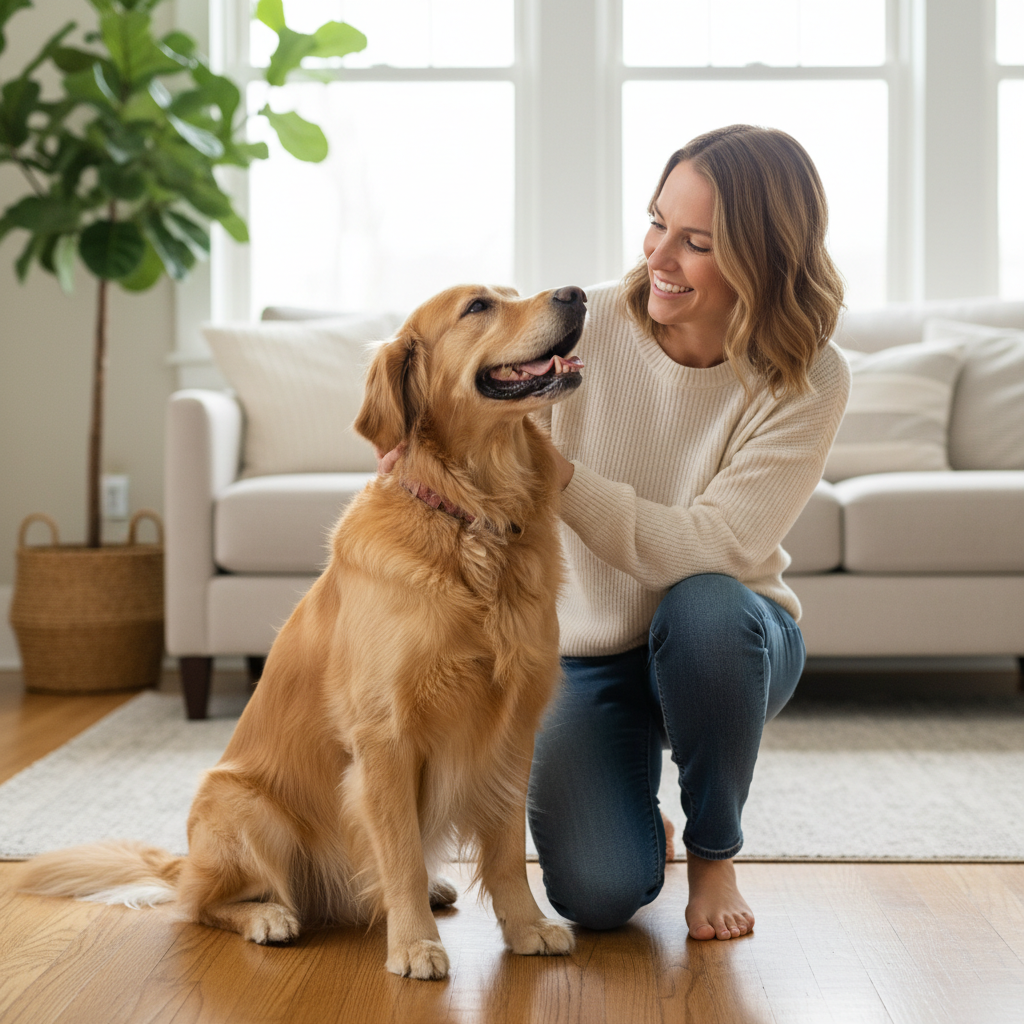
As you enter your home or greet your dog, keep an eye out for those moments when they keep all four paws on the floor. The instant they do, give them immediate praise (e.g., “Good sit!” or “Good calm!”) and a small, high-value treat. This instant reward helps them connect their calm behavior with positive outcomes.
Using Treats and Praise
Keep a jar of treats near the door for easy access. Before you even fully enter, if your dog is calm, reward them. Gradually increase the duration they need to stay calm before getting the reward. You can also incorporate a “sit” command into greetings – ask for a sit, and then reward them for maintaining it.
Training Adjustment 4 – Consistent Leash Training
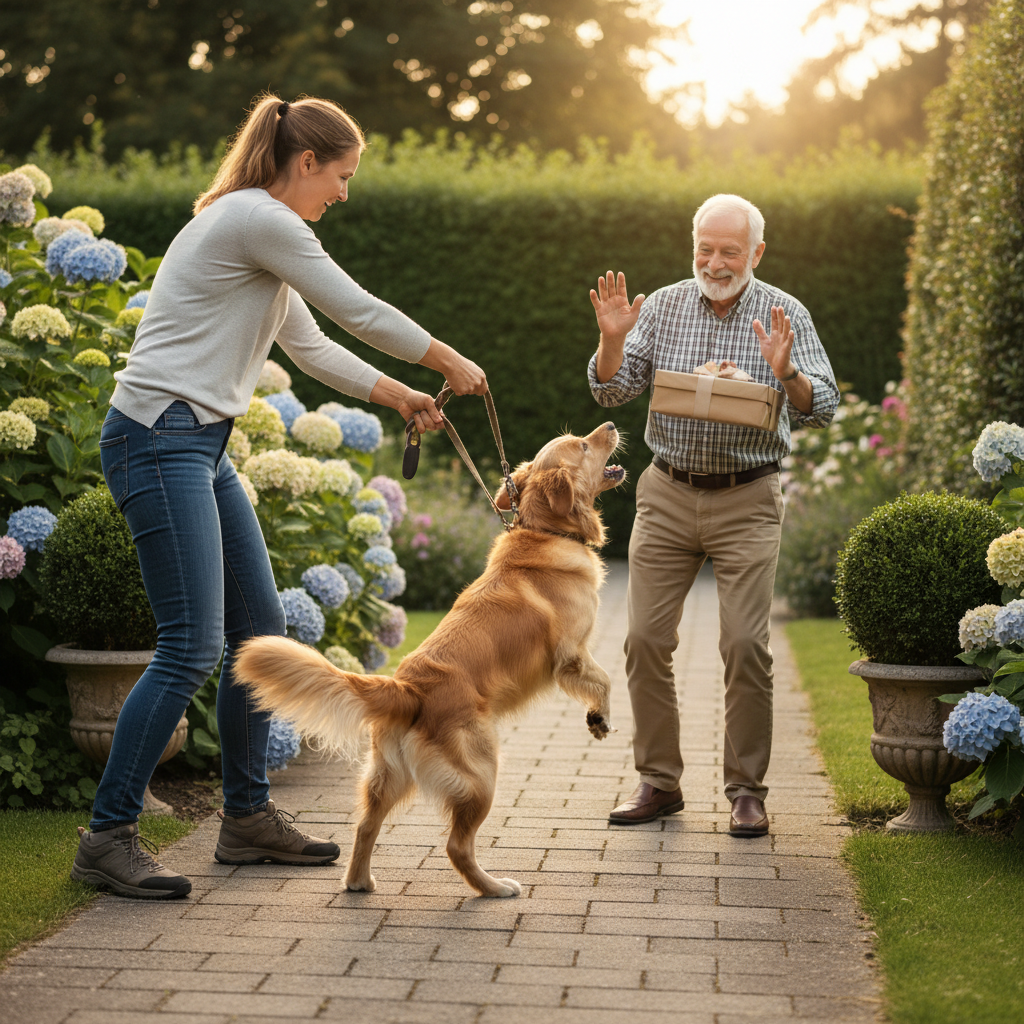
A leash can be a powerful tool for managing jumping behavior, especially during initial training phases or when guests arrive.
Leash as a Tool
When you anticipate a greeting situation (like someone coming to the door), put your dog on a leash. Hold the leash firmly but gently, allowing enough slack for them to stand comfortably but not enough to jump up. As a guest approaches, use the leash to keep your dog’s paws on the ground. When they remain calm, reward them with praise and a treat.
Controlled Introductions
For particularly enthusiastic jumpers, consider having them on a leash when guests first arrive. This allows for a more controlled introduction, where you can easily prevent jumping and reward calm behavior. Once they’ve settled, the leash can be removed.
Training Adjustment 5 – Manage the Environment
Sometimes, the best training adjustment is to prevent the opportunity for the unwanted behavior to occur in the first place. Environmental management can set your dog up for success.
Minimizing Triggers
- Use a gate: If your dog is a persistent jumper when guests arrive, consider having them behind a baby gate or in a separate room initially. Once guests are settled, you can bring your dog out on a leash for a controlled, calm introduction.
- Keep greetings low-key: Avoid overly exciting greetings yourself. A calm entry will often lead to a calmer dog.
- Remove temptations: If your dog jumps for toys or food, ensure these items are not easily accessible during greeting times.
Guest Protocol
Educate your guests! Ask them to ignore your dog until all four paws are on the floor. They should avoid making eye contact or speaking to your dog when it’s jumping. Once your dog is calm, they can offer gentle praise and petting.
Common Mistakes to Avoid
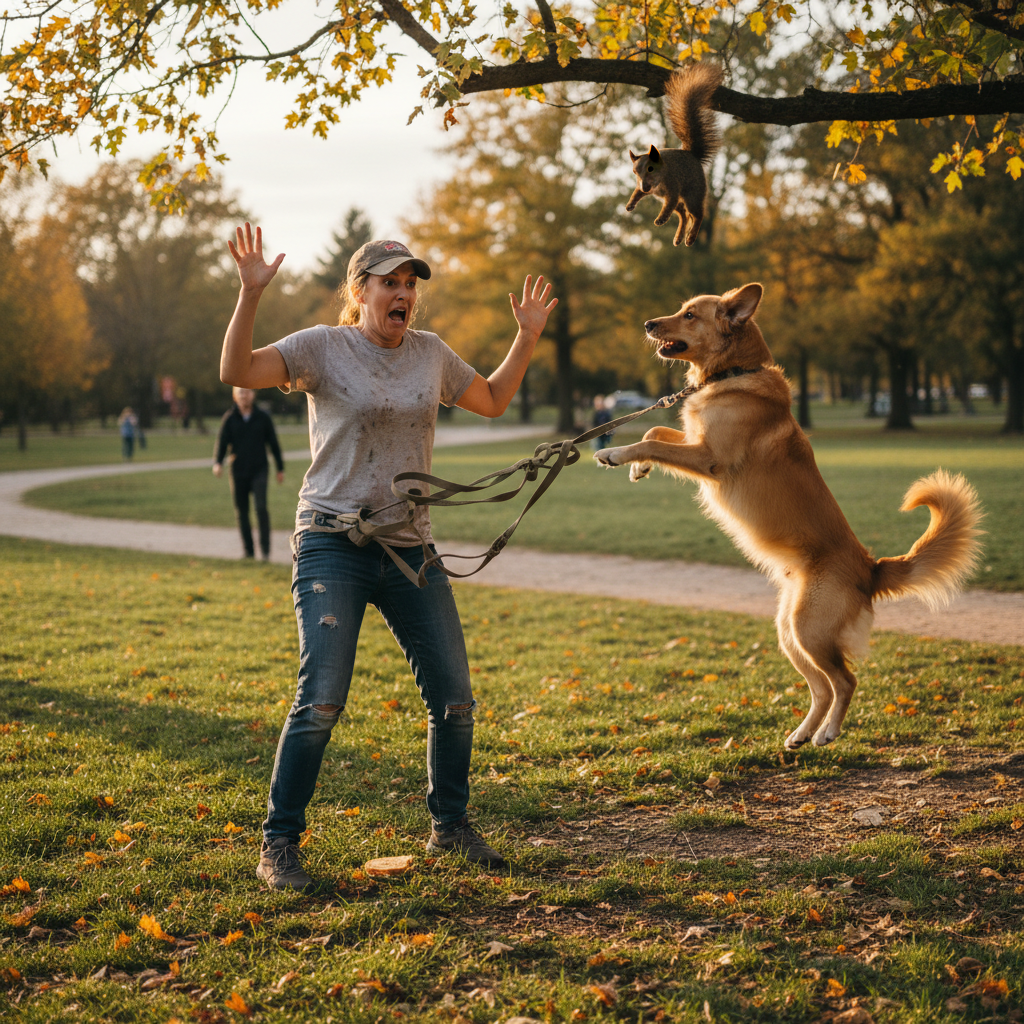
Even with the best intentions, dog parents can sometimes fall into common traps that hinder progress:
- Inconsistency: If some people allow jumping and others don’t, your dog will be confused and progress will be slow. Everyone must be on the same page.
- Rewarding jumping: Any form of attention (pushing them down, yelling, making eye contact) can be perceived as a reward by your dog.
- Getting frustrated: Dogs are highly attuned to our emotions. Frustration can make them anxious or even more excitable, counteracting your training efforts. Stay calm and patient.
- Giving up too soon: Training takes time and repetition. Don’t expect instant results. Celebrate small victories and keep working consistently.
Conclusion
Training your dog to stop jumping is a journey that requires patience, consistency, and understanding. By implementing these five simple adjustments – teaching an “off” command, turning your back, rewarding calm greetings, using consistent leash training, and managing the environment – you’ll be well on your way to a more polite and enjoyable companion. Remember, your dog isn’t trying to be naughty; they’re simply expressing themselves. With your loving guidance, they’ll learn the best way to say hello, strengthening the beautiful bond you share. Keep at it, and you’ll soon enjoy calm, paws-on-the-floor greetings every time!