7 Easy Ways to Stop Your Puppy From Nipping and Biting
Puppyhood is a whirlwind of joy, playfulness, and sometimes, sharp little teeth! If you’re a new puppy parent, you’ve likely experienced the playful nips and bites that, while normal for puppies exploring their world, can quickly become painful and concerning. It’s a natural part of their development, but it’s crucial to teach them appropriate bite inhibition early on. The good news is, with consistency, patience, and the right techniques, you can guide your furry friend towards gentler play and interaction. Let’s explore seven easy ways to stop your puppy from nipping and biting, fostering a stronger, more loving bond.
1. Redirect Their Attention with Chew Toys
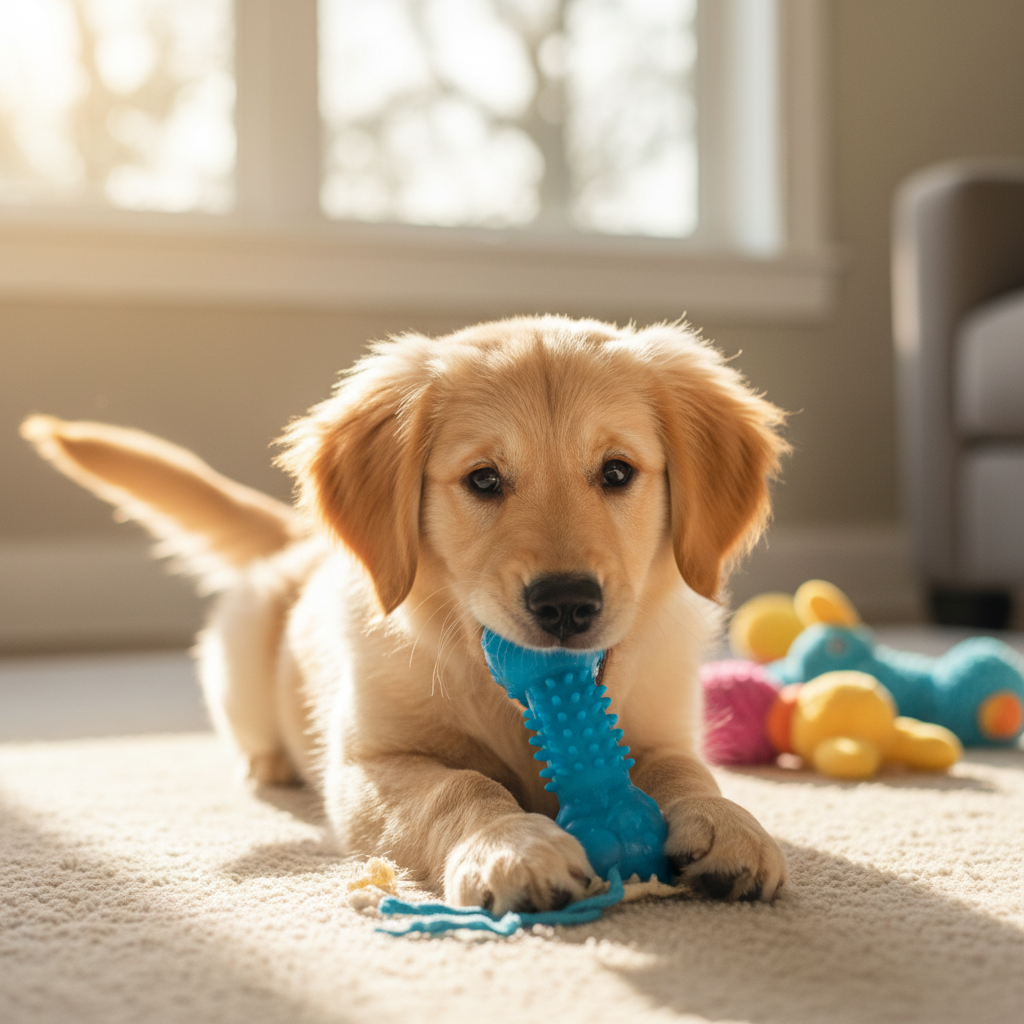
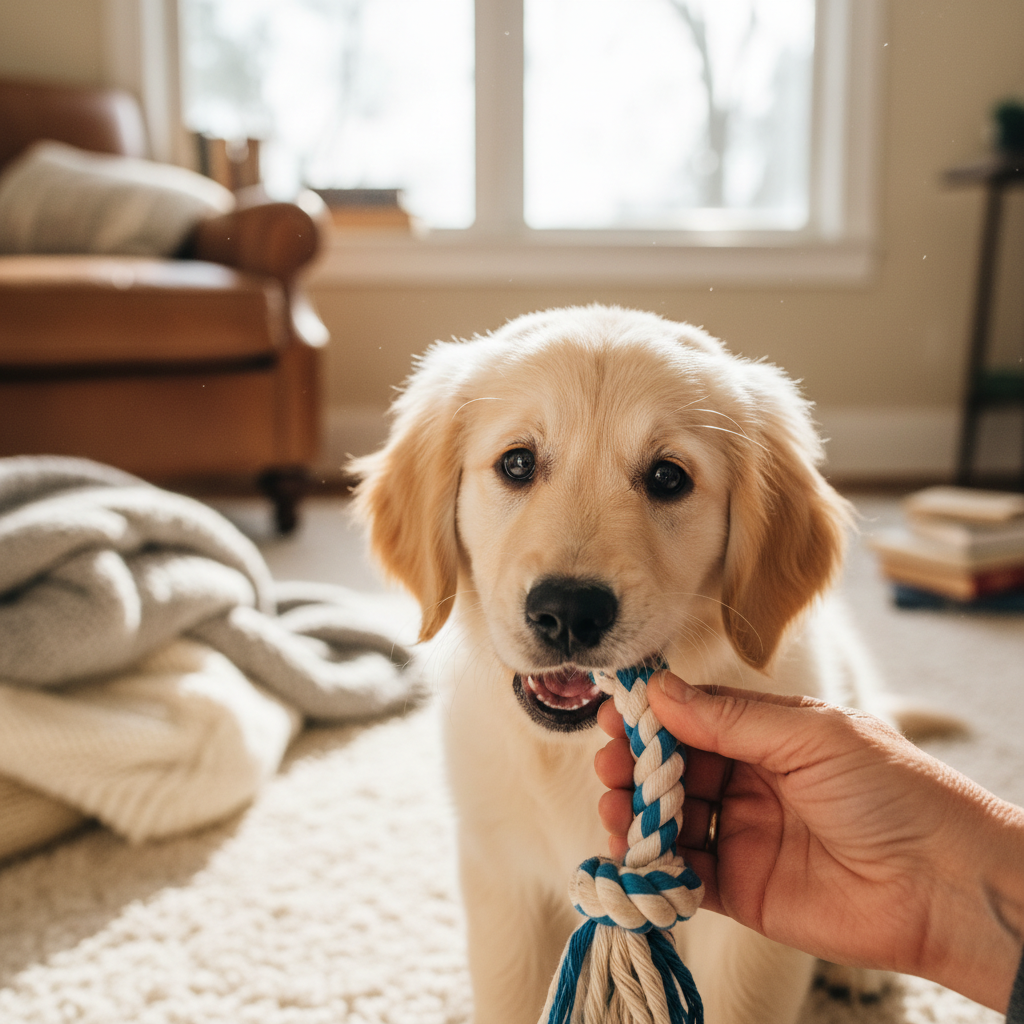
One of the most effective strategies is redirection. Puppies bite because they’re exploring, teething, and playing. Instead of scolding, offer them something appropriate to chew on. Always have a variety of safe, engaging chew toys readily available. When your puppy starts to nip at your hands or clothes, immediately offer a suitable toy.
How to do it:
- Keep an array of toys nearby (ropes, rubber toys, puzzle toys).
- When a nip occurs, gently but firmly say “No bite” or “Toy!” and present the toy.
- As soon as they take the toy in their mouth, praise them enthusiastically and engage in play with the toy.
- Rotate toys regularly to keep them interesting.
2. Teach Bite Inhibition with a “Yelp” or “Ouch”
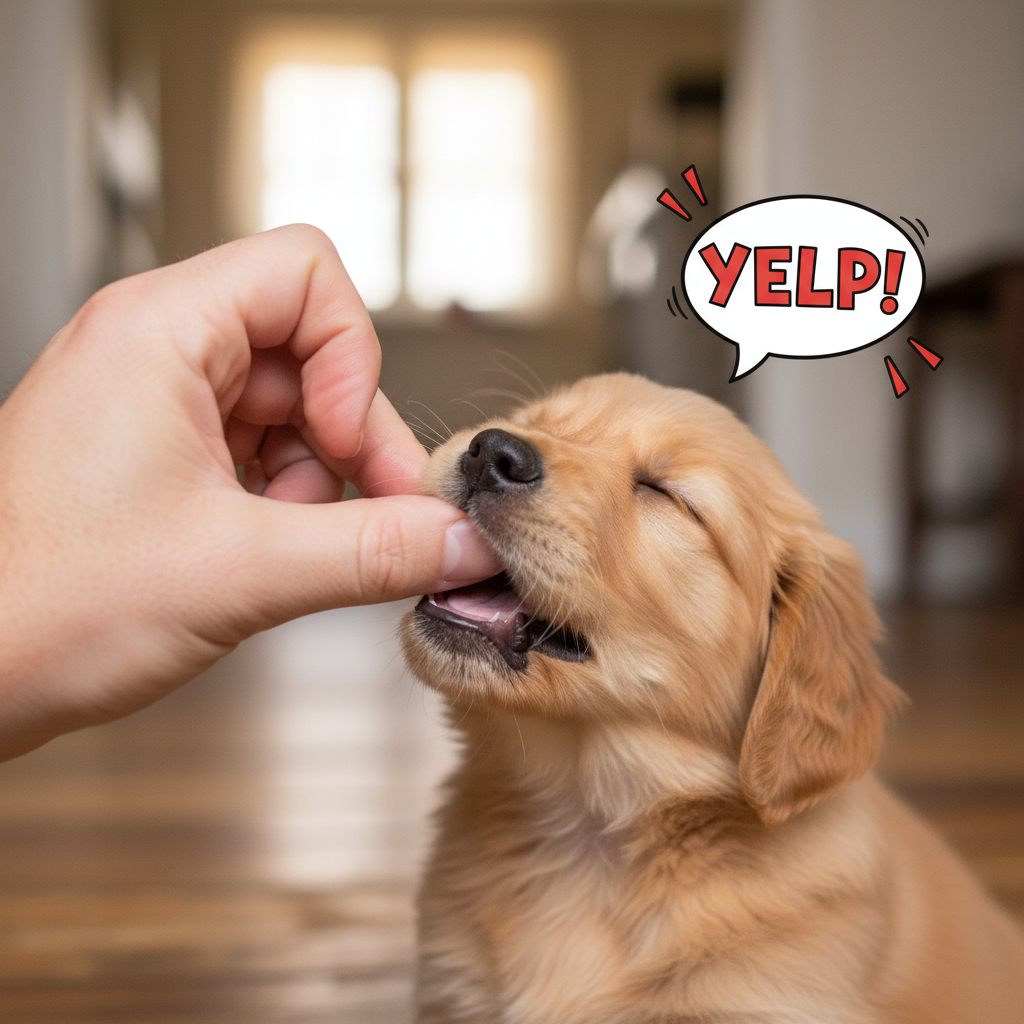
This method mimics how puppies learn from their littermates. If one puppy bites another too hard, the bitten puppy will yelp, signaling that the bite was painful. This teaches the biter to moderate their force. You can do the same!
How to do it:
- When your puppy nips you too hard, let out a high-pitched “Yelp!” or a sharp “Ouch!”
- Immediately withdraw your hand or body part from their reach.
- Turn away and ignore them for 10-20 seconds. This teaches them that hard biting stops the fun.
- If they calm down, re-engage in gentle play. If they bite hard again, repeat the process.
3. Implement Short, Controlled Time-Outs
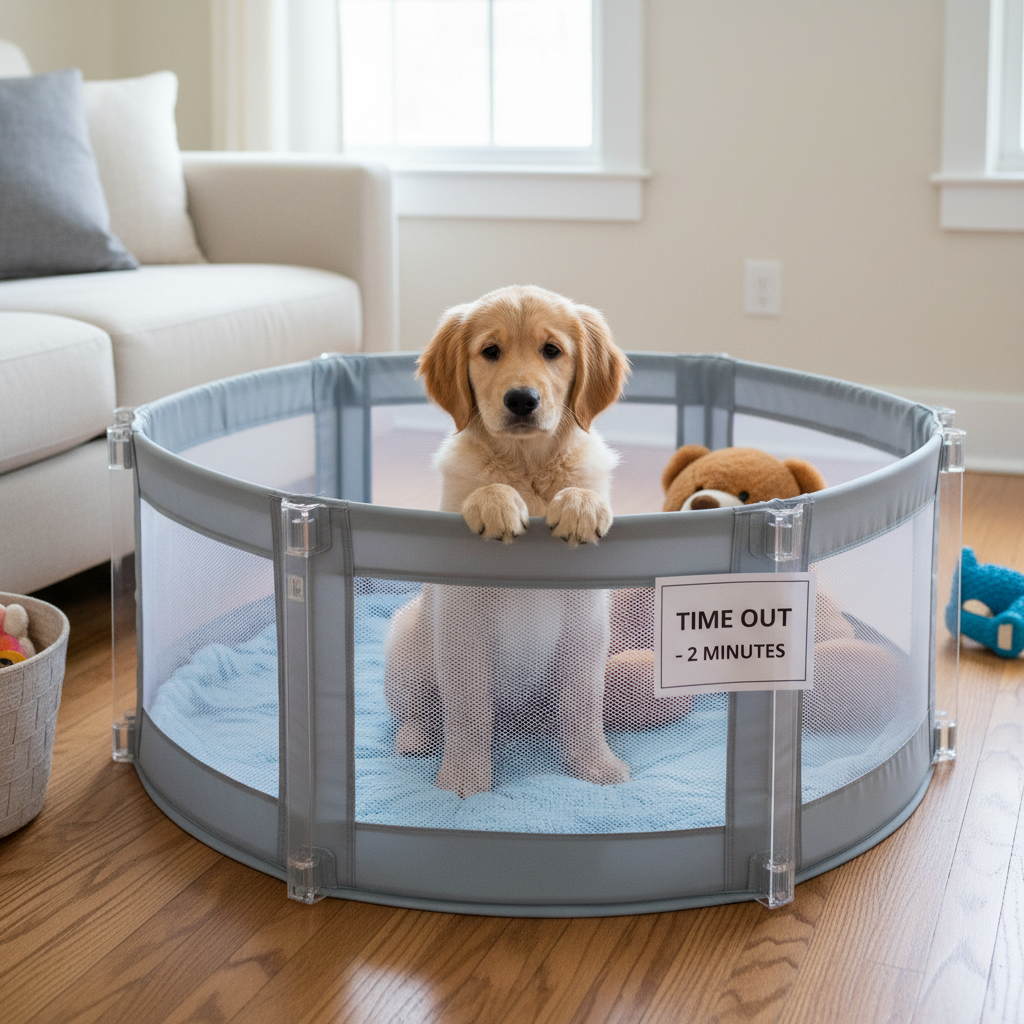
Time-outs are a valuable tool for puppies who are overly excited or aren’t responding to redirection or yelping. The goal is to remove them from the stimulating environment for a brief period, allowing them to calm down and learn that biting ends playtime.
How to do it:
- When your puppy bites too hard and doesn’t respond to other methods, immediately remove them from the interaction.
- Place them in a designated, safe, puppy-proofed area (like a playpen or a separate room) for 30-60 seconds.
- Avoid making eye contact or talking to them during the time-out.
- Once they are calm, release them and resume gentle play. If the biting resumes, repeat the time-out.
4. Reward Calm and Gentle Interactions
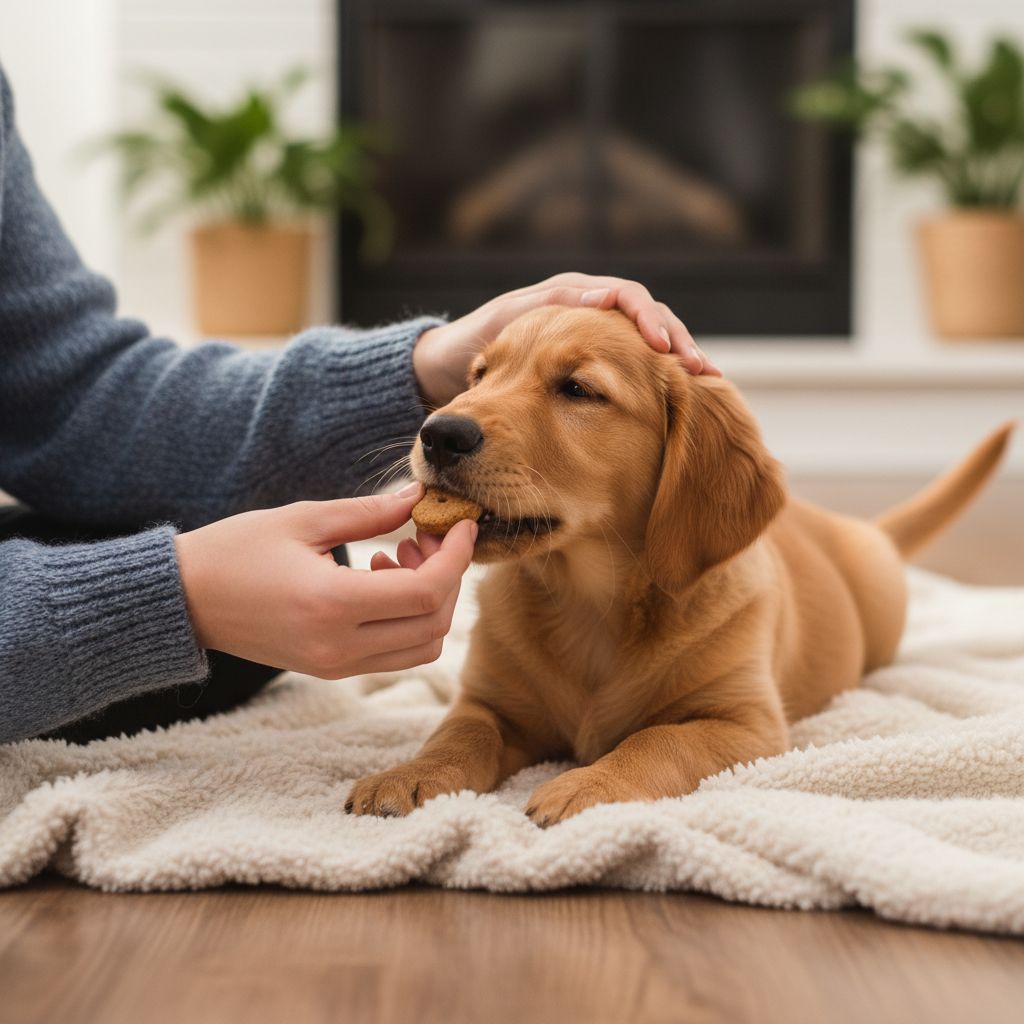
Positive reinforcement is key to shaping desired behaviors. Actively seek out opportunities to praise and reward your puppy when they are playing gently or interacting without nipping. This reinforces that calm behavior earns positive attention and rewards.
How to do it:
- Whenever your puppy licks your hand instead of biting, or plays with a toy without mouthing you, praise them lavishly.
- Offer a small, high-value treat for moments of gentle interaction.
- Use verbal cues like “Gentle” or “Good boy/girl” to associate the word with the desired behavior.
- Make gentle petting and quiet cuddles a regular part of your routine.
5. Teach “Leave It” and “Drop It” Commands
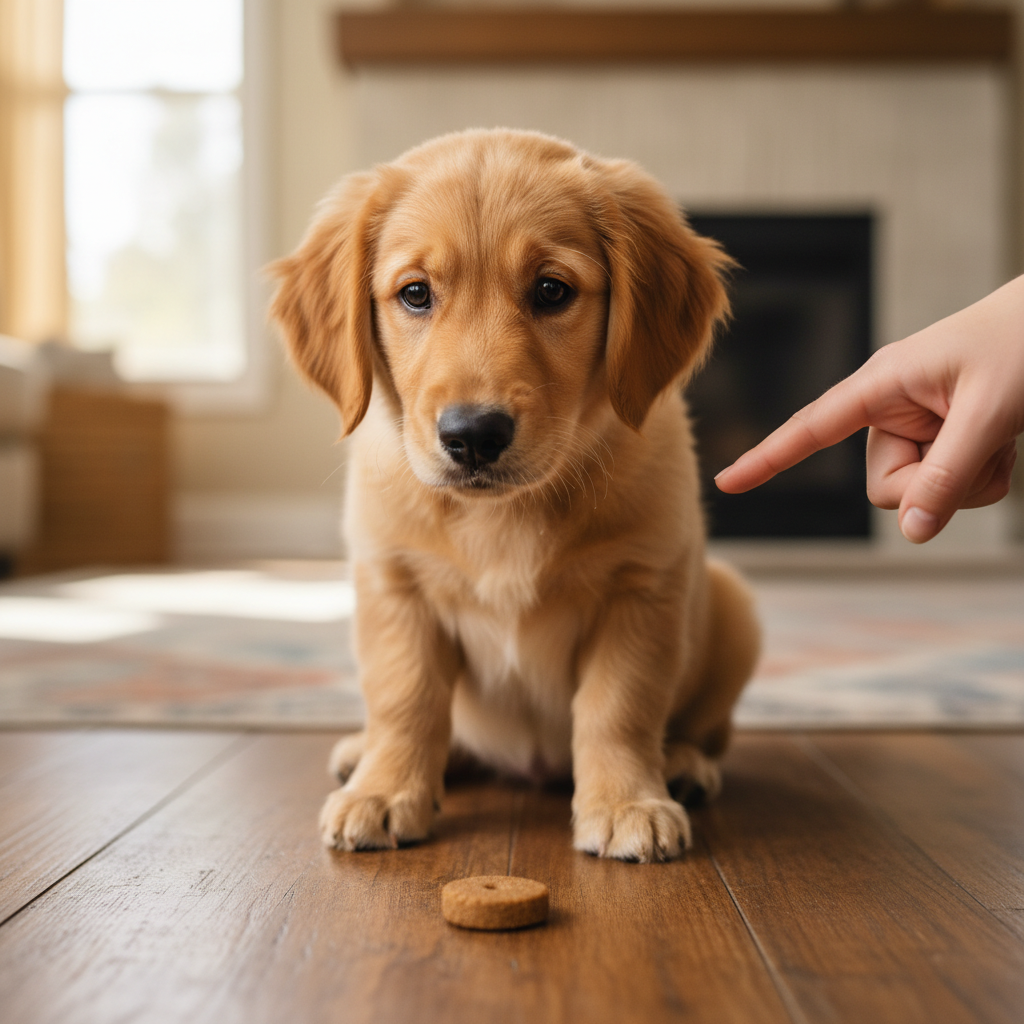
These commands are invaluable for managing a puppy’s mouthy behavior and promoting impulse control. “Leave it” teaches them to ignore something, while “Drop it” teaches them to release something they already have in their mouth.
How to do it:
- For “Leave It” Hold a treat in your closed fist. When your puppy tries to get it, say “Leave it.” Wait for them to back away or look at you, then reward them with a different treat from your other hand. Gradually increase the difficulty.
- For “Drop It” Offer your puppy a less favored toy. When they have it, hold a high-value treat near their nose and say “Drop it.” As soon as they drop the toy, give them the treat. Once they eat the treat, you can pick up the toy or offer it back.
6. Ensure Adequate Exercise and Mental Stimulation
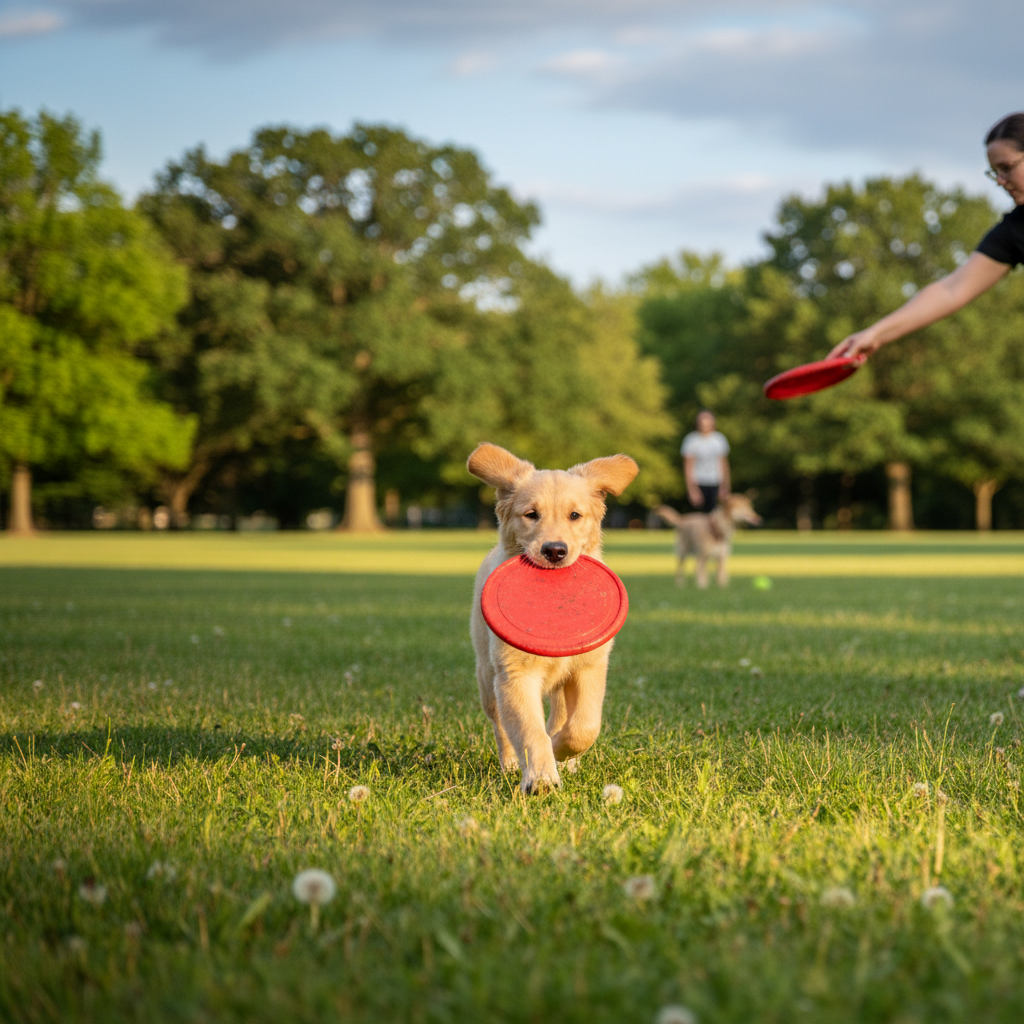
A tired puppy is often a well-behaved puppy. Puppies have a lot of energy, and if it’s not channeled constructively, it can manifest as excessive nipping and biting. Regular exercise and mental challenges can significantly reduce unwanted behaviors.
How to do it:
- Provide daily walks, playtime in a secure yard, or structured games like fetch.
- Engage their minds with puzzle toys, scent games, or short training sessions.
- Enroll in puppy classes, which offer both physical and mental stimulation, as well as crucial socialization.
- Adjust exercise to your puppy’s breed and age requirements, avoiding overexertion.
7. Socialize Your Puppy Safely and Responsibly
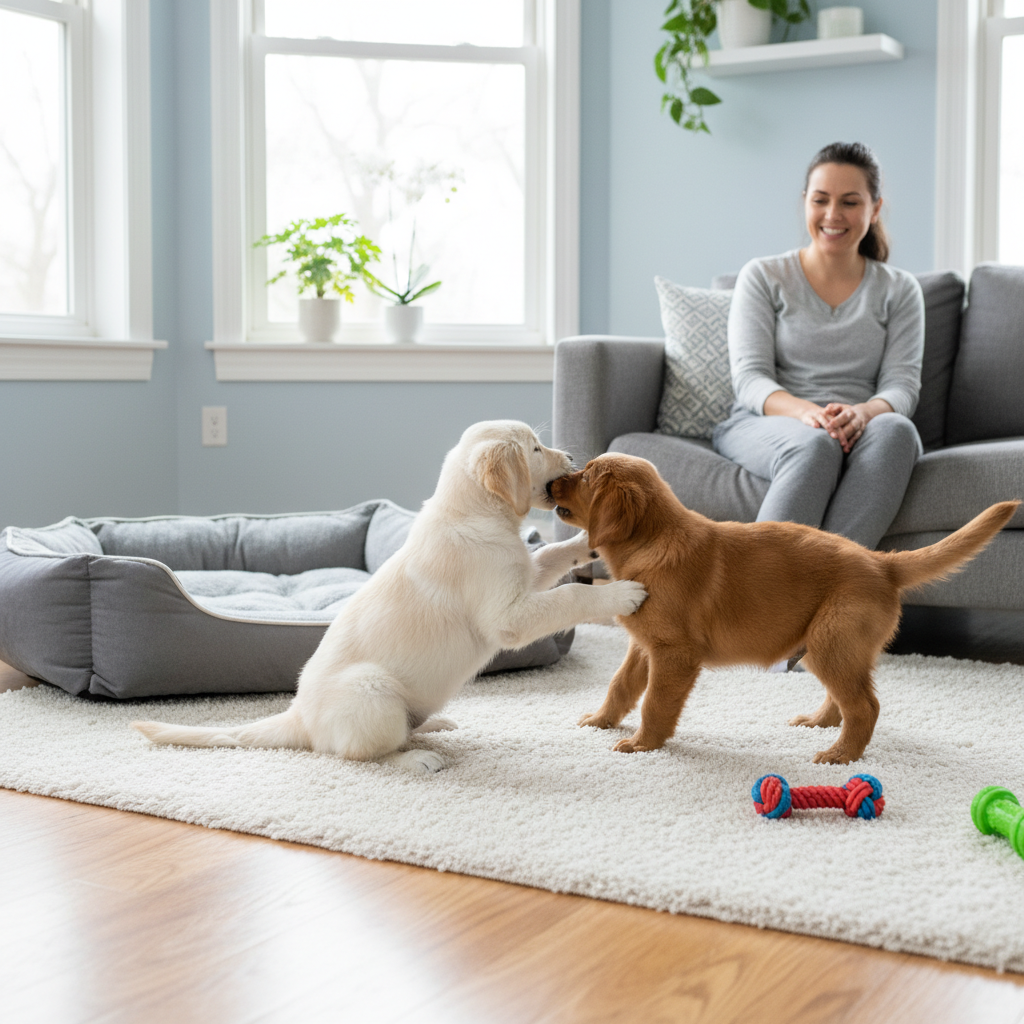
Safe and positive socialization with other well-behaved, vaccinated dogs can teach your puppy valuable lessons in bite inhibition. Other dogs will communicate when a bite is too hard, often with a yelp or by disengaging from play, reinforcing the lessons you’re teaching.
How to do it:
- Enroll in puppy kindergarten classes where supervised play is encouraged.
- Arrange playdates with trusted friends’ or family members’ vaccinated, gentle dogs.
- Always supervise interactions closely and intervene if play becomes too rough or one puppy is overwhelmed.
- Ensure the environment is safe and clean to minimize health risks.
A Gentle Reminder for Puppy Parents
Stopping puppy nipping and biting requires patience, consistency, and understanding. Remember that your puppy isn’t trying to be naughty; they’re simply learning how to interact with the world and control their impulses. By consistently applying these gentle, positive reinforcement methods, you’ll guide your puppy to understand appropriate play and develop into a well-mannered, loving companion. Celebrate every small victory, stay positive, and cherish these formative months. Your dedication now will lay the foundation for a lifetime of happy, gentle companionship.