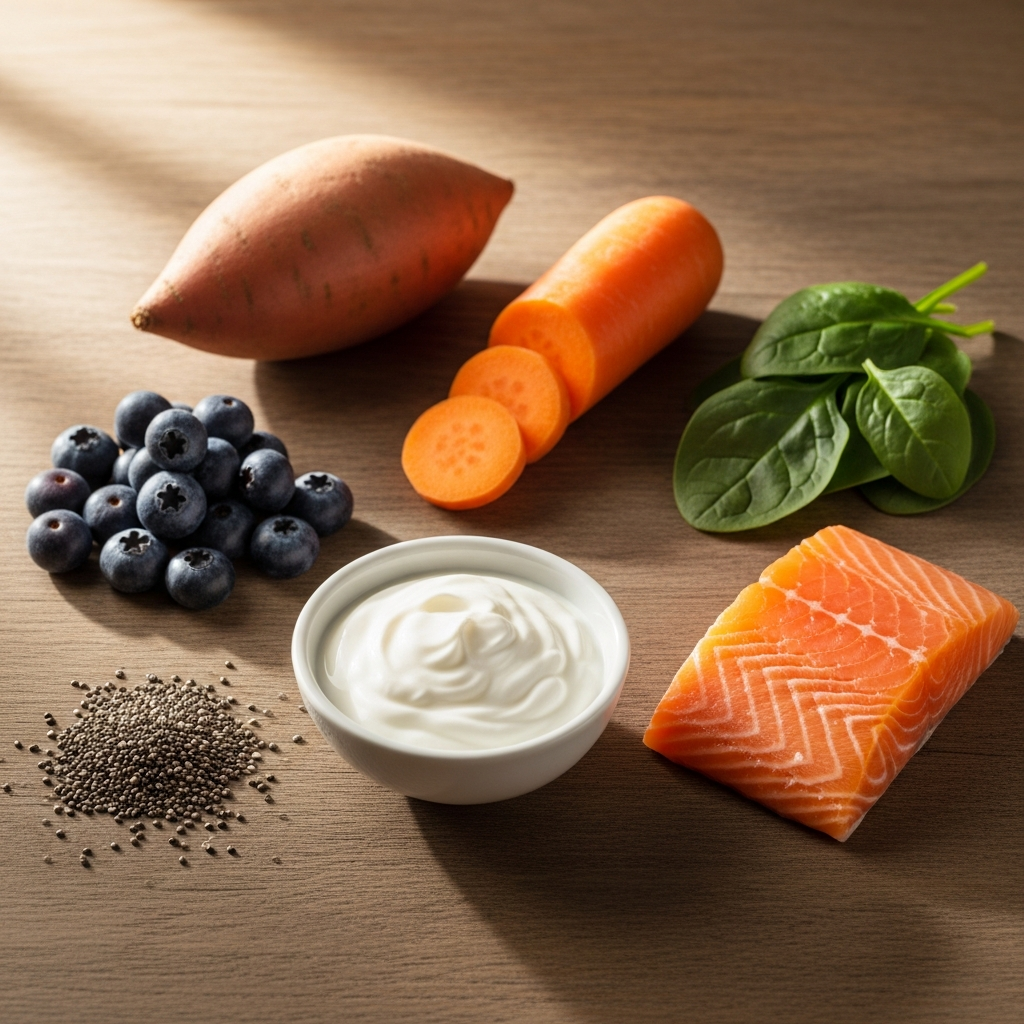
As loving dog parents, we all want the very best for our furry family members. We watch their playful antics, cuddle them close, and strive to keep them happy and healthy. A big part of their well-being comes from what’s in their food bowl. While commercial dog foods provide essential nutrition, sometimes we wonder if there’s more we can do to boost their health.
That’s where superfoods come in! Just like for humans, certain nutrient-dense foods can offer incredible benefits for our dogs. Adding a little extra goodness to their diet can support everything from their immune system to their shiny coat. But what exactly are superfoods for dogs, and which ones are safe to share? Let’s explore seven fantastic options you can consider adding to your dog’s menu.
Understanding Superfoods for Dogs
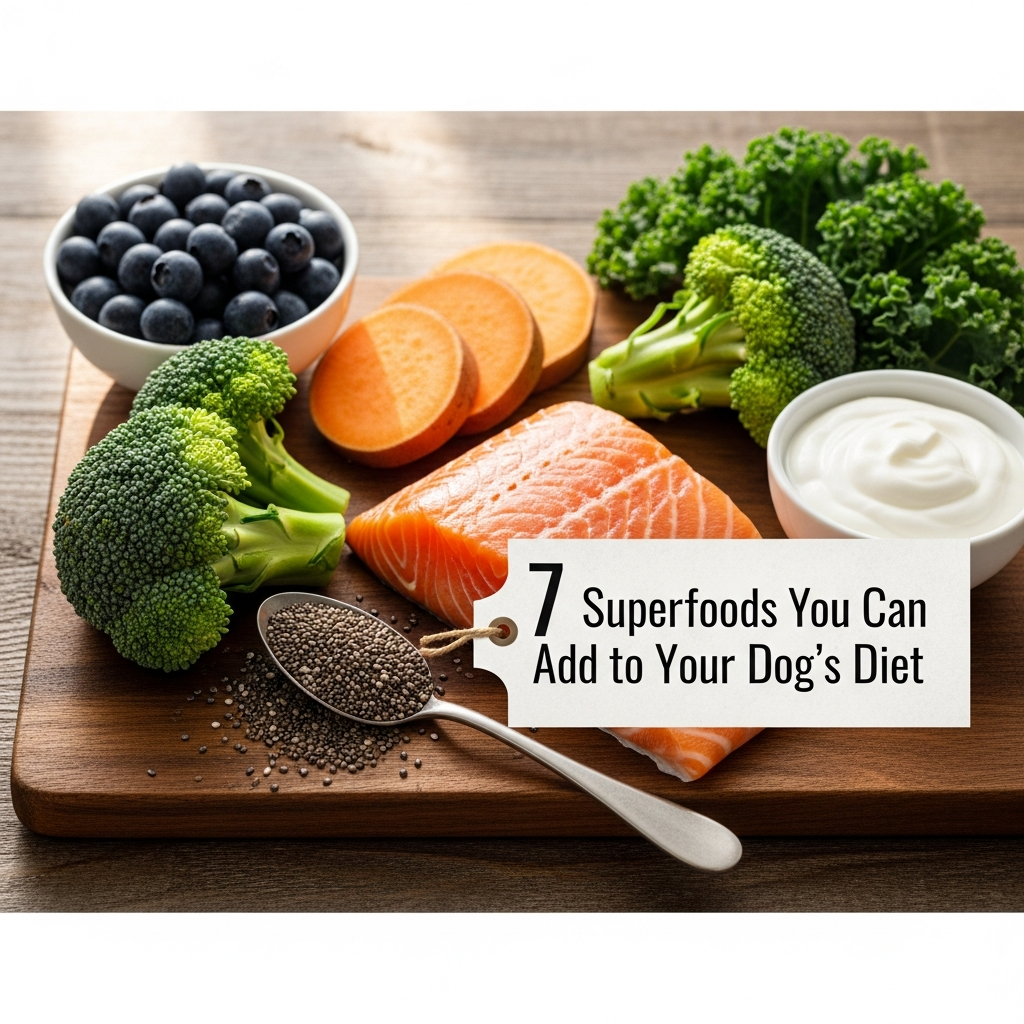
Before we dive into the delicious details, it’s good to understand what “superfood” means in the context of our canine companions. These aren’t magic potions, but rather whole, natural foods packed with vitamins, minerals, antioxidants, and other beneficial compounds. They can complement a balanced diet, not replace it. Always remember to chat with your veterinarian before introducing any new foods, especially if your dog has existing health conditions or dietary restrictions.
Why Add Superfoods to Your Dog’s Diet?
Introducing superfoods can bring several wonderful advantages:
* Boosting immune function
* Improving digestive health
* Supporting skin and coat vitality
* Providing anti-inflammatory benefits
* Aiding in weight management (when used as healthy treats)
* Adding variety and excitement to mealtime
Now, let’s explore our top seven superfood picks!
1. Blueberries: Tiny Powerhouses of Antioxidants
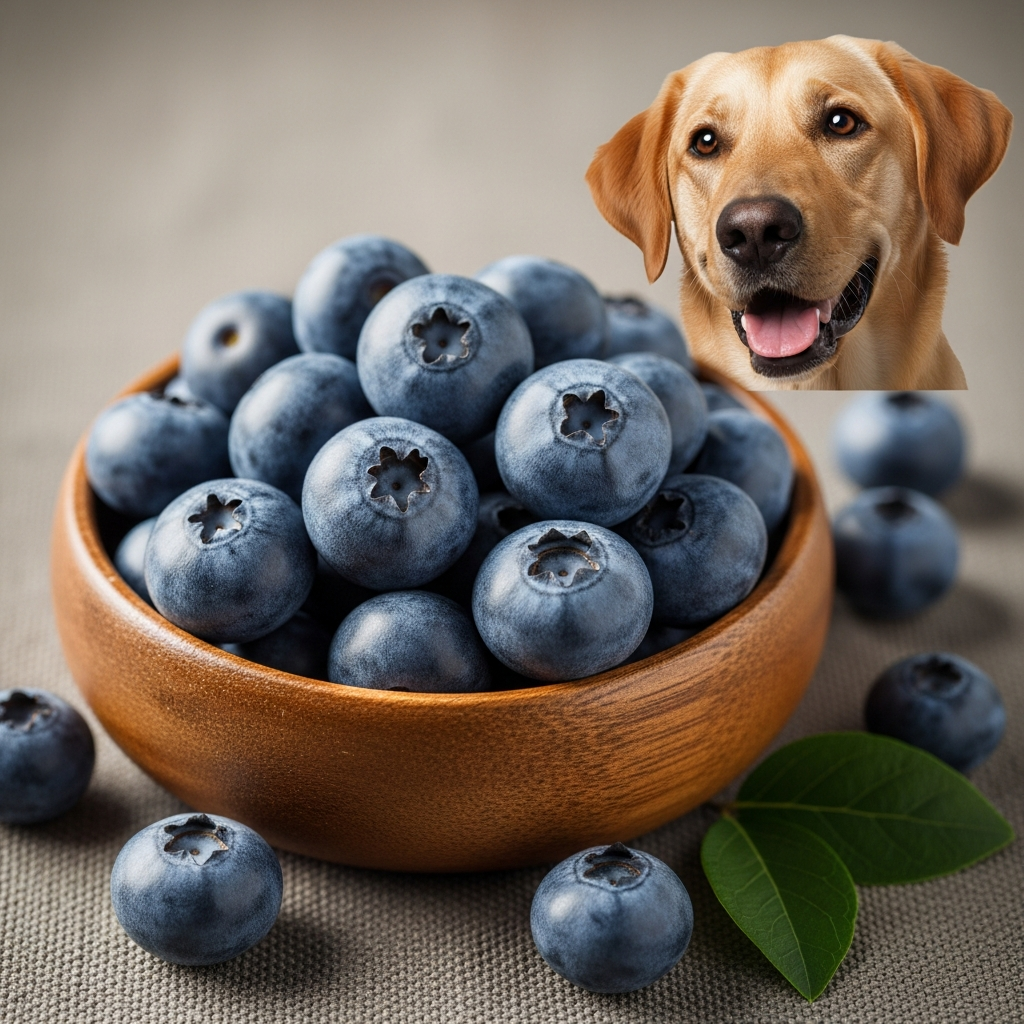
Blueberries are often called a “superfood” for a reason! These small, sweet berries are bursting with antioxidants, which help fight off cell damage in both humans and dogs. They’re also a good source of fiber and vitamins C and K.
Benefits of Blueberries for Dogs
* Antioxidant Boost: Helps protect cells from free radical damage, supporting overall health and potentially slowing down aging processes.
* Vitamin C: Important for immune system function.
* Fiber: Aids in healthy digestion.
How to Serve Blueberries to Your Dog
Offer fresh or frozen blueberries. They make a great training treat or a refreshing snack on a warm day.
Serving Tips for Blueberries
* Wash thoroughly before serving.
* Offer them whole, or mashed for smaller dogs or puppies.
* Start with a small amount; a few berries for small dogs, up to a handful for larger breeds.
* Remember they are a treat, so feed in moderation.
2. Carrots: Crunchy Goodness for Vision and Digestion
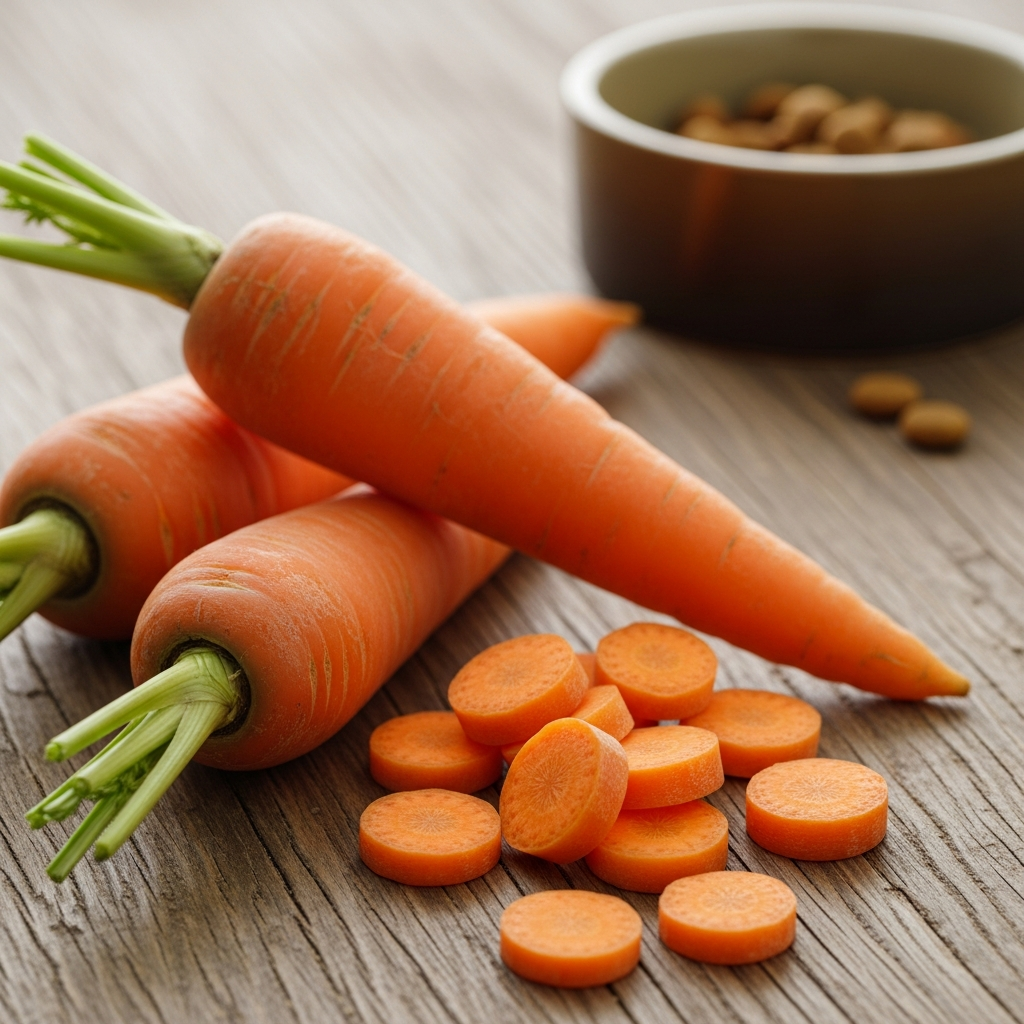
Carrots are a classic healthy snack that many dogs adore for their sweet taste and satisfying crunch. They are particularly rich in beta-carotene, which converts to Vitamin A in the body, and are also a good source of fiber.
Benefits of Carrots for Dogs
* Vitamin A (from Beta-Carotene): Essential for good vision, immune function, and skin health.
* Fiber: Promotes healthy bowel movements and can help with both constipation and diarrhea.
* Dental Health: The crunchy texture can help scrape away plaque from teeth, acting like a natural toothbrush.
How to Serve Carrots to Your Dog
Carrots can be given raw, cooked, or grated.
Serving Tips for Carrots
* Raw: Offer small pieces of raw carrot as a chew or treat. Make sure the pieces are appropriately sized to prevent choking.
* Cooked: Steam or boil carrots until soft, then mash or cut into small pieces. This makes them easier to digest for some dogs.
* Grated: Add grated raw carrot to your dog’s regular food for an extra nutritional boost.
* Portion Control: A few slices or a small raw carrot for smaller dogs, a larger carrot for bigger dogs, a couple of times a week.
3. Pumpkin: A Digestive Dynamo
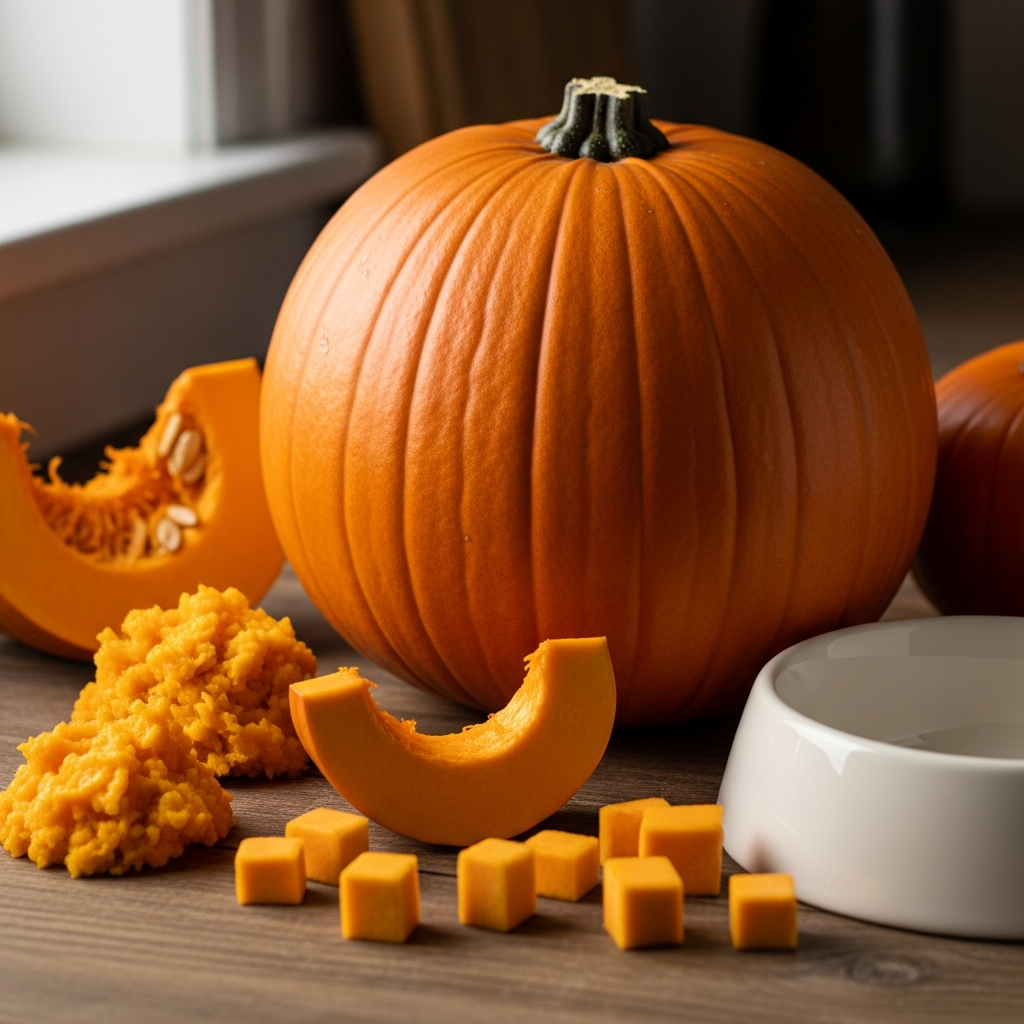
Often associated with fall, plain pumpkin is a year-round superstar for canine digestive health. It’s packed with fiber and is low in calories, making it an excellent addition to your dog’s diet, especially for tummy troubles.
Benefits of Pumpkin for Dogs
* High Fiber Content: Excellent for regulating digestion, helping with both constipation and mild diarrhea.
* Prebiotics: Supports the growth of beneficial gut bacteria.
* Vitamins and Minerals: Contains Vitamin A, C, E, and minerals like potassium and iron.
How to Serve Pumpkin to Your Dog
Always use plain, cooked pumpkin. This means canned pumpkin puree (NOT pumpkin pie filling) or freshly cooked pumpkin.
Serving Tips for Pumpkin
* Canned Pumpkin Puree: Ensure it’s 100% plain pumpkin, with no added sugars, spices, or xylitol.
* Fresh Pumpkin: Steam, boil, or bake pumpkin until soft, then mash it. Remove all seeds and skin.
* Dosage: Start with a small amount – 1-2 teaspoons for small dogs, 1-2 tablespoons for larger dogs, mixed into their food once a day or as needed for digestive support.
4. Sweet Potatoes: Wholesome Energy and Antioxidants
Sweet potatoes are a delicious and nutritious root vegetable that can be a great source of energy and vital nutrients for your dog. They are rich in dietary fiber, beta-carotene, and various vitamins and minerals.
Benefits of Sweet Potatoes for Dogs
* Complex Carbohydrates: Provide sustained energy.
* Dietary Fiber: Supports digestive health and can help maintain healthy blood sugar levels.
* Beta-Carotene: Converts to Vitamin A, benefiting vision and immune function.
* Vitamins: Contains Vitamins B6, C, and E.
How to Serve Sweet Potatoes to Your Dog
Sweet potatoes must always be cooked and served plain. Raw sweet potato is difficult for dogs to digest and can cause an upset stomach.
Serving Tips for Sweet Potatoes
* Cooked and Mashed: Boil, steam, or bake sweet potatoes until very soft. Mash them without adding any butter, salt, or seasonings.
* Small Cubes: Cut cooked sweet potatoes into small, bite-sized pieces as a treat or food topper.
* Moderation: A few tablespoons for larger dogs, smaller amounts for smaller dogs, a few times a week.
5. Salmon (and other Oily Fish): Omega-3 Powerhouse
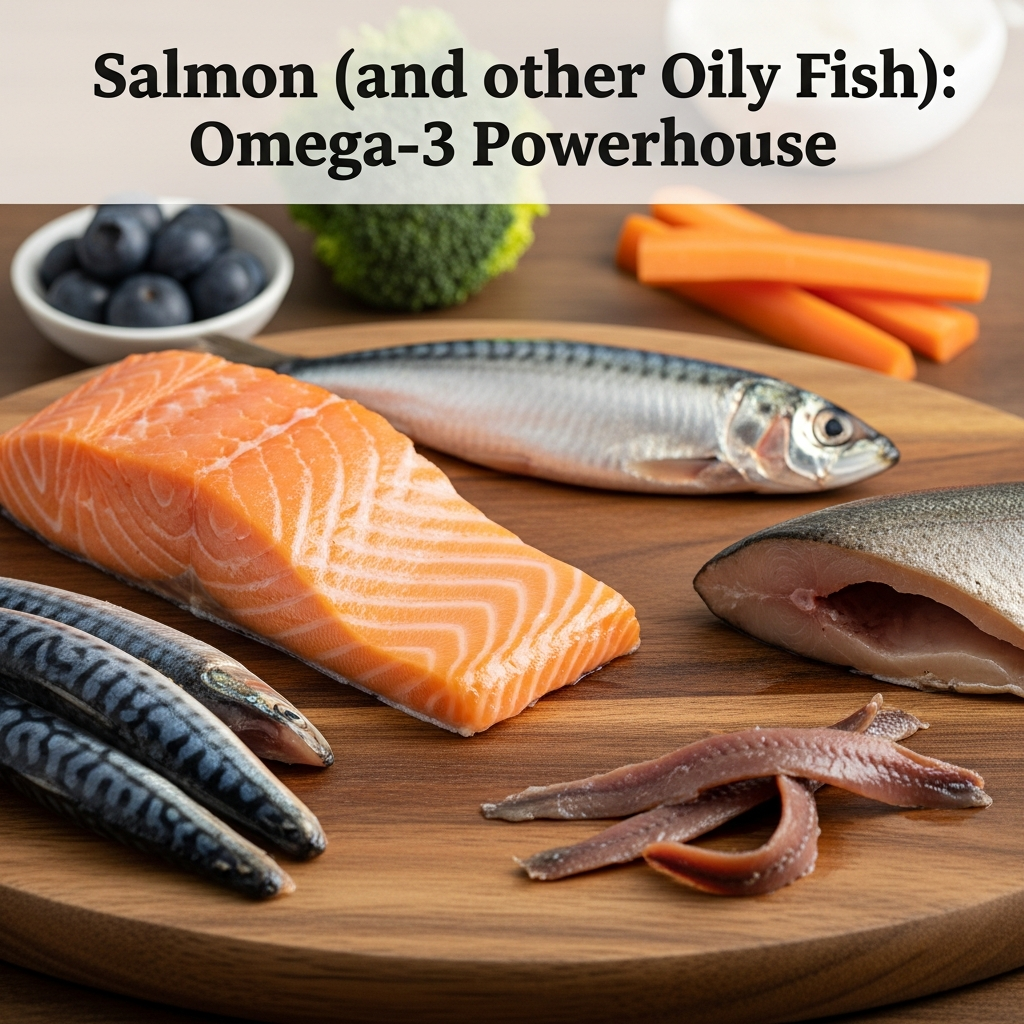
Oily fish like salmon, sardines, and mackerel are incredible sources of Omega-3 fatty acids, specifically EPA and DHA. These essential fatty acids are crucial for many aspects of your dog’s health.
Benefits of Salmon for Dogs
* Omega-3 Fatty Acids: Crucial for a healthy, shiny coat, skin health, joint mobility, brain development (especially in puppies), and reducing inflammation.
* Protein: A high-quality source of protein for muscle health.
* Vitamins and Minerals: Contains Vitamin D and B vitamins.
How to Serve Salmon to Your Dog
Always serve cooked, unseasoned salmon. Raw salmon can contain parasites that are harmful to dogs. Ensure all bones are removed.
Serving Tips for Salmon
* Baked or Boiled: Gently bake, steam, or boil boneless, skinless salmon fillets until cooked through. Do not add any oils, butter, or seasonings.
* Canned Sardines: Ensure they are packed in water with no added salt. These small fish are also packed with Omega-3s and are easy to serve.
* Portion: Small amounts once or twice a week. A few ounces for larger dogs, smaller flakes for small dogs. Too much can lead to weight gain due to its fat content.
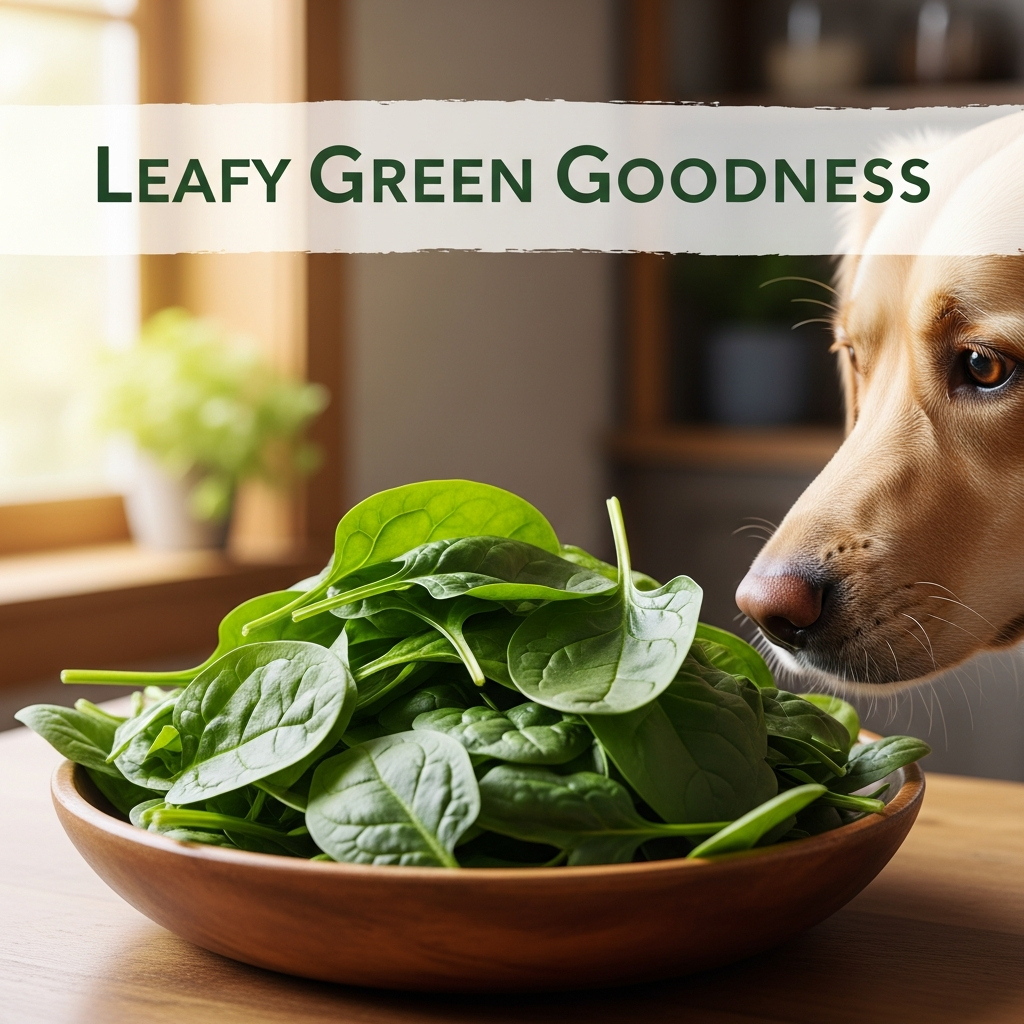
6. Spinach: Leafy Green Goodness
While some leafy greens can be tough for dogs to digest, spinach, in moderation, can offer a good range of vitamins and minerals. It’s a source of iron, Vitamin K, and antioxidants.
Benefits of Spinach for Dogs
* Vitamins K and A: Important for bone health, blood clotting, and vision.
* Iron: Essential for healthy blood.
* Antioxidants: Helps protect cells.
How to Serve Spinach to Your Dog
Spinach should be cooked and chopped finely to aid digestion. Raw spinach contains oxalates which, in large quantities, can interfere with calcium absorption. While a small amount is generally safe, cooking helps reduce these compounds.
Serving Tips for Spinach
* Steamed or Blanched: Briefly steam or blanch fresh spinach, then chop it finely or puree it.
* Mix into Food: Add a small amount (a teaspoon for small dogs, a tablespoon for larger dogs) into their regular food a few times a week.
* Limit Quantity: Due to oxalates, spinach is best offered in small, infrequent amounts, especially for dogs prone to kidney stones.
7. Plain Yogurt: Probiotic Power for Gut Health
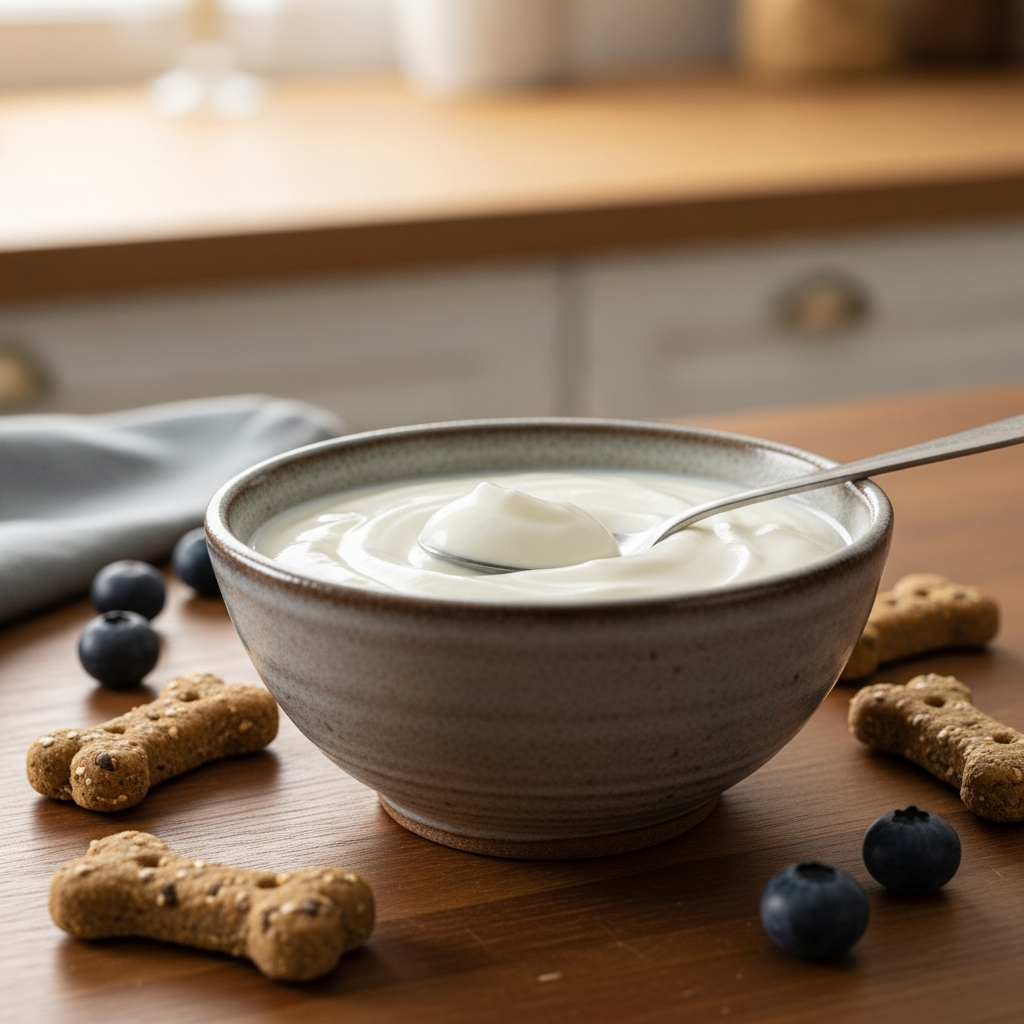
Plain, unsweetened yogurt can be a fantastic source of probiotics, which are beneficial bacteria that support a healthy gut. It also provides calcium and protein.
Benefits of Plain Yogurt for Dogs
* Probiotics: Helps maintain a healthy balance of gut bacteria, aiding digestion and boosting the immune system.
* Calcium: Important for strong bones and teeth.
* Protein: Supports muscle health.
How to Serve Plain Yogurt to Your Dog
It is crucial to use plain, unsweetened yogurt, preferably with live and active cultures. Avoid any yogurt with artificial sweeteners, especially xylitol, which is highly toxic to dogs.
Serving Tips for Plain Yogurt
* As a Topper: Add a spoonful to your dog’s regular meal.
* Frozen Treat: Freeze a small dollop of yogurt in a Kong or on a lick mat for a refreshing and long-lasting treat.
* Moderation: Start with a very small amount (half a teaspoon to a tablespoon) to ensure your dog doesn’t have an issue with lactose. Some dogs can be lactose intolerant.
Important Considerations Before Adding Superfoods
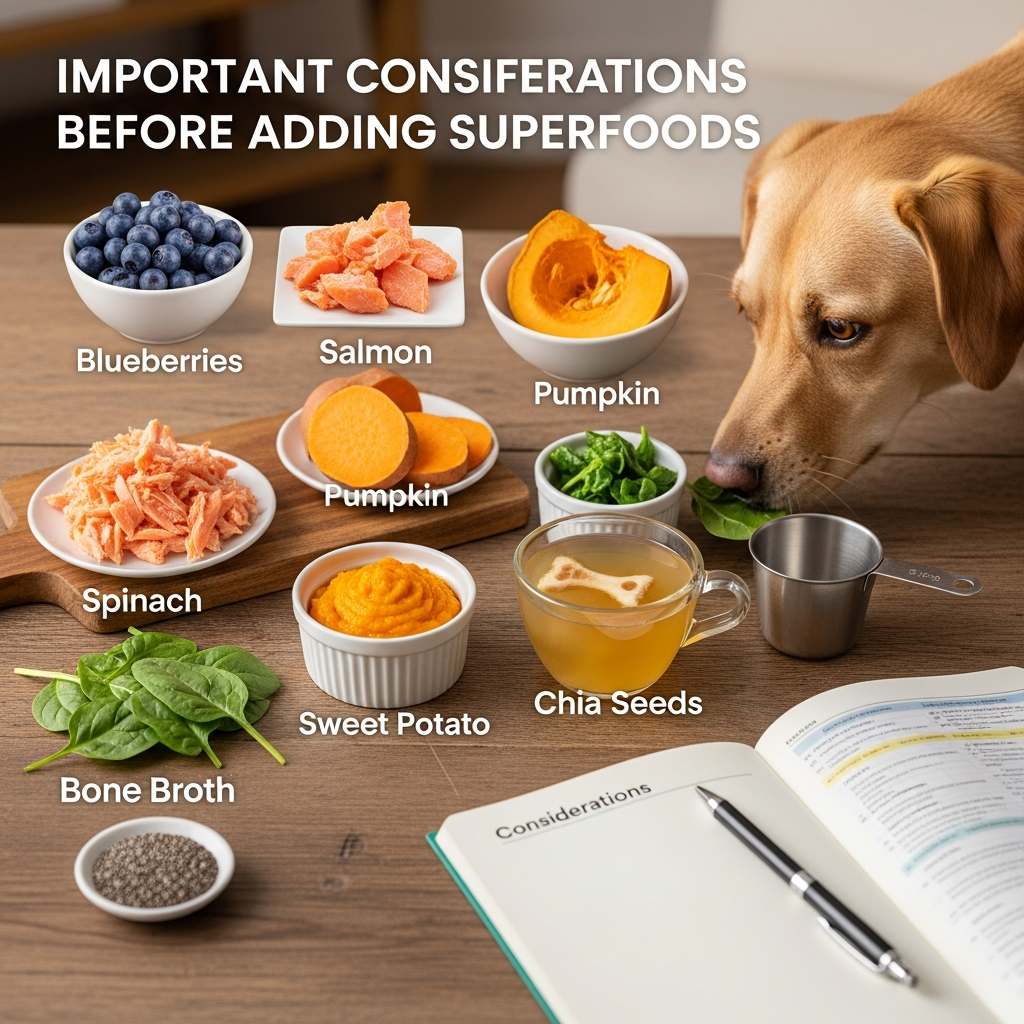
While these superfoods offer fantastic benefits, safety is always paramount. Here are a few things to keep in mind.
Veterinarian Consultation
Always, always consult your veterinarian before introducing any new foods to your dog’s diet, especially if they have allergies, sensitivities, or underlying health conditions like kidney disease or diabetes. Your vet can provide personalized advice based on your dog’s specific needs.
Introducing New Foods Slowly
Just like with humans, a sudden change in diet can upset your dog’s stomach. Introduce new superfoods one at a time and in very small quantities. Watch for any signs of digestive upset like vomiting or diarrhea.
Portion Control
Superfoods are supplements, not meal replacements. They should make up no more than 10% of your dog’s daily caloric intake to prevent an imbalanced diet or weight gain. Think of them as healthy treats or garnishes.
Allergies and Sensitivities
Even healthy foods can trigger allergies in some dogs. Be vigilant for signs of an allergic reaction, such as itching, skin rashes, ear infections, or digestive issues.
Preparation is Key
Many human foods are safe for dogs only when prepared simply and plainly. Avoid adding salt, sugar, butter, oils, garlic, onions, or any spices. These can be harmful or even toxic to dogs. Always ensure foods are cooked appropriately (if needed) and cut into bite-sized pieces to prevent choking.
Superfood Serving Guide (General Reference)
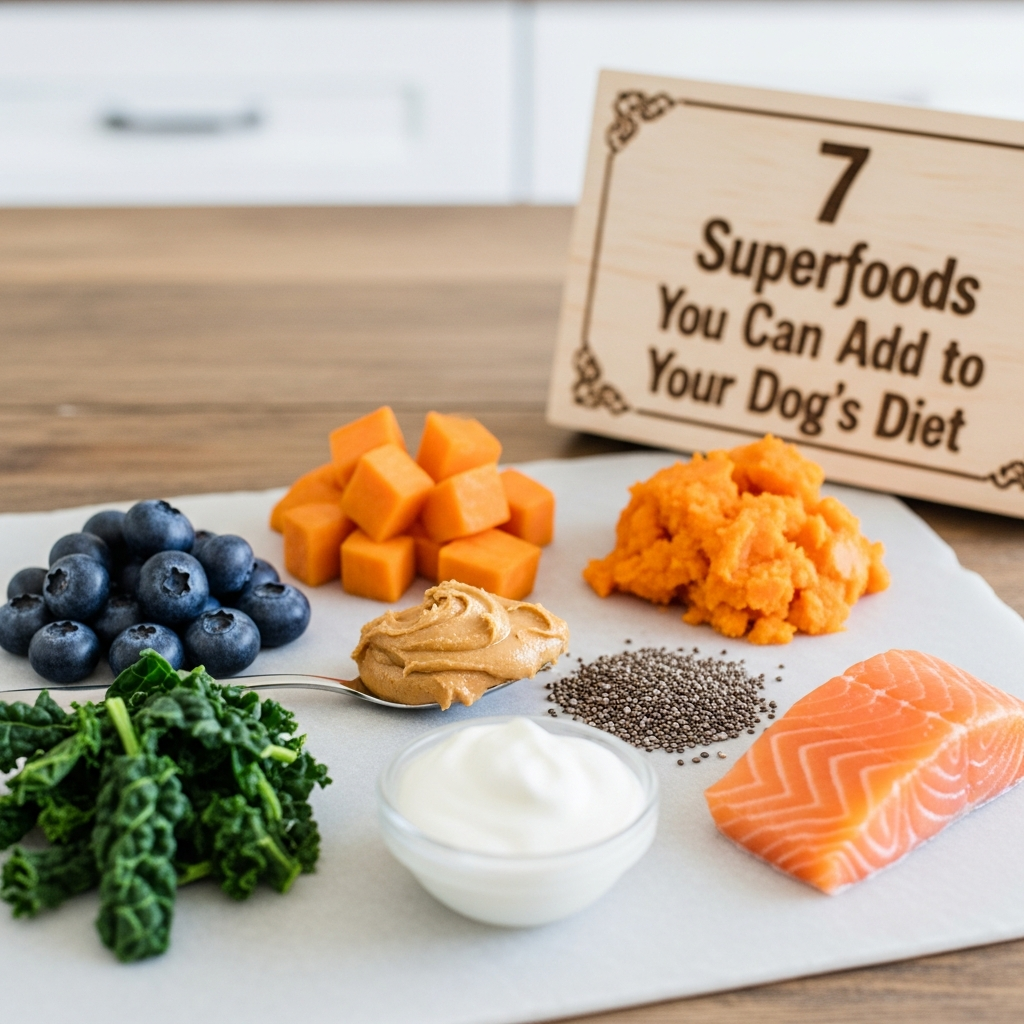
Remember these are general guidelines. Adjust based on your dog’s size, activity level, and individual needs. Always start with smaller amounts.
| Superfood | Preparation | Small Dog (under 20 lbs) | Medium Dog (20-50 lbs) | Large Dog (over 50 lbs) | Frequency |
| Blueberries | Fresh or frozen, washed | 3-5 berries | 5-10 berries | 10-20 berries | 2-3 times per week |
| Carrots | Raw (small pieces) or cooked/mashed | 1-2 small slices | 1/4 – 1/2 medium carrot | 1/2 – 1 large carrot | 3-4 times per week |
| Plain Pumpkin | Canned 100% pure or cooked/mashed | 1-2 teaspoons | 1-2 tablespoons | 2-4 tablespoons | Daily (for digestive aid) |
| Sweet Potatoes | Cooked and mashed or small cubes | 1 tablespoon | 2-3 tablespoons | 1/4 – 1/2 cup | 2-3 times per week |
| Salmon (cooked) | Cooked, plain, boneless, skinless | 1/2 – 1 ounce | 1-2 ounces | 2-3 ounces | 1-2 times per week |
| Spinach (cooked) | Steamed/blanched, finely chopped/pureed | 1/2 – 1 teaspoon | 1 tablespoon | 1-2 tablespoons | 2-3 times per week (small amount) |
| Plain Yogurt | Plain, unsweetened, live cultures | 1/2 – 1 teaspoon | 1 tablespoon | 2-3 tablespoons | 2-3 times per week |