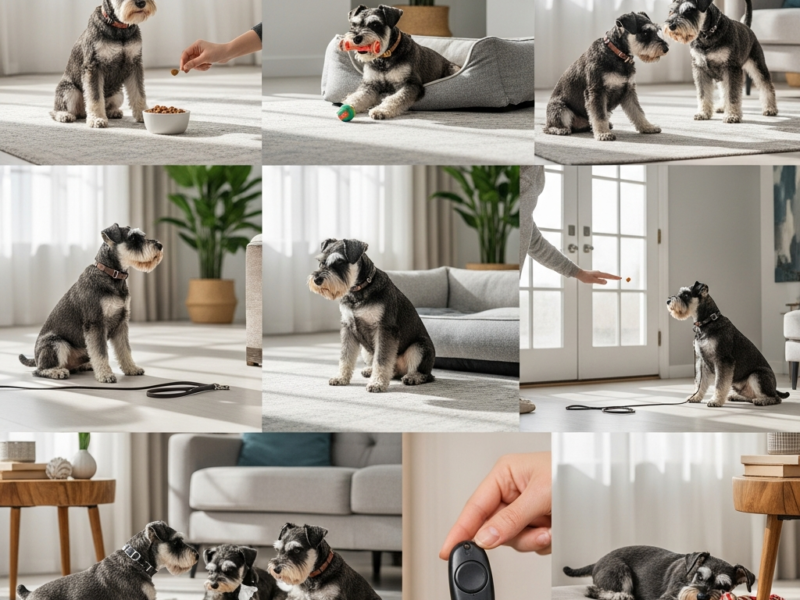
Therapy dogs bring comfort, love, and emotional support to people in hospitals, schools, nursing homes, disaster zones, and community spaces. Unlike service dogs, therapy dogs don’t perform specific tasks — instead, they provide calm companionship and emotional stability to those who need it. Training a therapy dog requires gentleness, patience, and the right skills to ensure the dog is confident, well-mannered, and comfortable in many environments.
Whether you’re considering therapy dog certification or simply want your dog to offer emotional support to others, these 10 must-know therapy dog training tips will help guide your journey.
1. Start With a Calm, Friendly Temperament
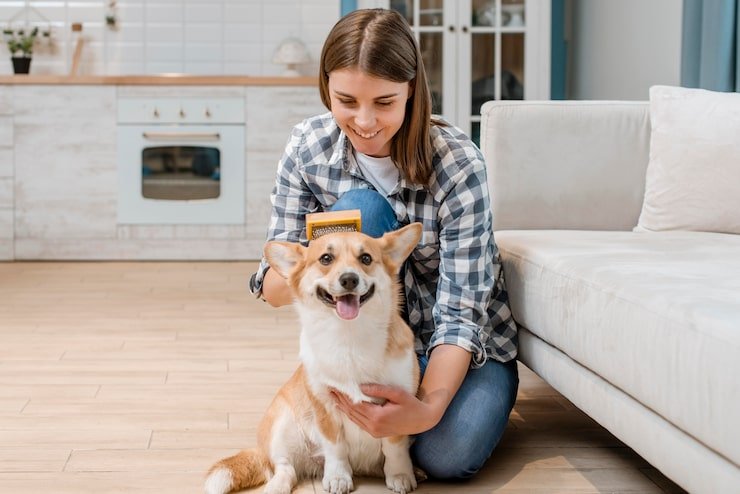
Not every dog is suited to therapy work, so temperament matters.
Ideal therapy dog qualities:
- Gentle and patient
- Friendly with strangers
- Confident, not fearful
- Comfortable with handling
- Calm around distractions
A naturally mellow demeanor makes training easier and more effective.
2. Master Basic Obedience Skills
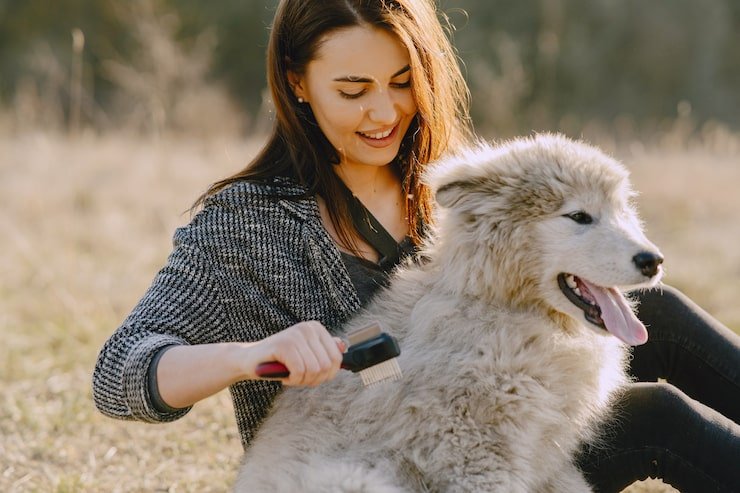
Before therapy-specific training, your dog must reliably know:
- Sit
- Down
- Stay
- Come
- Leave it
- Heel
These commands ensure your dog behaves safely and predictably in busy or emotional environments.
3. Socialize Your Dog Early and Often

Therapy dogs must be comfortable meeting all kinds of people.
Socialize with:
- Children
- Seniors
- People using wheelchairs or walkers
- Groups and crowds
- Other dogs
Good socialization builds confidence and reduces anxiety in unfamiliar settings.
4. Teach Your Dog to Stay Calm Around Medical Equipment
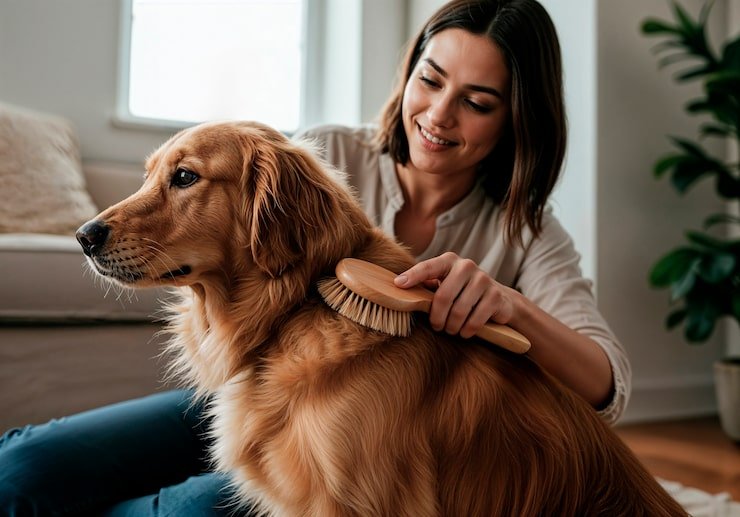
Therapy dogs often work in healthcare settings, so they must be at ease around:
- Hospital beds
- IV poles
- Wheelchairs
- Stretchers
- Beeping machines
Training tip: Expose your dog to similar equipment gradually and reward calm behavior.
5. Focus on Gentle Handling Training
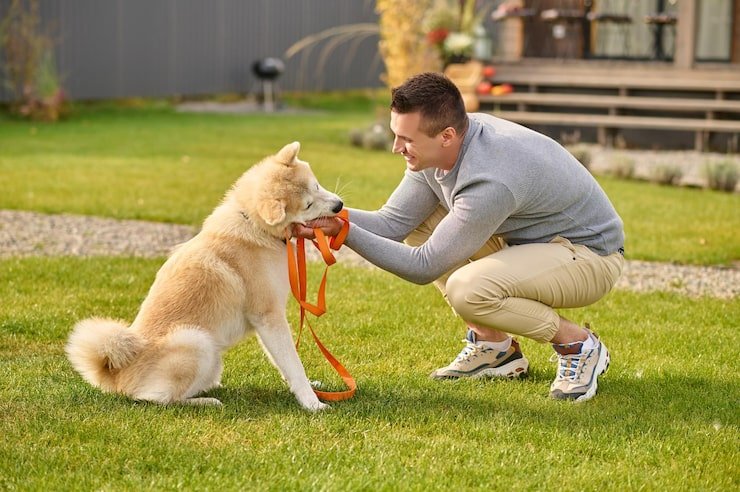
People receiving therapy visits may pet, hug, or touch dogs in unexpected ways.
Teach your dog to stay calm during:
- Head pats
- Tight hugs
- Gentle tail touches
- Ear handling
- Sudden movements
A well-handled dog won’t react negatively to unintended roughness.
6. Reinforce Good Manners in All Environments

Therapy dogs must behave politely wherever they go.
Practice manners such as:
- No jumping
- No pawing
- No licking unless invited
- No barking in public
- Staying close to the handler
Polite behavior builds trust with the people your dog visits.
7. Condition Your Dog for Loud Noises & Sudden Sounds

Hospitals, schools, and public spaces can be loud.
Expose your dog to:
- Alarms
- Loud conversations
- Slamming doors
- Dropped objects
- Children playing
Always reward calm reactions to reinforce confidence.
8. Build Strong Handler–Dog Communication
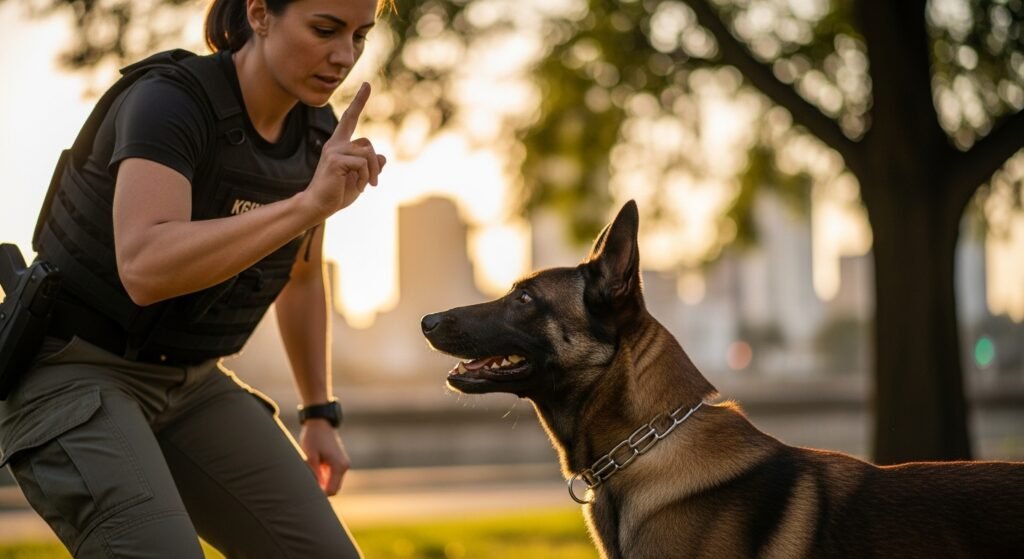
Therapy work relies on a deep, trusting bond.
Strengthen it by:
- Using consistent cues
- Practicing eye contact
- Being calm and confident
- Rewarding positive behavior
A strong bond helps your dog feel secure in unpredictable settings.
9. Teach Your Dog to Handle Long Stays & Quiet Time
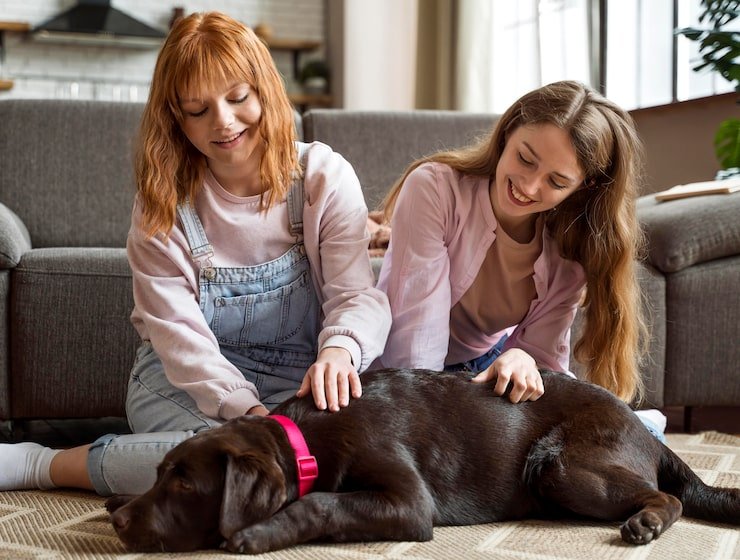
Therapy dogs spend a lot of time calmly sitting or lying down.
Practice:
- Long “down stays”
- Relaxing beside strangers
- Lying on mats or blankets
- Staying calm in low-stimulation environments
A relaxed dog helps soothe anxious or emotional individuals.
10. Learn Therapy Dog Certification Requirements
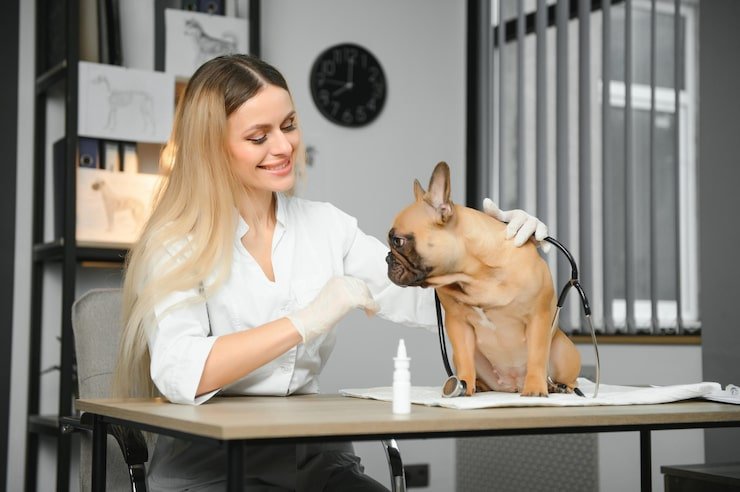
Most organizations require dogs to pass an evaluation.
Common requirements include:
- Good manners around strangers
- Comfort in crowds
- No aggression or fear
- Ability to follow commands reliably
- Calm, stable temperament
Popular certification organizations:
- Alliance of Therapy Dogs (ATD)
- Pet Partners
- Therapy Dogs International (TDI)
Certification allows you and your dog to volunteer in many public places.
Bonus Tips for Future Therapy Dog Teams
Use Only Positive Reinforcement
Therapy dogs respond best to praise, treats, and gentle guidance.
Avoid:
- Harsh corrections
- Physical punishment
- Forceful training
A confident, happy dog makes the best therapy companion.
Keep Training Sessions Fun
Short, upbeat sessions help maintain motivation and prevent stress.
Prioritize Your Dog’s Comfort
A therapy dog must WANT to do the work.
Watch for signs of stress:
- Yawning
- Lip licking
- Pacing
- Avoidance
- Shaking
Always respect your dog’s limits.
Give Plenty of Breaks During Visits
Therapy work can be emotionally tiring. Water breaks, quiet time, and gentle resets help keep your dog balanced.
Conclusion
Training a therapy dog is a rewarding journey that strengthens your bond and allows your dog to make a meaningful difference in people’s lives. With patience, socialization, gentle handling, and consistent obedience training, your dog can become a comforting presence for individuals who need emotional support, love, and a moment of joy.
Whether you’re preparing for certification or just helping your pup develop excellent manners, these essential therapy dog training tips will set you both on the path to making a positive impact.