One of the most valuable commands you can teach your dog, perhaps even the most crucial, is a reliable recall. Imagine this: you are at the park, enjoying a lovely afternoon, and suddenly your dog spots a squirrel and takes off like a rocket. Or maybe the front door is accidentally left ajar, and your curious canine bolts outside. In these moments, a solid “Come!” command isn’t just convenient; it’s a lifesaver.
Teaching your dog to reliably come when called might seem like a daunting task, especially if you have a dog with a strong independent streak or a love for sniffing every blade of grass. But I promise you, with patience, consistency, and a little bit of fun, any dog can learn this essential skill. This article will walk you through five easy steps, designed to build a strong, positive recall that will give you peace of mind and your dog more freedom to explore safely.
Why “Come When Called” (Recall) is So Important
Before we dive into the how-to, let’s take a moment to understand why recall is such a big deal. It’s not just about showing off your dog’s obedience; it’s deeply rooted in their safety and your relationship.
Safety First!
This is the number one reason. A reliable recall can literally save your dog’s life. If they wander too close to a busy road, encounter an aggressive dog, or are about to eat something dangerous off the ground, a quick “Come!” can avert disaster. It’s your emergency brake.
Strengthening Your Bond
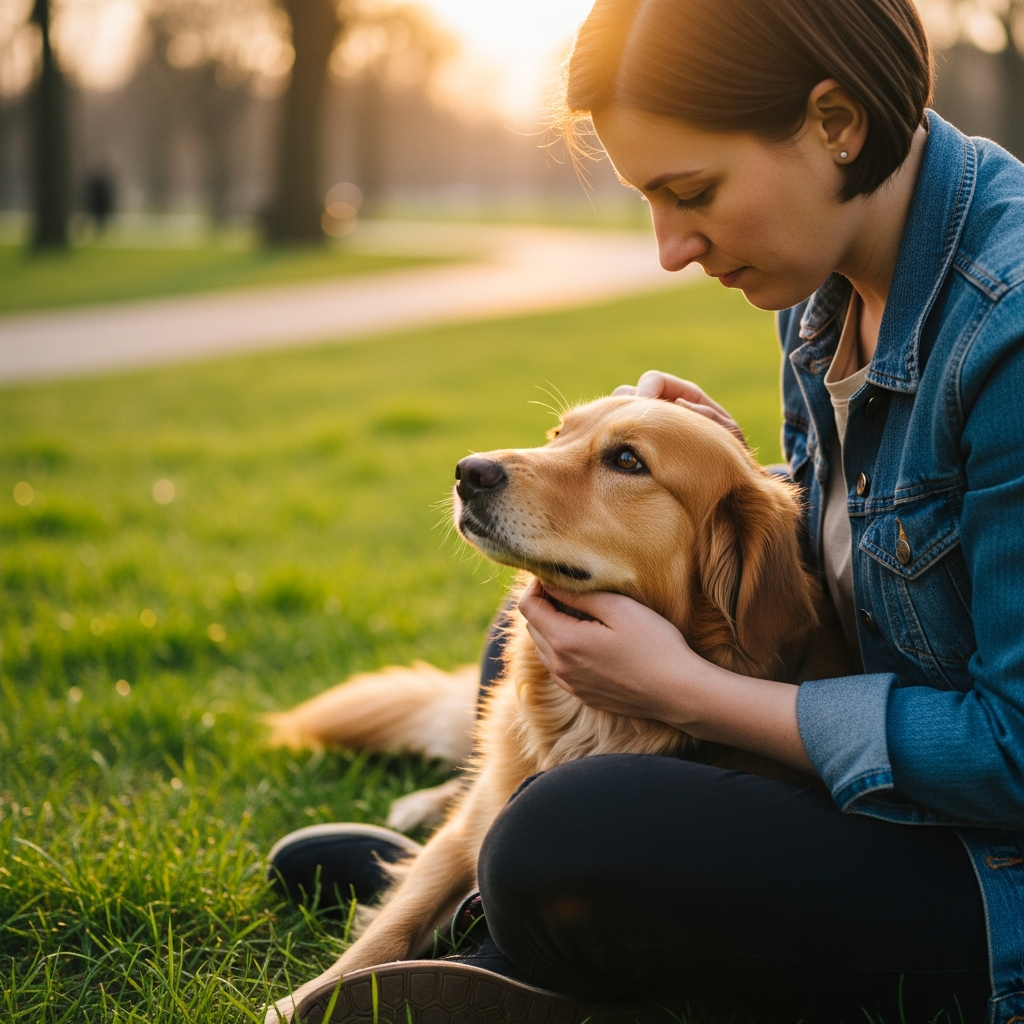
Training recall isn’t about control; it’s about trust. When your dog chooses to come back to you, even when there are tempting distractions, they are showing their trust and connection with you. Each successful recall builds that bond, reinforcing that you are the most interesting and rewarding thing in their world.
Freedom and Fun
Paradoxically, a good recall gives your dog more freedom. With the confidence that they will return, you can allow them off-leash in safe, designated areas, giving them the joy of running, sniffing, and exploring without restraint. This enrichment is vital for their physical and mental well-being.
Getting Started: Essential Tools and Mindset
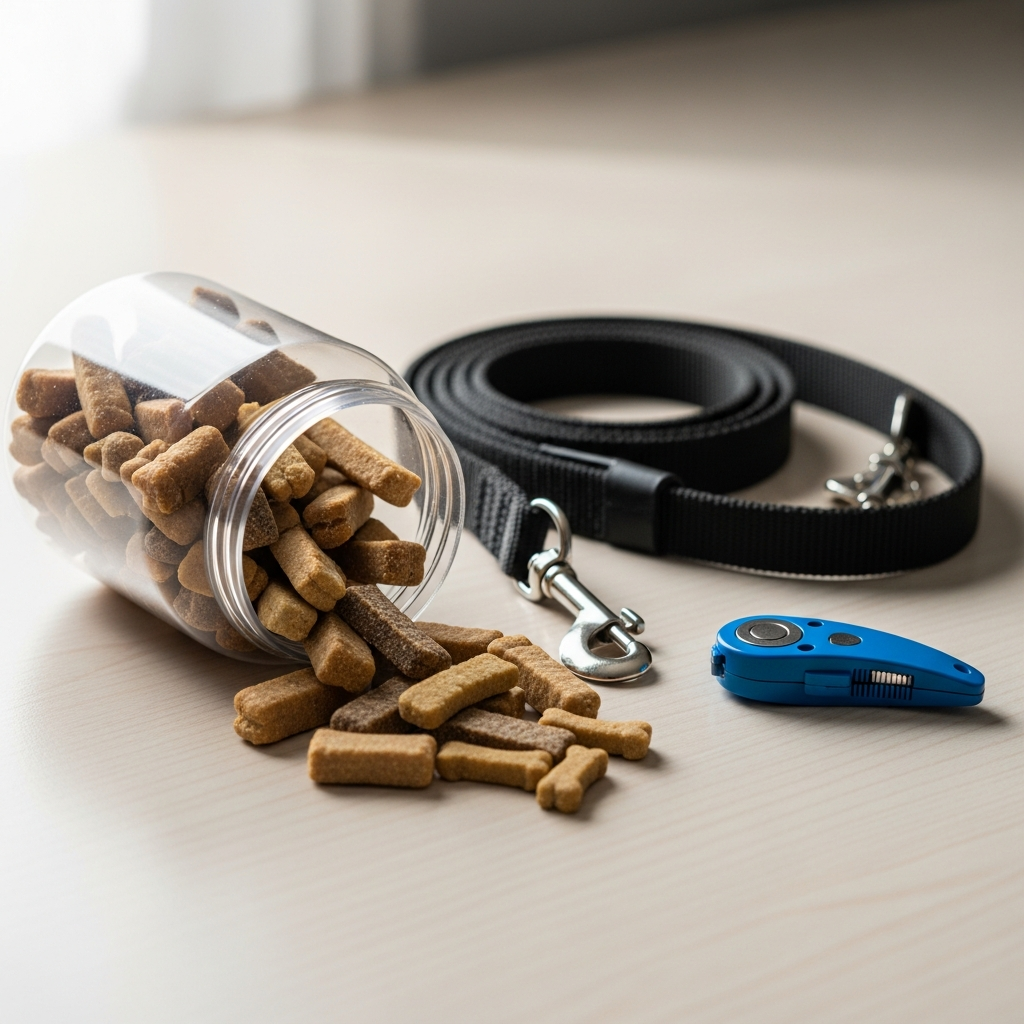
Before you even say the word “come,” it’s good to have a few things ready and adopt the right attitude for success.
Necessary Equipment
- High-Value Treats: These are super yummy, irresistible treats your dog doesn’t get often, like small pieces of cooked chicken, cheese, or hot dogs. They need to be truly motivating!
- A Long Line (or Long Leash): A 15 to 30-foot lightweight leash will be invaluable for practicing safely with distance.
- A Quiet, Low-Distraction Environment: Start indoors or in a fenced yard where there aren’t many things to grab your dog’s attention.
- A Clicker (Optional, but Recommended): A clicker can mark the exact moment your dog performs the desired behavior, making training even clearer.
The Right Attitude
- Patience is Key: Training takes time. There will be good days and not-so-good days. Don’t get discouraged!
- Make it Fun and Positive: Recall should always be a joyful experience for your dog. Never use it to scold them or do something they dislike (like leave the park).
- Consistency: Everyone in the household should use the same command and reward system.
- End on a High Note: Always try to finish your training sessions with a success, even if it’s a small one.
The 5 Easy Steps to Master Recall
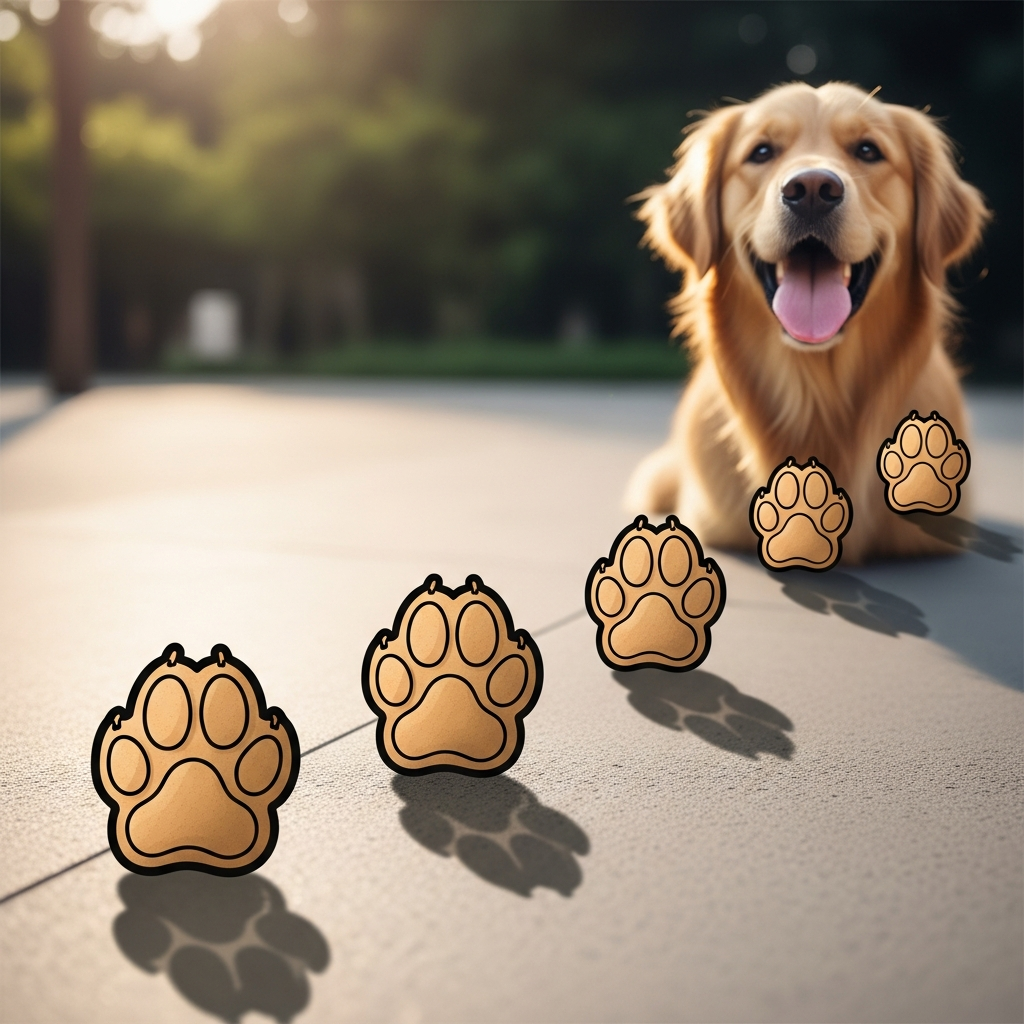
Ready to get started? Let’s break down the process into manageable, fun steps.
Step 1: Make it a Game (The Fun Foundation)
We start indoors, or in a very secure, low-distraction yard. The goal here is to make coming to you the most exciting and rewarding thing your dog can do.
- The Name Game: Start by simply saying your dog’s name in a happy, inviting tone. As soon as they look at you, mark the behavior (with a clicker or a verbal “Yes!”) and immediately reward them with a super high-value treat.
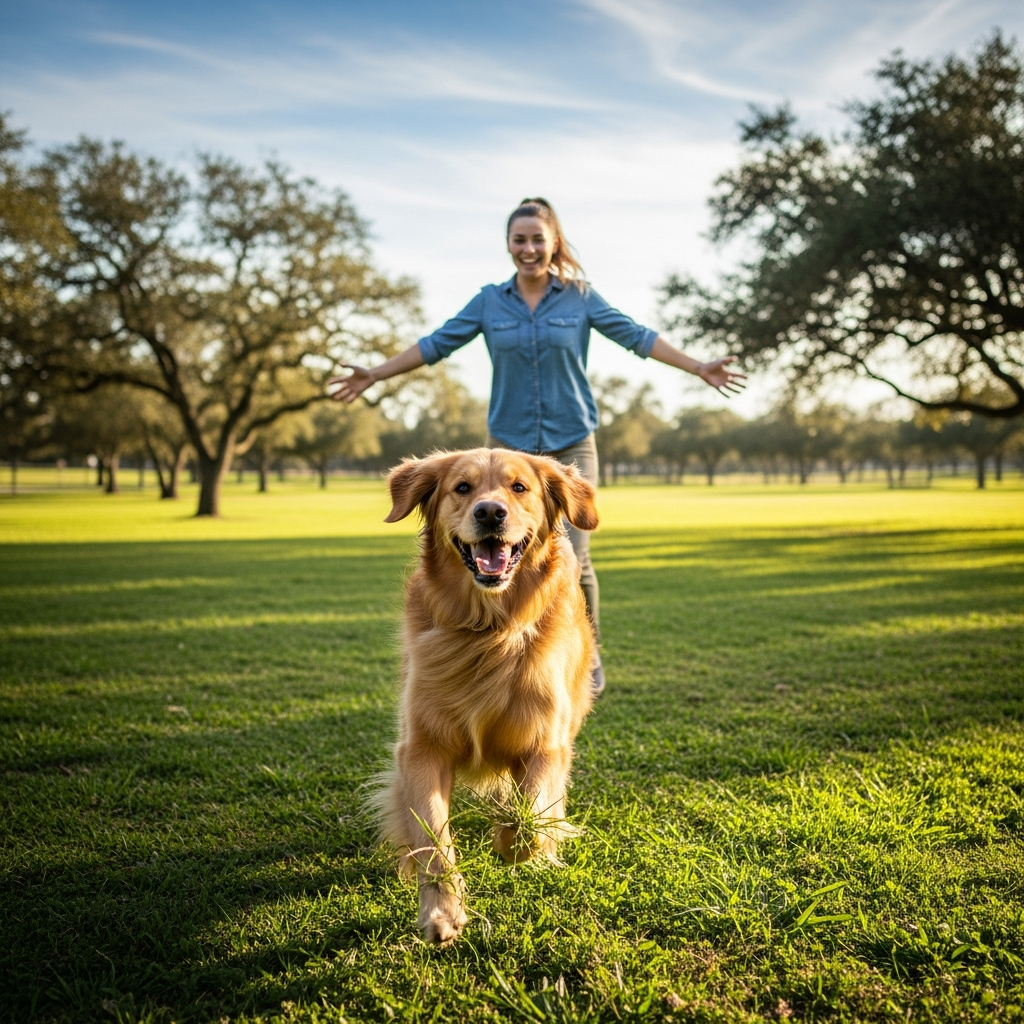
- Run Away, Not Towards: To encourage them to chase you, try taking a few steps backward or even crouching down while excitedly calling their name. This makes you more approachable and less intimidating.
- Party Time!: When your dog reaches you, make it a huge celebration! Shower them with praise, affection, and multiple treats. The more enthusiastic you are, the better. You are the fun zone!
- Short and Sweet: Keep these initial sessions very brief, just a few minutes, several times a day. You want to leave your dog wanting more.
Step 2: Introduce the Verbal Cue (Association Building)
Once your dog is happily coming to you with just their name, it’s time to add the actual recall command. Most people use “Come!” or “Here!” Choose one and stick with it.
- The Power of Pairing: In your low-distraction environment, when your dog is looking at you, say your chosen recall word (“Come!”) once, followed immediately by your dog’s name. As they approach, mark and reward with enthusiasm.
- Always Follow the Cue: Never say “Come!” unless you are absolutely sure your dog will respond. If they don’t, you risk diluting the meaning of the command. If you’re unsure, just use their name to get their attention, then once they are engaged, add “Come!”.
- Practice Hide-and-Seek: A fun way to practice is to hide in another room and call your dog. When they find you, it’s party time! This builds excitement and the reward for seeking you out.
Step 3: Add Distance and Distractions (Gradual Progression)
This is where the long line comes in handy. It allows you to practice with more distance and slight distractions while still ensuring your dog’s safety and success.
- Use Your Long Line: Attach the long line to your dog’s harness (never just a collar for recall training, to avoid neck injury if they bolt). Let them wander a bit, then cheerfully call “Come!” When they start to move towards you, reel them in gently if needed, making sure to mark and reward when they reach you.
- Introduce Mild Distractions: Start with very minor distractions. Maybe a favorite toy is nearby, or another family member is sitting quietly. Gradually increase the level of distraction. Remember, set your dog up for success.
- The Magnet Hand: Always have a treat in your hand as your dog approaches, almost guiding them to you with the scent. This makes you irresistible.
- Never Punish for a Slow Recall: If your dog is slow to come, or doesn’t come at all, never scold them. They might learn that coming to you means something bad happens. Just gently guide them in with the long line and reward them for the eventual arrival, or re-evaluate the level of distraction.
Step 4: Practice in Different Environments (Generalization)
Your dog might be a recall superstar in your living room, but the real test is how they perform in the big, exciting world. Dogs don’t automatically generalize commands; you need to teach them in various settings.
- Start Small, Think Big: Begin by practicing in slightly different, but still low-distraction, outdoor areas. A quiet park at off-peak hours, a friend’s fenced yard, or a calm walking trail.
- Back to Basics: When you introduce a new environment, act as if you’re starting back at Step 1 or 2. Use your long line, keep sessions short, and offer even higher-value rewards initially. You’re building new associations in new places.
- Vary Your Approach: Don’t always stand in the same spot. Call your dog while you’re walking, sitting, or even when you’re momentarily out of sight around a tree. This helps them understand “Come!” applies universally.
- Avoid Setting Up for Failure: If you know a particular environment is too distracting (e.g., a dog park with many unfamiliar dogs), don’t expect a perfect recall there right away. Build up to it gradually.
Step 5: Reinforce for Life (Maintenance and Consistency)
Recall isn’t a command you teach once and then forget. It’s a skill that needs regular practice and reinforcement throughout your dog’s life.
- Never Stop Rewarding: Even when your dog has a rock-solid recall, occasionally surprise them with a jackpot treat (several treats at once) or an extra special play session when they come. This keeps them motivated.
- Don’t Be Predictable: Mix up your rewards. Sometimes it’s a treat, sometimes it’s a favorite toy, sometimes it’s a vigorous belly rub. Keep them guessing!
- Only Use for Positive Experiences: Never call your dog to you if you’re going to do something they dislike, like giving them a bath, trimming nails, or leaving a fun place. If you need to do these things, simply go get them without using the recall command. You want them to always associate coming to you with good things.
- Practice in Daily Life: Incorporate recall into your everyday routine. Call them from another room for dinner, call them in from the yard before bedtime, or call them to get their leash for a walk. These are all mini-training opportunities.
Common Challenges and Troubleshooting

Even with the best intentions, you might hit a few bumps in the road. Here’s how to navigate some common recall issues.
My Dog Ignores Me
This usually means the distraction is too high, or your reward isn’t motivating enough. Go back a step or two in your training. Practice in a quieter environment and increase the value of your treats. Are you being exciting enough? Sometimes we need to be more animated than we think!
My Dog Comes, But Not Reliably
Inconsistency is often a sign that the command hasn’t been fully generalized or proofed in various situations. Ensure you are practicing in diverse environments, always using your long line for safety and success. Remember to vary your rewards and keep them high-value.
My Dog Gets Distracted Easily
This is very common! Start small. Practice with minor distractions far away, then gradually decrease the distance or increase the intensity of the distraction. For example, practice with another dog at a very far distance before moving closer. Make coming to you even more rewarding than the distraction itself. Play is also a great reward for highly energetic dogs!
Advanced Tips for Recall Superstars
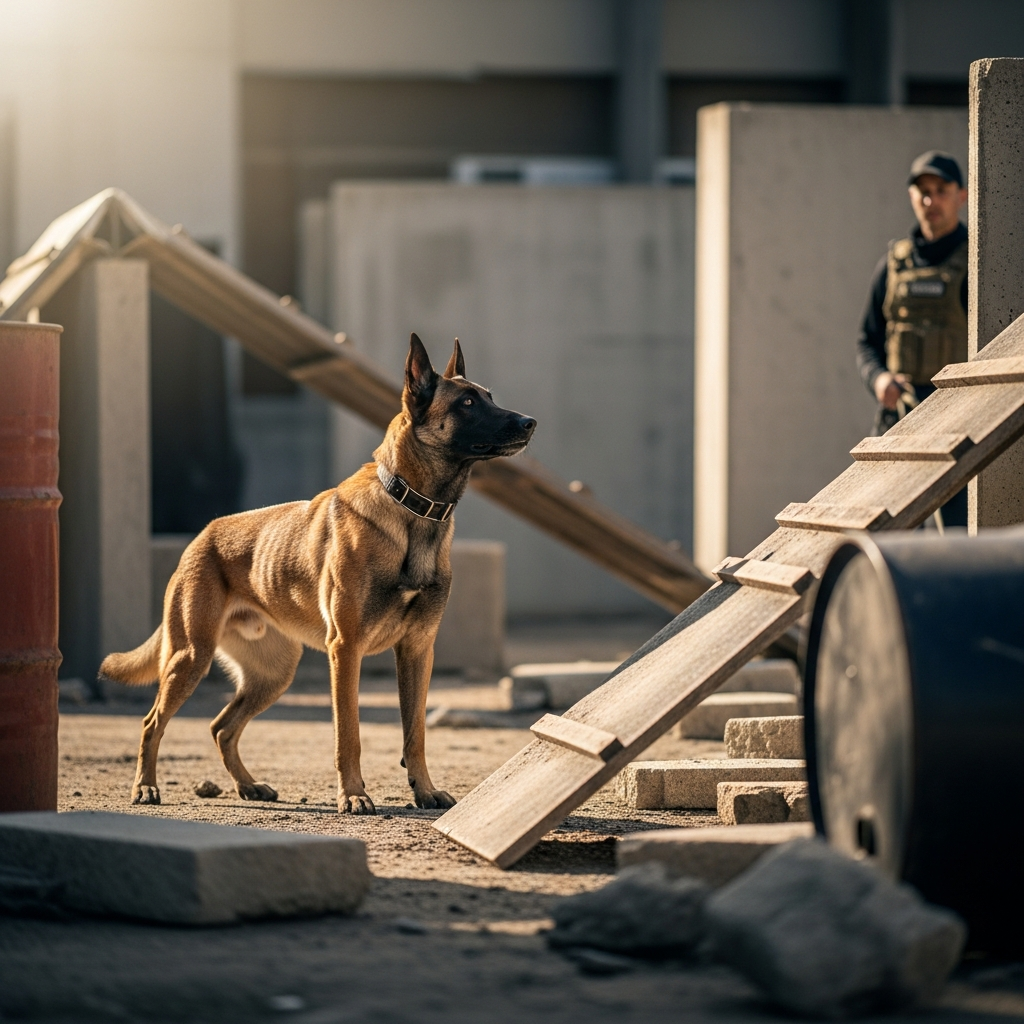
Once your dog has a solid recall, you can take it a step further to make it truly bombproof.
Emergency Recall
This is a separate, unique word (like “CODE RED!” or “FREEZE!”) that you only use in truly urgent situations. This command should be trained with the absolute highest-value rewards imaginable (e.g., a whole hot dog!), and never used casually. The idea is that it’s so powerful, your dog will drop everything and sprint back to you without hesitation.
Varying Rewards
While high-value treats are crucial initially, don’t let every recall be about food. Sometimes the reward can be a quick game of tug, a chase, a favorite squeaky toy, or even just enthusiastic praise and ear scratches. This keeps recall exciting and unpredictable, just like a slot machine!