7 Proven Tips to Train a 1-Year-Old Dog Without Losing Your Cool
Ah, the one-year-old dog! This age often brings a mix of boundless energy, newfound independence, and sometimes, a frustrating return to puppy-like behaviors. Your sweet, well-behaved puppy might suddenly seem to forget everything they learned. This period, often called ‘adolescence’ or the ‘teenager phase,’ can test even the most patient dog parent. But don’t despair! With the right approach, you can navigate this stage gracefully and continue to build a strong, well-mannered companion. It’s all about understanding their developmental stage and applying consistent, positive training methods.
Training an adolescent dog requires a blend of patience, consistency, and a good sense of humor. Remember, your dog isn’t trying to be difficult; they’re simply growing up and exploring their world. Let’s dive into seven proven tips that will help you train your 1-year-old dog without losing your cool.
1. Revisit the Basics with Enthusiasm
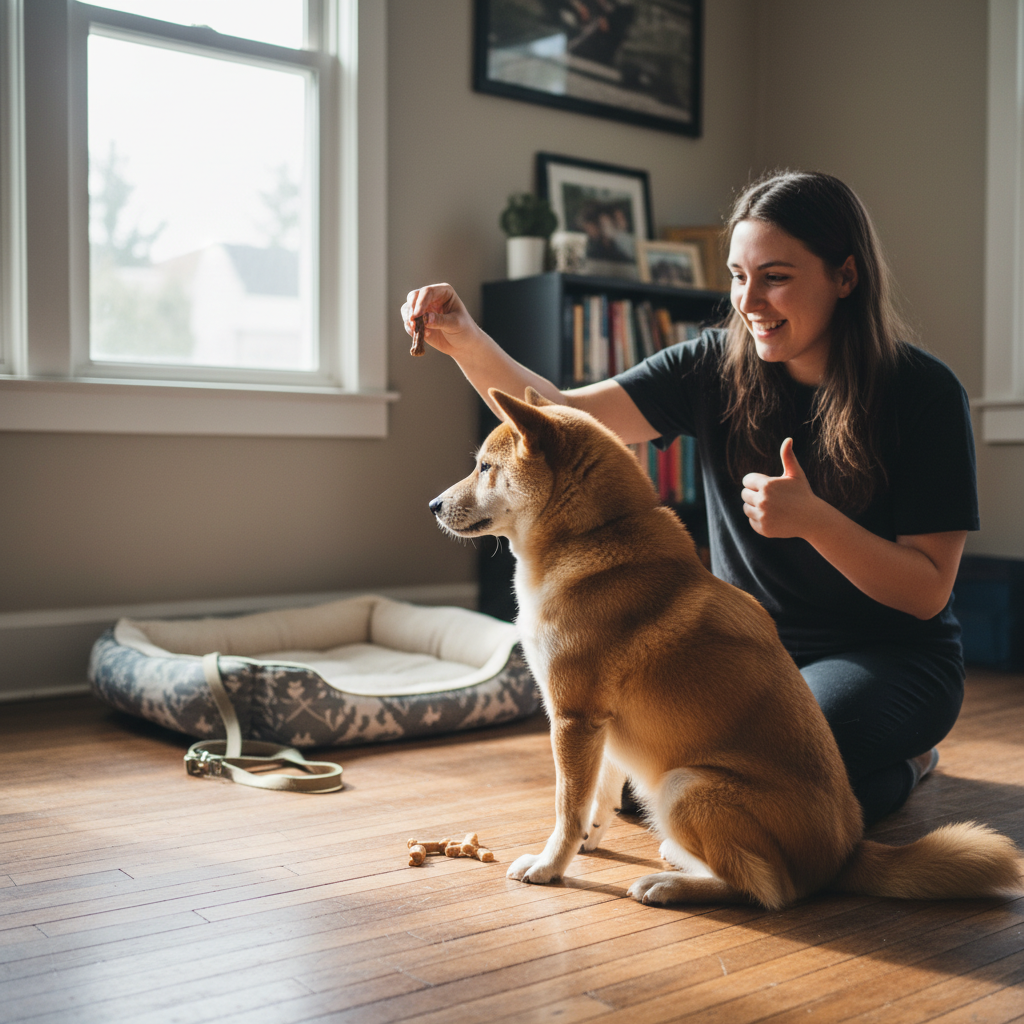
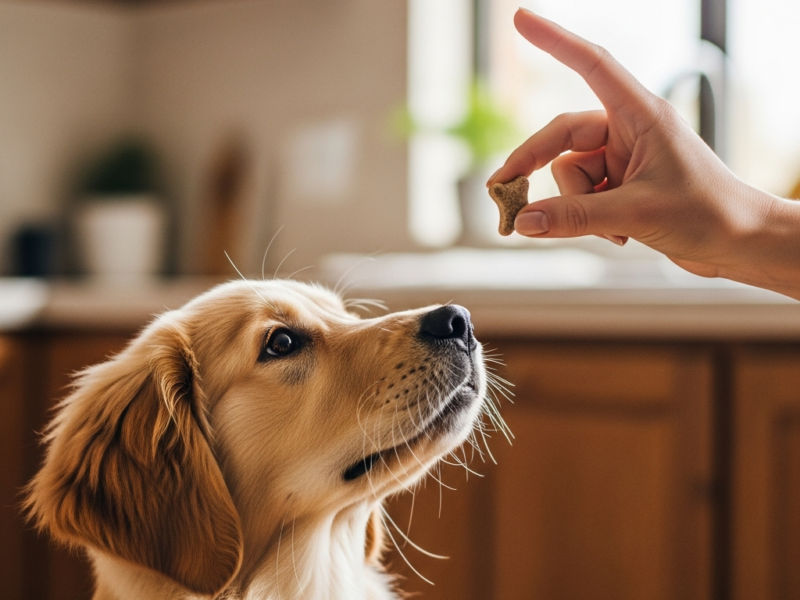
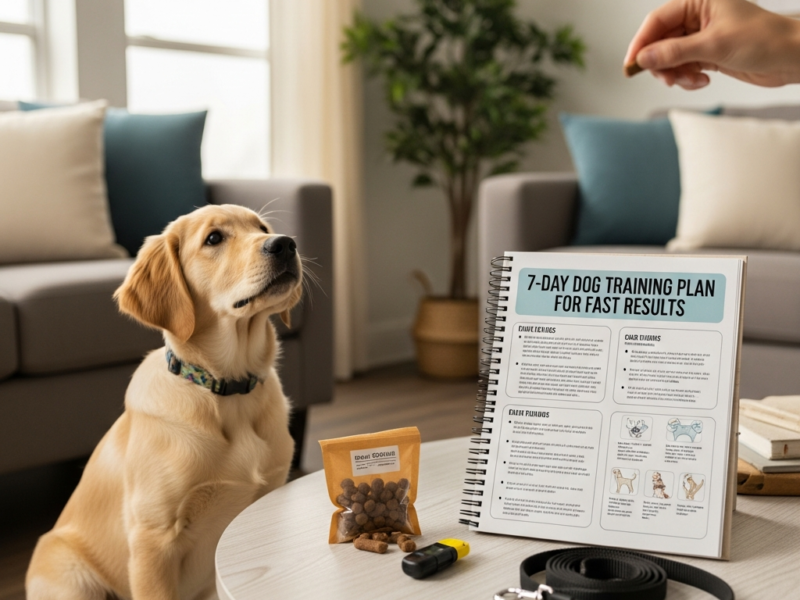
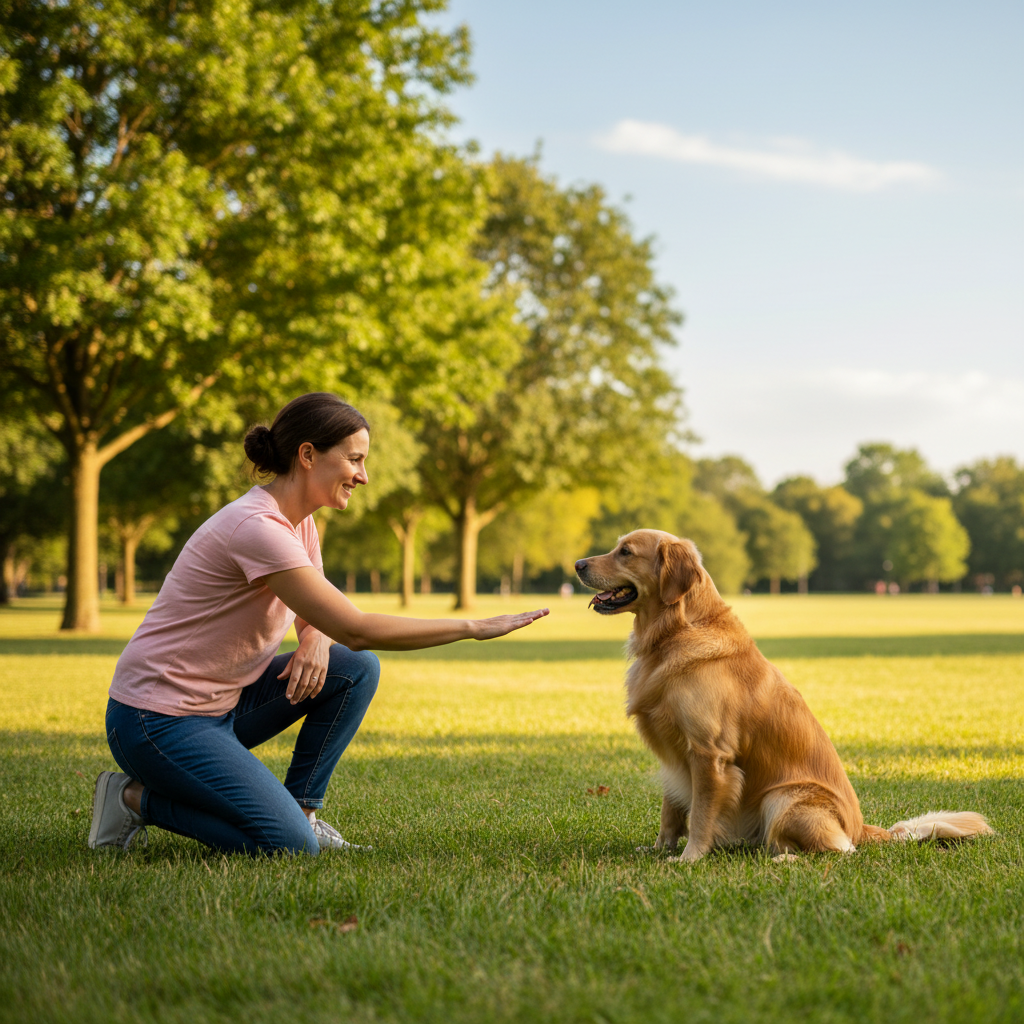
Just like human teenagers, adolescent dogs sometimes need a refresher course on fundamental manners. What they learned as a puppy might seem less important now that they’re bigger and bolder. Go back to basics like ‘sit,’ ‘stay,’ ‘come,’ and ‘leave it.’ Practice these commands in various environments, starting with low distractions and gradually increasing the challenge.
- Short, frequent sessions Keep training sessions brief (5-10 minutes) and fun to maintain your dog’s interest.
- High-value treats Use treats your dog absolutely loves to make training irresistible.
- Positive reinforcement Always reward desired behaviors immediately with praise, treats, or toys.
2. Master Leash Manners and Recall
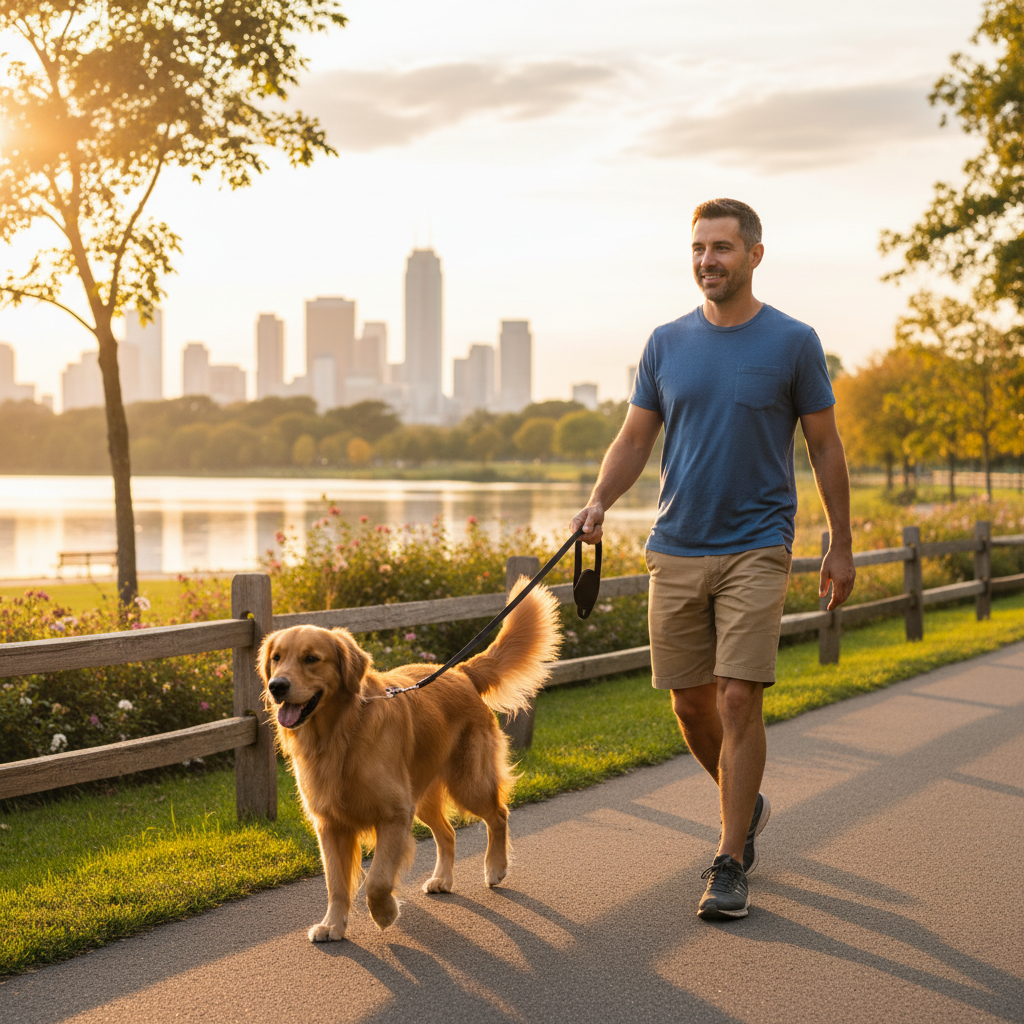
A one-year-old dog often has a surge of energy and curiosity, making leash pulling and ignoring recall commands common challenges. Investing time in these two areas will significantly improve your daily walks and off-leash adventures.
Loose-Leash Walking
Teach your dog that walking politely on a loose leash earns rewards. Stop walking every time the leash gets taut, and only continue when it slackens. Reward them frequently for walking beside you.
Reliable Recall
A strong ‘come’ command is crucial for safety. Practice in a secure, fenced area. Start close, call your dog, and reward them enthusiastically when they return. Gradually increase distance and distractions. Make coming to you the most rewarding thing they can do.
3. Provide Ample Mental and Physical Stimulation
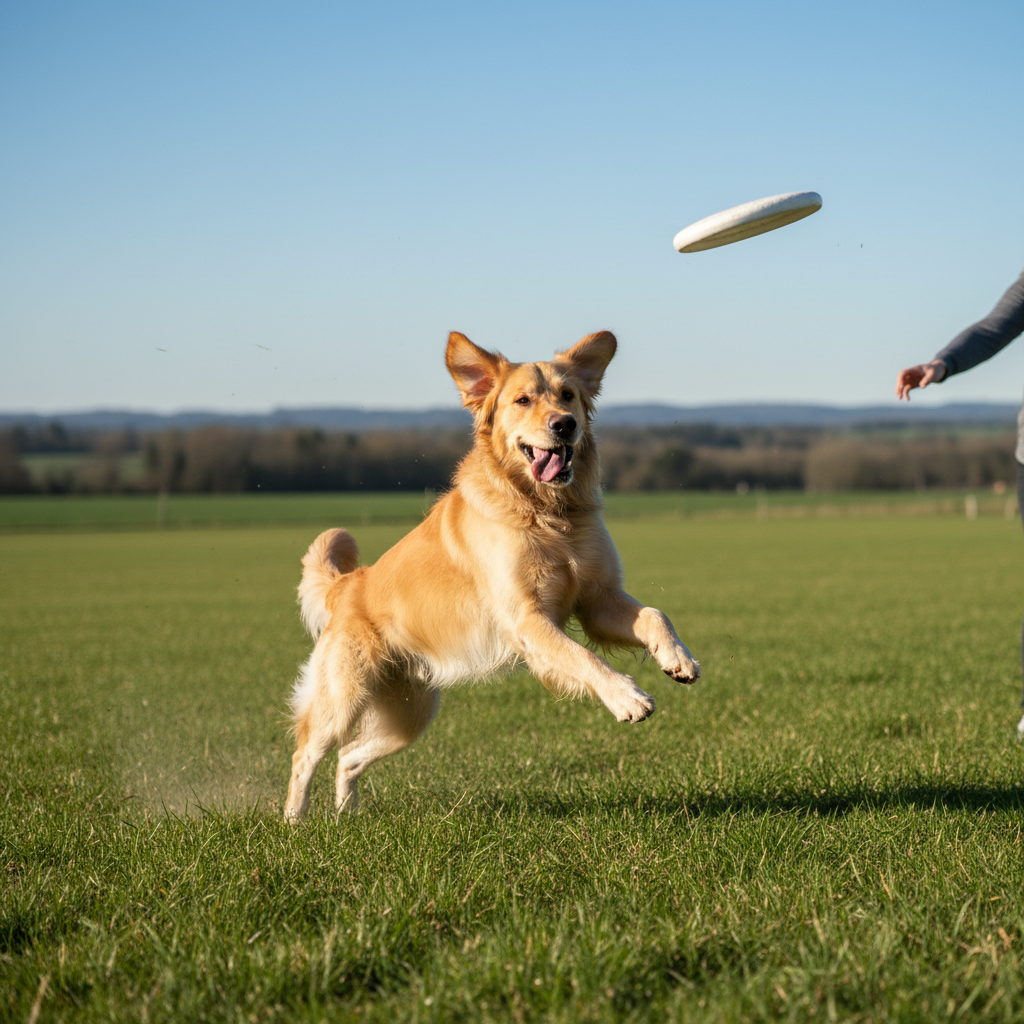
A tired dog is a well-behaved dog. One-year-olds are often bursting with energy. If this energy isn’t channeled constructively, it can lead to destructive behaviors, excessive barking, or general naughtiness.
- Daily exercise Ensure your dog gets enough physical activity. This might mean longer walks, runs, fetch sessions, or playtime with other dogs.
- Mental games Engage their minds with puzzle toys, scent work, or new tricks. Mental stimulation can be just as tiring as physical exercise.
- Structured playtime Teach them how to play appropriately with toys and other dogs.
4. Set Clear Boundaries and Be Consistent
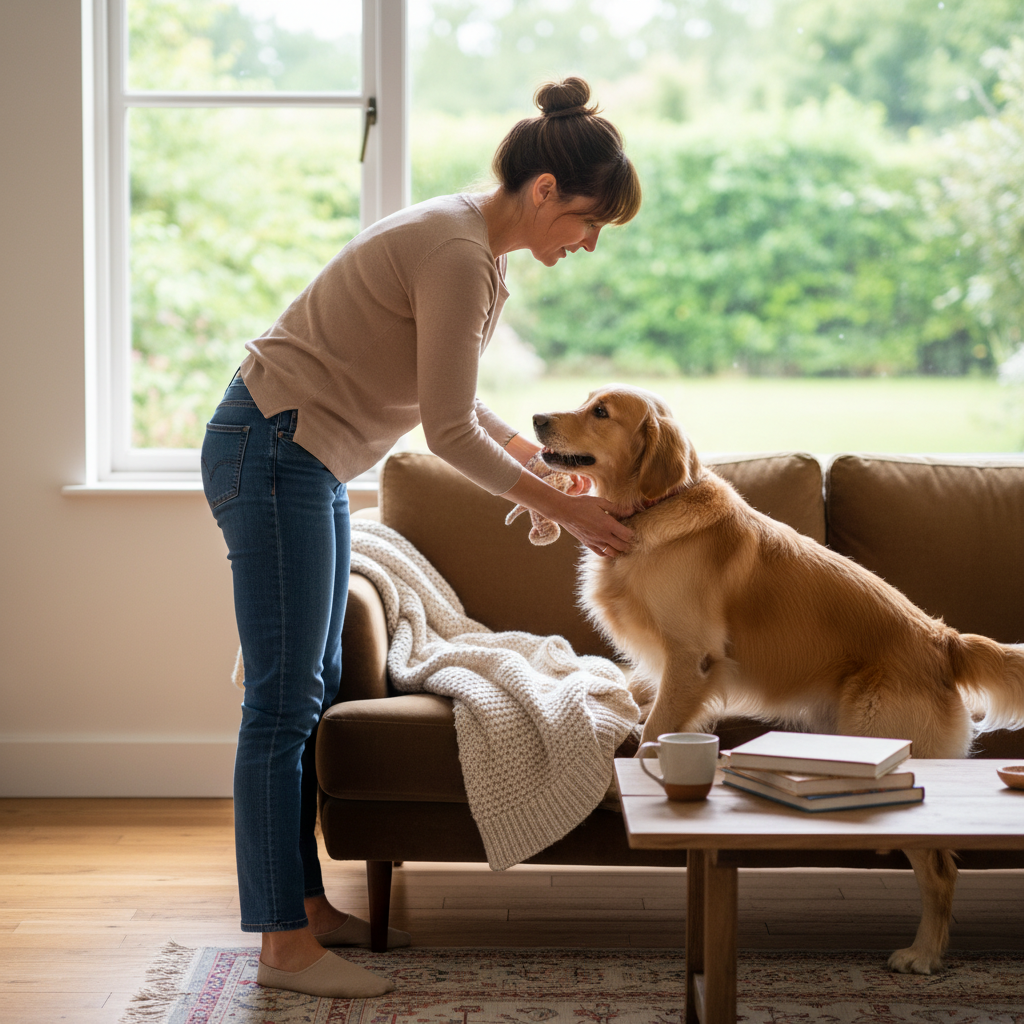
Adolescent dogs will test boundaries. It’s their way of understanding where they stand in the world. Your role is to be a consistent, calm leader. If ‘no jumping on the couch’ means ‘no jumping on the couch’ today, it must mean the same tomorrow and next week.
- Family agreement Ensure everyone in the household follows the same rules and uses the same commands. Inconsistency is confusing for your dog.
- Redirection Instead of just saying ‘no,’ redirect unwanted behaviors to appropriate ones. For example, if they chew on furniture, offer them an appropriate chew toy.
- Routine is key Dogs thrive on routine. Stick to consistent feeding times, potty breaks, and exercise schedules.
5. Practice Impulse Control
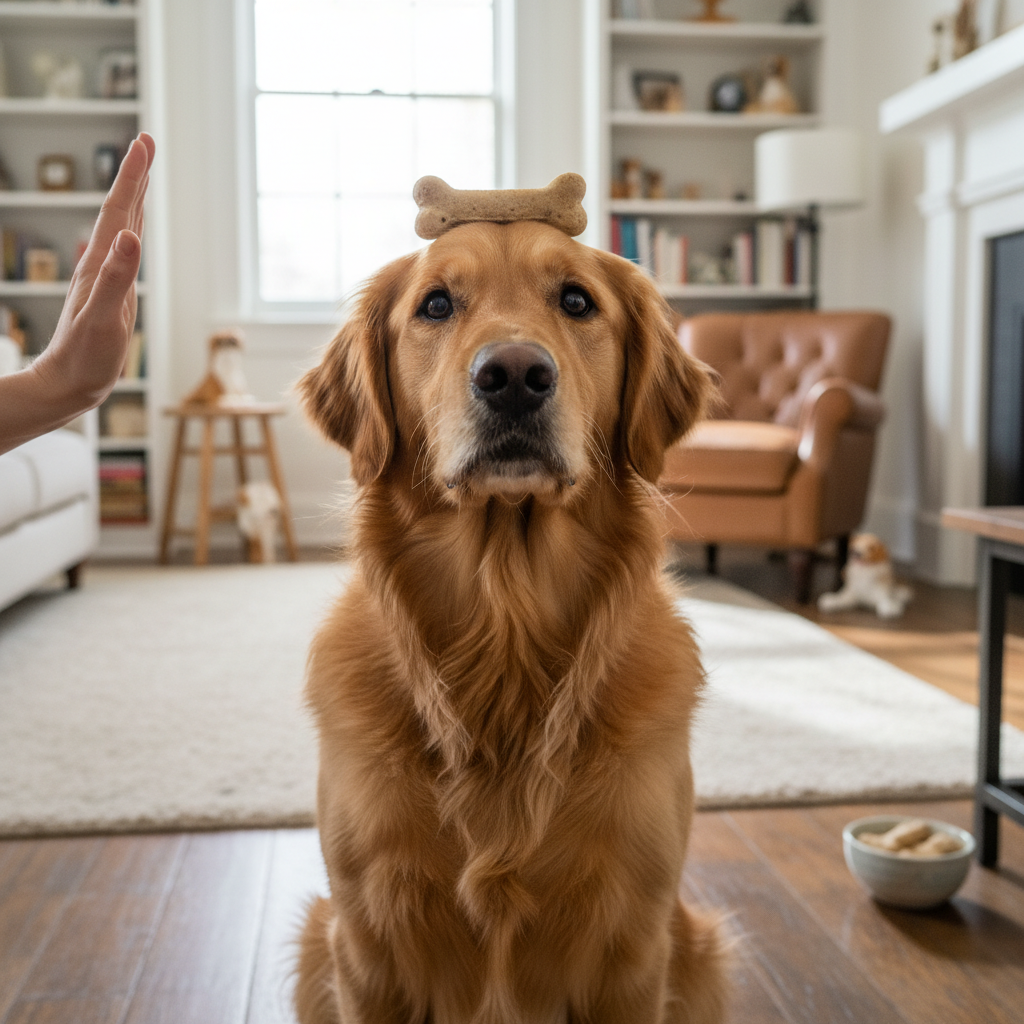
Impulse control is about teaching your dog to pause and think before acting. This is incredibly valuable for a dog at any age, but especially for an energetic one-year-old. Exercises like ‘leave it’ (when food is on the floor), waiting at the door, or waiting for their food bowl are excellent ways to build this skill.
- ‘Wait’ command Teach your dog to wait before going through doors, getting out of the car, or eating their meal.
- Duration ‘stays’ Practice making your dog ‘stay’ for longer periods, even with distractions.
6. Manage Your Expectations and Practice Patience
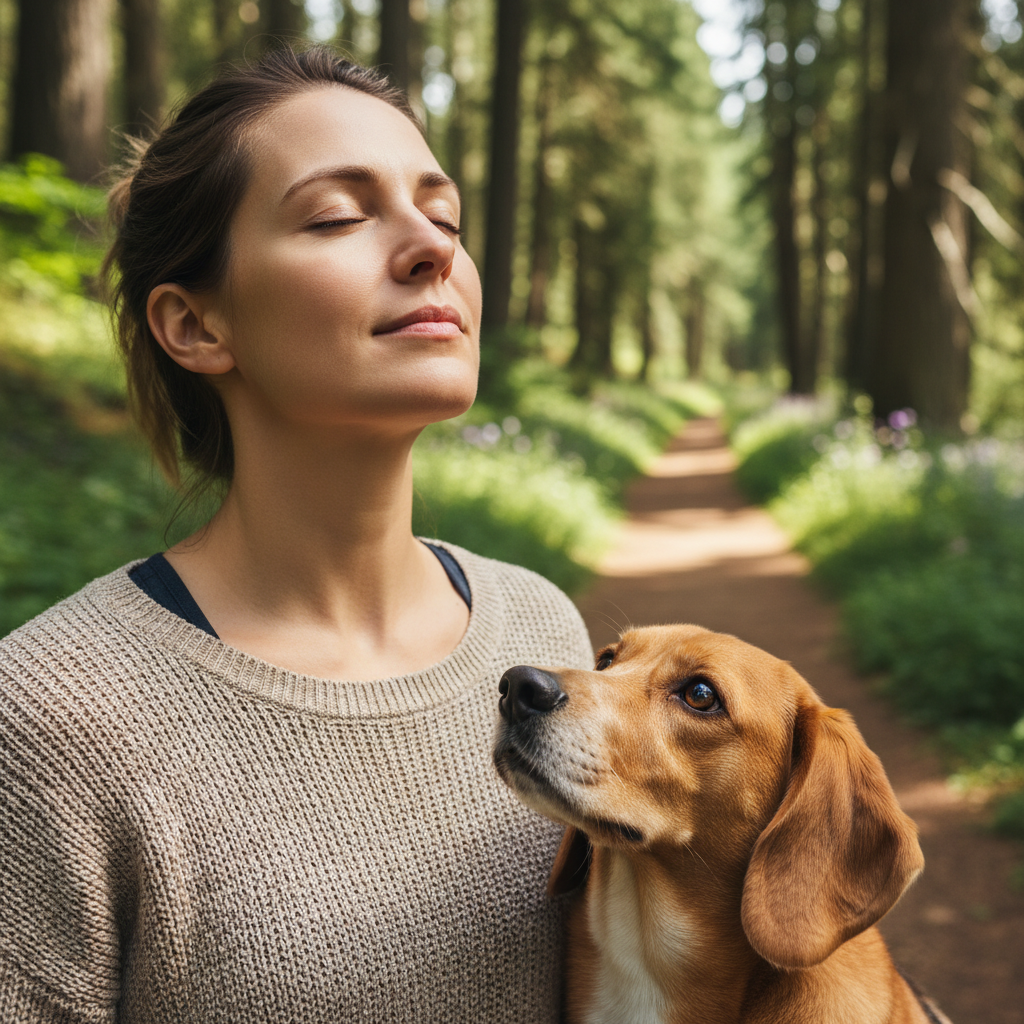
This is perhaps the most crucial tip for you, the dog parent. Training an adolescent dog can be frustrating. There will be days when you feel like you’re making no progress, or even going backward. Remember that setbacks are a normal part of the learning process.
- Celebrate small victories Every time your dog gets it right, acknowledge it!
- Don’t take it personally Your dog isn’t being stubborn to annoy you. They’re just being a dog.
- Take a break If you feel your patience wearing thin, take a break. A short pause can reset both your and your dog’s mood.
7. Consider Professional Help
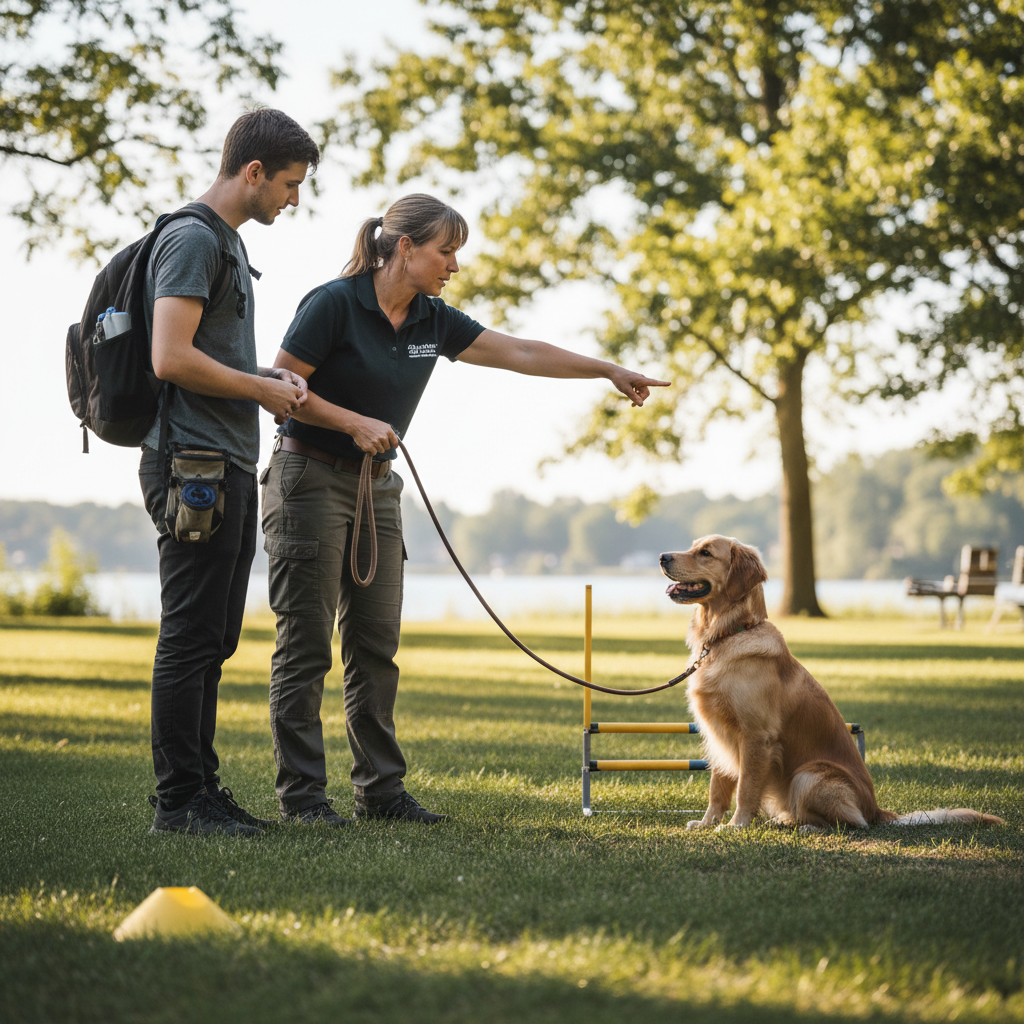
Sometimes, a fresh pair of eyes and expert guidance can make all the difference. If you’re struggling with specific behaviors or feel overwhelmed, don’t hesitate to seek help from a certified professional dog trainer or behaviorist.
- Group classes These are great for socialization and learning new skills in a controlled environment.
- Private sessions A trainer can offer personalized advice and strategies for your dog’s unique needs.
- Online resources Many reputable trainers offer online courses or consultations.
Conclusion
Training a one-year-old dog can be a challenging yet incredibly rewarding journey. It’s a period of significant growth and change for your canine companion, and with your consistent guidance, patience, and positive reinforcement, they will blossom into a well-adjusted and joyful member of your family. Remember, every moment you spend training and bonding with your dog strengthens your relationship. Embrace the journey, celebrate the small wins, and know that you’re building a lifetime of happy memories together. Your calm and loving approach is the greatest gift you can give your adolescent dog.