7 Tips to Train Your Puppy Not to Pull on the Leash
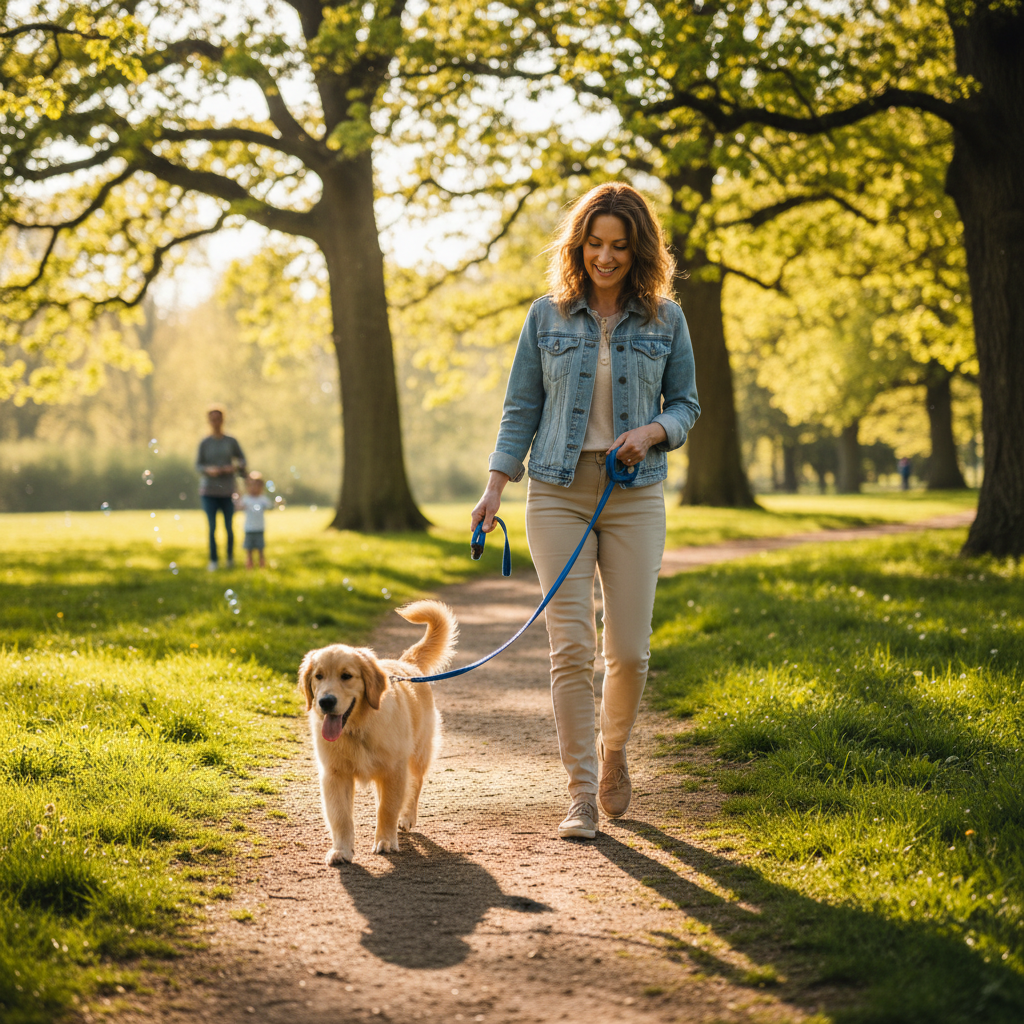
Walking your puppy should be a joyous experience, a time for exploration and bonding. Yet, for many dog parents, it quickly turns into a tug-of-war, with their enthusiastic furry friend pulling them down the street. A pulling puppy isn’t just annoying; it can be dangerous for both of you, leading to injuries or making walks dreaded instead of delightful.
But here’s the good news: training your puppy not to pull on the leash is entirely achievable with patience, consistency, and the right techniques. As a loving dog parent, you hold the key to transforming those frantic walks into peaceful strolls. In this guide, we’ll share seven practical, positive reinforcement tips to help your puppy master loose-leash walking, making every outing a pleasure for both of you.
The Challenge of Leash Pulling
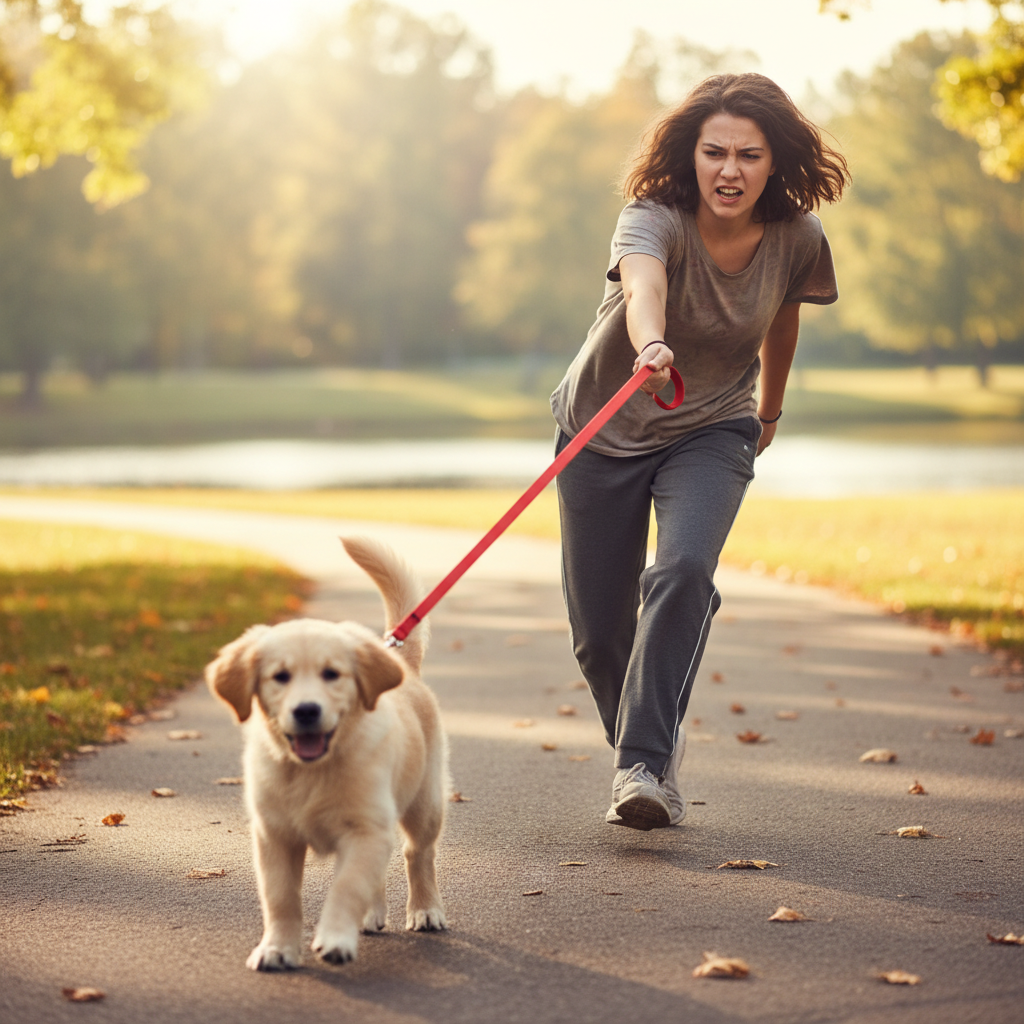
Before we dive into solutions, it’s helpful to understand why puppies pull. They aren’t trying to be naughty; they’re simply following their instincts and impulses. The world is a fascinating place, full of new sights, sounds, and smells, and they want to explore it all – often at top speed!
- Excitement and Curiosity Puppies are naturally inquisitive. Every walk is an adventure, and they’re eager to get to the next sniff-spot or greet a new friend.
- Lack of Understanding They don’t inherently know that pulling makes the walk unpleasant for you. They just know that pulling seems to get them where they want to go faster.
- Energy Release Walks are often a primary outlet for a puppy’s boundless energy. If they’re not getting enough mental and physical stimulation, they might pull harder to burn off steam.
- Learned Behavior If pulling sometimes gets them what they want (like reaching a tree to sniff), they learn that pulling is an effective strategy.
Essential Tools for a Calm Walk
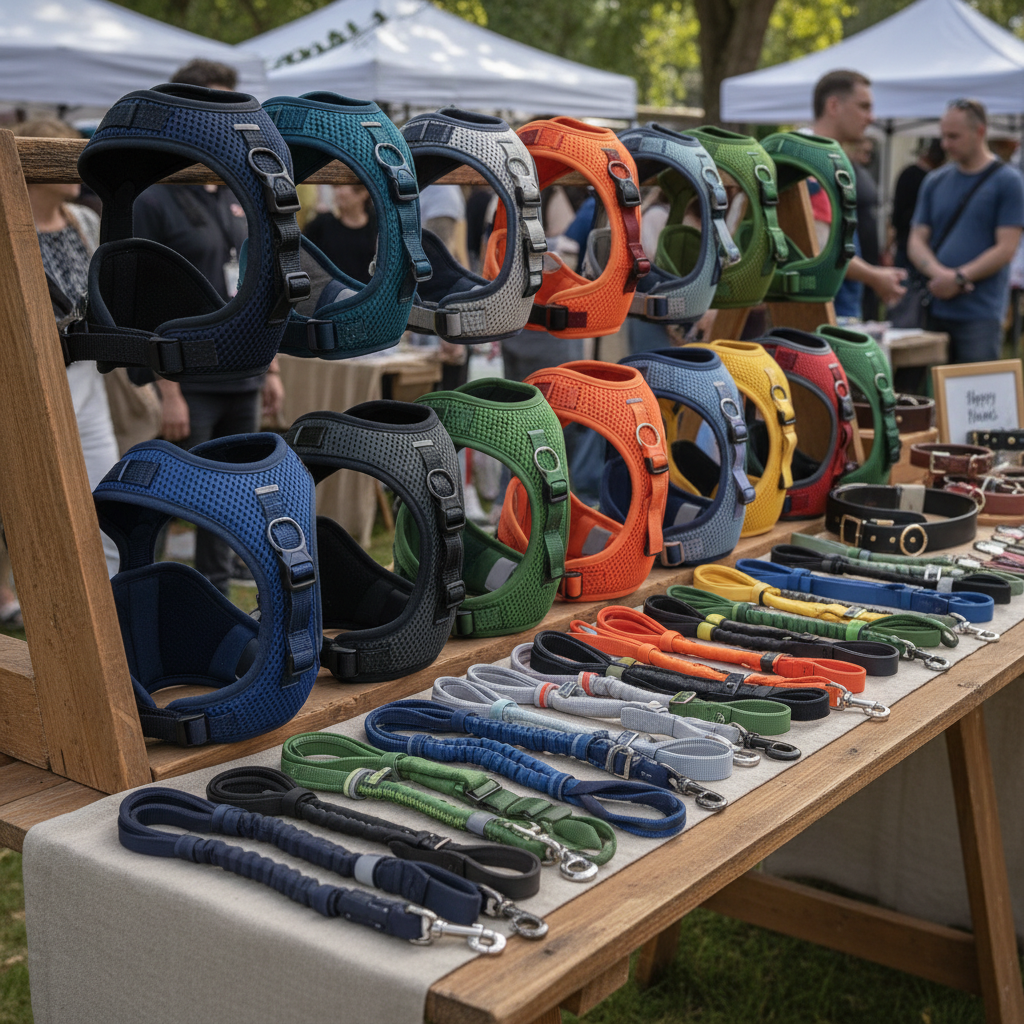
Having the right equipment can make a significant difference in your loose-leash training journey. While a standard collar and leash might seem sufficient, certain tools can help you communicate more effectively with your puppy.
- Front-Clip Harness Unlike back-clip harnesses that can encourage pulling, a front-clip harness redirects your puppy’s forward momentum when they pull. When they tug, they’re gently turned to the side, making it uncomfortable to continue pulling without causing them pain.
- Standard 6-Foot Leash A comfortable, sturdy leash (preferably nylon or leather) gives your puppy enough freedom to explore without too much slack. Avoid retractable leashes, as they teach your puppy that pulling extends their range and make consistent training difficult.
- High-Value Treats These are crucial for positive reinforcement. Small, soft, and extra-tasty treats will capture your puppy’s attention and reward desired behaviors.
- Clicker (Optional) A clicker can be a powerful tool to mark the exact moment your puppy performs the correct behavior, followed immediately by a treat.
The 7 Tips for Loose Leash Walking
Now, let’s get into the practical steps to teach your puppy polite leash manners.
Tip 1 – Start Training Indoors Early
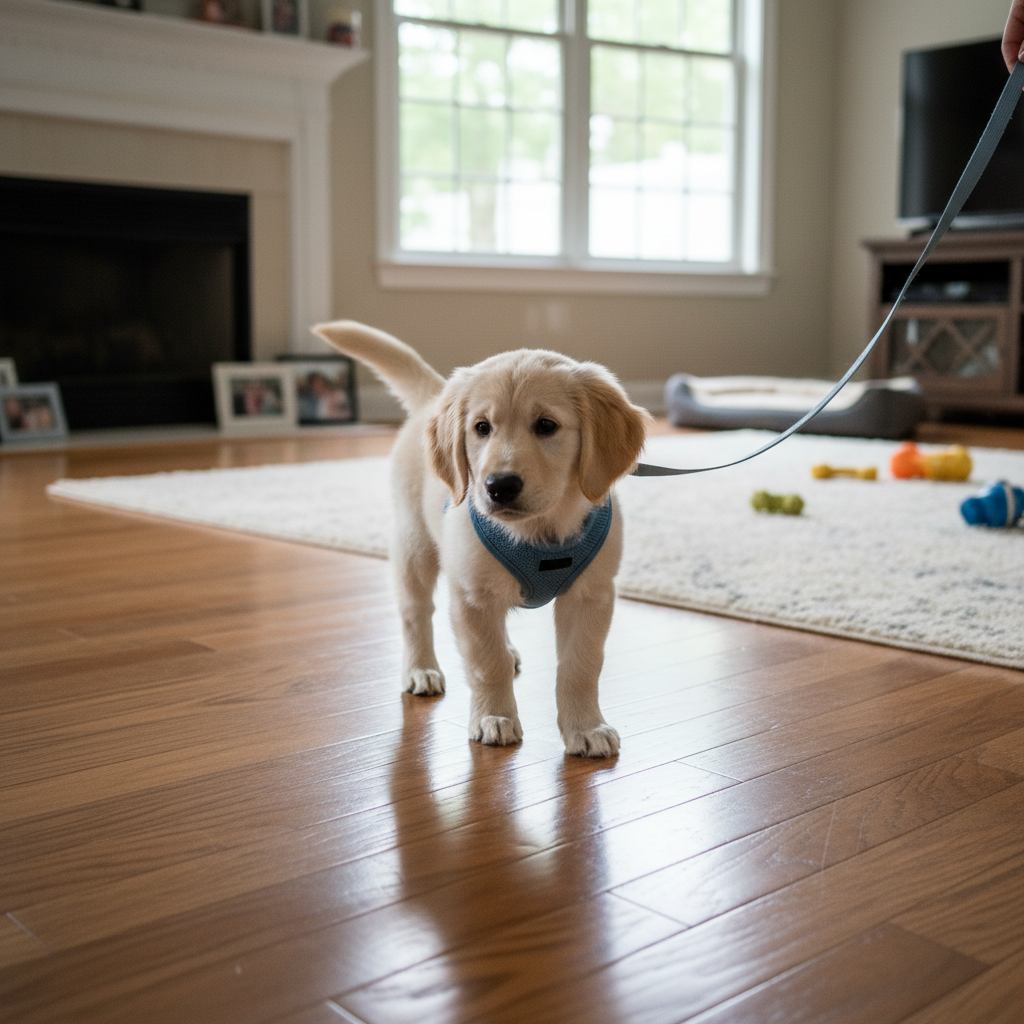
Don’t wait until you’re outside to introduce the leash. Begin training in a distraction-free environment like your home or backyard. Let your puppy wear their collar and harness for short periods, associating them with positive experiences like play or treats. Once they’re comfortable, attach the leash and practice walking a few steps, rewarding them for staying close and keeping the leash loose.
Tip 2 – Master Positive Reinforcement
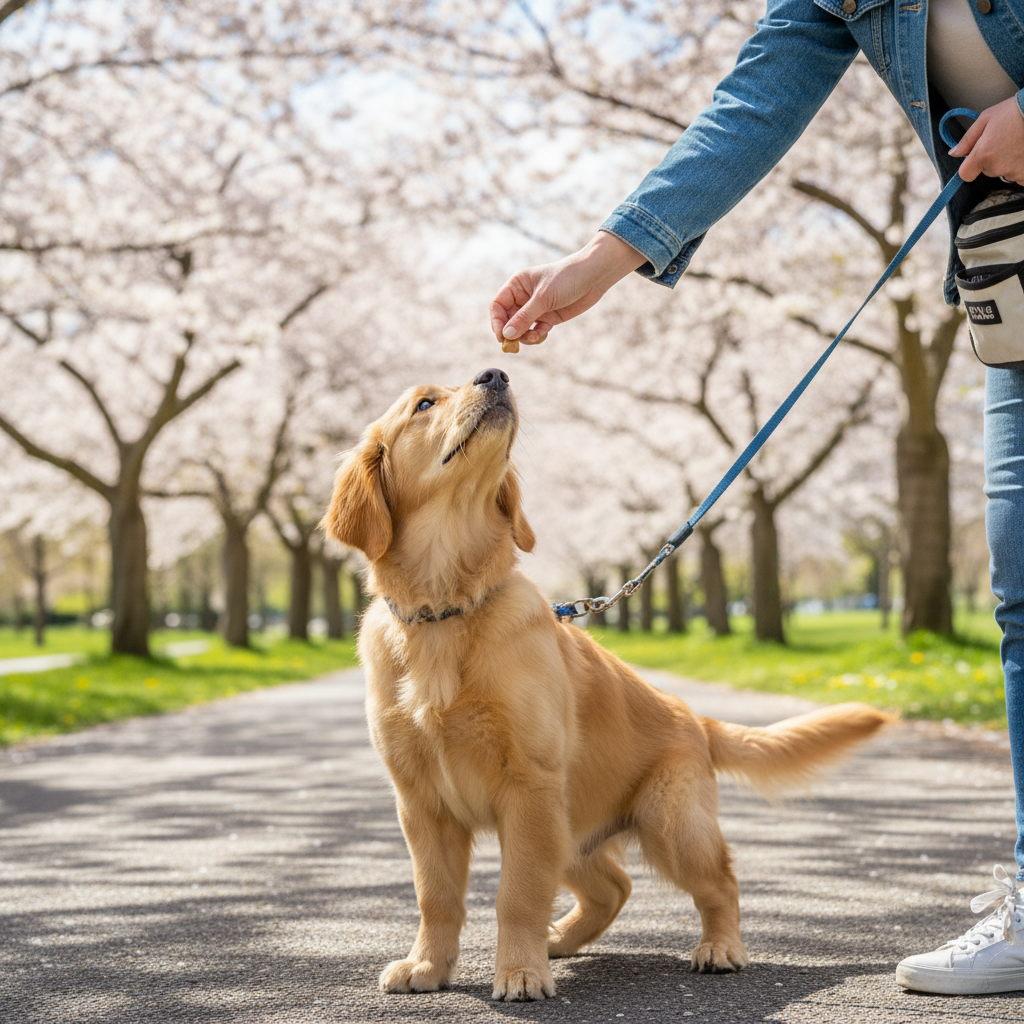
This is the cornerstone of effective puppy training. Whenever your puppy walks with a loose leash – even for a single step – immediately mark the behavior (with a verbal cue like “yes!” or a clicker) and give them a high-value treat. The goal is to make loose-leash walking the most rewarding option. Keep your treats ready and dispense them frequently, especially in the beginning.
Tip 3 – Implement the Stop and Go Method
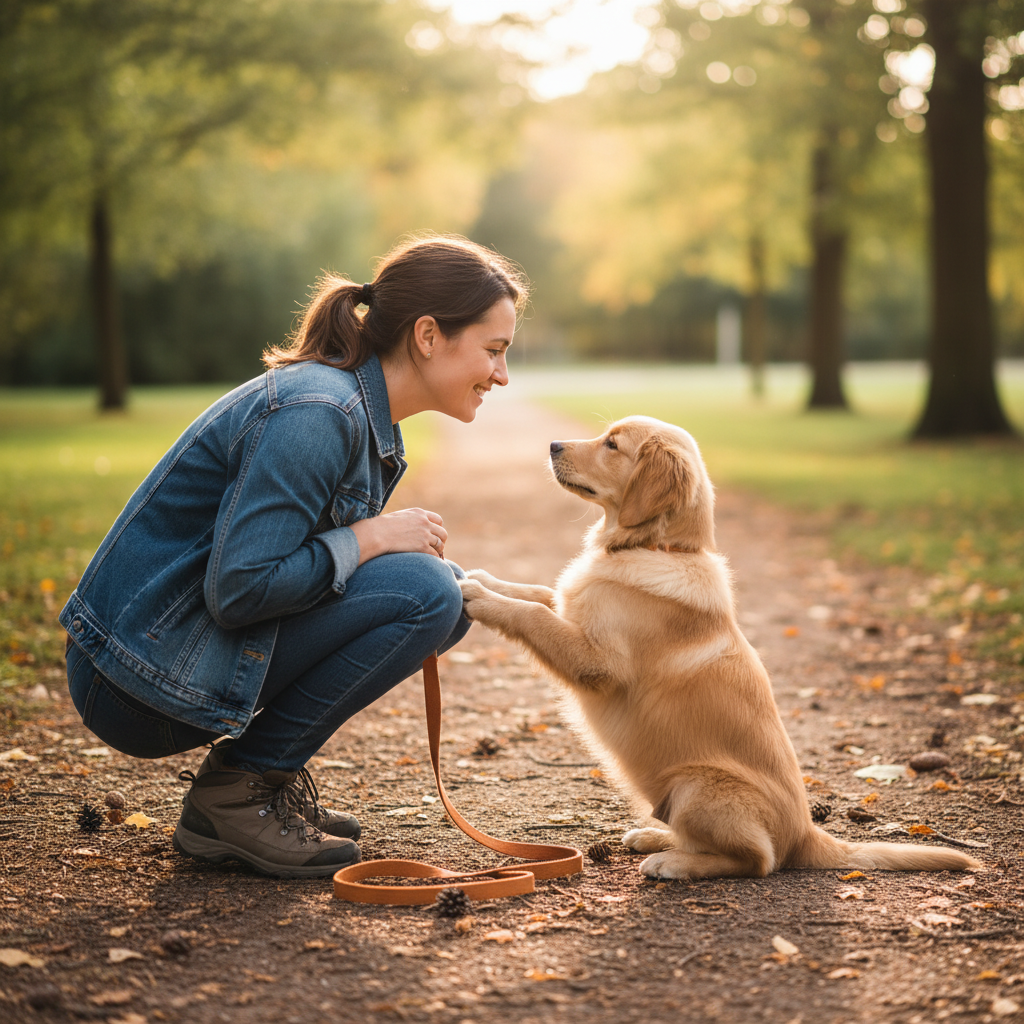
This simple yet powerful technique teaches your puppy that pulling gets them nowhere. Here’s how it works:
- Start walking.
- The moment your puppy’s leash tightens, stop walking completely. Stand still, like a tree.
- Wait. Don’t move forward until the leash goes slack again. This might mean your puppy turns to look at you, sits, or simply relaxes the tension.
- As soon as the leash is loose, immediately praise your puppy and start walking again.
- Repeat, repeat, repeat. Your puppy will quickly learn that a tight leash means no progress, while a loose leash means fun continues.
Tip 4 – Practice Direction Changes
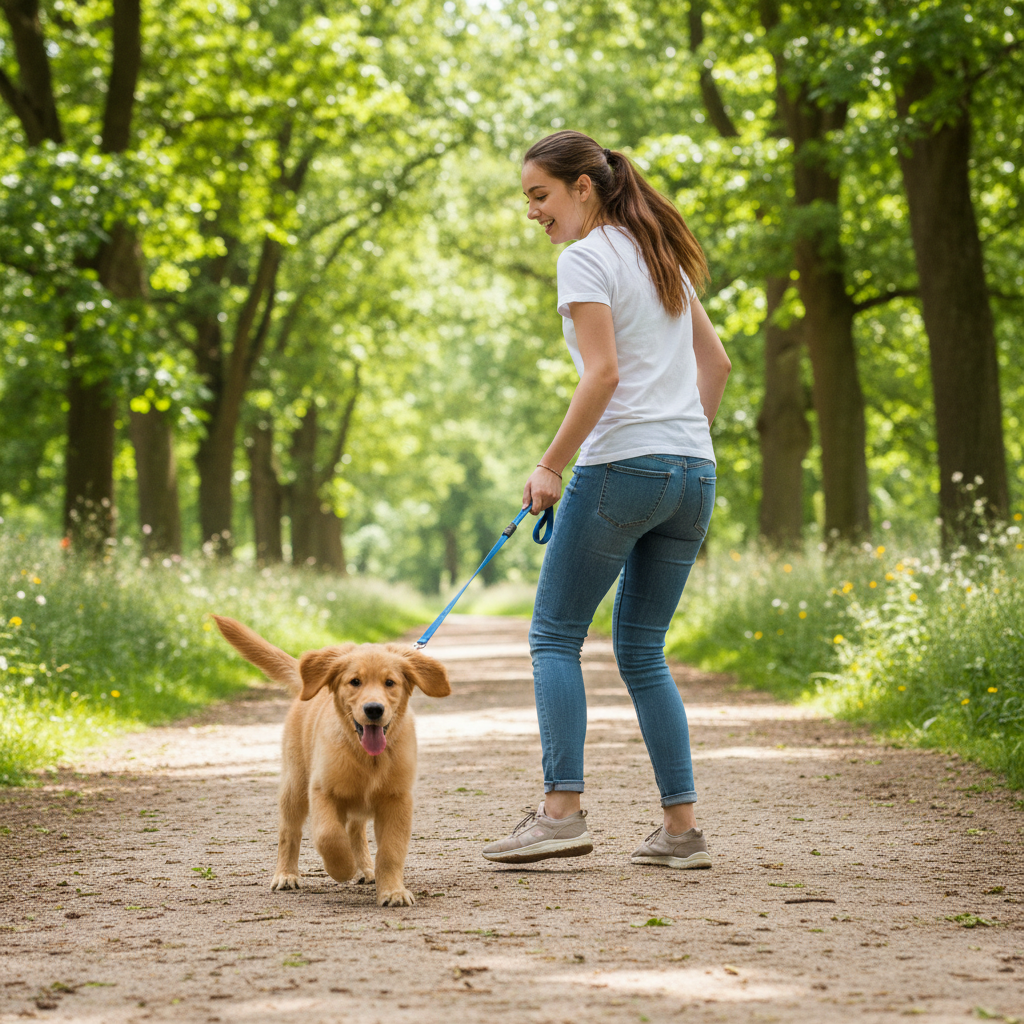
Instead of always walking in a straight line, unpredictably change your direction. If your puppy is pulling ahead, simply turn and walk the other way. This keeps your puppy’s attention on you and teaches them to pay attention to your movements. When they follow you without pulling, reward them generously. This helps prevent them from fixating on distractions ahead.
Tip 5 – Consistency is Key
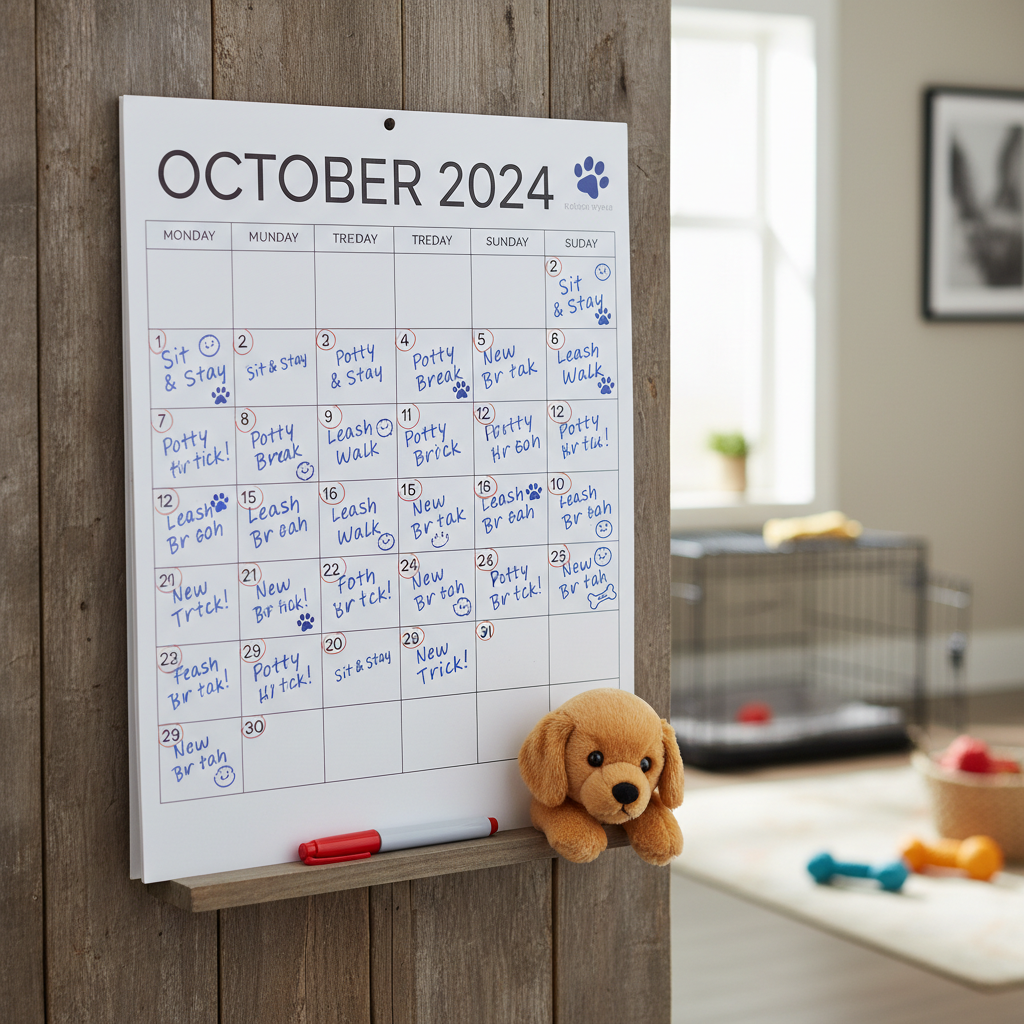
Everyone in the household who walks the puppy must follow the same rules and use the same training methods. Inconsistency will confuse your puppy and slow down progress. Set a routine, stick to it, and ensure your puppy always experiences the same expectations regarding leash manners.
Tip 6 – Manage Distractions Effectively
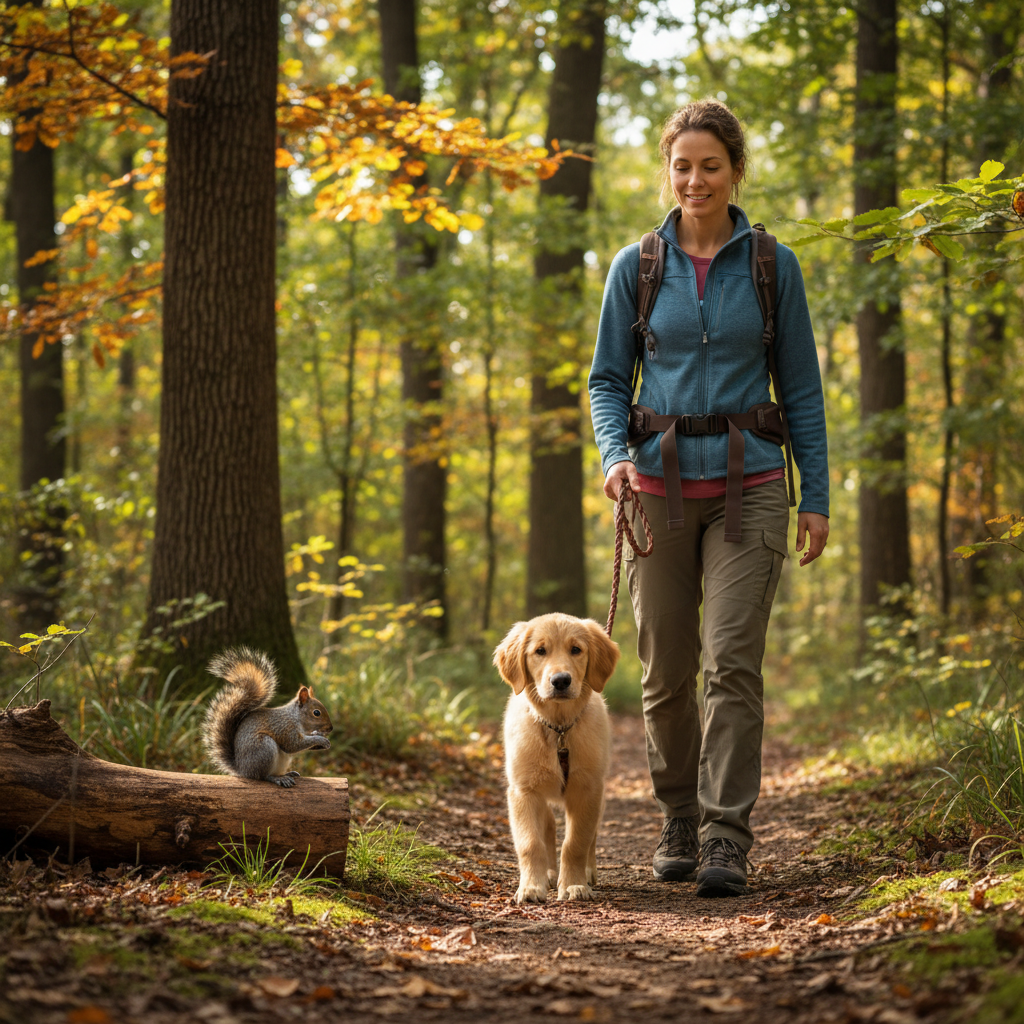
Begin training in low-distraction environments and gradually introduce more challenging ones. If your puppy gets overly excited by other dogs, people, or squirrels, increase the distance from the distraction until they can maintain a loose leash. Reward them for focusing on you even in the presence of tempting stimuli. Sometimes, a quick U-turn away from a distraction can help regain their focus.
Tip 7 – Make Walks Enjoyable and Engaging
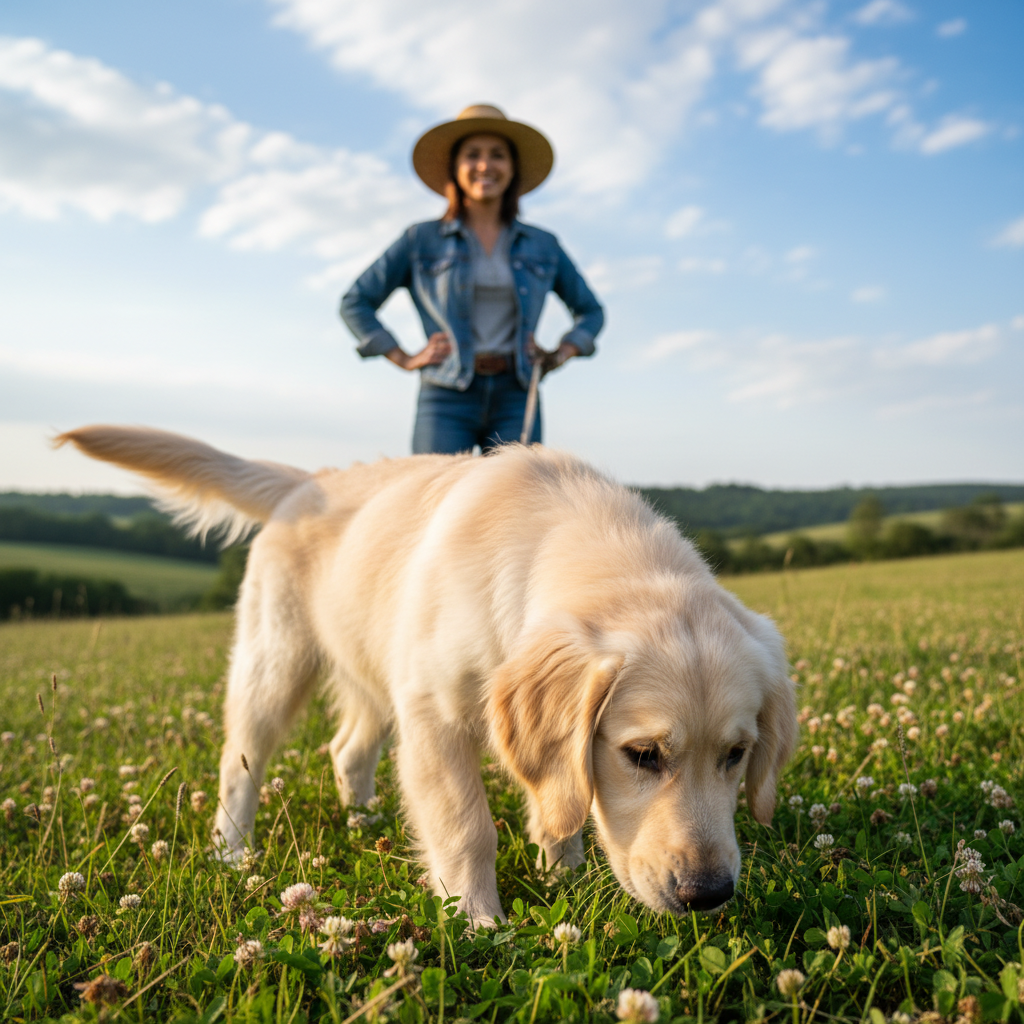
While training is important, remember that walks should also be fun for your puppy. Incorporate sniff breaks, allow them to explore safe areas, and vary your routes. Play short games or practice simple commands like ‘sit’ or ‘look at me’ during your walk. A happy, engaged puppy is less likely to pull because they’re enjoying the experience with you, not just trying to get somewhere.
Training your puppy not to pull on the leash is a journey, not a sprint. There will be days of great progress and days where it feels like you’re taking two steps back. But with patience, positive reinforcement, and these consistent tips, you’ll soon be enjoying those peaceful, pleasant walks you’ve always dreamed of with your beloved canine companion. Embrace the process, celebrate every small victory, and remember that every walk is an opportunity to strengthen your bond.