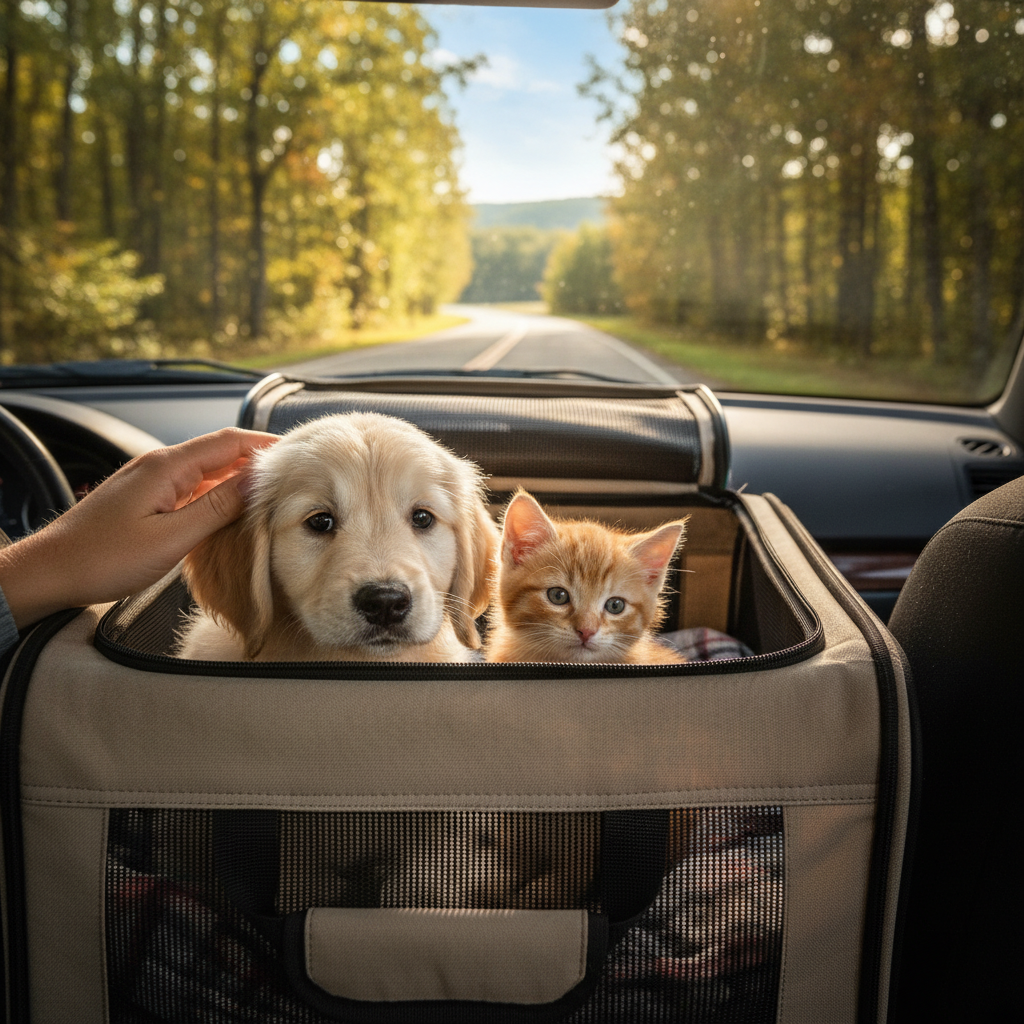
The thought of embarking on an adventure with your new furry family member is exciting! Whether it’s a short car ride to the vet or a longer journey to visit relatives, traveling with very young pets—be it a tiny puppy or a curious kitten—requires careful planning and a lot of love. Their world is still so new, and every experience shapes their perception. Ensuring their safety, comfort, and well-being during travel is paramount for a positive start to their journey with you.
This guide will walk you through six crucial guidelines to help you prepare for a successful trip, making sure your little companion feels secure and happy every step of the way. Let’s make their first travel experiences wonderful!
1. Prioritize a Vet Check-Up Before Travel
Before any journey, especially with a young pet, a visit to the veterinarian is non-negotiable. Your vet can confirm your pet is healthy enough for travel and address any potential concerns like motion sickness or anxiety. This visit is also crucial for:
- Health Certificate Some airlines, states, or countries require a health certificate issued by a licensed veterinarian within a specific timeframe (usually 10 days) before travel.
- Vaccinations and Parasite Prevention Ensure all necessary vaccinations are up-to-date for your pet’s age and that they are protected against fleas, ticks, and other parasites, especially if you’re traveling to a new environment.
- Microchipping If your pet isn’t already microchipped, now is the time. It’s a vital safety measure should you and your young pet become separated during your travels.
- Discussing Sedation While generally not recommended for young pets due to potential respiratory and cardiovascular problems, discuss any concerns about anxiety with your vet. They might suggest natural calming remedies or techniques instead.
2. Choose the Right Travel Carrier
A secure and comfortable carrier is your young pet’s safe haven during travel. It’s not just about containment; it’s about providing a den-like space where they feel protected. Here’s what to look for:
- Size Matters The carrier should be large enough for your pet to stand up, turn around, and lie down comfortably. However, avoid carriers that are too big, as this can make your pet feel less secure and increase the risk of injury during sudden stops.
- Ventilation Good airflow is essential. Look for carriers with ample mesh windows or vents on multiple sides.
- Secure and Durable The carrier should be made from sturdy materials and have a secure latching mechanism to prevent escapes. For car travel, consider carriers that can be safely secured with a seatbelt.
- Comfort Additions Line the carrier with a soft blanket or a familiar-smelling towel to provide comfort. Include a favorite toy to help ease anxiety.
3. Acclimate Your Pet to Travel
The key to a stress-free trip is gradual introduction. Don’t let the first time your pet sees their carrier or car be on travel day. Start weeks in advance:
- Carrier Familiarization Place the carrier in a comfortable spot at home, leaving the door open. Put treats, toys, or meals inside to create positive associations.
- Short Car Rides Once comfortable with the carrier, place your pet in it for very short car rides (e.g., to the end of the driveway and back). Gradually increase the duration of these trips.
- Positive Reinforcement Always offer praise and treats when your pet remains calm in the carrier or during car rides.
- Simulate Travel Sounds Play recordings of car sounds or even airplane sounds at a low volume to help desensitize them.
4. Pack Smart for the Journey
Just like packing for yourself, creating a dedicated pet travel bag ensures you have everything you need. Don’t forget these essentials:
- Food and Water Pack enough of your pet’s regular food for the entire trip, plus extra. Bring bottled water from home or a known safe source to avoid upset stomachs.
- Collapsible Bowls Easy to use and clean for feeding and hydration stops.
- Medication and First Aid Any prescribed medications, along with a basic pet first-aid kit (bandages, antiseptic wipes, tweezers).
- Leash and Collar/Harness Always keep these handy for breaks. Ensure ID tags are up-to-date.
- Waste Bags and Cleaning Supplies Accidents happen! Be prepared with plenty of waste bags, paper towels, and pet-friendly cleaning wipes.
- Comfort Items Favorite toys, a familiar blanket, or an old T-shirt with your scent can provide immense comfort.
5. Plan Regular Breaks and Hydration
Young pets have smaller bladders and need more frequent opportunities to stretch their legs and relieve themselves. Planning regular stops is crucial for their physical and mental well-being:
- Every 2-3 Hours Aim for breaks every 2 to 3 hours for puppies and kittens. This allows them to potty, drink water, and get a little exercise.
- Safe Potty Breaks Always keep your pet on a leash in unfamiliar areas. Choose safe, grassy spots away from heavy traffic.
- Hydration is Key Offer fresh water frequently, especially during warm weather. Dehydration can quickly become a serious issue for young animals.
- Short Play Sessions A quick game of fetch or some gentle petting can help release pent-up energy and reduce stress.
6. Understand Travel Regulations
Travel rules vary significantly depending on your mode of transport, destination, and even the type of pet. Researching these regulations well in advance can prevent last-minute headaches:
- Airline Policies If flying, each airline has specific rules regarding pet carriers, in-cabin vs. cargo travel, breed restrictions, and required documentation. Book well in advance as space is often limited.
- State and Country Laws Some states or countries have quarantine periods, specific vaccination requirements, or restrictions on certain breeds. International travel typically involves more complex paperwork and veterinary procedures.
- Pet-Friendly Accommodations Always confirm that your hotels, rentals, or campsites are pet-friendly before booking. Look for places that specifically welcome young pets.
- Car Safety While not always a regulation, securing your pet in a carrier or a proper car harness is vital for their safety and to prevent distractions for the driver.
Traveling with your very young pet can be an incredibly rewarding experience, deepening your bond and creating lasting memories. By following these six essential guidelines—prioritizing their health, ensuring their comfort, and understanding the logistics—you’re setting them up for a lifetime of happy adventures. Remember, patience, preparation, and plenty of love are your best tools for a smooth journey. Embrace the journey together!