As devoted dog parents, we all want our furry family members to live long, healthy, and vibrant lives. It’s not just about addressing issues when they arise, but about proactively building a foundation of wellness that supports their vitality for years to come. Just like with humans, small daily habits can make a huge difference in your dog’s overall well-being, energy levels, and even their lifespan.
This guide will walk you through seven crucial daily wellness habits you can easily incorporate into your routine. These aren’t complicated tasks, but rather consistent acts of care that will help your dog thrive, feel their best, and continue to bring joy to your home.
Understanding Long-Term Dog Vitality
Vitality in dogs isn’t just about being active when they’re young. It encompasses physical health, mental sharpness, emotional balance, and a strong immune system throughout their entire life journey. Achieving long-term vitality means focusing on preventative care and creating an environment where your dog can flourish at every stage.
It’s about understanding their individual needs, adapting as they age, and providing consistent support. By establishing good habits early on, you’re not just preventing future problems; you’re enhancing their quality of life every single day.
Habit 1 – Balanced Nutrition is Key
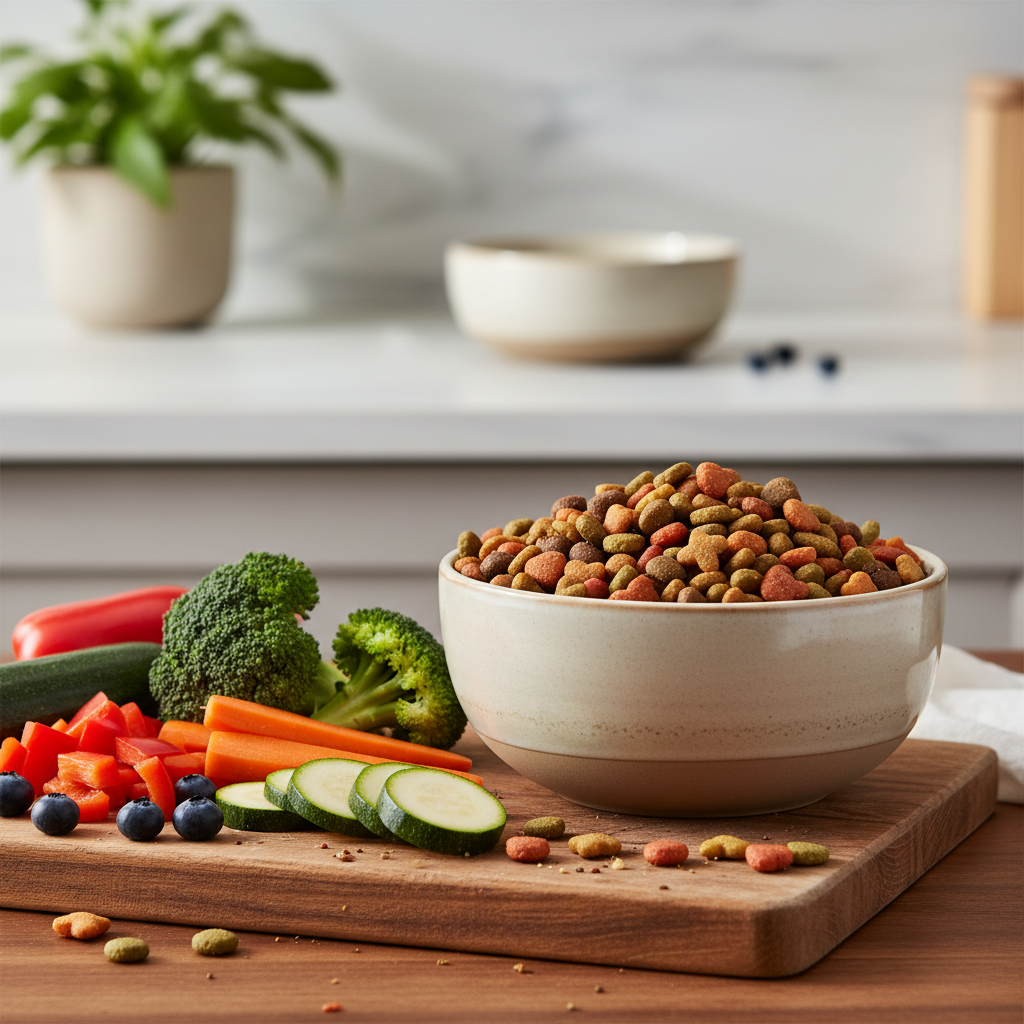
What your dog eats forms the bedrock of their health. A balanced diet provides the energy, nutrients, and building blocks they need for strong bones, healthy organs, a shiny coat, and a robust immune system.
Choosing the Right Food
Not all dog foods are created equal. Look for high-quality commercial dog foods that list a named meat source (e.g., chicken, lamb, beef) as the first ingredient. Avoid fillers, excessive artificial preservatives, colors, and flavors. Consider your dog’s age, breed, activity level, and any specific health conditions when selecting their food. Consulting your veterinarian can help you make the best choice.
Portion Control and Meal Timing
Overfeeding can lead to obesity, which is a major health risk for dogs. Follow the feeding guidelines on your dog food packaging, but also observe your dog’s body condition and adjust as needed. Most adult dogs benefit from two meals a day, which can help regulate metabolism and prevent hunger pangs.
Habit 2 – Regular Exercise for Body and Mind
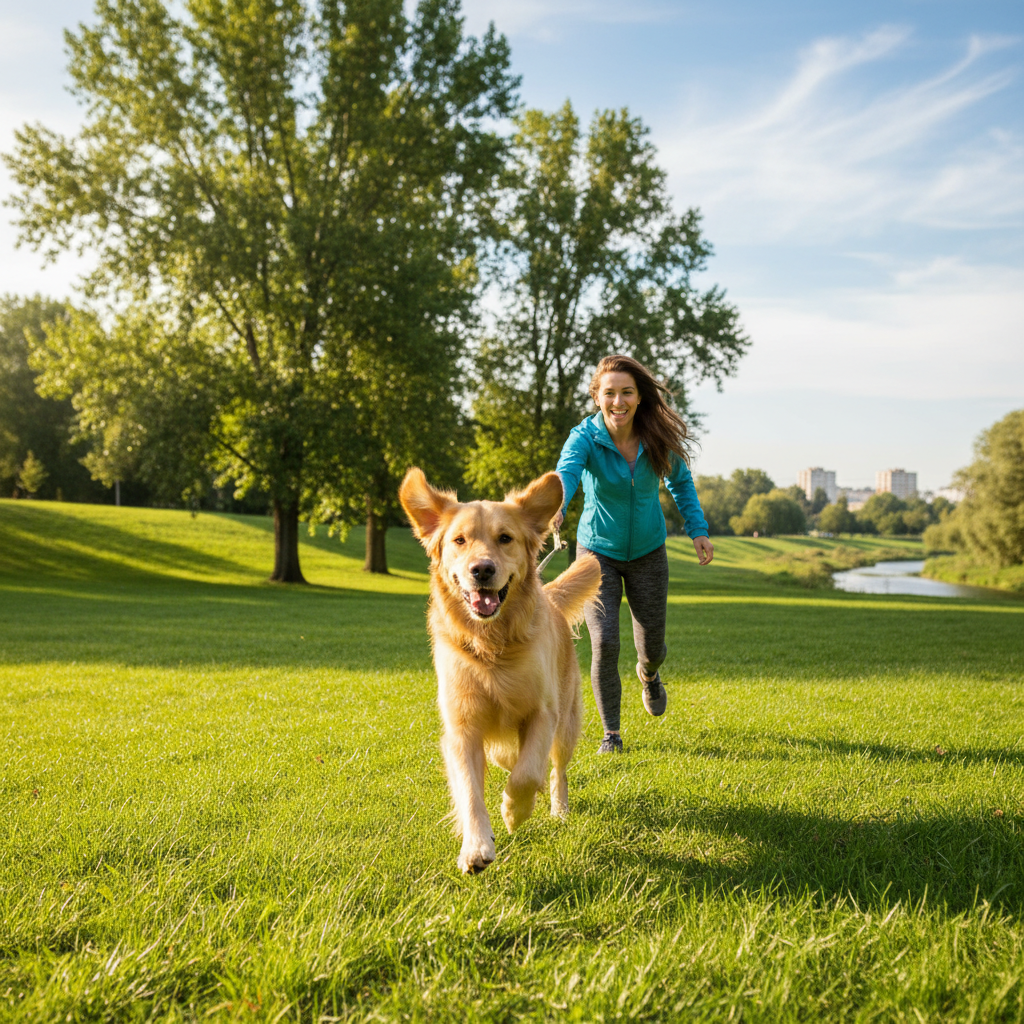
Exercise isn’t just about burning off energy; it’s vital for maintaining a healthy weight, strengthening muscles and joints, improving cardiovascular health, and providing mental stimulation. A tired dog is often a well-behaved and happy dog.
Tailoring Exercise to Your Dog’s Needs
The amount and type of exercise your dog needs will vary. A high-energy breed like a Border Collie will require more intense activity than a more sedentary breed like a Bulldog. Daily walks are a good starting point for most dogs, but consider adding playtime, fetch, swimming, or hiking to their routine. Always be mindful of their age and physical limitations.
Beyond Walks – Mental Stimulation
Physical exercise should be complemented by mental stimulation. This could involve training sessions, interactive puzzle toys, or even just exploring new environments on a walk. Engaging their minds helps prevent boredom and can reduce destructive behaviors.
Habit 3 – Consistent Grooming and Hygiene
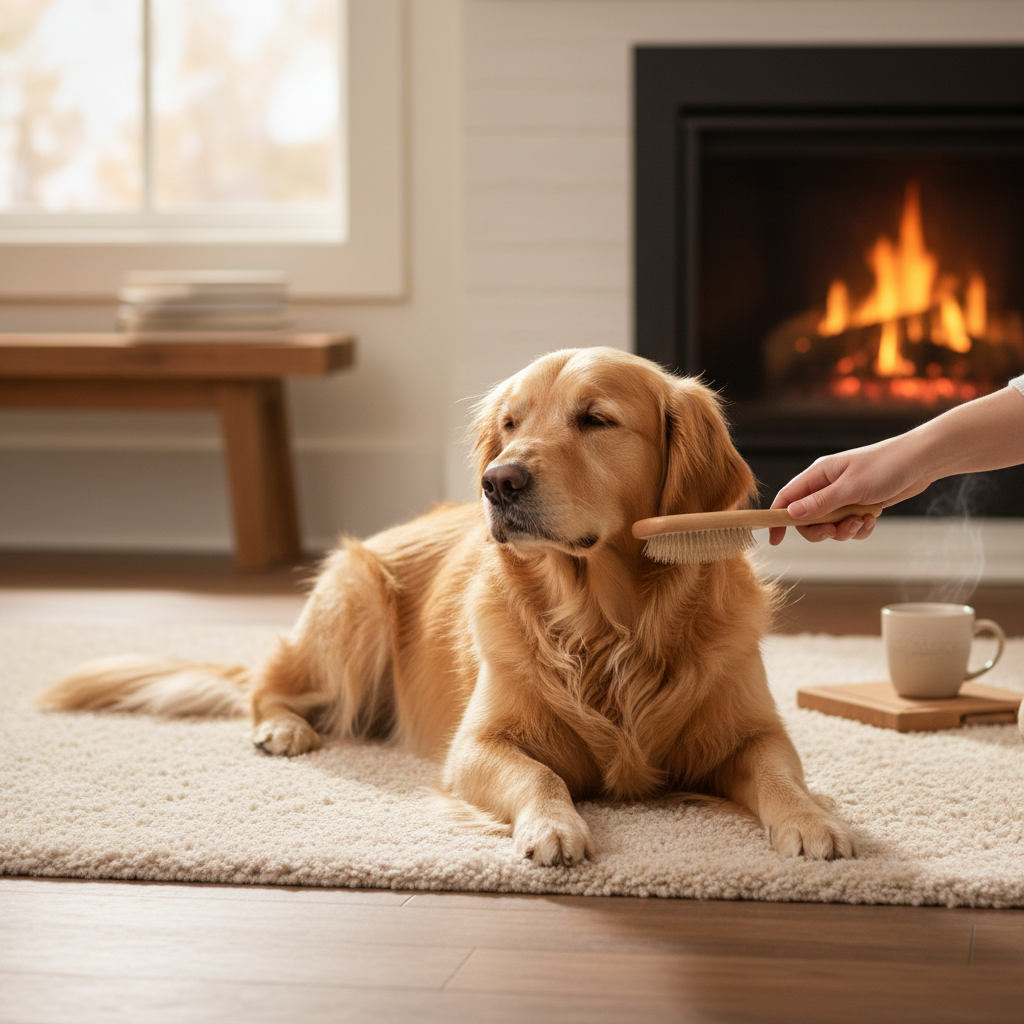
Grooming is more than just making your dog look good; it’s an essential part of their health routine. Regular grooming allows you to check for skin issues, lumps, parasites, and keeps them comfortable.
Brushing for a Healthy Coat
Daily or frequent brushing helps remove loose hair, dirt, and prevents mats, especially in long-haired breeds. It also distributes natural oils, promoting a healthy, shiny coat and reducing shedding. Plus, it’s a wonderful bonding activity!
Dental Care Matters
Dental disease is one of the most common health problems in dogs. Daily tooth brushing with dog-specific toothpaste is ideal. If daily isn’t feasible, aim for several times a week. Dental chews, water additives, and professional dental cleanings can also contribute to good oral hygiene, preventing pain and more serious health issues.
Habit 4 – Prioritizing Mental Enrichment
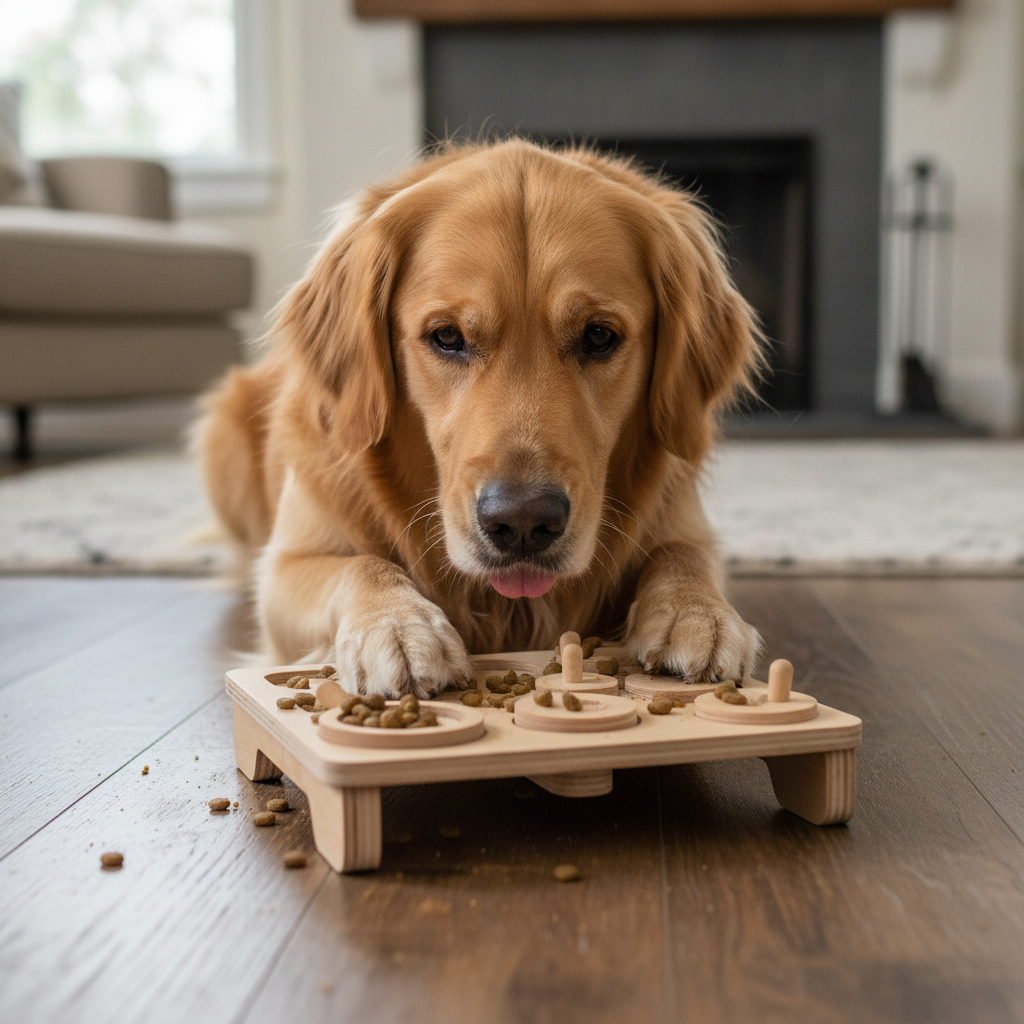
A dog’s mind needs just as much attention as their body. Mental enrichment prevents boredom, reduces anxiety, and keeps their cognitive functions sharp, especially as they age.
Puzzle Toys and Training Games
Introduce puzzle feeders that make your dog work for their food, or hide-and-seek games with treats. Regular training sessions, even short ones, reinforce good behavior and provide mental challenges. Learning new tricks keeps their brains active and engaged.
Socialization Opportunities
Safe and positive interactions with other dogs and people are crucial for a well-adjusted dog. Dog parks, supervised playdates, or even just walks in busy areas (if your dog is comfortable) can provide valuable social enrichment. Always ensure interactions are positive and stress-free.
Habit 5 – Quality Sleep and Rest
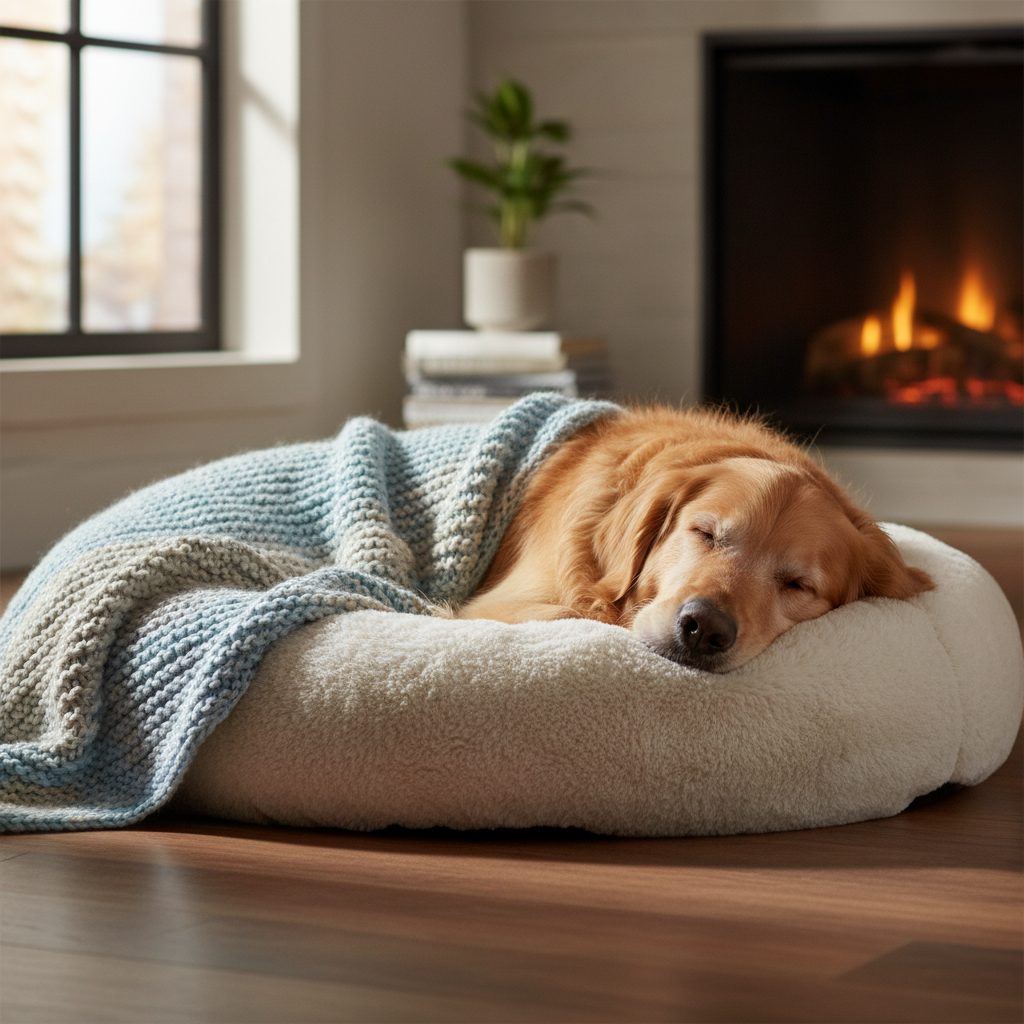
Dogs, much like humans, need sufficient rest to repair their bodies, process information, and maintain overall health. A well-rested dog is a happier, healthier dog.
Creating a Comfortable Sleep Environment
Provide a quiet, comfortable, and safe space for your dog to sleep. This could be a cozy dog bed, a crate, or a designated spot in your home. Ensure it’s away from high-traffic areas and loud noises, allowing for uninterrupted sleep.
Recognizing Signs of Overtiredness
Just as with puppies, adult dogs can become overtired. Look for signs like excessive panting, irritability, clumsiness, or difficulty settling down. Ensure they have enough downtime throughout the day, especially after periods of intense activity.
Habit 6 – Regular Veterinary Check-ups
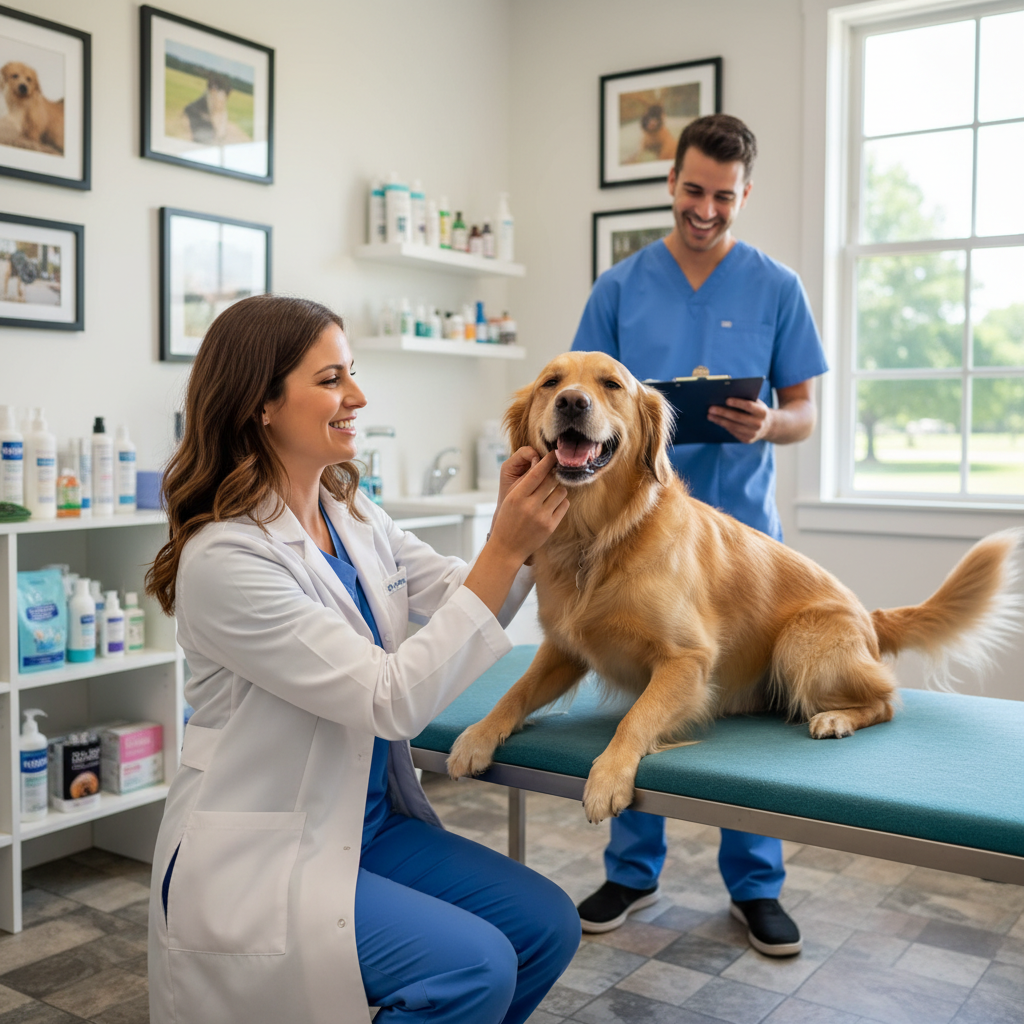
Even with the best daily care, professional medical oversight is irreplaceable. Regular vet visits are fundamental for catching potential health issues early, often before they become serious.
Preventive Care is Best
Annual or biannual check-ups allow your vet to perform a thorough physical examination, run routine blood work, and discuss any changes in your dog’s behavior or health. Early detection of conditions like dental disease, arthritis, or organ dysfunction can lead to more effective treatment and better outcomes.
Staying Up-to-Date on Vaccinations
Vaccinations protect your dog from common and often serious canine diseases. Your vet will recommend a vaccination schedule tailored to your dog’s age, lifestyle, and local risks. Regular parasite prevention (fleas, ticks, heartworm) is also a crucial part of their preventive care.
Habit 7 – Emotional Connection and Love
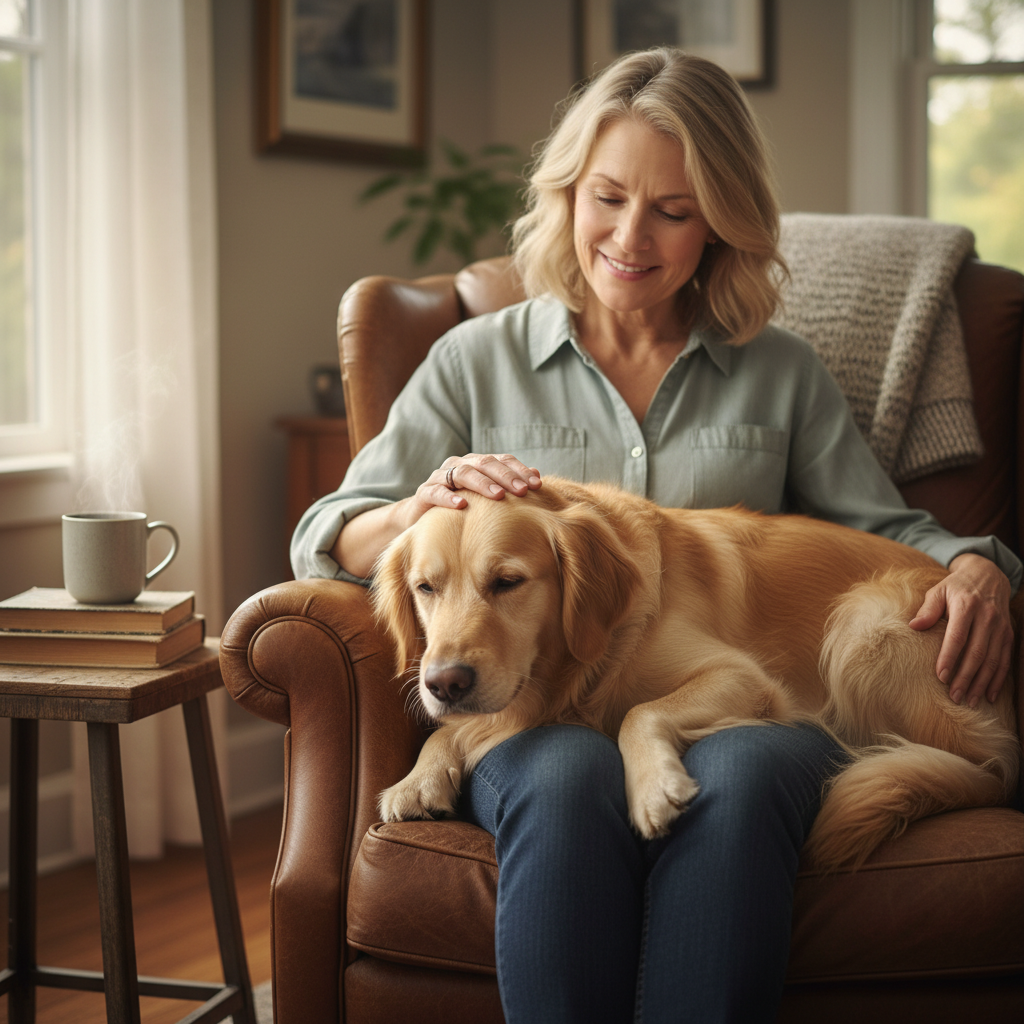
Perhaps the most vital habit of all—your dog thrives on your love and attention. A strong emotional bond contributes significantly to their mental and emotional well-being, reducing stress and fostering a sense of security.
The Power of Affection
Daily cuddles, gentle petting, belly rubs, and kind words aren’t just pleasant; they release oxytocin in both you and your dog, strengthening your bond and promoting relaxation. These moments of connection are as important as food and exercise.
Building a Strong Bond
Spend quality time together, whether it’s through play, training, or simply relaxing side-by-side. Consistency in your interactions and showing unconditional love builds trust and confidence, creating a happy and secure dog who knows they are cherished.
Embracing these seven daily wellness habits isn’t just about adding tasks to your routine; it’s about deepening your commitment to your dog’s well-being. Each habit, from nutritious meals to loving cuddles, contributes to a holistic approach to their health. By consistently providing balanced care, you’re not only extending their lifespan but enriching every moment you share. Watching your dog thrive with vibrant energy and joyful spirit is truly one of the greatest rewards of dog parenting. Keep nurturing that precious bond, and you’ll both enjoy a lifetime of happiness together.