
Yorkshire Terriers, or Yorkies as we lovingly call them, are little dogs with big personalities. They are charming, feisty, and devoted companions who bring immense joy into our homes. However, their small size and distinctive traits mean they have some very particular needs.
Many new Yorkie parents, and even some experienced ones, can unintentionally make mistakes that impact their little friend’s health, happiness, and behavior. Understanding these common pitfalls is the first step toward becoming the best possible owner for your beloved Yorkie. Let’s explore seven frequent errors and how to avoid them, ensuring your furry family member thrives.
Mistake 1: Treating Them Like Fragile Ornaments

It’s easy to want to coddle a tiny Yorkie, always carrying them or shielding them from the world. While their small size does make them more delicate than larger breeds, treating them *too* carefully can lead to problems. They need to explore, play, and interact safely.
The Importance of Safe Play and Handling
Yorkies, despite their brave hearts, are indeed more prone to injuries from falls or rough play. Their small bones and delicate bodies can be easily hurt if not handled properly. This doesn’t mean they shouldn’t play; it means supervising their playtime is key.
Gentle Handling Tips
Always support your Yorkie’s body, especially when picking them up. Scoop them with one hand under their chest and the other supporting their rear. Avoid letting them jump off high places like beds or couches, as this can cause joint issues or fractures. Supervise all interactions with young children and larger pets to prevent accidental injury.
Mistake 2: Neglecting Their Intricate Grooming Needs

That beautiful, silky coat is one of a Yorkie’s most striking features, but it requires diligent care. Many owners underestimate the time and effort involved in keeping a Yorkie’s hair healthy and mat-free.
The High Maintenance Coat
A Yorkie’s long, fine hair is similar to human hair, meaning it grows continuously and can easily tangle. If not brushed regularly, it will form painful mats that can pull on their skin and even lead to skin infections. Daily brushing is not just about looks; it’s essential for their comfort and health.
Beyond Brushing: Ears, Nails, and Hygiene
Grooming goes beyond just the coat. Their ears need regular cleaning to prevent wax buildup and infections, especially if their ear hair is not trimmed. Nails grow quickly and should be trimmed every few weeks to prevent discomfort and paw problems. Don’t forget their “hygiene trim” around their rear to keep things clean and tidy.
Mistake 3: Underestimating the Importance of Consistent Training and Socialization

Some owners believe that because Yorkies are small, they don’t need rigorous training or extensive socialization. This couldn’t be further from the truth. A well-behaved Yorkie is a happy Yorkie, and a well-socialized Yorkie is a confident one.
Avoiding “Small Dog Syndrome”
If left untrained, Yorkies can develop “small dog syndrome,” exhibiting behaviors like excessive barking, nipping, leash aggression, or territoriality. This often happens because their owners find their antics “cute” when they’re puppies or don’t see the need for obedience in such a small package. However, these behaviors can become frustrating for owners and stressful for the dog.
Early Training and Socialization Steps
Start training your Yorkie puppy as soon as you bring them home. Use positive reinforcement methods, rewarding good behavior with treats and praise. Enroll in puppy classes to learn basic commands and expose your Yorkie to new environments, people, and friendly dogs. Consistent house-training is crucial, as Yorkies can sometimes be a challenge in this area.
Mistake 4: Making Improper Feeding Choices

A Yorkie’s tiny body has specific dietary needs, and improper feeding can lead to serious health issues. Their small size makes them particularly vulnerable to certain nutritional mistakes.
The Risk of Hypoglycemia
Yorkie puppies and sometimes adult Yorkies are prone to hypoglycemia (low blood sugar). This can happen if they go too long without eating, especially when stressed or very active. Symptoms include lethargy, trembling, wobbling, and even seizures. It’s a serious condition that requires immediate attention.
What Not to Feed
Feed your Yorkie small, frequent meals throughout the day to help maintain stable blood sugar levels. Choose high-quality small-breed dog food that provides balanced nutrition. Avoid feeding them table scraps, as many human foods are unhealthy or even toxic for dogs. Keep a close eye on their treat intake to prevent obesity and ensure they aren’t filling up on empty calories instead of their nutritious meals.
Mistake 5: Overlooking Their Need for Regular Exercise and Mental Stimulation

Yorkies are often seen as lap dogs, but beneath that elegant coat is a true terrier with an energetic and curious spirit. They need more than just cuddles to stay healthy and happy.
More Than Just Lap Dogs
While they might enjoy a good snuggle, Yorkies were originally bred to hunt rats. This means they have an innate drive for activity and exploration. If they don’t get enough physical exercise and mental engagement, they can become bored, leading to destructive behaviors like excessive barking or chewing.
Engaging Activities for Your Yorkie
Short, regular walks several times a day are excellent for both physical exercise and mental stimulation, allowing them to sniff and explore. Indoor play, such as fetch, hide-and-seek, or puzzle toys, can also provide much-needed enrichment. Aim for a balance of physical activity and brain games to keep your Yorkie content.
Mistake 6: Ignoring or Delaying Preventative Veterinary Care

Yorkies are generally robust little dogs, but like all purebreds, they are predisposed to certain health conditions. Proactive veterinary care is essential for catching potential problems early and ensuring a long, healthy life.
Understanding Yorkie-Specific Ailments
Yorkies can be prone to issues like patellar luxation (slipping kneecaps), tracheal collapse (a weakened windpipe), portosystemic shunt (a liver condition), and severe dental disease. Being aware of these common problems allows you to work with your vet to monitor for symptoms and take preventative measures.
Prioritizing Dental Health
Dental disease is particularly prevalent and severe in small breeds like Yorkies. Their tiny mouths can become overcrowded, leading to plaque, tartar, gum disease, and eventually tooth loss if left untreated. This isn’t just a mouth issue; poor dental health can affect other organs like the heart and kidneys. Regular dental check-ups, professional cleanings, and at-home brushing are absolutely crucial.
Proactive Health Management Checklist
| Action | Frequency | Purpose |
| :———————————— | :———————- | :———————————————– |
| **Veterinary Check-ups** | Annually (more for seniors or puppies) | General health, vaccinations, parasite control |
| **Dental Check-ups & Cleanings** | Annually (or as recommended) | Prevent and treat gum disease, tooth decay |
| **At-Home Tooth Brushing** | Daily or every other day | Reduces plaque and tartar buildup |
| **Flea, Tick, Heartworm Prevention** | Monthly | Protects against common parasites |
| **Monitoring for Behavioral Changes** | Daily | Early detection of discomfort or illness |
Mistake 7: Not Creating a Safe and Emotionally Secure Environment
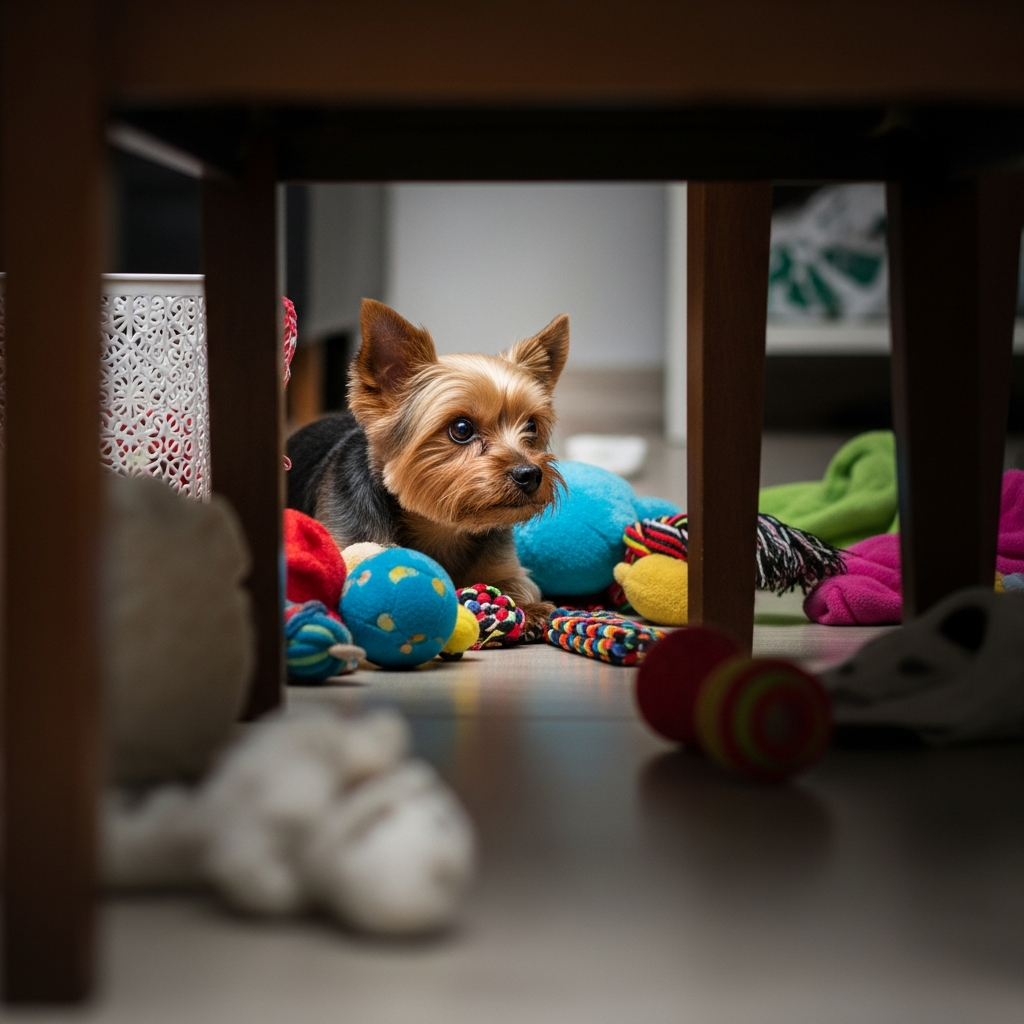
A Yorkie’s small size also means they can be more susceptible to environmental factors and emotional stress. Providing a secure, comfortable, and warm home environment is crucial for their overall well-being.
Temperature Sensitivity and Anxiety Prevention
Yorkies, with their single coat and small body mass, can get cold easily. They also bond very closely with their families and can be prone to separation anxiety if not properly prepared for alone time. These factors can lead to discomfort or distress.
Creating a Cozy Haven
Ensure your Yorkie has a warm, draft-free place to sleep, perhaps with a cozy bed or blanket. During colder months, consider a dog sweater or coat for walks. To prevent separation anxiety, practice leaving them alone for short periods, gradually increasing the time. Provide engaging toys and a comfortable crate as a safe den. Puppy-proof your home thoroughly, as their small size allows them to squeeze into tight spaces and access dangerous items that larger dogs might miss.
Creating a Happy Home for Your Yorkie

Owning a Yorkie is a truly rewarding experience. These little dogs offer so much love and personality. By understanding and avoiding these common mistakes, you can provide the best possible care for your furry friend. It’s all about recognizing their unique needs and adjusting your routine to meet them.