
7 Common Corgi Owner Mistakes and How to Fix Them
7 Common Corgi Owner Mistakes and How to Fix Them
Corgis! Those adorable, low-rider bundles of joy with a big personality are simply irresistible. With their foxy faces, sturdy bodies, and surprisingly agile waddle, it’s easy to fall head over heels for a Corgi. But like any specific breed, Corgis come with their unique quirks, needs, and potential pitfalls for even the most well-meaning dog parent. Understanding these can make all the difference between a good Corgi life and a truly great one.
Bringing a Corgi into your home is a commitment to their health, happiness, and well-being. It’s about more than just their cute looks; it’s about understanding their history as herding dogs, their intelligence, and their physical predispositions. In this guide, we’ll walk through seven common mistakes Corgi owners often make and, more importantly, provide you with practical, loving solutions to ensure your Corgi thrives.
Mistake One – Overfeeding and Ignoring Weight Management

Corgis are notorious food lovers, and their endearing pleas for treats can be hard to resist. However, their short stature and sturdy build make them prone to weight gain, which can exacerbate back problems (like IVDD) and lead to other health issues such as diabetes or joint pain.
The Fix – Strict Portion Control and Healthy Treats
The solution lies in diligent portion control and a mindful approach to treats. Consult your veterinarian to determine the ideal daily calorie intake for your Corgi based on their age, activity level, and current weight. Measure out their food precisely and stick to a consistent feeding schedule.
- Measure Meals Use a measuring cup for every meal.
- Healthy Snacks Opt for low-calorie, healthy treats like small pieces of carrot, apple (without seeds), or green beans instead of processed dog biscuits.
- Interactive Feeders Use puzzle feeders to slow down eating and provide mental stimulation.
- Regular Weigh-Ins Monitor their weight regularly and adjust food intake as needed.
Mistake Two – Insufficient Exercise and Mental Stimulation

Don’t let their short legs fool you; Corgis were bred to herd cattle and sheep, meaning they possess a surprising amount of energy and intelligence. Under-exercised Corgis can become bored, destructive, or even develop behavioral issues.
The Fix – Daily Activity and Engaging Play
Providing adequate physical exercise and mental challenges is crucial. Aim for at least 30-60 minutes of moderate exercise daily, split into two or more sessions.
- Daily Walks Include brisk walks, not just potty breaks.
- Playtime Engage in games like fetch, tug-of-war, or hide-and-seek indoors or in a securely fenced yard.
- Mind Games Introduce puzzle toys, snuffle mats, or teach new tricks to keep their minds sharp.
- Dog Sports Consider low-impact dog sports like obedience, rally, or even herding if available.
Mistake Three – Neglecting Grooming Needs

Corgis have a thick, double coat that sheds a lot, especially seasonally. Many owners underestimate the grooming commitment, leading to mats, excessive shedding indoors, and skin issues.
The Fix – Regular Brushing and Proper Bathing
Consistent grooming is key to managing their coat and keeping their skin healthy. Establish a routine from a young age.
- Frequent Brushing Brush your Corgi 2-3 times a week, and daily during shedding season, using a deshedding tool and a slicker brush.
- Bathing Bathe them every 1-2 months or as needed, using a dog-specific shampoo to avoid stripping natural oils.
- Nail Trims Keep their nails trimmed short to prevent discomfort and potential paw problems.
- Ear Cleaning Check and clean their ears regularly to prevent infections.
Mistake Four – Inconsistent Training and Socialization

Corgis are intelligent and can be quite strong-willed, thanks to their herding heritage. Without consistent training and early socialization, they can develop undesirable behaviors like nipping at heels, excessive barking, or resource guarding.
The Fix – Positive Reinforcement and Early Exposure
Start training and socialization early and maintain consistency throughout their lives. Positive reinforcement methods work best with Corgis.
- Puppy Classes Enroll in puppy classes for early socialization with other dogs and people.
- Basic Obedience Teach fundamental commands like sit, stay, come, and leave it.
- Consistency All family members should use the same commands and rules.
- Exposure Expose your Corgi to various sights, sounds, people, and places in a positive way.
Mistake Five – Not Managing Barking Habits
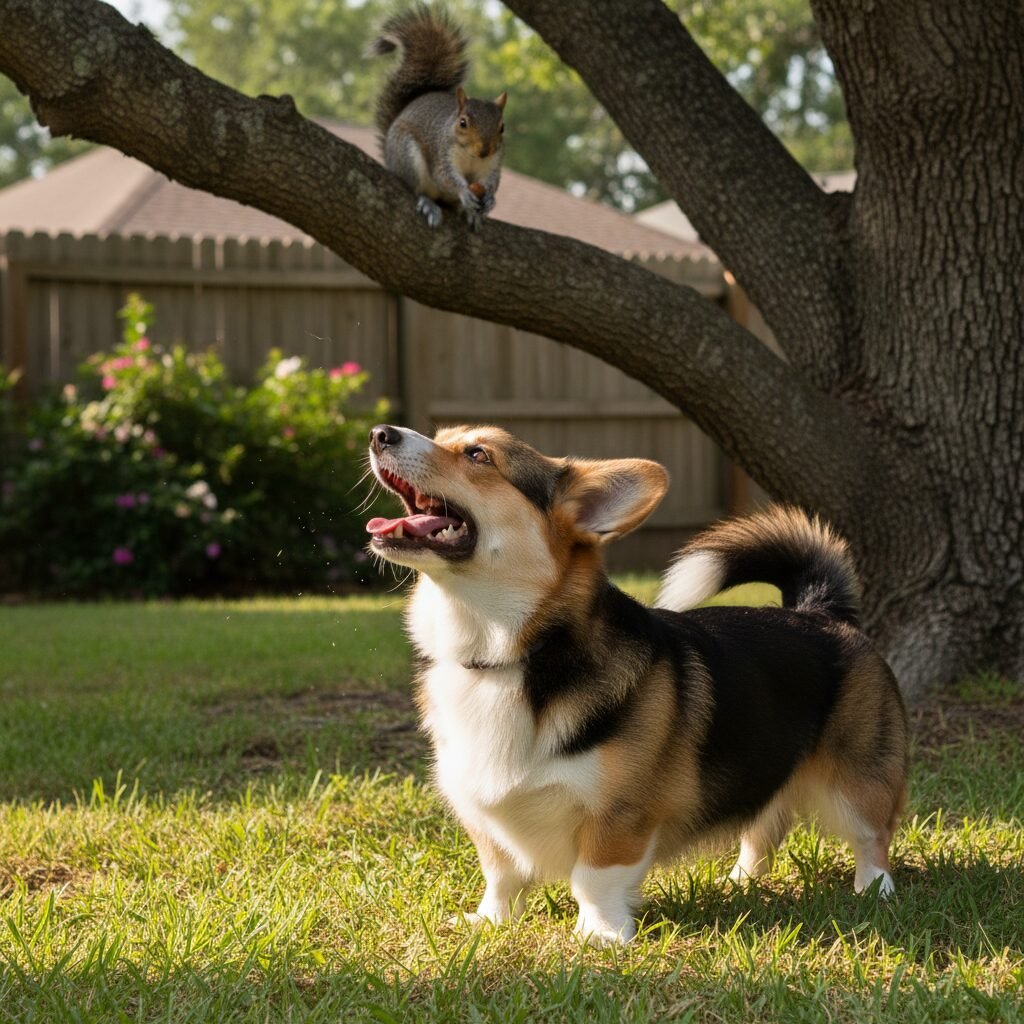
As herding dogs, Corgis were bred to be vocal, using their barks to control livestock. This innate tendency means they can be prone to excessive barking, whether at strangers, other animals, or just out of boredom.
The Fix – Address the Root Cause and Train Quiet Commands
Managing barking involves understanding why your Corgi is barking and teaching them alternative behaviors.
- Identify Triggers Determine what causes your Corgi to bark (e.g., mail carrier, squirrels, boredom).
- Desensitization Gradually expose them to triggers in a controlled, positive manner.
- Teach ‘Quiet’ Train a ‘quiet’ command by rewarding them for being silent after a bark.
- Mental Stimulation Ensure they are mentally stimulated to reduce boredom barking.
Mistake Six – Ignoring Back Health Precautions

Corgis are chondrodystrophic breeds, meaning they have disproportionately short limbs and long backs. This makes them highly susceptible to Intervertebral Disc Disease (IVDD), a painful spinal condition.
The Fix – Protect Their Spine and Maintain Ideal Weight
Preventative measures are crucial to protecting your Corgi’s delicate spine.
- No Jumping Discourage jumping on and off furniture. Use ramps or steps.
- Support During Handling Always support their back and hindquarters when picking them up.
- Maintain Ideal Weight Keep them at a healthy weight to reduce strain on their spine.
- Proper Harness Use a harness instead of a collar for walks to avoid neck strain.
Mistake Seven – Underestimating Their Intelligence and Stubborn Streak

Corgis are incredibly smart, which can be a double-edged sword. Their intelligence, combined with their strong will, can lead them to outsmart their owners if training isn’t consistent and engaging.
The Fix – Consistent, Engaging Training and Leadership
Embrace their intelligence with smart training and firm, yet loving, leadership.
- Vary Training Keep training sessions short, fun, and varied to prevent boredom.
- Puzzle Toys Provide plenty of puzzle toys and enrichment activities.
- Be the Leader Establish yourself as the consistent, calm leader through clear rules and boundaries.
- Positive Reinforcement Always use positive reinforcement; Corgis respond poorly to harsh methods.
Embrace the Corgi Journey with Love and Wisdom
Corgis are truly special dogs, full of character, love, and a surprising amount of spunk. While they come with their own set of challenges, understanding and addressing these common mistakes can transform your relationship with your Corgi into an even more joyful and fulfilling partnership. By committing to their physical health, mental well-being, and consistent training, you’re not just fixing problems; you’re building a stronger bond and ensuring your beloved Corgi lives the happiest, healthiest life possible.
Every Corgi is an individual, but these guidelines offer a solid foundation for responsible and loving ownership. Embrace the journey, learn from your Corgi, and cherish every moment with your low-riding, big-hearted companion!


